
Search
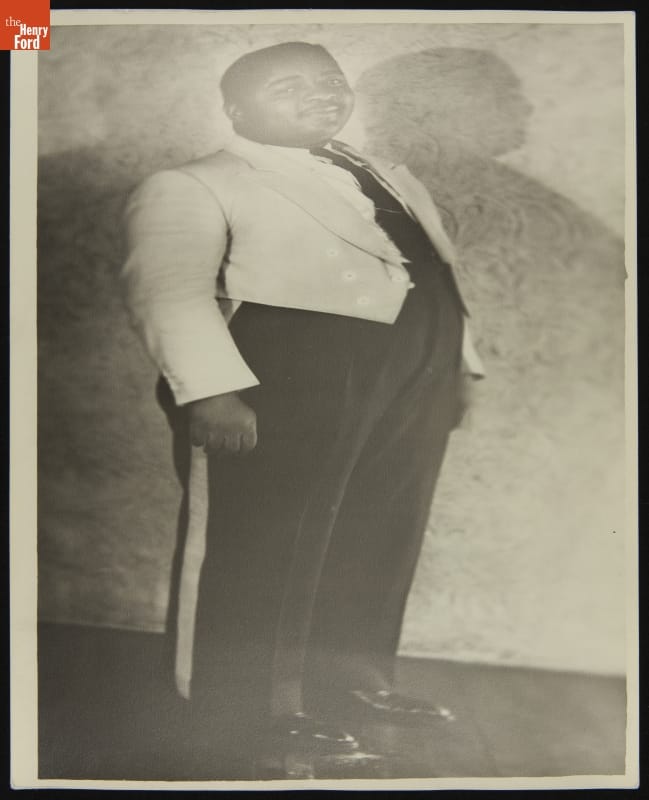
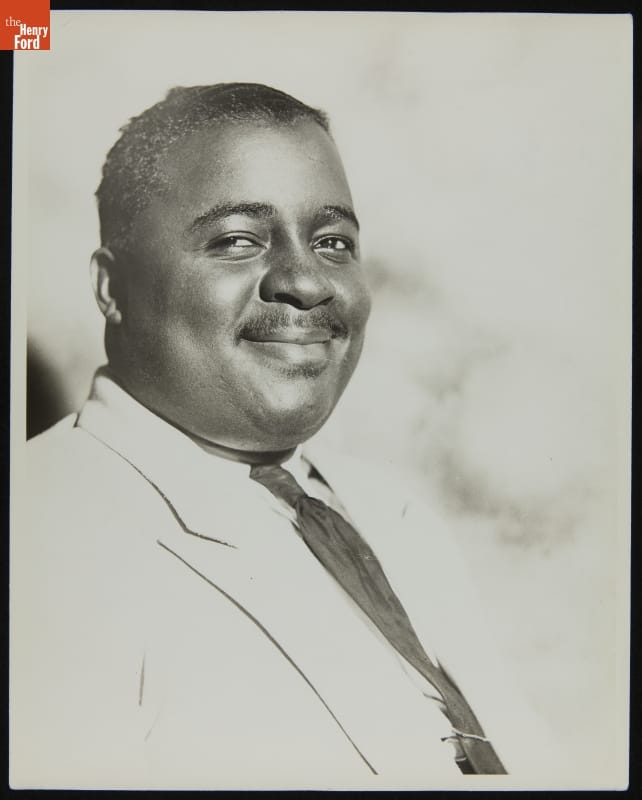
- Charles "Tubby" Bowen, Club Harlem, 1934-1935 - This publicity photo of Charles "Tubby" Bowen (1911-1978) is from Club Harlem in Detroit, Michigan, circa 1935. Bowen was a local tenor saxophonist. He played in several bands in Detroit and was briefly a member of Count Basie's band. After a decade-long career as a journeyman musician, Bowen led his own band -- Tubby Bowen and his Tubs -- beginning in 1941.
- 1934-1935
- Collections - Artifact
Charles "Tubby" Bowen, Club Harlem, 1934-1935
This publicity photo of Charles "Tubby" Bowen (1911-1978) is from Club Harlem in Detroit, Michigan, circa 1935. Bowen was a local tenor saxophonist. He played in several bands in Detroit and was briefly a member of Count Basie's band. After a decade-long career as a journeyman musician, Bowen led his own band -- Tubby Bowen and his Tubs -- beginning in 1941.
- Piano, Used at Club Harlem, Detroit, Michigan, 1934 -
- 1934
- Collections - Artifact
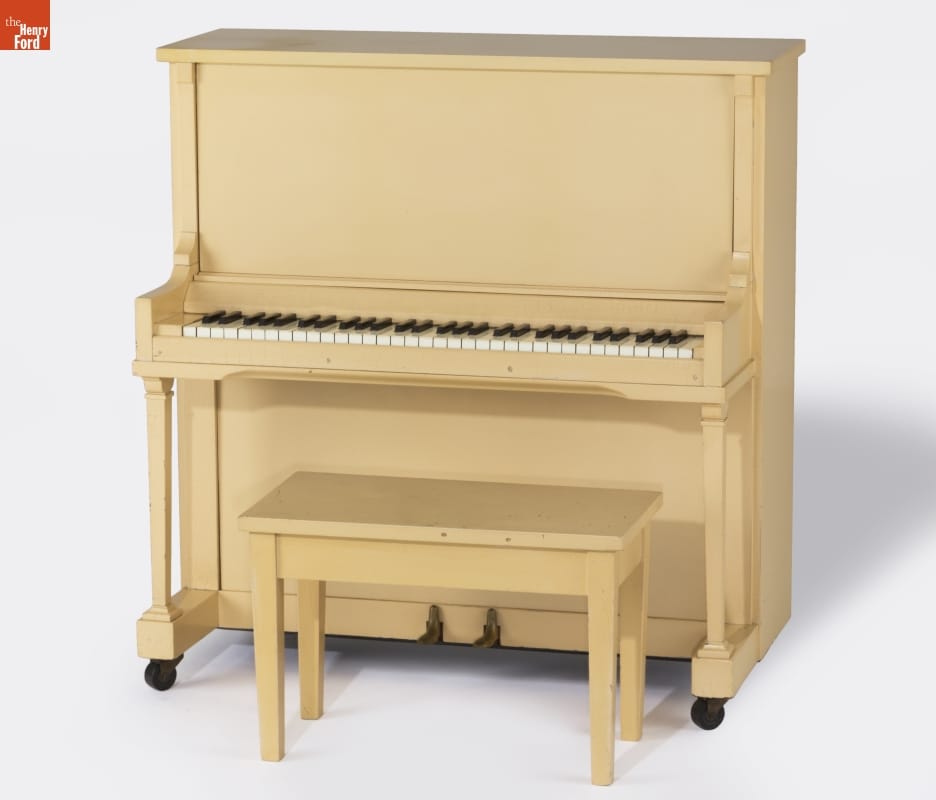
Piano, Used at Club Harlem, Detroit, Michigan, 1934
- DJ Kool Herc at The T-Connection Nightclub, Bronx, New York, circa 1981 -
- circa 1981
- Collections - Artifact
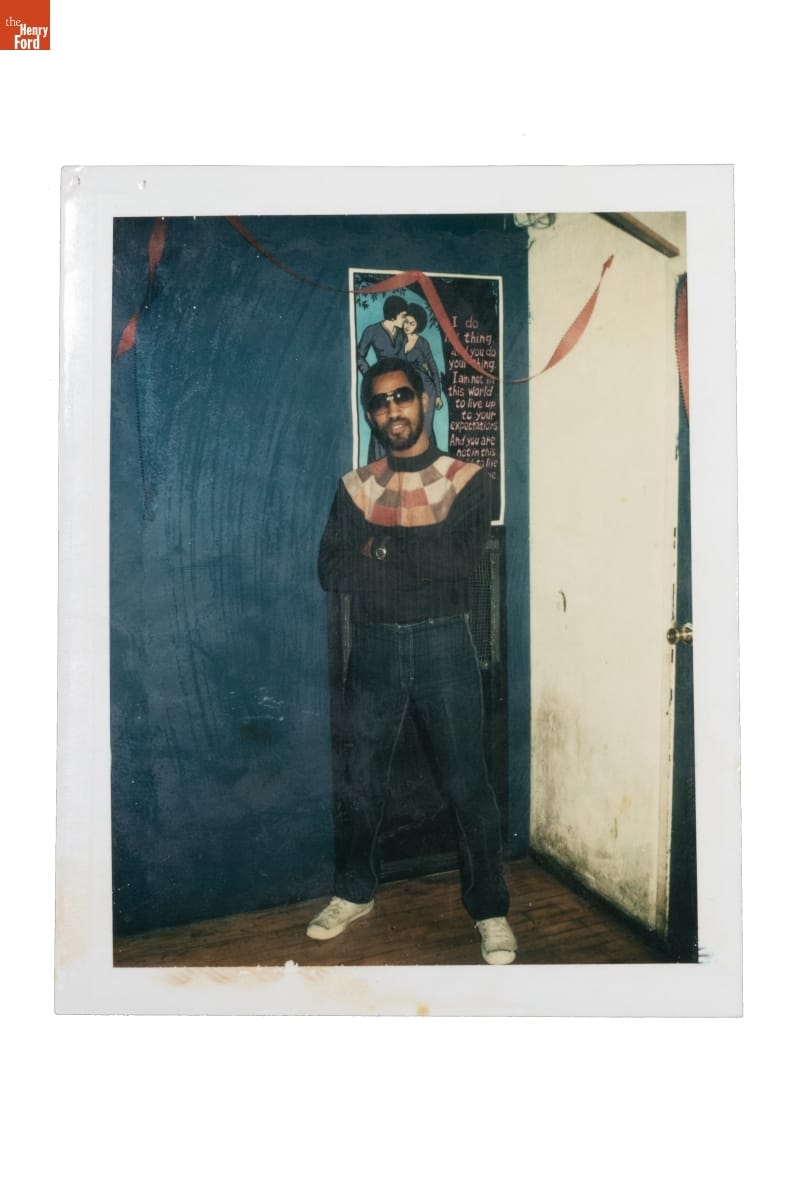
DJ Kool Herc at The T-Connection Nightclub, Bronx, New York, circa 1981
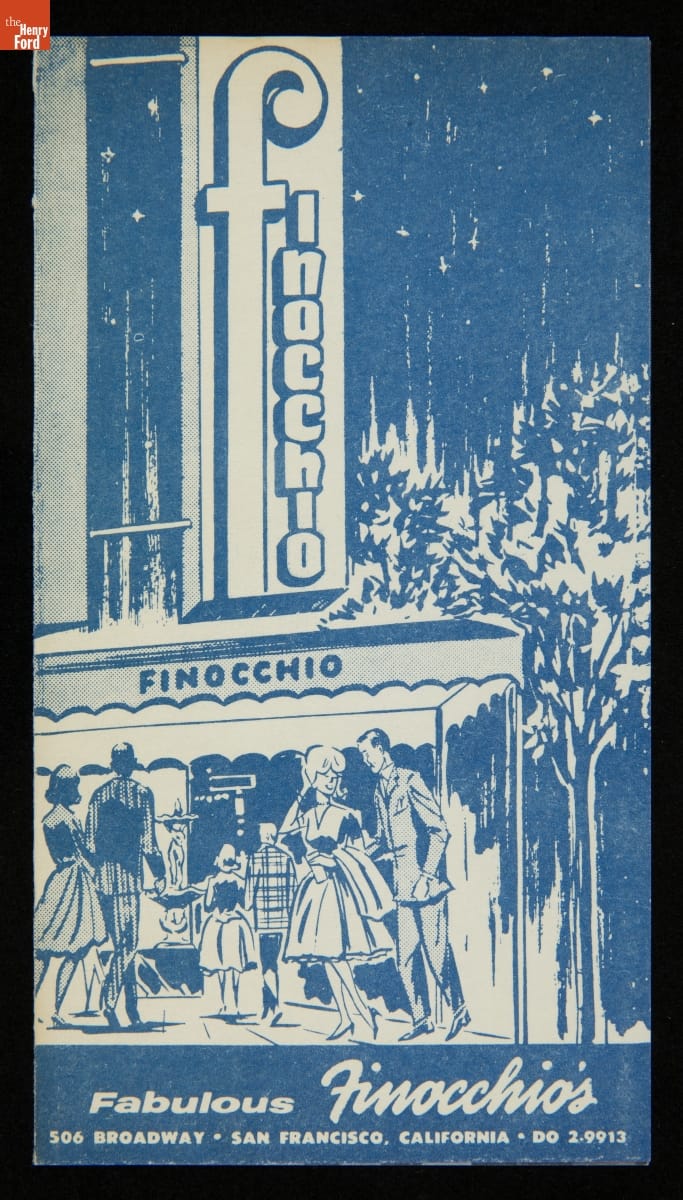
- "Fabulous Finocchio's," 1960-1970 - Established in 1929 as a place to see "female impersonator" revues, Finnochio's Club in San Francisco became well known for its drag performances. In addition to serving as a safe public space for the LGBTQ+ community, it was a popular tourist attraction into the early-1990s, before closing at the end of 1999.
- 1960-1970
- Collections - Artifact
"Fabulous Finocchio's," 1960-1970
Established in 1929 as a place to see "female impersonator" revues, Finnochio's Club in San Francisco became well known for its drag performances. In addition to serving as a safe public space for the LGBTQ+ community, it was a popular tourist attraction into the early-1990s, before closing at the end of 1999.
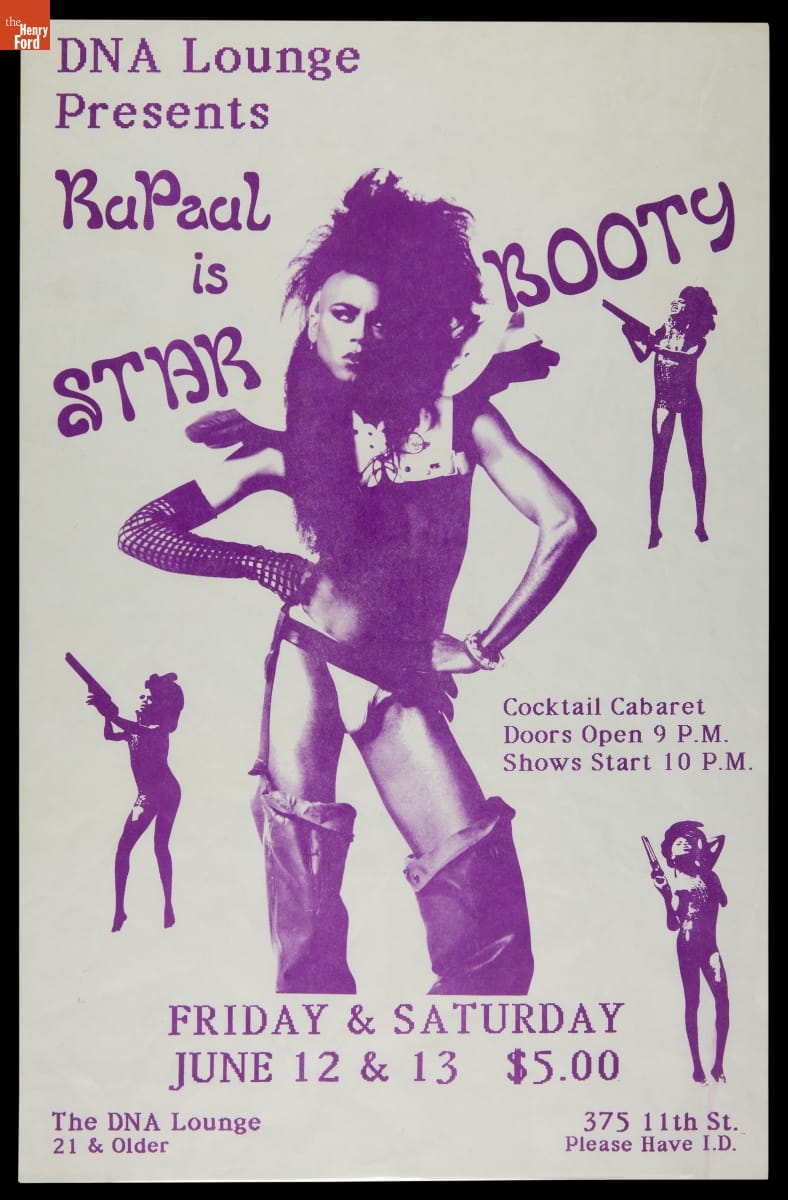
- "DNA Lounge Presents: RuPaul is Star Booty," June 1987 - Before becoming an internationally recognized drag queen, TV host, musician, and model, an unknown RuPaul starred in the "no budget" underground <em>Star Booty</em> film trilogy that this poster advertises. The host DNA Lounge opened in 1983 as the leather bar Chaps and later transitioned to an all-ages, late-night entertainment venue known for its LGBTQ+-friendly atmosphere.
- 12 June 1987-13 June 1987
- Collections - Artifact
"DNA Lounge Presents: RuPaul is Star Booty," June 1987
Before becoming an internationally recognized drag queen, TV host, musician, and model, an unknown RuPaul starred in the "no budget" underground Star Booty film trilogy that this poster advertises. The host DNA Lounge opened in 1983 as the leather bar Chaps and later transitioned to an all-ages, late-night entertainment venue known for its LGBTQ+-friendly atmosphere.
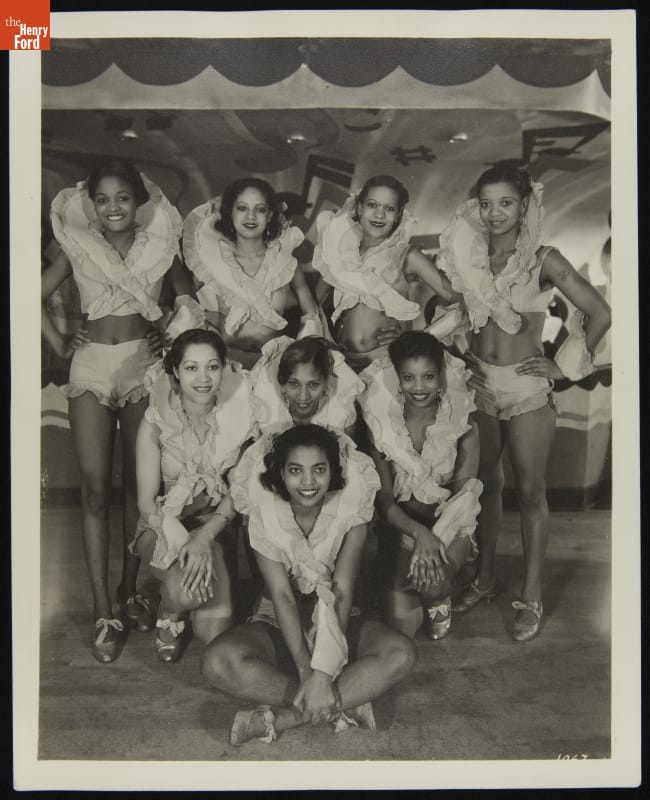
- Club Harlem Chorus, 1934-1935 - This chorus line performed at the short-lived Club Harlem in Paradise Valley, the entertainment district in Detroit’s Black Bottom neighborhood. Club Harlem was a “black-and-tan” establishment, catering to both Black and White audiences. Chorus line acts such as this -- popular during the 1920s and 1930s-- sang and danced everywhere from large theaters to small cabarets.
- 1934-1935
- Collections - Artifact
Club Harlem Chorus, 1934-1935
This chorus line performed at the short-lived Club Harlem in Paradise Valley, the entertainment district in Detroit’s Black Bottom neighborhood. Club Harlem was a “black-and-tan” establishment, catering to both Black and White audiences. Chorus line acts such as this -- popular during the 1920s and 1930s-- sang and danced everywhere from large theaters to small cabarets.
- Performing Artist, Club Harlem, 1934-1935 -
- 1934-1935
- Collections - Artifact
Performing Artist, Club Harlem, 1934-1935
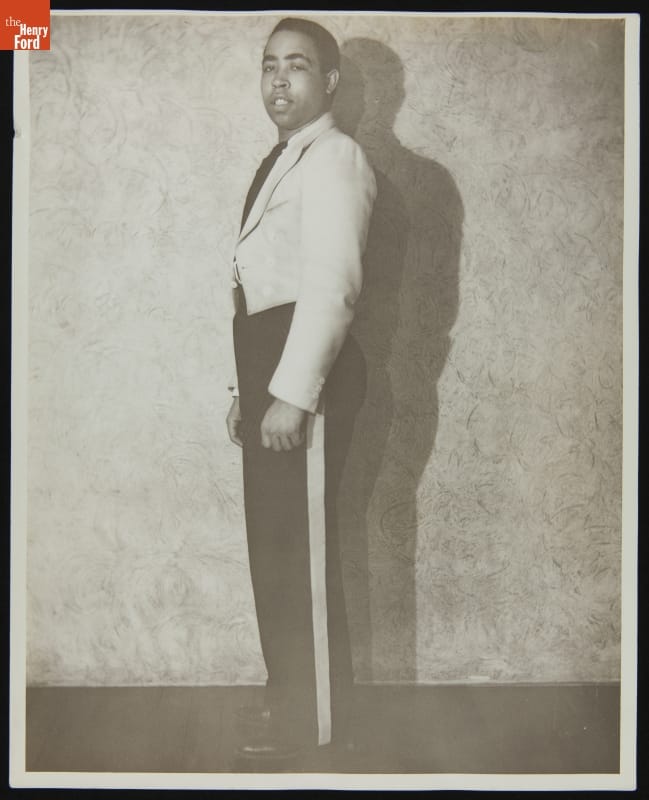
- Performing Artist, Club Harlem, 1934-1935 - Paradise Valley, the entertainment district of Detroit’s Black Bottom neighborhood, contained numerous clubs, cabarets, and theaters. Many famous Black performers, such as Duke Ellington and Ella Fitzgerald, played in Paradise Valley from the 1920s to the 1950s. This photo shows an unidentified artist who played at Club Harlem, a short-lived “black-and-tan” establishment that catered to Black and White audiences.
- 1934-1935
- Collections - Artifact
Performing Artist, Club Harlem, 1934-1935
Paradise Valley, the entertainment district of Detroit’s Black Bottom neighborhood, contained numerous clubs, cabarets, and theaters. Many famous Black performers, such as Duke Ellington and Ella Fitzgerald, played in Paradise Valley from the 1920s to the 1950s. This photo shows an unidentified artist who played at Club Harlem, a short-lived “black-and-tan” establishment that catered to Black and White audiences.
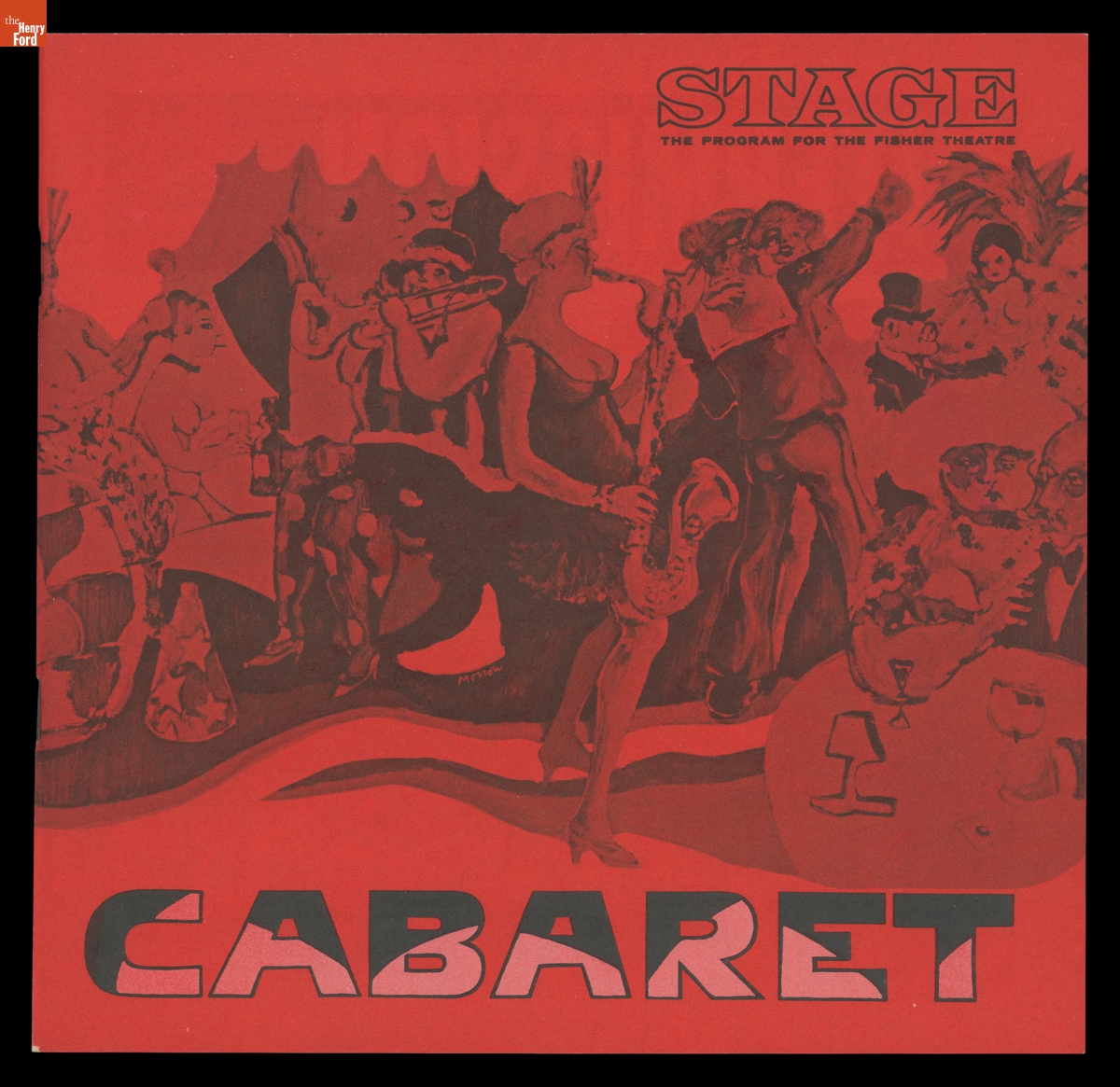
- "Cabaret," 1968 - <i>Cabaret</i> is a 1966 musical based on Christopher Isherwood's semiautobiographical novel <i>Goodbye to Berlin</i>. Although <i>Cabaret</i> is set in Germany during the Weimar Republic era (1918-1933), the show's creators used the story to comment on then-contemporary American issues like The Civil Rights Movement. The award-winning musical became an instant Broadway classic and has been revived multiple times.
- 15 April 1968 - 11 May 1968
- Collections - Artifact
"Cabaret," 1968
Cabaret is a 1966 musical based on Christopher Isherwood's semiautobiographical novel Goodbye to Berlin. Although Cabaret is set in Germany during the Weimar Republic era (1918-1933), the show's creators used the story to comment on then-contemporary American issues like The Civil Rights Movement. The award-winning musical became an instant Broadway classic and has been revived multiple times.
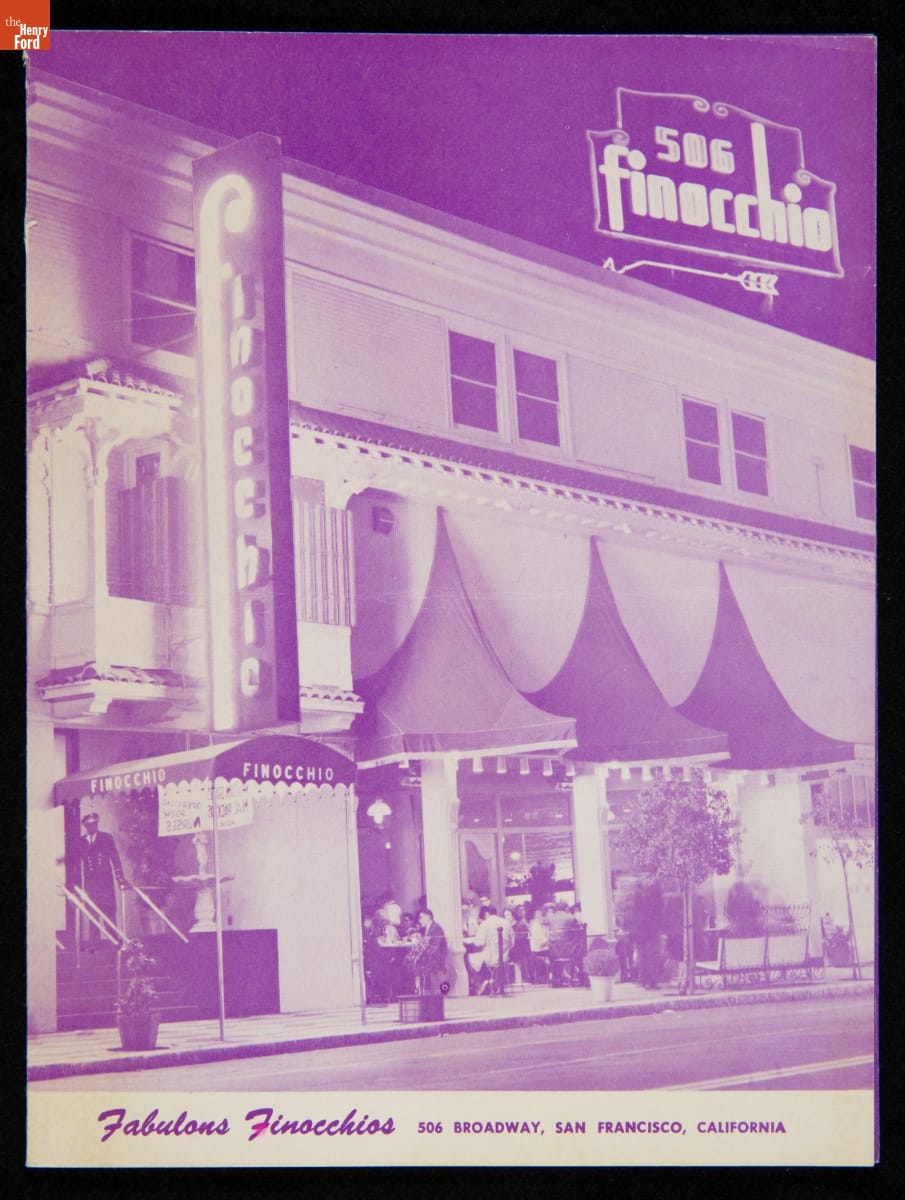
- "Fabulous Finocchio's," 1960-1970 - Established in 1929 as a place to see "female impersonator" revues, Finnochio's Club in San Francisco became well known for its drag performances. In addition to serving as a safe public space for the LGBTQ+ community, it was a popular tourist attraction into the early-1990s, before closing at the end of 1999.
- 1960-1970
- Collections - Artifact
"Fabulous Finocchio's," 1960-1970
Established in 1929 as a place to see "female impersonator" revues, Finnochio's Club in San Francisco became well known for its drag performances. In addition to serving as a safe public space for the LGBTQ+ community, it was a popular tourist attraction into the early-1990s, before closing at the end of 1999.