
Search
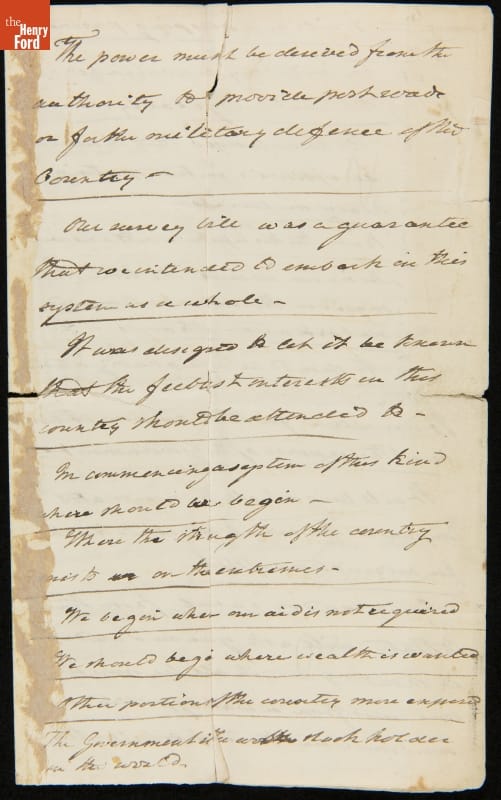
- Alexander Hamilton's Arguments against Federal Subscription of Stock in the Proposed Chesapeake and Delaware Canal, circa 1803 -
- circa 1803
- Collections - Artifact
Alexander Hamilton's Arguments against Federal Subscription of Stock in the Proposed Chesapeake and Delaware Canal, circa 1803
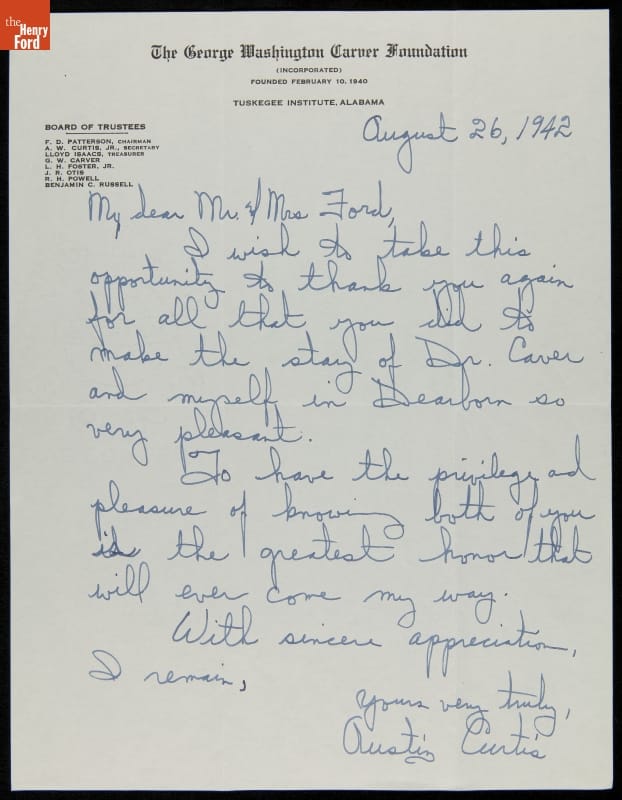
- Letter from Austin Curtis, Jr. to Henry and Clara Ford, August 26, 1942 - Chemist Austin Curtis, Jr., came to the Tuskegee Institute in Alabama in 1935 to assist the increasingly frail George Washington Carver and carry on his work. Curtis accompanied Carver on his many trips, including one to Greenfield Village in the summer of 1942. In this letter he thanks Henry and Clara Ford for their hospitality on the recent visit.
- August 26, 1942
- Collections - Artifact
Letter from Austin Curtis, Jr. to Henry and Clara Ford, August 26, 1942
Chemist Austin Curtis, Jr., came to the Tuskegee Institute in Alabama in 1935 to assist the increasingly frail George Washington Carver and carry on his work. Curtis accompanied Carver on his many trips, including one to Greenfield Village in the summer of 1942. In this letter he thanks Henry and Clara Ford for their hospitality on the recent visit.
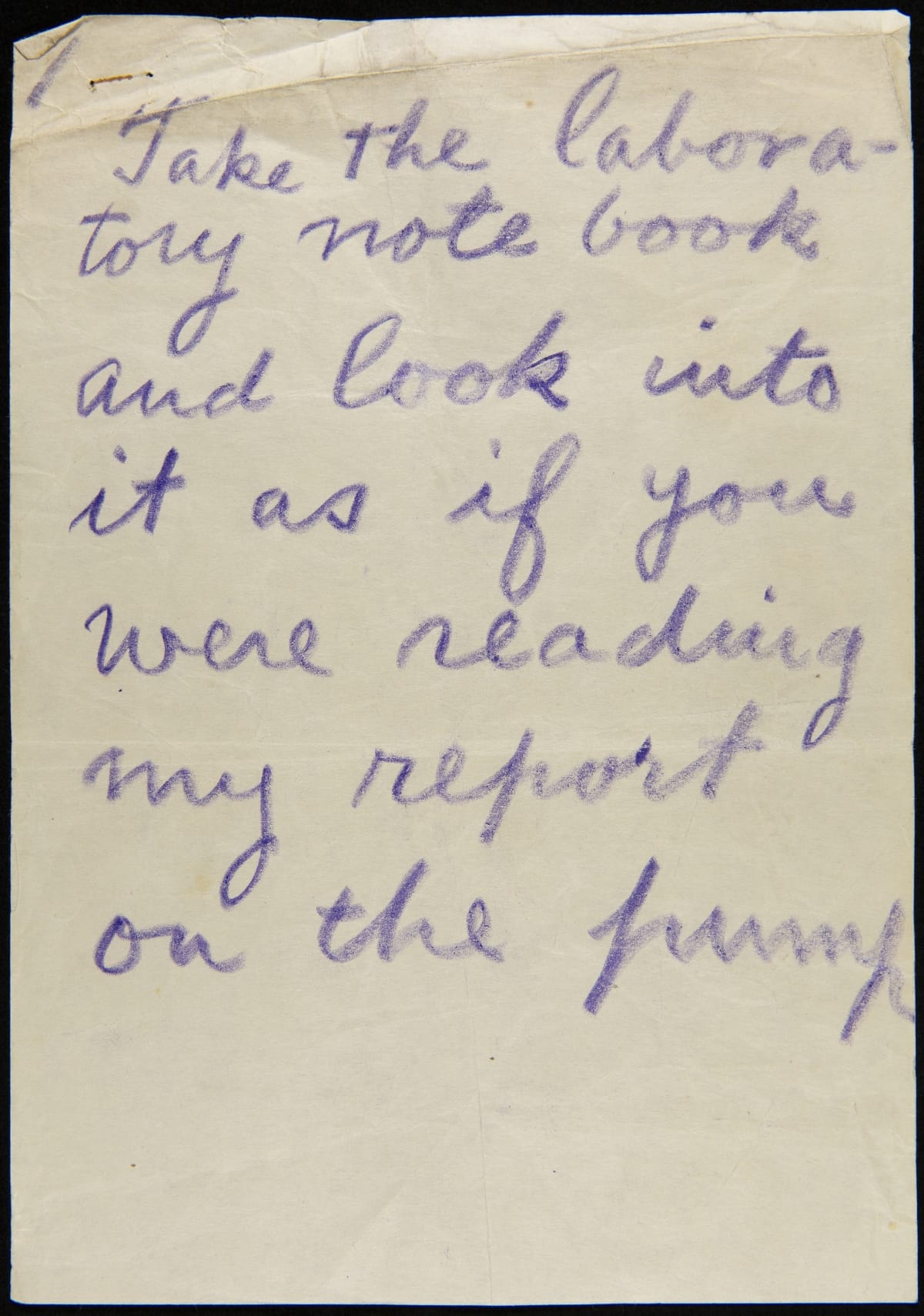
- Francis Jehl's Notes to Thomas Edison for the Incandescent Lamp Lighting during Light's Golden Jubilee, 1929 - To celebrate the 50th anniversary of the incandescent electric lamp, Henry Ford hosted the Light's Golden Jubilee event in Dearborn, Michigan. During the festivities, Thomas Edison and former assistant Francis Jehl re-enacted the 1879 test of Edison's first successful light bulb in Greenfield Village's detailed reproduction of his Menlo Park Laboratory. Jehl provided the elderly inventor with handwritten notes to help guide Edison through the re-enactment.
- October 21, 1929
- Collections - Artifact
Francis Jehl's Notes to Thomas Edison for the Incandescent Lamp Lighting during Light's Golden Jubilee, 1929
To celebrate the 50th anniversary of the incandescent electric lamp, Henry Ford hosted the Light's Golden Jubilee event in Dearborn, Michigan. During the festivities, Thomas Edison and former assistant Francis Jehl re-enacted the 1879 test of Edison's first successful light bulb in Greenfield Village's detailed reproduction of his Menlo Park Laboratory. Jehl provided the elderly inventor with handwritten notes to help guide Edison through the re-enactment.
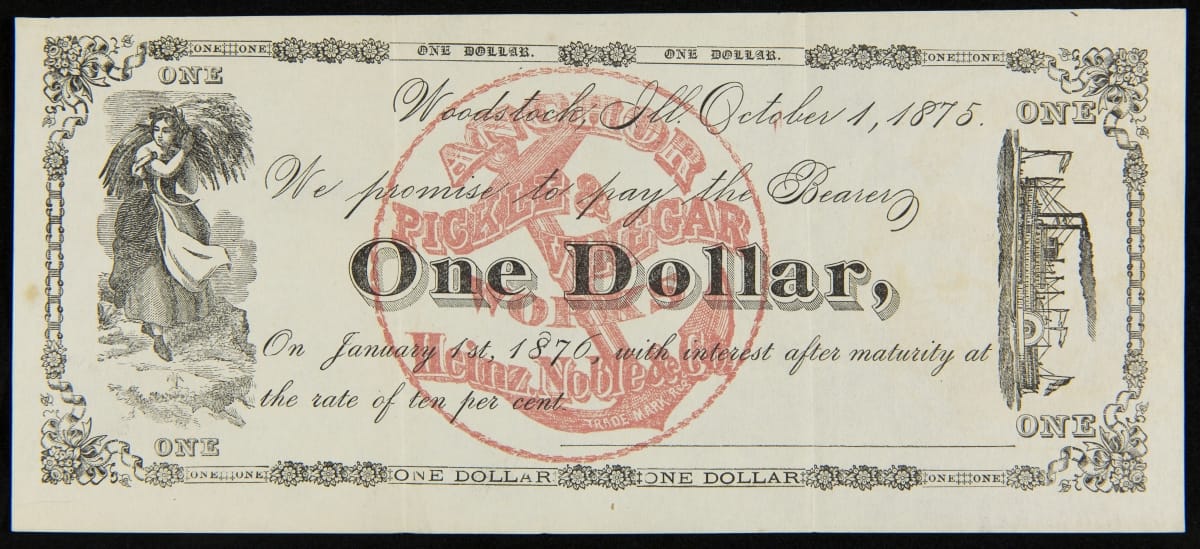
- One Dollar Promissory Note from Heinz, Noble & Company, Woodstock, Illinois, Issued October 1, 1875 - H.J. Heinz's first business began in 1869 exclusively selling horseradish. By 1872, the company was known as Heinz, Noble, & Company. This promissory note from the company promised the bearer the stated sum. The company was bankrupt by the end of 1875, but Heinz built back his reputation with an new company, F. & J. Heinz, which would later become the H.J. Heinz Company.
- October 01, 1875
- Collections - Artifact
One Dollar Promissory Note from Heinz, Noble & Company, Woodstock, Illinois, Issued October 1, 1875
H.J. Heinz's first business began in 1869 exclusively selling horseradish. By 1872, the company was known as Heinz, Noble, & Company. This promissory note from the company promised the bearer the stated sum. The company was bankrupt by the end of 1875, but Heinz built back his reputation with an new company, F. & J. Heinz, which would later become the H.J. Heinz Company.
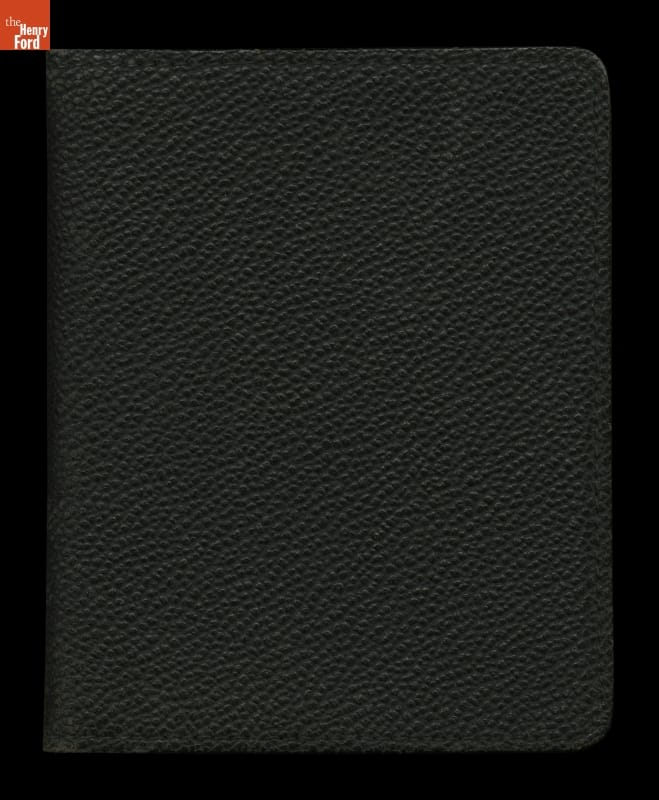
- Henry Ford's Jot Book, 1902-1935 - Henry Ford always carried a small notebook to jot down important pieces of information or simple reminders of things to remember. The over 50 small jot books give a sense of a busy man trying to capture information on the fly. The contents vary from questions to ask Thomas Edison to names and addresses to grocery lists.
- 1902-1935
- Collections - Artifact
Henry Ford's Jot Book, 1902-1935
Henry Ford always carried a small notebook to jot down important pieces of information or simple reminders of things to remember. The over 50 small jot books give a sense of a busy man trying to capture information on the fly. The contents vary from questions to ask Thomas Edison to names and addresses to grocery lists.
- Mathmatical Figures, 1957 -
- February 01, 1957
- Collections - Artifact
Mathmatical Figures, 1957
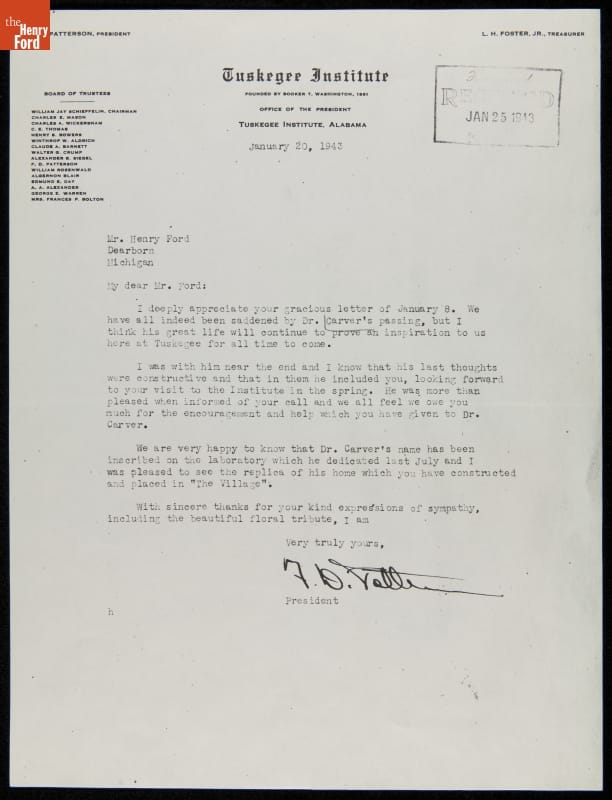
- Letter from Frederick Douglass Patterson to Henry Ford, January 20, 1943 - Frederick Douglass Patterson, President of the Tuskegee Institute in Alabama from 1935-1953, wrote to Henry Ford several times. Patterson thanked Ford for his kindness to Ford's friend, and longtime Tuskegee agricultural sciences educator and researcher, George Washington Carver.
- January 20, 1943
- Collections - Artifact
Letter from Frederick Douglass Patterson to Henry Ford, January 20, 1943
Frederick Douglass Patterson, President of the Tuskegee Institute in Alabama from 1935-1953, wrote to Henry Ford several times. Patterson thanked Ford for his kindness to Ford's friend, and longtime Tuskegee agricultural sciences educator and researcher, George Washington Carver.
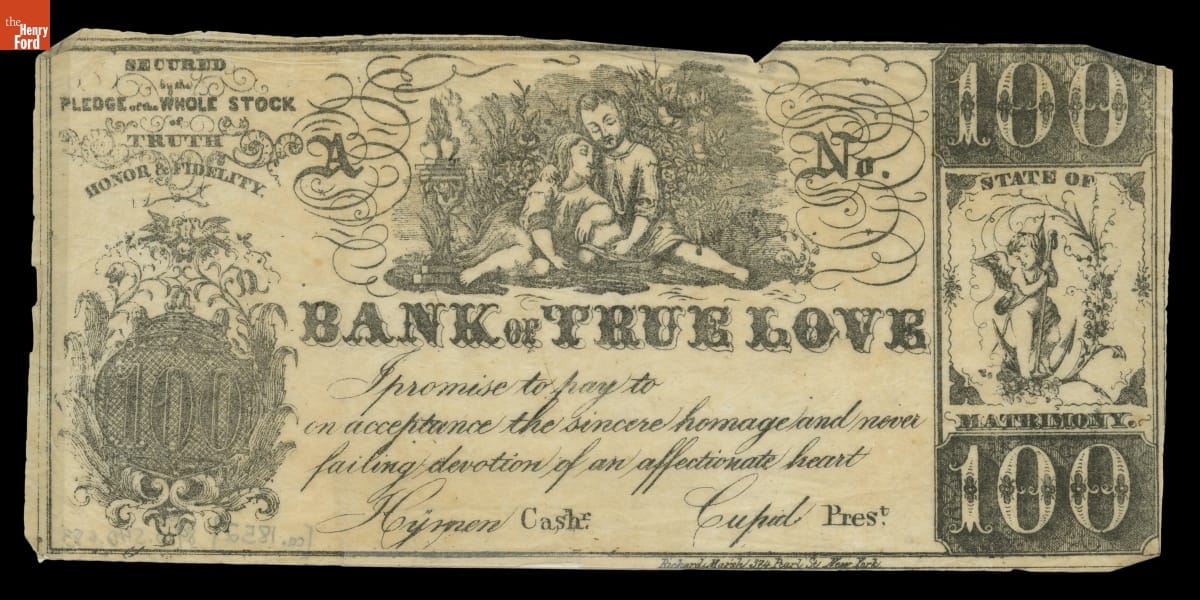
- Valentine, "Bank of True Love," circa 1852 - The custom of sending messages of affection on February 14 dates back to Roman times, when mid-February was a time to meet and court prospective mates. The earliest American valentines were labors of love, handmade by the sender. The spread of commercially produced valentines in the second half of the nineteenth century made sending and receiving Valentine's Day cards a more lighthearted activity.
- circa 1852
- Collections - Artifact
Valentine, "Bank of True Love," circa 1852
The custom of sending messages of affection on February 14 dates back to Roman times, when mid-February was a time to meet and court prospective mates. The earliest American valentines were labors of love, handmade by the sender. The spread of commercially produced valentines in the second half of the nineteenth century made sending and receiving Valentine's Day cards a more lighthearted activity.
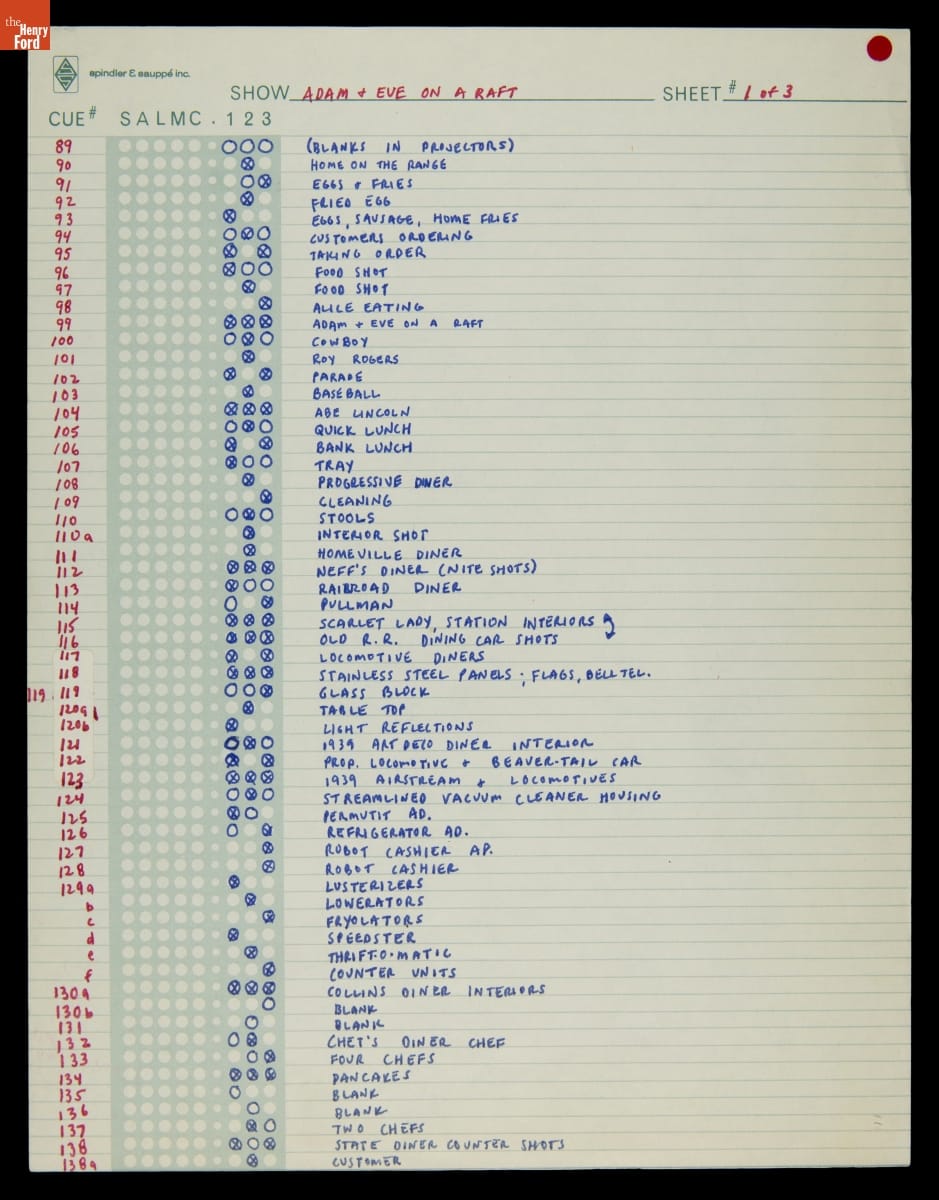
- Slideshow Cue Sheet for "Adam and Eve on a Raft" Presentation, 1972 -
- 1972
- Collections - Artifact
Slideshow Cue Sheet for "Adam and Eve on a Raft" Presentation, 1972
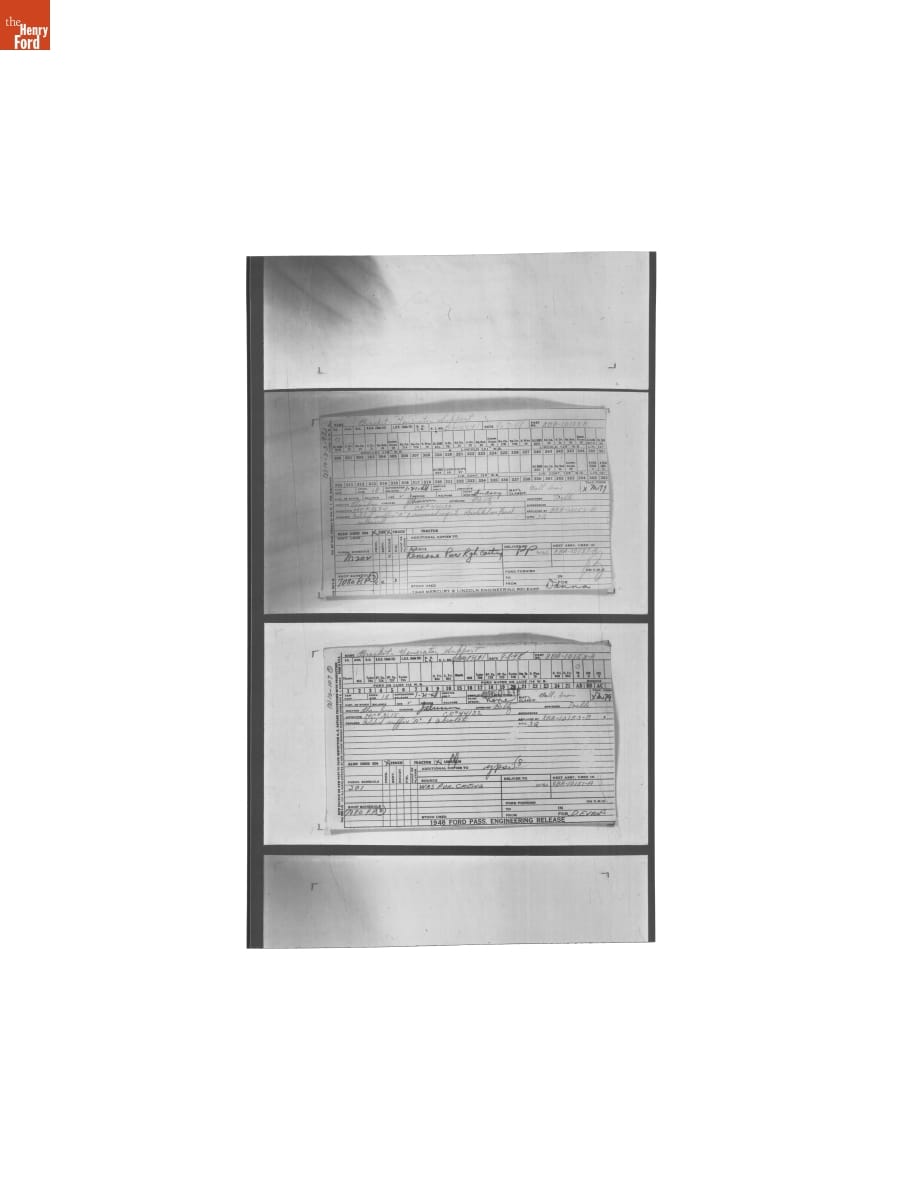
- Engineering Release Notes, Bracket - Generator Support, Ford, Lincoln, and Mercury Automobiles, 1948 - The Ford Motor Company created over a million parts drawings from 1903 to 1957. Many of these drawings specify engineering requirements for the components of Ford-made vehicles--including automobiles, trucks, tractors, military vehicles, and Tri-motor airplanes. Others provided information about assembly components, stages of casting and forging, or experimental designs. Beginning in the 1940s, Ford transferred the drawings and associated documents to microfilm.
- 07 September 1948 - 08 September 1948
- Collections - Artifact
Engineering Release Notes, Bracket - Generator Support, Ford, Lincoln, and Mercury Automobiles, 1948
The Ford Motor Company created over a million parts drawings from 1903 to 1957. Many of these drawings specify engineering requirements for the components of Ford-made vehicles--including automobiles, trucks, tractors, military vehicles, and Tri-motor airplanes. Others provided information about assembly components, stages of casting and forging, or experimental designs. Beginning in the 1940s, Ford transferred the drawings and associated documents to microfilm.