
Search
- U.S. Electric Lighting Company Dynamo, circa 1880 -
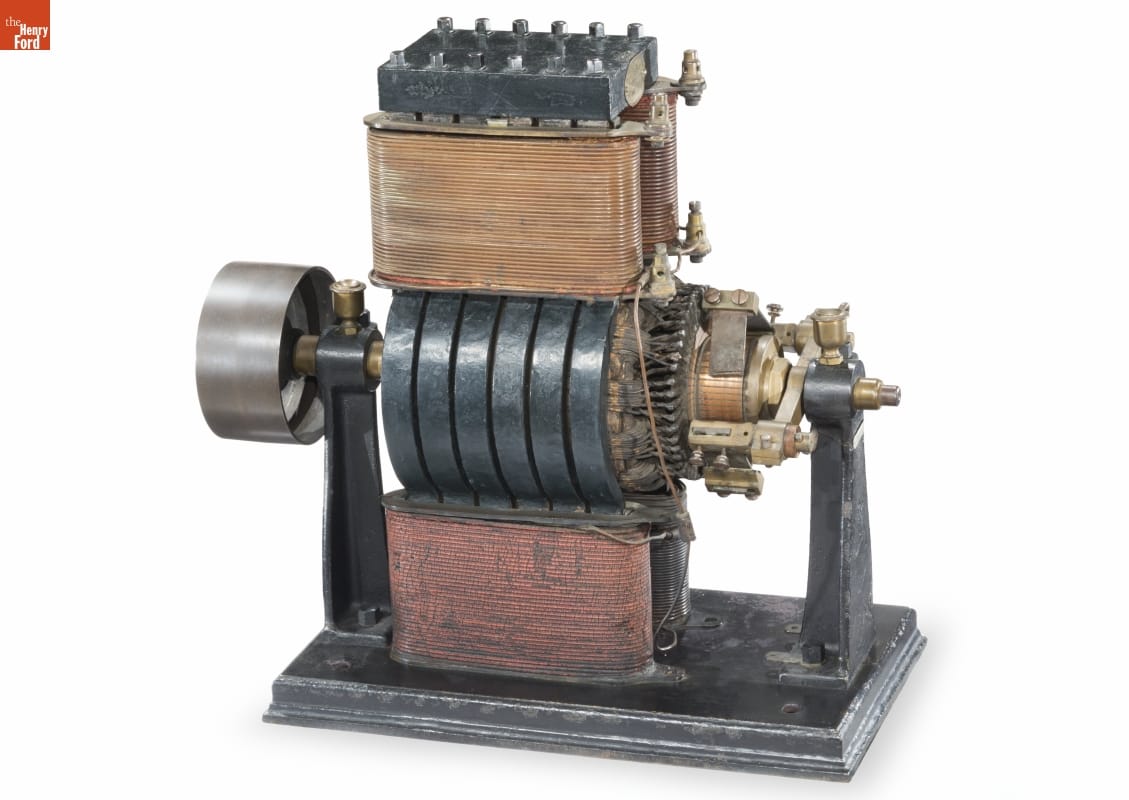
- circa 1880
- Collections - Artifact
U.S. Electric Lighting Company Dynamo, circa 1880
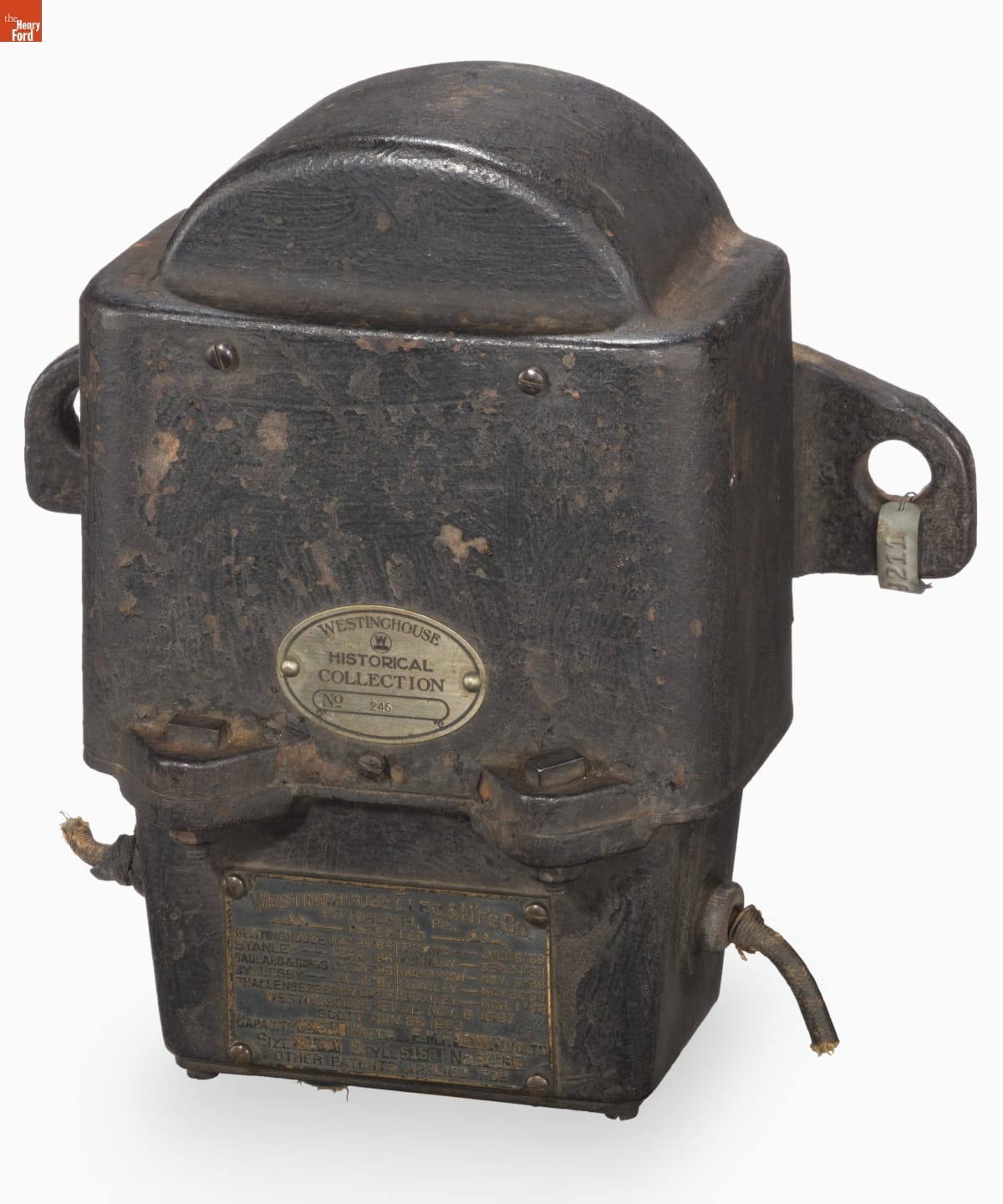
- Westinghouse Type CS Transformer, 1897-1915 - Transformers increase or decrease voltage and are essential to alternating current (AC) power systems. In the late 1800s, with the help of transformers, AC power systems proved more efficient and economical than their direct current competitors. Transformers helped convert electricity to high voltage for transmission across long distances, then reduced it to lower, safer voltages for use in homes and factories.
- 1897-1915
- Collections - Artifact
Westinghouse Type CS Transformer, 1897-1915
Transformers increase or decrease voltage and are essential to alternating current (AC) power systems. In the late 1800s, with the help of transformers, AC power systems proved more efficient and economical than their direct current competitors. Transformers helped convert electricity to high voltage for transmission across long distances, then reduced it to lower, safer voltages for use in homes and factories.
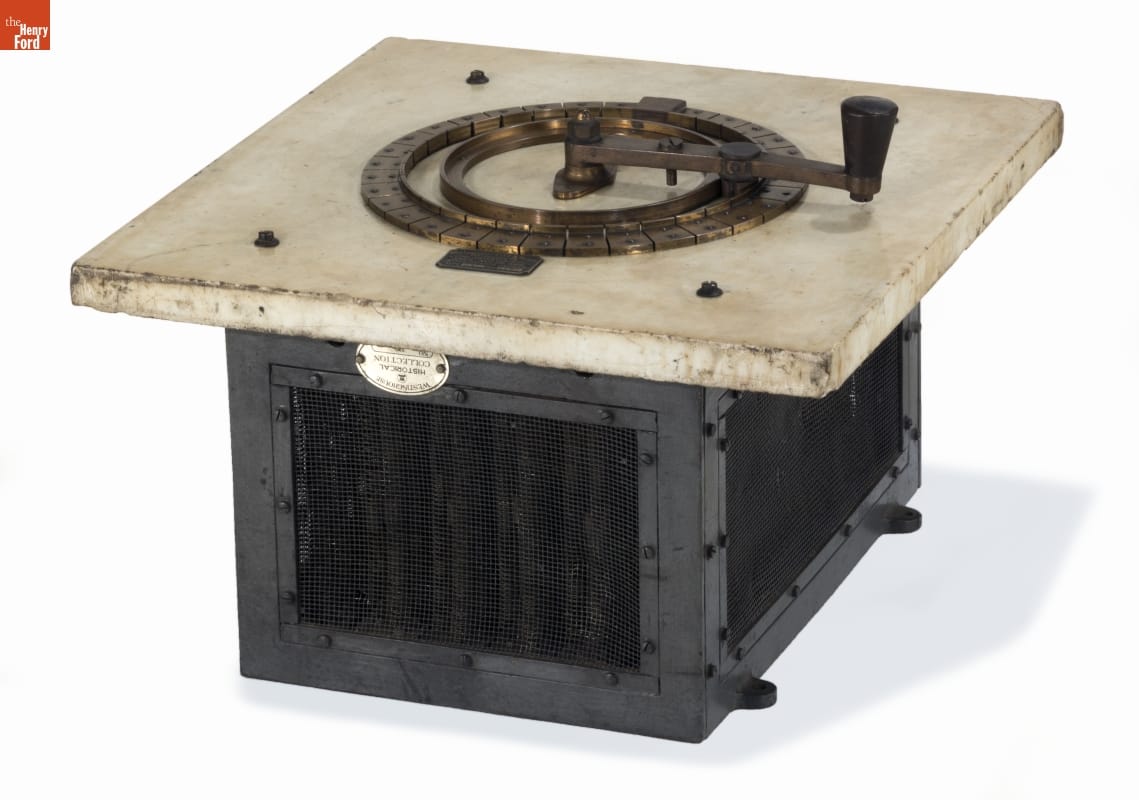
- Westinghouse Type AOC Rheostat, 1888-1920 - Rheostats vary the amount of electrical resistance in a circuit. They proved beneficial as the use of electrical power expanded in the late 1800s. Among their many applications, rheostats helped motors start safely, controlled motor speed, maintained a constant current in battery chargers, and adjusted volume and light levels.
- 1888-1920
- Collections - Artifact
Westinghouse Type AOC Rheostat, 1888-1920
Rheostats vary the amount of electrical resistance in a circuit. They proved beneficial as the use of electrical power expanded in the late 1800s. Among their many applications, rheostats helped motors start safely, controlled motor speed, maintained a constant current in battery chargers, and adjusted volume and light levels.
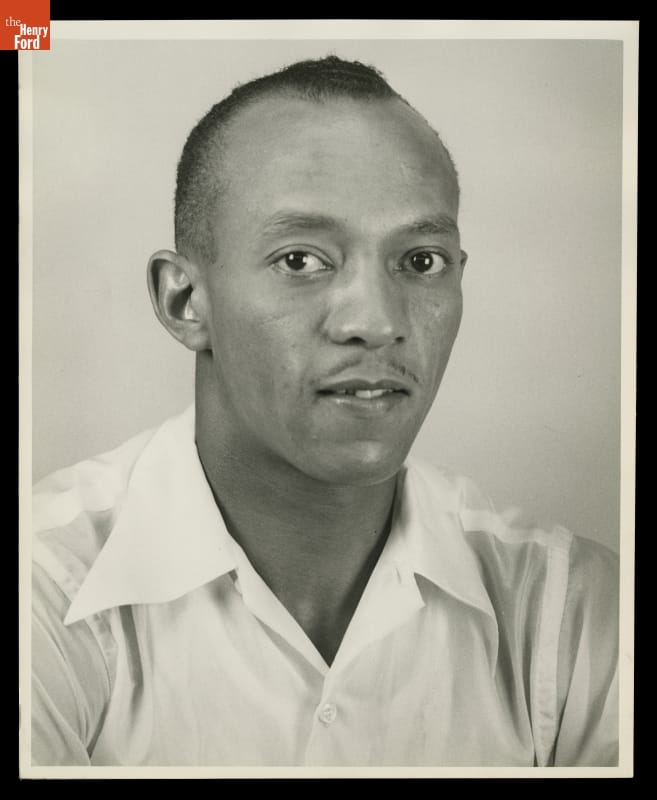
- Jesse Owens, August 3, 1944 - Jesse Owens won four gold medals in track and field events at the 1936 Olympic Games in Berlin, Germany. In 1942, his friend Willis Ward encouraged Owens to join Ford Motor Company and ultimately succeed Ward as director of its personnel department for African American employees. Owens later worked in public relations at the company. He remained with Ford until 1946.
- August 03, 1944
- Collections - Artifact
Jesse Owens, August 3, 1944
Jesse Owens won four gold medals in track and field events at the 1936 Olympic Games in Berlin, Germany. In 1942, his friend Willis Ward encouraged Owens to join Ford Motor Company and ultimately succeed Ward as director of its personnel department for African American employees. Owens later worked in public relations at the company. He remained with Ford until 1946.
- Westinghouse Wurts Lightning Arrester, circa 1893 - In the late 1800s, companies began producing electricity to light cities, run streetcars, and power factories, homes and offices. A potential danger to this power system and its apparatus was lightning and other large discharges of electricity. A lightning arrester diverts the surges and protects valuable equipment from damage.
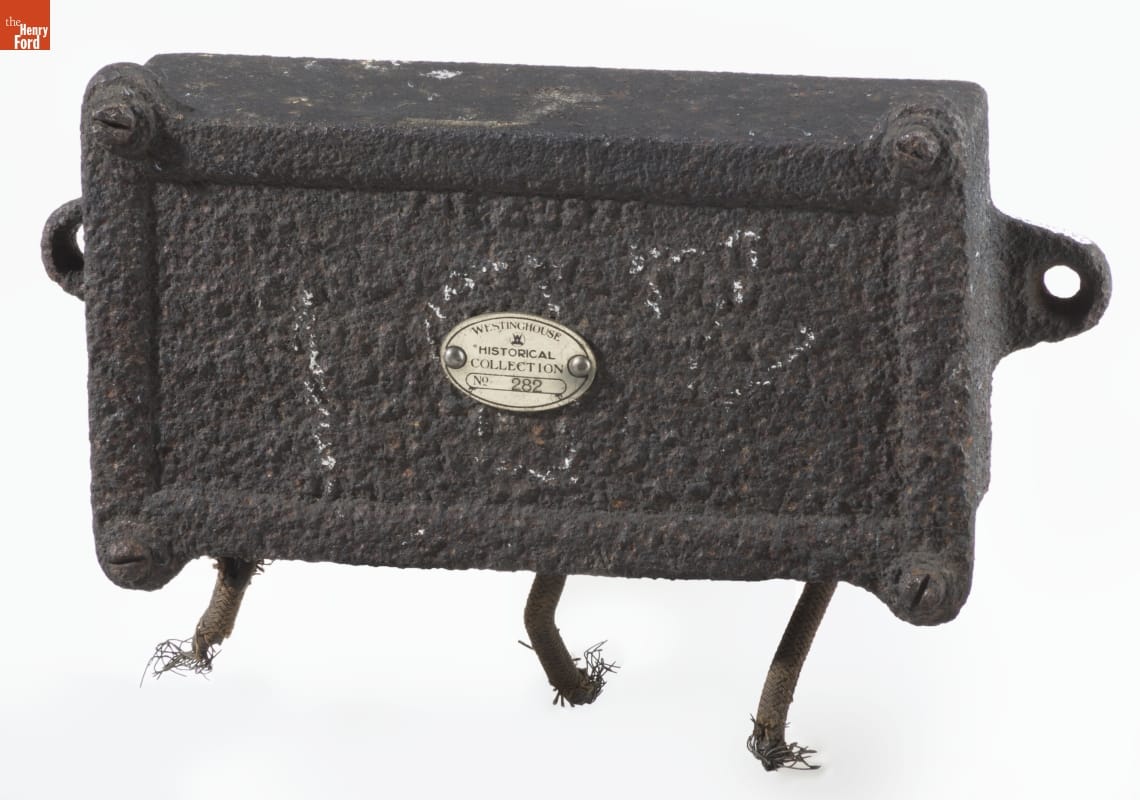
- circa 1893
- Collections - Artifact
Westinghouse Wurts Lightning Arrester, circa 1893
In the late 1800s, companies began producing electricity to light cities, run streetcars, and power factories, homes and offices. A potential danger to this power system and its apparatus was lightning and other large discharges of electricity. A lightning arrester diverts the surges and protects valuable equipment from damage.
- Niagara Falls Power Company Lincoln Synchronizer, circa 1901 -
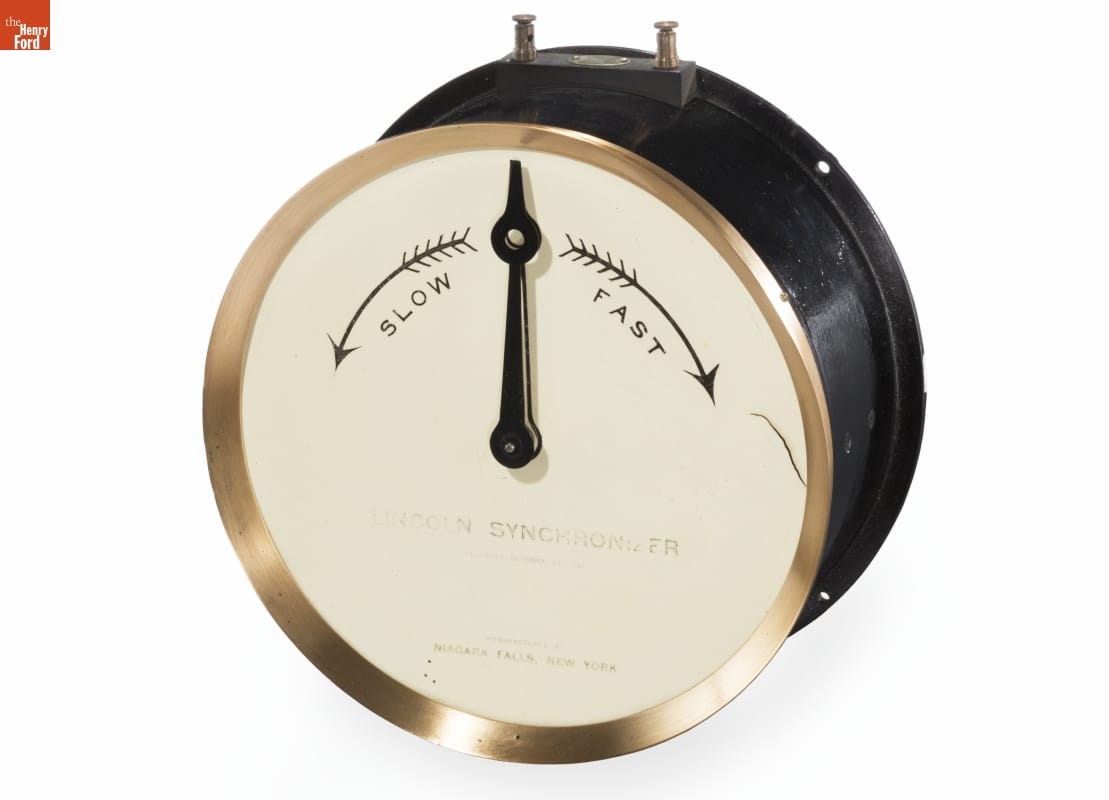
- circa 1901
- Collections - Artifact
Niagara Falls Power Company Lincoln Synchronizer, circa 1901
- Westinghouse Wurts Lightning Arrester, 1893-1900 - In the late 1800s, companies began producing electricity to light cities, run streetcars, and power factories, homes and offices. A potential danger to this power system and its apparatus was lightning and other large discharges of electricity. A lightning arrester diverts the surges and protects valuable equipment from damage.
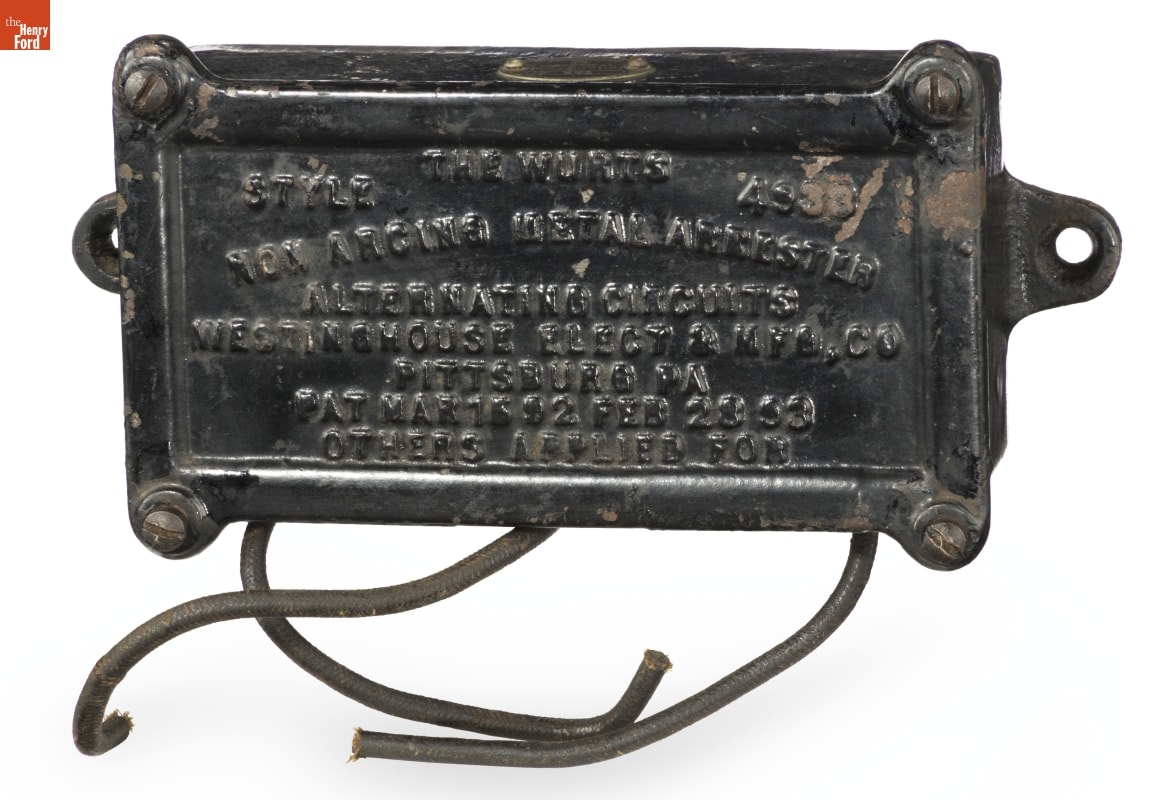
- 1893-1900
- Collections - Artifact
Westinghouse Wurts Lightning Arrester, 1893-1900
In the late 1800s, companies began producing electricity to light cities, run streetcars, and power factories, homes and offices. A potential danger to this power system and its apparatus was lightning and other large discharges of electricity. A lightning arrester diverts the surges and protects valuable equipment from damage.