
Search
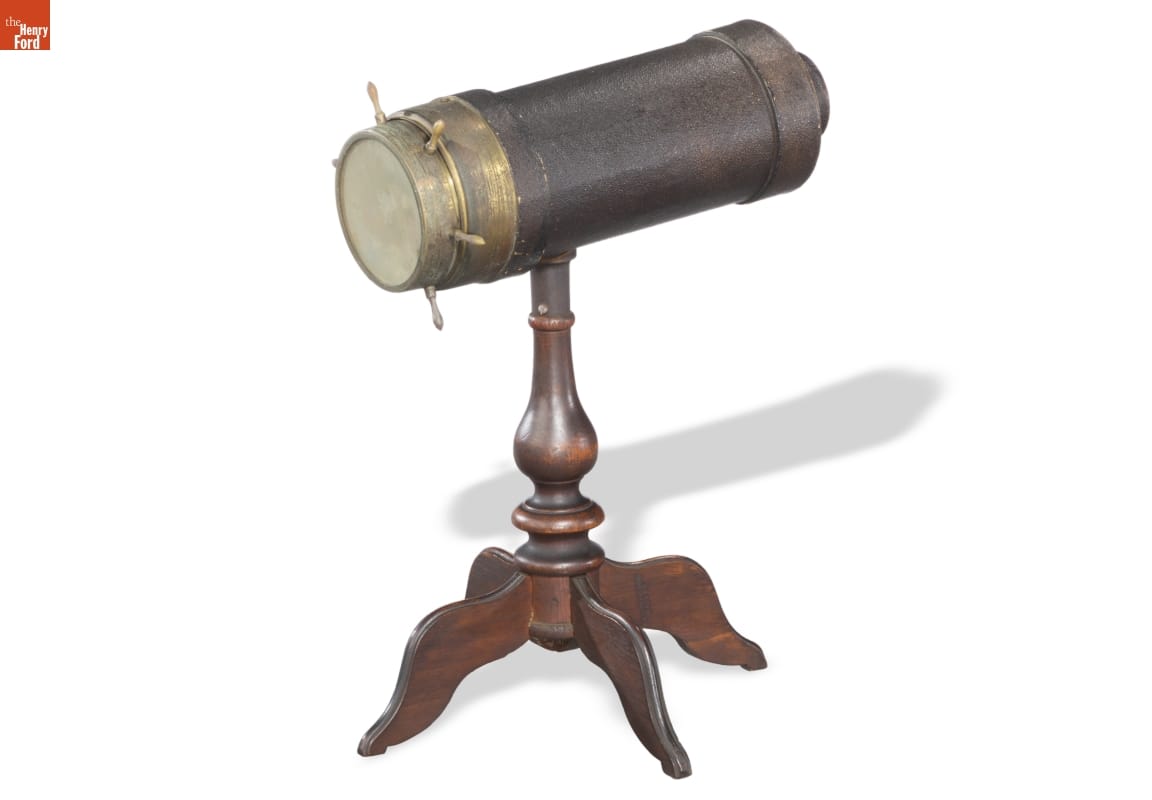
- C. G. Bush Kaleidoscope, 1874-1900 - Kaleidoscopes provide a visual feast for the eye. Angled mirrors enclosed in a tube create beautiful, ever-changing symmetrical patterns from bits of colorful glass and other translucent material. In the late 1800s, Charles Bush placed small liquid-filled vials in his kaleidoscopes. The moving liquid and bubbles in the vials provided a unique component to this optical experience.
- 1874-1900
- Collections - Artifact
C. G. Bush Kaleidoscope, 1874-1900
Kaleidoscopes provide a visual feast for the eye. Angled mirrors enclosed in a tube create beautiful, ever-changing symmetrical patterns from bits of colorful glass and other translucent material. In the late 1800s, Charles Bush placed small liquid-filled vials in his kaleidoscopes. The moving liquid and bubbles in the vials provided a unique component to this optical experience.
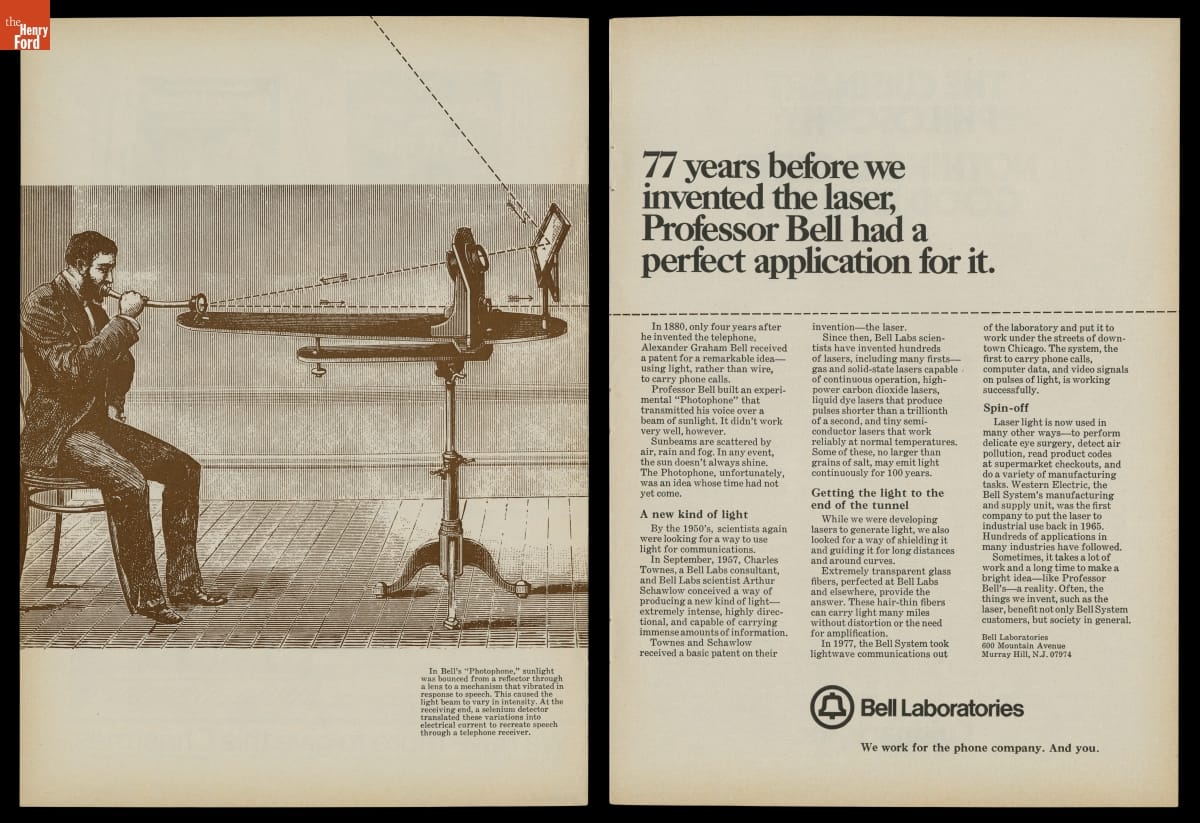
- "77 Years Before We Invented the Laser Professor Bell Had a Perfect Application for It," Bell Labs Advertisement, 1978 -
- December 04, 1978
- Collections - Artifact
"77 Years Before We Invented the Laser Professor Bell Had a Perfect Application for It," Bell Labs Advertisement, 1978
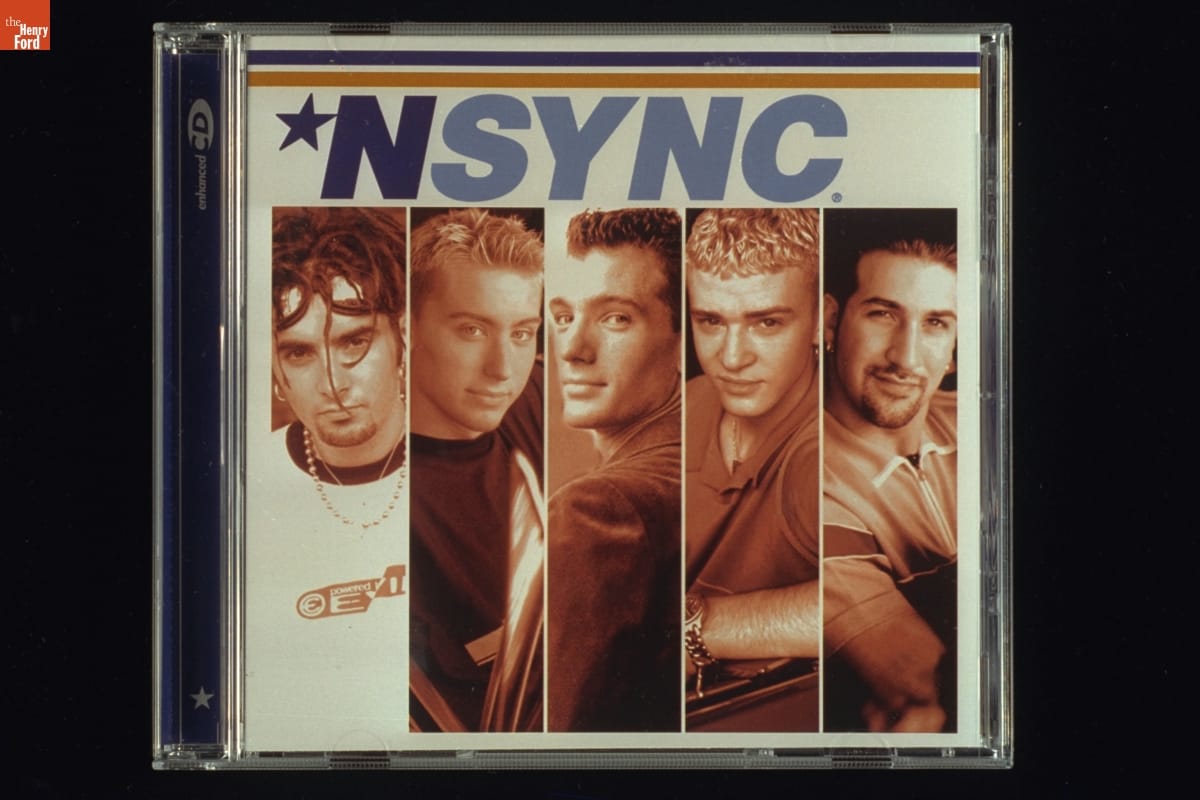
- "'N Sync" Compact Disc, 1998 -
- 1998
- Collections - Artifact
"'N Sync" Compact Disc, 1998
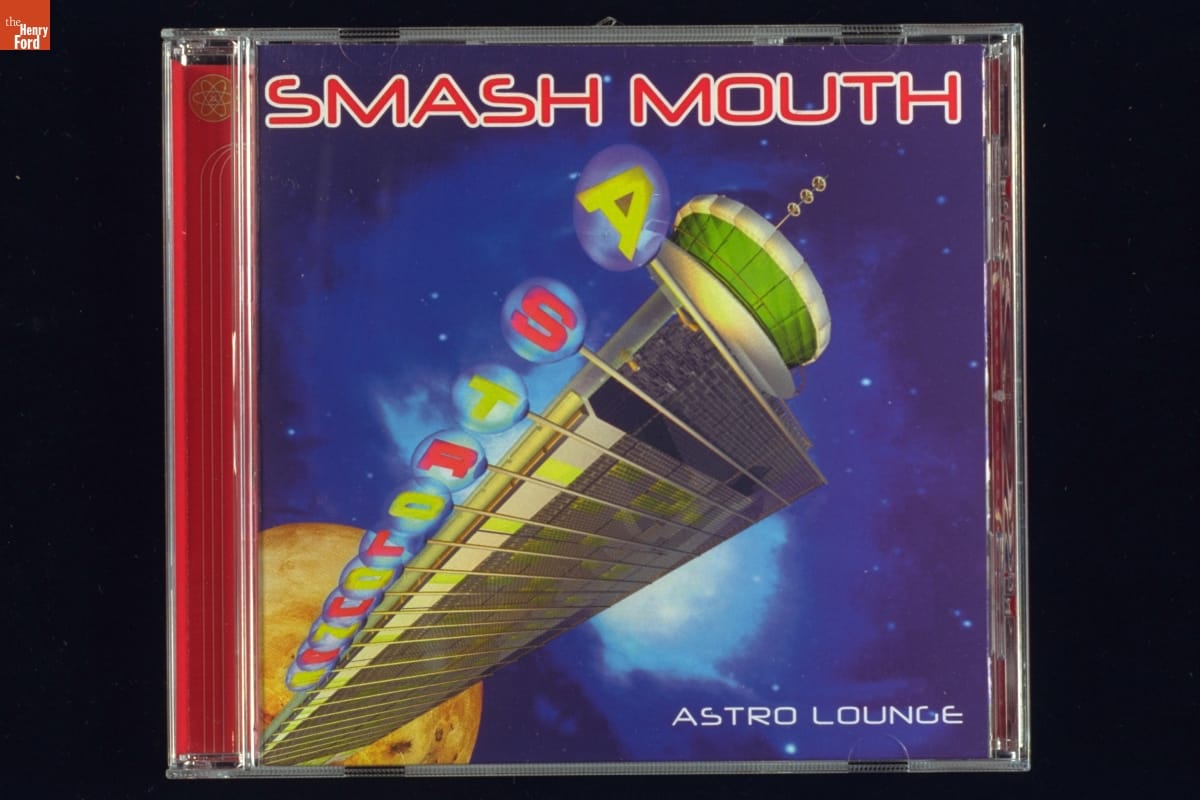
- Smash Mouth "Astro Lounge" Compact Disc, 1999 -
- 1999
- Collections - Artifact
Smash Mouth "Astro Lounge" Compact Disc, 1999
- Kaleidoscope - Kaleidoscopes provide a visual feast for the eye. Angled mirrors enclosed in a tube create beautiful, ever-changing symmetrical patterns from bits of colorful glass and other translucent material. Kaleidoscopes have mesmerized children and adults since the mid-1810s, when Scottish-born David Brewster invented the first one.
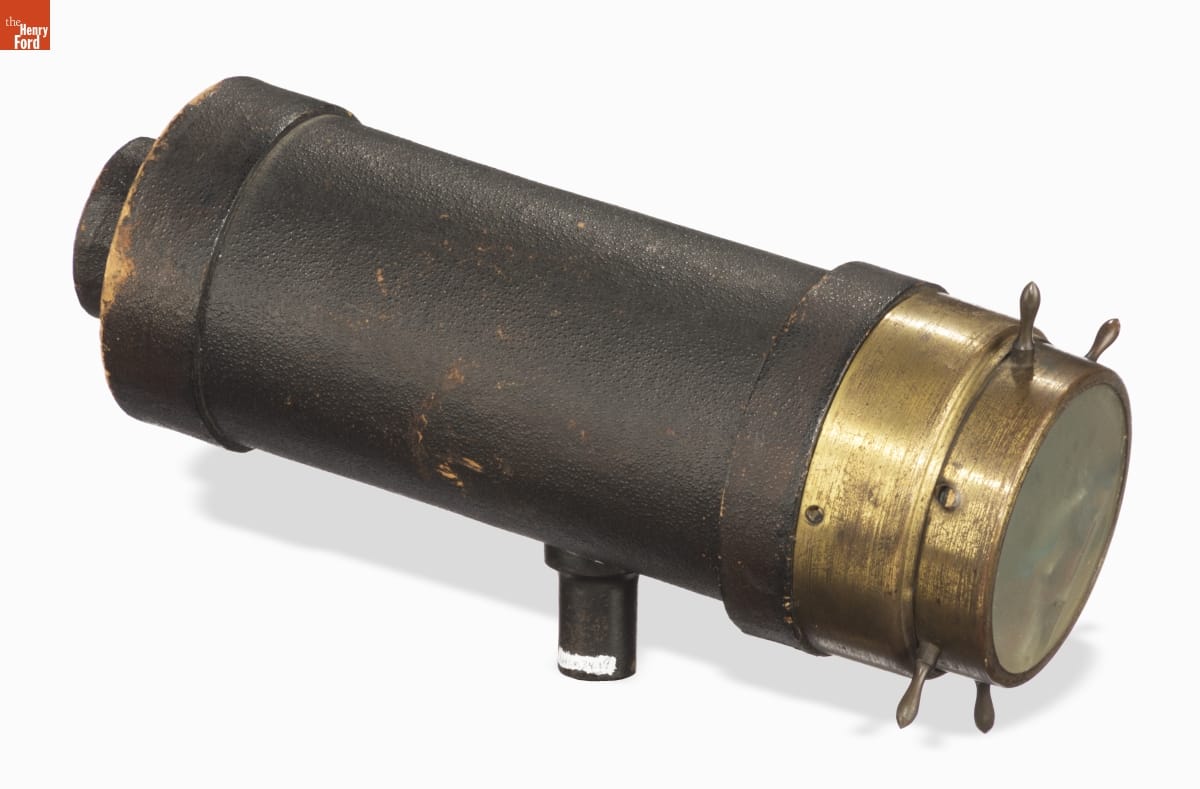
- Collections - Artifact
Kaleidoscope
Kaleidoscopes provide a visual feast for the eye. Angled mirrors enclosed in a tube create beautiful, ever-changing symmetrical patterns from bits of colorful glass and other translucent material. Kaleidoscopes have mesmerized children and adults since the mid-1810s, when Scottish-born David Brewster invented the first one.
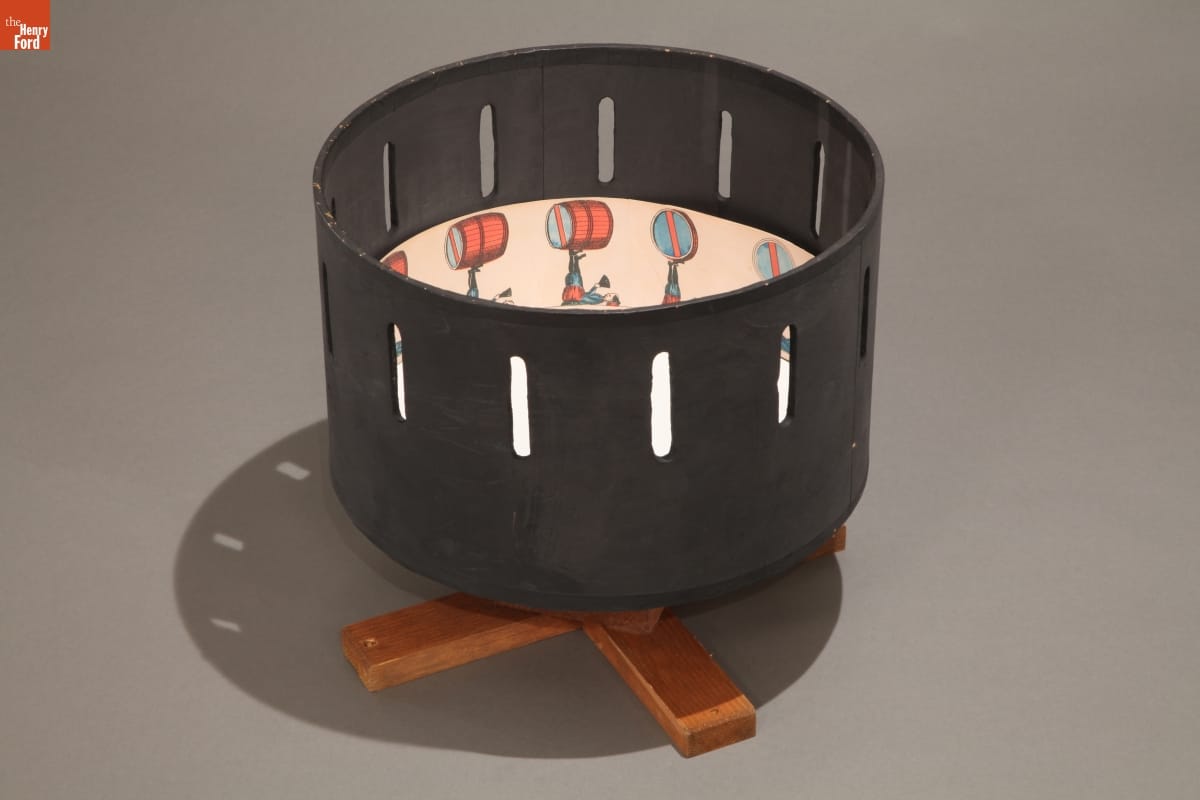
- Zoetrope, 1920-1950 - A zoetrope produces the illusion of motion through a series of images placed on the interior wall of a cylinder. As the cylinder turns, viewers look through the vertical slits. The images -- each one slightly different from the one previous -- blur together as the cylinder rotates and create the appearance of movement.
- 1920-1950
- Collections - Artifact
Zoetrope, 1920-1950
A zoetrope produces the illusion of motion through a series of images placed on the interior wall of a cylinder. As the cylinder turns, viewers look through the vertical slits. The images -- each one slightly different from the one previous -- blur together as the cylinder rotates and create the appearance of movement.
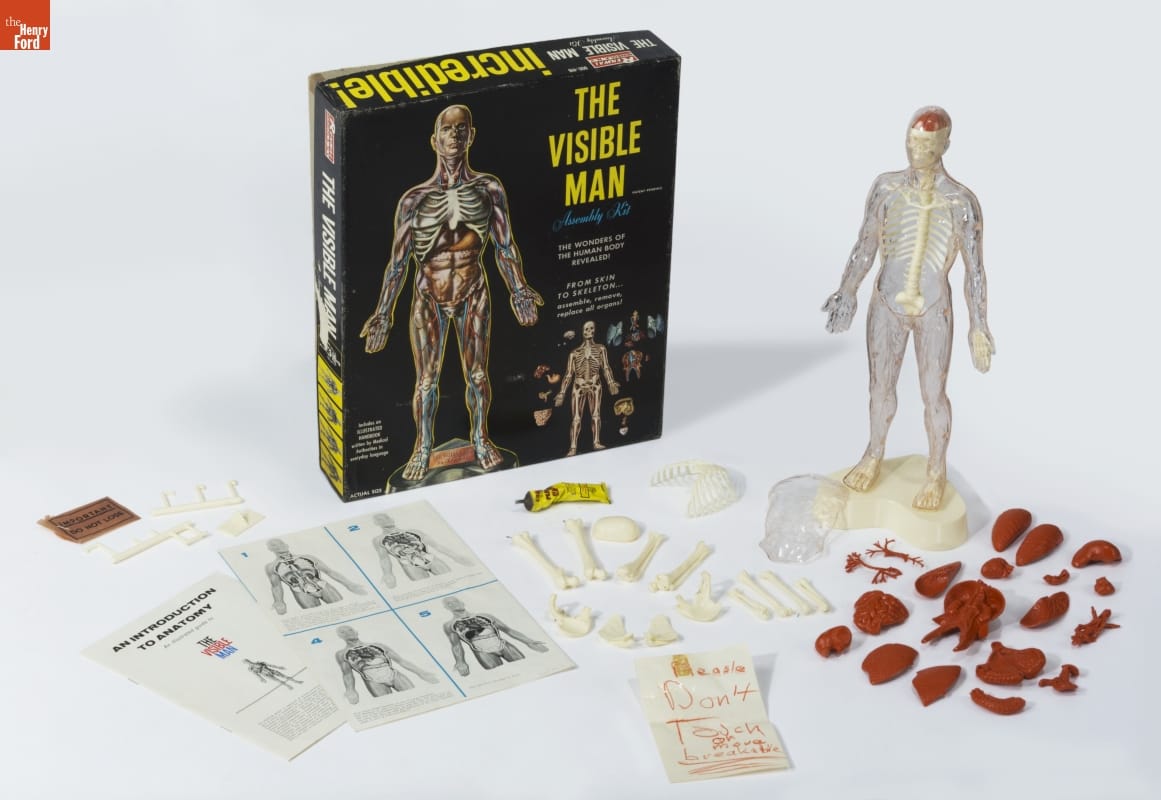
- "The Visible Man" Assembly Kit, 1959 -
- 1959
- Collections - Artifact
"The Visible Man" Assembly Kit, 1959
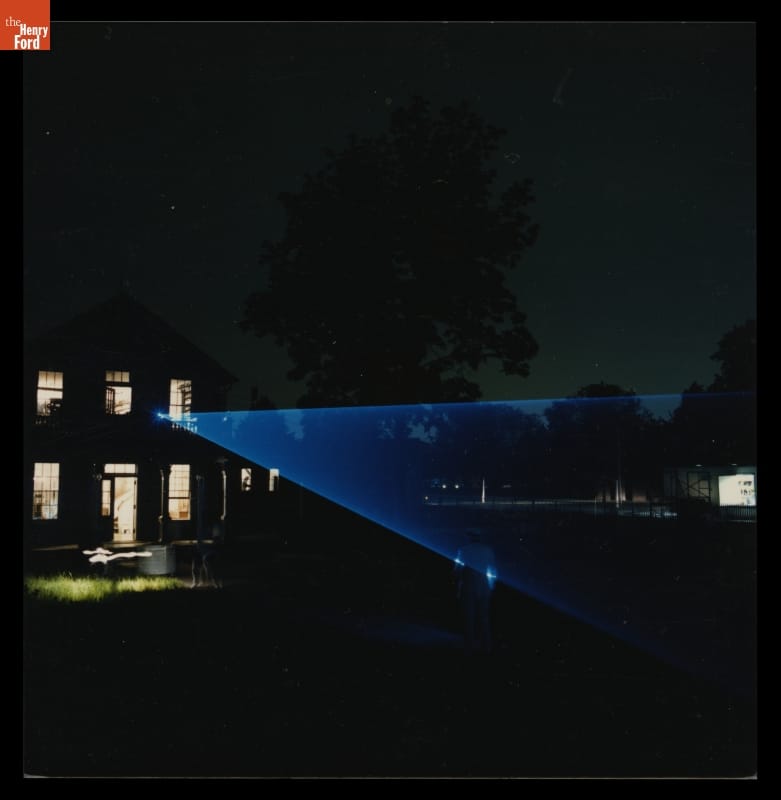
- Filming a Laser Show at Menlo Park Laboratory in Greenfield Village for ABC-TV's World of Discovery, May 25, 1989 - In May 1989, ABC television crews filmed segments of <EM>World of Discovery - Inventors: Out of their Minds</EM> at the Henry Ford Museum and Greenfield Village. The show linked the experiences of late 20th-century inventors with Thomas Edison's innovative work to produce the incandescent lamp. A laser light demonstration at the Village's reconstructed Menlo Park Laboratory -- with one of the inventors playing Edison -- became the program's finale.
- May 25, 1989
- Collections - Artifact
Filming a Laser Show at Menlo Park Laboratory in Greenfield Village for ABC-TV's World of Discovery, May 25, 1989
In May 1989, ABC television crews filmed segments of World of Discovery - Inventors: Out of their Minds at the Henry Ford Museum and Greenfield Village. The show linked the experiences of late 20th-century inventors with Thomas Edison's innovative work to produce the incandescent lamp. A laser light demonstration at the Village's reconstructed Menlo Park Laboratory -- with one of the inventors playing Edison -- became the program's finale.
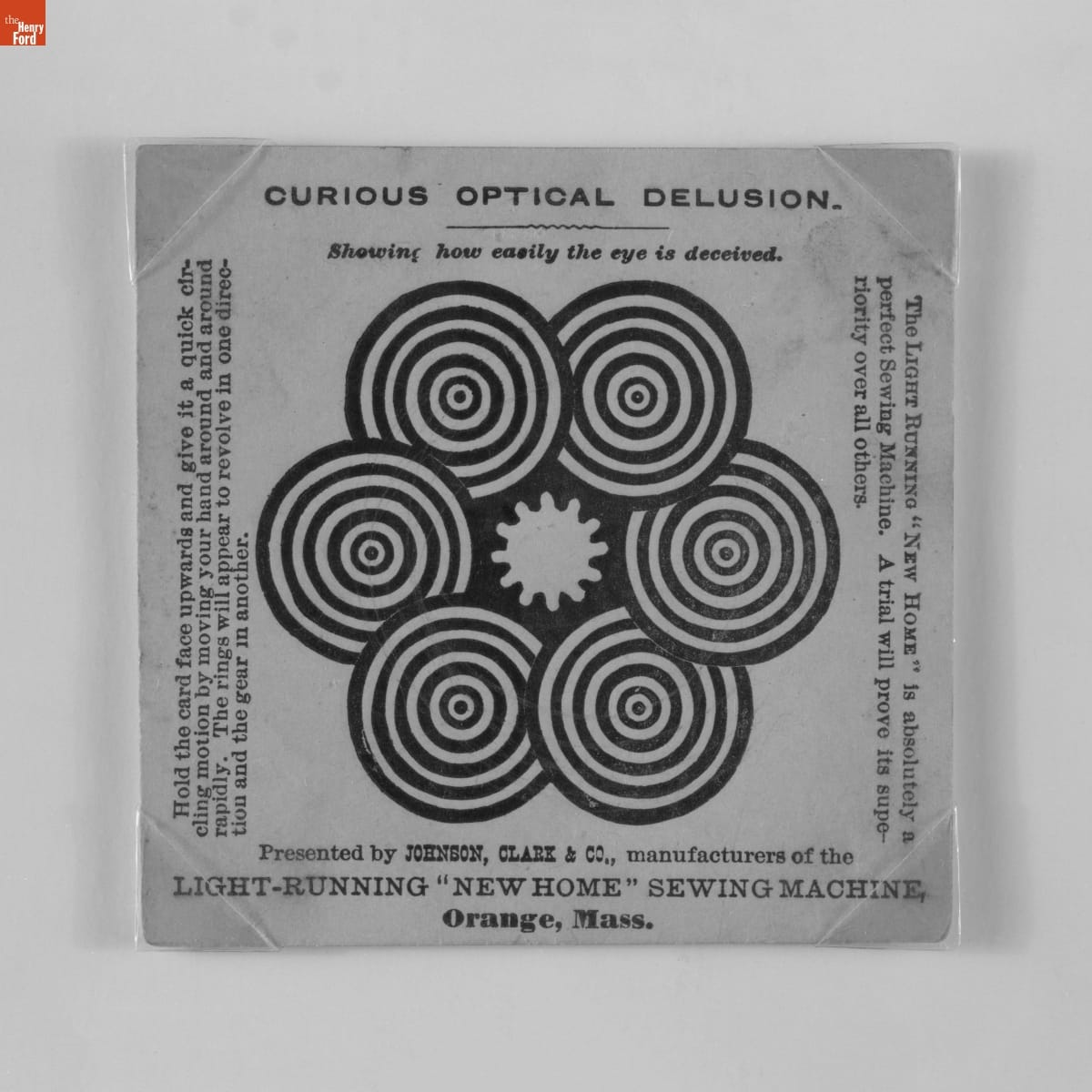
- Trade Card for the New Home Sewing Machine, 1870-1890 - In the last third of the nineteenth century, an unprecedented variety of consumer goods flooded the American market. Some enterprising advertisers sought to distinguish their products from the competition, distributing trade cards that incorporated a puzzle or game. Americans enjoyed and often saved the popular little advertisements, which survive as historical records of consumerism in the United States.
- 1870-1890
- Collections - Artifact
Trade Card for the New Home Sewing Machine, 1870-1890
In the last third of the nineteenth century, an unprecedented variety of consumer goods flooded the American market. Some enterprising advertisers sought to distinguish their products from the competition, distributing trade cards that incorporated a puzzle or game. Americans enjoyed and often saved the popular little advertisements, which survive as historical records of consumerism in the United States.
- "Billy Madison" DVD, 1995 -
- 1995
- Collections - Artifact
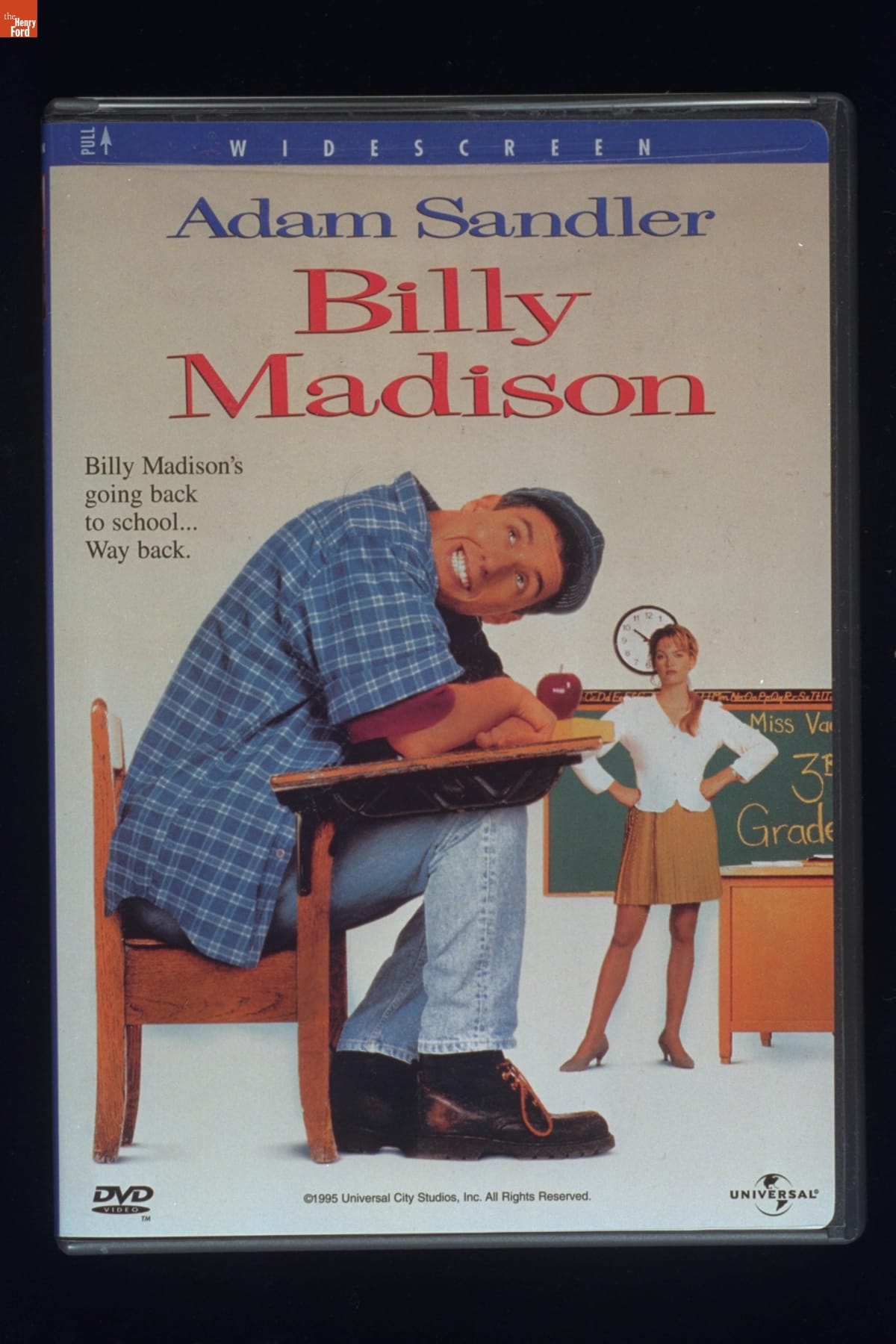
"Billy Madison" DVD, 1995