
Search
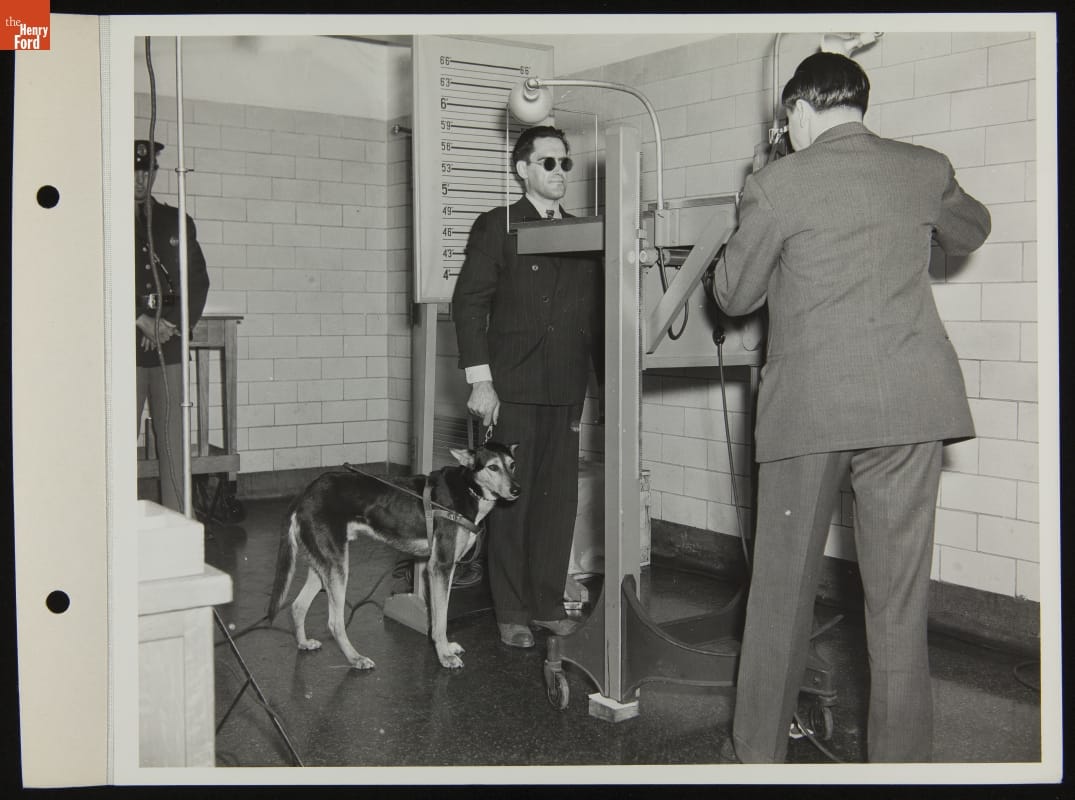
- Ford Employee Sylvester Rypkowski with Service Dog "Blackie," Being Photographed for ID Badge, October 1942 - Henry Ford believed in providing equal employment opportunities to people with disabilities -- a practice he began in the early years of his company. During World War II, Ford employed thousands of workers with disabilities. In October 1942, Ford Motor Company photographed Sylvester Rypkowski and his service dog, Blackie, as they became members of the Rouge plant's workforce.
- October 05, 1942
- Collections - Artifact
Ford Employee Sylvester Rypkowski with Service Dog "Blackie," Being Photographed for ID Badge, October 1942
Henry Ford believed in providing equal employment opportunities to people with disabilities -- a practice he began in the early years of his company. During World War II, Ford employed thousands of workers with disabilities. In October 1942, Ford Motor Company photographed Sylvester Rypkowski and his service dog, Blackie, as they became members of the Rouge plant's workforce.
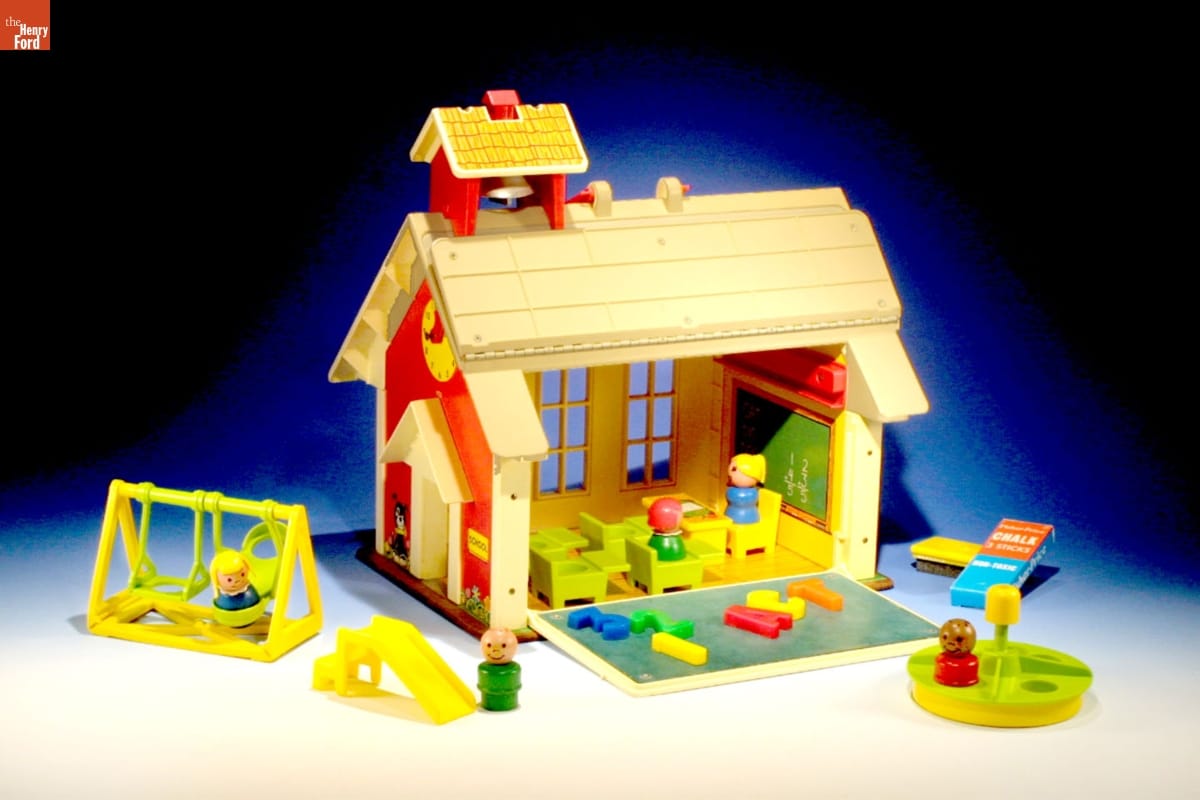
- Fisher-Price Play Family School, 1971-1975 - The Civil Rights movement, as well as the emerging woman's movement, created a whole new world for kids growing up in the 1970s. As social barriers and traditional gender stereotypes began to break down, kids were encouraged to appreciate diversity. This popular toy was one of the first playthings to include an African-American toy figure.
- 1971-1975
- Collections - Artifact
Fisher-Price Play Family School, 1971-1975
The Civil Rights movement, as well as the emerging woman's movement, created a whole new world for kids growing up in the 1970s. As social barriers and traditional gender stereotypes began to break down, kids were encouraged to appreciate diversity. This popular toy was one of the first playthings to include an African-American toy figure.
- Recipe Booklet, "MAGIC! The Most Amazing Short-Cuts in Cooking You Ever Heard Of," circa 1930 -
- circa 1930
- Collections - Artifact
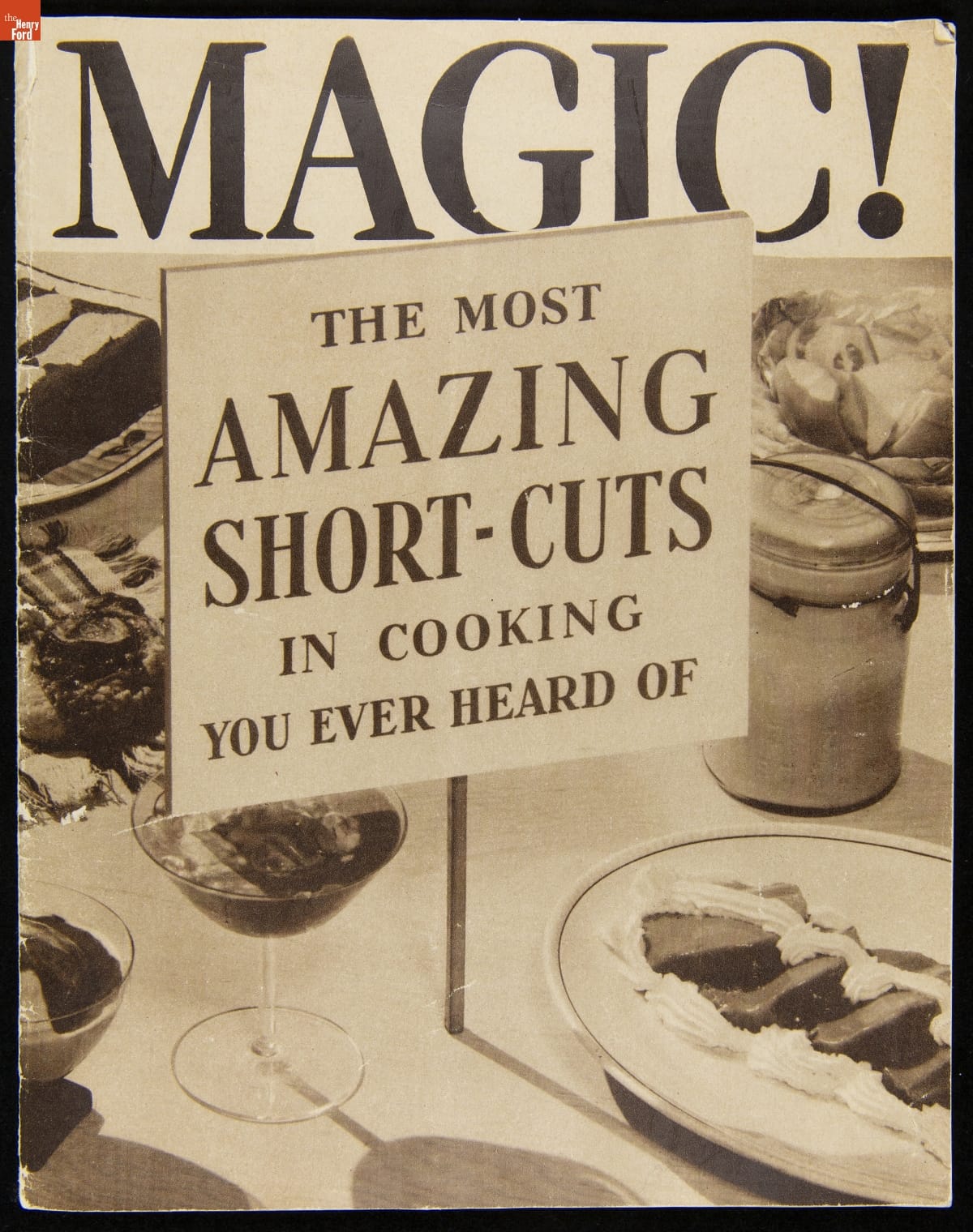
Recipe Booklet, "MAGIC! The Most Amazing Short-Cuts in Cooking You Ever Heard Of," circa 1930
- Letter from Henry A. Colgate, The Seeing Eye Guide Dog School, to Edsel and Eleanor Ford, December 15, 1941 -
- December 15, 1941
- Collections - Artifact
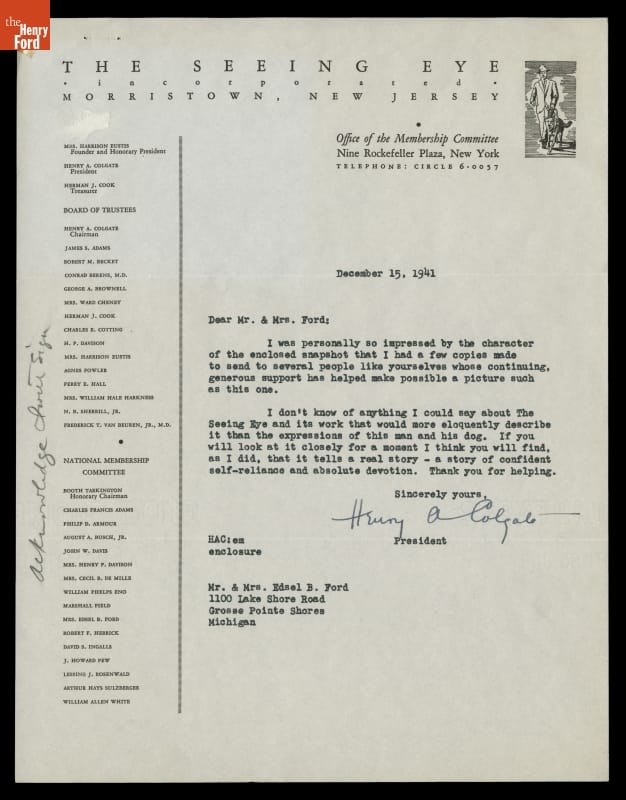
Letter from Henry A. Colgate, The Seeing Eye Guide Dog School, to Edsel and Eleanor Ford, December 15, 1941
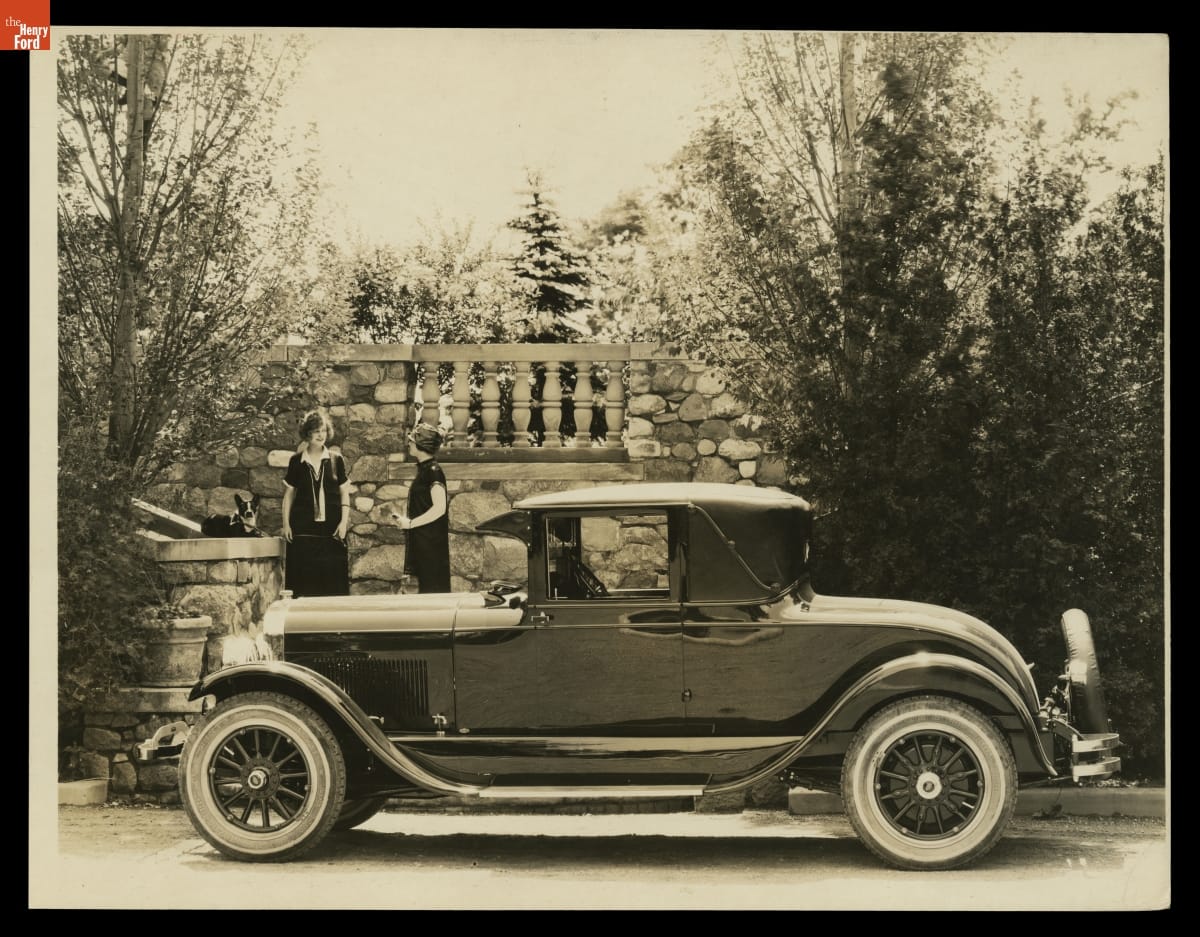
- Lincoln Judkins Two-Passenger Coupe, June 1924 - Under Leland ownership, Lincoln sourced automobile body designs largely from Murray Company and Brunn & Company. After Ford purchased Lincoln in 1922, that list grew to include Dietrich, Holbrook, Judkins, Le Baron, Waterhouse, and others. By contracting for large batches up to 100 bodies, Ford-owned Lincoln made exclusive coachwork available to customers at comparatively reasonable prices.
- June 01, 1924
- Collections - Artifact
Lincoln Judkins Two-Passenger Coupe, June 1924
Under Leland ownership, Lincoln sourced automobile body designs largely from Murray Company and Brunn & Company. After Ford purchased Lincoln in 1922, that list grew to include Dietrich, Holbrook, Judkins, Le Baron, Waterhouse, and others. By contracting for large batches up to 100 bodies, Ford-owned Lincoln made exclusive coachwork available to customers at comparatively reasonable prices.
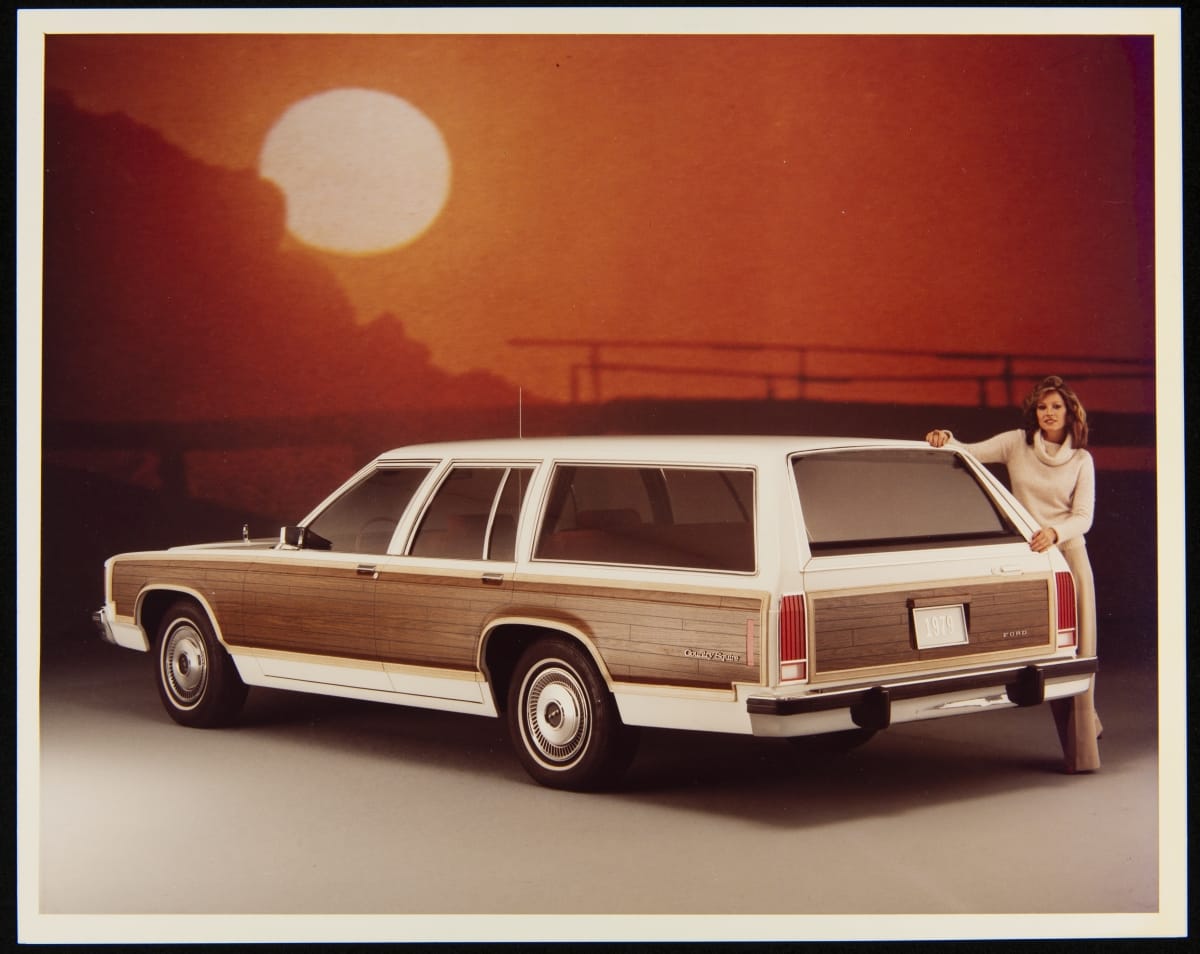
- Model with 1979 Ford Country Squire Station Wagon - The Country Squire was Ford Motor Company's top-of-the-line station wagon throughout its production run from 1950 to 1991. Ford downsized its full-size cars -- including the Country Squire -- for the 1979 model year. The 1979 wagon was 11 inches shorter and some 1,000 pounds lighter than the previous year's model.
- 1979
- Collections - Artifact
Model with 1979 Ford Country Squire Station Wagon
The Country Squire was Ford Motor Company's top-of-the-line station wagon throughout its production run from 1950 to 1991. Ford downsized its full-size cars -- including the Country Squire -- for the 1979 model year. The 1979 wagon was 11 inches shorter and some 1,000 pounds lighter than the previous year's model.
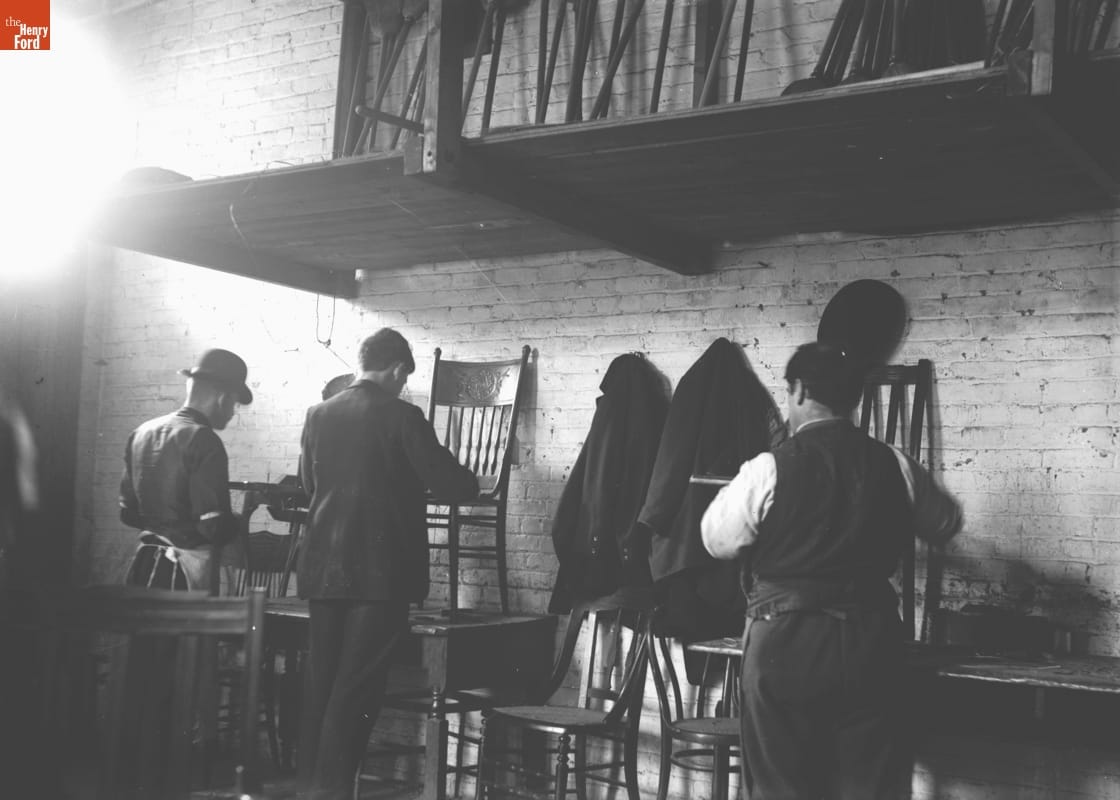
- Home for Blind, Chair Caning, 1890-1915 - In 1890, Jenny Young Chandler, 25 years old and recently widowed, began working for the <EM>New York Herald</EM>. As a photojournalist and feature writer, Chandler captured life in Brooklyn, New York, and vicinity. By 1922, the time of her death, she had produced over 800 glass plate negatives. Her sensitive, insightful photographs depict people from all walks of life and the world in which they lived.
- 1890-1915
- Collections - Artifact
Home for Blind, Chair Caning, 1890-1915
In 1890, Jenny Young Chandler, 25 years old and recently widowed, began working for the New York Herald. As a photojournalist and feature writer, Chandler captured life in Brooklyn, New York, and vicinity. By 1922, the time of her death, she had produced over 800 glass plate negatives. Her sensitive, insightful photographs depict people from all walks of life and the world in which they lived.
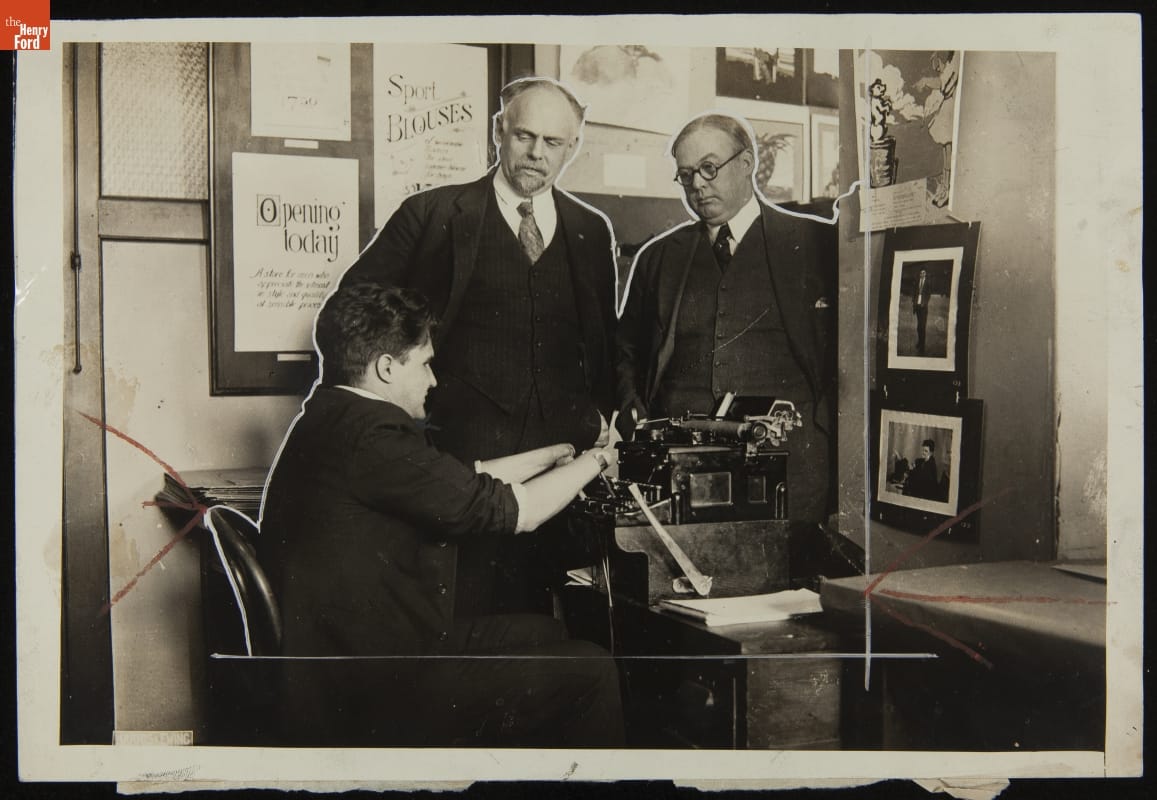
- Disabled Veteran Carl Bronner Displays Typing Abilities, Dearborn Independent, September 1922 -
- 1921-1922
- Collections - Artifact
Disabled Veteran Carl Bronner Displays Typing Abilities, Dearborn Independent, September 1922
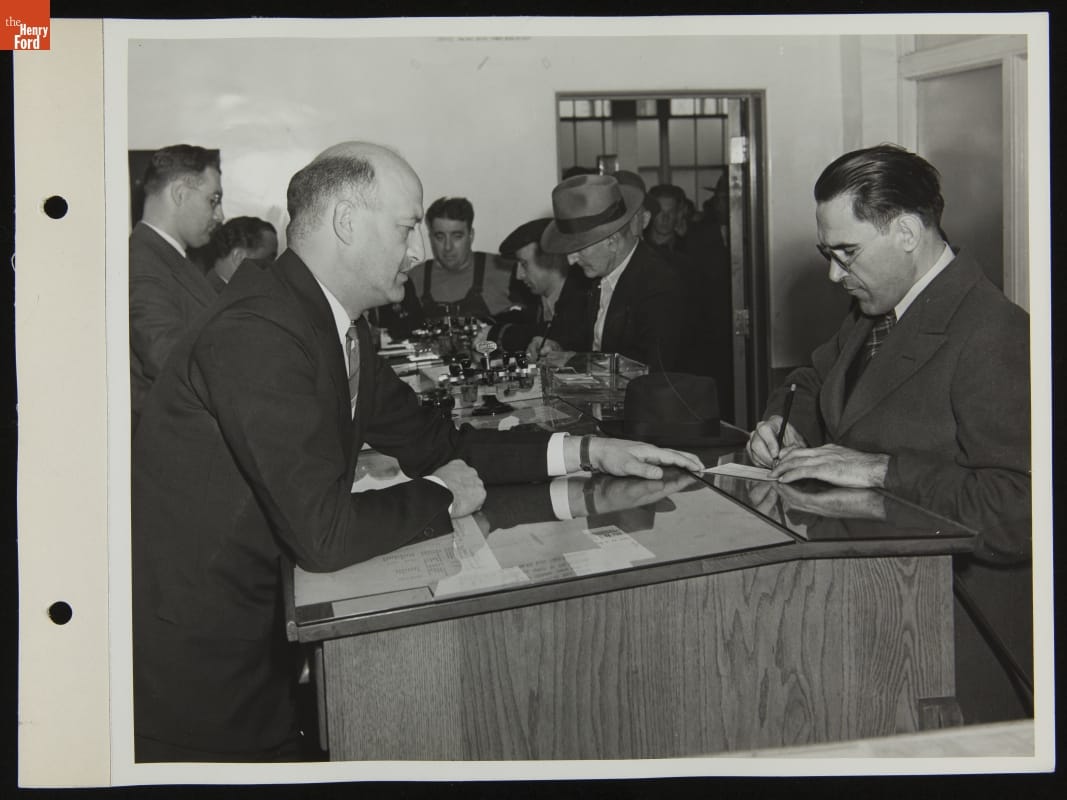
- Ford Employee Sylvester Rypkowski Filling Out Paperwork, October 1942 - Henry Ford believed in providing equal employment opportunities to people with disabilities -- a practice he began in the early years of his company. During World War II, Ford employed thousands of workers with disabilities. In October 1942, Ford Motor Company photographed Sylvester Rypkowski and his service dog, Blackie, as they became members of the Rouge plant's workforce.
- October 05, 1942
- Collections - Artifact
Ford Employee Sylvester Rypkowski Filling Out Paperwork, October 1942
Henry Ford believed in providing equal employment opportunities to people with disabilities -- a practice he began in the early years of his company. During World War II, Ford employed thousands of workers with disabilities. In October 1942, Ford Motor Company photographed Sylvester Rypkowski and his service dog, Blackie, as they became members of the Rouge plant's workforce.
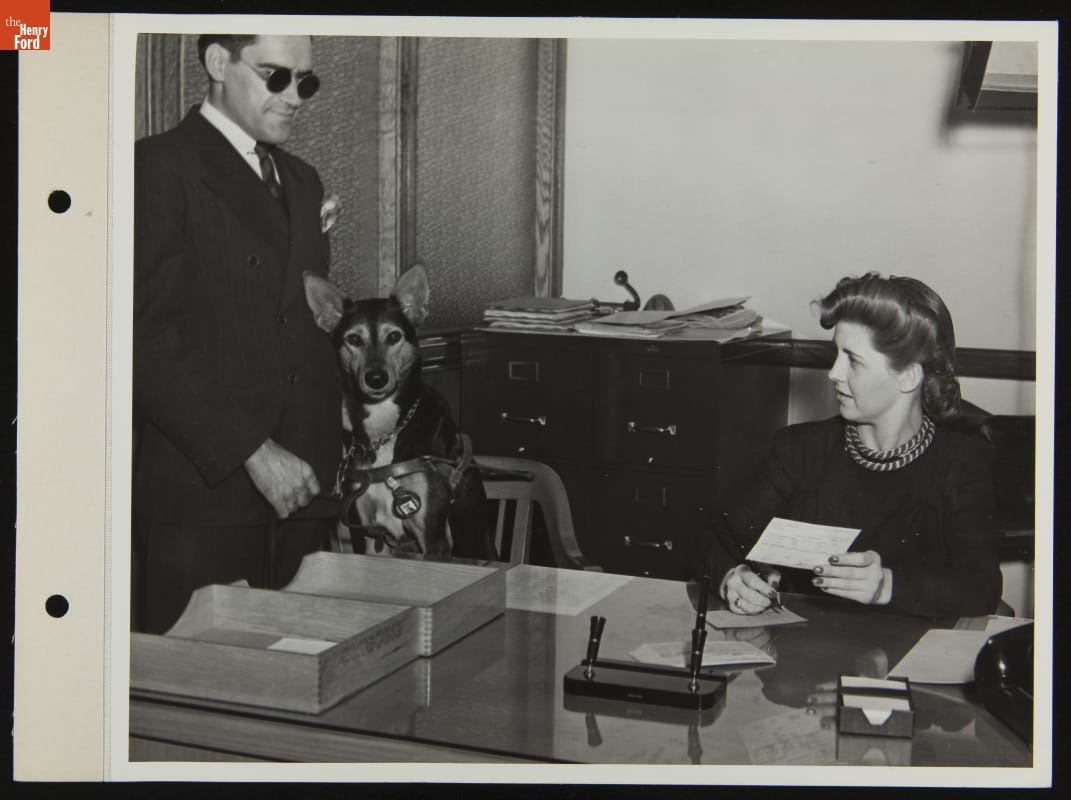
- Ford Employee Sylvester Rypkowski with His Service Dog "Blackie," October 1942 - Henry Ford believed in providing equal employment opportunities to people with disabilities -- a practice he began in the early years of his company. During World War II, Ford employed thousands of workers with disabilities. In October 1942, Ford Motor Company photographed Sylvester Rypkowski and his service dog, Blackie, as they became members of the Rouge plant's workforce.
- October 05, 1942
- Collections - Artifact
Ford Employee Sylvester Rypkowski with His Service Dog "Blackie," October 1942
Henry Ford believed in providing equal employment opportunities to people with disabilities -- a practice he began in the early years of his company. During World War II, Ford employed thousands of workers with disabilities. In October 1942, Ford Motor Company photographed Sylvester Rypkowski and his service dog, Blackie, as they became members of the Rouge plant's workforce.