
Search
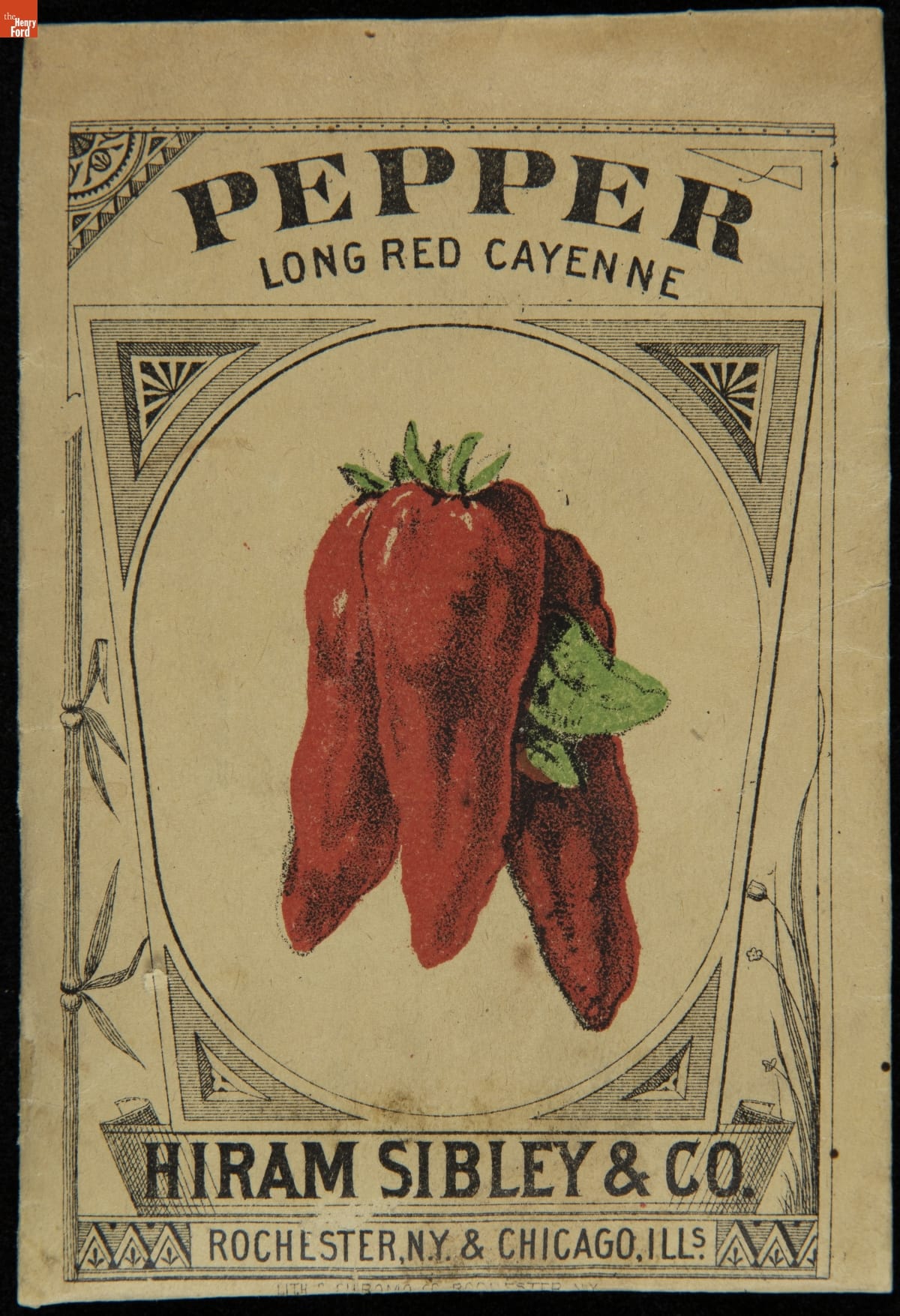
- Hiram Sibley & Co. "Pepper Long Red Cayenne" Seed Packet, Used in the C.W. Barnes Store, 1882-1888 - Distributing seeds required sealing them into little packets or "papers" constructed like envelopes. Seed companies advertised their businesses on these packets, illustrated the vegetable with hand-colored images, and specified growing directions, sometimes in multiple languages. Hiram Sibley and Co. packaged collections of vegetable seeds in specially designed boxes and shipped them to general stores for sale to home gardeners.
- 1882-1888
- Collections - Artifact
Hiram Sibley & Co. "Pepper Long Red Cayenne" Seed Packet, Used in the C.W. Barnes Store, 1882-1888
Distributing seeds required sealing them into little packets or "papers" constructed like envelopes. Seed companies advertised their businesses on these packets, illustrated the vegetable with hand-colored images, and specified growing directions, sometimes in multiple languages. Hiram Sibley and Co. packaged collections of vegetable seeds in specially designed boxes and shipped them to general stores for sale to home gardeners.
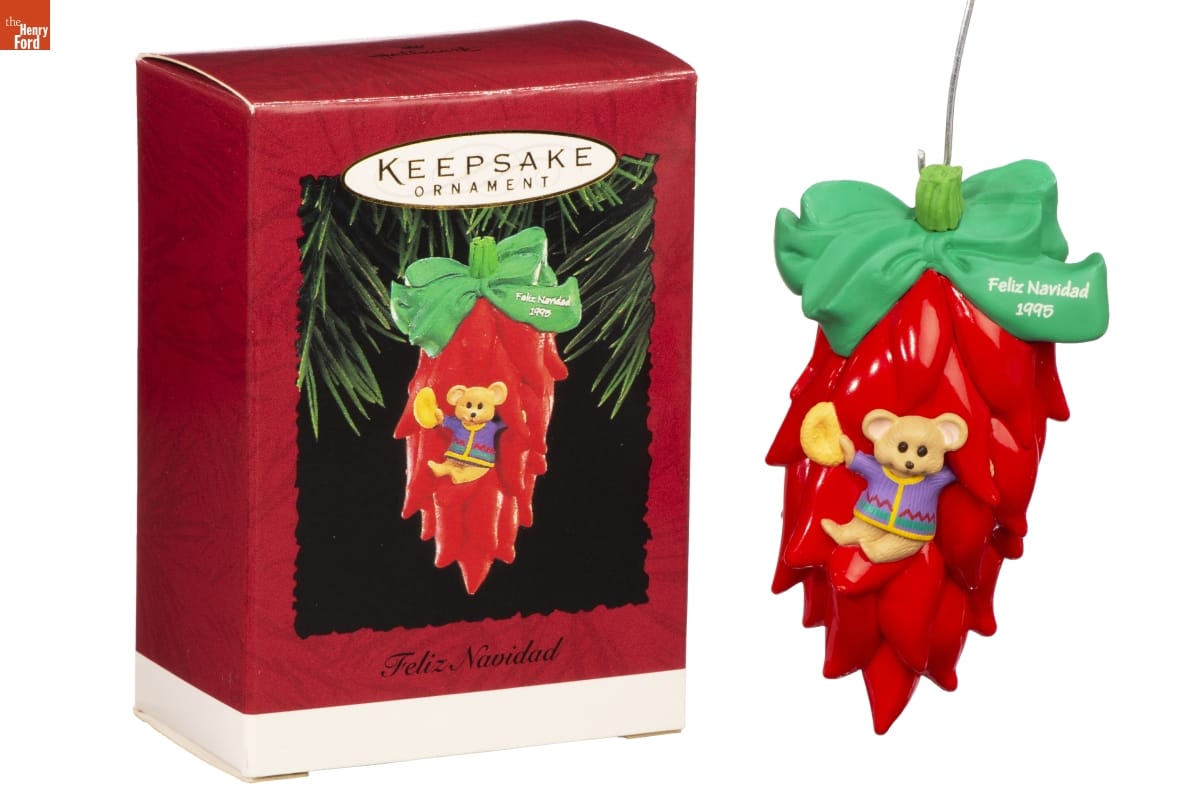
- Hallmark "Feliz Navidad" Christmas Ornament, 1995 - Already known for greeting cards, Hallmark introduced a line of Christmas ornaments in 1973. The company's annual release of an increasing array of ornaments revolutionized Christmas decorating, appealing to customers' interest in marking memories and milestones as well as expressing one's personality and unique tastes.
- 1995
- Collections - Artifact
Hallmark "Feliz Navidad" Christmas Ornament, 1995
Already known for greeting cards, Hallmark introduced a line of Christmas ornaments in 1973. The company's annual release of an increasing array of ornaments revolutionized Christmas decorating, appealing to customers' interest in marking memories and milestones as well as expressing one's personality and unique tastes.
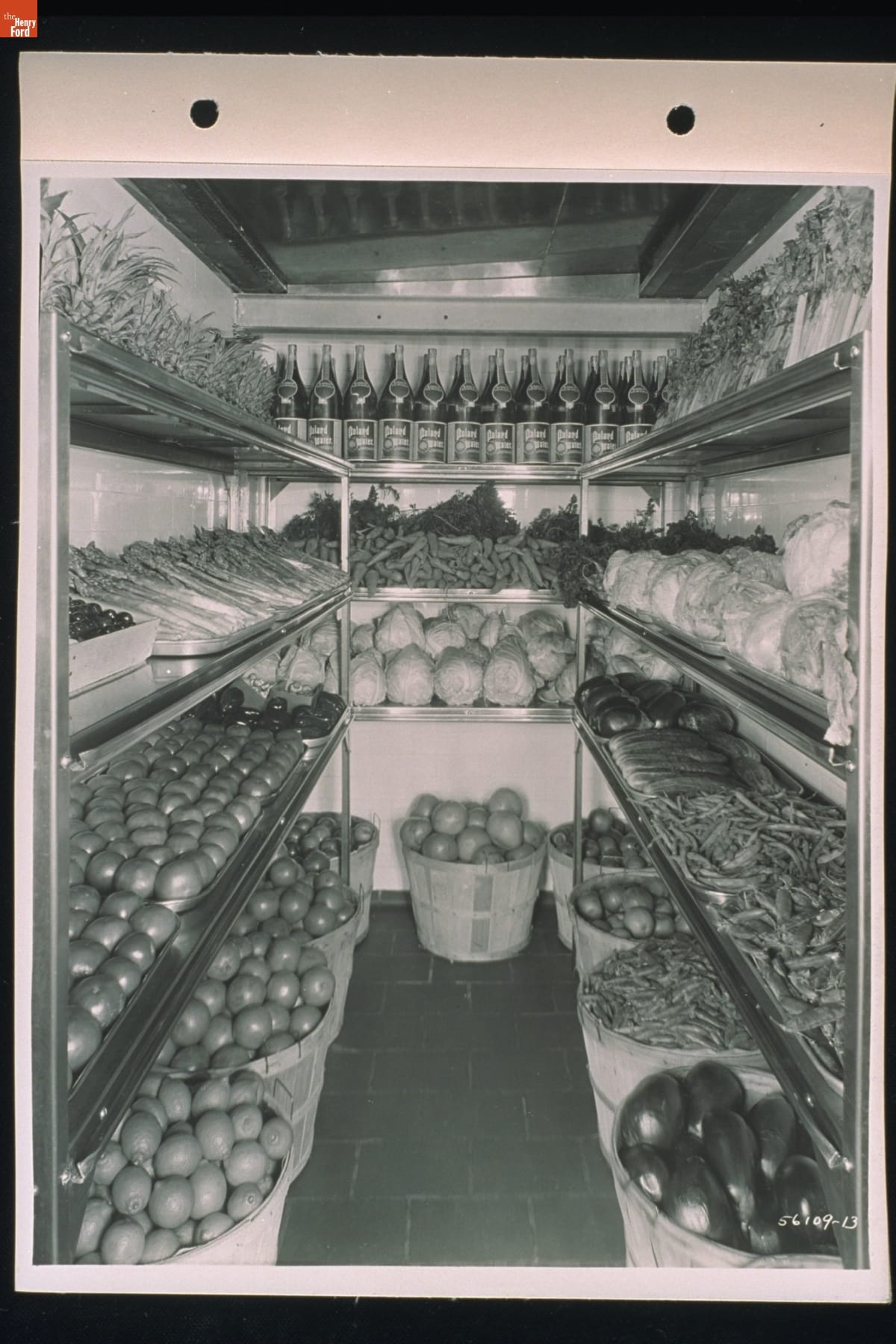
- Vegetable Storage Room in a Ford Motor Company Cafeteria Kitchens, May 18, 1931 -
- May 18, 1931
- Collections - Artifact
Vegetable Storage Room in a Ford Motor Company Cafeteria Kitchens, May 18, 1931
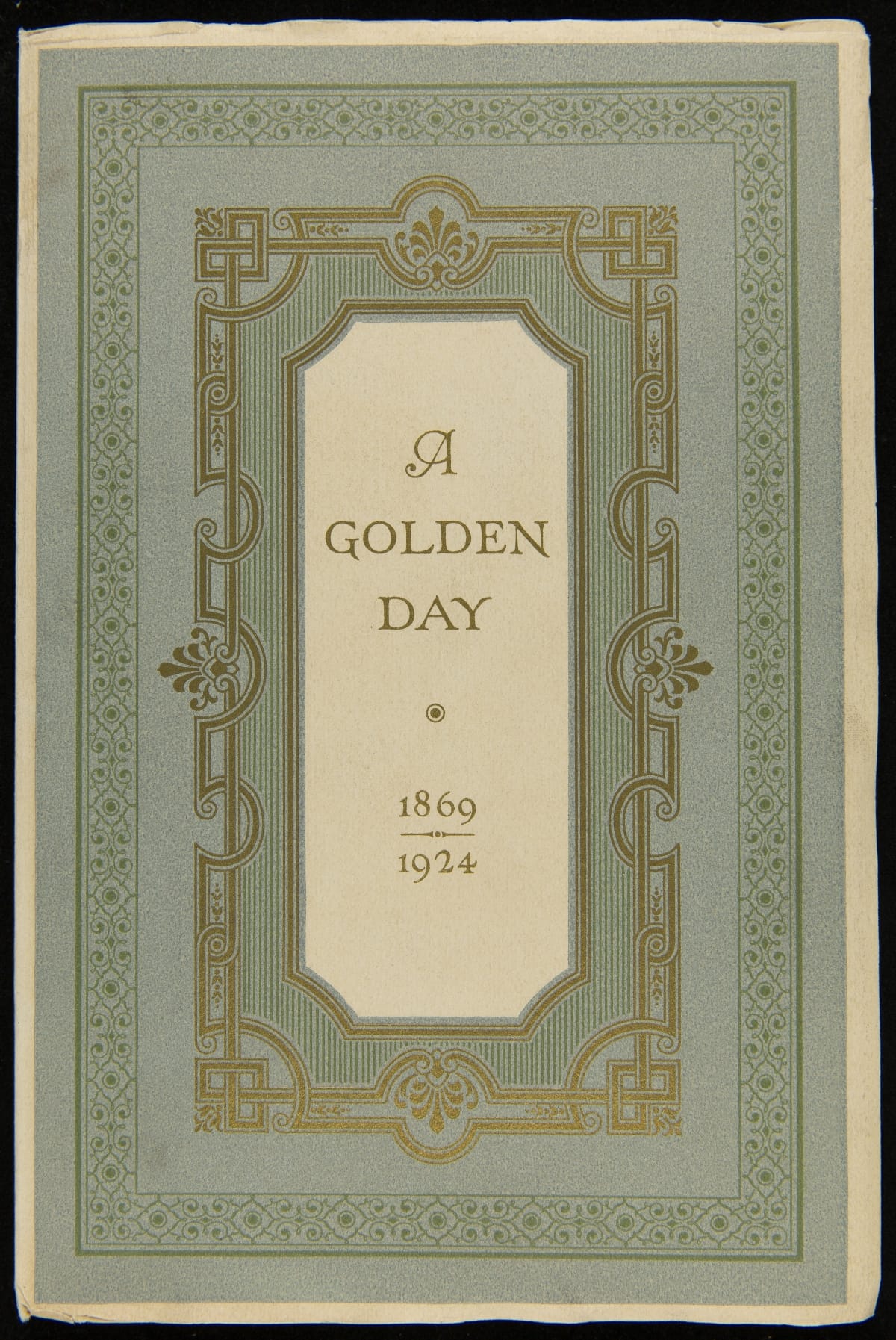
- H. J. Heinz Memorial Statue Dedication, "A Golden Day," at Heinz Main Plant, Pittsburgh, Pennsylvania, October 11, 1924 - H.J. Heinz valued a strong relationship between his company and its employees. This resulted in a world-class employee welfare program which included amenities, programs, and policies with consideration for employees' well-being. In 1924, to commemorate the company's 55th anniversary, employees erected a memorial statue as a token of their gratitude for their employer. This is a program from the celebration, called "A Golden Day."
- 1925
- Collections - Artifact
H. J. Heinz Memorial Statue Dedication, "A Golden Day," at Heinz Main Plant, Pittsburgh, Pennsylvania, October 11, 1924
H.J. Heinz valued a strong relationship between his company and its employees. This resulted in a world-class employee welfare program which included amenities, programs, and policies with consideration for employees' well-being. In 1924, to commemorate the company's 55th anniversary, employees erected a memorial statue as a token of their gratitude for their employer. This is a program from the celebration, called "A Golden Day."
- Everlast "Forged" Salt and Pepper Shakers, 1936-1950 - In 1932, Louis Schnitzer and Nathan Gelfman formed Everlast Metal Products Corporation, producing high-quality, hand-forged aluminum giftware. In an era of growing uniformity via factory production, the "made by hand" aspect of these products held an aesthetic appeal for consumers. In 1933, Everlast introduced its first product line, "Forged Giftware" featuring Colonial Revival inspired designs.
- 1936-1950
- Collections - Artifact
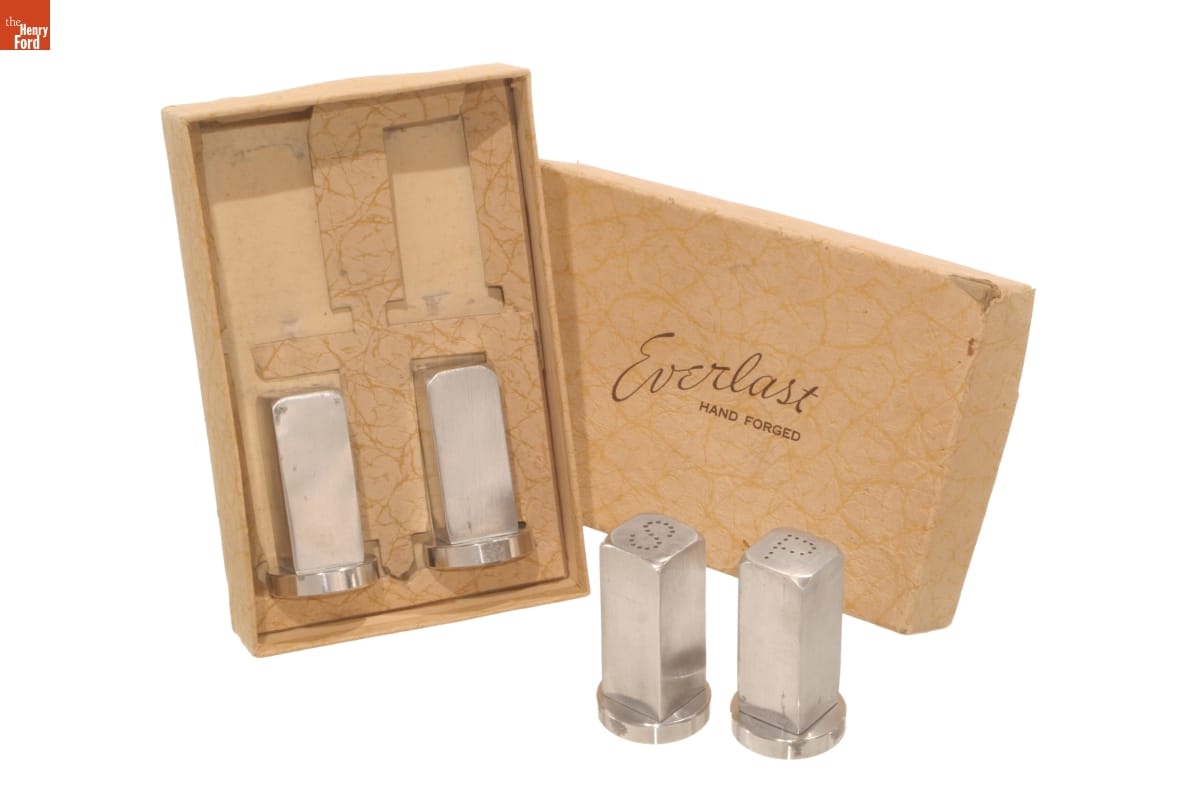
Everlast "Forged" Salt and Pepper Shakers, 1936-1950
In 1932, Louis Schnitzer and Nathan Gelfman formed Everlast Metal Products Corporation, producing high-quality, hand-forged aluminum giftware. In an era of growing uniformity via factory production, the "made by hand" aspect of these products held an aesthetic appeal for consumers. In 1933, Everlast introduced its first product line, "Forged Giftware" featuring Colonial Revival inspired designs.
- "The Wigwam, Atlanta, Nebraska" Souvenir Salt and Pepper Set, 1945-1973 -
- 1945-1973
- Collections - Artifact
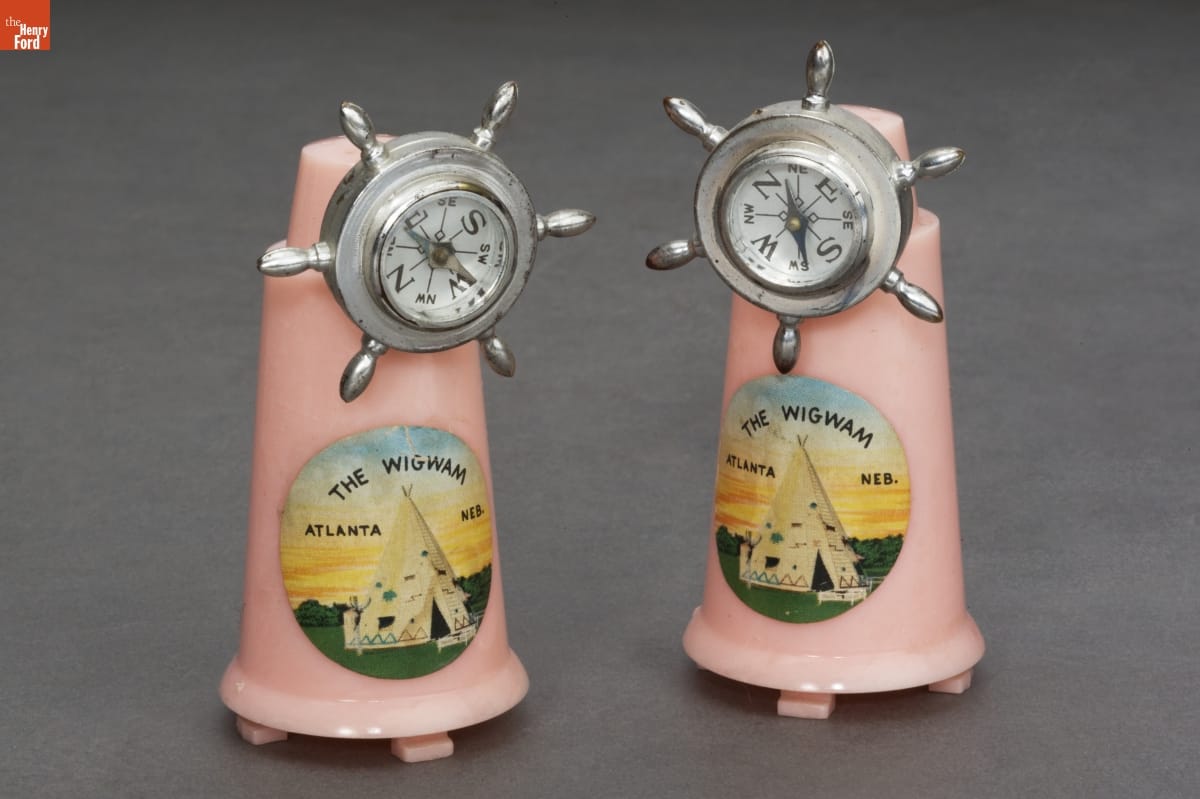
"The Wigwam, Atlanta, Nebraska" Souvenir Salt and Pepper Set, 1945-1973
- Mickey Mouse Pepper Grinder, 1994 - Starting in the early 1980s--and already established as an internationally recognized architect--Michael Graves began to pursue a parallel career as a product designer. Over the following three and a half decades he and his collaborators designed everything from humble household goods to limited edition luxury items for clients as diverse as Steuben, Alessi, Target, J. C. Penney, and Disney.
- 1994
- Collections - Artifact
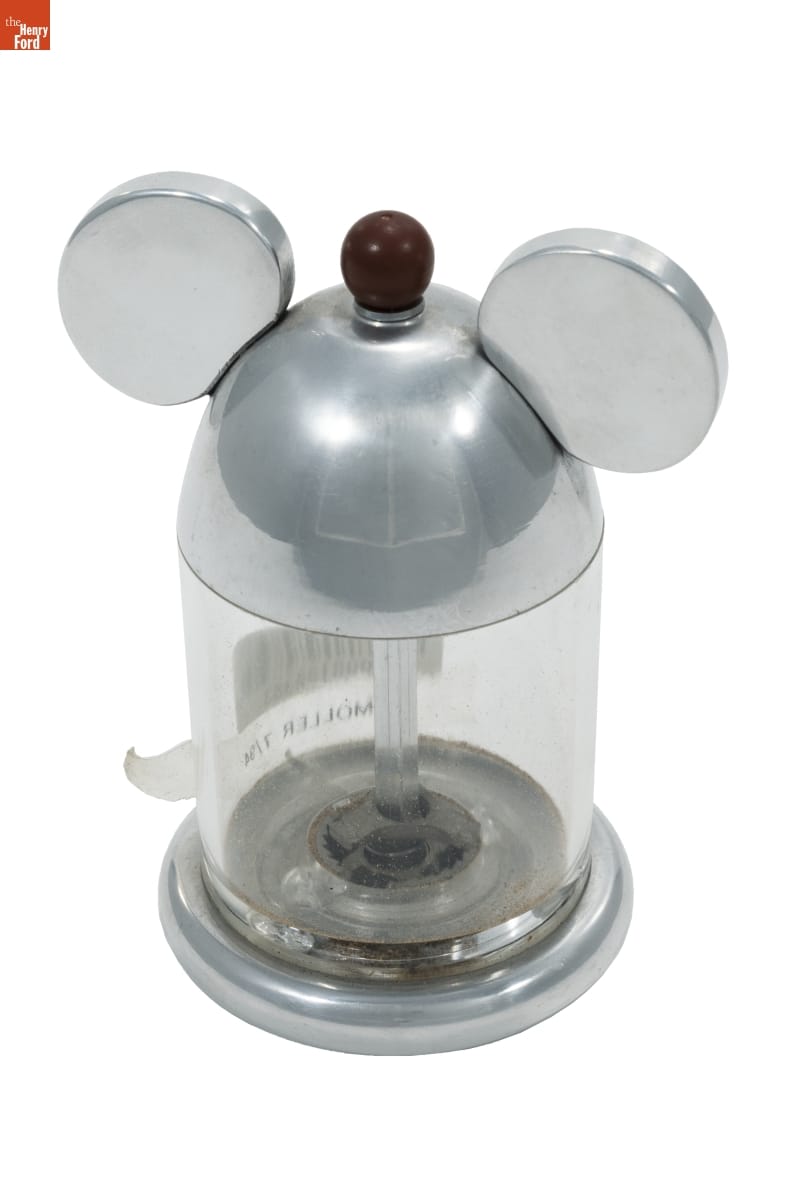
Mickey Mouse Pepper Grinder, 1994
Starting in the early 1980s--and already established as an internationally recognized architect--Michael Graves began to pursue a parallel career as a product designer. Over the following three and a half decades he and his collaborators designed everything from humble household goods to limited edition luxury items for clients as diverse as Steuben, Alessi, Target, J. C. Penney, and Disney.
- Old Dutch Cleanser Salt and Pepper Shakers Premium Set, 1900-1920 -
- 1900-1920
- Collections - Artifact
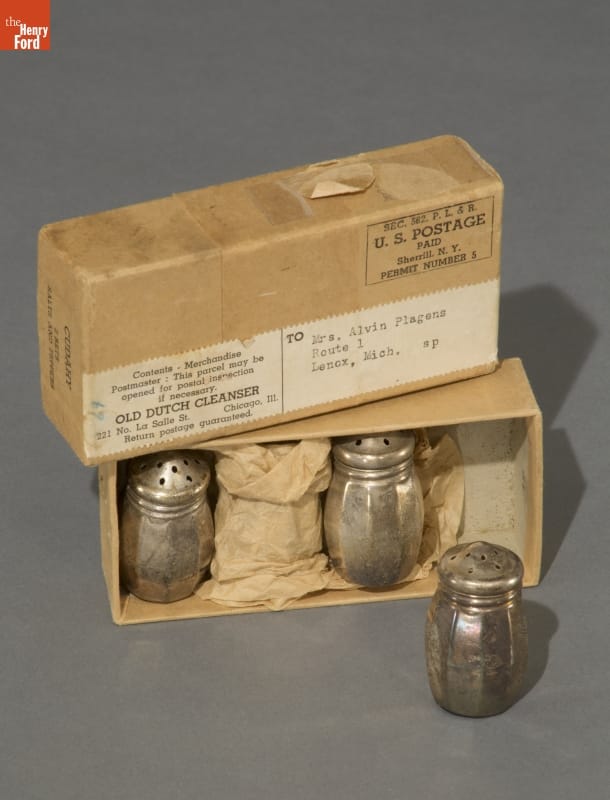
Old Dutch Cleanser Salt and Pepper Shakers Premium Set, 1900-1920
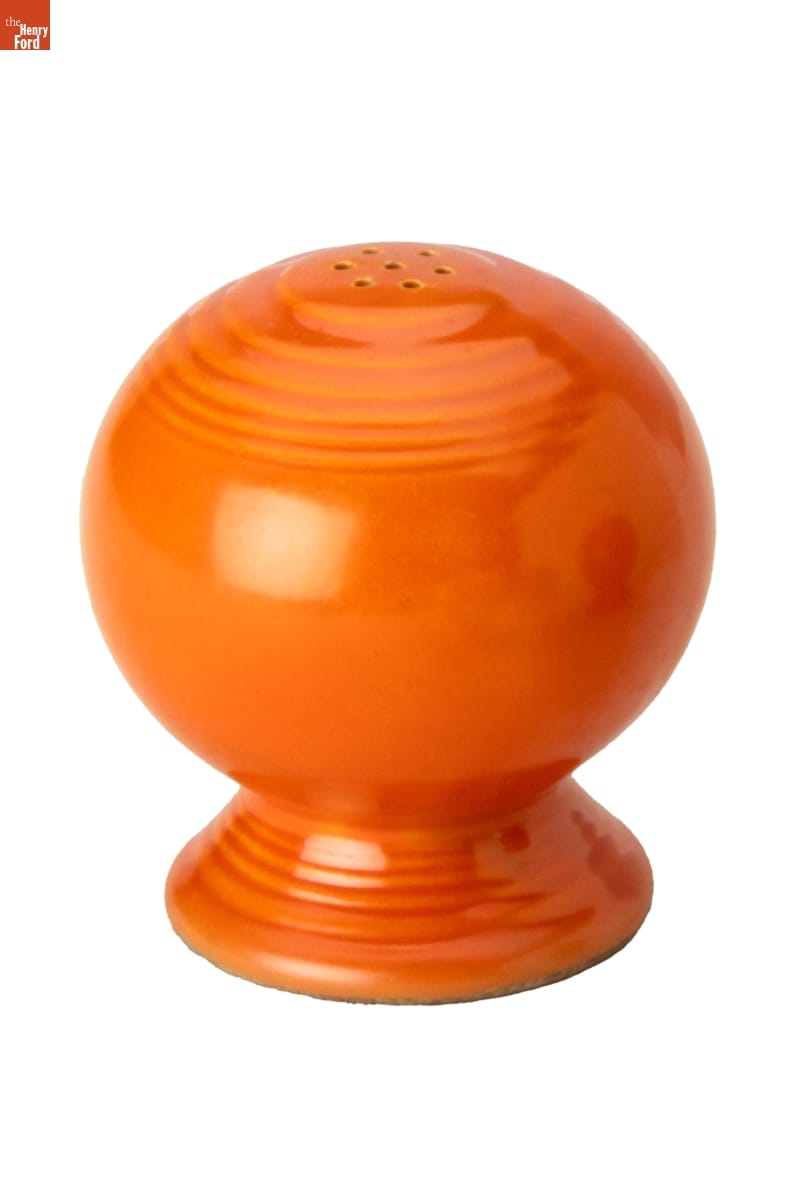
- Fiesta Ware Salt or Pepper Shaker, 1936-1942 - Colorful Fiesta ware was one of many inexpensive, yet fashionable dinnerware sets produced for the middle market during the Great Depression, sold at retailers like F.W. Woolworth's, Kresge, and department store bargain basements. Thanks to revived interest in Art Deco, the line was resurrected in 1986 by the Homer Laughlin China Company, and remains in production today.
- 1936-1942
- Collections - Artifact
Fiesta Ware Salt or Pepper Shaker, 1936-1942
Colorful Fiesta ware was one of many inexpensive, yet fashionable dinnerware sets produced for the middle market during the Great Depression, sold at retailers like F.W. Woolworth's, Kresge, and department store bargain basements. Thanks to revived interest in Art Deco, the line was resurrected in 1986 by the Homer Laughlin China Company, and remains in production today.
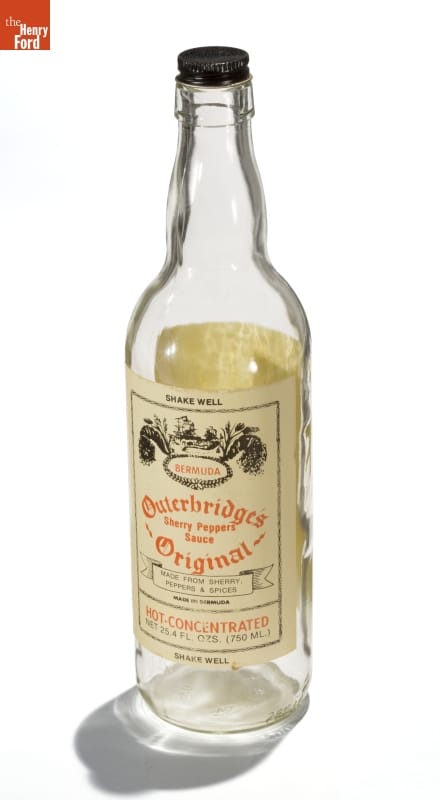
- Bottle of Outerbridge's Sherry Pepper Sauce, 1980-2000 - This food item was one of the many exotic delicacies sold at A. Rensch & Co., a family-owned specialty-import food store that opened in Toledo, Ohio, in 1882. Customers interested in exotic canned and bottled foods, hard-to-find teas and coffees, and all manner of imported meats and cheeses would have frequented a store like this. A. Rensch & Co. also sold gift boxes.
- 1980-2000
- Collections - Artifact
Bottle of Outerbridge's Sherry Pepper Sauce, 1980-2000
This food item was one of the many exotic delicacies sold at A. Rensch & Co., a family-owned specialty-import food store that opened in Toledo, Ohio, in 1882. Customers interested in exotic canned and bottled foods, hard-to-find teas and coffees, and all manner of imported meats and cheeses would have frequented a store like this. A. Rensch & Co. also sold gift boxes.