
Search
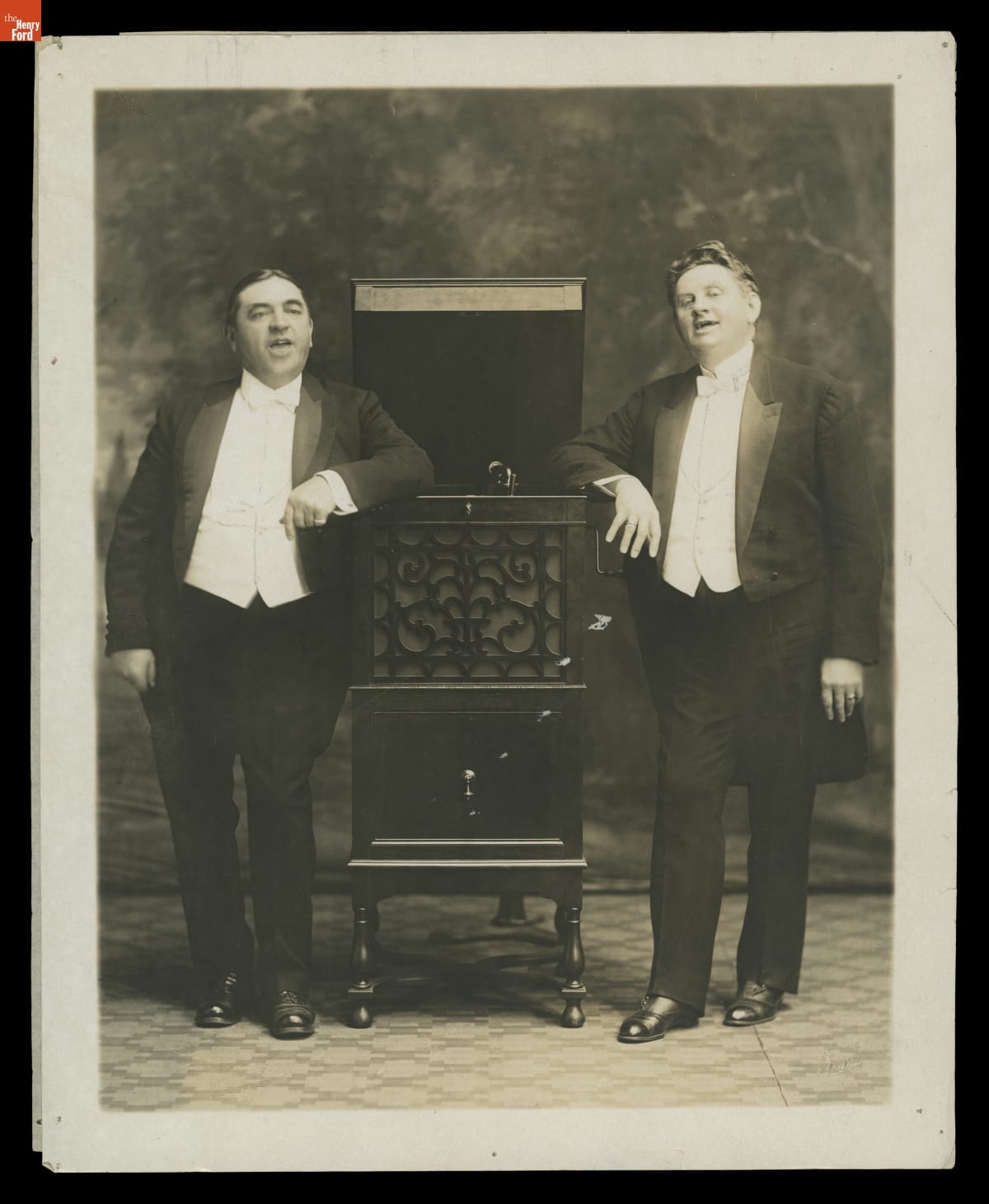
- Edison Recording Artists Arthur Collins and Byron Harlan, circa 1916 -
- February 25, 1920
- Collections - Artifact
Edison Recording Artists Arthur Collins and Byron Harlan, circa 1916
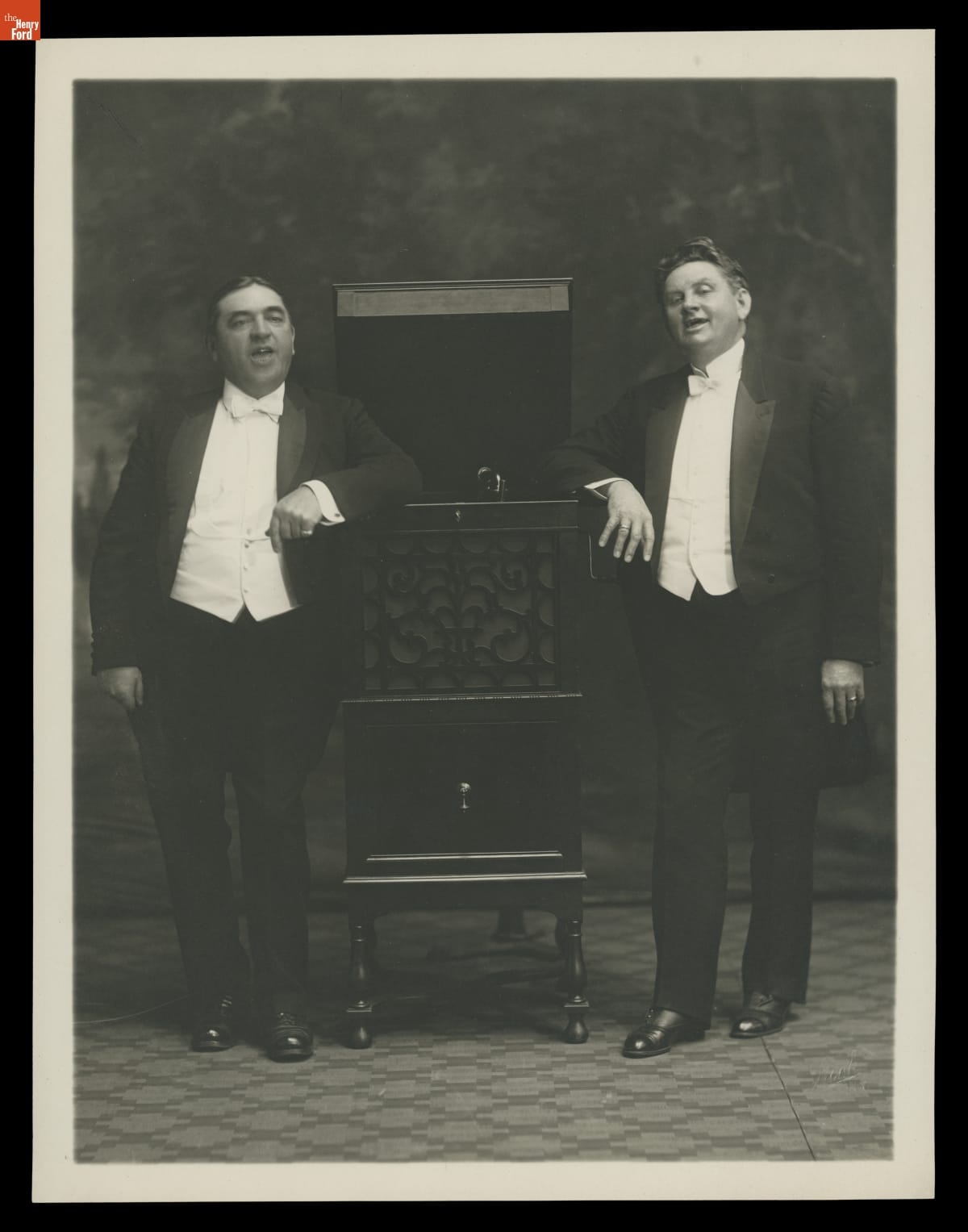
- Edison Recording Artists Arthur Collins and Byron Harlan, 1920 -
- February 25, 1920
- Collections - Artifact
Edison Recording Artists Arthur Collins and Byron Harlan, 1920
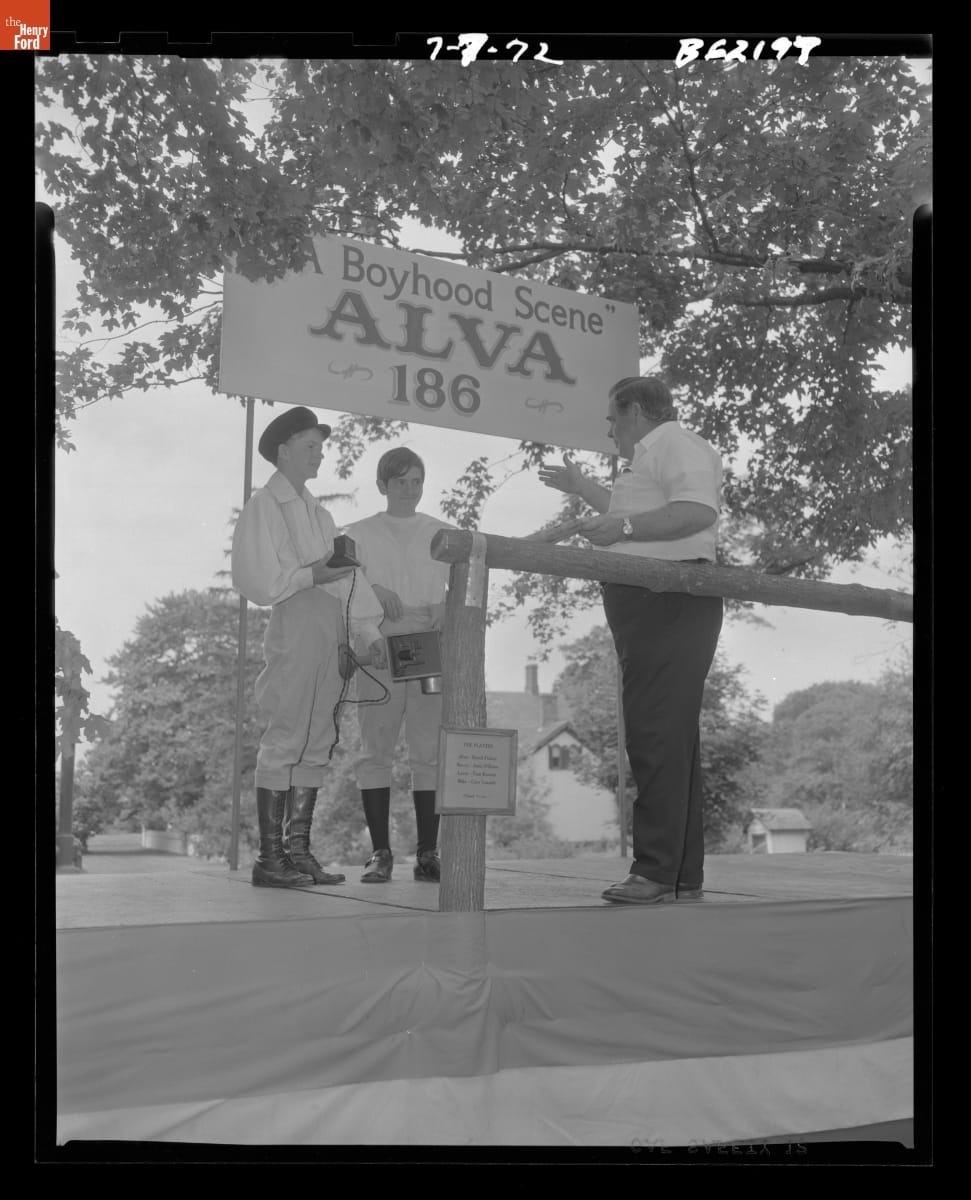
- "A Boyhood Scene, Alva!," One of the Greenfield Village Summer Theater Shows, July 1972 -
- July 01, 1972
- Collections - Artifact
"A Boyhood Scene, Alva!," One of the Greenfield Village Summer Theater Shows, July 1972
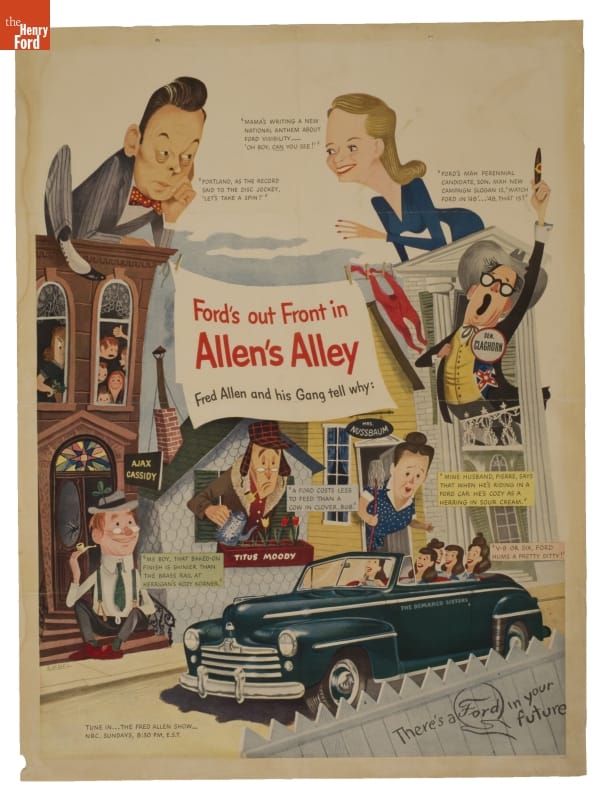
- Advertising Poster, "Ford's Out Front in Allen's Alley," 1945-1949 -
- 1945-1949
- Collections - Artifact
Advertising Poster, "Ford's Out Front in Allen's Alley," 1945-1949
- Television Special "It's What's Happening Baby" Being Filmed in Greenfield Village, June 1965 -
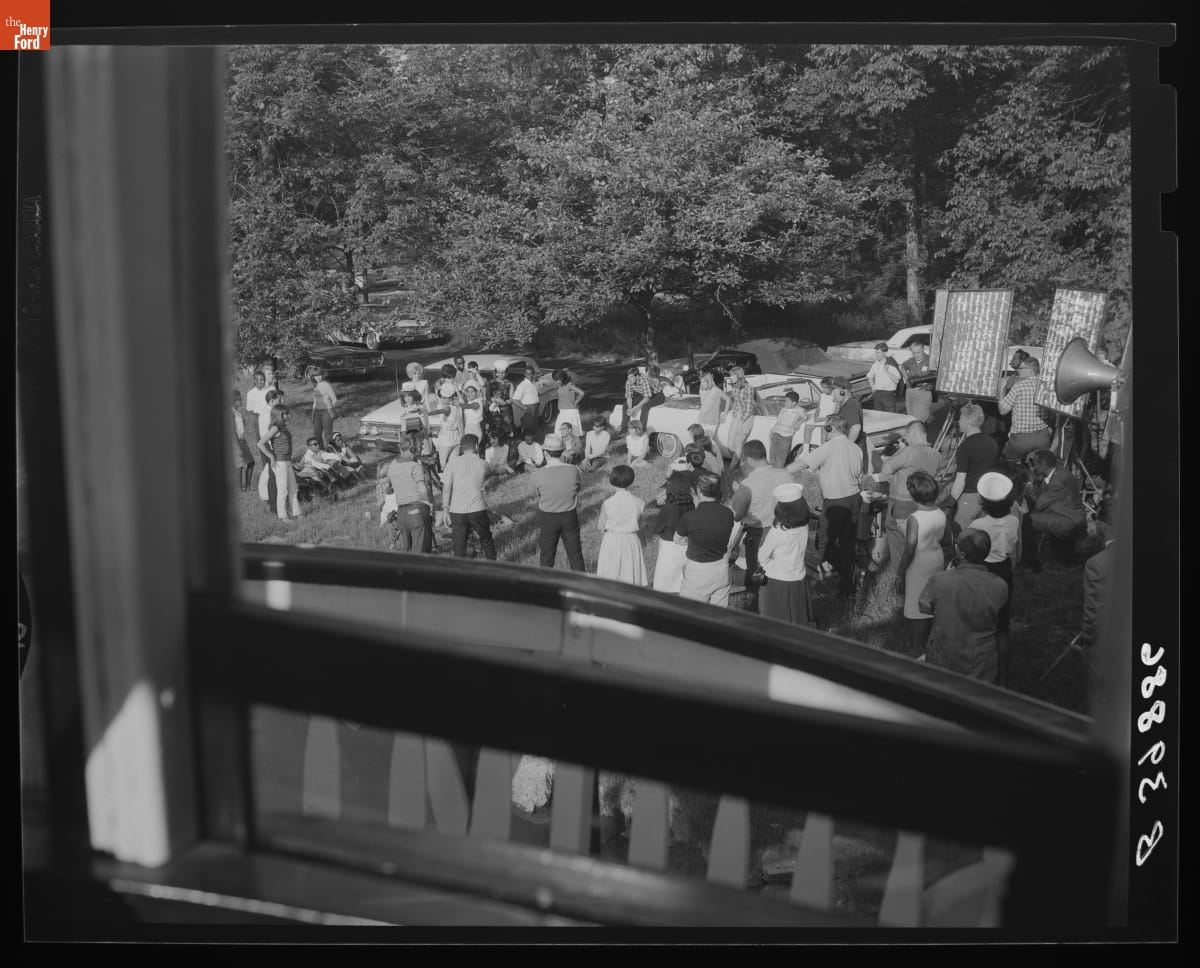
- June 01, 1965
- Collections - Artifact
Television Special "It's What's Happening Baby" Being Filmed in Greenfield Village, June 1965
- Trade Card for the Light Running Home Shuttle Sewing Machine with Compliments of Maude Branscombe, New Home Sewing Machine Co., 1882-1890 - In the last third of the nineteenth century, an unprecedented variety of consumer goods and services flooded the American market. Advertisers, armed with new methods of color printing, bombarded potential customers with trade cards. Americans enjoyed and often saved the vibrant little advertisements found in product packages or distributed by local merchants. Many survive as historical records of commercialism in the United States.
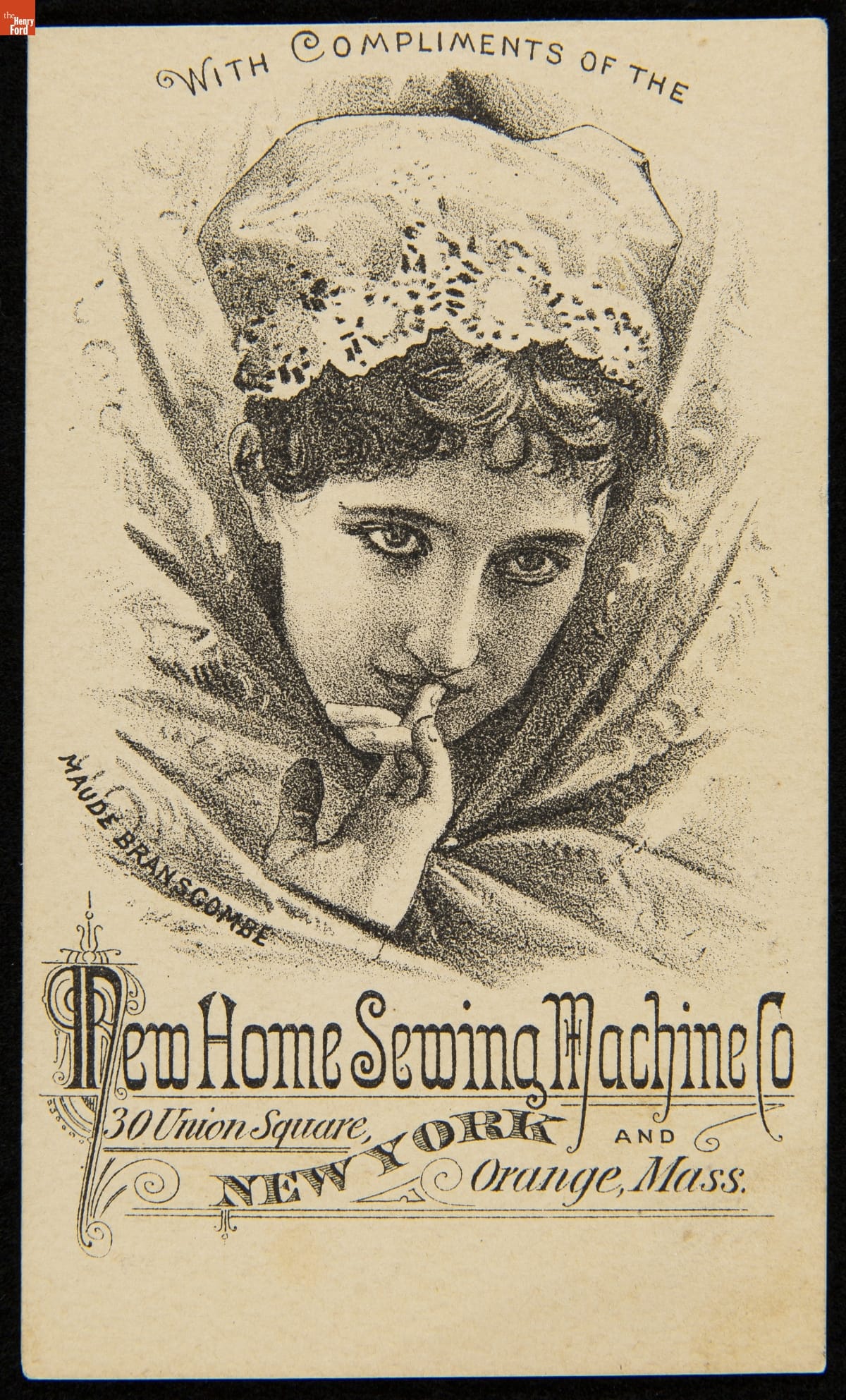
- 1870-1890
- Collections - Artifact
Trade Card for the Light Running Home Shuttle Sewing Machine with Compliments of Maude Branscombe, New Home Sewing Machine Co., 1882-1890
In the last third of the nineteenth century, an unprecedented variety of consumer goods and services flooded the American market. Advertisers, armed with new methods of color printing, bombarded potential customers with trade cards. Americans enjoyed and often saved the vibrant little advertisements found in product packages or distributed by local merchants. Many survive as historical records of commercialism in the United States.
- Trade Card for the Light Running Home Shuttle Sewing Machine with Compliments of Mary Anderson, New Home Sewing Machine Co., 1882-1890 - In the last third of the nineteenth century, an unprecedented variety of consumer goods and services flooded the American market. Advertisers, armed with new methods of color printing, bombarded potential customers with trade cards. Americans enjoyed and often saved the vibrant little advertisements found in product packages or distributed by local merchants. Many survive as historical records of commercialism in the United States.
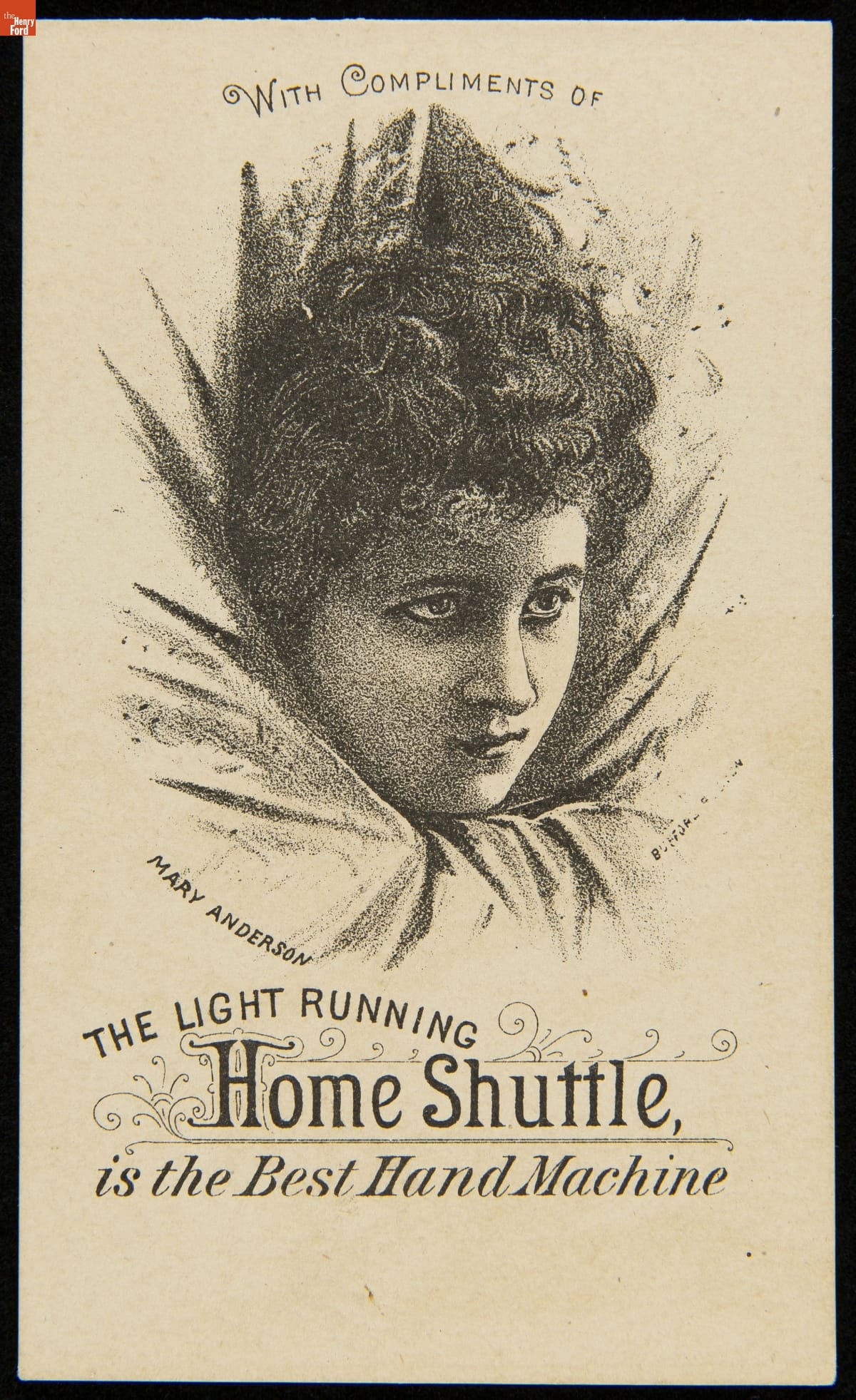
- 1882-1890
- Collections - Artifact
Trade Card for the Light Running Home Shuttle Sewing Machine with Compliments of Mary Anderson, New Home Sewing Machine Co., 1882-1890
In the last third of the nineteenth century, an unprecedented variety of consumer goods and services flooded the American market. Advertisers, armed with new methods of color printing, bombarded potential customers with trade cards. Americans enjoyed and often saved the vibrant little advertisements found in product packages or distributed by local merchants. Many survive as historical records of commercialism in the United States.
- Performing Artist, Club Harlem, 1934-1935 -
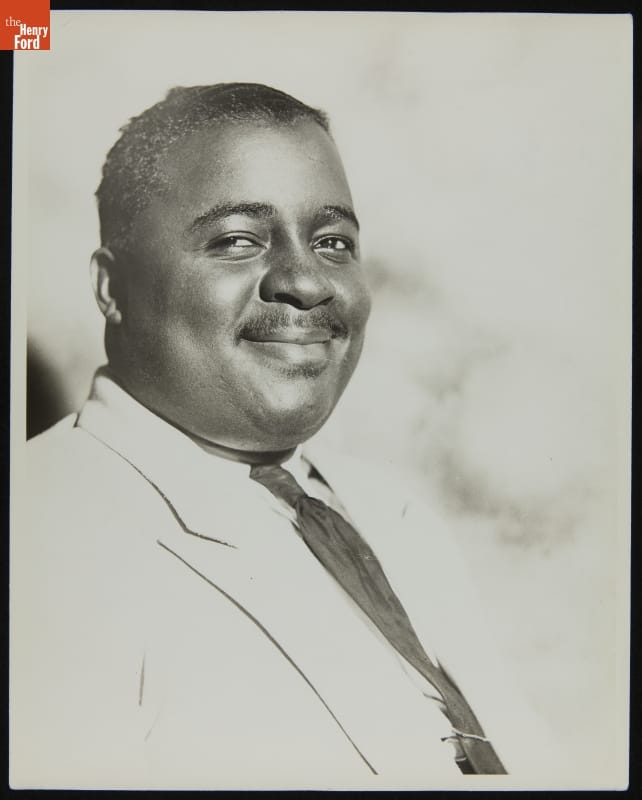
- 1934-1935
- Collections - Artifact
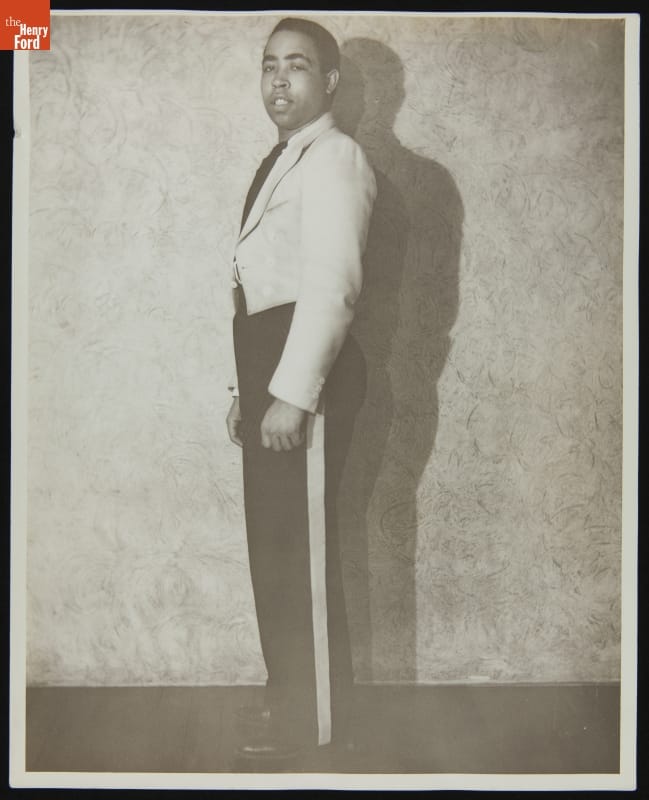
Performing Artist, Club Harlem, 1934-1935
- Performing Artist, Club Harlem, 1934-1935 - Paradise Valley, the entertainment district of Detroit’s Black Bottom neighborhood, contained numerous clubs, cabarets, and theaters. Many famous Black performers, such as Duke Ellington and Ella Fitzgerald, played in Paradise Valley from the 1920s to the 1950s. This photo shows an unidentified artist who played at Club Harlem, a short-lived “black-and-tan” establishment that catered to Black and White audiences.
- 1934-1935
- Collections - Artifact
Performing Artist, Club Harlem, 1934-1935
Paradise Valley, the entertainment district of Detroit’s Black Bottom neighborhood, contained numerous clubs, cabarets, and theaters. Many famous Black performers, such as Duke Ellington and Ella Fitzgerald, played in Paradise Valley from the 1920s to the 1950s. This photo shows an unidentified artist who played at Club Harlem, a short-lived “black-and-tan” establishment that catered to Black and White audiences.
- Performing Artist, Club Harlem, 1934-1935 - Paradise Valley, the entertainment district of Detroit’s Black Bottom neighborhood, contained numerous clubs, cabarets, and theaters. Many famous Black performers, such as Duke Ellington and Ella Fitzgerald, played in Paradise Valley from the 1920s to the 1950s. This photo shows an unidentified artist who played at Club Harlem, a short-lived “black-and-tan” establishment that catered to Black and White audiences.
- 1934-1935
- Collections - Artifact
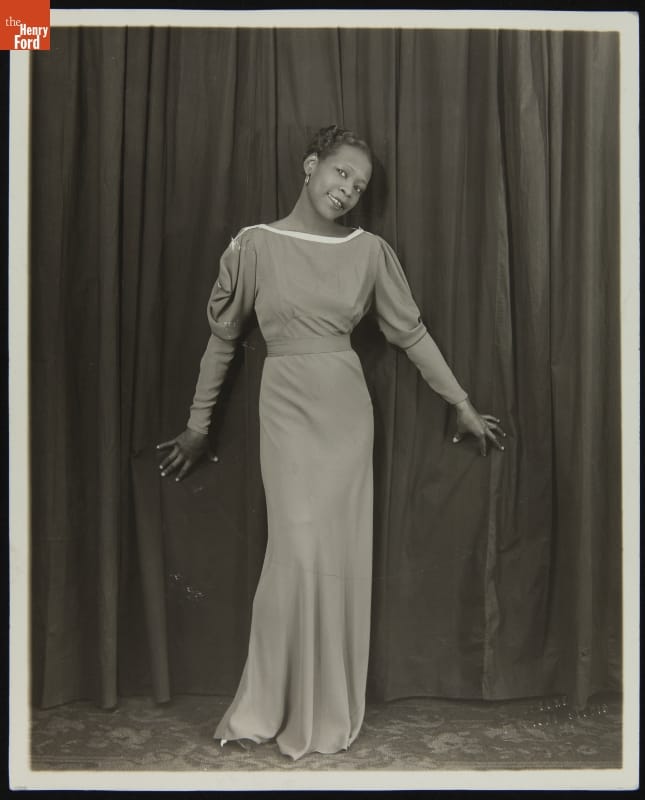
Performing Artist, Club Harlem, 1934-1935
Paradise Valley, the entertainment district of Detroit’s Black Bottom neighborhood, contained numerous clubs, cabarets, and theaters. Many famous Black performers, such as Duke Ellington and Ella Fitzgerald, played in Paradise Valley from the 1920s to the 1950s. This photo shows an unidentified artist who played at Club Harlem, a short-lived “black-and-tan” establishment that catered to Black and White audiences.