
Search
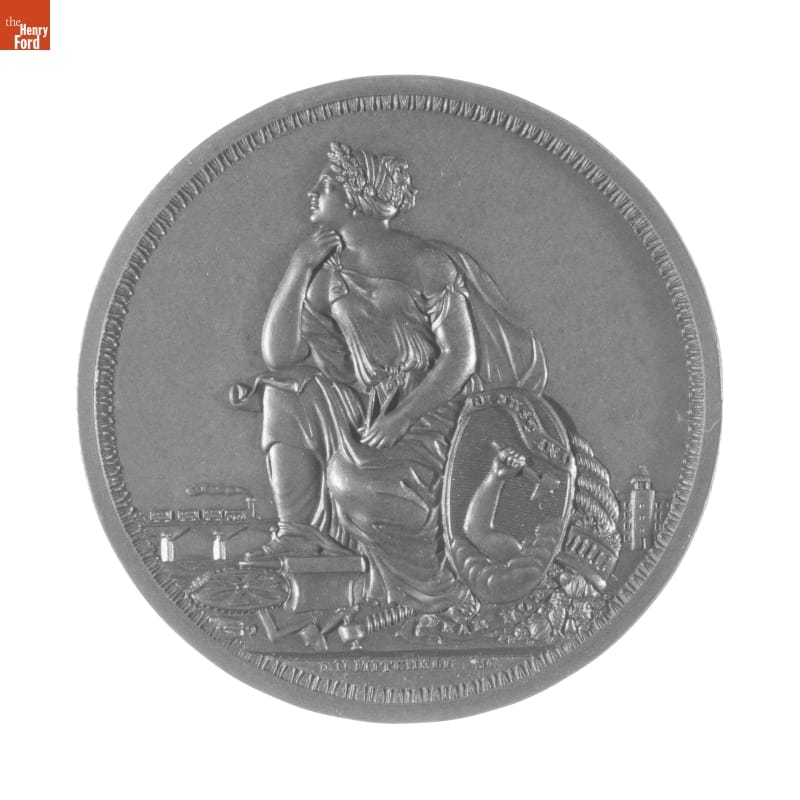
- Massachusetts Charitable Mechanic Association Medal Awarded to "Jeffers & Hill for Recumbent Chair," 1856 - Nineteenth-century mechanics' societies and business associations promoted technological ingenuity by sponsoring fairs and competitions. Officials awarded medals, certificates, and other premiums to exhibitors whose products were deemed worthy of merit. The Massachusetts Charitable Mechanic Association presented this medal to the firm of Jeffers and Hill for a "recumbent chair."
- 1856
- Collections - Artifact
Massachusetts Charitable Mechanic Association Medal Awarded to "Jeffers & Hill for Recumbent Chair," 1856
Nineteenth-century mechanics' societies and business associations promoted technological ingenuity by sponsoring fairs and competitions. Officials awarded medals, certificates, and other premiums to exhibitors whose products were deemed worthy of merit. The Massachusetts Charitable Mechanic Association presented this medal to the firm of Jeffers and Hill for a "recumbent chair."
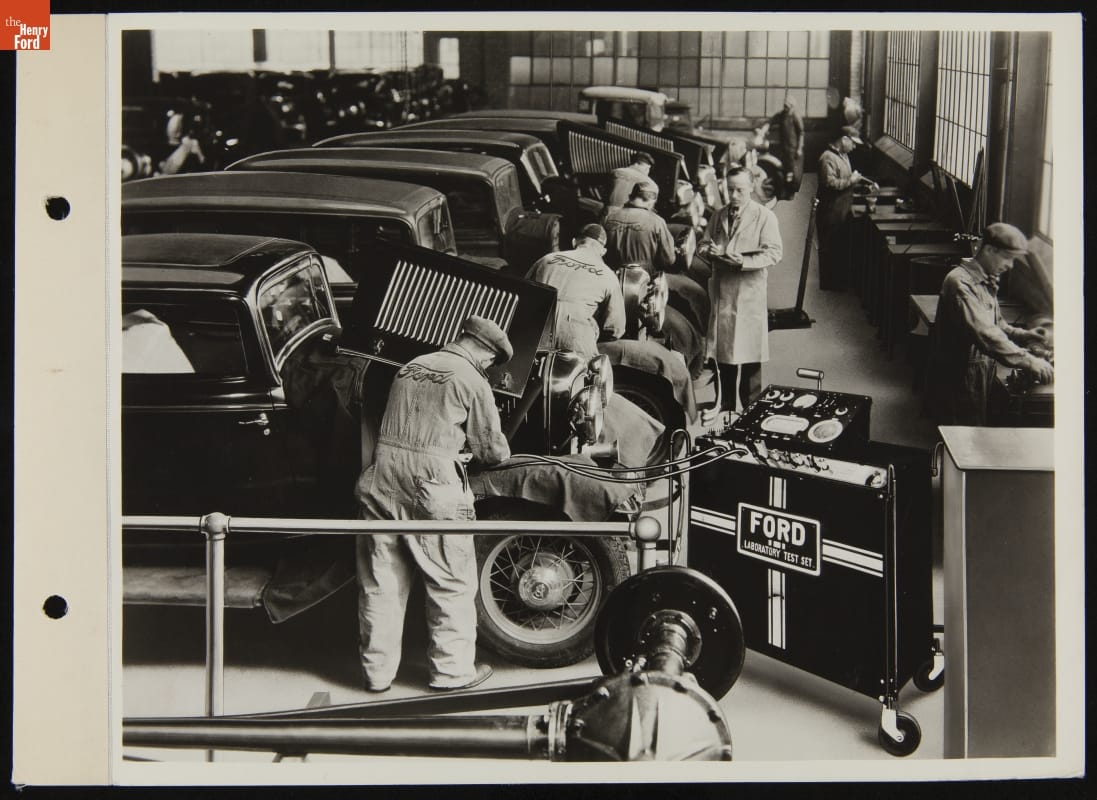
- Attendants Using Laboratory Test Sets at Southwestern Motor Sales, Lincoln Park, Michigan, September 1934 - In the mid-1930s, Ford Motor Company produced the affordable Ford Laboratory Test Set. Automobile mechanics rolled this portable diagnostic equipment to the vehicle, hooked up the unit, and checked the condition of the vehicle's engine or electrical performance. The unit detected problems quickly and eliminated guesswork -- saving time and money for both the customer and dealership.
- September 24, 1934
- Collections - Artifact
Attendants Using Laboratory Test Sets at Southwestern Motor Sales, Lincoln Park, Michigan, September 1934
In the mid-1930s, Ford Motor Company produced the affordable Ford Laboratory Test Set. Automobile mechanics rolled this portable diagnostic equipment to the vehicle, hooked up the unit, and checked the condition of the vehicle's engine or electrical performance. The unit detected problems quickly and eliminated guesswork -- saving time and money for both the customer and dealership.
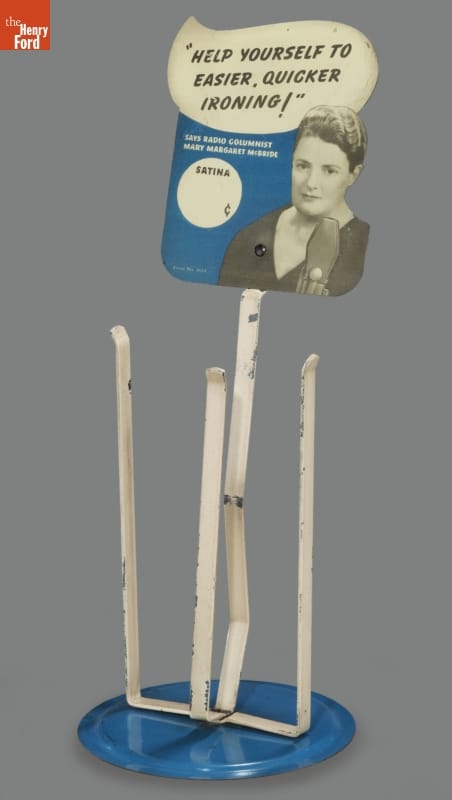
- Satina Starch Display Rack, 1937-1939 -
- 1937-1939
- Collections - Artifact
Satina Starch Display Rack, 1937-1939
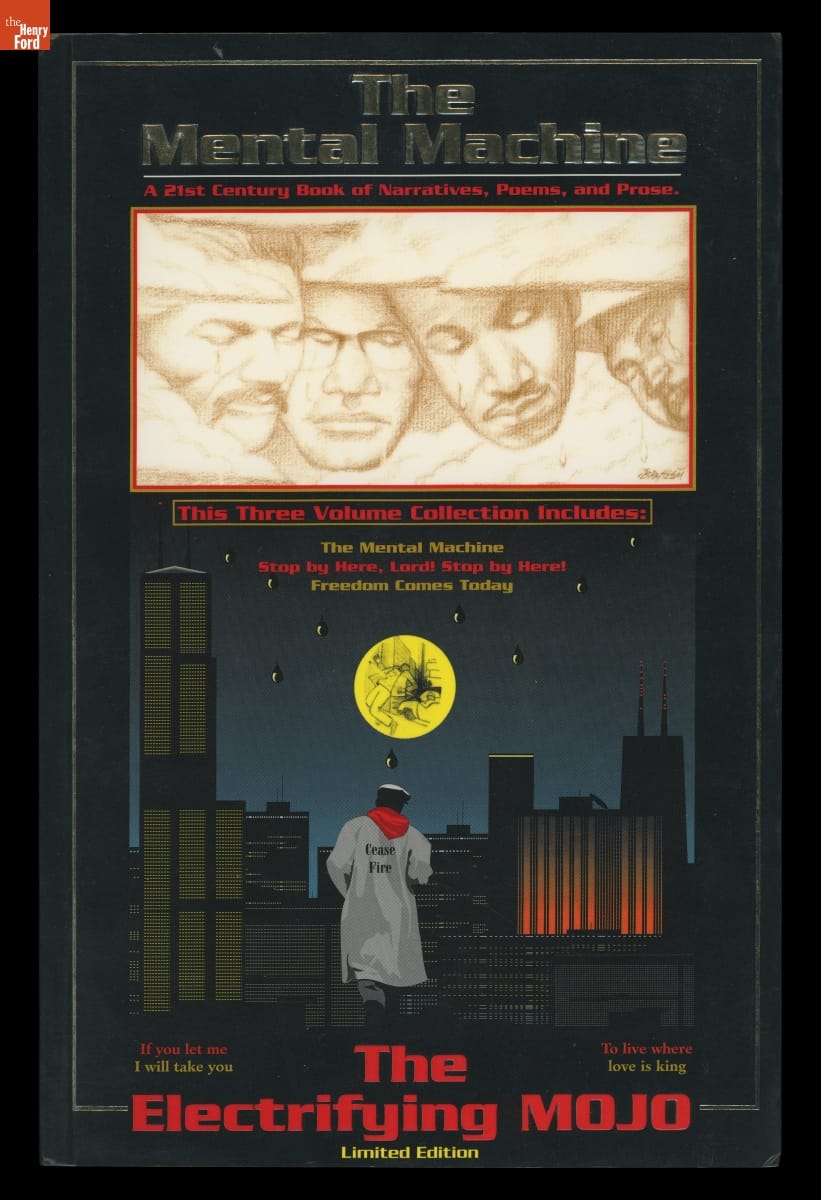
- "The Mental Machine: A 21st Century Book of Narratives, Poems, and Prose," 1995 -
- 1995
- Collections - Artifact
"The Mental Machine: A 21st Century Book of Narratives, Poems, and Prose," 1995
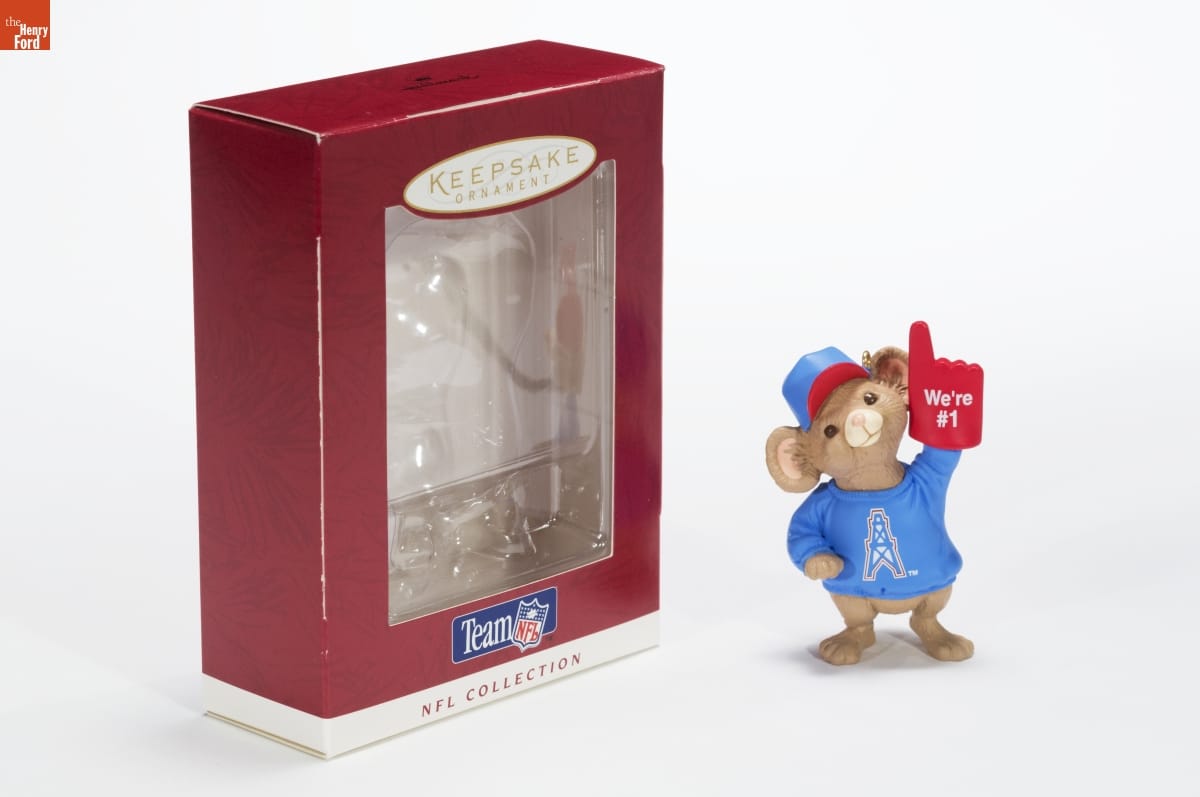
- Hallmark "NFL Collection: Houston Oilers" Christmas Ornament, 1996 - Already known for greeting cards, Hallmark introduced a line of Christmas ornaments in 1973. The company's annual release of an increasing array of ornaments revolutionized Christmas decorating, appealing to customers' interest in marking memories and milestones as well as expressing one's personality and unique tastes.
- 1996
- Collections - Artifact
Hallmark "NFL Collection: Houston Oilers" Christmas Ornament, 1996
Already known for greeting cards, Hallmark introduced a line of Christmas ornaments in 1973. The company's annual release of an increasing array of ornaments revolutionized Christmas decorating, appealing to customers' interest in marking memories and milestones as well as expressing one's personality and unique tastes.
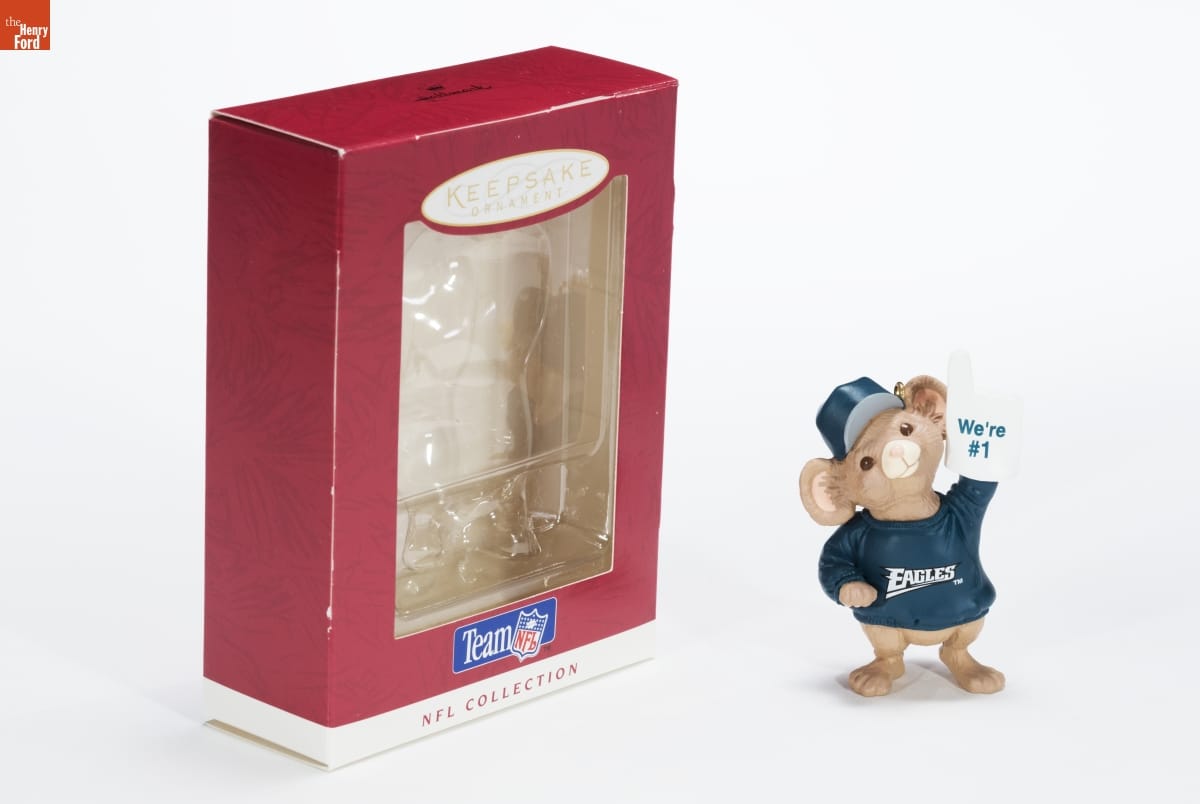
- Hallmark "NFL Collection: Philadelphia Eagles" Christmas Ornament, 1996 - Already known for greeting cards, Hallmark introduced a line of Christmas ornaments in 1973. The company's annual release of an increasing array of ornaments revolutionized Christmas decorating, appealing to customers' interest in marking memories and milestones as well as expressing one's personality and unique tastes.
- 1996
- Collections - Artifact
Hallmark "NFL Collection: Philadelphia Eagles" Christmas Ornament, 1996
Already known for greeting cards, Hallmark introduced a line of Christmas ornaments in 1973. The company's annual release of an increasing array of ornaments revolutionized Christmas decorating, appealing to customers' interest in marking memories and milestones as well as expressing one's personality and unique tastes.
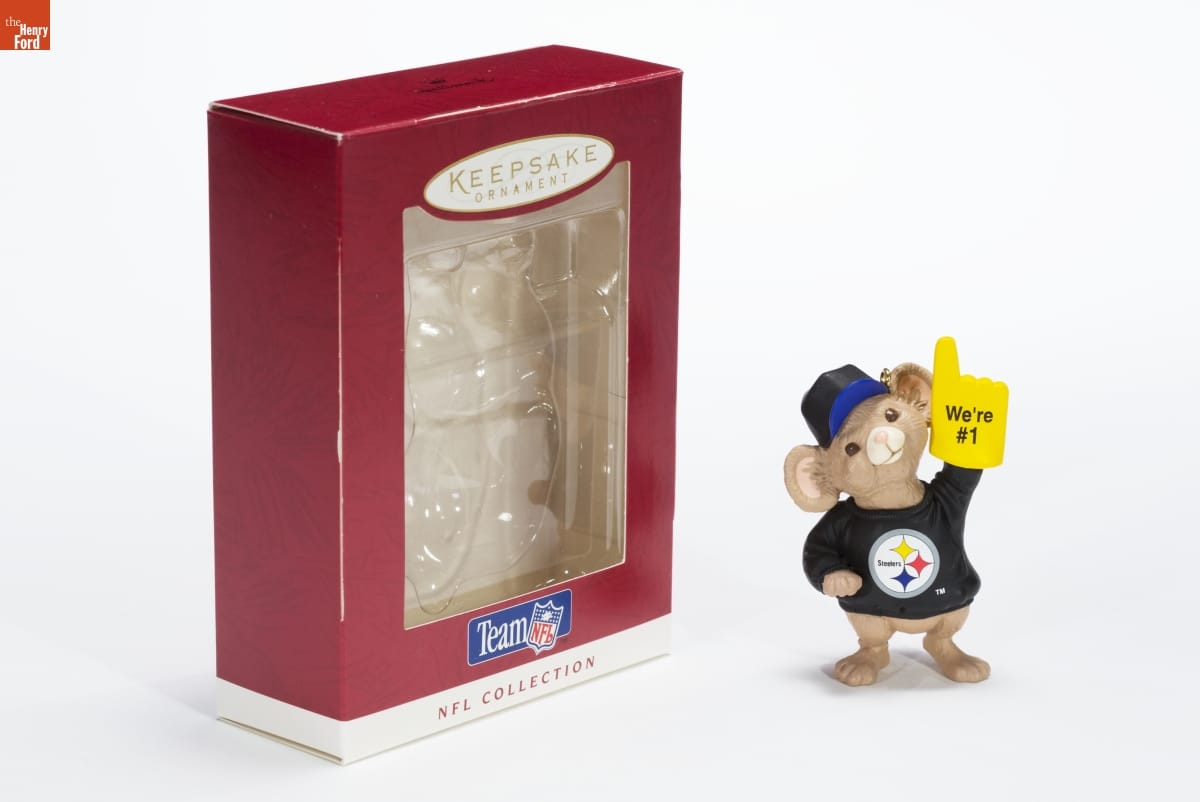
- Hallmark "NFL Collection: Pittsburgh Steelers" Christmas Ornament, 1996 - Already known for greeting cards, Hallmark introduced a line of Christmas ornaments in 1973. The company's annual release of an increasing array of ornaments revolutionized Christmas decorating, appealing to customers' interest in marking memories and milestones as well as expressing one's personality and unique tastes.
- 1996
- Collections - Artifact
Hallmark "NFL Collection: Pittsburgh Steelers" Christmas Ornament, 1996
Already known for greeting cards, Hallmark introduced a line of Christmas ornaments in 1973. The company's annual release of an increasing array of ornaments revolutionized Christmas decorating, appealing to customers' interest in marking memories and milestones as well as expressing one's personality and unique tastes.
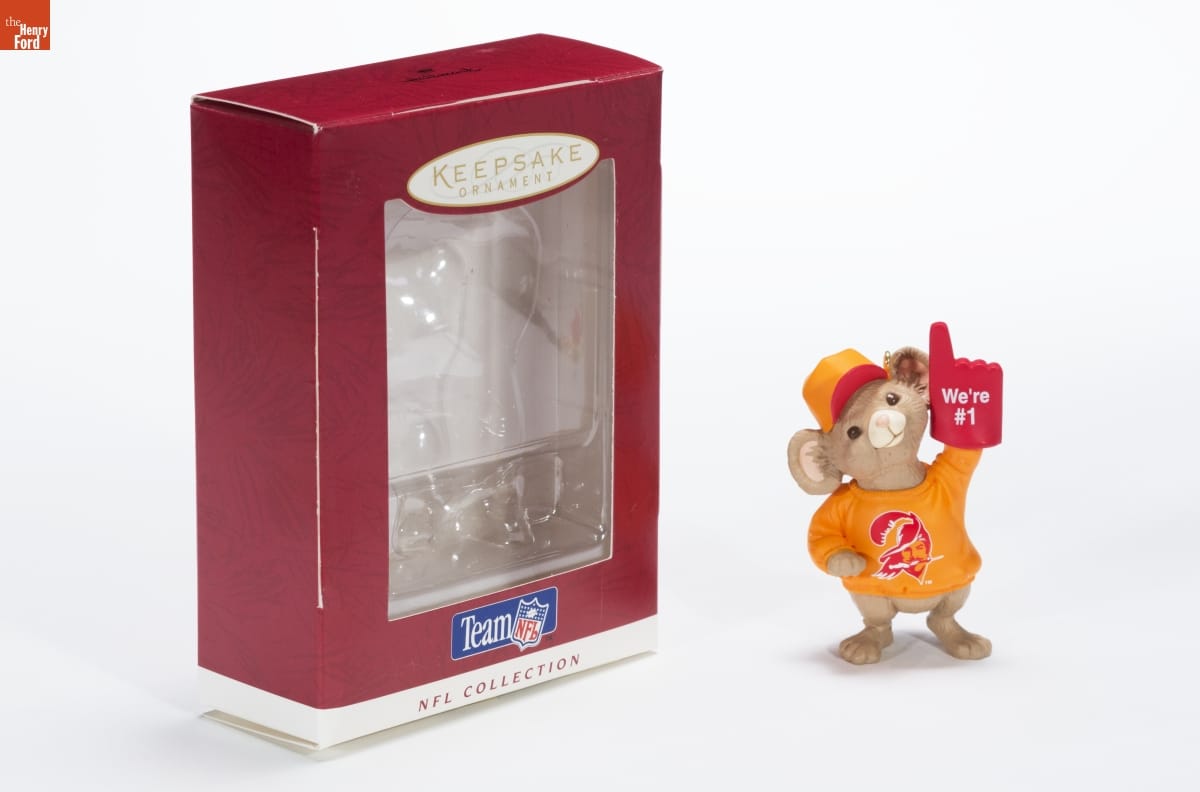
- Hallmark "NFL Collection: Tampa Bay Buccaneers" Christmas Ornament, 1996 - Already known for greeting cards, Hallmark introduced a line of Christmas ornaments in 1973. The company's annual release of an increasing array of ornaments revolutionized Christmas decorating, appealing to customers' interest in marking memories and milestones as well as expressing one's personality and unique tastes.
- 1996
- Collections - Artifact
Hallmark "NFL Collection: Tampa Bay Buccaneers" Christmas Ornament, 1996
Already known for greeting cards, Hallmark introduced a line of Christmas ornaments in 1973. The company's annual release of an increasing array of ornaments revolutionized Christmas decorating, appealing to customers' interest in marking memories and milestones as well as expressing one's personality and unique tastes.
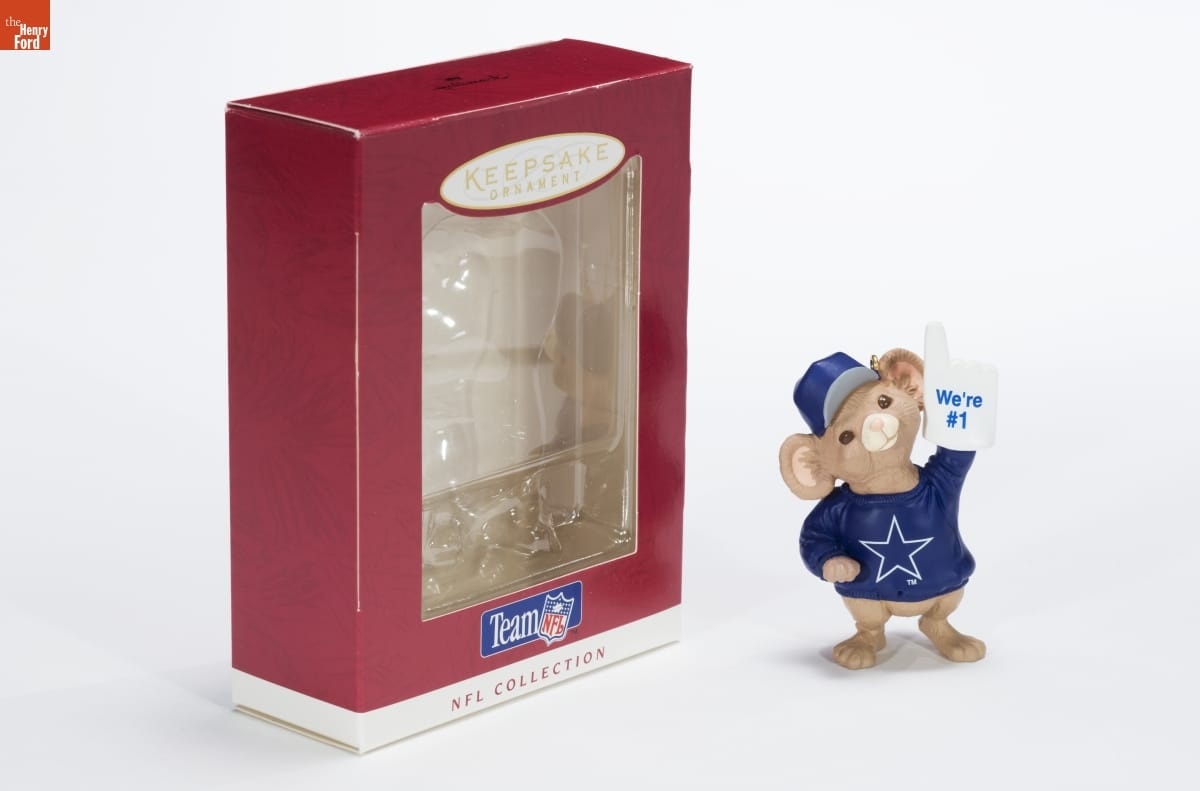
- Hallmark "NFL Collection: Dallas Cowboys" Christmas Ornament, 1996 - Already known for greeting cards, Hallmark introduced a line of Christmas ornaments in 1973. The company's annual release of an increasing array of ornaments revolutionized Christmas decorating, appealing to customers' interest in marking memories and milestones as well as expressing one's personality and unique tastes.
- 1996
- Collections - Artifact
Hallmark "NFL Collection: Dallas Cowboys" Christmas Ornament, 1996
Already known for greeting cards, Hallmark introduced a line of Christmas ornaments in 1973. The company's annual release of an increasing array of ornaments revolutionized Christmas decorating, appealing to customers' interest in marking memories and milestones as well as expressing one's personality and unique tastes.
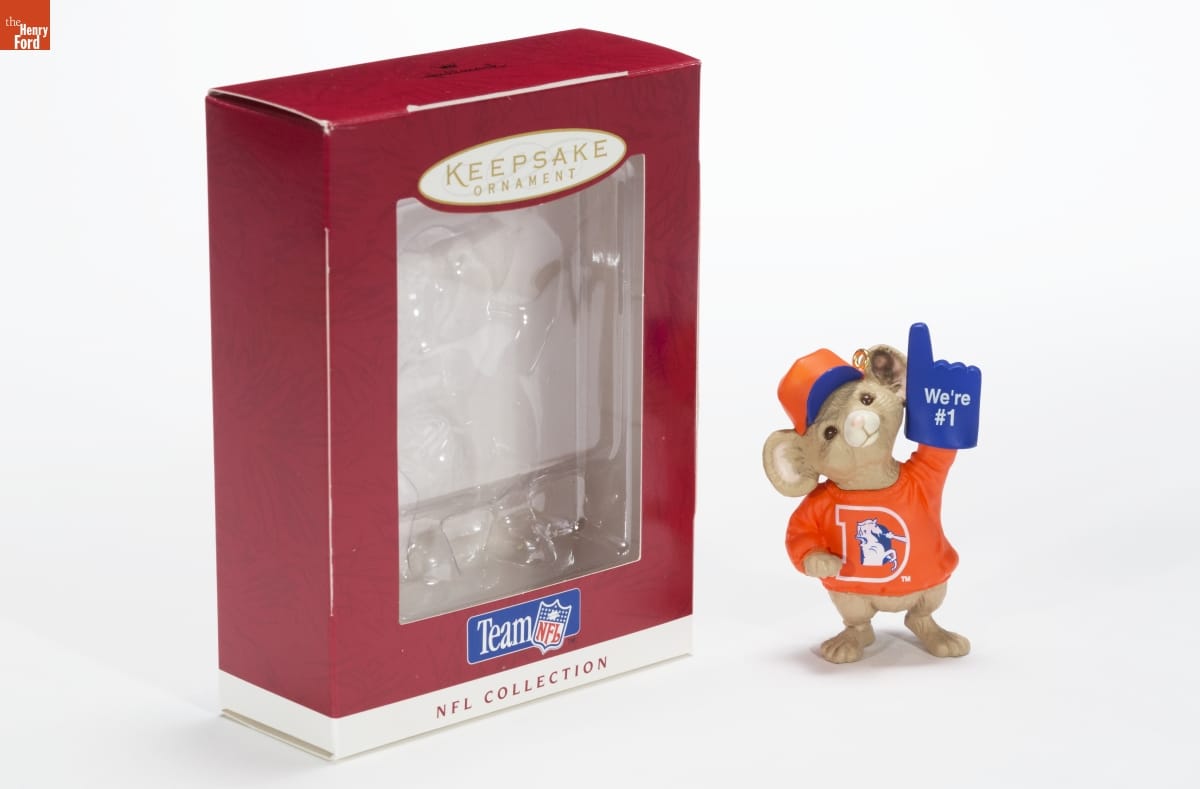
- Hallmark "NFL Collection: Denver Broncos" Christmas Ornament, 1996 - Already known for greeting cards, Hallmark introduced a line of Christmas ornaments in 1973. The company's annual release of an increasing array of ornaments revolutionized Christmas decorating, appealing to customers' interest in marking memories and milestones as well as expressing one's personality and unique tastes.
- 1996
- Collections - Artifact
Hallmark "NFL Collection: Denver Broncos" Christmas Ornament, 1996
Already known for greeting cards, Hallmark introduced a line of Christmas ornaments in 1973. The company's annual release of an increasing array of ornaments revolutionized Christmas decorating, appealing to customers' interest in marking memories and milestones as well as expressing one's personality and unique tastes.