
Search
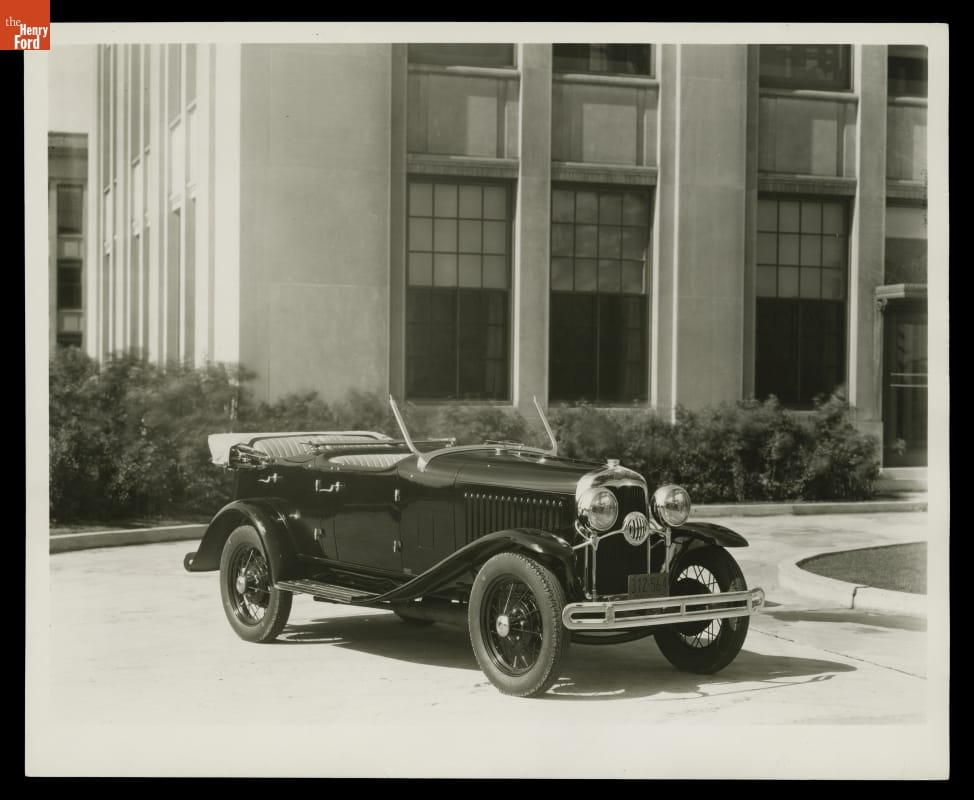
- 1930 Ford Model A Sport Phaeton - Ford's Model A received its first major styling updates with the 1930 model year. The deeper radiator shell and wider fenders were obvious changes, while the smaller wheels and larger tires subtly made the car look lower. Six new body styles were added. Ford Motor Company produced more than 1.1 million cars that year.
- 1930
- Collections - Artifact
1930 Ford Model A Sport Phaeton
Ford's Model A received its first major styling updates with the 1930 model year. The deeper radiator shell and wider fenders were obvious changes, while the smaller wheels and larger tires subtly made the car look lower. Six new body styles were added. Ford Motor Company produced more than 1.1 million cars that year.
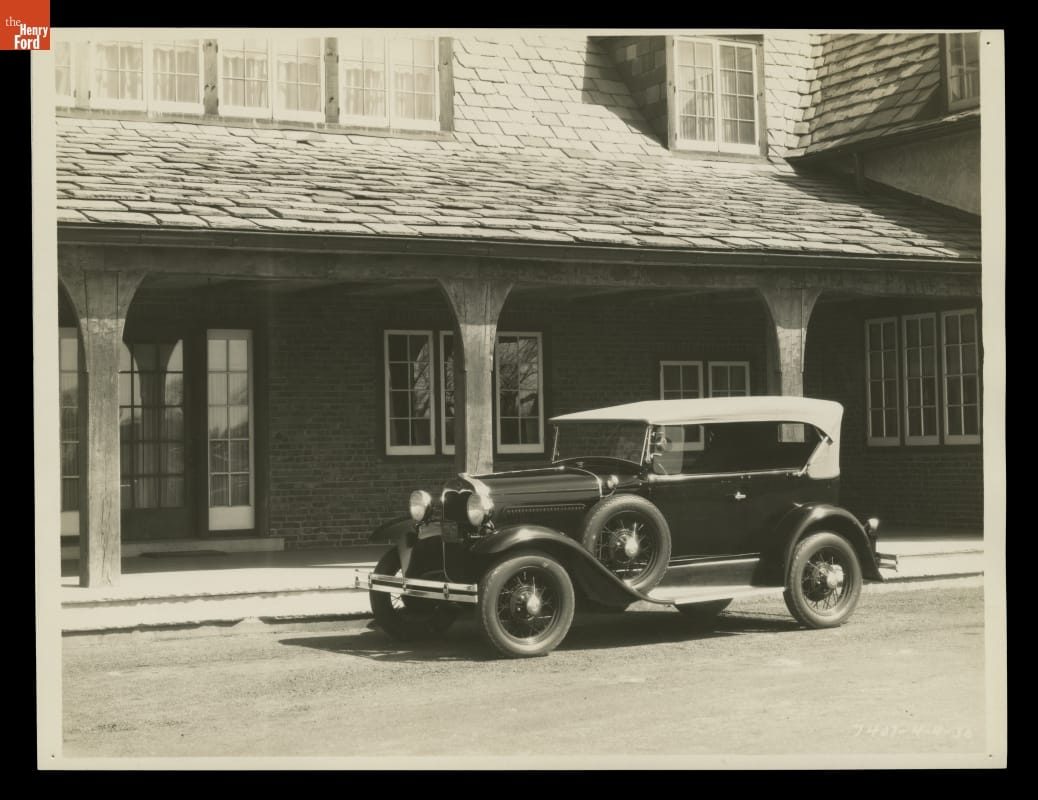
- 1930 Ford Model A DeLuxe Phaeton, 1930 - Ford's Model A received its first major styling updates with the 1930 model year. The deeper radiator shell and wider fenders were obvious changes, while the smaller wheels and larger tires subtly made the car look lower. Six new body styles were added. Ford Motor Company produced more than 1.1 million cars that year.
- April 04, 1930
- Collections - Artifact
1930 Ford Model A DeLuxe Phaeton, 1930
Ford's Model A received its first major styling updates with the 1930 model year. The deeper radiator shell and wider fenders were obvious changes, while the smaller wheels and larger tires subtly made the car look lower. Six new body styles were added. Ford Motor Company produced more than 1.1 million cars that year.
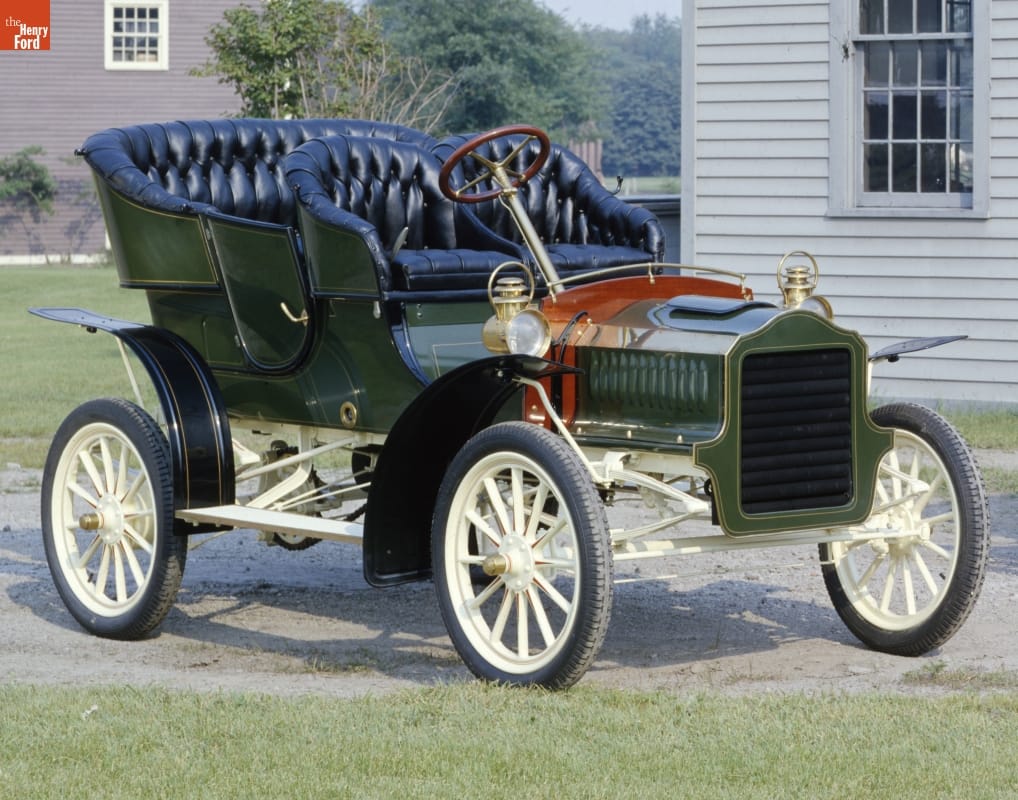
- 1905 Ford Model F Phaeton - Ford's Model F continued a direct evolution from the original Model A. The two-cylinder engine was still mounted under the front seat, but a false hood was added to the front to copy European cars of the time. At $1,000, the Model F was Ford's mid-price offering, falling between the two-cylinder Model C and the four-cylinder Model B.
- 1905
- Collections - Artifact
1905 Ford Model F Phaeton
Ford's Model F continued a direct evolution from the original Model A. The two-cylinder engine was still mounted under the front seat, but a false hood was added to the front to copy European cars of the time. At $1,000, the Model F was Ford's mid-price offering, falling between the two-cylinder Model C and the four-cylinder Model B.
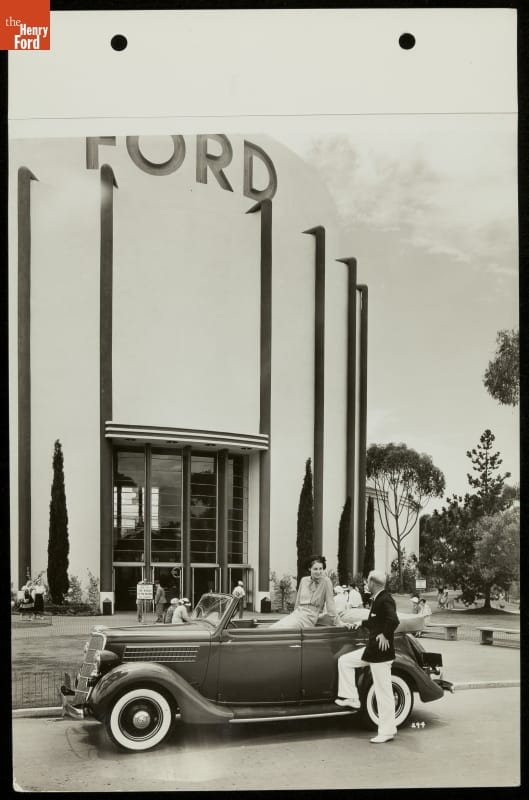
- Ford V-8 Phaeton in Front of Ford Building, California Pacific International Exposition, San Diego, 1935 - Resembling two engaged gears, Ford's steel, concrete, and glass exhibition building towered above more traditional structures at the 1935 California Pacific International Exposition. The Ford Building -- created in the "Streamline Moderne" architectural style by industrial design pioneer Walter Dorwin Teague -- combined clean curves and sharp lines with modern materials, reflecting technological progress in the new machine age.
- 1935
- Collections - Artifact
Ford V-8 Phaeton in Front of Ford Building, California Pacific International Exposition, San Diego, 1935
Resembling two engaged gears, Ford's steel, concrete, and glass exhibition building towered above more traditional structures at the 1935 California Pacific International Exposition. The Ford Building -- created in the "Streamline Moderne" architectural style by industrial design pioneer Walter Dorwin Teague -- combined clean curves and sharp lines with modern materials, reflecting technological progress in the new machine age.
- 1930 Ford Model A DeLuxe Phaeton - Ford's Model A received its first major styling updates with the 1930 model year. The deeper radiator shell and wider fenders were obvious changes, while the smaller wheels and larger tires subtly made the car look lower. Six new body styles were added. Ford Motor Company produced more than 1.1 million cars that year.
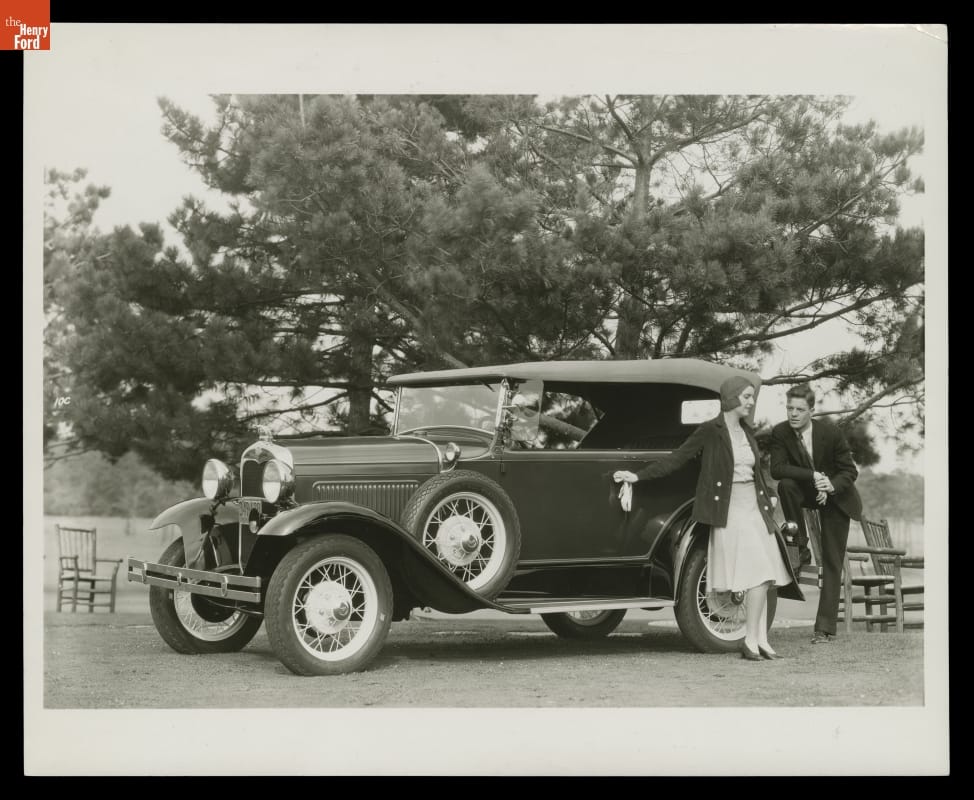
- August 20, 1930
- Collections - Artifact
1930 Ford Model A DeLuxe Phaeton
Ford's Model A received its first major styling updates with the 1930 model year. The deeper radiator shell and wider fenders were obvious changes, while the smaller wheels and larger tires subtly made the car look lower. Six new body styles were added. Ford Motor Company produced more than 1.1 million cars that year.
- 1929 Ford Model A Standard Phaeton - Ford Motor Company built 1.5 million cars in 1929 -- a testament to the Model A's popularity. Changes from the previous year were minor. Nickel plating was replaced with chrome, and fender-well spare tires were added to the options list. Nineteen different body styles were available including the $450 roadster, the $525 business coupe and the $695 Fordor.
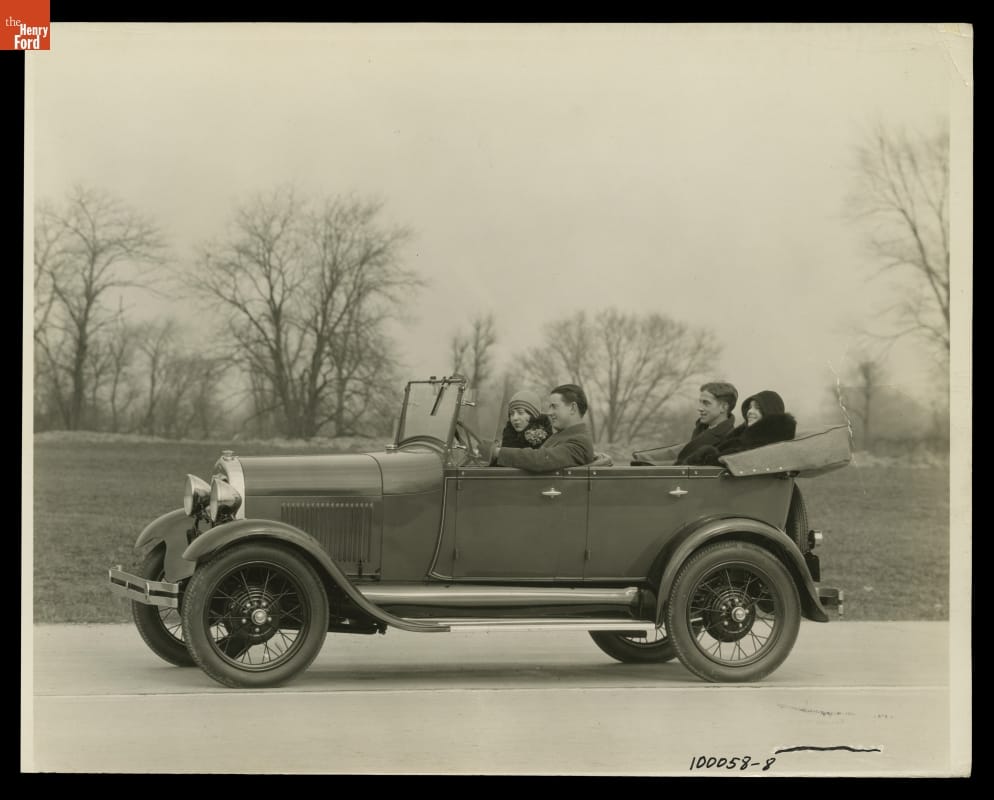
- October 29, 1928
- Collections - Artifact
1929 Ford Model A Standard Phaeton
Ford Motor Company built 1.5 million cars in 1929 -- a testament to the Model A's popularity. Changes from the previous year were minor. Nickel plating was replaced with chrome, and fender-well spare tires were added to the options list. Nineteen different body styles were available including the $450 roadster, the $525 business coupe and the $695 Fordor.
- Advertisement for the 1929 Ford Model A Phaeton, "Consider the Unseen Values When You Buy a Motor Car" - Ford Motor Company shook the automotive world when, after building Model Ts for 19 years, it introduced the Model A in late 1927. Henry Ford knew that his reputation was at stake, so he insisted that the new car be of the highest quality. This advertisement for the 1929 Model A promotes the car's smooth and dependable bearings.
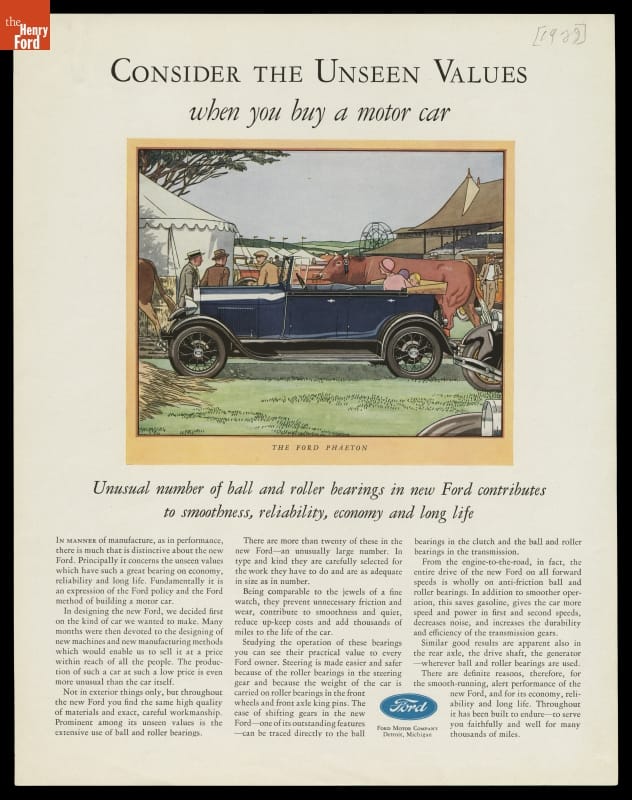
- 1929
- Collections - Artifact
Advertisement for the 1929 Ford Model A Phaeton, "Consider the Unseen Values When You Buy a Motor Car"
Ford Motor Company shook the automotive world when, after building Model Ts for 19 years, it introduced the Model A in late 1927. Henry Ford knew that his reputation was at stake, so he insisted that the new car be of the highest quality. This advertisement for the 1929 Model A promotes the car's smooth and dependable bearings.
- "The Low, Trim Sport Phaeton...," Ford Motor Company Advertisement, 1926 - Changes to Lincoln for 1926 were largely under the hood or in the car's interior. The V-8 engine received a new carburetor air cleaner and an improved distributor cam. The steering wheel was made slightly larger, given molded finger grips, and fashioned from black walnut. It was Lincoln's best sales year yet, with total calendar year production at 8,787 cars.
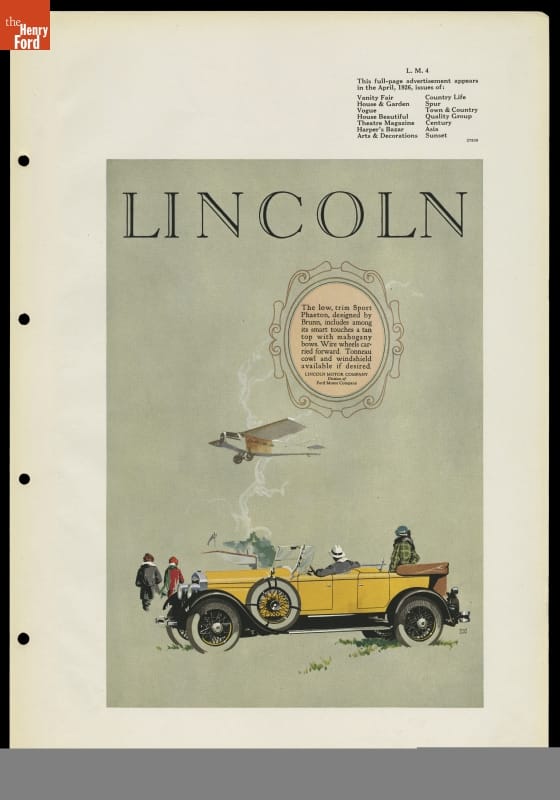
- April 01, 1926
- Collections - Artifact
"The Low, Trim Sport Phaeton...," Ford Motor Company Advertisement, 1926
Changes to Lincoln for 1926 were largely under the hood or in the car's interior. The V-8 engine received a new carburetor air cleaner and an improved distributor cam. The steering wheel was made slightly larger, given molded finger grips, and fashioned from black walnut. It was Lincoln's best sales year yet, with total calendar year production at 8,787 cars.
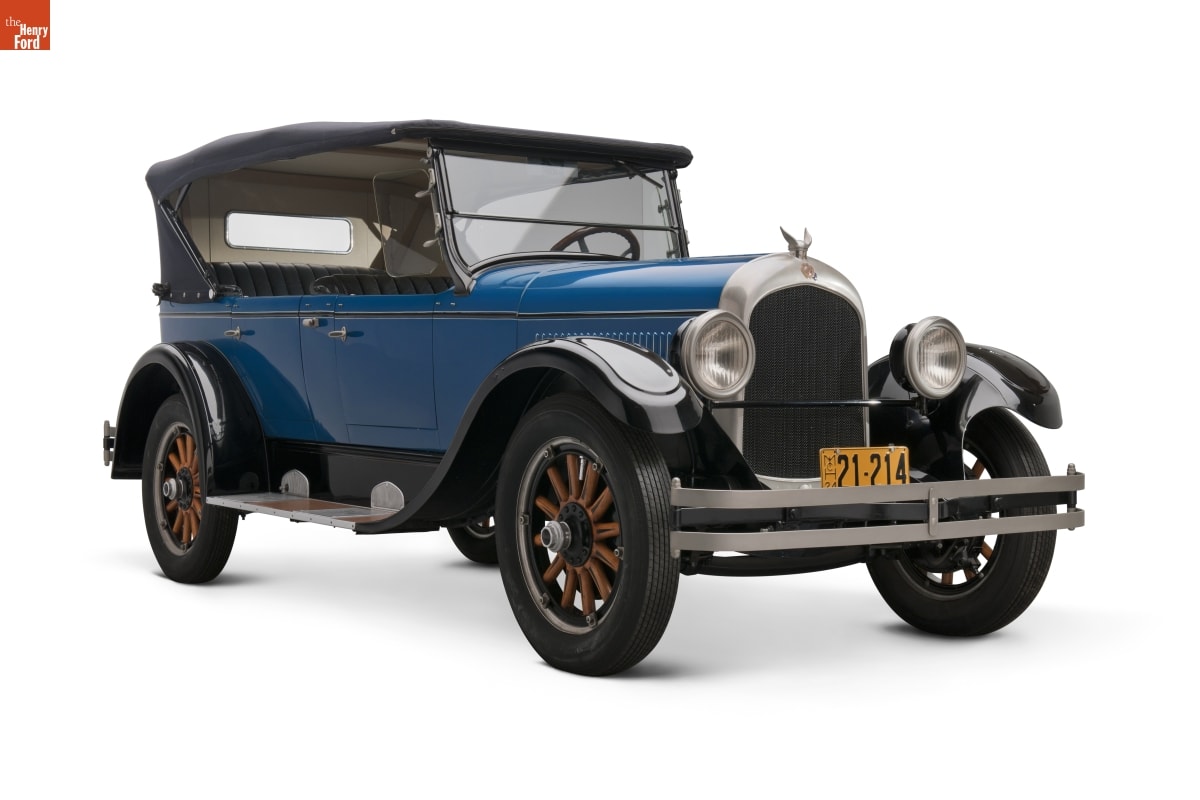
- 1924 Chrysler Touring Car - The first car to wear the Chrysler nameplate was perfectly suited to the Roaring Twenties. It was a decade of fast profits, fast music, and fast driving. A lightweight chassis and an efficient engine meant Chrysler drivers could out-accelerate Cadillacs costing twice as much. When Chrysler drivers stopped, they used modern hydraulic brakes instead of the Caddy's old-style mechanical brakes. Small wonder that Chrysler sales increased 500 percent from 1925 to 1929.
- 1924
- Collections - Artifact
1924 Chrysler Touring Car
The first car to wear the Chrysler nameplate was perfectly suited to the Roaring Twenties. It was a decade of fast profits, fast music, and fast driving. A lightweight chassis and an efficient engine meant Chrysler drivers could out-accelerate Cadillacs costing twice as much. When Chrysler drivers stopped, they used modern hydraulic brakes instead of the Caddy's old-style mechanical brakes. Small wonder that Chrysler sales increased 500 percent from 1925 to 1929.
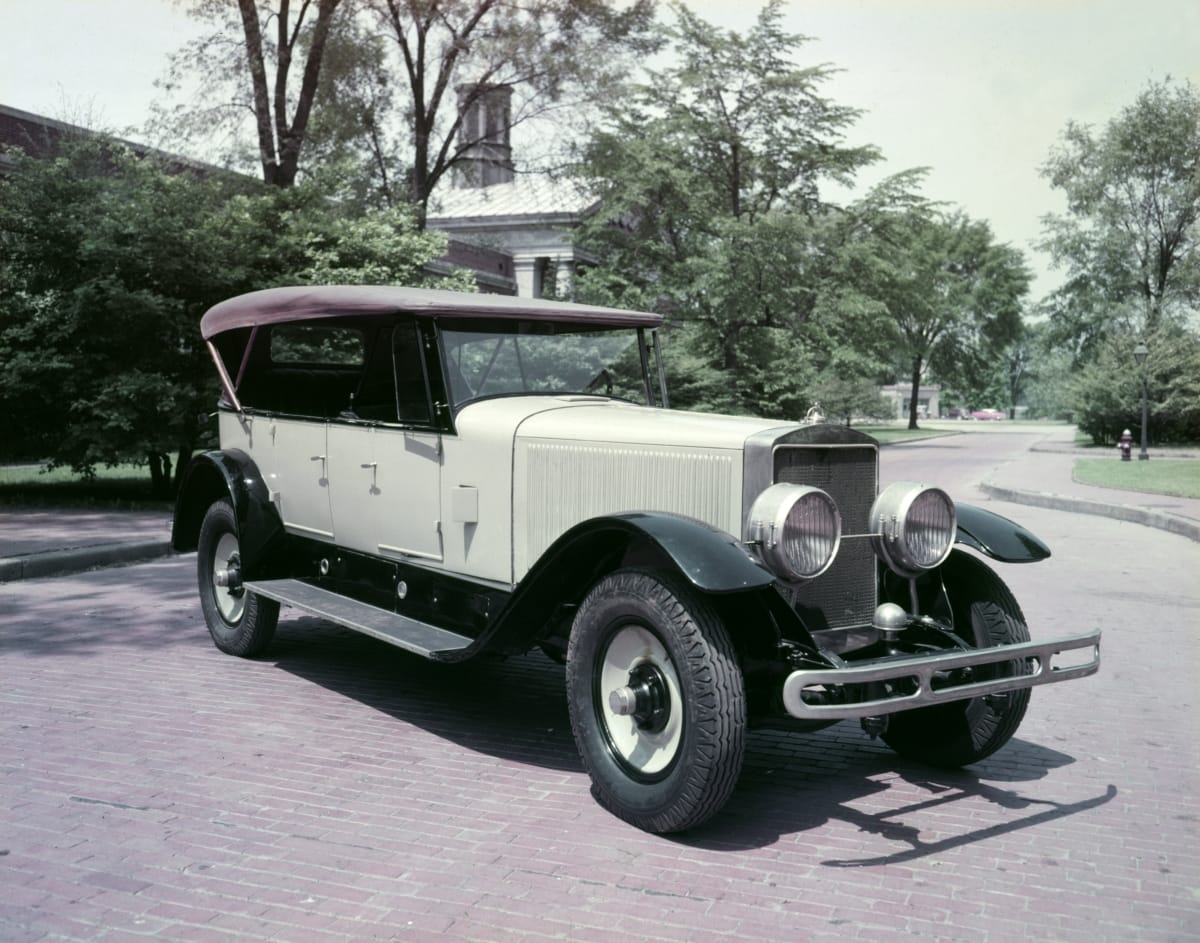
- 1924 Doble Steam Touring Car - Some automakers continued with alternate power sources even after gasoline engines became dominant. Doble Steam Motors of Emeryville, California, produced the world's most sophisticated steam cars. Electric ignition cut warm-up time to 90 seconds. Condensers captured and reused exhaust steam. Top speed exceeded 90 miles per hour. But fallout from a fraudulent stock sale forced Doble to close in 1931.
- 1924
- Collections - Artifact
1924 Doble Steam Touring Car
Some automakers continued with alternate power sources even after gasoline engines became dominant. Doble Steam Motors of Emeryville, California, produced the world's most sophisticated steam cars. Electric ignition cut warm-up time to 90 seconds. Condensers captured and reused exhaust steam. Top speed exceeded 90 miles per hour. But fallout from a fraudulent stock sale forced Doble to close in 1931.