
Search
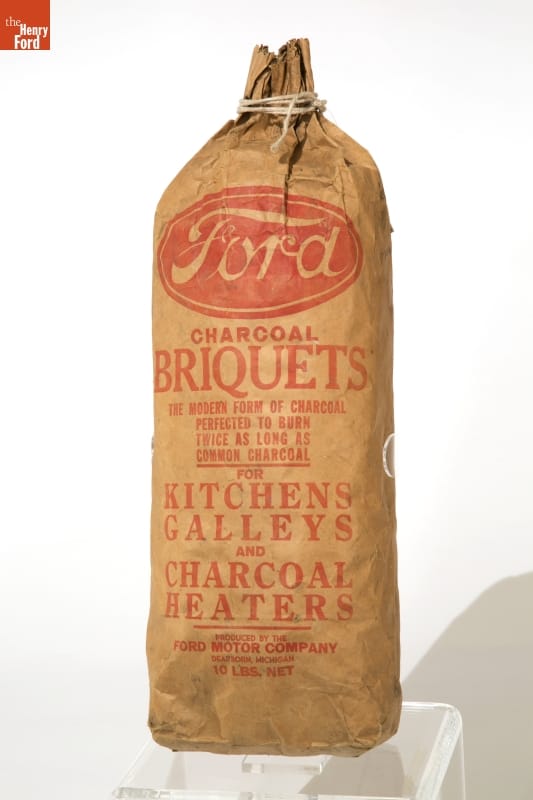
- Ford Charcoal Briquets Bag, 1929-1947 - Ford Motor Company sawmills created heaps of wood wastes. Some was used to produce steam for factory operations. The rest was carbonized and compressed into charcoal. Workers mixed charred hardwood chips with starch, forming nearly 100 tons of charcoal briquettes each day. Dealers sold branded bags of the popular briquettes in Ford dealerships across the country.
- 1929-1947
- Collections - Artifact
Ford Charcoal Briquets Bag, 1929-1947
Ford Motor Company sawmills created heaps of wood wastes. Some was used to produce steam for factory operations. The rest was carbonized and compressed into charcoal. Workers mixed charred hardwood chips with starch, forming nearly 100 tons of charcoal briquettes each day. Dealers sold branded bags of the popular briquettes in Ford dealerships across the country.
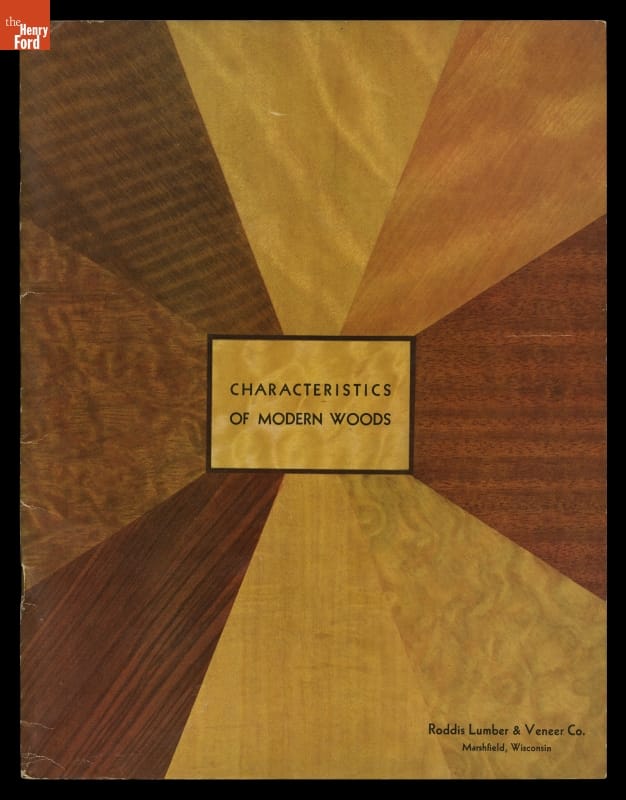
- "Characteristics of Modern Woods," Second Edition, 1939 -
- 1939
- Collections - Artifact
"Characteristics of Modern Woods," Second Edition, 1939
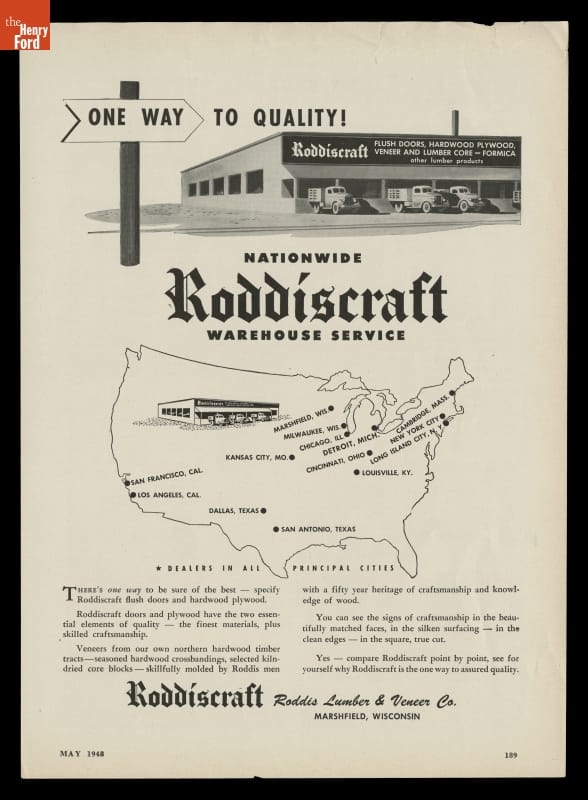
- Advertisement, "One Way to Quality! Nationwide Roddiscraft Warehouse Service," 1948 -
- May 01, 1948
- Collections - Artifact
Advertisement, "One Way to Quality! Nationwide Roddiscraft Warehouse Service," 1948
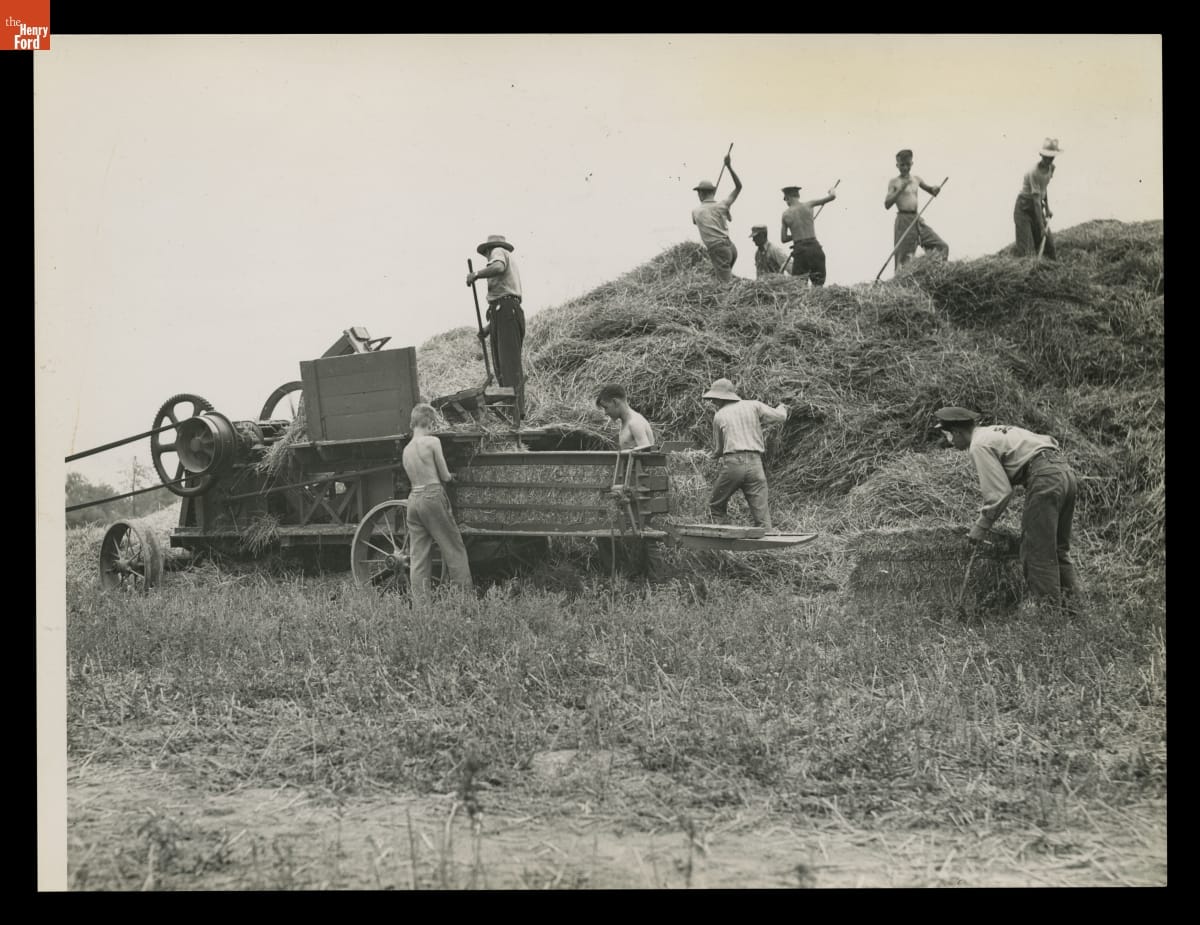
- Macon (Michigan) High School Students Working on a Farm, Pitching Straw into a Baler, August 1943 -
- August 23, 1943
- Collections - Artifact
Macon (Michigan) High School Students Working on a Farm, Pitching Straw into a Baler, August 1943
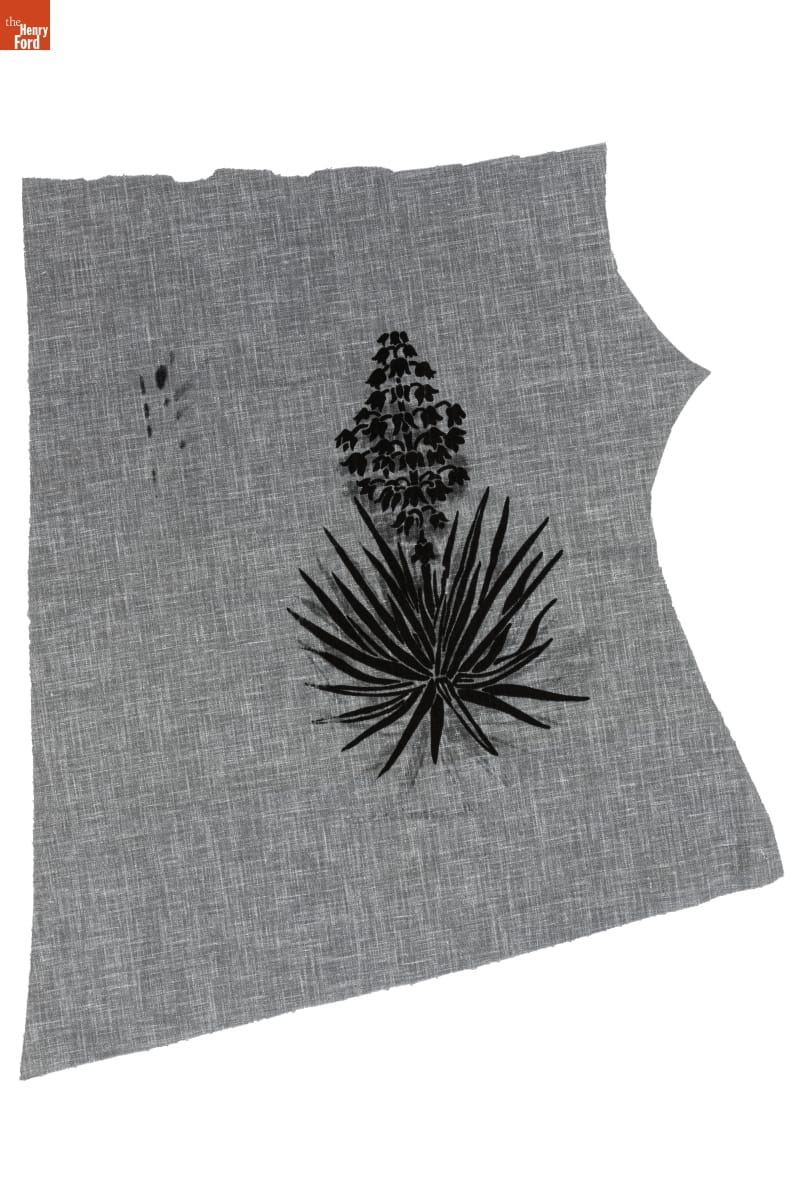
- Harwood Steiger Fabric - The screen-printed fabrics produced by the studio of Harwood Steiger, Inc. are replete with motifs from the American Southwest. Although husband-and-wife proprietors Harwood and Sophie Steiger were born in the Northeast, the Sonoran Desert became their home. Its flora, fauna, and wildlife were a constant inspiration in their enduring partnership, which saw Harwood as the primary artist, and Sophie as the expert botanist and businesswoman.
- 1956-1980
- Collections - Artifact
Harwood Steiger Fabric
The screen-printed fabrics produced by the studio of Harwood Steiger, Inc. are replete with motifs from the American Southwest. Although husband-and-wife proprietors Harwood and Sophie Steiger were born in the Northeast, the Sonoran Desert became their home. Its flora, fauna, and wildlife were a constant inspiration in their enduring partnership, which saw Harwood as the primary artist, and Sophie as the expert botanist and businesswoman.
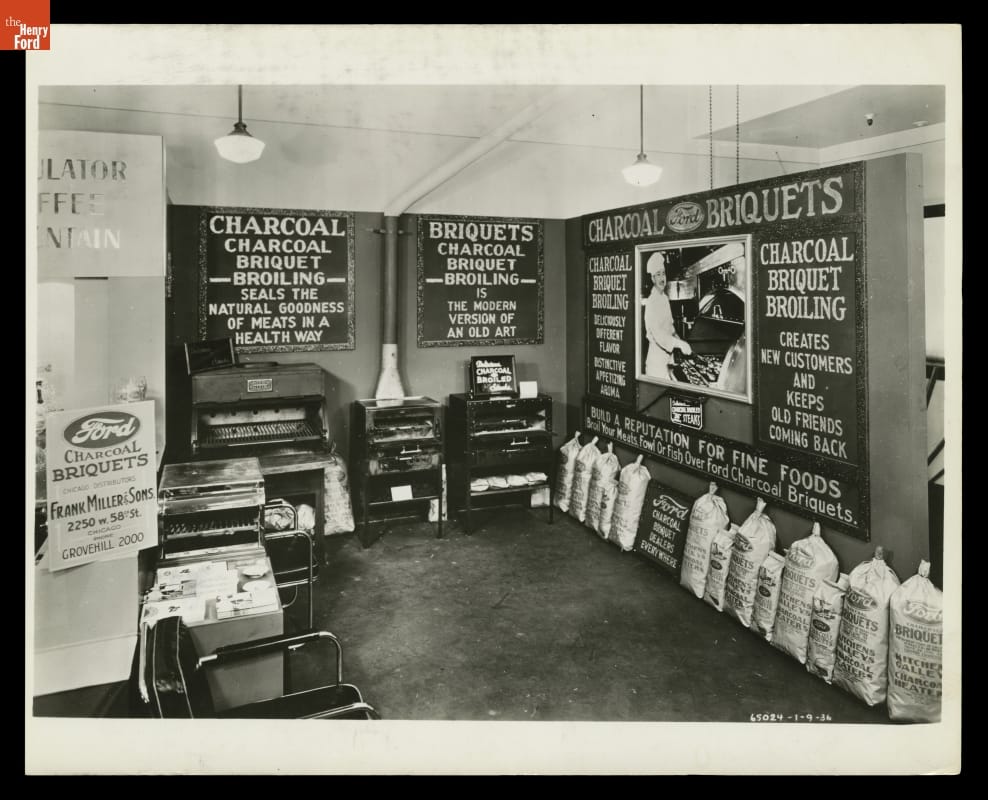
- Showroom Displaying Ford Charcoal Briquets and Advertising, 1936 - Ford Motor Company sawmills created heaps of wood wastes. Some was used to produce steam for factory operations. The rest was carbonized and compressed into charcoal. Workers mixed charred hardwood chips with starch, forming nearly 100 tons of charcoal briquettes each day. Dealers sold branded bags of the popular briquettes in Ford dealerships across the country.
- January 09, 1936
- Collections - Artifact
Showroom Displaying Ford Charcoal Briquets and Advertising, 1936
Ford Motor Company sawmills created heaps of wood wastes. Some was used to produce steam for factory operations. The rest was carbonized and compressed into charcoal. Workers mixed charred hardwood chips with starch, forming nearly 100 tons of charcoal briquettes each day. Dealers sold branded bags of the popular briquettes in Ford dealerships across the country.
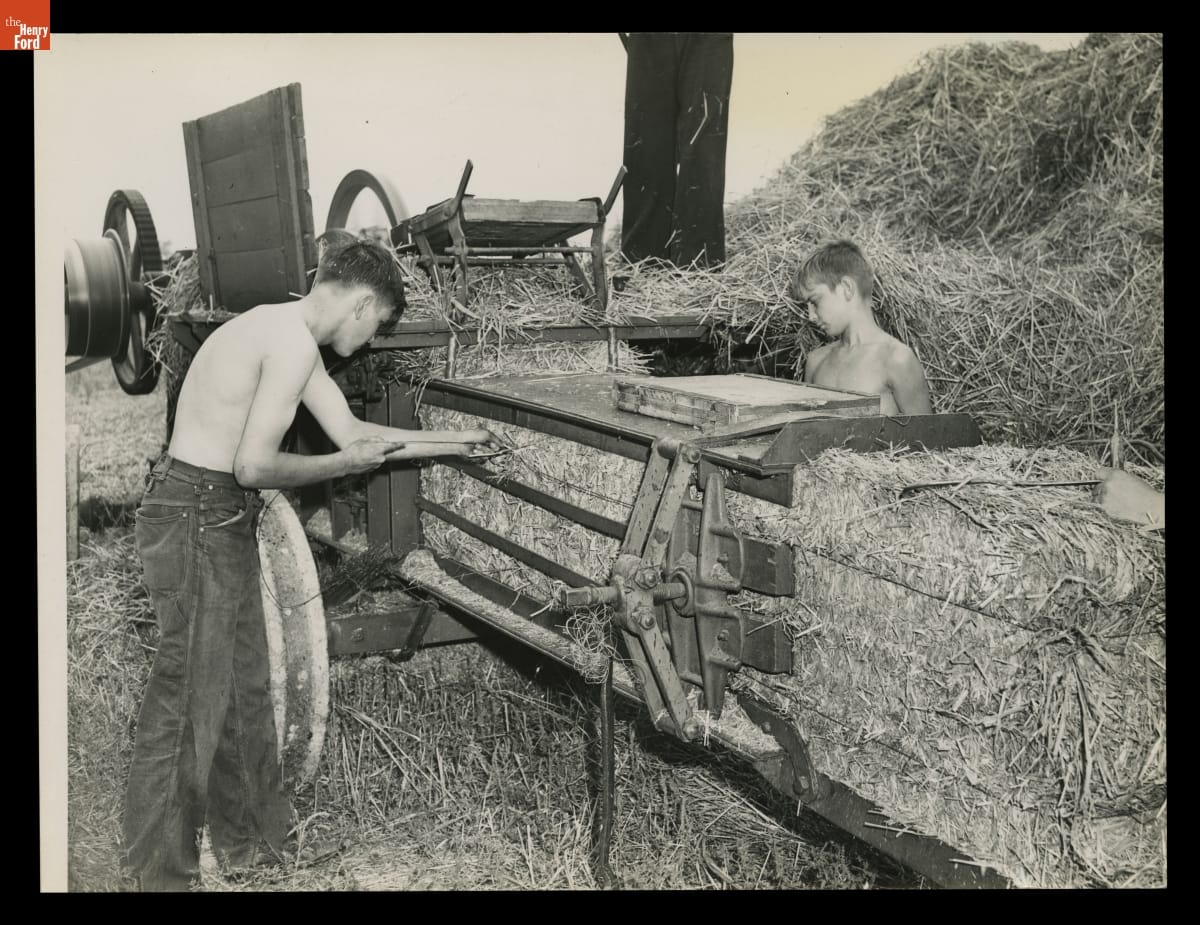
- Macon (Michigan) High School Students Working on a Farm, Baling Straw after Threshing and Typing Bales, August 1943 -
- August 23, 1943
- Collections - Artifact
Macon (Michigan) High School Students Working on a Farm, Baling Straw after Threshing and Typing Bales, August 1943
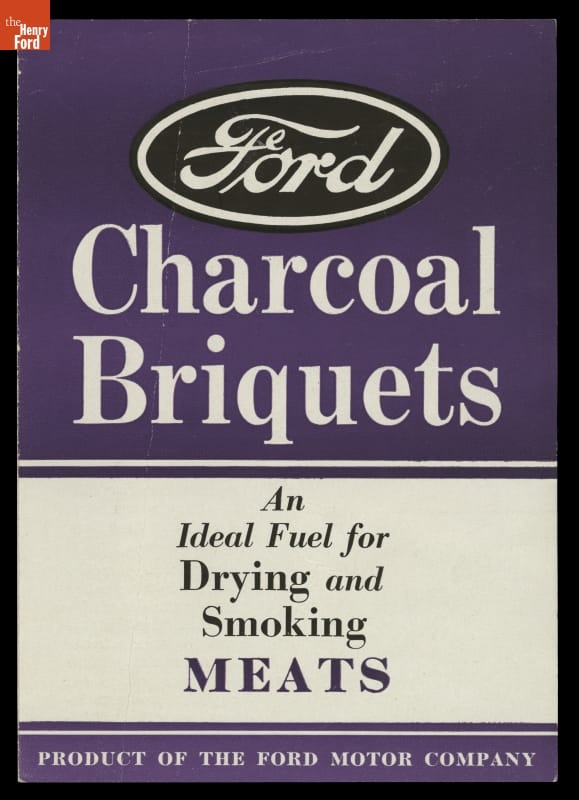
- Brochure, "Ford Charcoal Briquets, An Ideal Fuel for Drying and Smoking Meats," 1935-1941 -
- 1935 - 1941
- Collections - Artifact
Brochure, "Ford Charcoal Briquets, An Ideal Fuel for Drying and Smoking Meats," 1935-1941
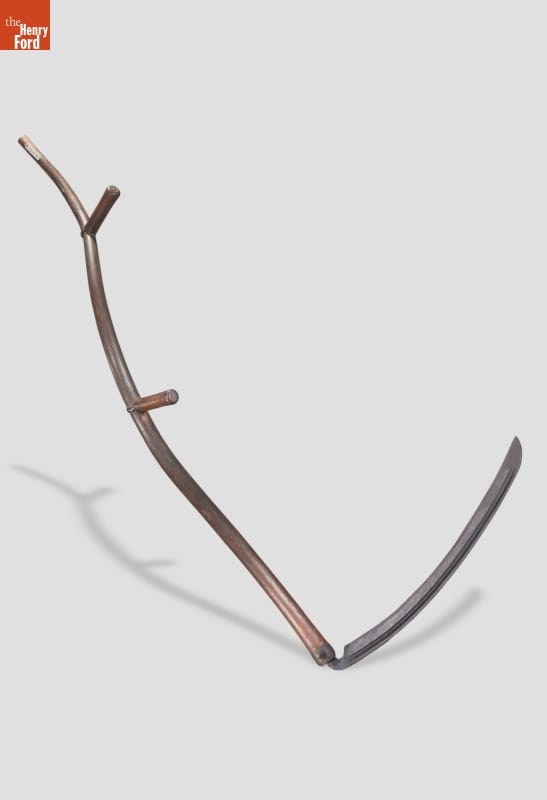
- Grass Scythe, Used by Luther Burbank, circa 1910 -
- circa 1910
- Collections - Artifact
Grass Scythe, Used by Luther Burbank, circa 1910
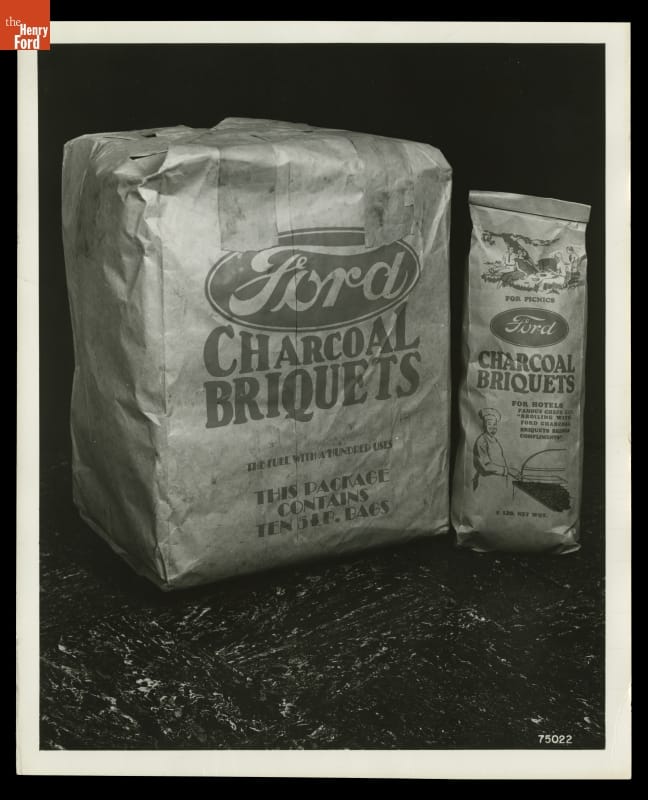
- Bags of Charcoal Briquets Produced by Ford Motor Company, 1941 - Ford Motor Company sawmills created heaps of wood wastes. Some was used to produce steam for factory operations. The rest was carbonized and compressed into charcoal. Workers mixed charred hardwood chips with starch, forming nearly 100 tons of charcoal briquettes each day. Dealers sold branded bags of the popular briquettes in Ford dealerships across the country.
- February 19, 1941
- Collections - Artifact
Bags of Charcoal Briquets Produced by Ford Motor Company, 1941
Ford Motor Company sawmills created heaps of wood wastes. Some was used to produce steam for factory operations. The rest was carbonized and compressed into charcoal. Workers mixed charred hardwood chips with starch, forming nearly 100 tons of charcoal briquettes each day. Dealers sold branded bags of the popular briquettes in Ford dealerships across the country.