
Ford Charcoal Briquets Bag, 1929-1947
THF153815 / Ford Charcoal Briquets Bag, 1929-1947
01
Artifact Overview
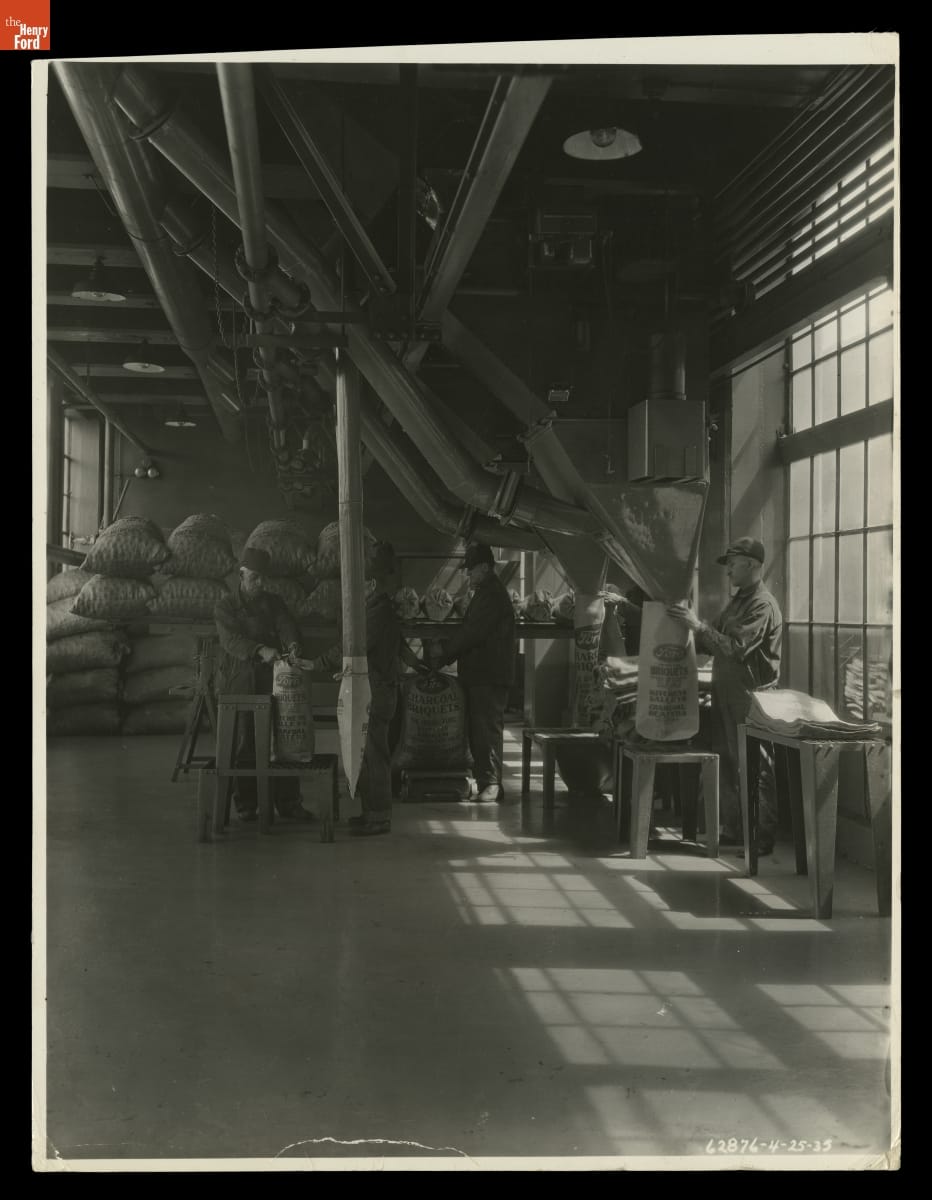
Ford Motor Company sawmills created heaps of wood wastes. Some was used to produce steam for factory operations. The rest was carbonized and compressed into charcoal. Workers mixed charred hardwood chips with starch, forming nearly 100 tons of charcoal briquettes each day. Dealers sold branded bags of the popular briquettes in Ford dealerships across the country.
Artifact Details
Artifact
Briquets (Fuel)
Date Made
1929-1947
Creators
Place of Creation
Location
Not on exhibit to the public.
Object ID
93.227.1
Credit
From the Collections of The Henry Ford. Gift of Charlotte Burgess
Material
Paper (Fiber product)
Color
Brown
Red
Dimensions
Height: 23.5 in
Width: 8.5 in
Depth: 5.5 in
Inscriptions
"For Campers/Picnickers/Cottagers and Tourists - Excellent for use in fireplaces or for starting furnace fires - Particularly Adapted to Industries such as Tinshops, Foundries, etc."
Ford Charcoal Briquets
The Modern Form of Charcoal Perfected to Burn Twice as Long as Common Charcoal for Kitchens, Galleys, and Charcoal Heaters
Keywords |
|---|
02
Related Content
 Set
SetFord Charcoal Briquets
- 34 Artifacts
Ford Motor Company sawmills created heaps of wood wastes. Some was used to produce steam for factory operations. The rest was carbonized and compressed into charcoal. Workers mixed charred hardwood chips with starch, forming nearly 100 tons of charcoal briquettes each day. Dealers sold branded barbecue accessories and packages of the popular briquettes in Ford dealerships across the country.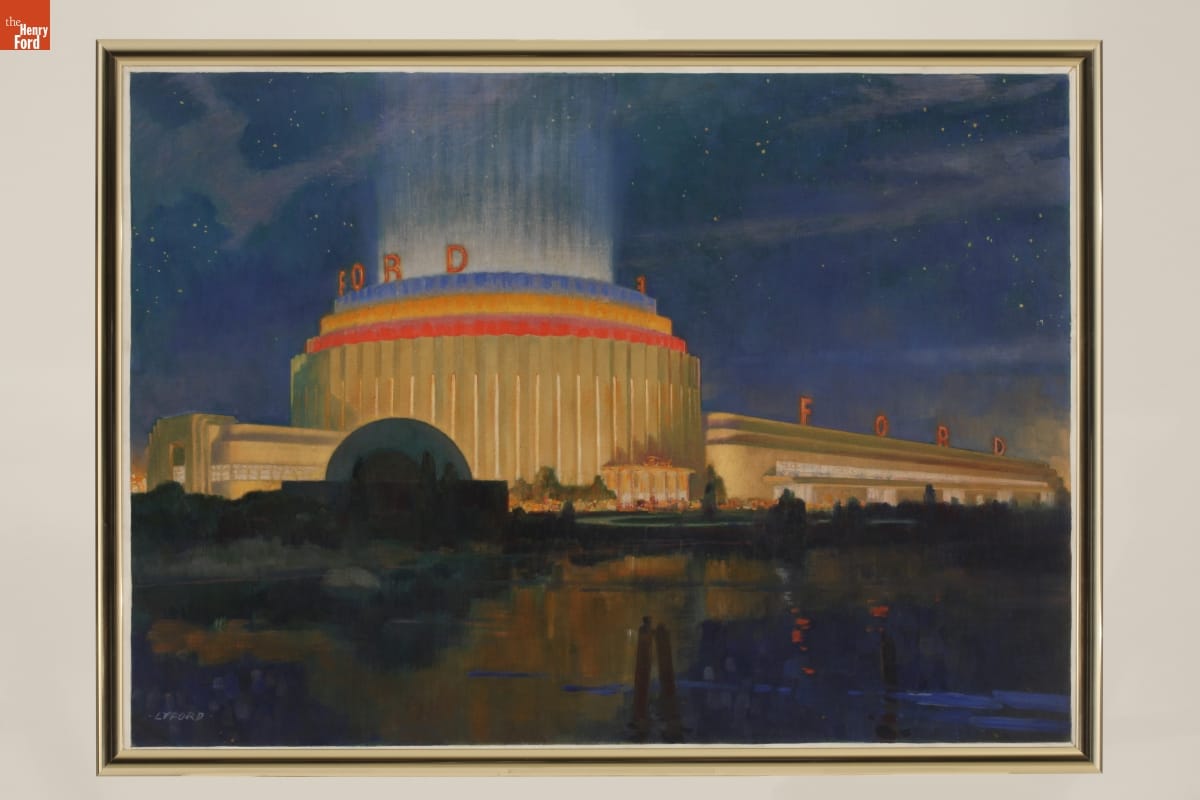 Set
SetFord at the Fair Exhibition
- 86 Artifacts
Chicago's 1933-34 Century of Progress Exposition used the theme of progress to encourage optimism during the Depression. The 11-acre Ford Motor Company exhibit became the most talked-about exhibit of 1934, featuring a central Rotunda designed to simulate graduated clusters of gears. After the fair, this building became an attraction at Ford headquarters in Dearborn, Michigan, until it burned down in 1962.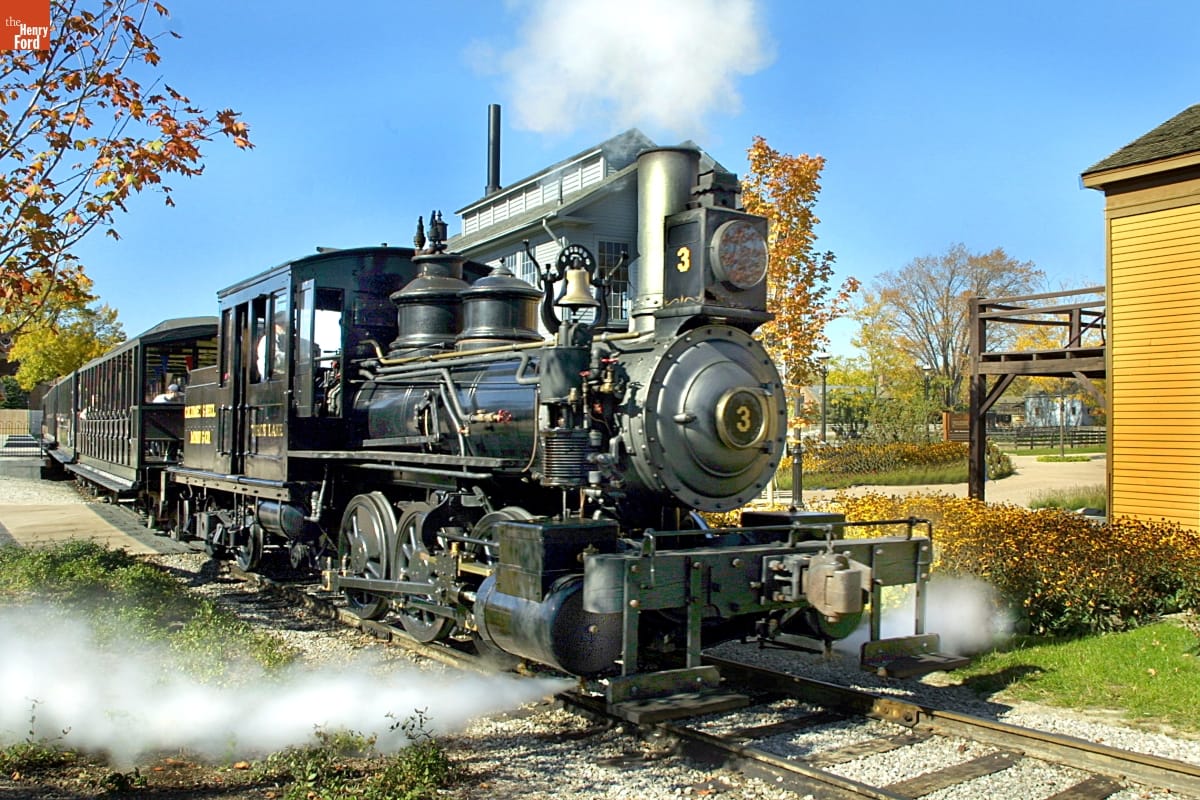 Set
SetFeatured on The Henry Ford's Innovation Nation: Season 3
- 26 Artifacts
Torch Lake, built by Mason Machine Works in 1873, hauled ore for the Calumet and Hecla Mining Company on Michigan's Keweenaw Peninsula. The engine is an articulated design. The driving wheels pivot under the boiler, allowing the locomotive to handle sharp curves. Torch Lake joined The Henry Ford's collection in 1969.