
Search
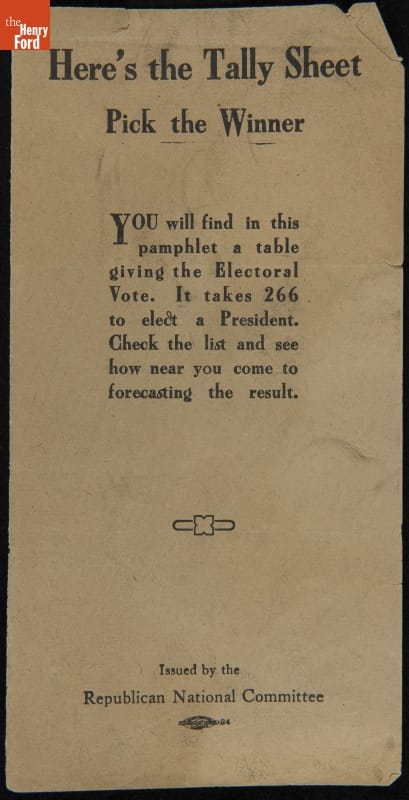
- "Here's the Tally Sheet Pick the Winner," 1916 Presidential Election - In 1916, Republicans nominated Charles Evans Hughes for president. Hughes, an Associate Justice of the Supreme Court, appealed to Republican leaders looking to unite the party after its conservative-progressive split in 1912. This brochure touted Hughes' progressive labor record--a tactic to lure voters away from Democrat Woodrow Wilson, the equally progressive incumbent president. It almost worked--Hughes narrowly lost.
- 1916
- Collections - Artifact
"Here's the Tally Sheet Pick the Winner," 1916 Presidential Election
In 1916, Republicans nominated Charles Evans Hughes for president. Hughes, an Associate Justice of the Supreme Court, appealed to Republican leaders looking to unite the party after its conservative-progressive split in 1912. This brochure touted Hughes' progressive labor record--a tactic to lure voters away from Democrat Woodrow Wilson, the equally progressive incumbent president. It almost worked--Hughes narrowly lost.
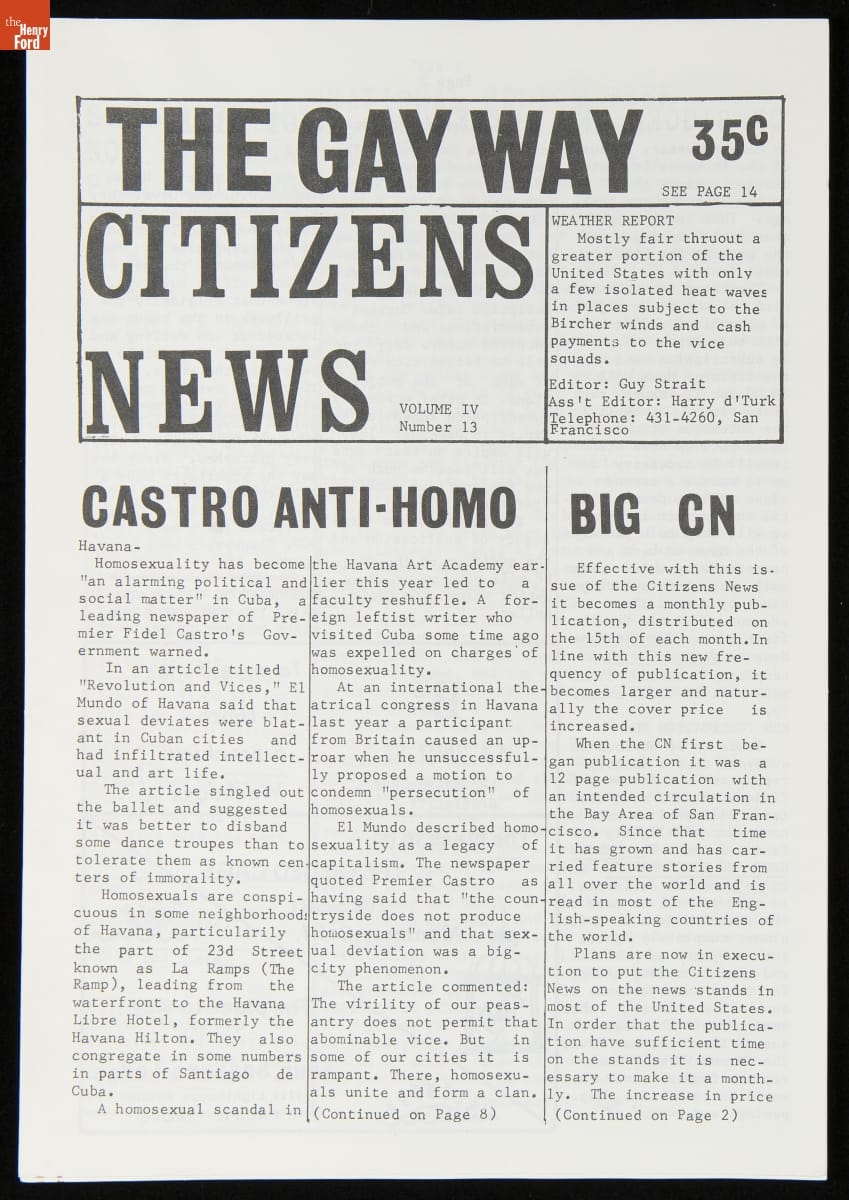
- Citizens News, Volume IV, Number13, 1964-1965 - LGBTQ+ newspapers became more available beginning in the 1950s as organizations added print media to their activist tool kit. These newspapers were a regionally focused way to rally the LGBTQ+ community, share information, and fight discrimination. Many of these newspapers came to rely on gay bars as a location for disbursement as they were among the only private gay spaces in many cities.
- 1964-1965
- Collections - Artifact
Citizens News, Volume IV, Number13, 1964-1965
LGBTQ+ newspapers became more available beginning in the 1950s as organizations added print media to their activist tool kit. These newspapers were a regionally focused way to rally the LGBTQ+ community, share information, and fight discrimination. Many of these newspapers came to rely on gay bars as a location for disbursement as they were among the only private gay spaces in many cities.
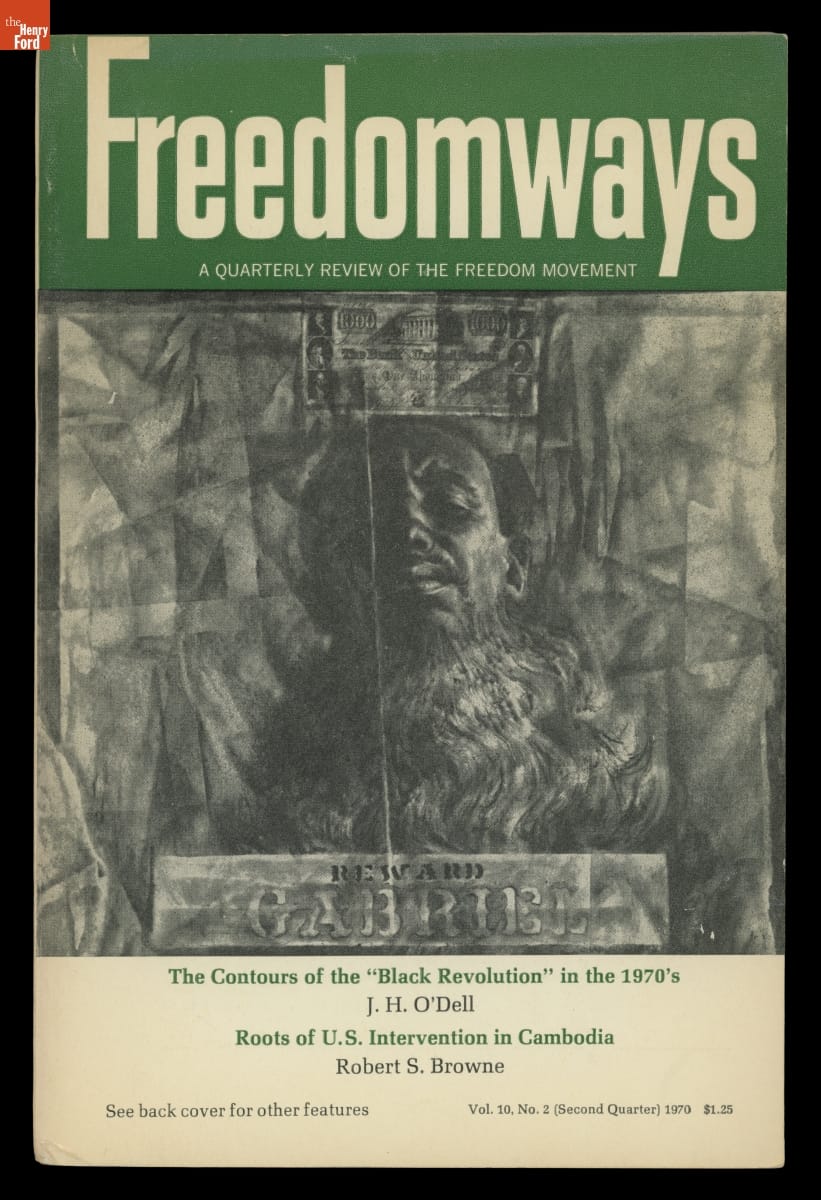
- "Freedomways," Vol. 10, No. 2, Second Quarter, 1970 - In 1961, Louis Burnham, Edward Strong, and W. E. B. Du Bois founded Freedomways, the leading African American theoretical, political, and cultural journal of its time. The journal included written works by leading Black authors, artists, politicians, and activists. The journal also reported on the political movements of the era, especially the American civil rights movement. Publication ceased in 1985.
- 1970
- Collections - Artifact
"Freedomways," Vol. 10, No. 2, Second Quarter, 1970
In 1961, Louis Burnham, Edward Strong, and W. E. B. Du Bois founded Freedomways, the leading African American theoretical, political, and cultural journal of its time. The journal included written works by leading Black authors, artists, politicians, and activists. The journal also reported on the political movements of the era, especially the American civil rights movement. Publication ceased in 1985.
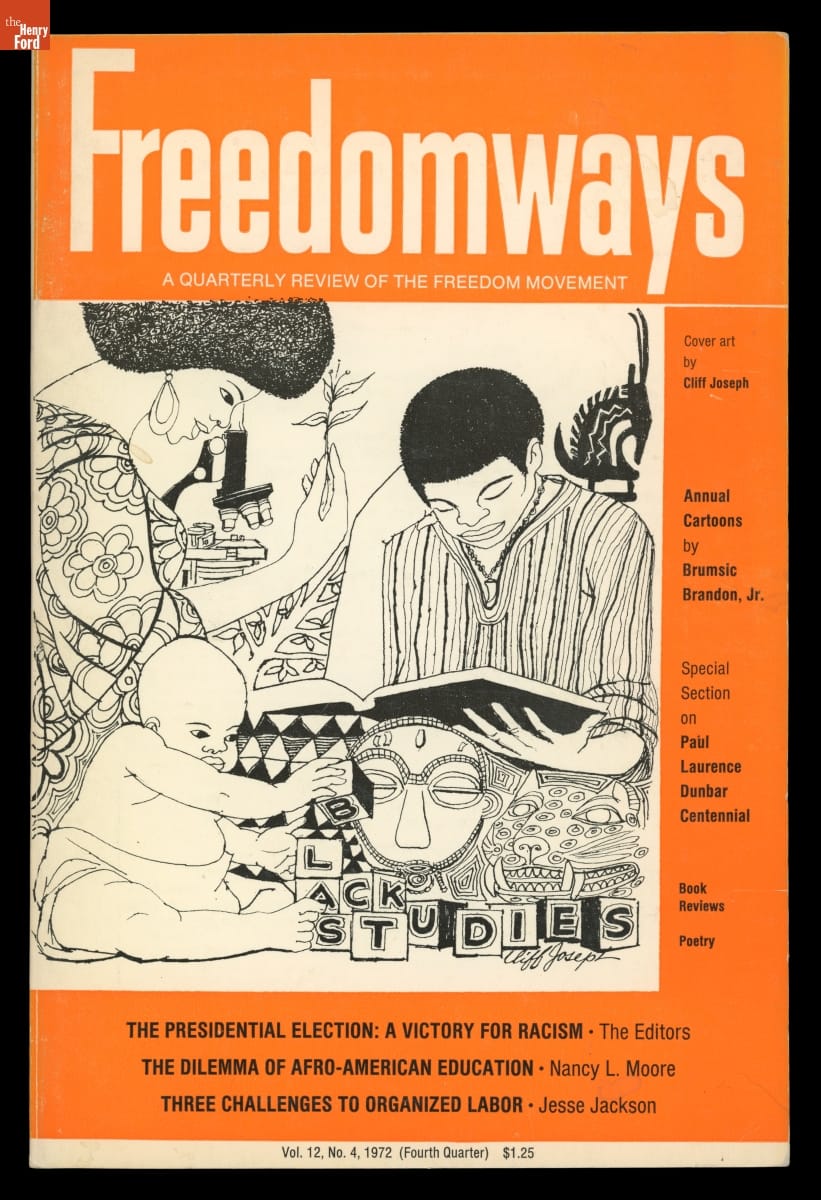
- "Freedomways," Vol. 12, No. 4, Fourth Quarter, 1972 - In 1961, Louis Burnham, Edward Strong, and W. E. B. Du Bois founded Freedomways, the leading African American theoretical, political, and cultural journal of its time. The journal included written works by leading Black authors, artists, politicians, and activists. The journal also reported on the political movements of the era, especially the American civil rights movement. Publication ceased in 1985.
- 1972
- Collections - Artifact
"Freedomways," Vol. 12, No. 4, Fourth Quarter, 1972
In 1961, Louis Burnham, Edward Strong, and W. E. B. Du Bois founded Freedomways, the leading African American theoretical, political, and cultural journal of its time. The journal included written works by leading Black authors, artists, politicians, and activists. The journal also reported on the political movements of the era, especially the American civil rights movement. Publication ceased in 1985.
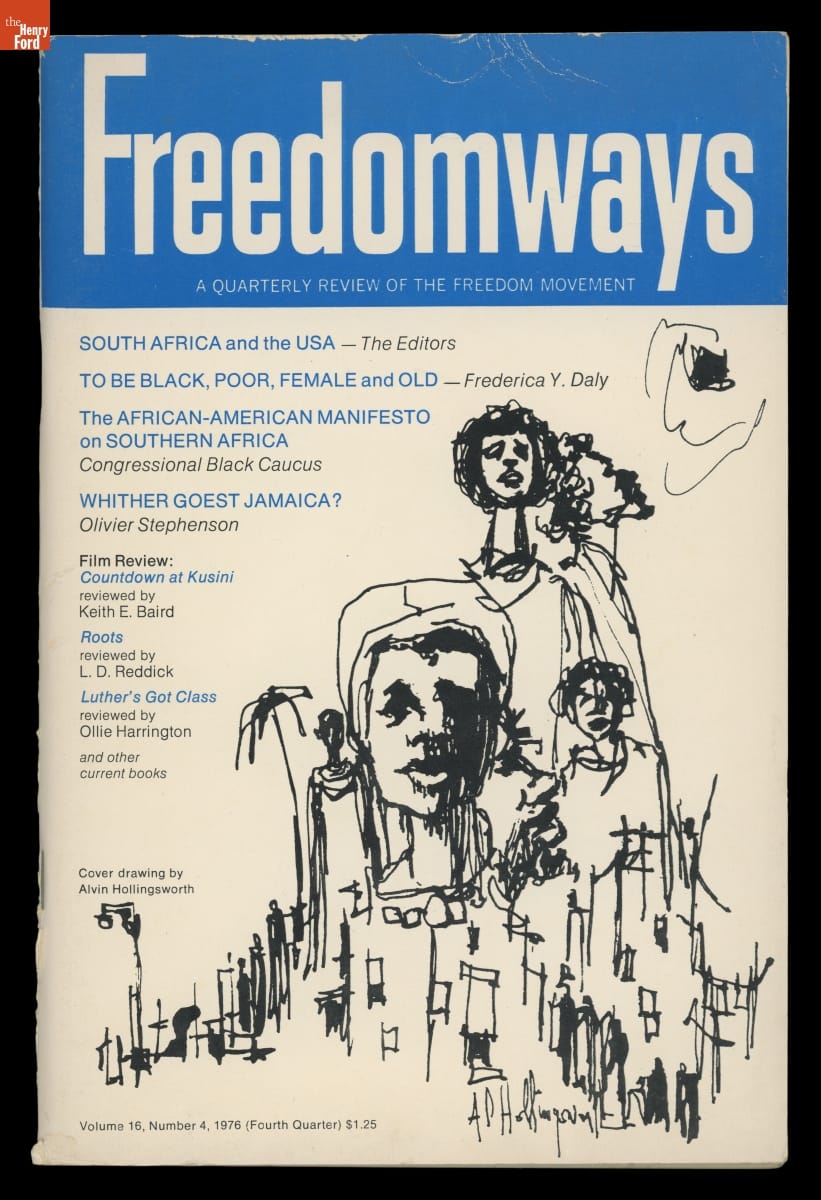
- "Freedomways," Vol. 16, No. 4, Fourth Quarter, 1976 - In 1961, Louis Burnham, Edward Strong, and W. E. B. Du Bois founded Freedomways, the leading African American theoretical, political, and cultural journal of its time. The journal included written works by leading Black authors, artists, politicians, and activists. The journal also reported on the political movements of the era, especially the American civil rights movement. Publication ceased in 1985.
- 1976
- Collections - Artifact
"Freedomways," Vol. 16, No. 4, Fourth Quarter, 1976
In 1961, Louis Burnham, Edward Strong, and W. E. B. Du Bois founded Freedomways, the leading African American theoretical, political, and cultural journal of its time. The journal included written works by leading Black authors, artists, politicians, and activists. The journal also reported on the political movements of the era, especially the American civil rights movement. Publication ceased in 1985.
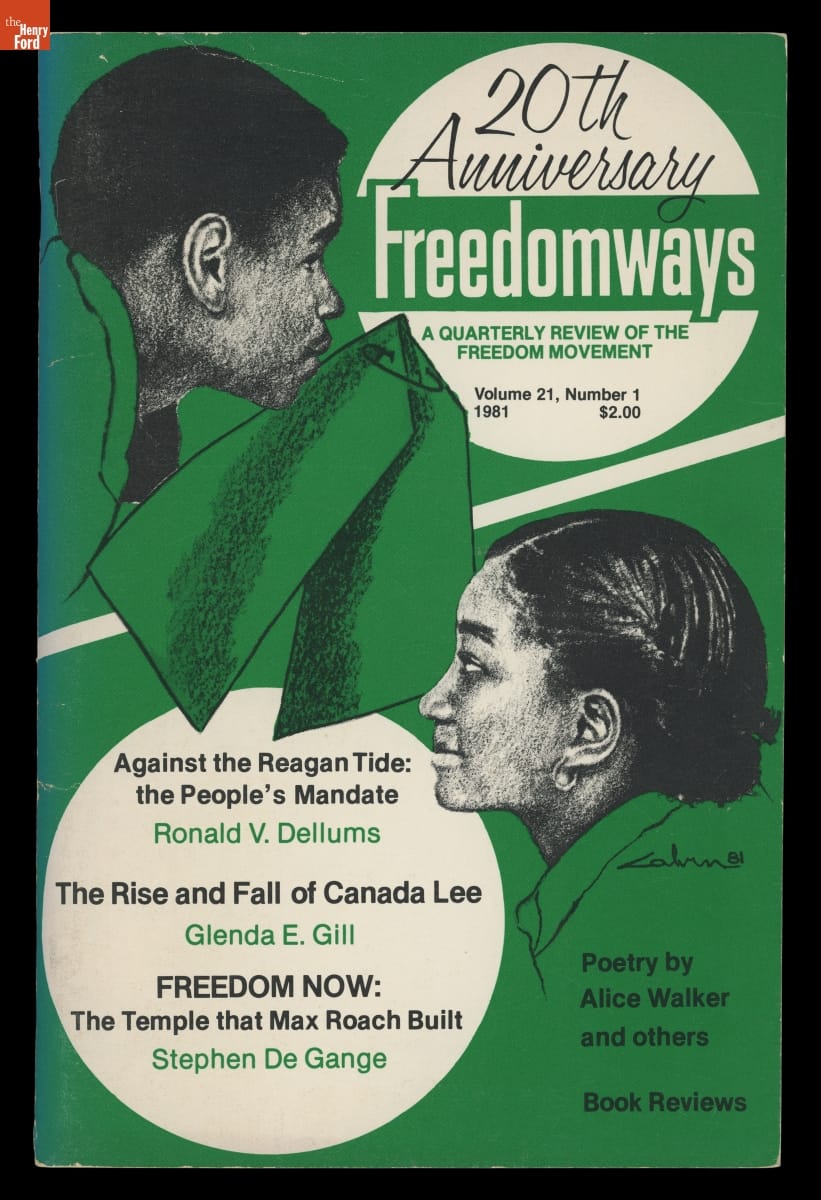
- "Freedomways: 20th Anniversary," Vol. 21, No. 1, First Quarter, 1981 - In 1961, Louis Burnham, Edward Strong, and W. E. B. Du Bois founded Freedomways, the leading African American theoretical, political, and cultural journal of its time. The journal included written works by leading Black authors, artists, politicians, and activists. The journal also reported on the political movements of the era, especially the American civil rights movement. Publication ceased in 1985.
- 1981
- Collections - Artifact
"Freedomways: 20th Anniversary," Vol. 21, No. 1, First Quarter, 1981
In 1961, Louis Burnham, Edward Strong, and W. E. B. Du Bois founded Freedomways, the leading African American theoretical, political, and cultural journal of its time. The journal included written works by leading Black authors, artists, politicians, and activists. The journal also reported on the political movements of the era, especially the American civil rights movement. Publication ceased in 1985.
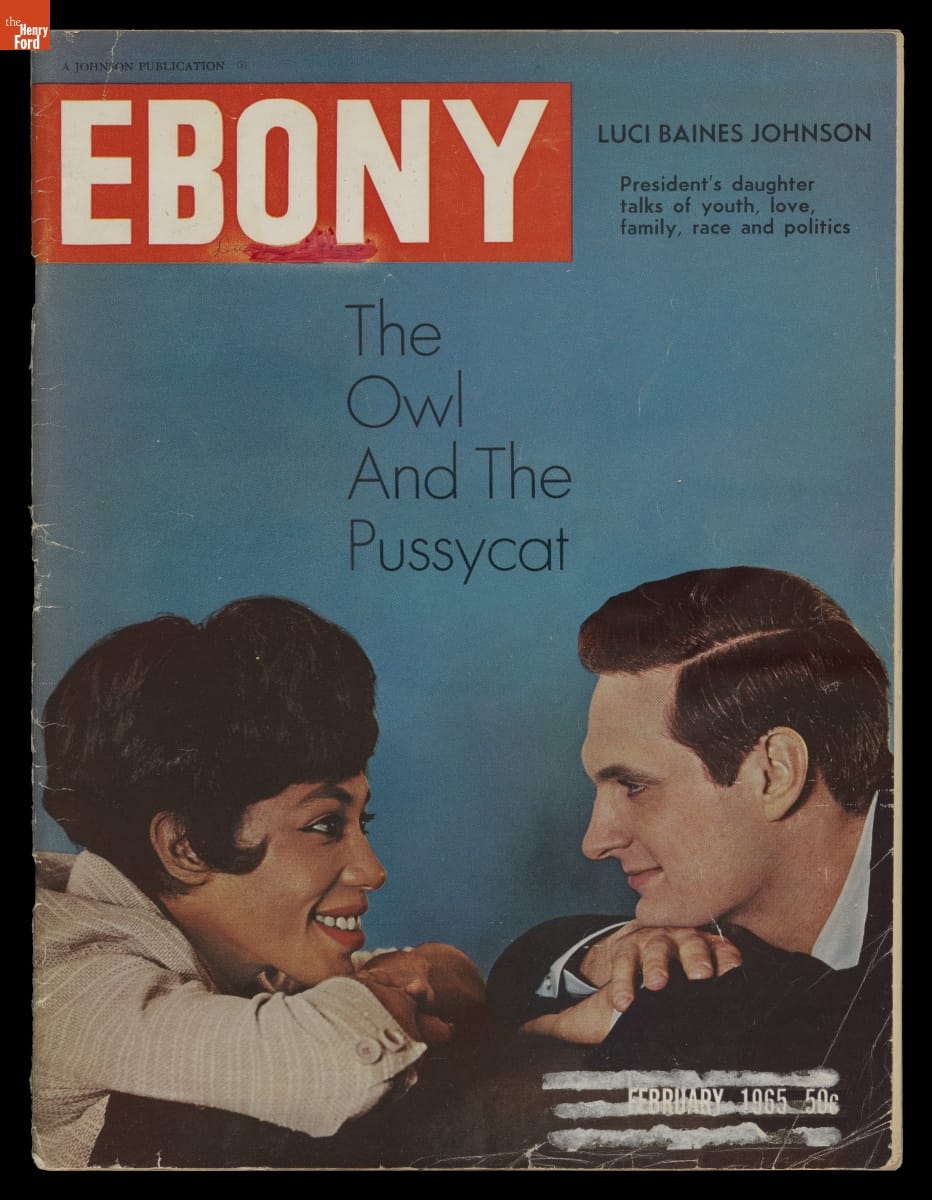
- "Ebony," February 1965 -
- February 01, 1965
- Collections - Artifact
"Ebony," February 1965
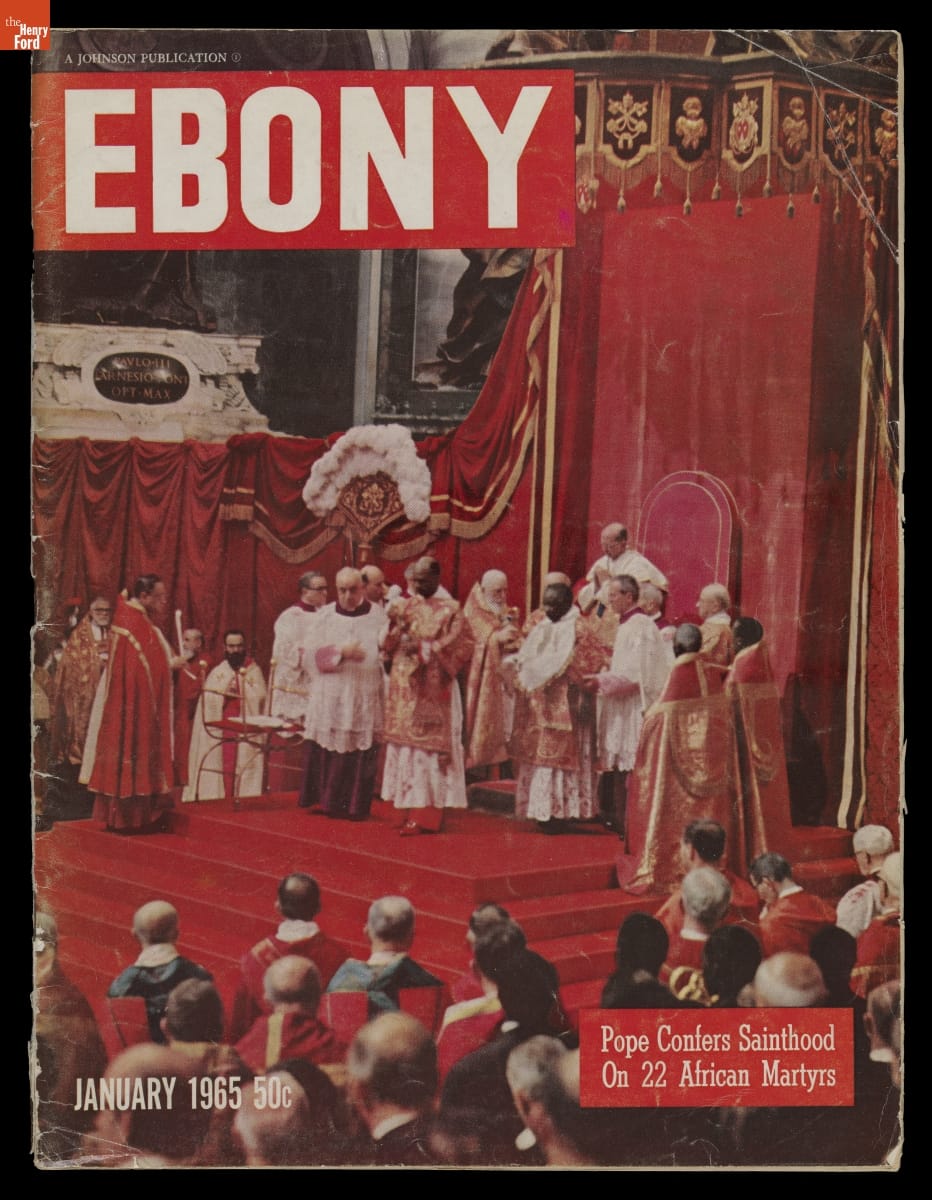
- "Ebony," January 1965 -
- January 01, 1965
- Collections - Artifact
"Ebony," January 1965
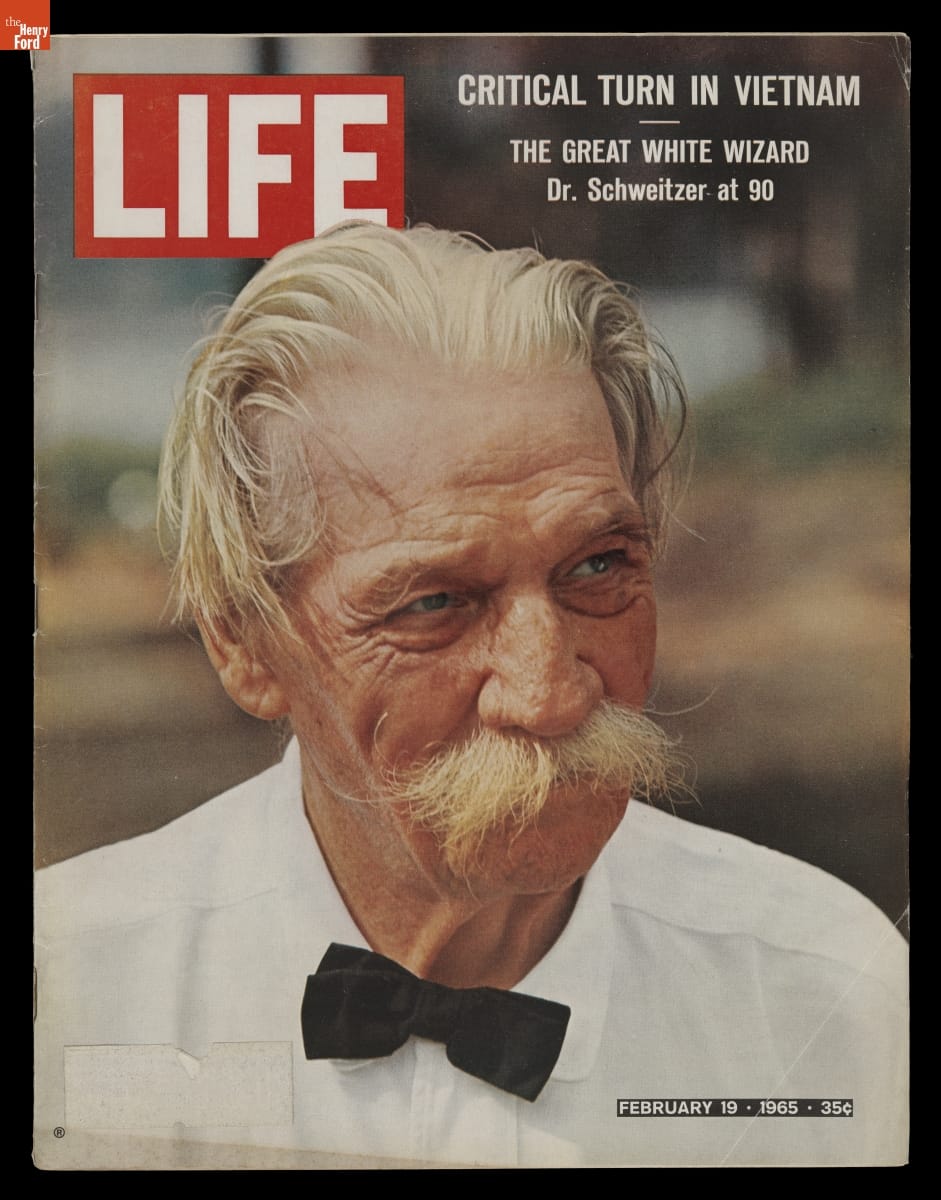
- "Life," February 19, 1965 - Henry Luce re-envisioned Life magazine after he purchased it in 1936. Under Luce's control, Life magazine became America's first all-photographic weekly news magazine, informing Americans on the country's politics, war, race, and national identity through images. Its popularity boomed; by 1970, it had more than eight million subscribers.
- February 19, 1965
- Collections - Artifact
"Life," February 19, 1965
Henry Luce re-envisioned Life magazine after he purchased it in 1936. Under Luce's control, Life magazine became America's first all-photographic weekly news magazine, informing Americans on the country's politics, war, race, and national identity through images. Its popularity boomed; by 1970, it had more than eight million subscribers.
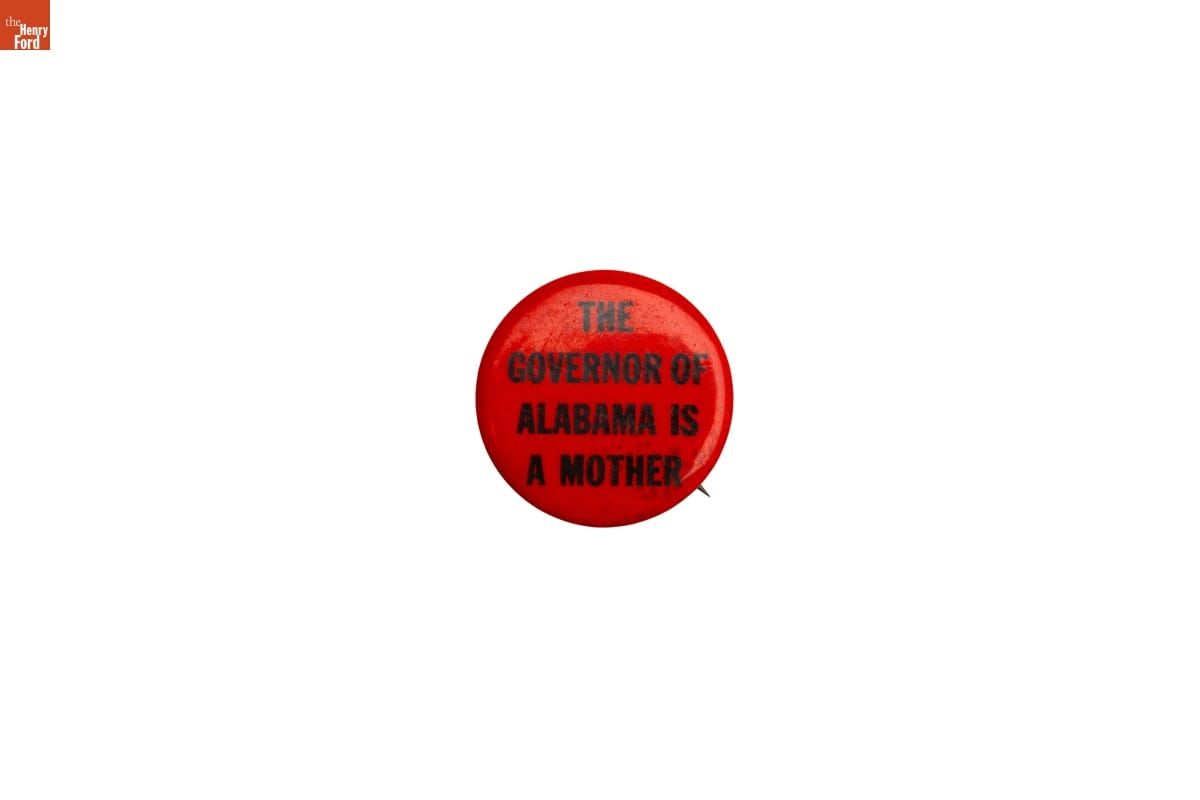
- "The Governor of Alabama Is A Mother" Button, 1967 - In 1966, Alabama Governor George Wallace announced that his wife, Lurleen, would run for governor -- the Alabama constitution restricted the chief executive from serving consecutive terms. The mother of four became the first female governor of Alabama. George remained a close advisor, and Lurleen carried out many of her husband's segregationist policies. Many young, anti-establishment Americans found this button humorous.
- 1967
- Collections - Artifact
"The Governor of Alabama Is A Mother" Button, 1967
In 1966, Alabama Governor George Wallace announced that his wife, Lurleen, would run for governor -- the Alabama constitution restricted the chief executive from serving consecutive terms. The mother of four became the first female governor of Alabama. George remained a close advisor, and Lurleen carried out many of her husband's segregationist policies. Many young, anti-establishment Americans found this button humorous.