
Search
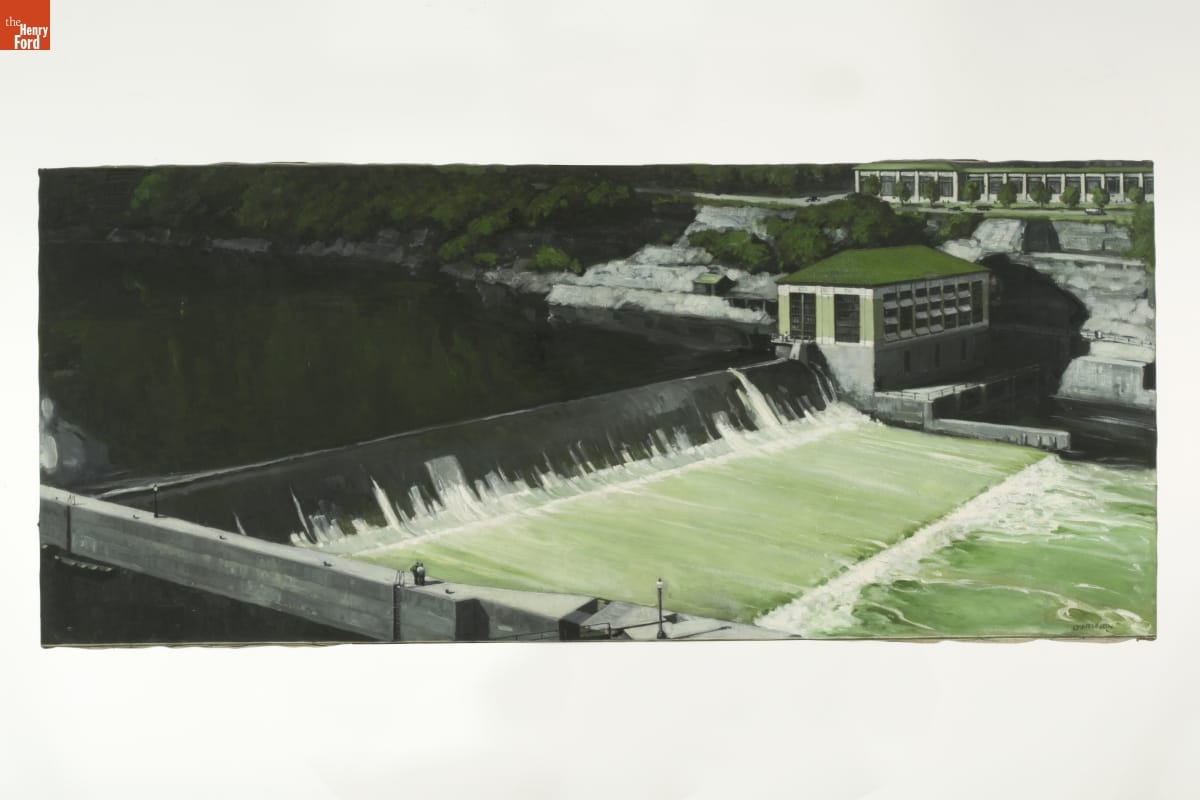
- Powerhouse, River, and Dam, 1924 - In 1924-25 the Ford Motor Company ran a series of sixteen dramatic advertisements in the <EM>Saturday Evening Post</EM> and <EM>Country Gentleman</EM> magazines. The effectiveness of the ads was due in large part to the specially commissioned artwork that accompanied the descriptive text. The restricted palette employed in the original art was imposed by the "duotone" process used for color reproduction.
- 1924
- Collections - Artifact
Powerhouse, River, and Dam, 1924
In 1924-25 the Ford Motor Company ran a series of sixteen dramatic advertisements in the Saturday Evening Post and Country Gentleman magazines. The effectiveness of the ads was due in large part to the specially commissioned artwork that accompanied the descriptive text. The restricted palette employed in the original art was imposed by the "duotone" process used for color reproduction.
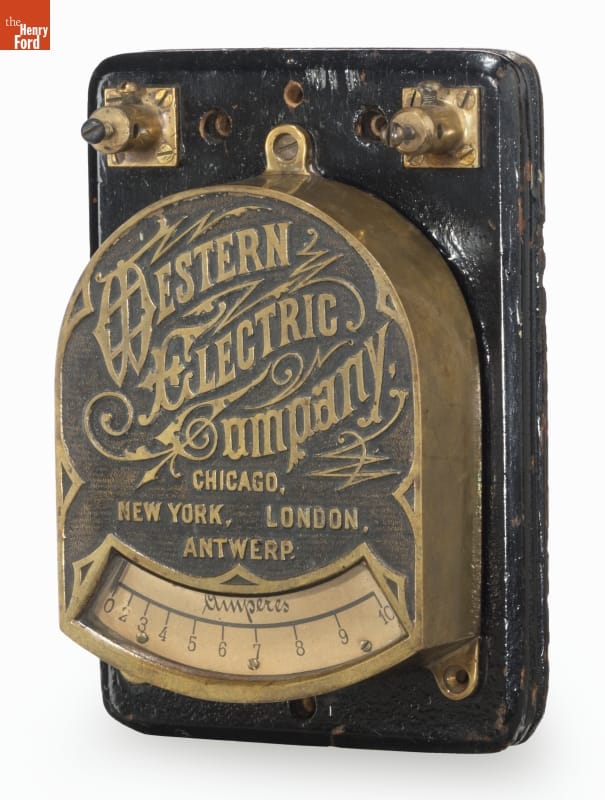
- Western Electric Ammeter, Used by the Toledo Edison Company, 1887 - In the late 1800s and early 1900s, companies that supplied electricity to consumers needed a variety of instruments to regulate and monitor electrical output. These instruments were vital to the operation of power stations and needed to be accurate and rugged. Ammeters--used to measure the current in a circuit--could be found on switchboards or connected to motors and generators.
- 1887
- Collections - Artifact
Western Electric Ammeter, Used by the Toledo Edison Company, 1887
In the late 1800s and early 1900s, companies that supplied electricity to consumers needed a variety of instruments to regulate and monitor electrical output. These instruments were vital to the operation of power stations and needed to be accurate and rugged. Ammeters--used to measure the current in a circuit--could be found on switchboards or connected to motors and generators.
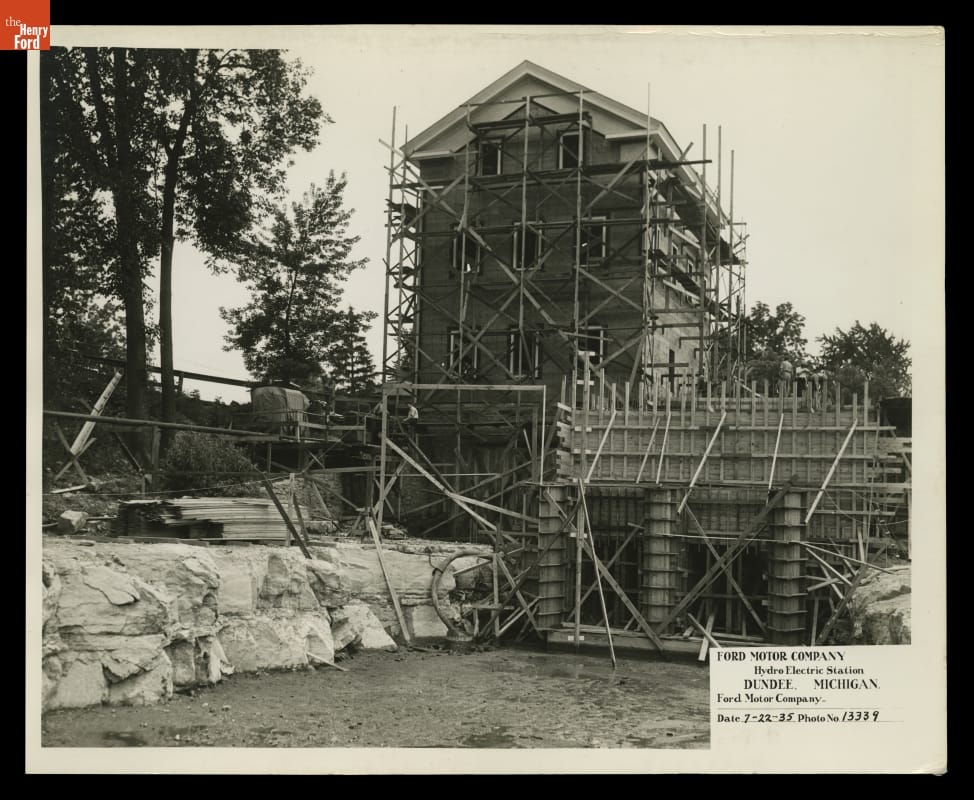
- Construction at Ford Motor Company Hydroelectric Plant, Dundee, Michigan, July 1935 - In the early 1920s, Henry Ford began locating small hydroelectrically powered plants in rural southeast Michigan. These "Village Industries" employed local people who could maintain farms while working at the factory. This plant in Dundee operated from 1936 until 1954. During World War II, workers here manufactured parts for Pratt & Whitney engines, tanks, vehicles, and gun directors.
- July 22, 1935
- Collections - Artifact
Construction at Ford Motor Company Hydroelectric Plant, Dundee, Michigan, July 1935
In the early 1920s, Henry Ford began locating small hydroelectrically powered plants in rural southeast Michigan. These "Village Industries" employed local people who could maintain farms while working at the factory. This plant in Dundee operated from 1936 until 1954. During World War II, workers here manufactured parts for Pratt & Whitney engines, tanks, vehicles, and gun directors.
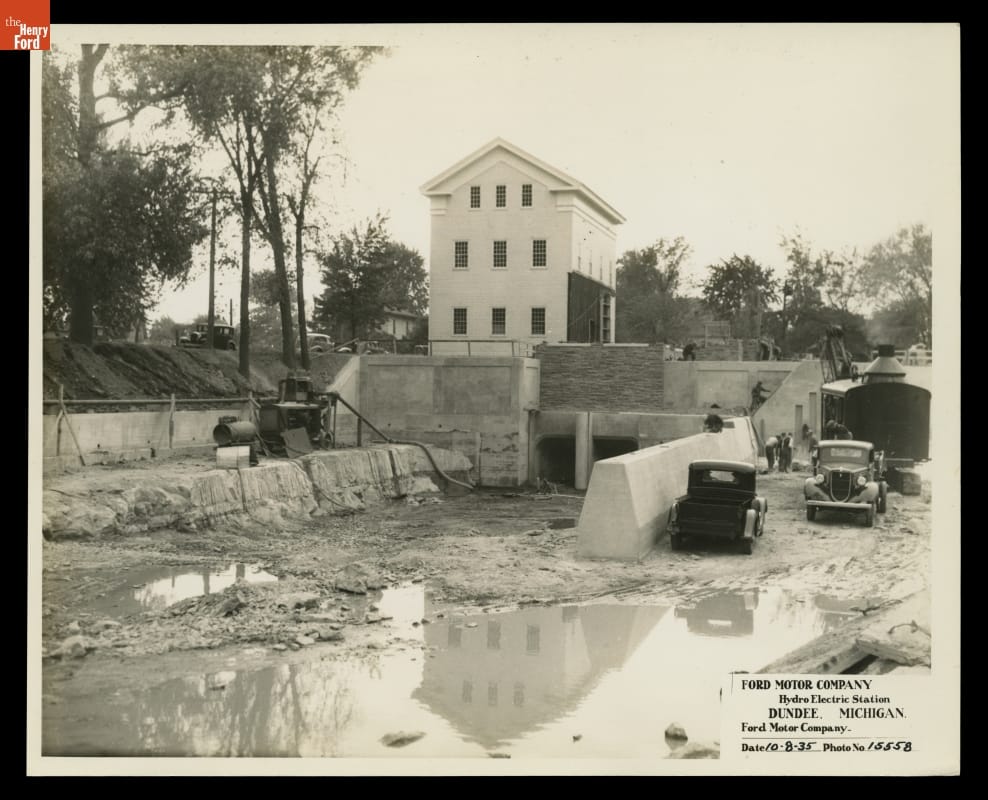
- Construction at Ford Motor Company Hydroelectric Plant, Dundee, Michigan, October 1935 - In the early 1920s, Henry Ford began locating small hydroelectrically powered plants in rural southeast Michigan. These "Village Industries" employed local people who could maintain farms while working at the factory. This plant in Dundee operated from 1936 until 1954. During World War II, workers here manufactured parts for Pratt & Whitney engines, tanks, vehicles, and gun directors.
- October 08, 1935
- Collections - Artifact
Construction at Ford Motor Company Hydroelectric Plant, Dundee, Michigan, October 1935
In the early 1920s, Henry Ford began locating small hydroelectrically powered plants in rural southeast Michigan. These "Village Industries" employed local people who could maintain farms while working at the factory. This plant in Dundee operated from 1936 until 1954. During World War II, workers here manufactured parts for Pratt & Whitney engines, tanks, vehicles, and gun directors.
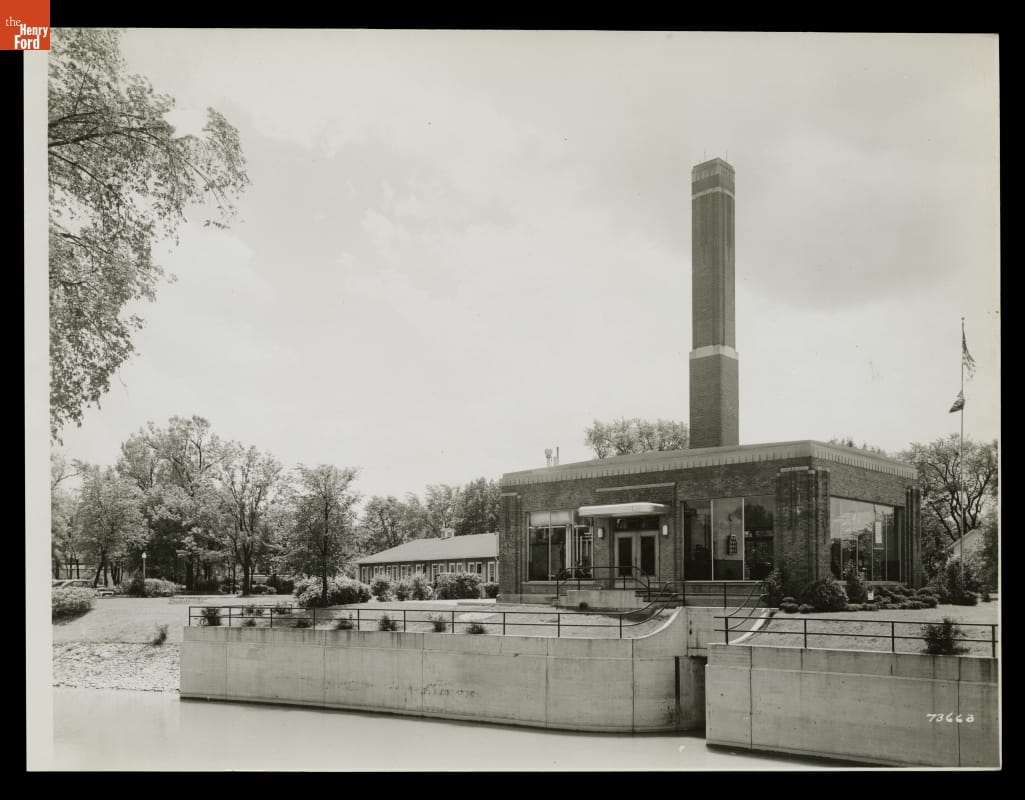
- Ford Motor Company Powerhouse, Milan, Michigan, June 1945 - In the early 1920s, Henry Ford began locating small hydroelectrically powered plants in rural southeast Michigan. These "Village Industries" employed local people who could maintain farms while working at the factory. The plant in Milan operated from 1938 until 1947. Workers there made ignition coils and ammeters for Ford Motor Company vehicles.
- June 14, 1945
- Collections - Artifact
Ford Motor Company Powerhouse, Milan, Michigan, June 1945
In the early 1920s, Henry Ford began locating small hydroelectrically powered plants in rural southeast Michigan. These "Village Industries" employed local people who could maintain farms while working at the factory. The plant in Milan operated from 1938 until 1947. Workers there made ignition coils and ammeters for Ford Motor Company vehicles.
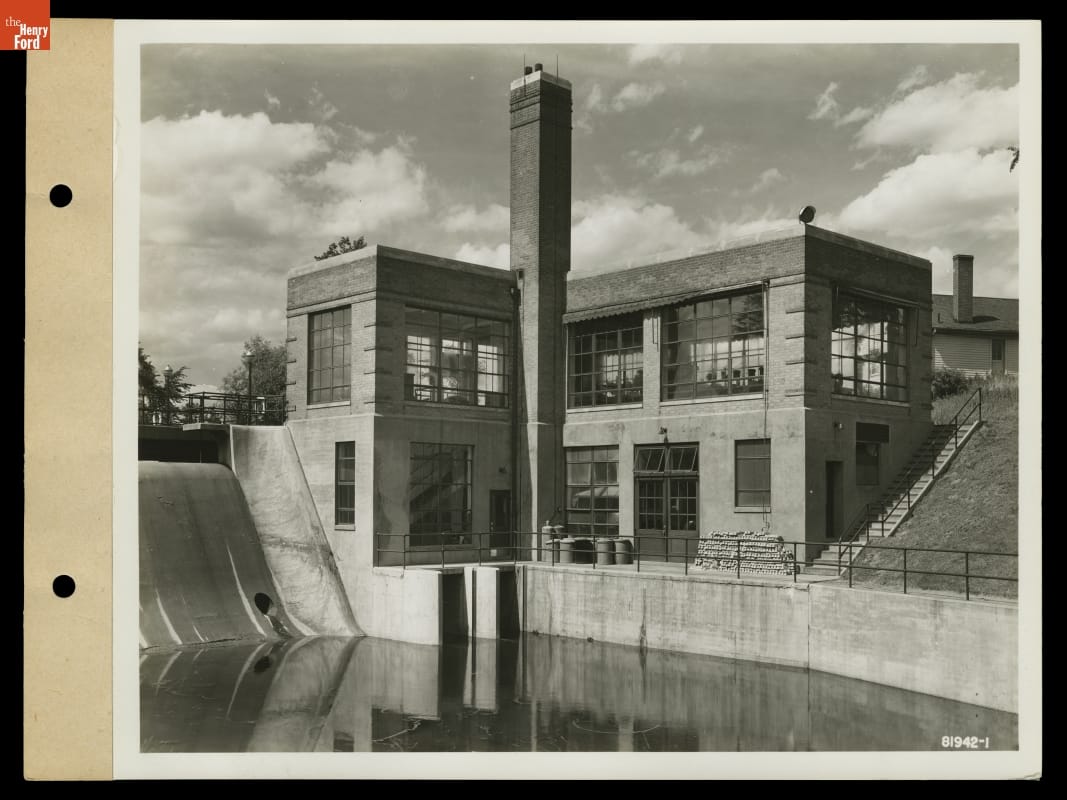
- Willow Run Ford Village Industry Plant, July 1945 - In the 1920s and '30s, Henry Ford located small hydroelectrically powered factories throughout rural southeast Michigan. Built in 1939, the Willow Run plant differed from other "Village Industries." Instead of local residents, boys from Ford's nearby Camp Willow Run -- which provided income and life-skills training for underprivileged teenagers -- worked here, supplying door and ignition locks and keys for Ford's passenger cars.
- July 11, 1945
- Collections - Artifact
Willow Run Ford Village Industry Plant, July 1945
In the 1920s and '30s, Henry Ford located small hydroelectrically powered factories throughout rural southeast Michigan. Built in 1939, the Willow Run plant differed from other "Village Industries." Instead of local residents, boys from Ford's nearby Camp Willow Run -- which provided income and life-skills training for underprivileged teenagers -- worked here, supplying door and ignition locks and keys for Ford's passenger cars.
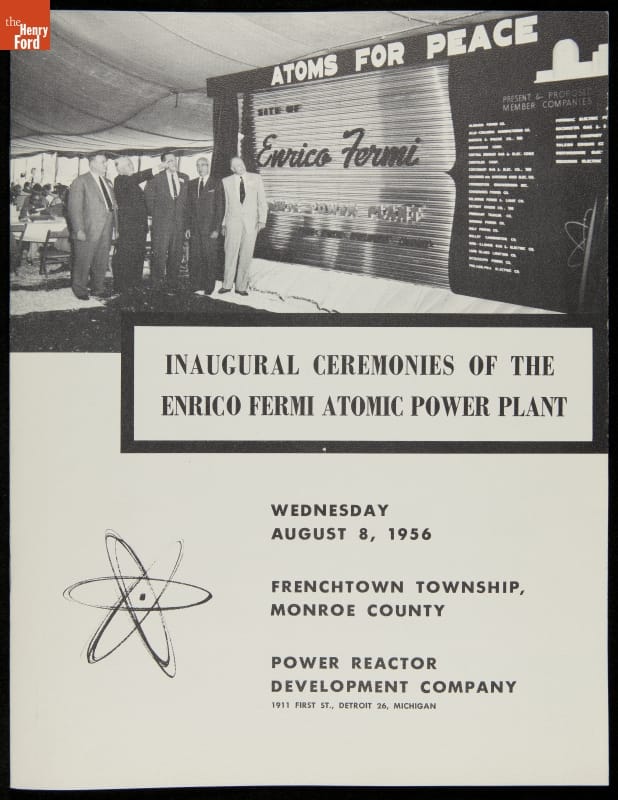
- Program, "Inaugural Ceremonies of the Enrico Fermi Atomic Power Plant," August 8, 1956 -
- August 08, 1956
- Collections - Artifact
Program, "Inaugural Ceremonies of the Enrico Fermi Atomic Power Plant," August 8, 1956
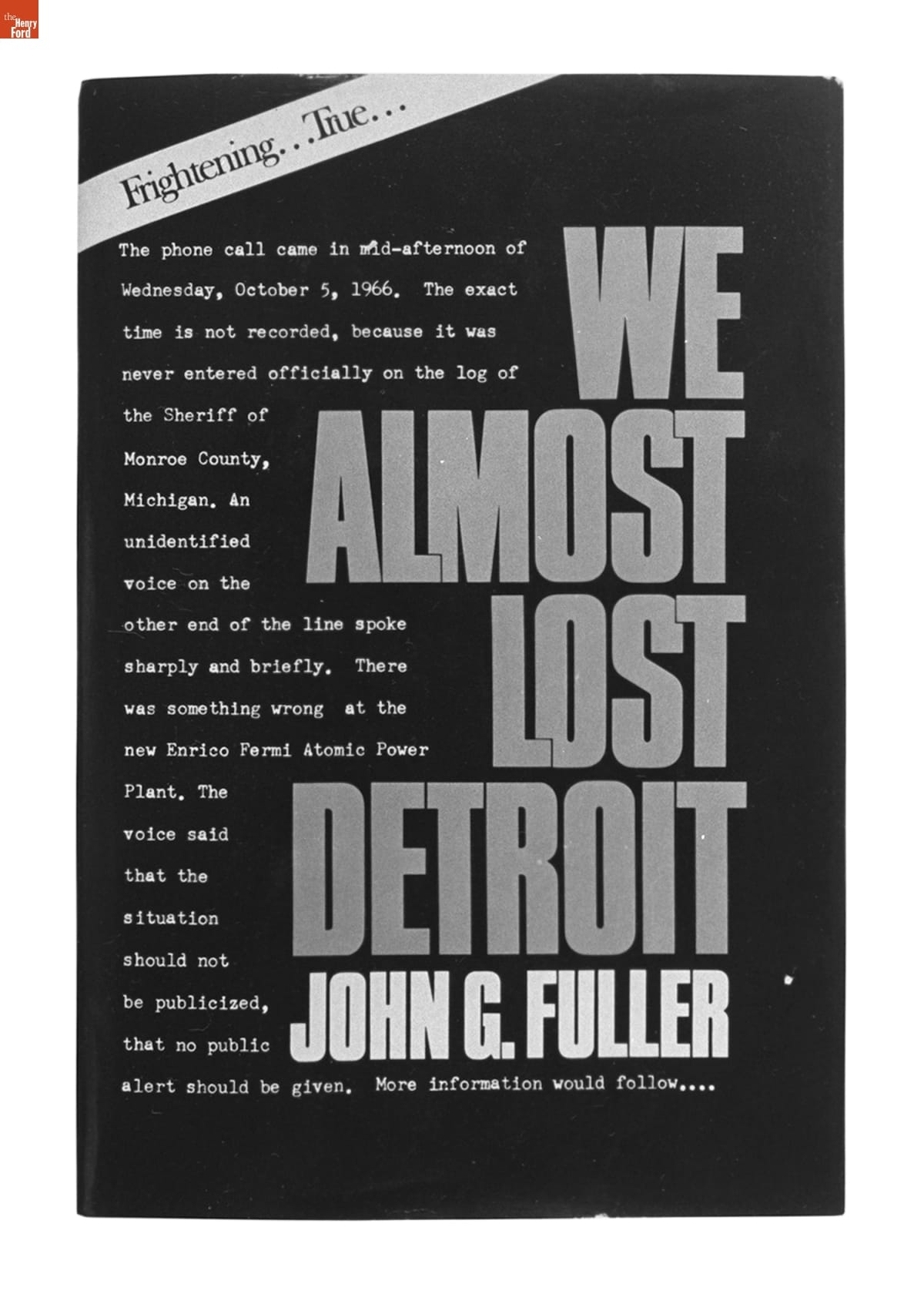
- We Almost Lost Detroit, 1975 -
- 1966
- Collections - Artifact
We Almost Lost Detroit, 1975
- Thomson-Houston Current Indicator, circa 1889 -
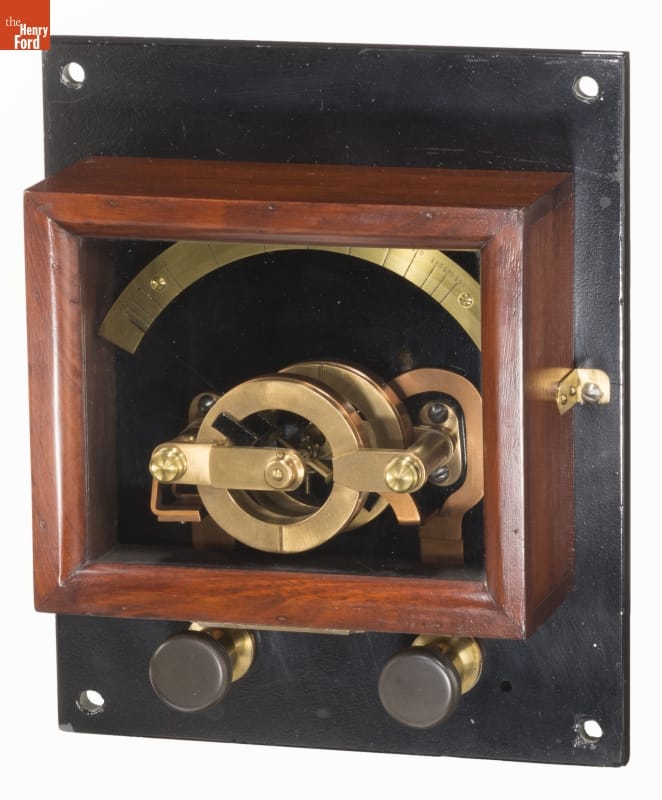
- circa 1889
- Collections - Artifact
Thomson-Houston Current Indicator, circa 1889
- Thomson-Houston Current Indicator, 1889-1892 -
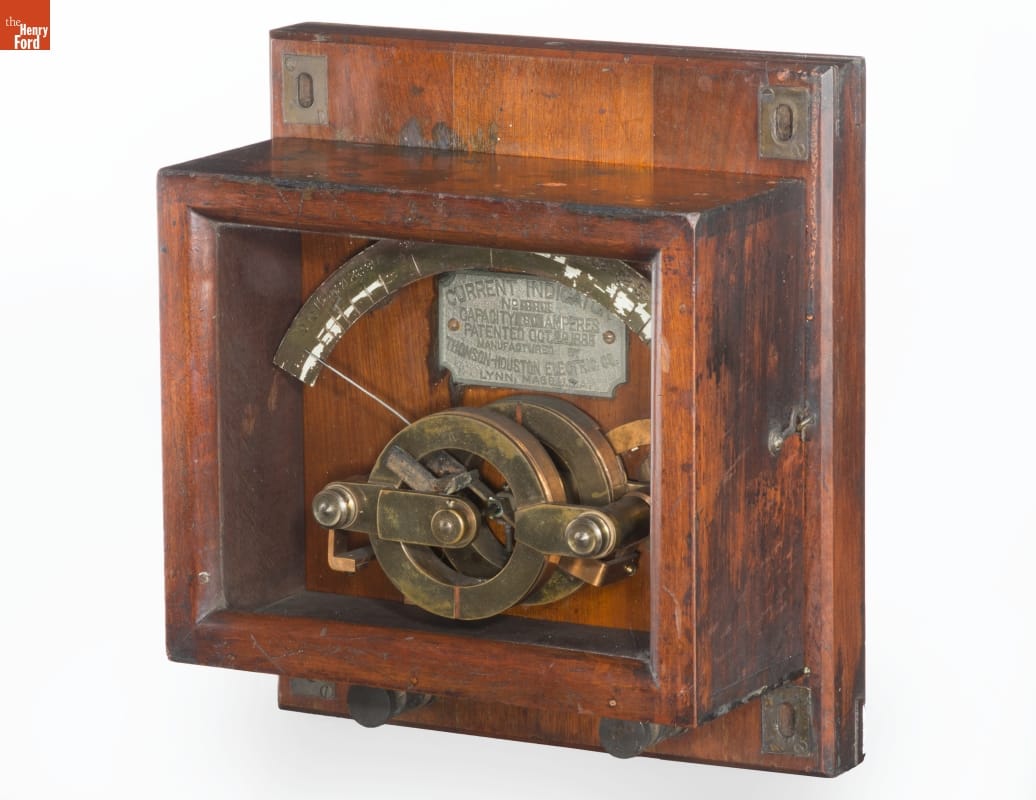
- 1889-1892
- Collections - Artifact
Thomson-Houston Current Indicator, 1889-1892