
Search
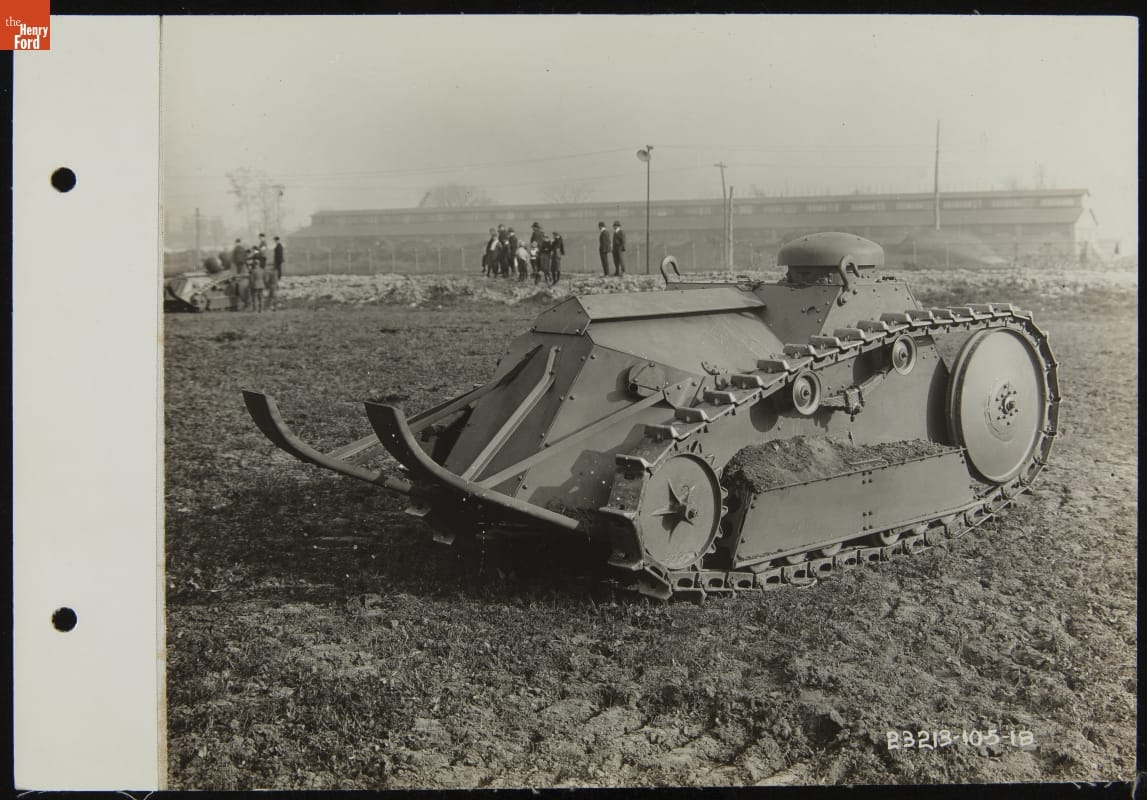
- New Ford Tank on Grounds North of Factory, October 5, 1918 - Tanks emerged during World War I in response to trenches, barbed wire, and machine guns. Their tracks -- rather than tires -- handled rough ground, and their armor protected against wire and gunfire. Ford designed a 2 1/2-ton, 2-man tank and sent several examples to France for testing. Results were encouraging, but the war ended before mass production could begin.
- October 05, 1918
- Collections - Artifact
New Ford Tank on Grounds North of Factory, October 5, 1918
Tanks emerged during World War I in response to trenches, barbed wire, and machine guns. Their tracks -- rather than tires -- handled rough ground, and their armor protected against wire and gunfire. Ford designed a 2 1/2-ton, 2-man tank and sent several examples to France for testing. Results were encouraging, but the war ended before mass production could begin.
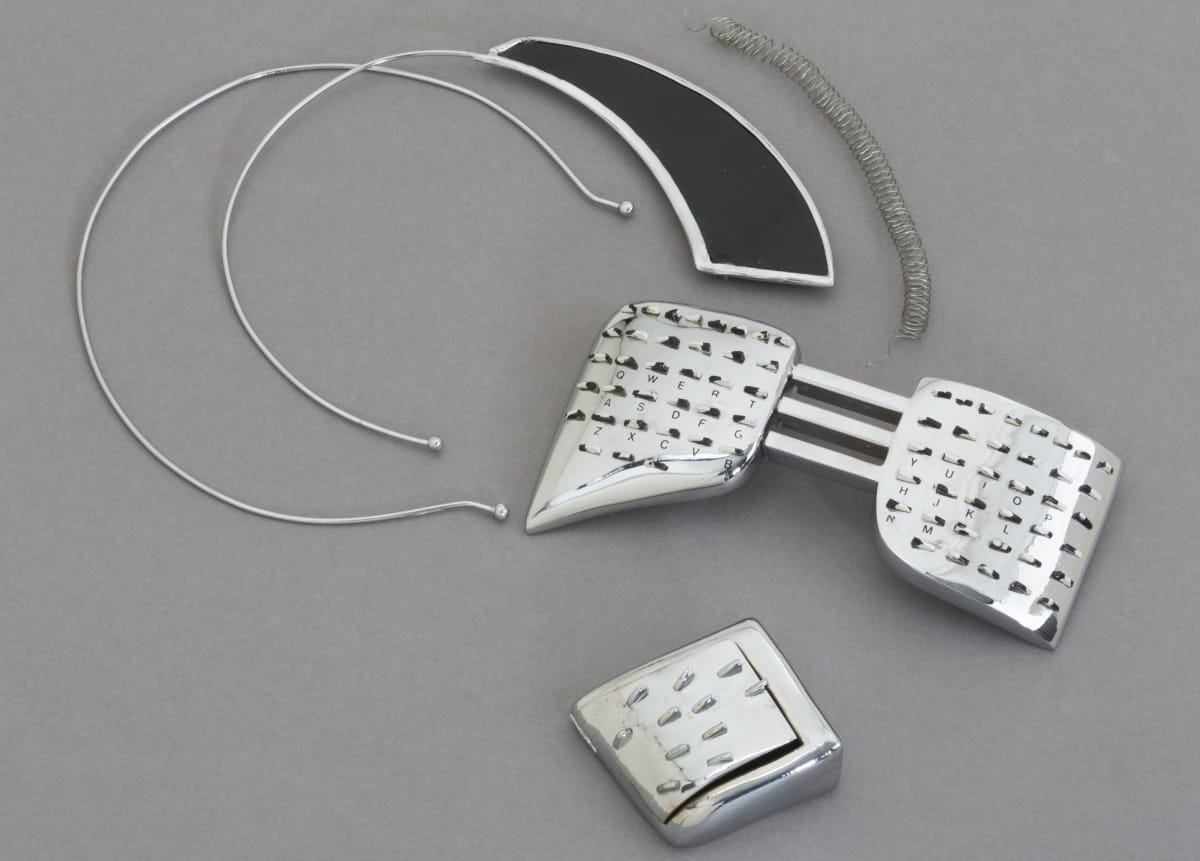
- "The Walking Office" Wearable Computer Prototype, 1984 - The Walking Office Wearable Computer is a prototype model created by the design group Salotto Dinamico. This proposed device subverted where (and when) the office could be, turning the human body into a mobile workstation. A keyboard, display arc, and cassette recorder became personal adornment--also capable of pairing with an acoustic modem to exchange data through telephone lines.
- 1984
- Collections - Artifact
"The Walking Office" Wearable Computer Prototype, 1984
The Walking Office Wearable Computer is a prototype model created by the design group Salotto Dinamico. This proposed device subverted where (and when) the office could be, turning the human body into a mobile workstation. A keyboard, display arc, and cassette recorder became personal adornment--also capable of pairing with an acoustic modem to exchange data through telephone lines.
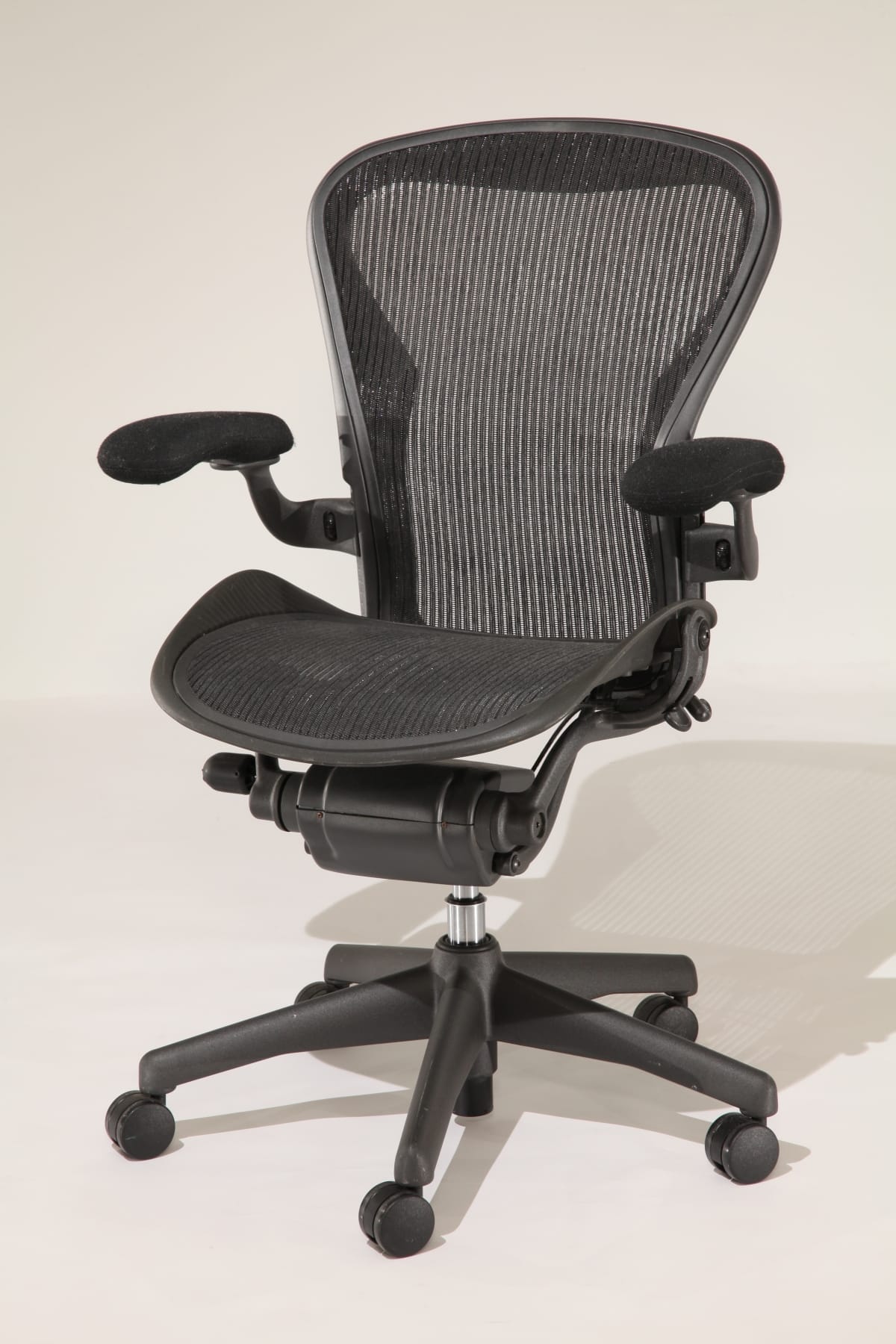
- Aeron Task Chair, Pre-Production Prototype, 1994 - Designers Don Chadwick and Bill Stumpf explored new materials that could replicate the cooling effect of historic wicker furniture and studied human sitting habits to create Herman Miller's groundbreaking Aeron task chair. One of the last in a series of experimental prototypes, this 1994 version incorporates the distinctive skeletal appearance that exemplified the production Aeron introduced later that year.
- 1994
- Collections - Artifact
Aeron Task Chair, Pre-Production Prototype, 1994
Designers Don Chadwick and Bill Stumpf explored new materials that could replicate the cooling effect of historic wicker furniture and studied human sitting habits to create Herman Miller's groundbreaking Aeron task chair. One of the last in a series of experimental prototypes, this 1994 version incorporates the distinctive skeletal appearance that exemplified the production Aeron introduced later that year.
- Cardboard Chair, 1965-1969 -
- 1965-1969
- Collections - Artifact
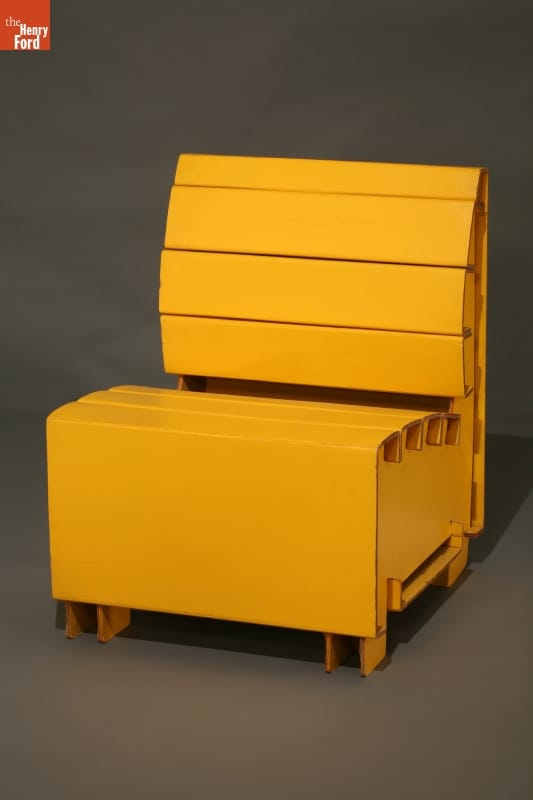
Cardboard Chair, 1965-1969
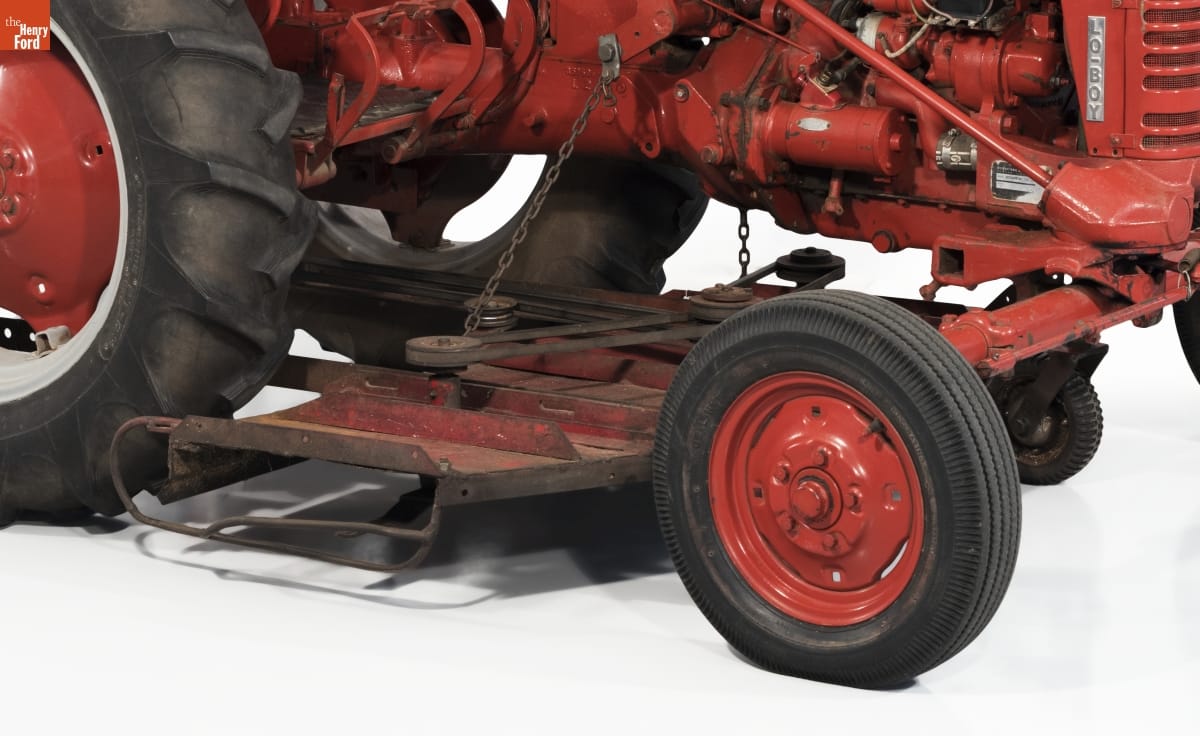
- Prototype Lawn Mower, Designed by Norman Swanson, circa 1956 - Norman Swanson created this prototype lawn mower that he used to mow his family's land in suburban Warrenville, Illinois. He configured a multiple-cutter system and mounted it under his International Harvester Cub Lo-Boy tractor. He also designed a deflector above the blades to better pulverize the grass clippings. Swanson received patents for these two lawn mowing innovations in 1959.
- circa 1956
- Collections - Artifact
Prototype Lawn Mower, Designed by Norman Swanson, circa 1956
Norman Swanson created this prototype lawn mower that he used to mow his family's land in suburban Warrenville, Illinois. He configured a multiple-cutter system and mounted it under his International Harvester Cub Lo-Boy tractor. He also designed a deflector above the blades to better pulverize the grass clippings. Swanson received patents for these two lawn mowing innovations in 1959.
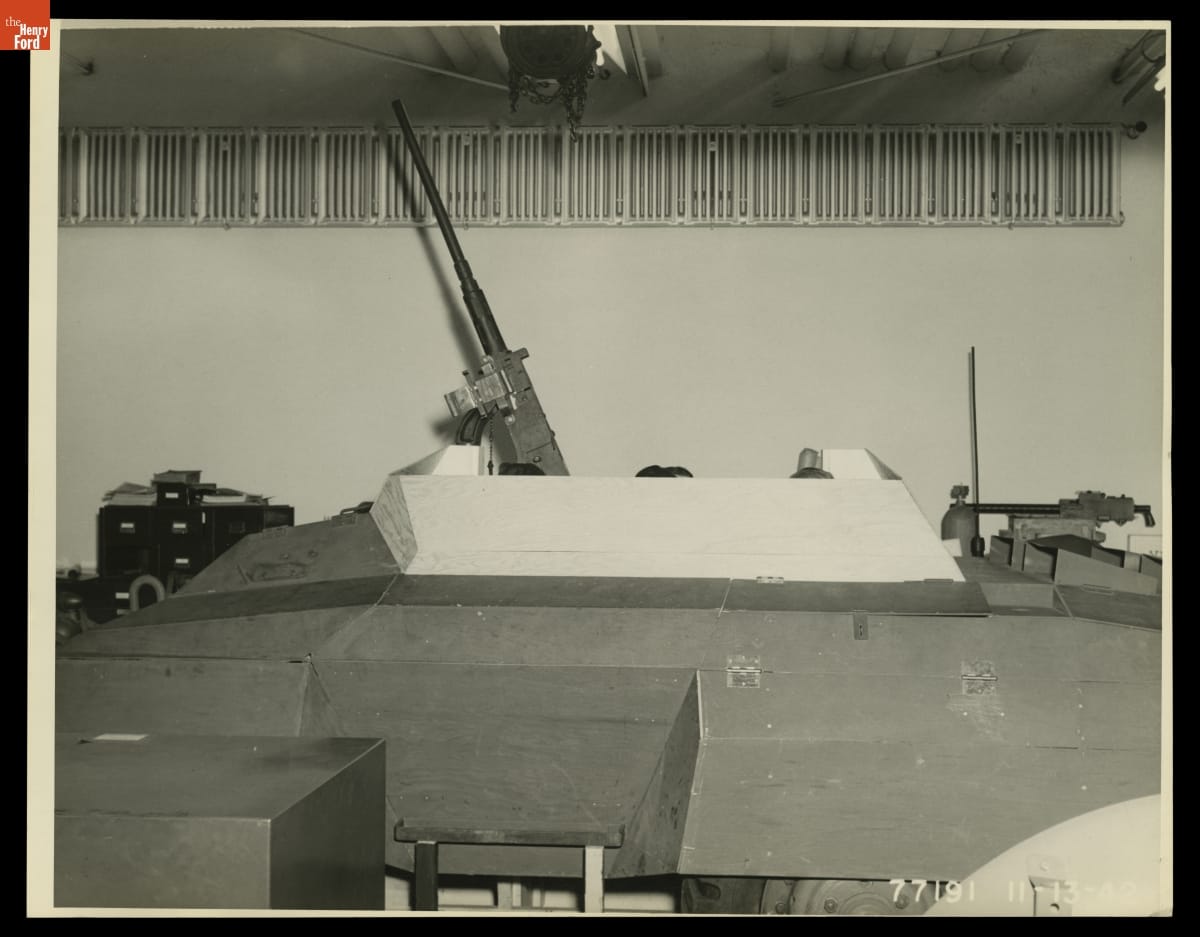
- Wooden Model of Ford Motor Company T22 Prototype Armored Car, November 1942 - Like other American automakers, Ford Motor Company manufactured vehicles and materiel for the Allies during World War II. Ford engineers designed the T22 armored car as a comparatively small and lightweight scouting vehicle. After tests and further modifications, it was designated the M8. Ford built more than 8,000 of these armored cars from 1943 to 1945.
- November 13, 1942
- Collections - Artifact
Wooden Model of Ford Motor Company T22 Prototype Armored Car, November 1942
Like other American automakers, Ford Motor Company manufactured vehicles and materiel for the Allies during World War II. Ford engineers designed the T22 armored car as a comparatively small and lightweight scouting vehicle. After tests and further modifications, it was designated the M8. Ford built more than 8,000 of these armored cars from 1943 to 1945.
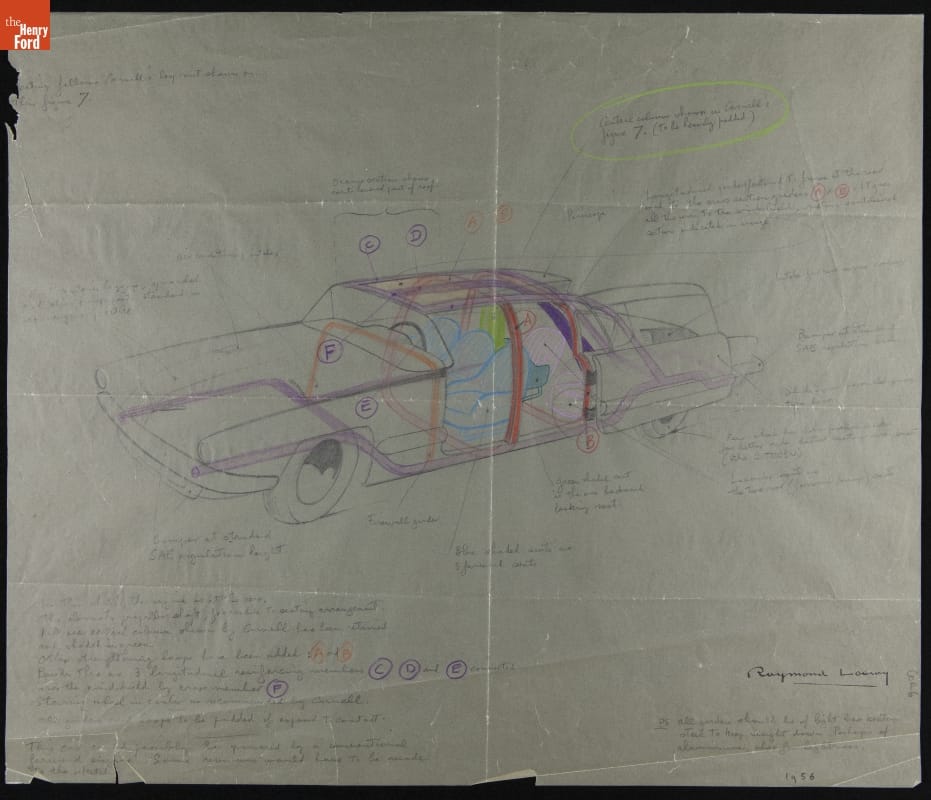
- Sketch for the Cornell-Liberty Safety Car, 1956 - Industrial designer Raymond Loewy produced a series of design drawings for the "Safety Car" built in 1957 by Cornell University and the Liberty Mutual Insurance Company. The finished concept car incorporated more than 60 safety improvements from seat belts, to padded interior surfaces, to accordion-style folding doors.
- 1956
- Collections - Artifact
Sketch for the Cornell-Liberty Safety Car, 1956
Industrial designer Raymond Loewy produced a series of design drawings for the "Safety Car" built in 1957 by Cornell University and the Liberty Mutual Insurance Company. The finished concept car incorporated more than 60 safety improvements from seat belts, to padded interior surfaces, to accordion-style folding doors.
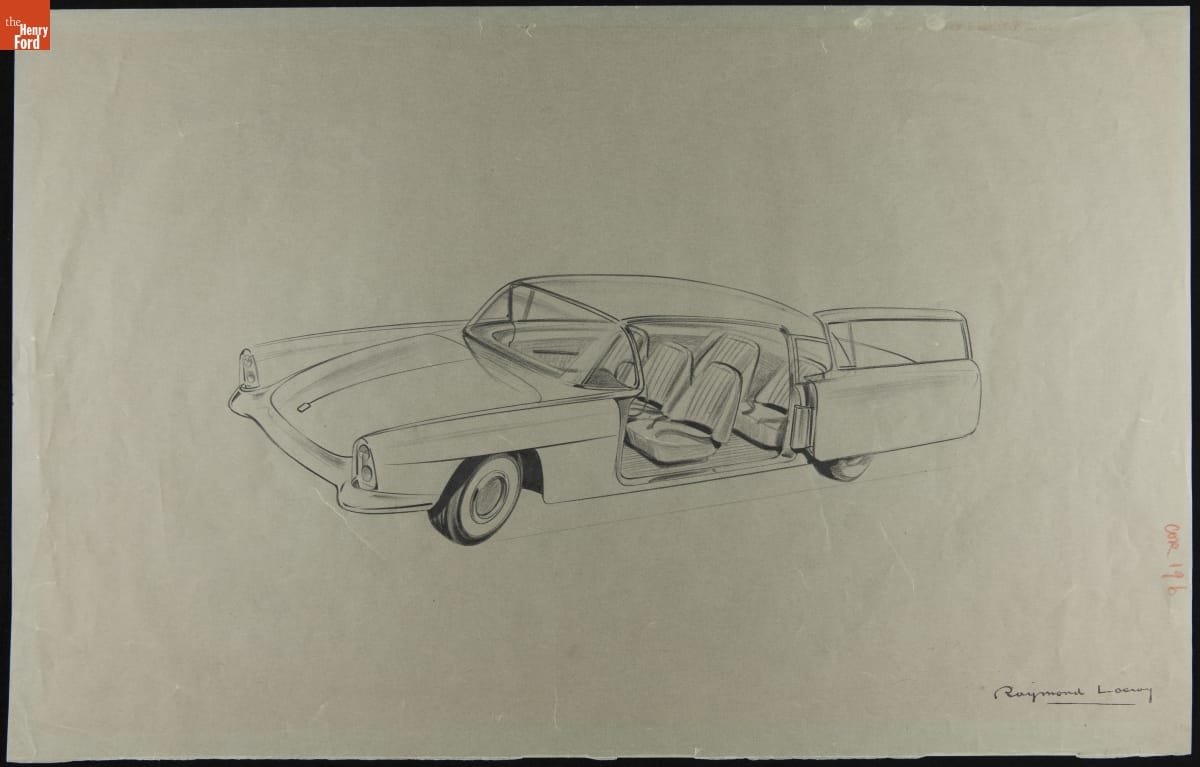
- Sketch for the Cornell-Liberty Safety Car, 1956 - Industrial designer Raymond Loewy produced a series of design drawings for the "Safety Car" built in 1957 by Cornell University and the Liberty Mutual Insurance Company. The finished concept car incorporated more than 60 safety improvements from seat belts, to padded interior surfaces, to accordion-style folding doors.
- 1956
- Collections - Artifact
Sketch for the Cornell-Liberty Safety Car, 1956
Industrial designer Raymond Loewy produced a series of design drawings for the "Safety Car" built in 1957 by Cornell University and the Liberty Mutual Insurance Company. The finished concept car incorporated more than 60 safety improvements from seat belts, to padded interior surfaces, to accordion-style folding doors.
- Sketch for the Cornell-Liberty Safety Car, 1956 - Industrial designer Raymond Loewy produced a series of design drawings for the "Safety Car" built in 1957 by Cornell University and the Liberty Mutual Insurance Company. The finished concept car incorporated more than 60 safety improvements from seat belts, to padded interior surfaces, to accordion-style folding doors.
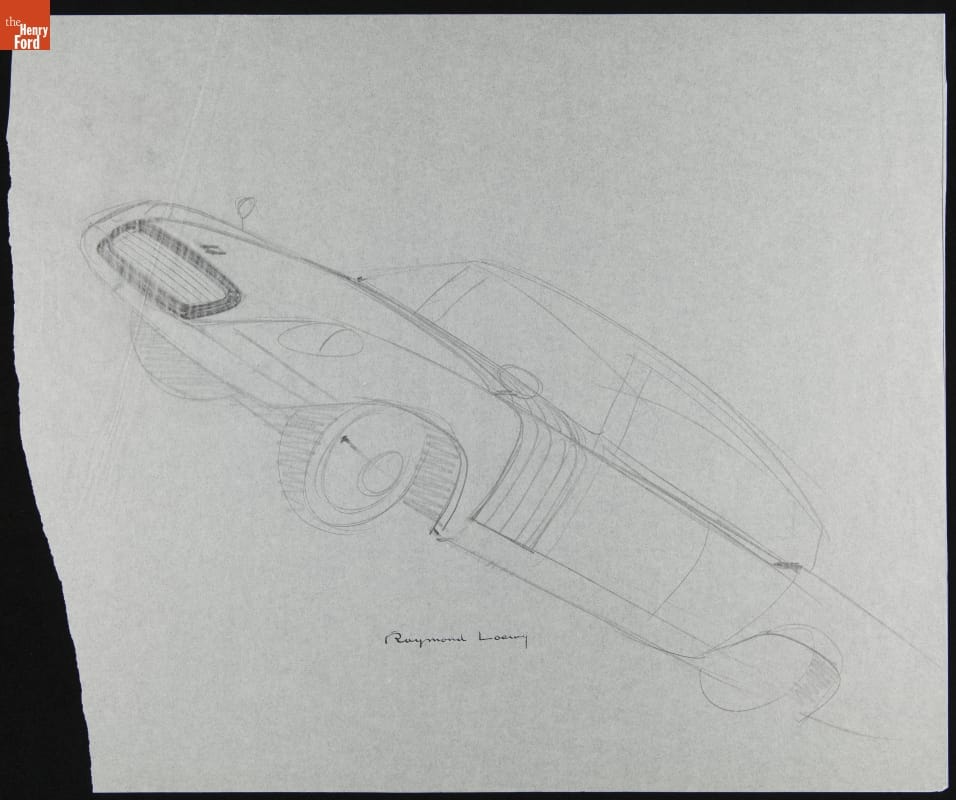
- circa 1956
- Collections - Artifact
Sketch for the Cornell-Liberty Safety Car, 1956
Industrial designer Raymond Loewy produced a series of design drawings for the "Safety Car" built in 1957 by Cornell University and the Liberty Mutual Insurance Company. The finished concept car incorporated more than 60 safety improvements from seat belts, to padded interior surfaces, to accordion-style folding doors.
- Wooden Model of Ford Motor Company T22 Prototype Armored Car, November 1942 - Like other American automakers, Ford Motor Company manufactured vehicles and materiel for the Allies during World War II. Ford engineers designed the T22 armored car as a comparatively small and lightweight scouting vehicle. After tests and further modifications, it was designated the M8. Ford built more than 8,000 of these armored cars from 1943 to 1945.
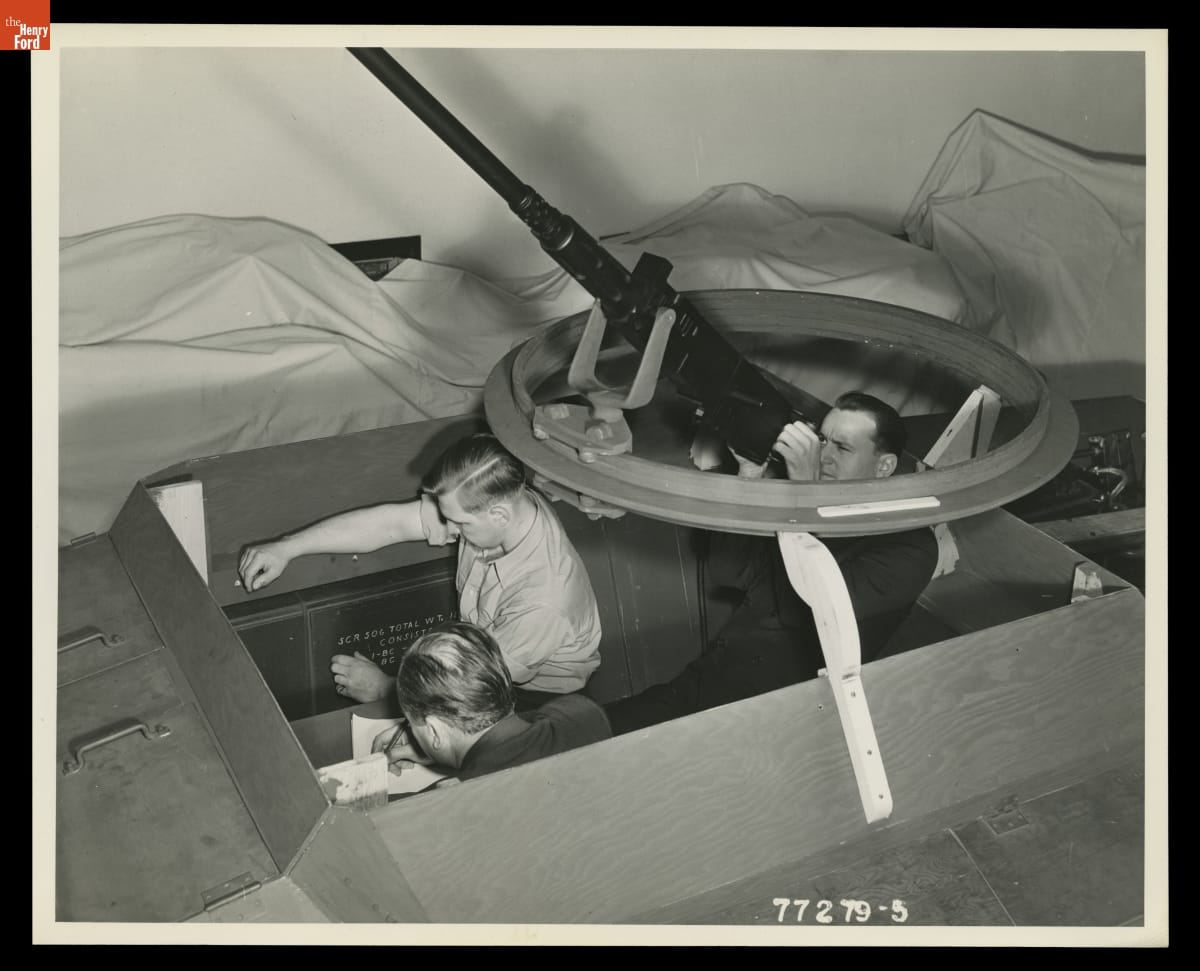
- December 16, 1942
- Collections - Artifact
Wooden Model of Ford Motor Company T22 Prototype Armored Car, November 1942
Like other American automakers, Ford Motor Company manufactured vehicles and materiel for the Allies during World War II. Ford engineers designed the T22 armored car as a comparatively small and lightweight scouting vehicle. After tests and further modifications, it was designated the M8. Ford built more than 8,000 of these armored cars from 1943 to 1945.