
Search
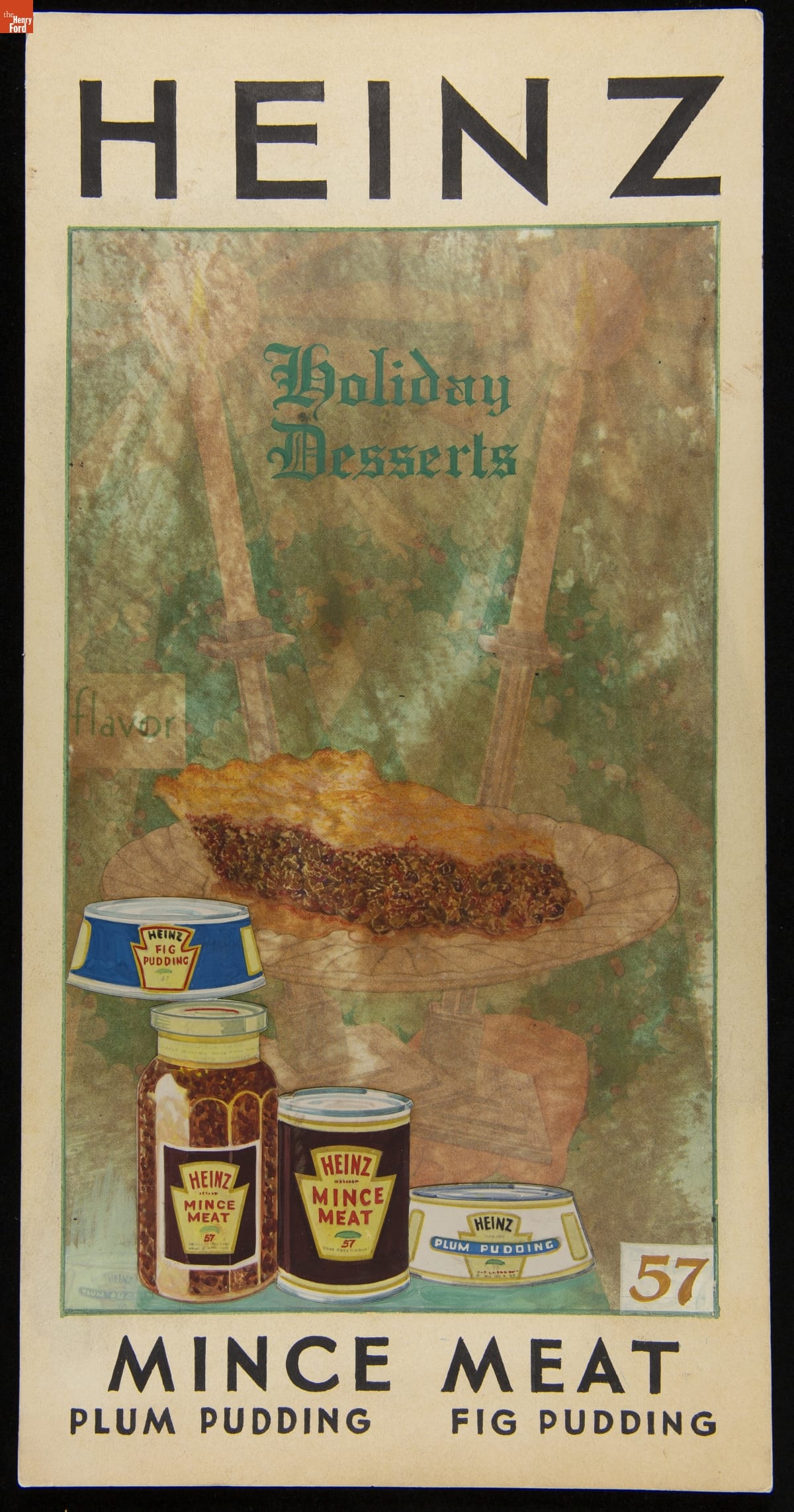
- Advertising Layout for Heinz Mince Meat, Plum Pudding and Fig Pudding, 1920-1930 - The H.J. Heinz Company marketed its products everywhere from stores to various publications and even on streetcars. This advertising layout represents one of the steps in the marketing process in which the drawing or illustration, size, color, and arrangement are taken into consideration before the final advertisement is created.
- 1920-1930
- Collections - Artifact
Advertising Layout for Heinz Mince Meat, Plum Pudding and Fig Pudding, 1920-1930
The H.J. Heinz Company marketed its products everywhere from stores to various publications and even on streetcars. This advertising layout represents one of the steps in the marketing process in which the drawing or illustration, size, color, and arrangement are taken into consideration before the final advertisement is created.
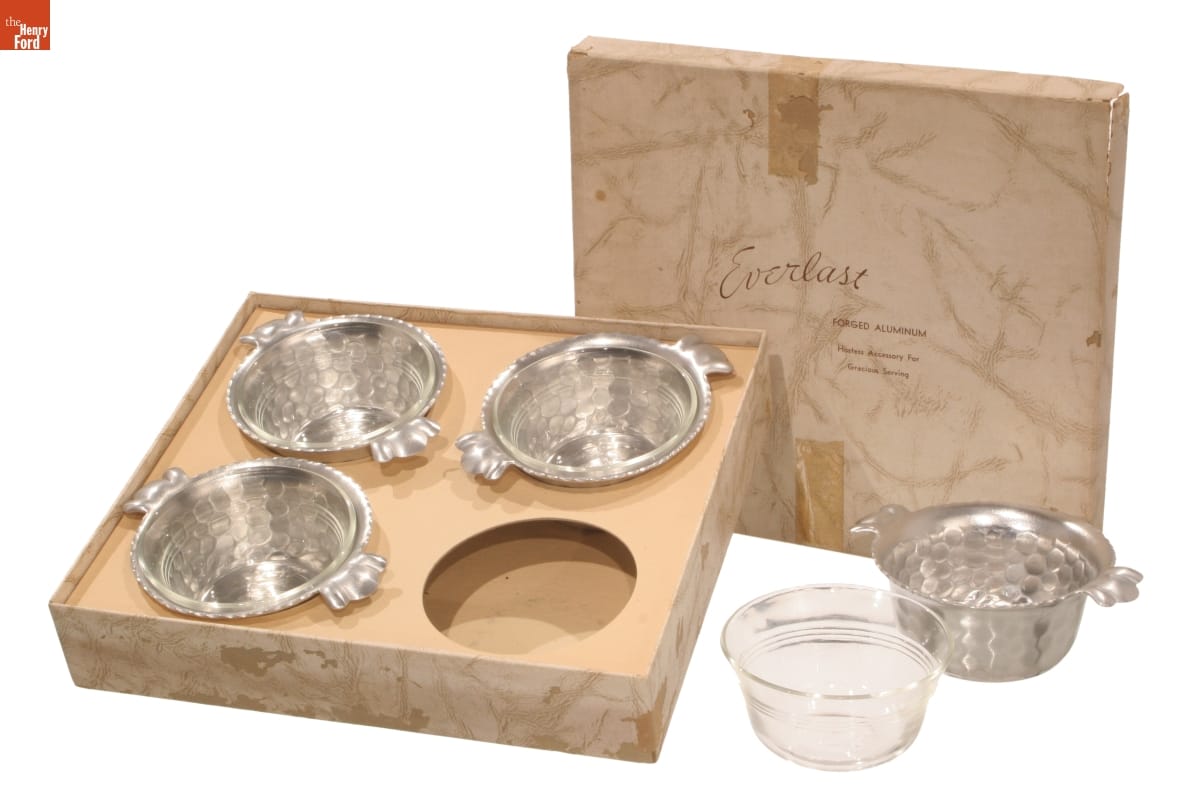
- Everlast "Forged" Custard Cups, 1947-1960 - In 1932, Louis Schnitzer and Nathan Gelfman formed Everlast Metal Products Corporation, producing high-quality, hand-forged aluminum giftware. In an era of growing uniformity via factory production, the "made by hand" aspect of these products held an aesthetic appeal for consumers. In 1933, Everlast introduced its first product line, "Forged Giftware" featuring Colonial Revival inspired designs.
- 1947-1960
- Collections - Artifact
Everlast "Forged" Custard Cups, 1947-1960
In 1932, Louis Schnitzer and Nathan Gelfman formed Everlast Metal Products Corporation, producing high-quality, hand-forged aluminum giftware. In an era of growing uniformity via factory production, the "made by hand" aspect of these products held an aesthetic appeal for consumers. In 1933, Everlast introduced its first product line, "Forged Giftware" featuring Colonial Revival inspired designs.
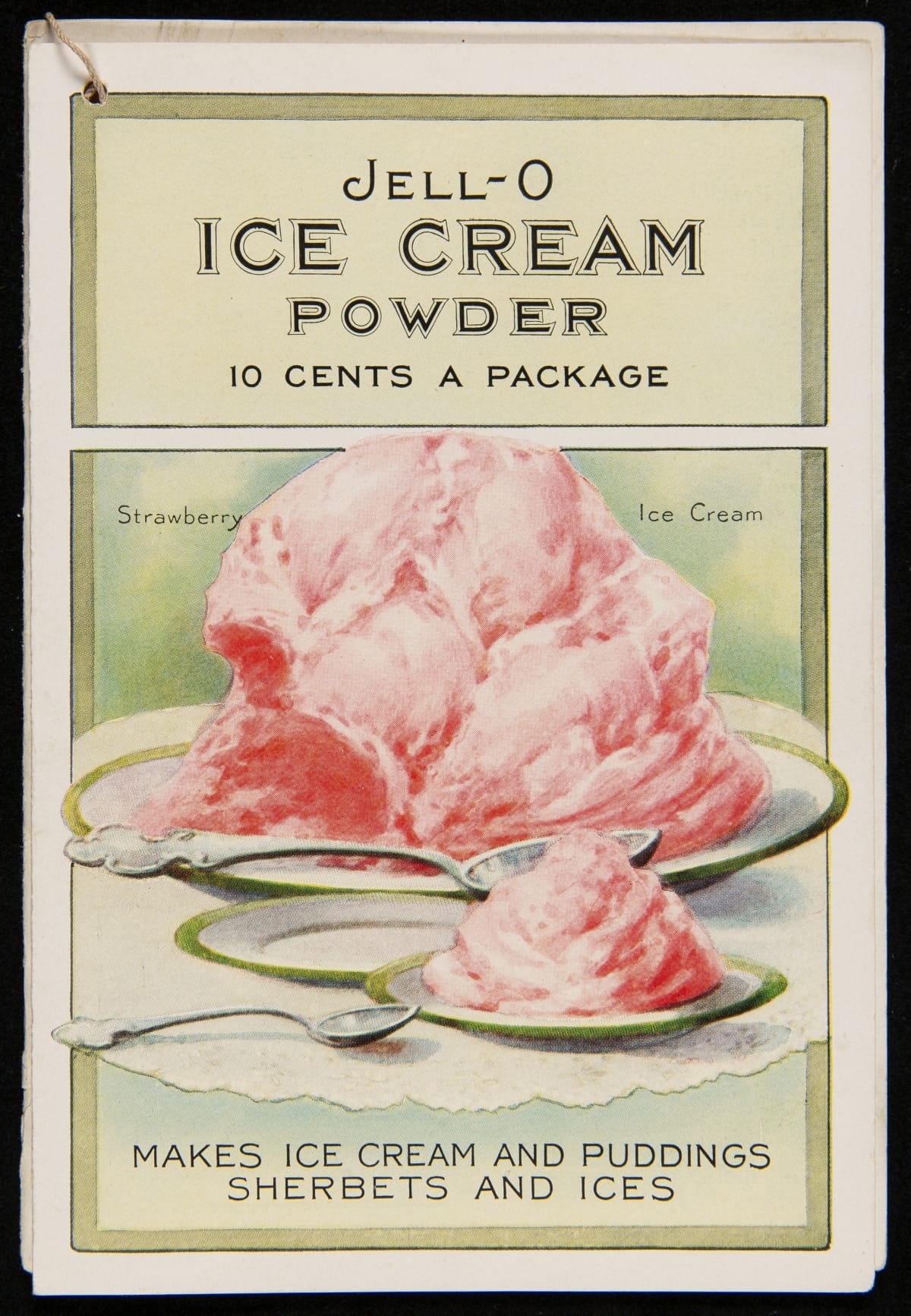
- Recipe Booklet, "Jell-O Ice Cream Powder," circa 1910 - In 1899, Orator F. Woodward acquired the rights to Jell-O from Pearle Wait, who had invented Jell-O when he added fruit flavoring and sugar to powdered gelatin in 1897. Woodward used recipe booklets to gather interest, which proved to be an invaluable marketing strategy. Additional Jell-O products included Jell-O Ice Cream Powder, in which homemakers could add milk and freeze it for a frozen treat.
- circa 1910
- Collections - Artifact
Recipe Booklet, "Jell-O Ice Cream Powder," circa 1910
In 1899, Orator F. Woodward acquired the rights to Jell-O from Pearle Wait, who had invented Jell-O when he added fruit flavoring and sugar to powdered gelatin in 1897. Woodward used recipe booklets to gather interest, which proved to be an invaluable marketing strategy. Additional Jell-O products included Jell-O Ice Cream Powder, in which homemakers could add milk and freeze it for a frozen treat.
- Recipe Booklet, "Jell-O Ice Cream Powder: Doesn't That Look Good?," circa 1910 - In 1899, Orator F. Woodward acquired the rights to Jell-O from Pearle Wait, who had invented Jell-O when he added fruit flavoring and sugar to powdered gelatin in 1897. Woodward used recipe booklets to gather interest, which proved to be an invaluable marketing strategy. Additional Jell-O products included Jell-O Ice Cream Powder, in which homemakers could add milk and freeze it for a frozen treat.

- circa 1910
- Collections - Artifact
Recipe Booklet, "Jell-O Ice Cream Powder: Doesn't That Look Good?," circa 1910
In 1899, Orator F. Woodward acquired the rights to Jell-O from Pearle Wait, who had invented Jell-O when he added fruit flavoring and sugar to powdered gelatin in 1897. Woodward used recipe booklets to gather interest, which proved to be an invaluable marketing strategy. Additional Jell-O products included Jell-O Ice Cream Powder, in which homemakers could add milk and freeze it for a frozen treat.
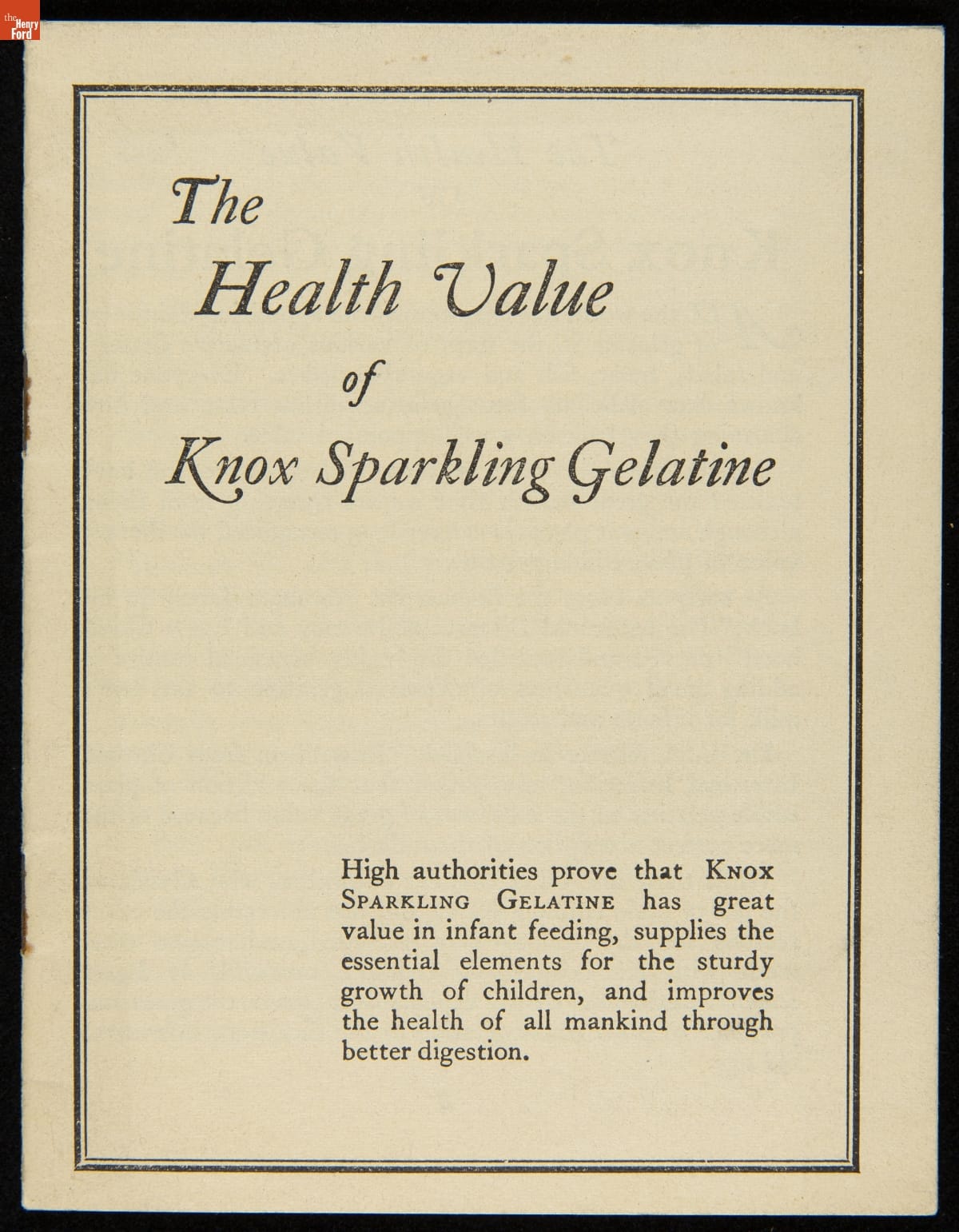
- Recipe Booklet,"The Health Value of Knox Sparkling Gelatine," 1924 - Charles B. Knox revolutionized the use of gelatin in 1889 when he developed a method for granulating gelatin (before this, gelatin was sold in sheet form). When Knox passed away in 1908, his wife Rose took over the Knox Gelatine company, marketing its unflavored "sparkling gelatin" to American housewives. This booklet from 1924 highlights the health benefits of eating Knox Sparkling Gelatine.
- 1924
- Collections - Artifact
Recipe Booklet,"The Health Value of Knox Sparkling Gelatine," 1924
Charles B. Knox revolutionized the use of gelatin in 1889 when he developed a method for granulating gelatin (before this, gelatin was sold in sheet form). When Knox passed away in 1908, his wife Rose took over the Knox Gelatine company, marketing its unflavored "sparkling gelatin" to American housewives. This booklet from 1924 highlights the health benefits of eating Knox Sparkling Gelatine.
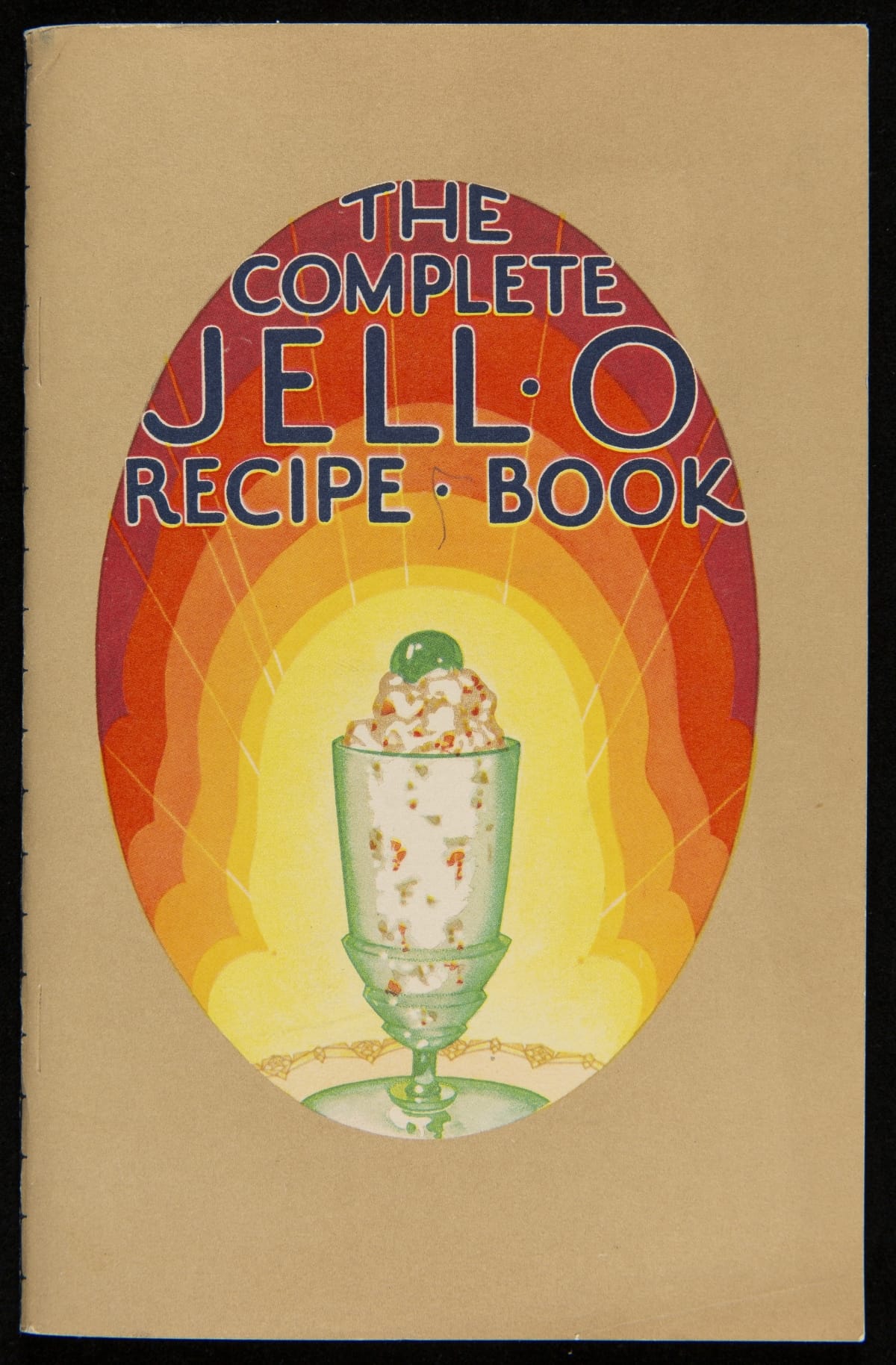
- Recipe Booklet, "The Complete Jell-O Recipe Book," 1929 - In 1899, Orator F. Woodward acquired the rights to Jell-O from Pearle Wait, who had invented Jell-O when he added fruit flavoring and sugar to powdered gelatin in 1897. While Wait was unable to market his product, Woodward used recipe booklets to gather interest. The booklets proved to be an invaluable marketing strategy, providing homemakers with creative uses for the ready-made product.
- 1929
- Collections - Artifact
Recipe Booklet, "The Complete Jell-O Recipe Book," 1929
In 1899, Orator F. Woodward acquired the rights to Jell-O from Pearle Wait, who had invented Jell-O when he added fruit flavoring and sugar to powdered gelatin in 1897. While Wait was unable to market his product, Woodward used recipe booklets to gather interest. The booklets proved to be an invaluable marketing strategy, providing homemakers with creative uses for the ready-made product.
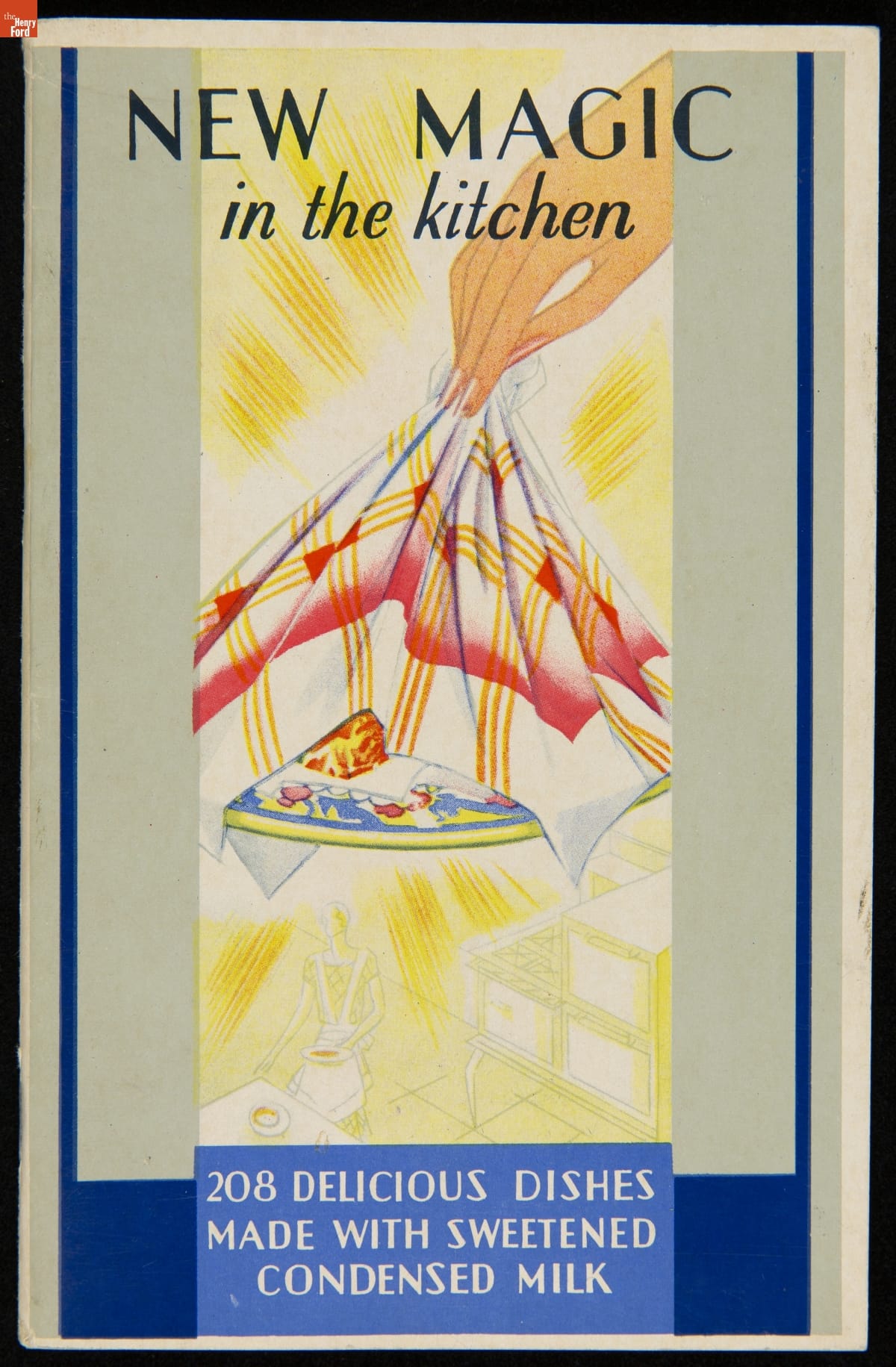
- Recipe Booklet, "New Magic In the Kitchen: 208 Delicious Dishes Made with Sweetened Condensed Milk," circa 1927 -
- circa 1927
- Collections - Artifact
Recipe Booklet, "New Magic In the Kitchen: 208 Delicious Dishes Made with Sweetened Condensed Milk," circa 1927
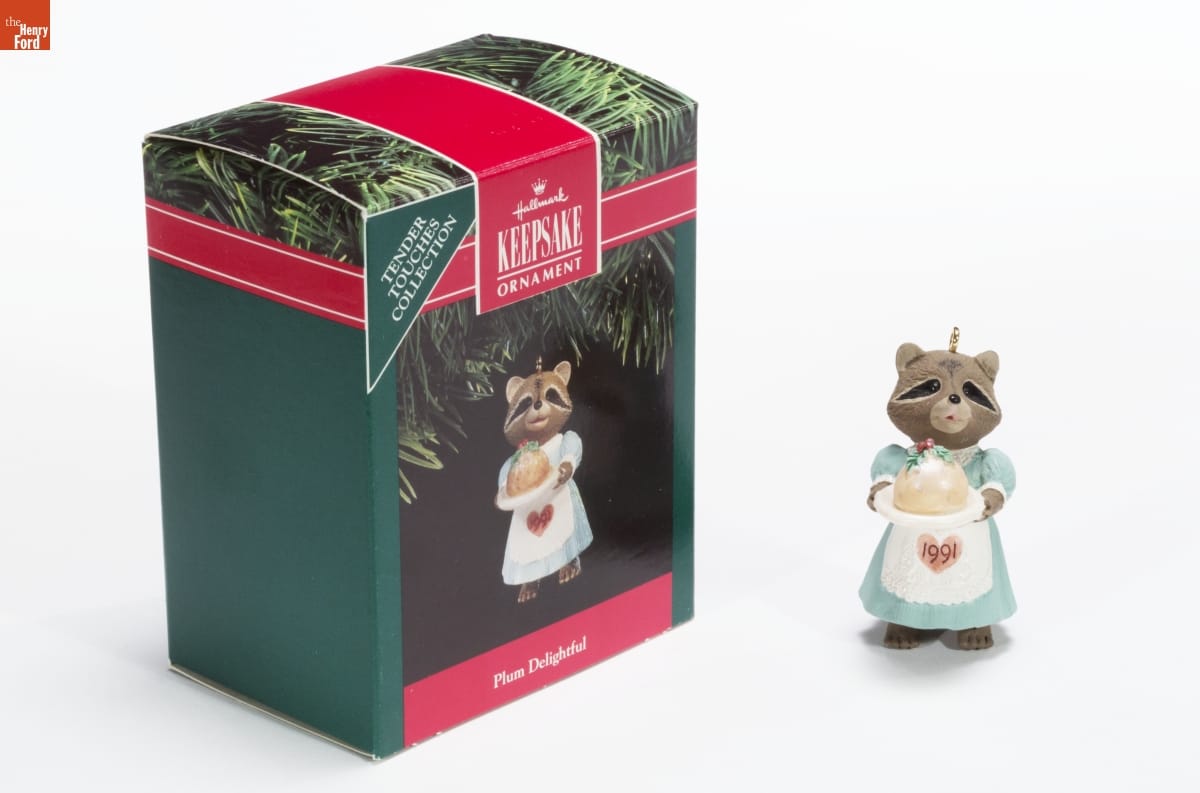
- Hallmark "Tender Touches: Plum Delightful" Christmas Ornament, 1991 - Already known for greeting cards, Hallmark introduced a line of Christmas ornaments in 1973. The company's annual release of an increasing array of ornaments revolutionized Christmas decorating, appealing to customers' interest in marking memories and milestones as well as expressing one's personality and unique tastes.
- 1991
- Collections - Artifact
Hallmark "Tender Touches: Plum Delightful" Christmas Ornament, 1991
Already known for greeting cards, Hallmark introduced a line of Christmas ornaments in 1973. The company's annual release of an increasing array of ornaments revolutionized Christmas decorating, appealing to customers' interest in marking memories and milestones as well as expressing one's personality and unique tastes.
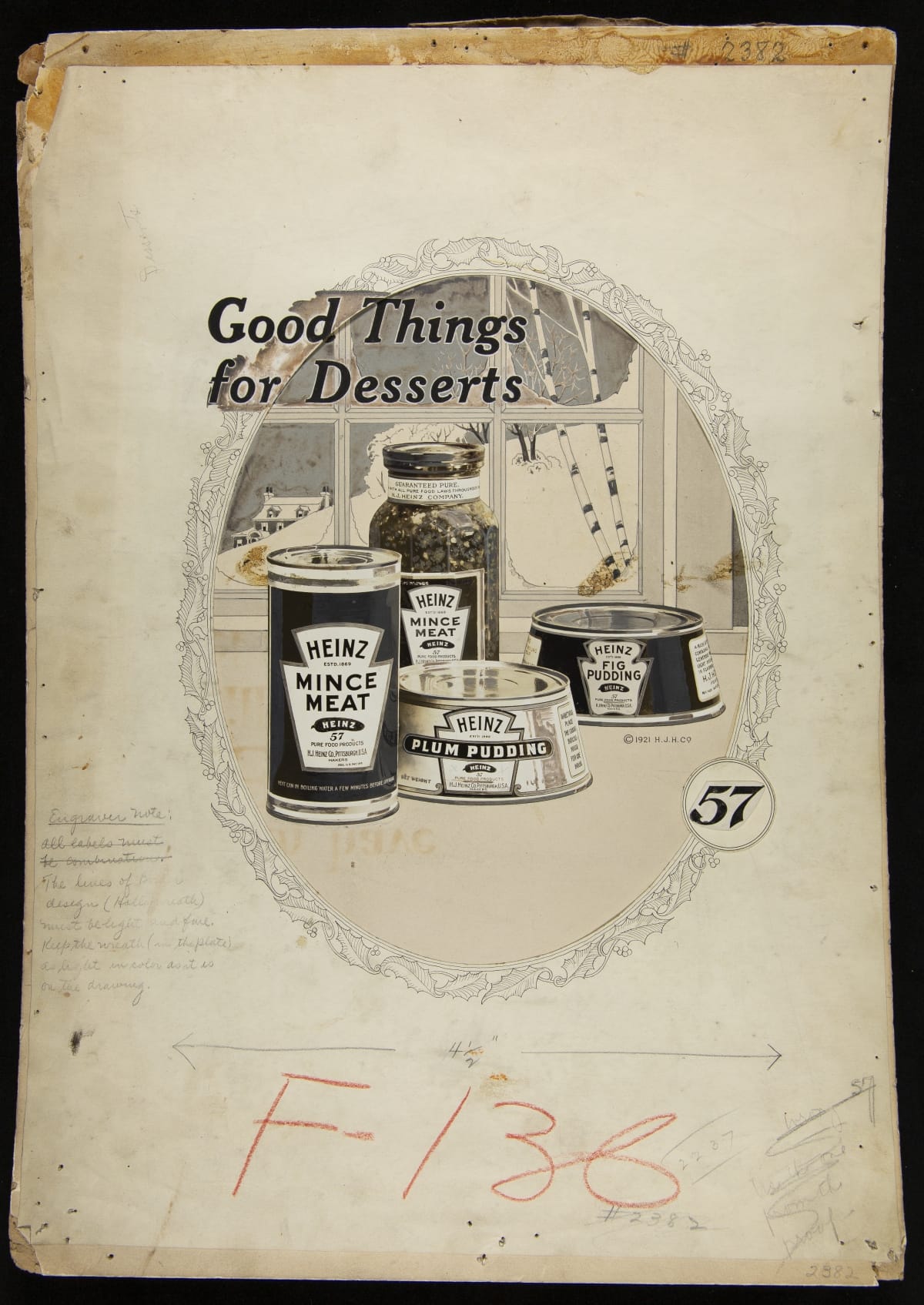
- Heinz Advertising Layout, "Good Things for Desserts," 1921 - The H.J. Heinz Company employed ambitious and comprehensive advertising strategies to meet consumers at home, in stores, and everywhere in between. Drawings, illustrations and modified photographs of Heinz products were often used for advertising and in publications. This advertising layout represents a step in the marketing process where the size and arrangement are taken into consideration before the final advertisement is created.
- 1921
- Collections - Artifact
Heinz Advertising Layout, "Good Things for Desserts," 1921
The H.J. Heinz Company employed ambitious and comprehensive advertising strategies to meet consumers at home, in stores, and everywhere in between. Drawings, illustrations and modified photographs of Heinz products were often used for advertising and in publications. This advertising layout represents a step in the marketing process where the size and arrangement are taken into consideration before the final advertisement is created.
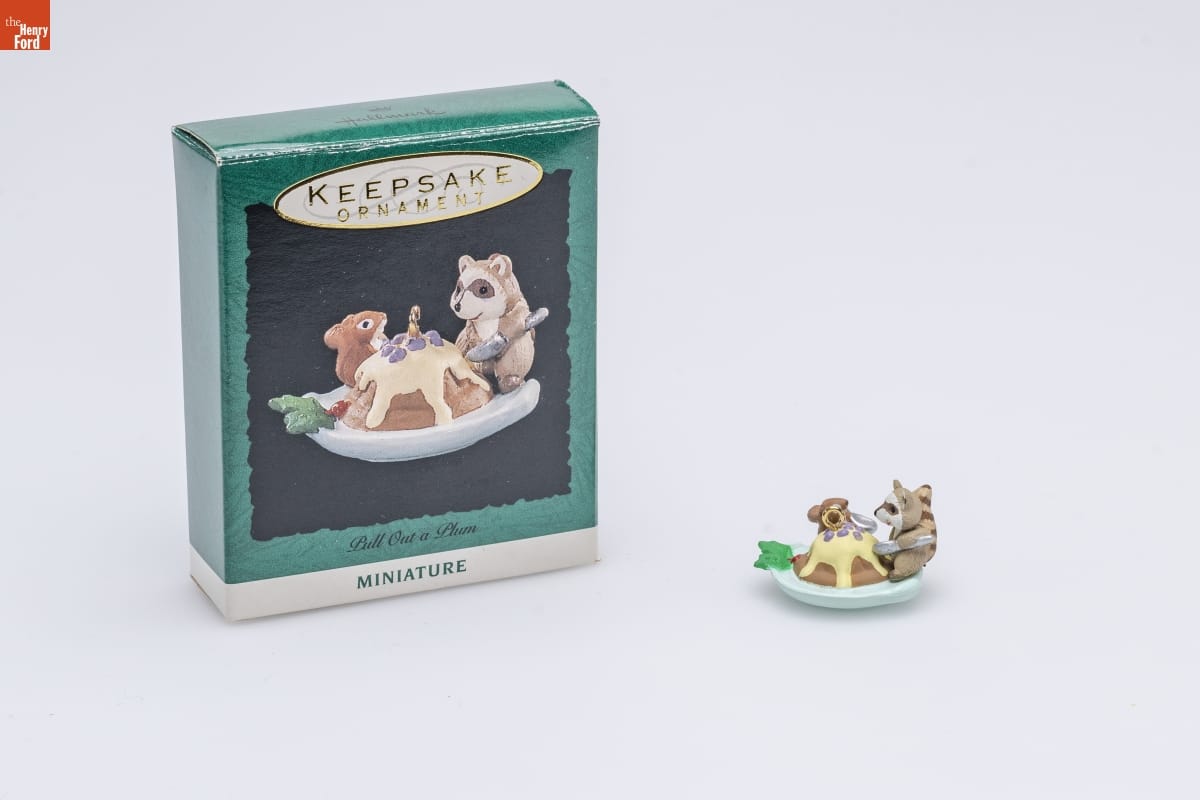
- Hallmark "Pull Out a Plum" Miniature Christmas Ornament, 1993 - Already known for greeting cards, Hallmark introduced a line of Christmas ornaments in 1973. The company's annual release of an increasing array of ornaments revolutionized Christmas decorating, appealing to customers' interest in marking memories and milestones as well as expressing one's personality and unique tastes.
- 1993
- Collections - Artifact
Hallmark "Pull Out a Plum" Miniature Christmas Ornament, 1993
Already known for greeting cards, Hallmark introduced a line of Christmas ornaments in 1973. The company's annual release of an increasing array of ornaments revolutionized Christmas decorating, appealing to customers' interest in marking memories and milestones as well as expressing one's personality and unique tastes.