
Search
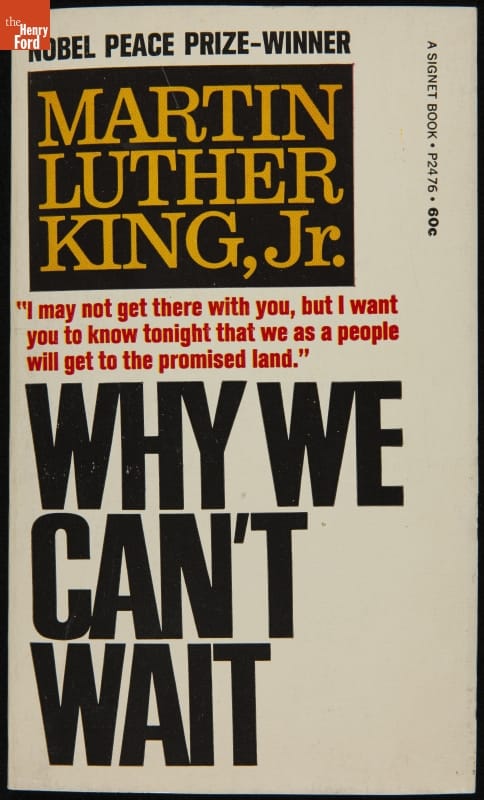
- "Why We Can't Wait," 1964 -
- 1964
- Collections - Artifact
"Why We Can't Wait," 1964
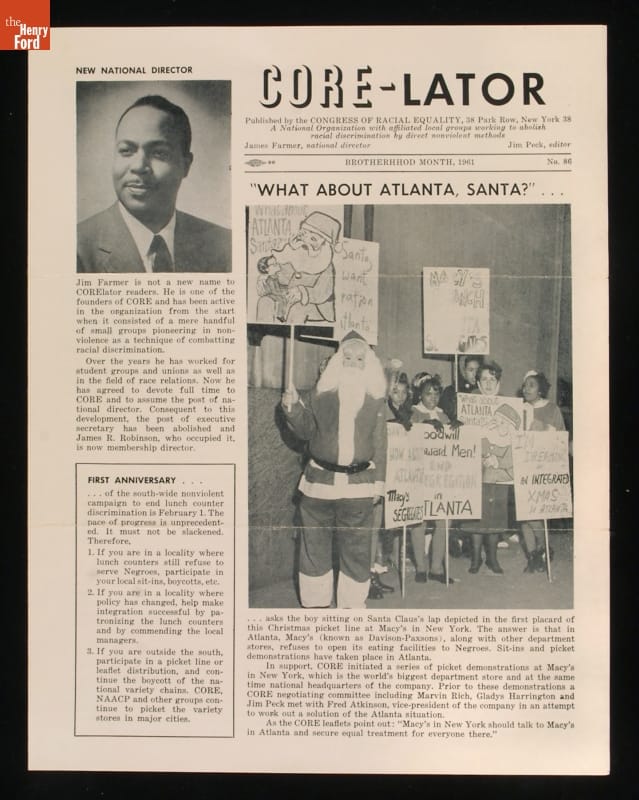
- "CORE-Lator" Magazine, No. 86, February 1961 - The Congress of Racial Equality (CORE), founded in 1942, pioneered nonviolent civil rights activism. Members organized and participated in many sit-ins, freedom rides and other nonviolent actions during the Civil Rights era. This newsletter from 1961 pictures Jim Farmer, one of the founders of CORE, and informs readers about the continuing struggle to desegregate lunch counters throughout the country.
- February 01, 1961
- Collections - Artifact
"CORE-Lator" Magazine, No. 86, February 1961
The Congress of Racial Equality (CORE), founded in 1942, pioneered nonviolent civil rights activism. Members organized and participated in many sit-ins, freedom rides and other nonviolent actions during the Civil Rights era. This newsletter from 1961 pictures Jim Farmer, one of the founders of CORE, and informs readers about the continuing struggle to desegregate lunch counters throughout the country.
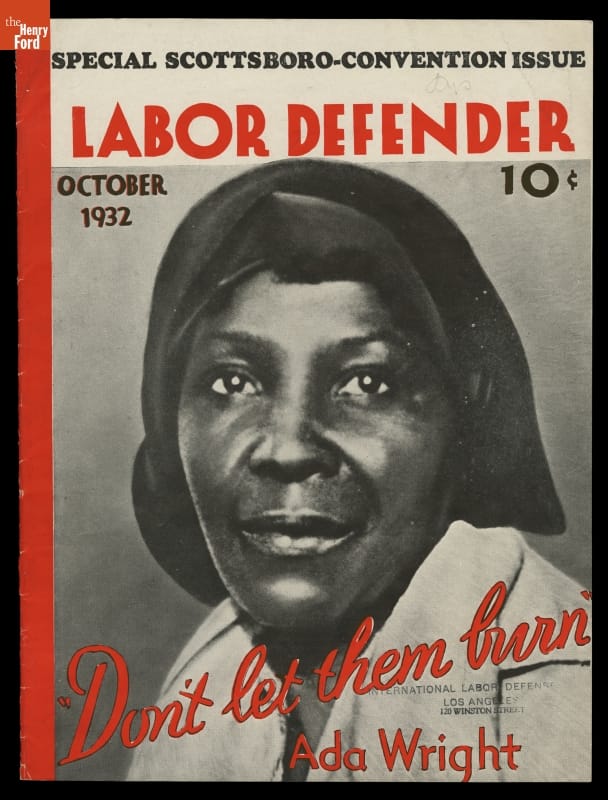
- Magazine, "Labor Defender; Special Scottsboro - Convention Issue," October 1932 - In 1931, nine black youths were unjustly accused of raping two white women in Alabama. White juries quickly convicted and sentenced eight of the defendants to death. The cover of this 1932 issue of the Labor Defender, a publication of the International Labor Defense, contains a plea for public support from the mother of two of the "Scottsboro Boys."
- October 01, 1932
- Collections - Artifact
Magazine, "Labor Defender; Special Scottsboro - Convention Issue," October 1932
In 1931, nine black youths were unjustly accused of raping two white women in Alabama. White juries quickly convicted and sentenced eight of the defendants to death. The cover of this 1932 issue of the Labor Defender, a publication of the International Labor Defense, contains a plea for public support from the mother of two of the "Scottsboro Boys."
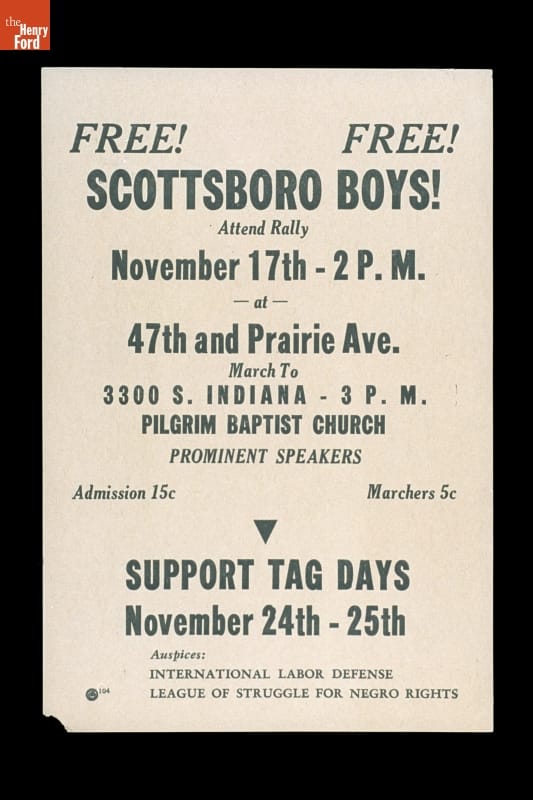
- Handbill for a Rally in Support of the Scottsboro Boys, Pilgrim Baptist Church, Chicago, Illinois, November 17, 1933 - In 1931, nine black youths were unjustly accused of raping two white women in Alabama. White juries quickly convicted and sentenced eight of the defendants to death. The International Labor Defense, the legal arm of the Communist Party of the United States, issued this handbill to rally public support to combat this injustice and to free the "Scottsboro Boys."
- November 17, 1933
- Collections - Artifact
Handbill for a Rally in Support of the Scottsboro Boys, Pilgrim Baptist Church, Chicago, Illinois, November 17, 1933
In 1931, nine black youths were unjustly accused of raping two white women in Alabama. White juries quickly convicted and sentenced eight of the defendants to death. The International Labor Defense, the legal arm of the Communist Party of the United States, issued this handbill to rally public support to combat this injustice and to free the "Scottsboro Boys."
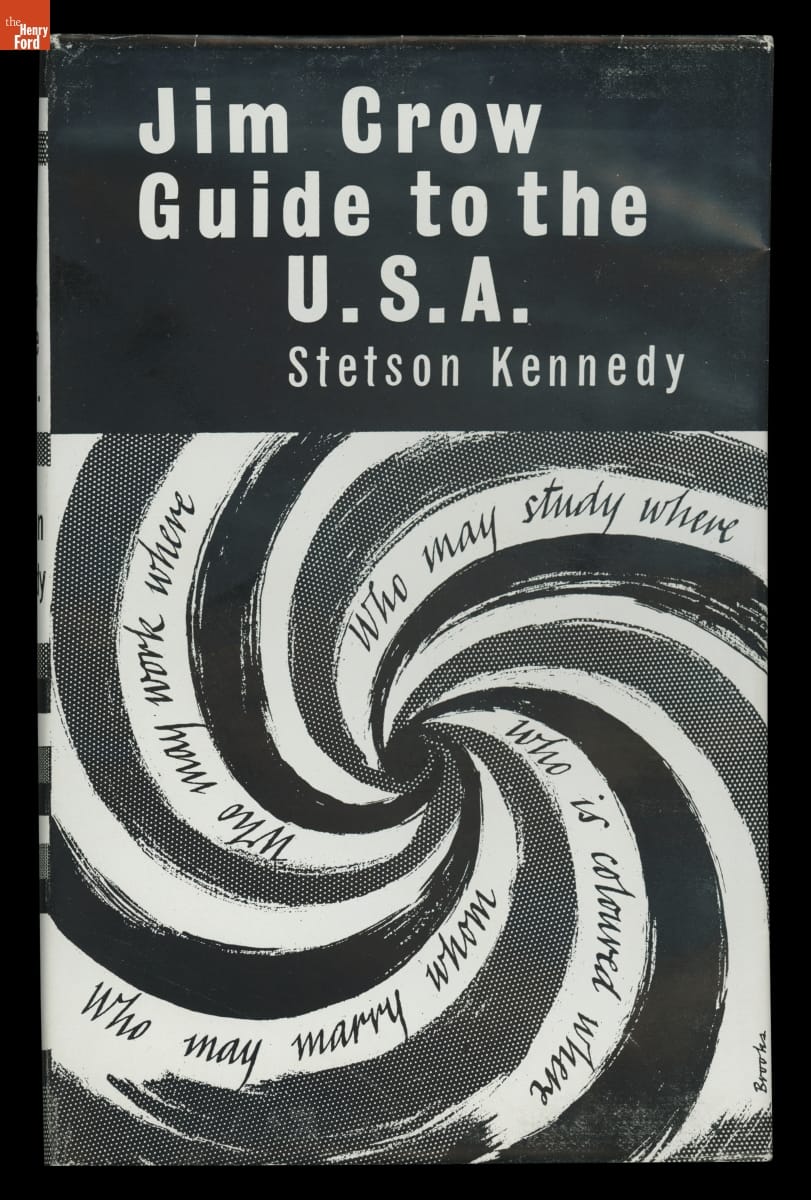
- "Jim Crow Guide to the U.S.A.," 1959 - Activist, folklorist and author Stetson Kennedy exposed American racism in his book <EM>Jim Crow Guide to the U.S.A.</EM> First published in France in 1956 -- he could find no American publisher to take on the project -- this mock guidebook uncovered the reach of Jim Crow inequality. Kennedy examined a number of areas including where one could live, work, travel, eat, sleep or study.
- 1959
- Collections - Artifact
"Jim Crow Guide to the U.S.A.," 1959
Activist, folklorist and author Stetson Kennedy exposed American racism in his book Jim Crow Guide to the U.S.A. First published in France in 1956 -- he could find no American publisher to take on the project -- this mock guidebook uncovered the reach of Jim Crow inequality. Kennedy examined a number of areas including where one could live, work, travel, eat, sleep or study.
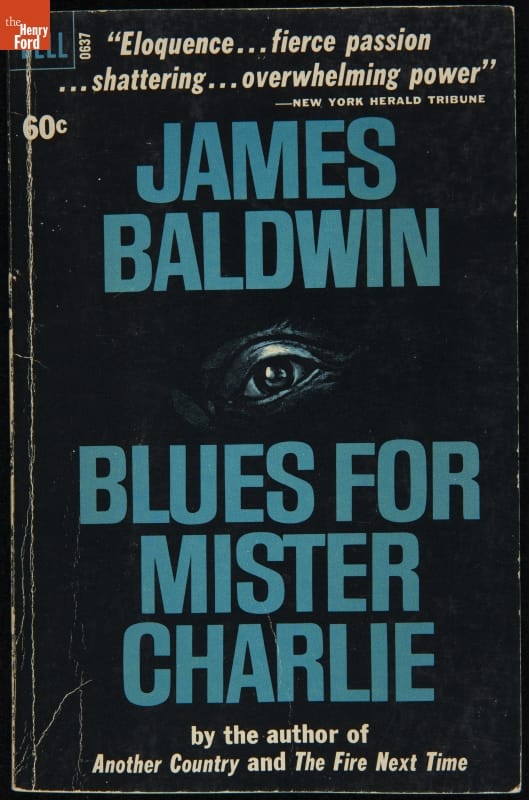
- Drama, "Blues for Mister Charlie," 1964 -
- 1964
- Collections - Artifact
Drama, "Blues for Mister Charlie," 1964
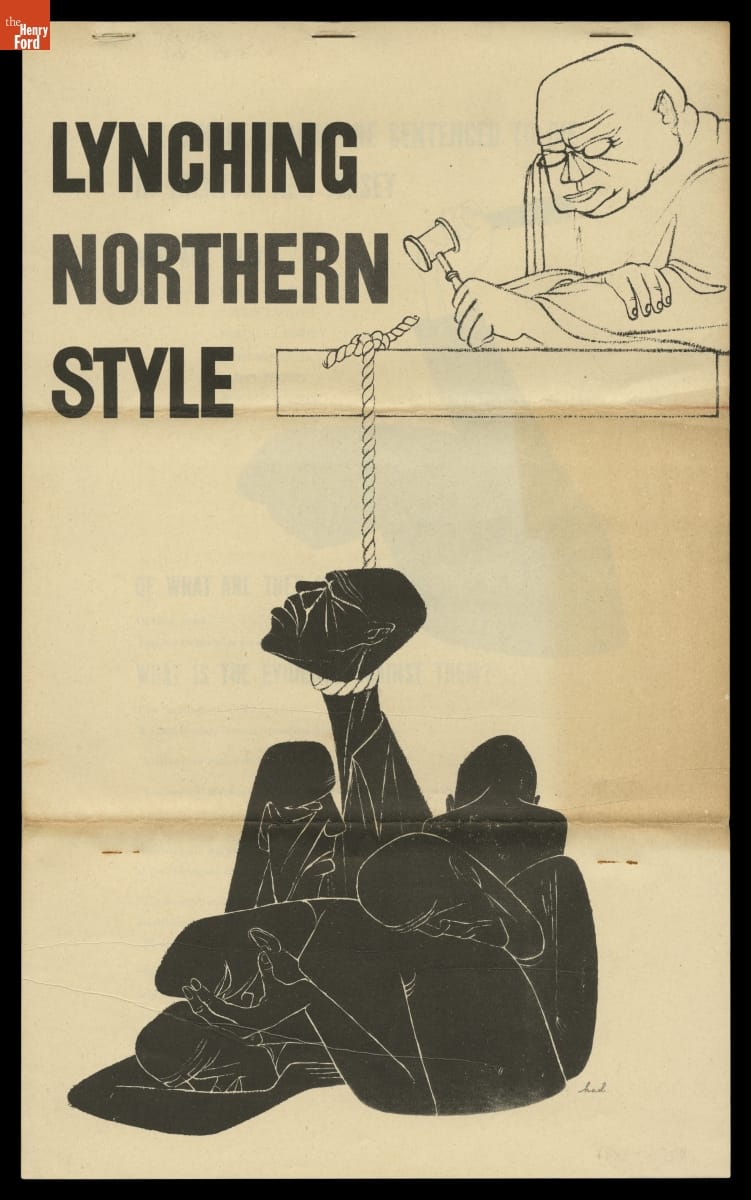
- "Lynching Northern Style," June 1949 -
- June 01, 1949
- Collections - Artifact
"Lynching Northern Style," June 1949
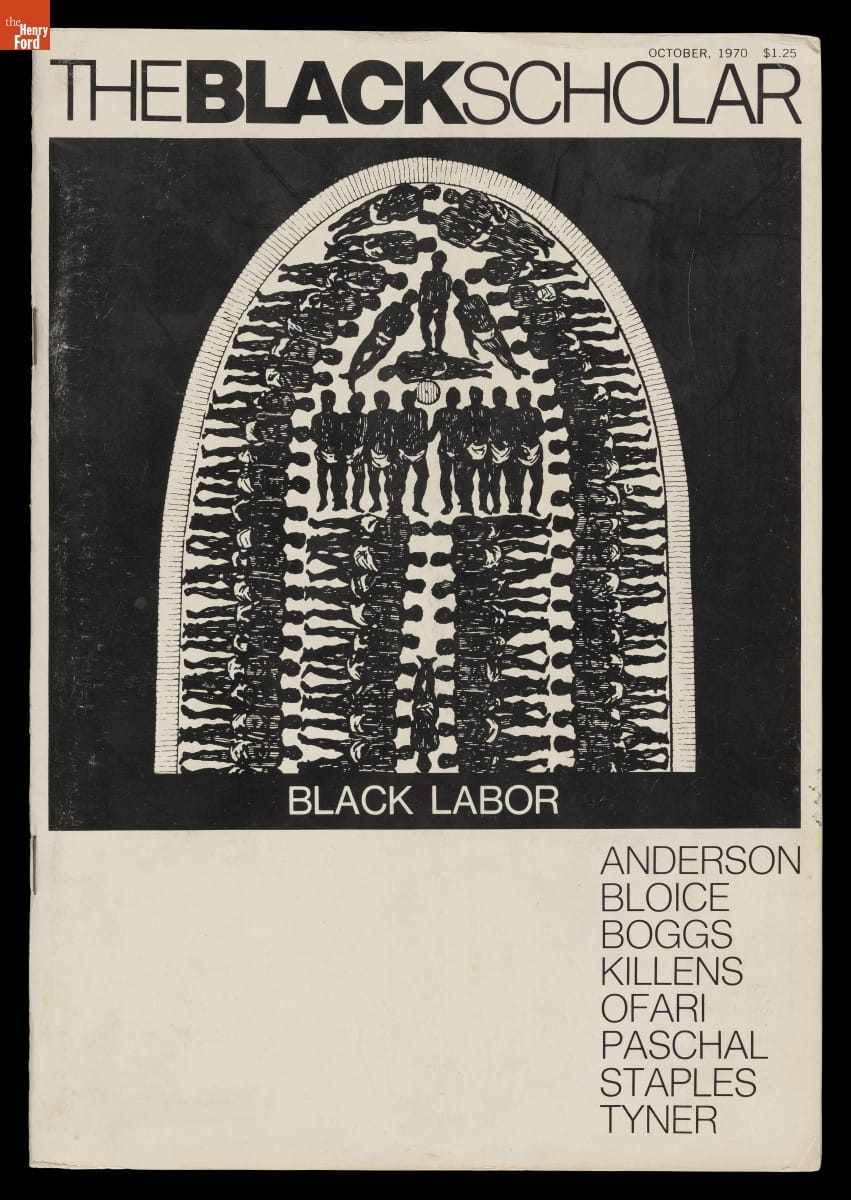
- "The Black Scholar," October 1970 Issue, "Black Labor" - In 1969, in the wake of a growing interest in Black American history and culture, Robert Christman and Nathan Hare -- former professors from San Francisco State College -- started <i>The Black Scholar</i>. It was the first scholastic journal that focused on Black, Africana, and Diaspora studies. <i>The Black Scholar</i> has published papers and other works by famous academics, political thinkers, and authors.
- October 01, 1970
- Collections - Artifact
"The Black Scholar," October 1970 Issue, "Black Labor"
In 1969, in the wake of a growing interest in Black American history and culture, Robert Christman and Nathan Hare -- former professors from San Francisco State College -- started The Black Scholar. It was the first scholastic journal that focused on Black, Africana, and Diaspora studies. The Black Scholar has published papers and other works by famous academics, political thinkers, and authors.
- Picketers in Support of Hiring Black Workers for Ford Motor Company, 1942 -
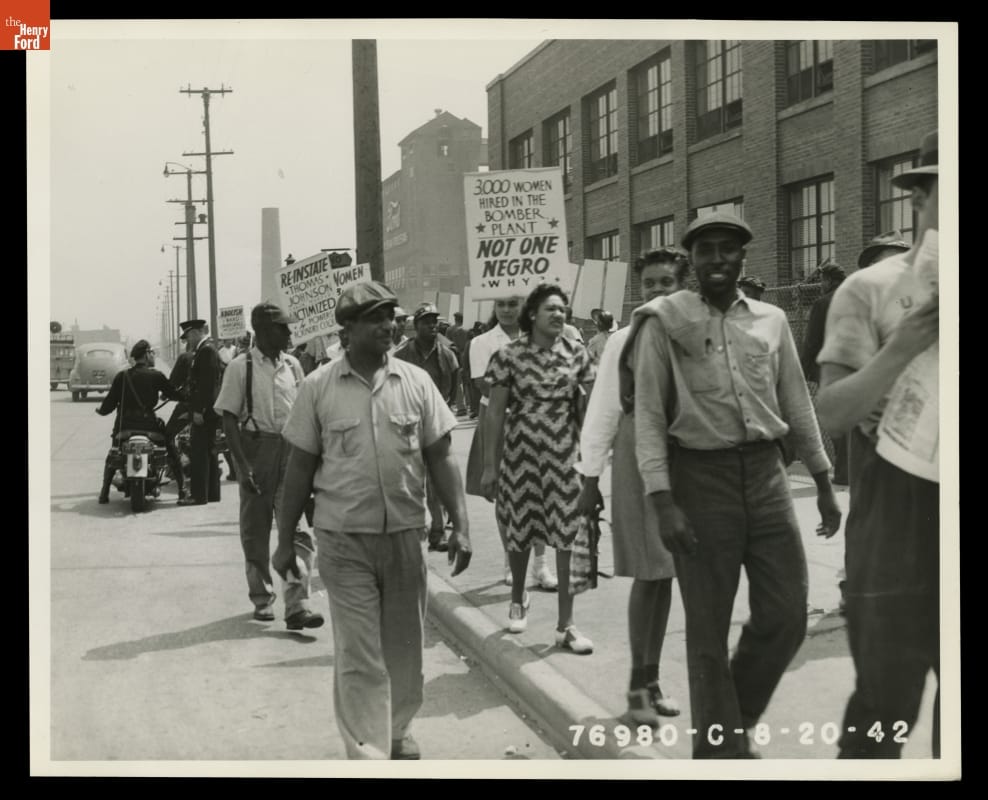
- August 20, 1942
- Collections - Artifact
Picketers in Support of Hiring Black Workers for Ford Motor Company, 1942
- Picketers in Support of Hiring Black Workers for Ford Motor Company, 1942 -
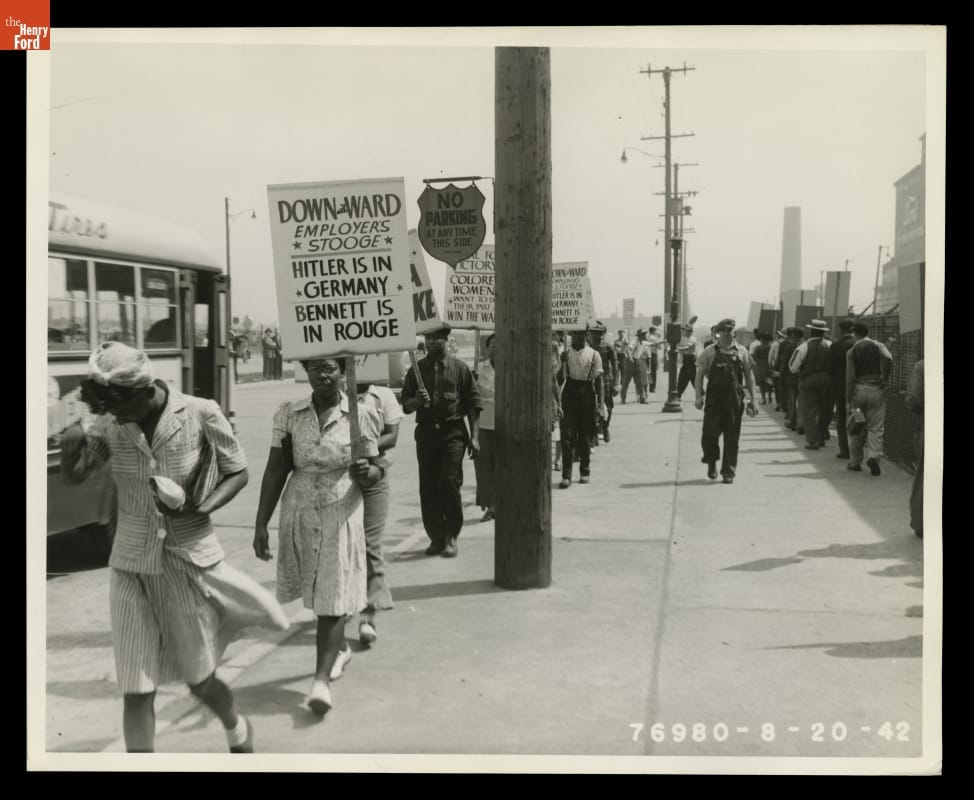
- August 20, 1942
- Collections - Artifact
Picketers in Support of Hiring Black Workers for Ford Motor Company, 1942