
Search
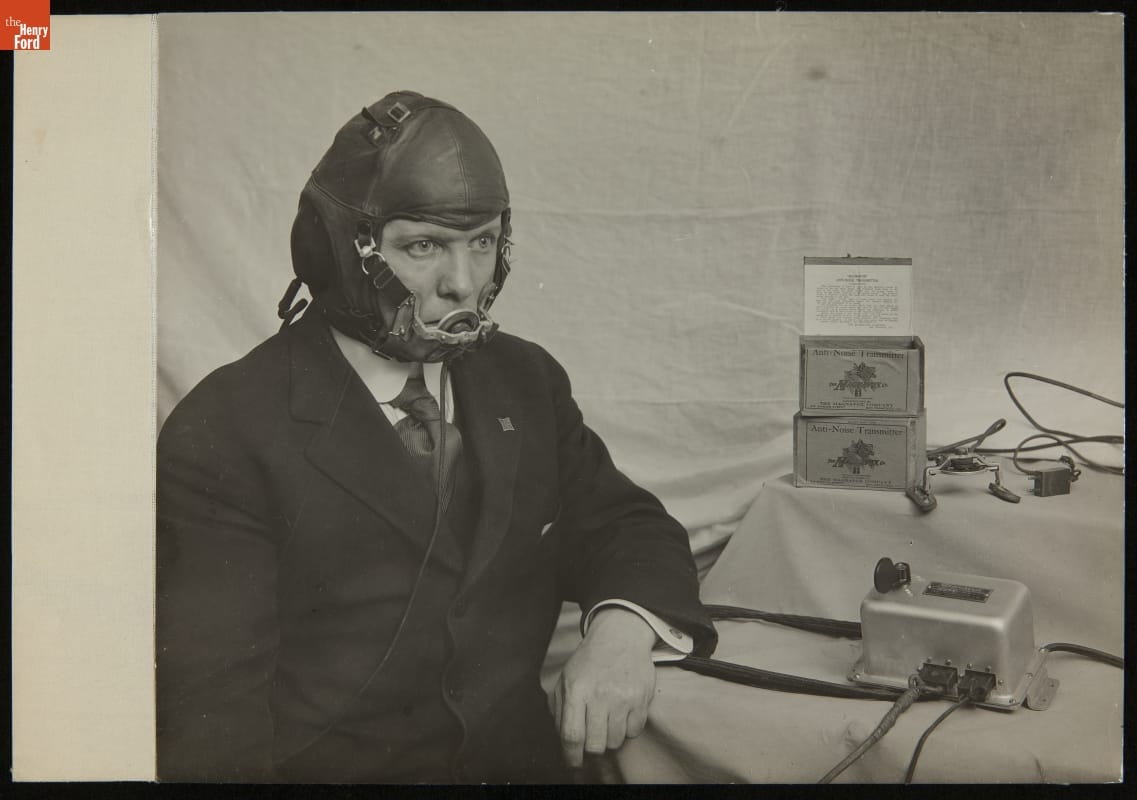
- Edwin S. Pridham Testing the Magnavox Anti-Noise Transmitter, 1919 -
- 1919
- Collections - Artifact
Edwin S. Pridham Testing the Magnavox Anti-Noise Transmitter, 1919
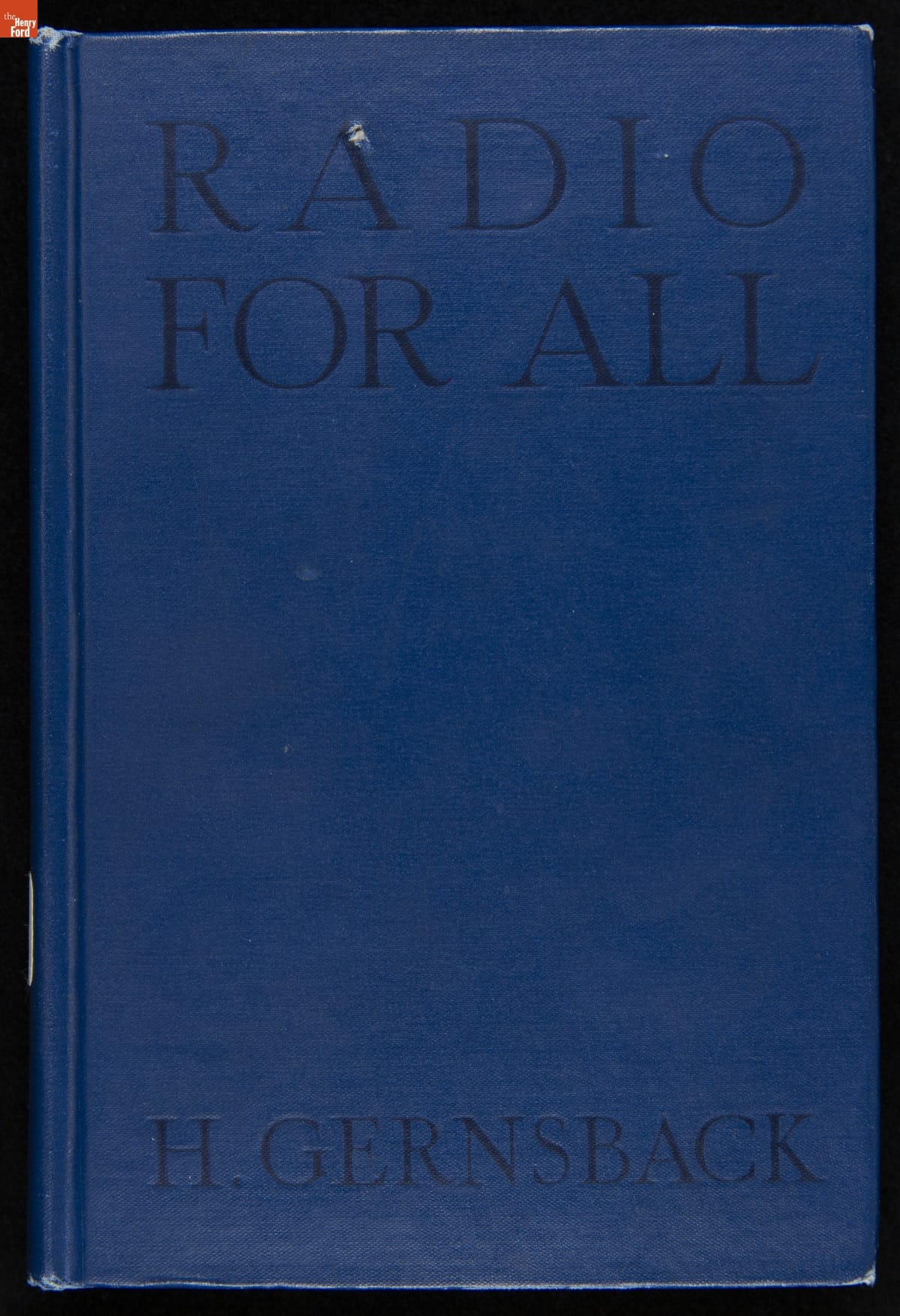
- Radio for All, 1922 - Hugo Gernsback was the publisher of the first science fiction and radio electronics magazines. His 1922 book "Radio for All" is an accessible primer on radio history and operation. In it, he also imagined a holistic, technology-driven future where radio waves controlled aircraft and autonomous ships, delivered newspapers, acted as telemedicine and radiotelephone portals -- and even powered roller skates!
- 1922
- Collections - Artifact
Radio for All, 1922
Hugo Gernsback was the publisher of the first science fiction and radio electronics magazines. His 1922 book "Radio for All" is an accessible primer on radio history and operation. In it, he also imagined a holistic, technology-driven future where radio waves controlled aircraft and autonomous ships, delivered newspapers, acted as telemedicine and radiotelephone portals -- and even powered roller skates!
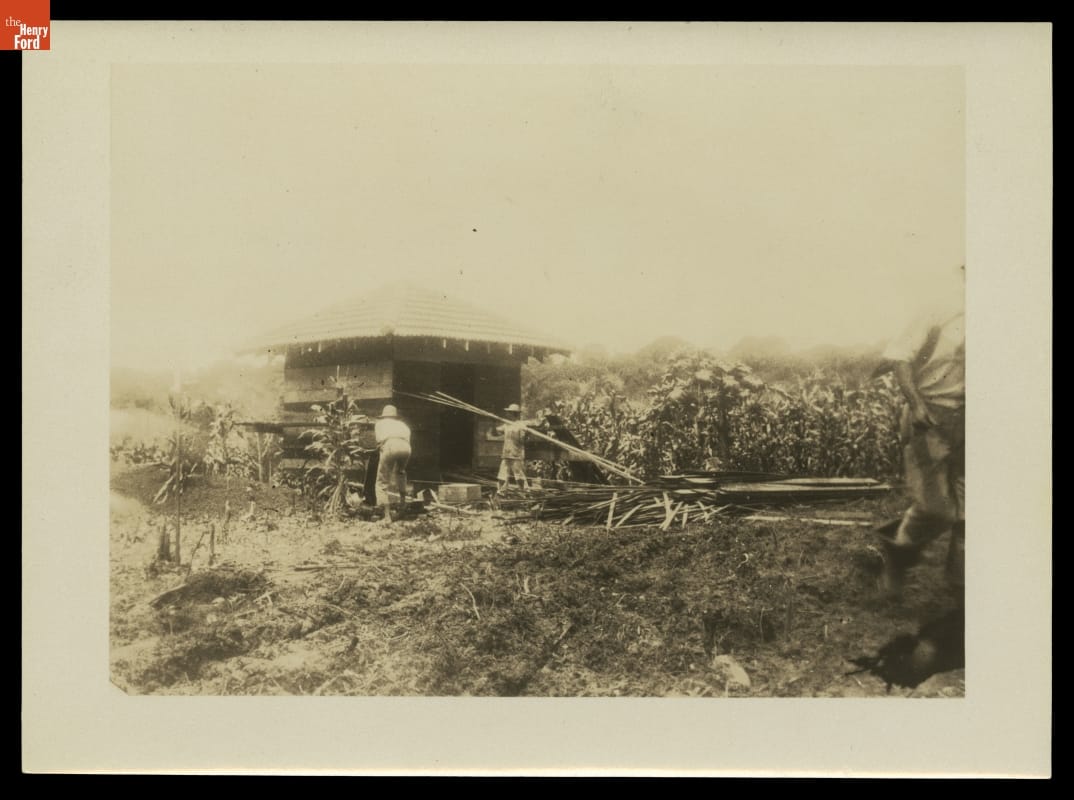
- Construction of Radio Transmitter House, Fordlandia, Brazil, March 1929 -
- March 23, 1929
- Collections - Artifact
Construction of Radio Transmitter House, Fordlandia, Brazil, March 1929
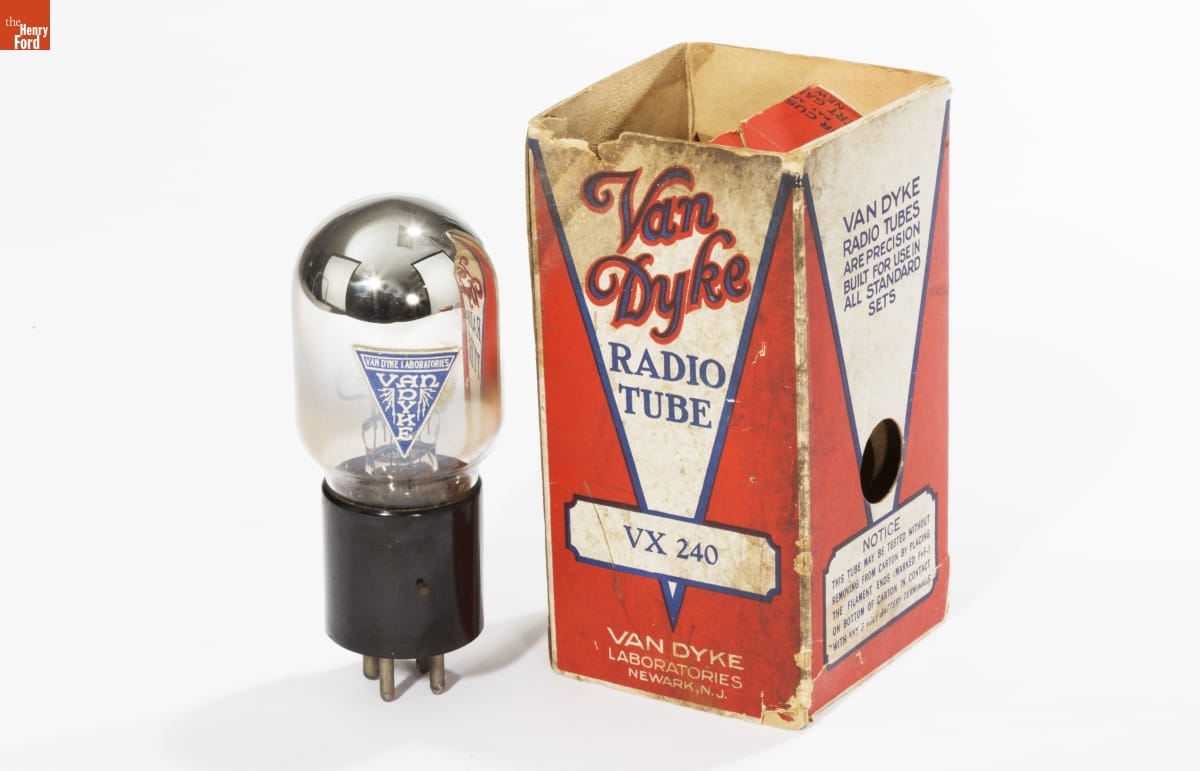
- Van Dyke VX40 Radio Tube -
- Collections - Artifact
Van Dyke VX40 Radio Tube
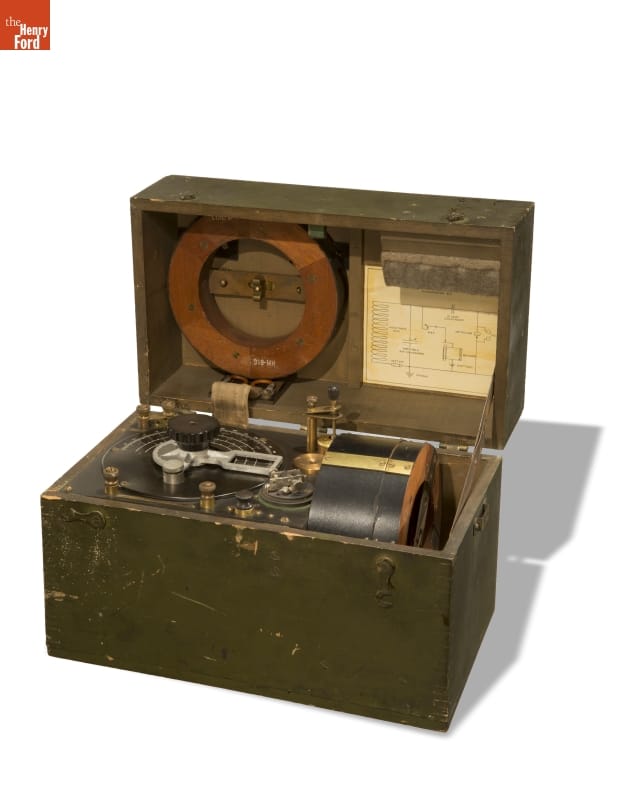
- Radio Wavemeter, Type SCR-61, 1918 - This wavemeter was likely developed by the US Army Signal Corp for military use. Its purpose is twofold: to detect the frequency of an incoming signal, and to check the frequency and harmonics of an outgoing signal. Early radio operators, working with multiple and specialized technical components, used wavemeters to determine the clarity and strength of their transmitters.
- August 27, 1918
- Collections - Artifact
Radio Wavemeter, Type SCR-61, 1918
This wavemeter was likely developed by the US Army Signal Corp for military use. Its purpose is twofold: to detect the frequency of an incoming signal, and to check the frequency and harmonics of an outgoing signal. Early radio operators, working with multiple and specialized technical components, used wavemeters to determine the clarity and strength of their transmitters.
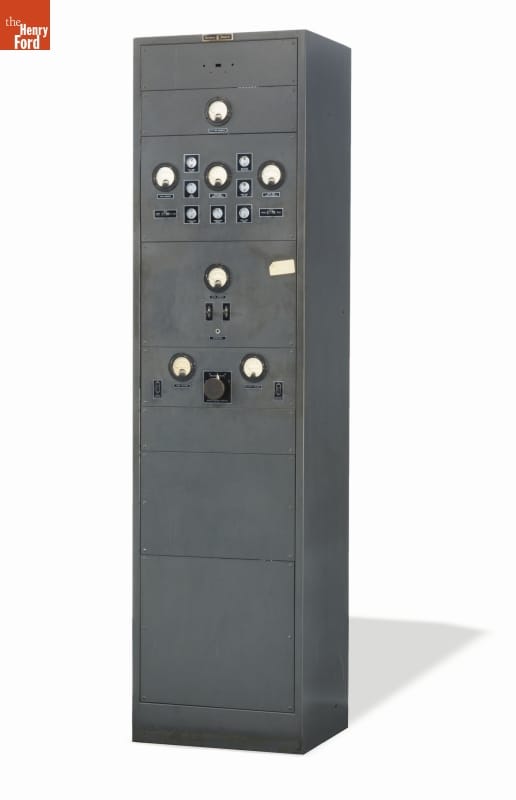
- Western Electric Model 16B Transmitter Used by Detroit News Station W8XWJ, circa 1935 -
- circa 1935
- Collections - Artifact
Western Electric Model 16B Transmitter Used by Detroit News Station W8XWJ, circa 1935
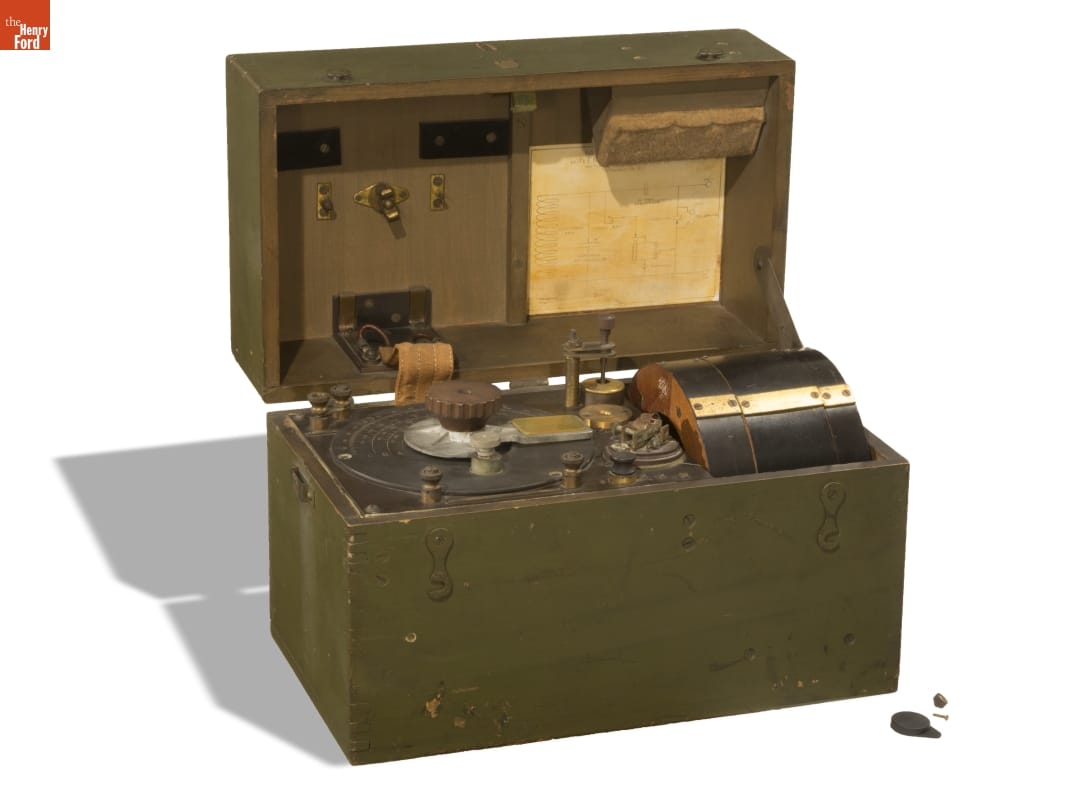
- Radio Wavemeter, Type SCR-61, 1918 - This wavemeter was likely developed by the US Army Signal Corp for military use. Its purpose is twofold: to detect the frequency of an incoming signal, and to check the frequency and harmonics of an outgoing signal. Early radio operators, working with multiple and specialized technical components, used wavemeters to determine the clarity and strength of their transmitters.
- circa 1918
- Collections - Artifact
Radio Wavemeter, Type SCR-61, 1918
This wavemeter was likely developed by the US Army Signal Corp for military use. Its purpose is twofold: to detect the frequency of an incoming signal, and to check the frequency and harmonics of an outgoing signal. Early radio operators, working with multiple and specialized technical components, used wavemeters to determine the clarity and strength of their transmitters.
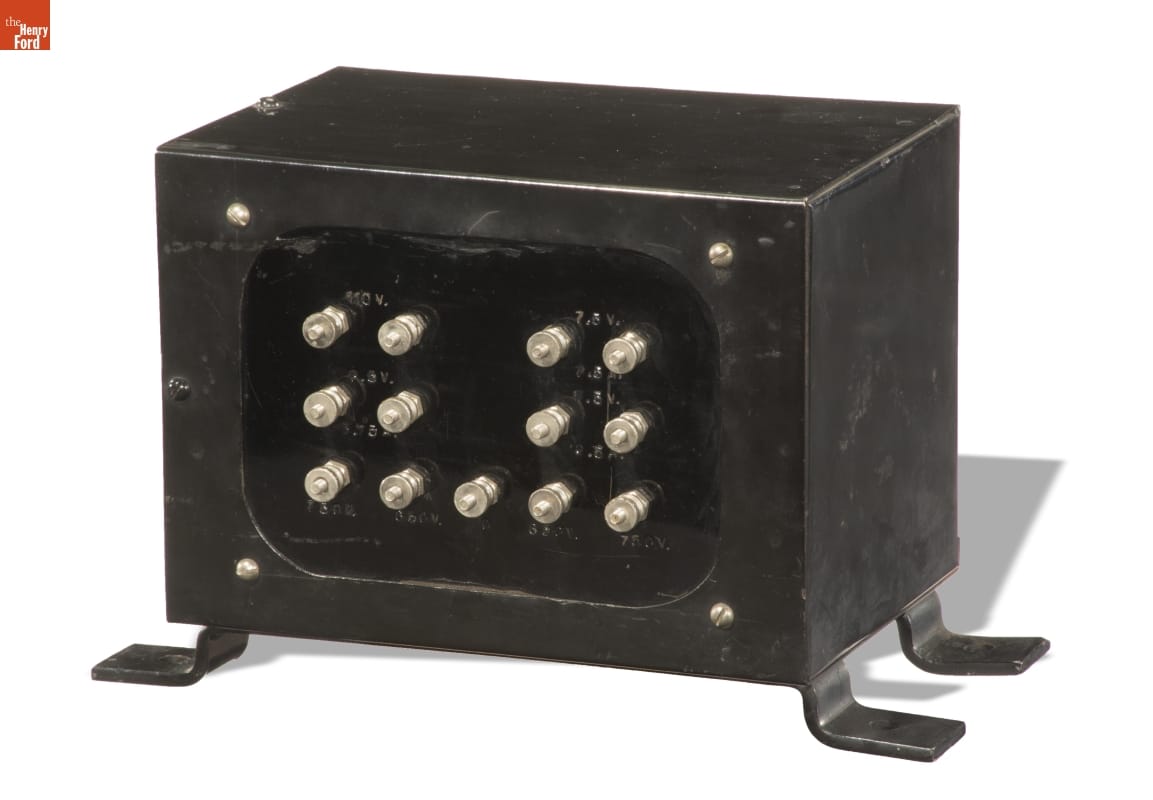
- Power Transformer, 1925-1935 - A power transformer generally converts an input current into an output current of higher or lower voltage. An "A" battery running 6 volts of DC power might be coupled with a wall socket running 110 volts AC power, for example. Transformers helped meet the diverse power needs of radio components, both before and after the popularization of home electricity.
- 1925-1935
- Collections - Artifact
Power Transformer, 1925-1935
A power transformer generally converts an input current into an output current of higher or lower voltage. An "A" battery running 6 volts of DC power might be coupled with a wall socket running 110 volts AC power, for example. Transformers helped meet the diverse power needs of radio components, both before and after the popularization of home electricity.
- RCA Longwave Antenna Tuner, Type Y115, 1920-1921 -
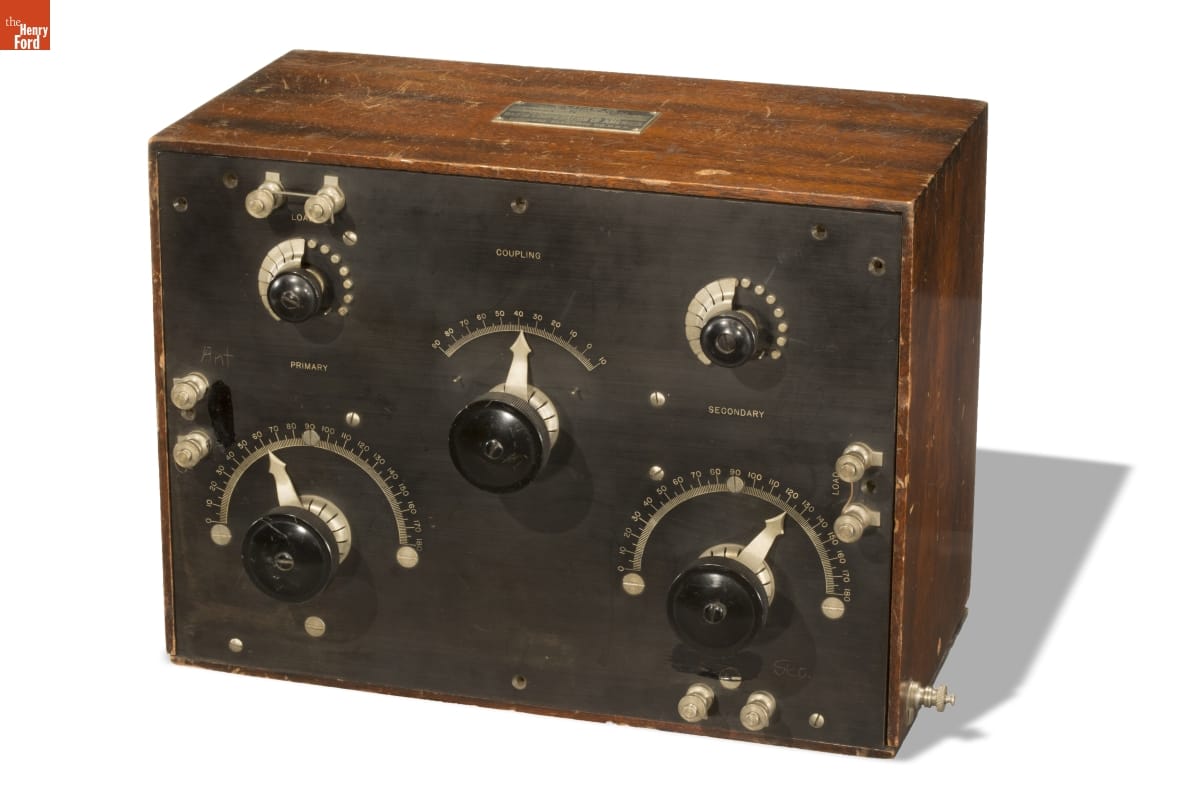
- 1920-1921
- Collections - Artifact
RCA Longwave Antenna Tuner, Type Y115, 1920-1921
- Spark Gap Transmitter, Used at Radio Station WNW, Built circa 1910 - Spark gap transmitters were the first means of practical radio transmission for the first thirty years of radio development. By the end of WWI, vacuum tube technology advanced sufficiently, replacing the spark gap. Even though the vacuum tube ensured more efficient and reliable transmissions, commercial use of spark gap transmitters continued up until WWII as back-up transmitters.
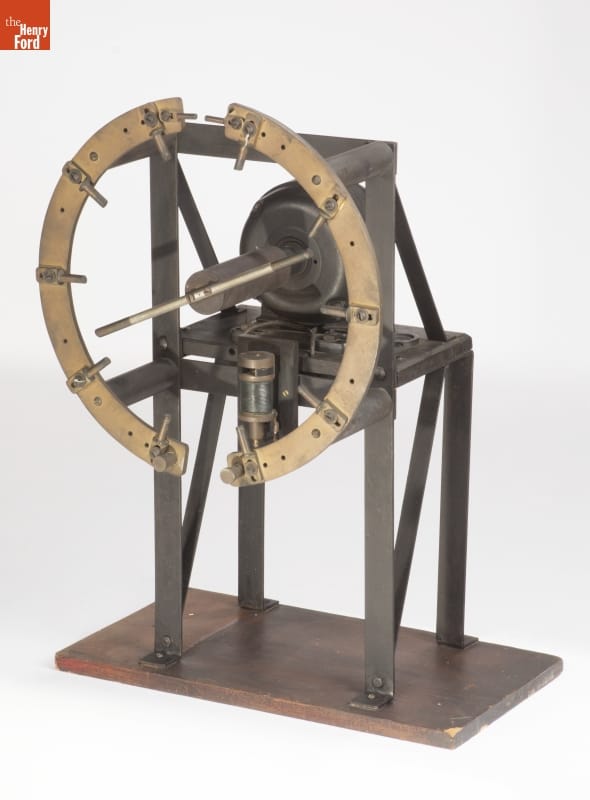
- 1910
- Collections - Artifact
Spark Gap Transmitter, Used at Radio Station WNW, Built circa 1910
Spark gap transmitters were the first means of practical radio transmission for the first thirty years of radio development. By the end of WWI, vacuum tube technology advanced sufficiently, replacing the spark gap. Even though the vacuum tube ensured more efficient and reliable transmissions, commercial use of spark gap transmitters continued up until WWII as back-up transmitters.