
Search
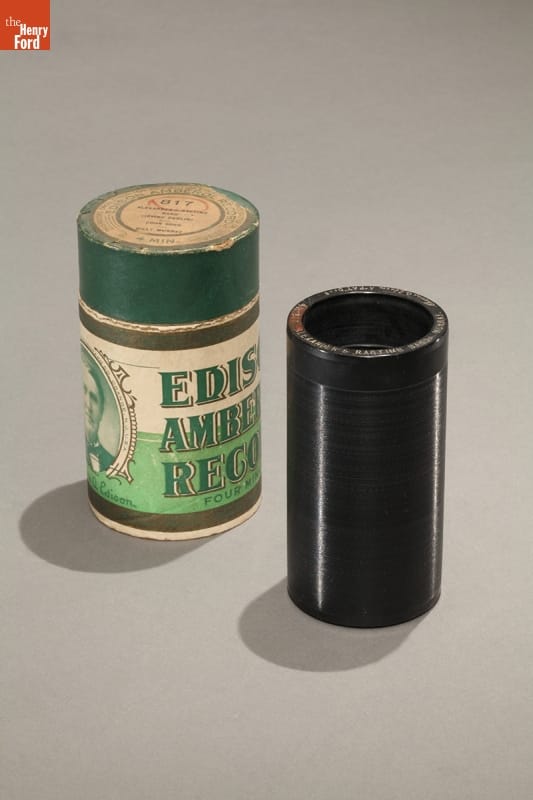
- Edison Amberol Record, "Alexander's Ragtime Band," 1913 - This catchy 1911 tune capitalized on the popularity of ragtime music during the early 20th century. It was composer Irving Berlin's first big hit. The song was recorded by numerous artists over the years, including Billy Murray -- the most popular recording artist at the time. About 1920 the Victor Company stated that, through his recordings, Murray's was likely the most familiar voice in the world!
- 1913
- Collections - Artifact
Edison Amberol Record, "Alexander's Ragtime Band," 1913
This catchy 1911 tune capitalized on the popularity of ragtime music during the early 20th century. It was composer Irving Berlin's first big hit. The song was recorded by numerous artists over the years, including Billy Murray -- the most popular recording artist at the time. About 1920 the Victor Company stated that, through his recordings, Murray's was likely the most familiar voice in the world!
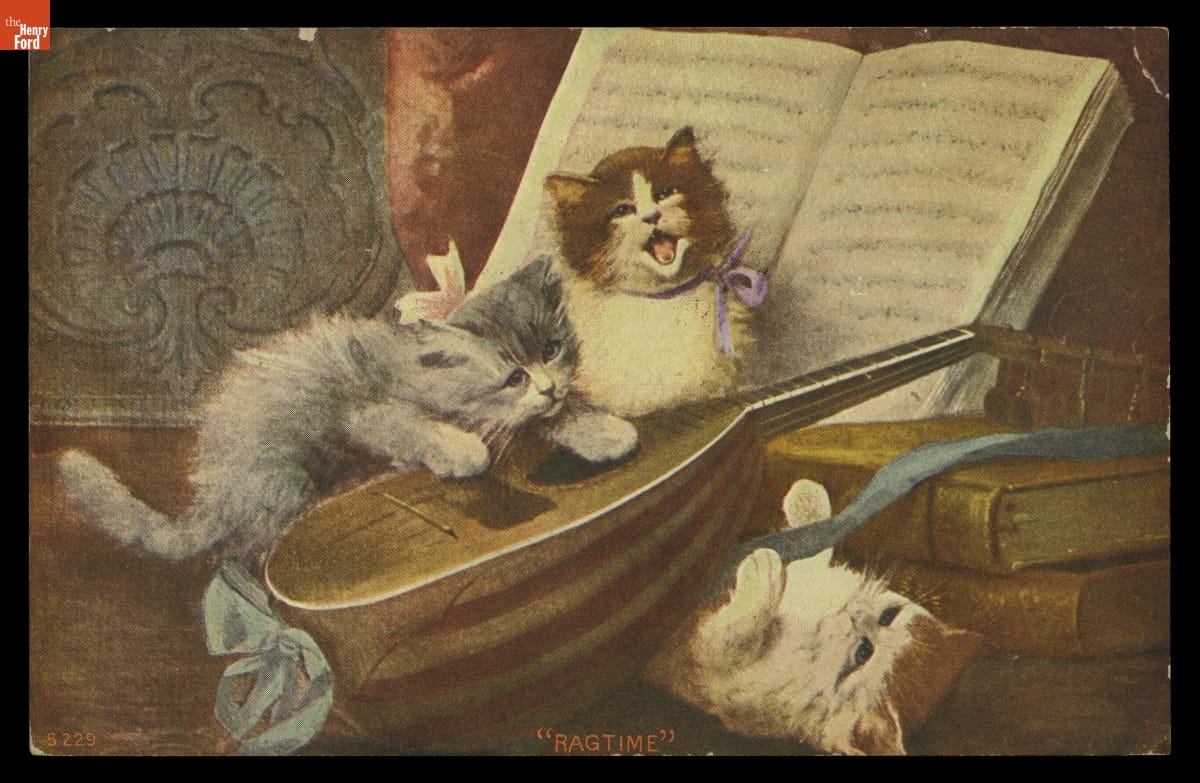
- Postcard, Cats Playing with a Lute, "Ragtime," 1910 - Depictions of cats and kittens often appeared in art and folk art in the United States. Inexpensive lithograph prints made in the mid-19th century helped to make this topic popular. Starting in the late 1890s picture postcards included these types of popular illustrations of cats. Sending colorful postcards through the U.S. mail continued to be widespread well into the 1910s.
- 1910
- Collections - Artifact
Postcard, Cats Playing with a Lute, "Ragtime," 1910
Depictions of cats and kittens often appeared in art and folk art in the United States. Inexpensive lithograph prints made in the mid-19th century helped to make this topic popular. Starting in the late 1890s picture postcards included these types of popular illustrations of cats. Sending colorful postcards through the U.S. mail continued to be widespread well into the 1910s.
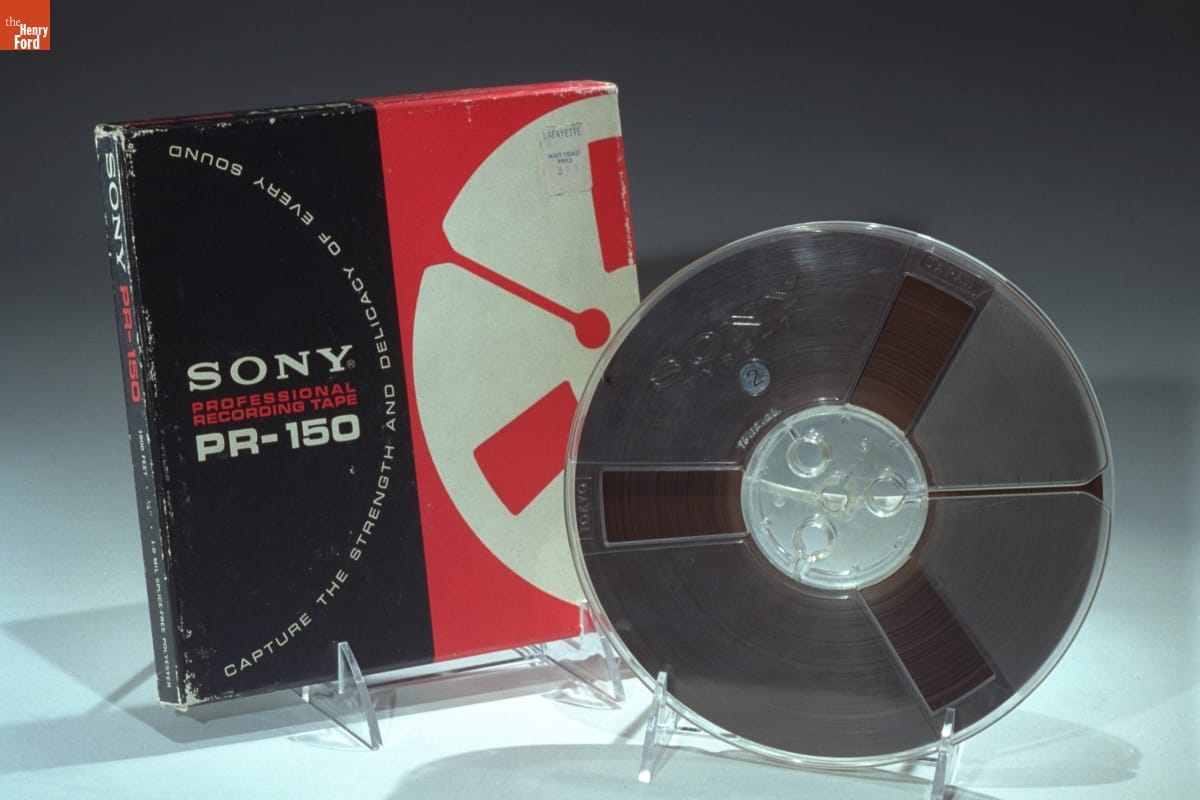
- Tape Recording Featuring Works of Various Artists, 1977-1982 - The transformative effects of magnetic tape upon sound, broadcast, and computing history cannot be overstated. In 1930, German companies AEG and BASF revised wire recording technology by using a new material: plastic tape coated with magnetic iron pigment. Its proposed applications were varied, idealistic and practical: recording music and radio, factory automation, data storage, media lending libraries, and many others.
- 1977-1982
- Collections - Artifact
Tape Recording Featuring Works of Various Artists, 1977-1982
The transformative effects of magnetic tape upon sound, broadcast, and computing history cannot be overstated. In 1930, German companies AEG and BASF revised wire recording technology by using a new material: plastic tape coated with magnetic iron pigment. Its proposed applications were varied, idealistic and practical: recording music and radio, factory automation, data storage, media lending libraries, and many others.
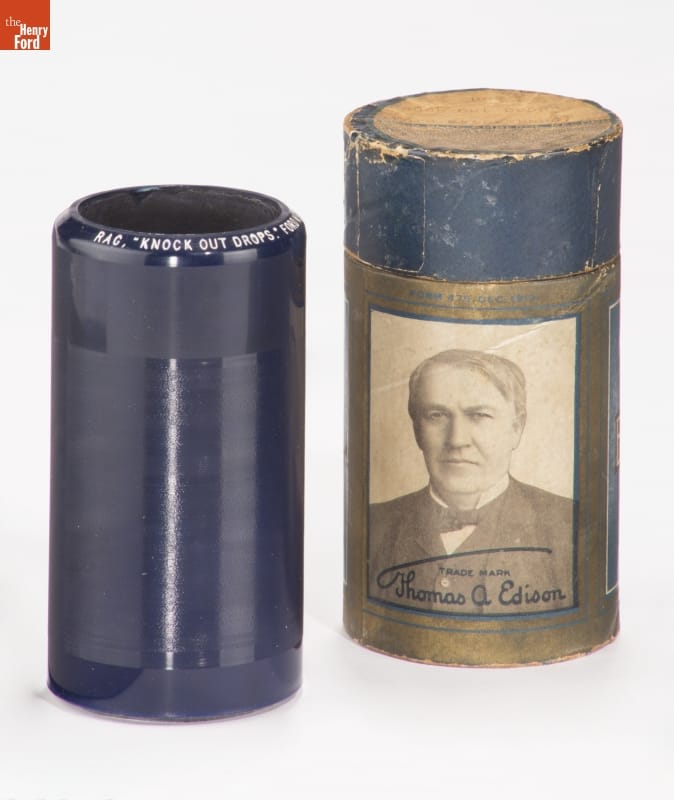
- Edison Blue Amberol Cylinder Record, "Knock Out Drops," 1915 -
- September 15, 1915
- Collections - Artifact
Edison Blue Amberol Cylinder Record, "Knock Out Drops," 1915
- Edison Diamond Disc Record, "That Funny Jas Band from Dixieland" / "When You Hear Jackson Moan on his Saxophone," 1916 -
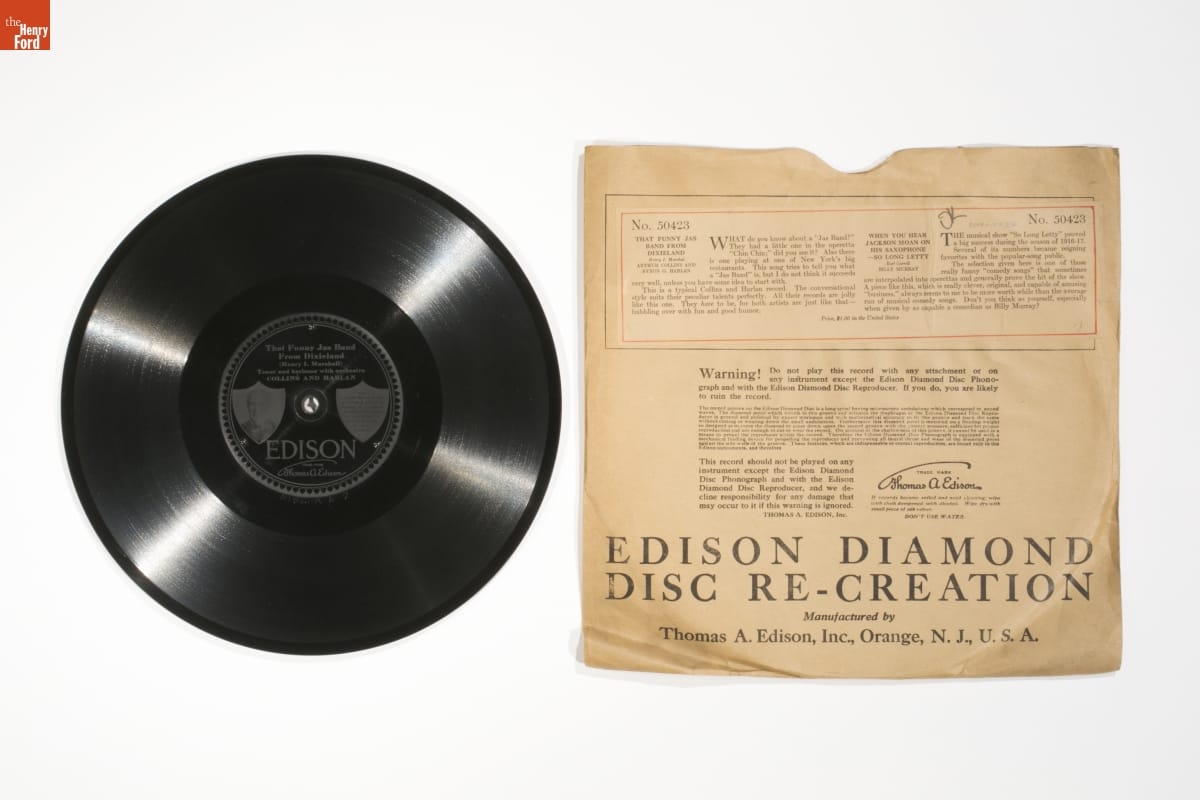
- December 01, 1916
- Collections - Artifact
Edison Diamond Disc Record, "That Funny Jas Band from Dixieland" / "When You Hear Jackson Moan on his Saxophone," 1916
- Tape Recording Featuring Works of Scott Joplin and Joan Baez, 1977-1982 - The transformative effects of magnetic tape upon sound, broadcast, and computing history cannot be overstated. In 1930, German companies AEG and BASF revised wire recording technology by using a new material: plastic tape coated with magnetic iron pigment. Its proposed applications were varied, idealistic and practical: recording music and radio, factory automation, data storage, media lending libraries, and many others.
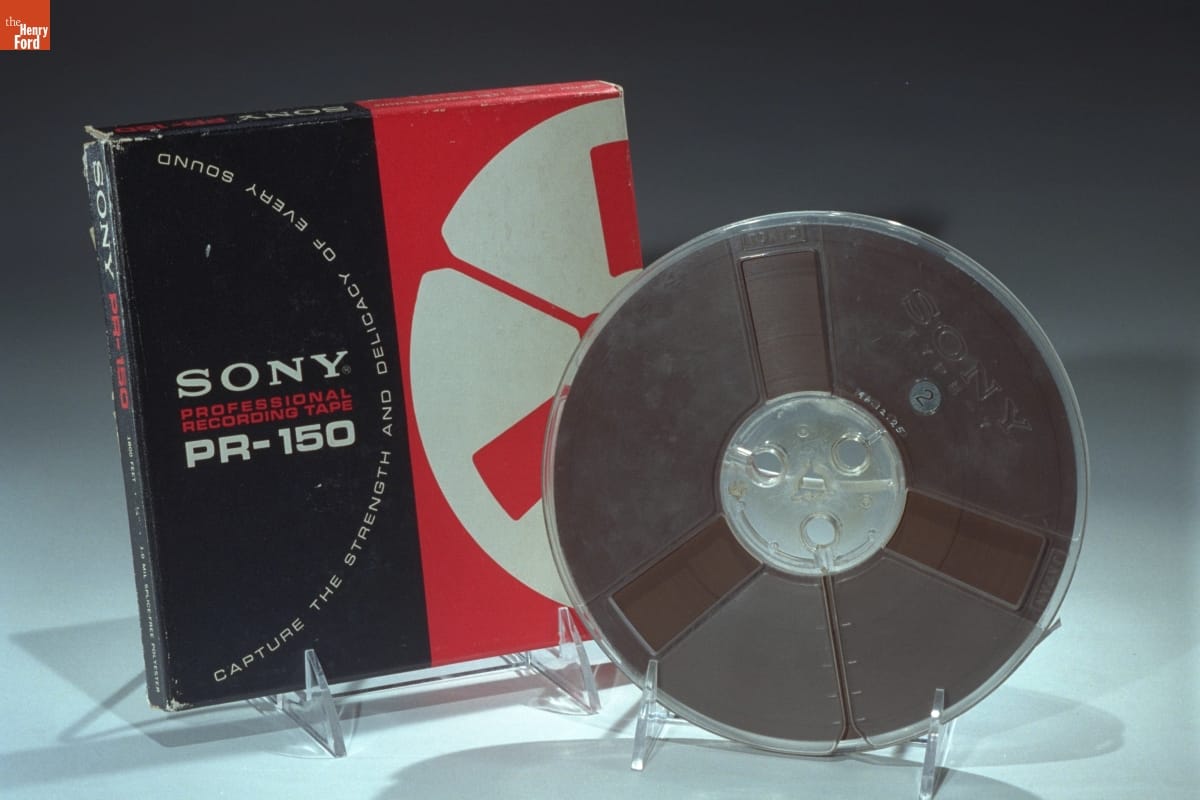
- 1977-1982
- Collections - Artifact
Tape Recording Featuring Works of Scott Joplin and Joan Baez, 1977-1982
The transformative effects of magnetic tape upon sound, broadcast, and computing history cannot be overstated. In 1930, German companies AEG and BASF revised wire recording technology by using a new material: plastic tape coated with magnetic iron pigment. Its proposed applications were varied, idealistic and practical: recording music and radio, factory automation, data storage, media lending libraries, and many others.
- Ragtime Street Fair in Greenfield Village, July 2007 -

- July 01, 2007
- Collections - Artifact
Ragtime Street Fair in Greenfield Village, July 2007
- Edison Gold Moulded Record, "Hello My Baby," 1899 - Composer and singer Joe Howard-a performer in vaudeville and musical comedy -- achieved national success with this song. In <EM>Hello! My Baby</EM>, the singer conducts his romance with his "ragtime gal" over the telephone. With the introduction of affordable phonographs and recordings, favorite songs could be now enjoyed at home.
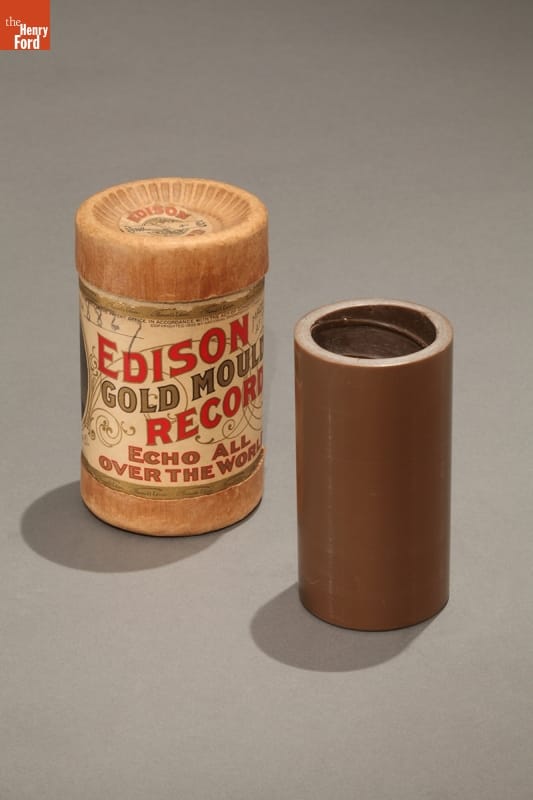
- 1899
- Collections - Artifact
Edison Gold Moulded Record, "Hello My Baby," 1899
Composer and singer Joe Howard-a performer in vaudeville and musical comedy -- achieved national success with this song. In Hello! My Baby, the singer conducts his romance with his "ragtime gal" over the telephone. With the introduction of affordable phonographs and recordings, favorite songs could be now enjoyed at home.
- Edison Diamond Disc Record, "Operatic Rag" and "The Skating Trot," 1914 - This ragtime instrumental was written by composer Julius Lenzberg, a classically grounded musician with an ear for melody. Lenzberg created many clever rags that reflected his classical background and taste for whimsy. His two ragtime masterpieces were the Hungarian Rag (1913) and Operatic Rag (1914). While existing classical compositions were the inspiration for these pieces -- Lenzberg's transformations were quite original.
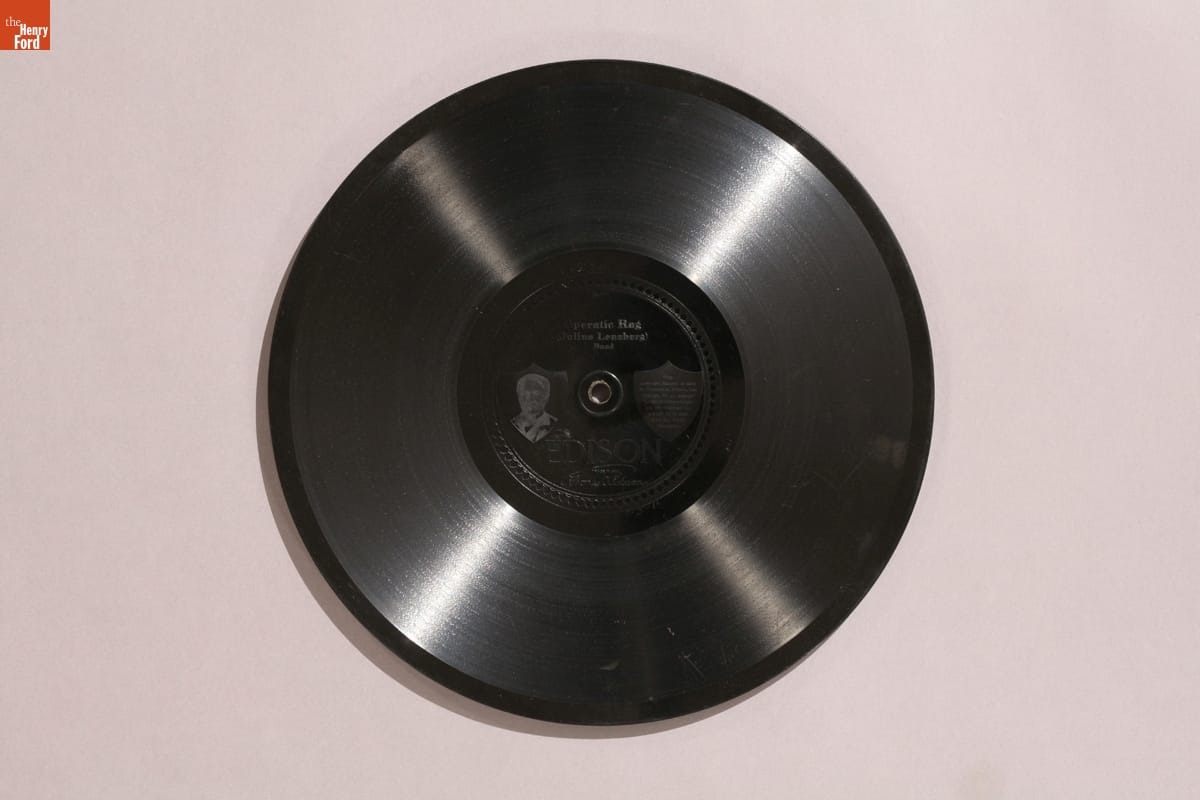
- 1914
- Collections - Artifact
Edison Diamond Disc Record, "Operatic Rag" and "The Skating Trot," 1914
This ragtime instrumental was written by composer Julius Lenzberg, a classically grounded musician with an ear for melody. Lenzberg created many clever rags that reflected his classical background and taste for whimsy. His two ragtime masterpieces were the Hungarian Rag (1913) and Operatic Rag (1914). While existing classical compositions were the inspiration for these pieces -- Lenzberg's transformations were quite original.
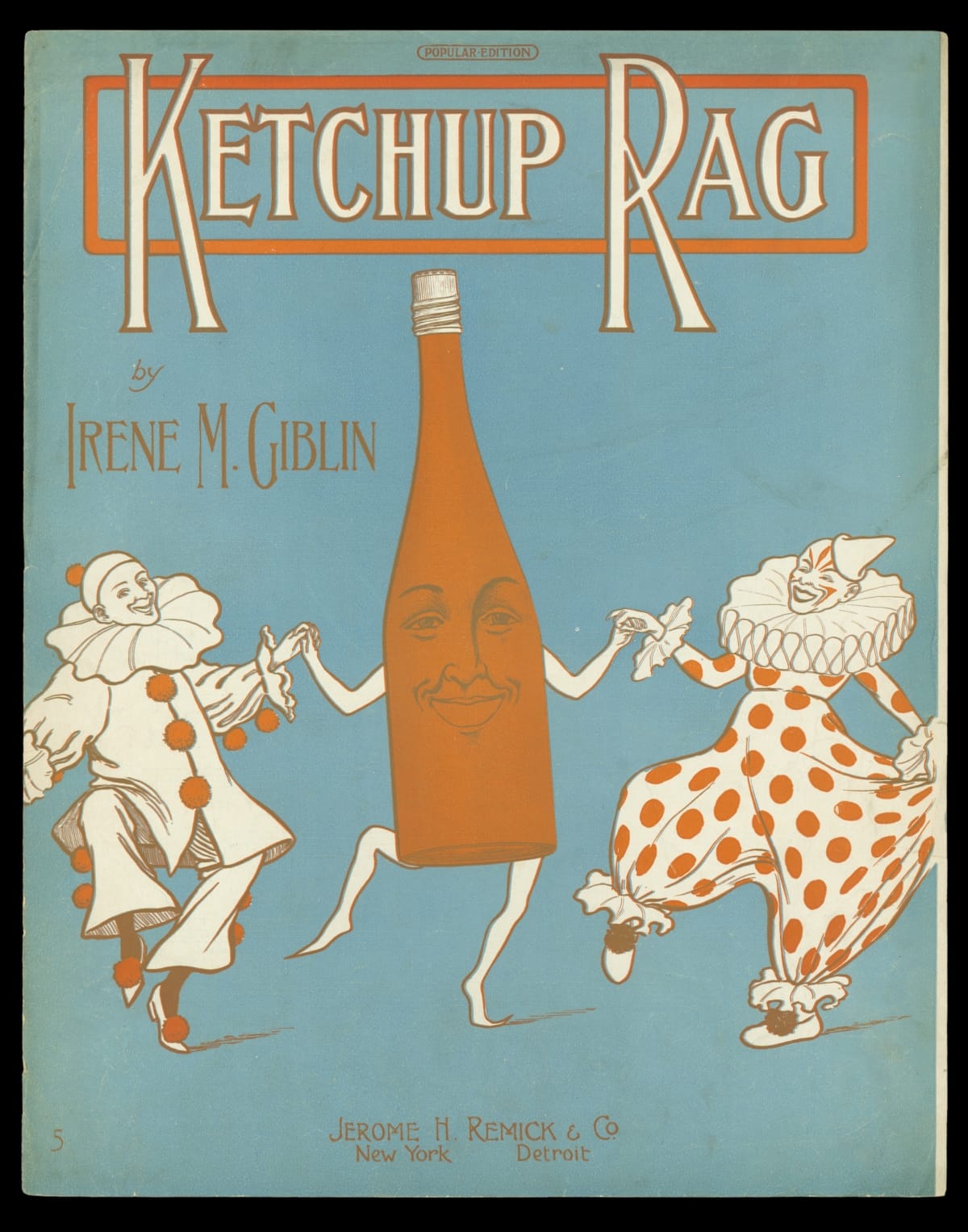
- "Ketchup Rag," 1910 -
- 1910
- Collections - Artifact
"Ketchup Rag," 1910