
Search
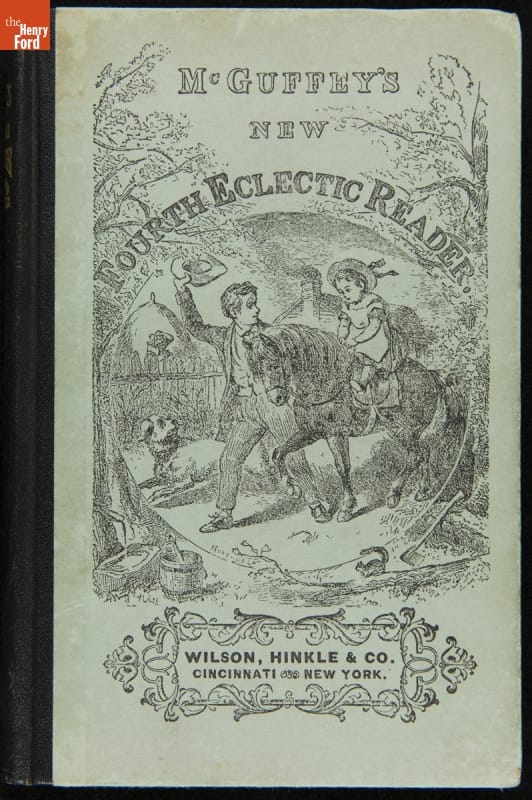
- "McGuffey's New Fourth Eclectic Reader," Originally Published 1885, Reprinted by Henry Ford, 1930 - Henry Ford remembered fondly the McGuffey Readers he studied in the one-room schools of his youth. He even had them reprinted in 1930, so that students in his Edison Institute Schools could learn from them as well. Ford -- having looked up some of his childhood classmates -- gave this reprinted Reader to Olive Burdeno, who had attended school with Ford in the 1870s.
- 1930
- Collections - Artifact
"McGuffey's New Fourth Eclectic Reader," Originally Published 1885, Reprinted by Henry Ford, 1930
Henry Ford remembered fondly the McGuffey Readers he studied in the one-room schools of his youth. He even had them reprinted in 1930, so that students in his Edison Institute Schools could learn from them as well. Ford -- having looked up some of his childhood classmates -- gave this reprinted Reader to Olive Burdeno, who had attended school with Ford in the 1870s.
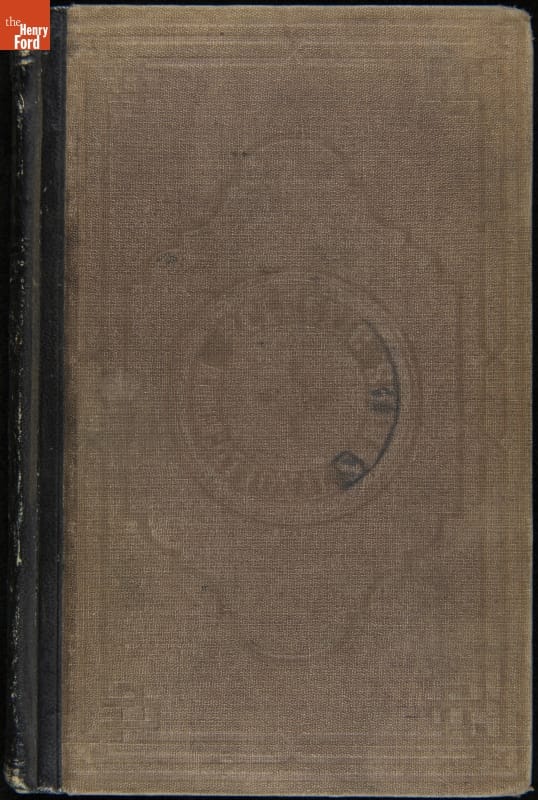
- Textbook, "McGuffey's New Fifth Eclectic Reader," 1866 -
- 1866
- Collections - Artifact
Textbook, "McGuffey's New Fifth Eclectic Reader," 1866
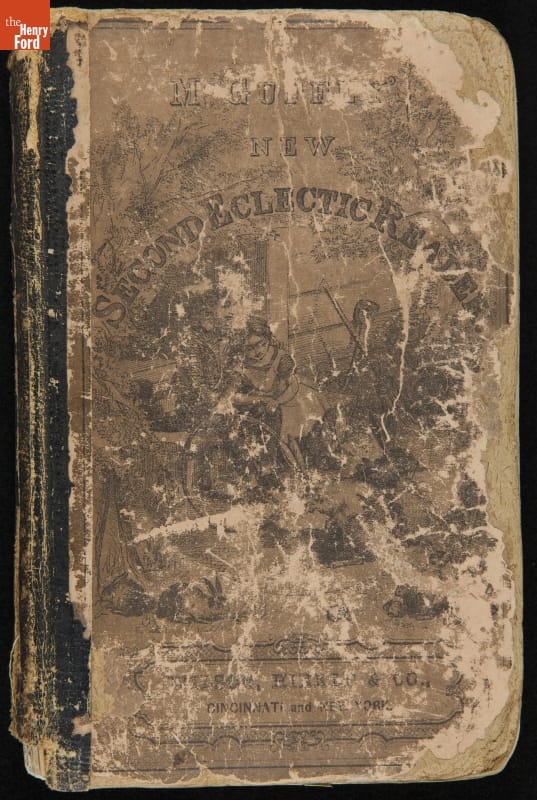
- Book Used by Wilbur Wright, "McGuffey's New Second Eclectic Reader," 1857 - Milton and Susan Wright encouraged an interest in learning in their children Reuchlin, Lorin, Wilbur, Orville, and Katharine -- though not necessarily in formal education. Katharine was the only Wright child to finish college, graduating from Oberlin in 1898. Neither Wilbur nor Orville finished high school, but they learned much from their father's extensive home library.
- 1857
- Collections - Artifact
Book Used by Wilbur Wright, "McGuffey's New Second Eclectic Reader," 1857
Milton and Susan Wright encouraged an interest in learning in their children Reuchlin, Lorin, Wilbur, Orville, and Katharine -- though not necessarily in formal education. Katharine was the only Wright child to finish college, graduating from Oberlin in 1898. Neither Wilbur nor Orville finished high school, but they learned much from their father's extensive home library.
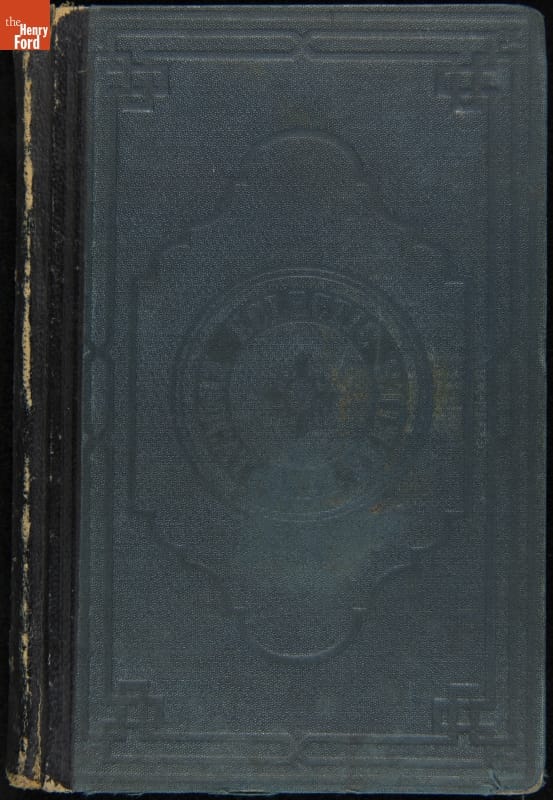
- "McGuffey's New Sixth Eclectic Reader," 1866 -
- 1866
- Collections - Artifact
"McGuffey's New Sixth Eclectic Reader," 1866
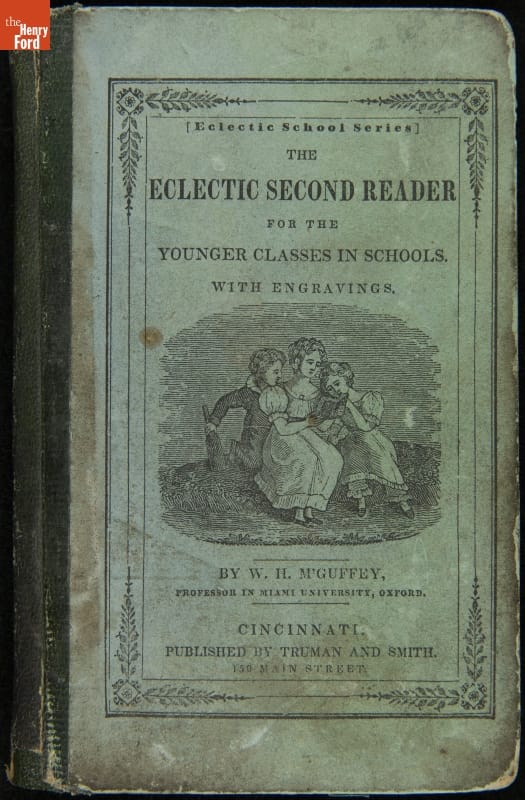
- Textbook, "The Eclectic Second Reader," 1836 -
- 1836
- Collections - Artifact
Textbook, "The Eclectic Second Reader," 1836
- "McGuffey's New Fifth Eclectic Reader," Originally Published in 1885, Reprinted by Henry Ford, 1930 - Henry Ford remembered fondly the McGuffey Readers he studied in the one-room schools of his youth. He even had them reprinted in 1930, so that students in his Edison Institute Schools could learn from them as well. Ford -- having looked up some of his childhood classmates -- gave this reprinted Reader to Olive Burdeno, who had attended school with Ford in the 1870s.
- 1885
- Collections - Artifact
"McGuffey's New Fifth Eclectic Reader," Originally Published in 1885, Reprinted by Henry Ford, 1930
Henry Ford remembered fondly the McGuffey Readers he studied in the one-room schools of his youth. He even had them reprinted in 1930, so that students in his Edison Institute Schools could learn from them as well. Ford -- having looked up some of his childhood classmates -- gave this reprinted Reader to Olive Burdeno, who had attended school with Ford in the 1870s.
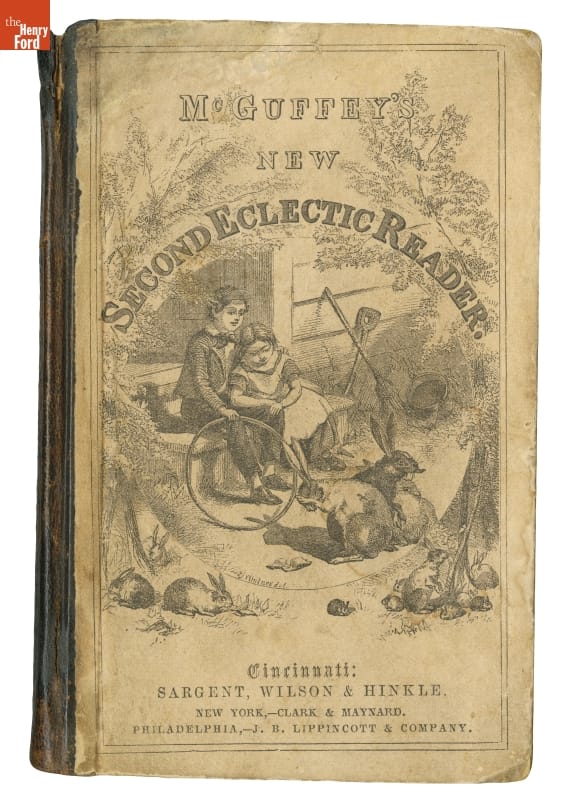
- Textbook, "McGuffey's New Second Eclectic Reader," 1865 - The McGuffey Readers textbook series was used in American schools during the nineteenth and early twentieth centuries. The Readers emphasized the fundamental skills of reading and writing but included stories on a wide range of subjects from many sources (hence, "eclectic"). The books were also intended to develop proper character in children, and had a religious overtone.
- 1865
- Collections - Artifact
Textbook, "McGuffey's New Second Eclectic Reader," 1865
The McGuffey Readers textbook series was used in American schools during the nineteenth and early twentieth centuries. The Readers emphasized the fundamental skills of reading and writing but included stories on a wide range of subjects from many sources (hence, "eclectic"). The books were also intended to develop proper character in children, and had a religious overtone.
- Book Used by Milton Wright, "McGuffey's Newly Revised Rhetorical Guide, or Fifth Reader," 1853 - Milton Wright maintained an extensive library in his Dayton, Ohio, home. Wright was a Bishop of the Church of the United Brethren in Christ, so it's not surprising that religious studies, hymnals, and rhetoric guides were among his volumes. Wright's sons, Wilbur and Orville, used the bishop's books on physics and ornithology to start their research on the problem of human flight.
- 1853
- Collections - Artifact
Book Used by Milton Wright, "McGuffey's Newly Revised Rhetorical Guide, or Fifth Reader," 1853
Milton Wright maintained an extensive library in his Dayton, Ohio, home. Wright was a Bishop of the Church of the United Brethren in Christ, so it's not surprising that religious studies, hymnals, and rhetoric guides were among his volumes. Wright's sons, Wilbur and Orville, used the bishop's books on physics and ornithology to start their research on the problem of human flight.
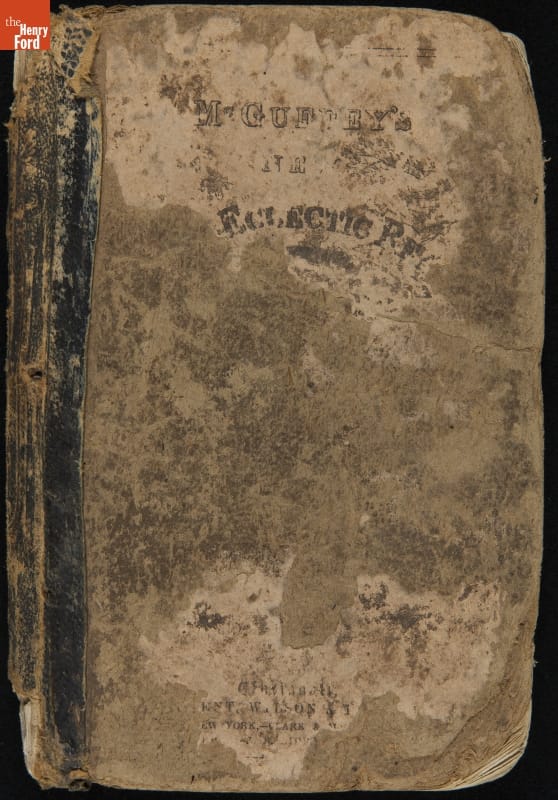
- Book Used by Reuchlin Wright, "McGuffey's Fourth Reader," 1866 - Milton and Susan Wright encouraged an interest in learning in their children Reuchlin, Lorin, Wilbur, Orville, and Katharine -- though not necessarily in formal education. Katharine was the only Wright child to finish college, graduating from Oberlin in 1898. Neither Wilbur nor Orville finished high school, but they learned much from their father's extensive home library.
- 1866
- Collections - Artifact
Book Used by Reuchlin Wright, "McGuffey's Fourth Reader," 1866
Milton and Susan Wright encouraged an interest in learning in their children Reuchlin, Lorin, Wilbur, Orville, and Katharine -- though not necessarily in formal education. Katharine was the only Wright child to finish college, graduating from Oberlin in 1898. Neither Wilbur nor Orville finished high school, but they learned much from their father's extensive home library.
- "McGuffey's Eclectic Second Reader," 1843 -
- 1843
- Collections - Artifact
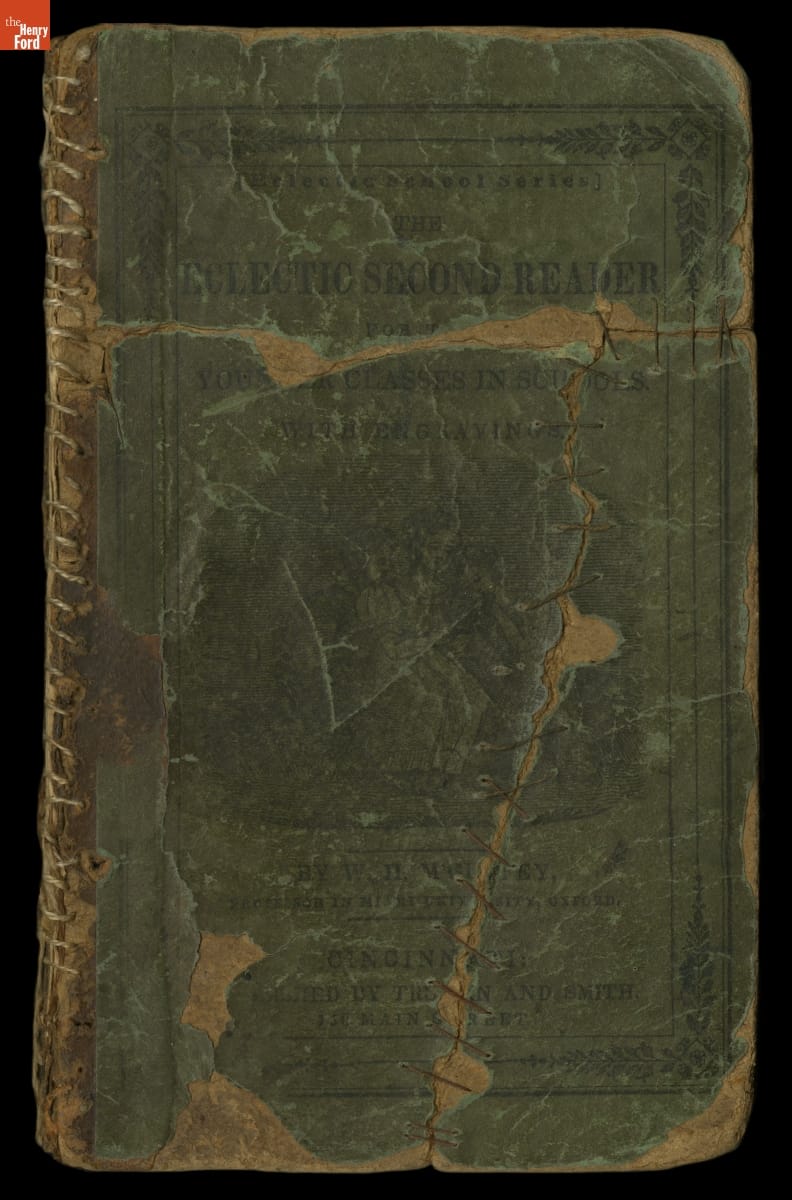
"McGuffey's Eclectic Second Reader," 1843