
Search
- Label, "Heinz & Noble Brand English Piccalilli," circa 1872 - In 1869, entrepreneur H.J. Heinz entered the processed food business with L.C. Noble to form Heinz & Noble. Horseradish was their first product, quickly followed by celery sauce and pickled cucumbers (pickles today). The company's product line continued to expand to include other varieties of pickled foods and condiments, like English Piccalilli, a type of relish.
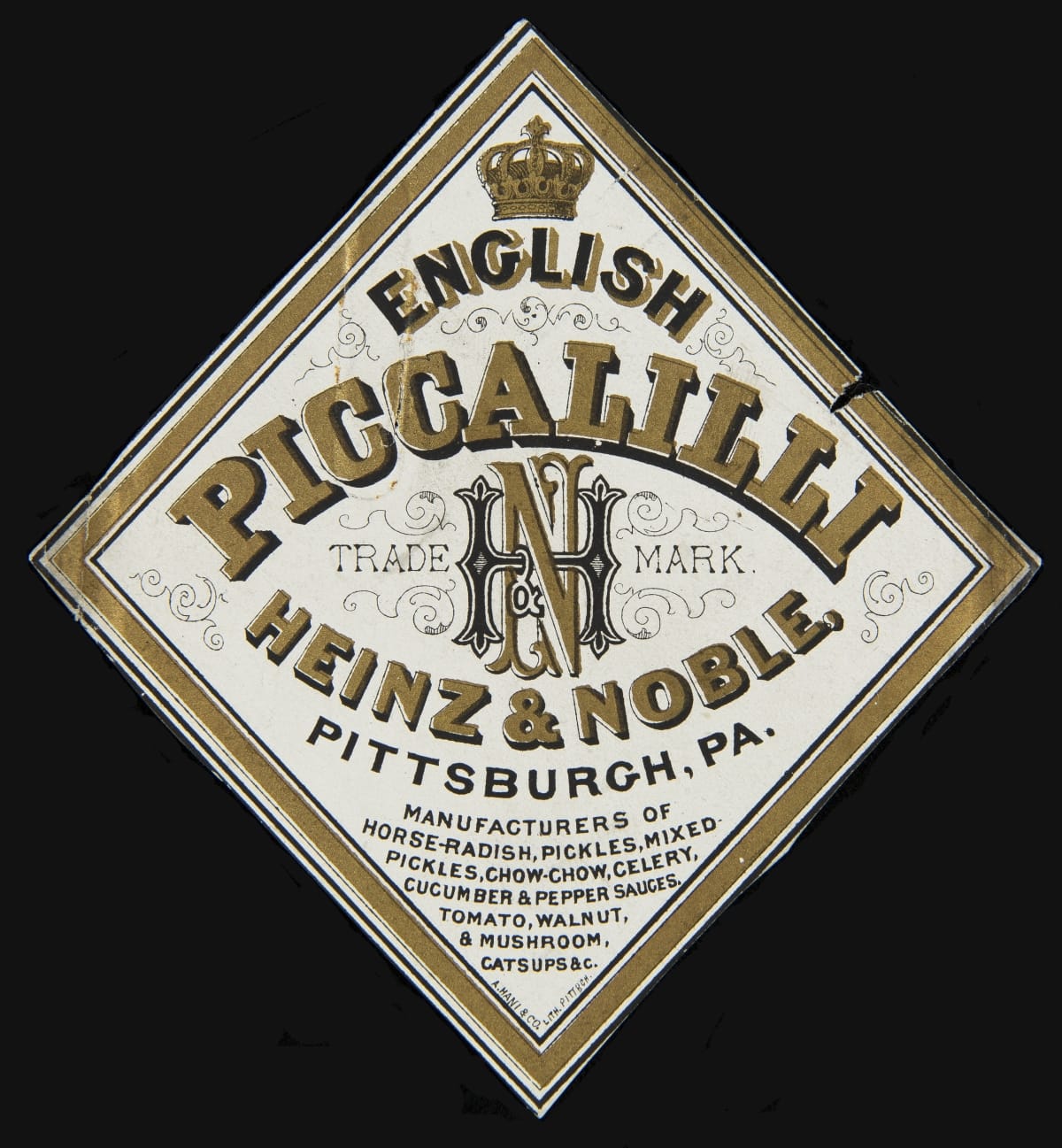
- circa 1872
- Collections - Artifact
Label, "Heinz & Noble Brand English Piccalilli," circa 1872
In 1869, entrepreneur H.J. Heinz entered the processed food business with L.C. Noble to form Heinz & Noble. Horseradish was their first product, quickly followed by celery sauce and pickled cucumbers (pickles today). The company's product line continued to expand to include other varieties of pickled foods and condiments, like English Piccalilli, a type of relish.
- Label, "Heinz & Noble Brand English Chow Chow," 1869-1872 - In 1869, entrepreneur H.J. Heinz entered the processed food business with L.C. Noble to form Heinz & Noble. Horseradish was their first product, quickly followed by celery sauce and pickled cucumbers (pickles today). The company's product line continued to expand to include other varieties of pickled foods and condiments, like English Chow Chow.
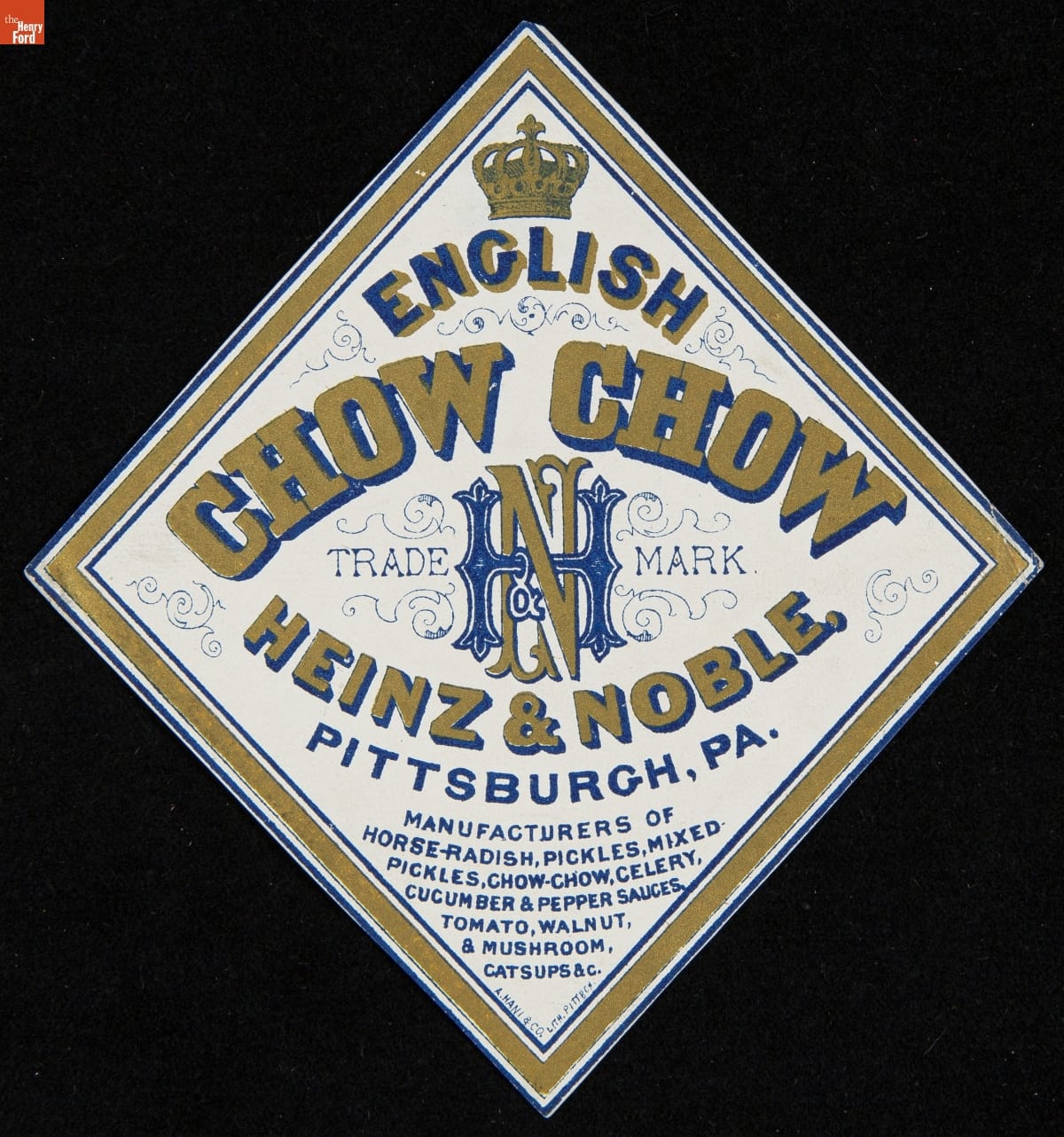
- 1869-1872
- Collections - Artifact
Label, "Heinz & Noble Brand English Chow Chow," 1869-1872
In 1869, entrepreneur H.J. Heinz entered the processed food business with L.C. Noble to form Heinz & Noble. Horseradish was their first product, quickly followed by celery sauce and pickled cucumbers (pickles today). The company's product line continued to expand to include other varieties of pickled foods and condiments, like English Chow Chow.
- Fiesta Ware Relish Tray, 1937-1943 - Colorful Fiesta ware was one of many inexpensive, yet fashionable dinnerware sets produced for the middle market during the Great Depression, sold at retailers like F.W. Woolworth's, Kresge, and department store bargain basements. Thanks to revived interest in Art Deco, the line was resurrected in 1986 by the Homer Laughlin China Company, and remains in production today.
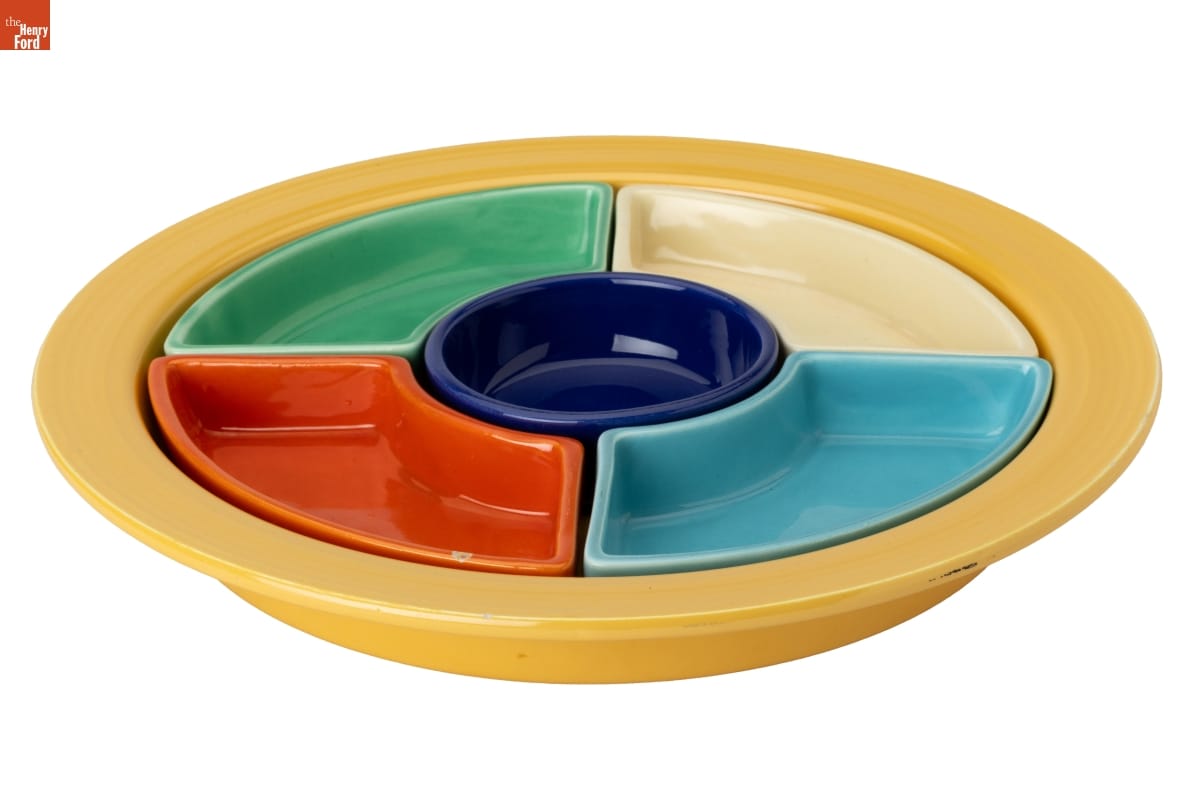
- 1937-1943
- Collections - Artifact
Fiesta Ware Relish Tray, 1937-1943
Colorful Fiesta ware was one of many inexpensive, yet fashionable dinnerware sets produced for the middle market during the Great Depression, sold at retailers like F.W. Woolworth's, Kresge, and department store bargain basements. Thanks to revived interest in Art Deco, the line was resurrected in 1986 by the Homer Laughlin China Company, and remains in production today.
- Recipe Booklet, "Pickling The Easy Way," circa 1950 - Many manufactured food companies published recipe booklets to promote the use of their products. This booklet published by the H. J. Heinz Company in the 1950s offers homemakers an efficient way to pickle their own products at home. With recipes for making pickles, relishes, and spiced fruits and vegetables, this booklet declares that pickling with Heinz Distilled White Vinegar "is pickling streamlined for modern living!"
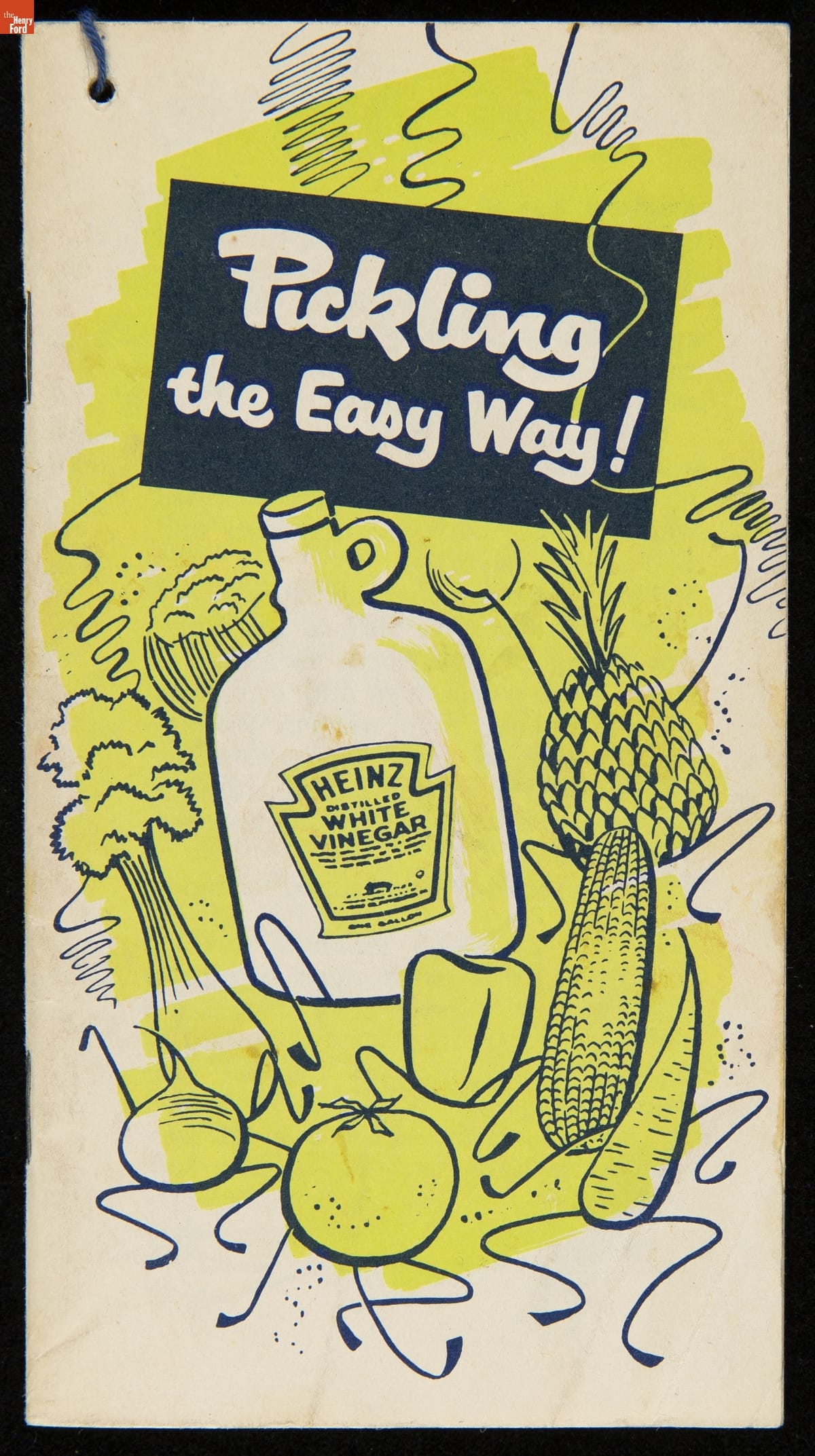
- circa 1950
- Collections - Artifact
Recipe Booklet, "Pickling The Easy Way," circa 1950
Many manufactured food companies published recipe booklets to promote the use of their products. This booklet published by the H. J. Heinz Company in the 1950s offers homemakers an efficient way to pickle their own products at home. With recipes for making pickles, relishes, and spiced fruits and vegetables, this booklet declares that pickling with Heinz Distilled White Vinegar "is pickling streamlined for modern living!"
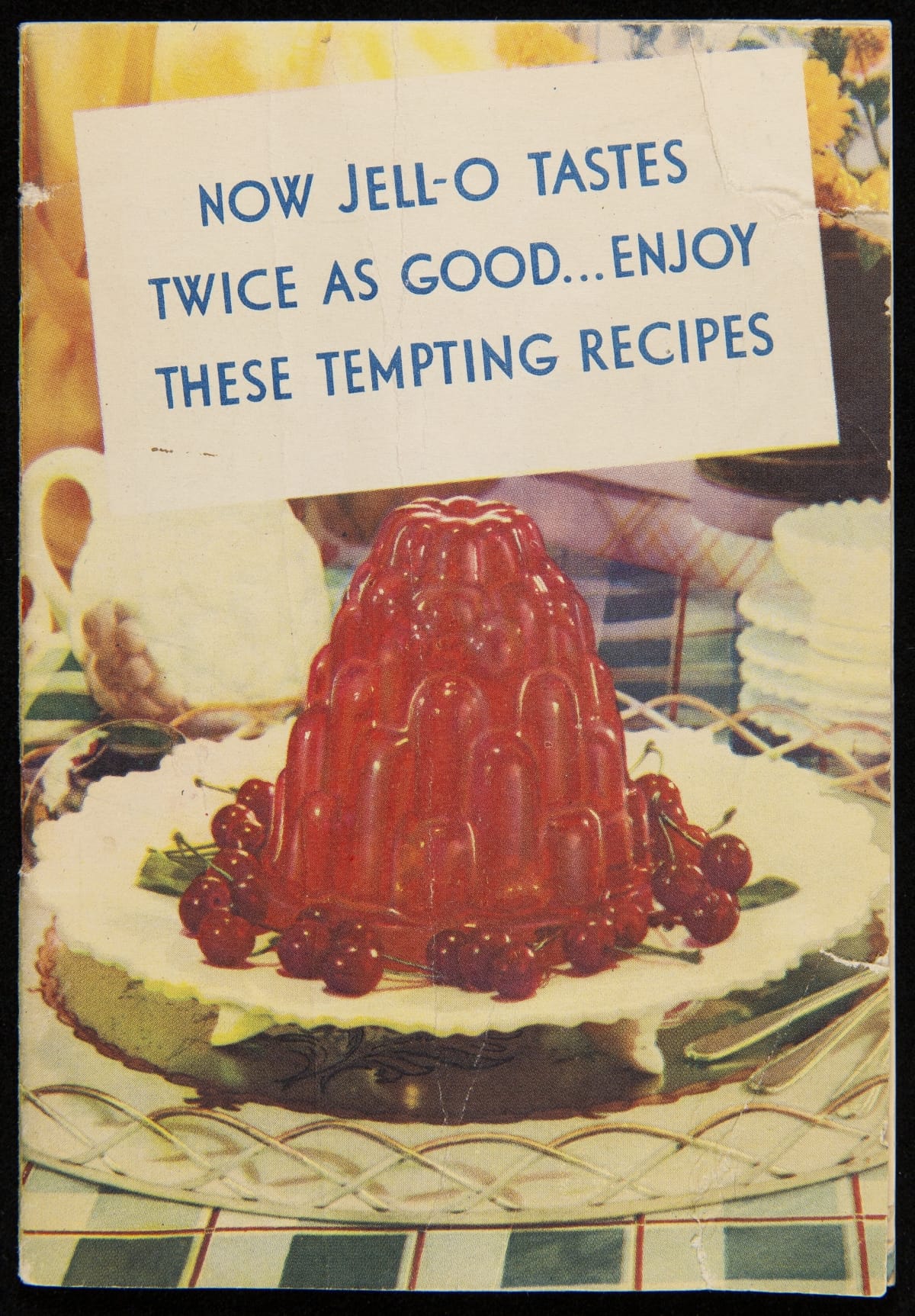
- Recipe Booklet, "Now Jell-O Tastes Twice as Good... Enjoy These Tempting Recipes," 1934 - In 1899, Orator F. Woodward acquired the rights to Jell-O and published recipe booklets to gather interest. The booklets proved to be an invaluable marketing strategy, providing homemakers with creative uses for the ready-made product. This booklet offers recipes utilizing Jell-O products with an extra-rich fruit flavor developed by "blending the pure fruit flavor right into the tiny Jell-O crystals!"
- 1934
- Collections - Artifact
Recipe Booklet, "Now Jell-O Tastes Twice as Good... Enjoy These Tempting Recipes," 1934
In 1899, Orator F. Woodward acquired the rights to Jell-O and published recipe booklets to gather interest. The booklets proved to be an invaluable marketing strategy, providing homemakers with creative uses for the ready-made product. This booklet offers recipes utilizing Jell-O products with an extra-rich fruit flavor developed by "blending the pure fruit flavor right into the tiny Jell-O crystals!"
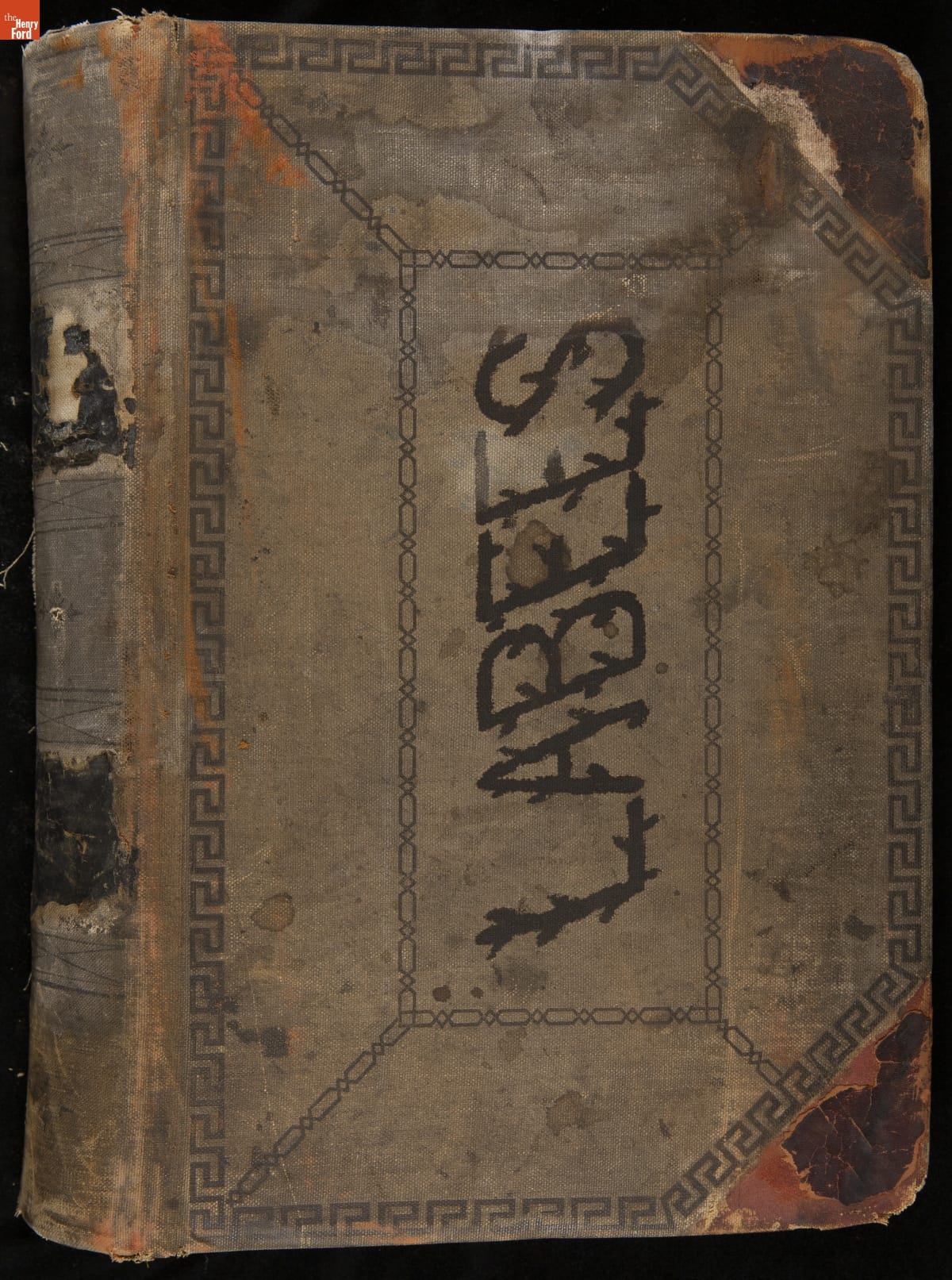
- Inventory of Heinz Company Product Labels, 1890-1896 - This inventory, compiled by the H.J. Heinz Company, contains an extensive collection of product labels for both the H.J. Heinz Company and its predecessor, F. & J. Heinz. Next to each label is a column for debit and for credit, allowing the company's bookkeepers to keep track of how many labels they had purchased.
- 1890-1896
- Collections - Artifact
Inventory of Heinz Company Product Labels, 1890-1896
This inventory, compiled by the H.J. Heinz Company, contains an extensive collection of product labels for both the H.J. Heinz Company and its predecessor, F. & J. Heinz. Next to each label is a column for debit and for credit, allowing the company's bookkeepers to keep track of how many labels they had purchased.
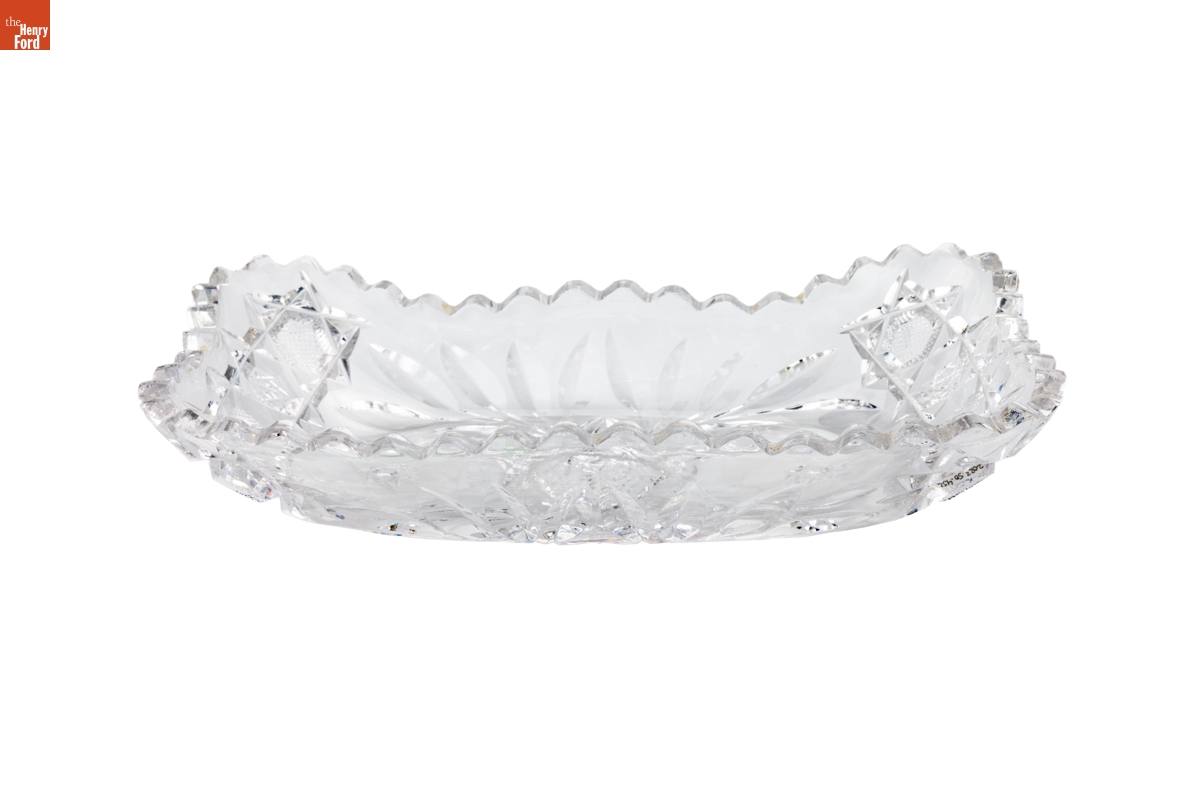
- Relish Dish Used by the Jackson Family, Selma, Alabama - In 2023, The Henry Ford acquired the Selma, Alabama, home of Dr. Sullivan and Richie Jean Sherrod Jackson, where Dr. Martin Luther King and Civil Rights leaders planned the 1965 Selma-to-Montgomery Voting Rights marches. The Jackson Home opened in Greenfield Village in 2026. The home and its contents not only document the voting rights struggle but also shed light on 20th-century Black American middle-class life.
- Collections - Artifact
Relish Dish Used by the Jackson Family, Selma, Alabama
In 2023, The Henry Ford acquired the Selma, Alabama, home of Dr. Sullivan and Richie Jean Sherrod Jackson, where Dr. Martin Luther King and Civil Rights leaders planned the 1965 Selma-to-Montgomery Voting Rights marches. The Jackson Home opened in Greenfield Village in 2026. The home and its contents not only document the voting rights struggle but also shed light on 20th-century Black American middle-class life.
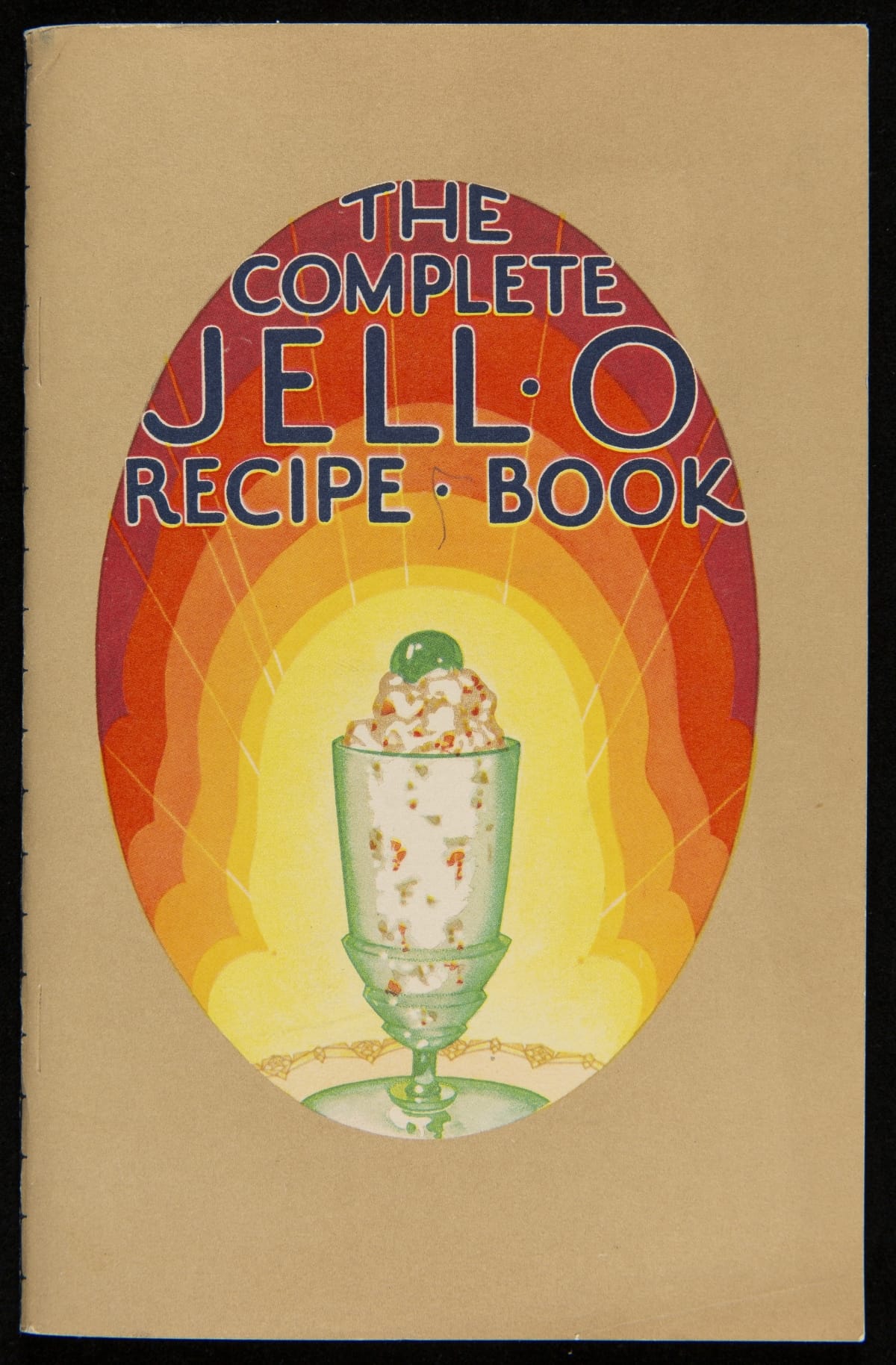
- Recipe Booklet, "The Complete Jell-O Recipe Book," 1929 - In 1899, Orator F. Woodward acquired the rights to Jell-O from Pearle Wait, who had invented Jell-O when he added fruit flavoring and sugar to powdered gelatin in 1897. While Wait was unable to market his product, Woodward used recipe booklets to gather interest. The booklets proved to be an invaluable marketing strategy, providing homemakers with creative uses for the ready-made product.
- 1929
- Collections - Artifact
Recipe Booklet, "The Complete Jell-O Recipe Book," 1929
In 1899, Orator F. Woodward acquired the rights to Jell-O from Pearle Wait, who had invented Jell-O when he added fruit flavoring and sugar to powdered gelatin in 1897. While Wait was unable to market his product, Woodward used recipe booklets to gather interest. The booklets proved to be an invaluable marketing strategy, providing homemakers with creative uses for the ready-made product.
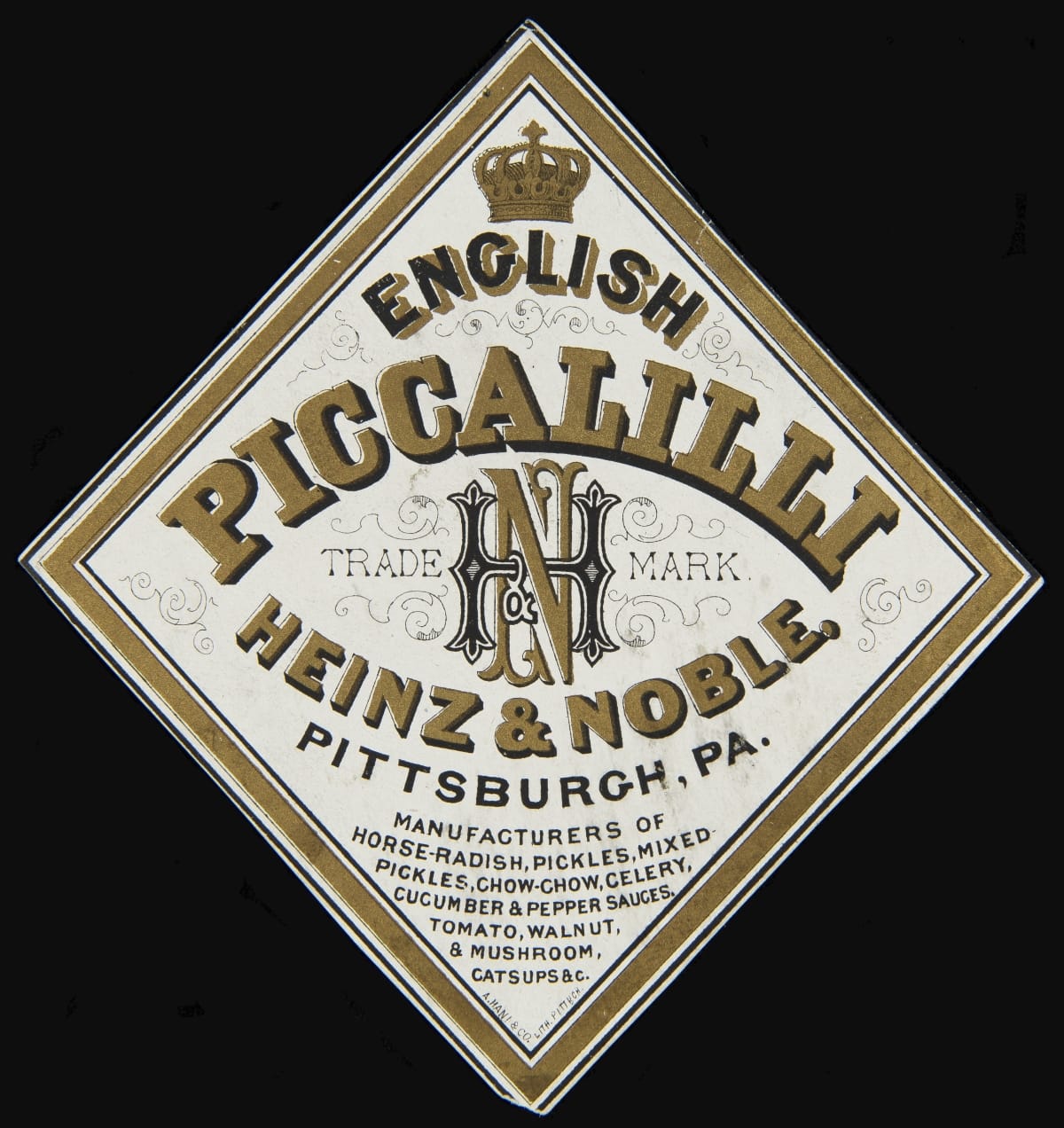
- Label, "Heinz & Noble Brand English Piccalilli," circa 1872 - In 1869, entrepreneur H.J. Heinz entered the processed food business with L.C. Noble to form Heinz & Noble. Horseradish was their first product, quickly followed by celery sauce and pickled cucumbers (pickles today). The company's product line continued to expand to include other varieties of pickled foods and condiments, like English Piccalilli, a type of relish.
- circa 1872
- Collections - Artifact
Label, "Heinz & Noble Brand English Piccalilli," circa 1872
In 1869, entrepreneur H.J. Heinz entered the processed food business with L.C. Noble to form Heinz & Noble. Horseradish was their first product, quickly followed by celery sauce and pickled cucumbers (pickles today). The company's product line continued to expand to include other varieties of pickled foods and condiments, like English Piccalilli, a type of relish.
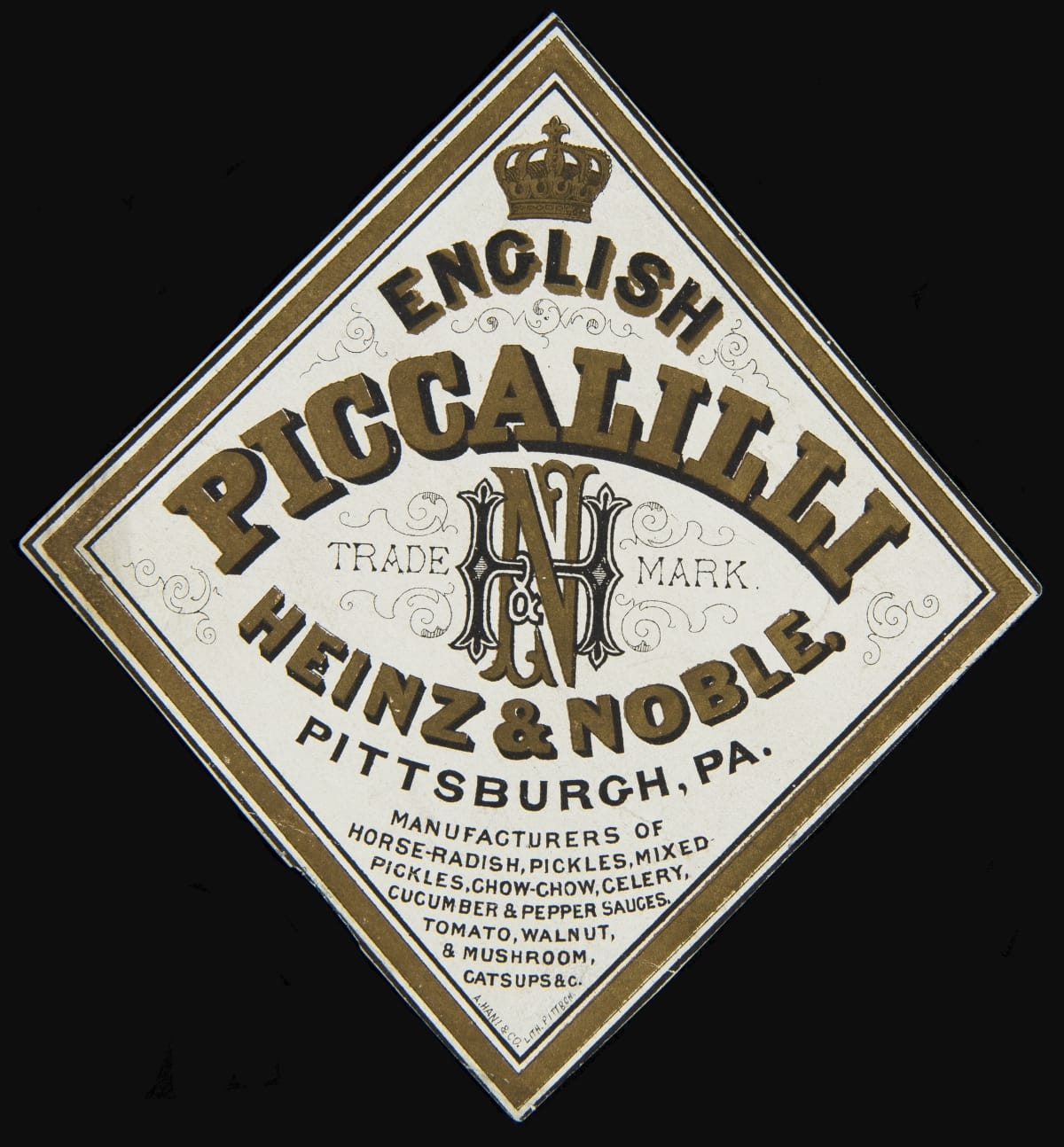
- Label, "Heinz & Noble Brand English Piccalilli," circa 1872 - In 1869, entrepreneur H.J. Heinz entered the processed food business with L.C. Noble to form Heinz & Noble. Horseradish was their first product, quickly followed by celery sauce and pickled cucumbers (pickles today). The company's product line continued to expand to include other varieties of pickled foods and condiments, like English Piccalilli, a type of relish.
- circa 1872
- Collections - Artifact
Label, "Heinz & Noble Brand English Piccalilli," circa 1872
In 1869, entrepreneur H.J. Heinz entered the processed food business with L.C. Noble to form Heinz & Noble. Horseradish was their first product, quickly followed by celery sauce and pickled cucumbers (pickles today). The company's product line continued to expand to include other varieties of pickled foods and condiments, like English Piccalilli, a type of relish.