
Search
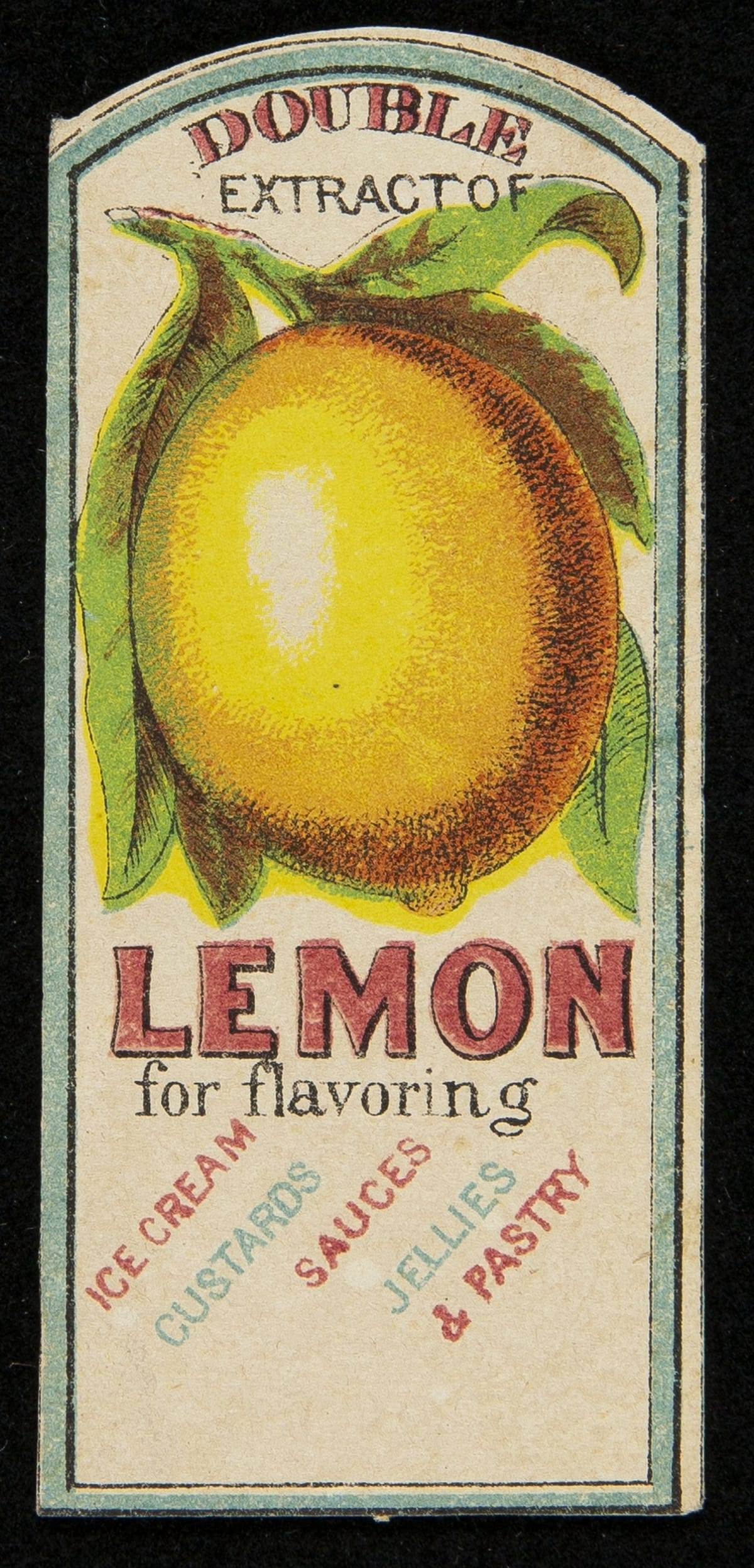
- Label for Double Extract of Lemon, 1880-1910 -
- 1880-1910
- Collections - Artifact
Label for Double Extract of Lemon, 1880-1910
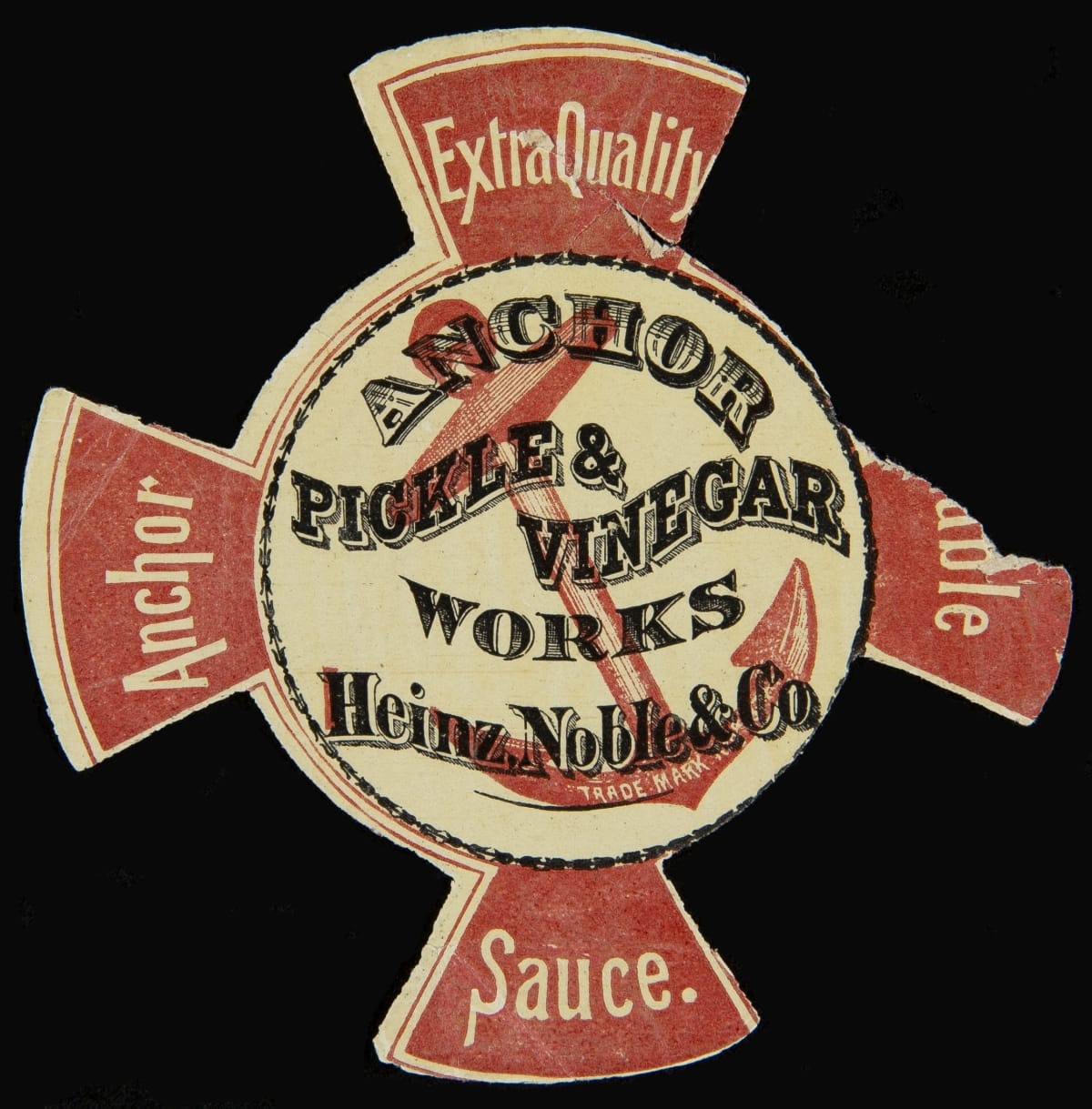
- Label, "Heinz, Noble & Company Brand Sauce Product," circa 1875 - In 1869, entrepreneur H.J. Heinz entered the processed food business with L.C. Noble selling products under the Anchor Brand. Horseradish was their first product, quickly followed by celery sauce and pickled cucumbers (pickles today) among other pickled foods and condiments. In 1872, L.C. Noble's brother joined the partnership and the company's name officially became Heinz, Noble & Co. until it went bankrupt in 1875.
- circa 1875
- Collections - Artifact
Label, "Heinz, Noble & Company Brand Sauce Product," circa 1875
In 1869, entrepreneur H.J. Heinz entered the processed food business with L.C. Noble selling products under the Anchor Brand. Horseradish was their first product, quickly followed by celery sauce and pickled cucumbers (pickles today) among other pickled foods and condiments. In 1872, L.C. Noble's brother joined the partnership and the company's name officially became Heinz, Noble & Co. until it went bankrupt in 1875.
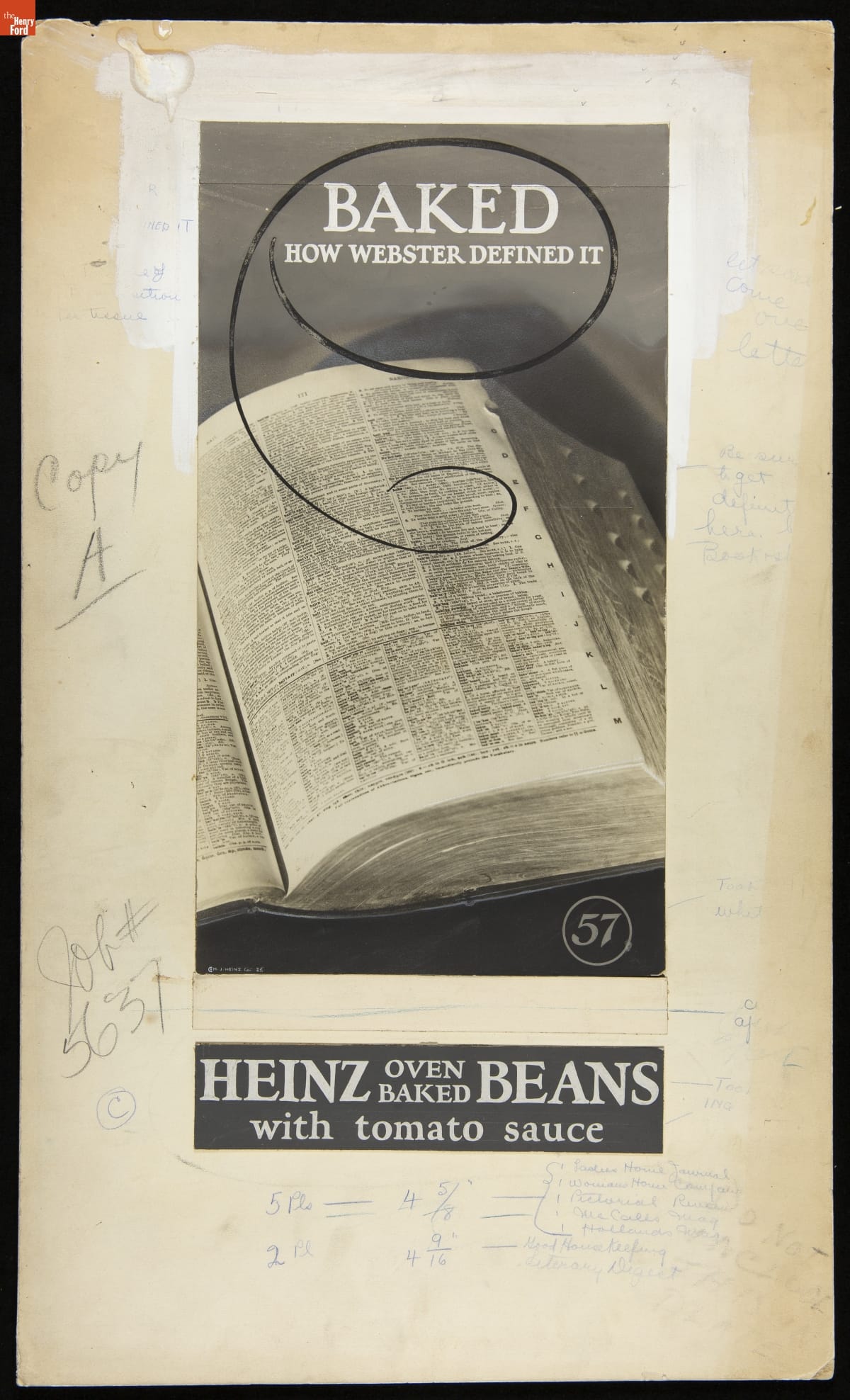
- Layout for Heinz Baked Beans Advertising Using Webster's Dictionary, 1925 - The H.J. Heinz Company employed ambitious and comprehensive advertising strategies to meet consumers at home, in stores, and everywhere in between. Advertising layouts were a step in the marketing process where the drawing, size, color, and arrangement were taken into consideration before the final advertisement was created. This layout shows an advertisement for Heinz Baked Beans.
- 1925
- Collections - Artifact
Layout for Heinz Baked Beans Advertising Using Webster's Dictionary, 1925
The H.J. Heinz Company employed ambitious and comprehensive advertising strategies to meet consumers at home, in stores, and everywhere in between. Advertising layouts were a step in the marketing process where the drawing, size, color, and arrangement were taken into consideration before the final advertisement was created. This layout shows an advertisement for Heinz Baked Beans.
- Sauce Dish, 1900-1903 -
- 1900-1903
- Collections - Artifact
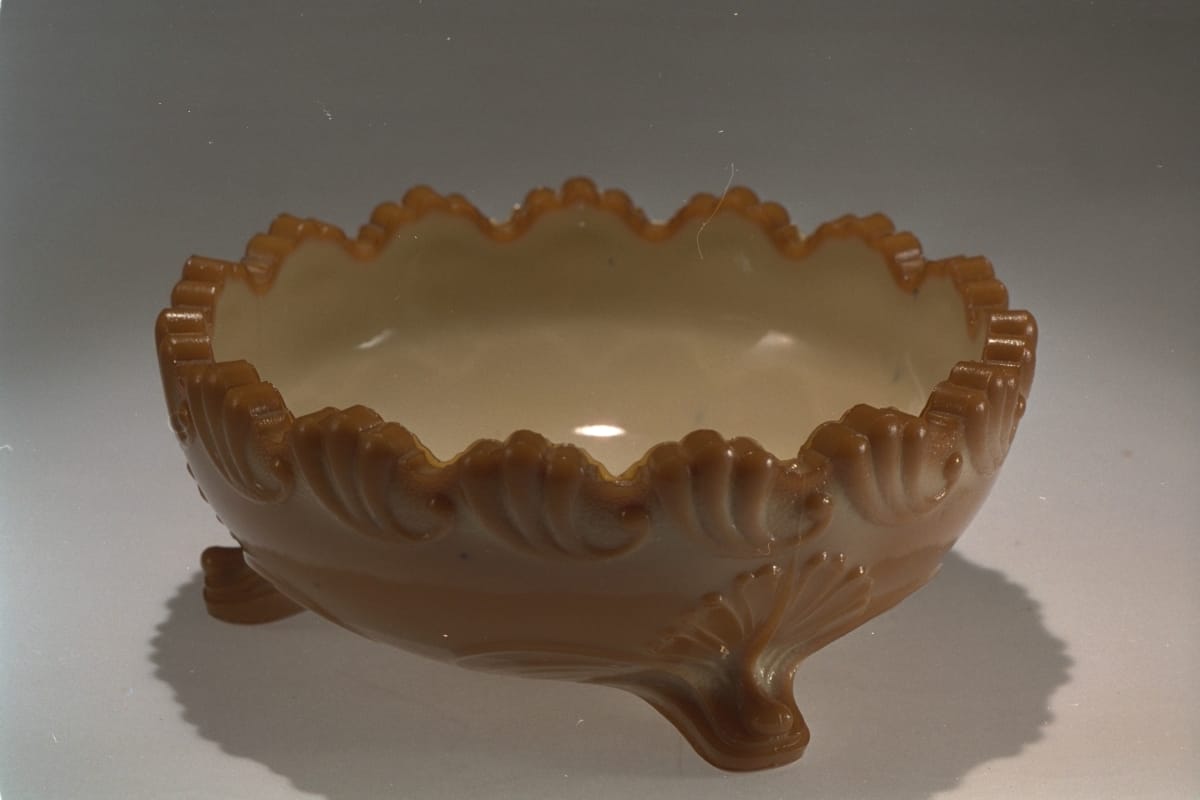
Sauce Dish, 1900-1903
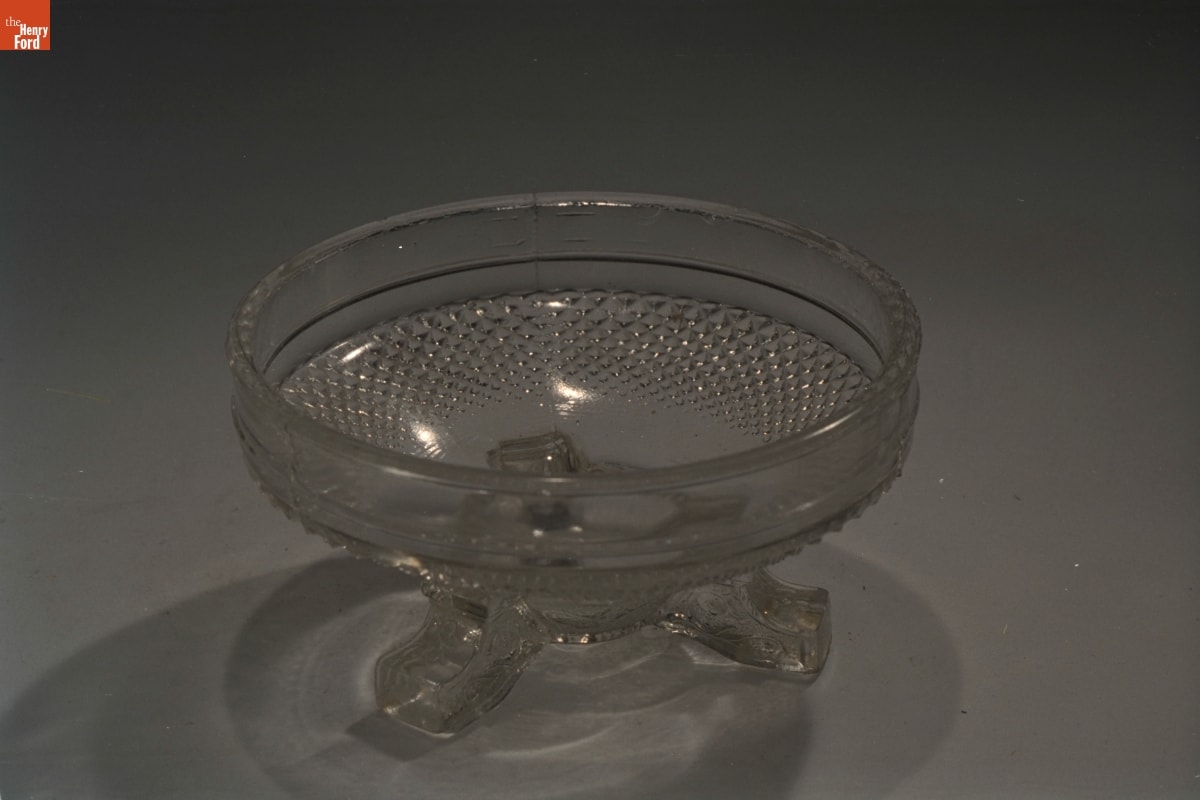
- Sauce Dish, 1880-1890 - Nineteenth-century American glassmakers experimented with new methods to create products for a growing consumer market. In the 1820s, pressing glass into metal molds by machine was perfected, and by the mid-1800s, manufacturers were creating a variety of inexpensive pressed glass housewares. America's middle-class consumers could now decorate their homes with attractive glass bowls, creamers, dishes, plates, vases, and other tableware.
- 1880-1890
- Collections - Artifact
Sauce Dish, 1880-1890
Nineteenth-century American glassmakers experimented with new methods to create products for a growing consumer market. In the 1820s, pressing glass into metal molds by machine was perfected, and by the mid-1800s, manufacturers were creating a variety of inexpensive pressed glass housewares. America's middle-class consumers could now decorate their homes with attractive glass bowls, creamers, dishes, plates, vases, and other tableware.
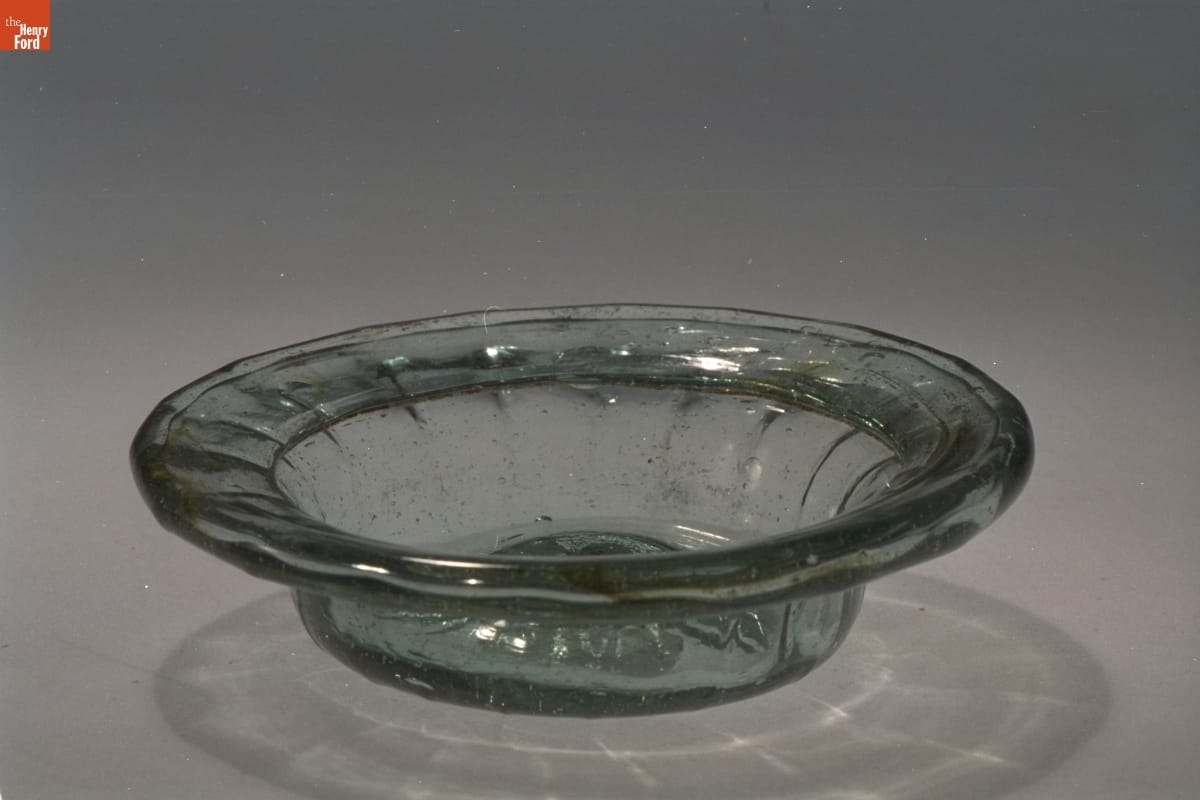
- Sauce Dish, 1815-1840 - American glass factories made a variety of glass products for the early-nineteenth-century consumer. Glassblowers turned out bottles, flasks, tableware and other household items. Earlier products were affordable only to the well-to-do. But by the second quarter of the 19th century, a growing number of manufacturers made reasonably priced blown-glass items available to the expanding middle class.
- 1815-1840
- Collections - Artifact
Sauce Dish, 1815-1840
American glass factories made a variety of glass products for the early-nineteenth-century consumer. Glassblowers turned out bottles, flasks, tableware and other household items. Earlier products were affordable only to the well-to-do. But by the second quarter of the 19th century, a growing number of manufacturers made reasonably priced blown-glass items available to the expanding middle class.
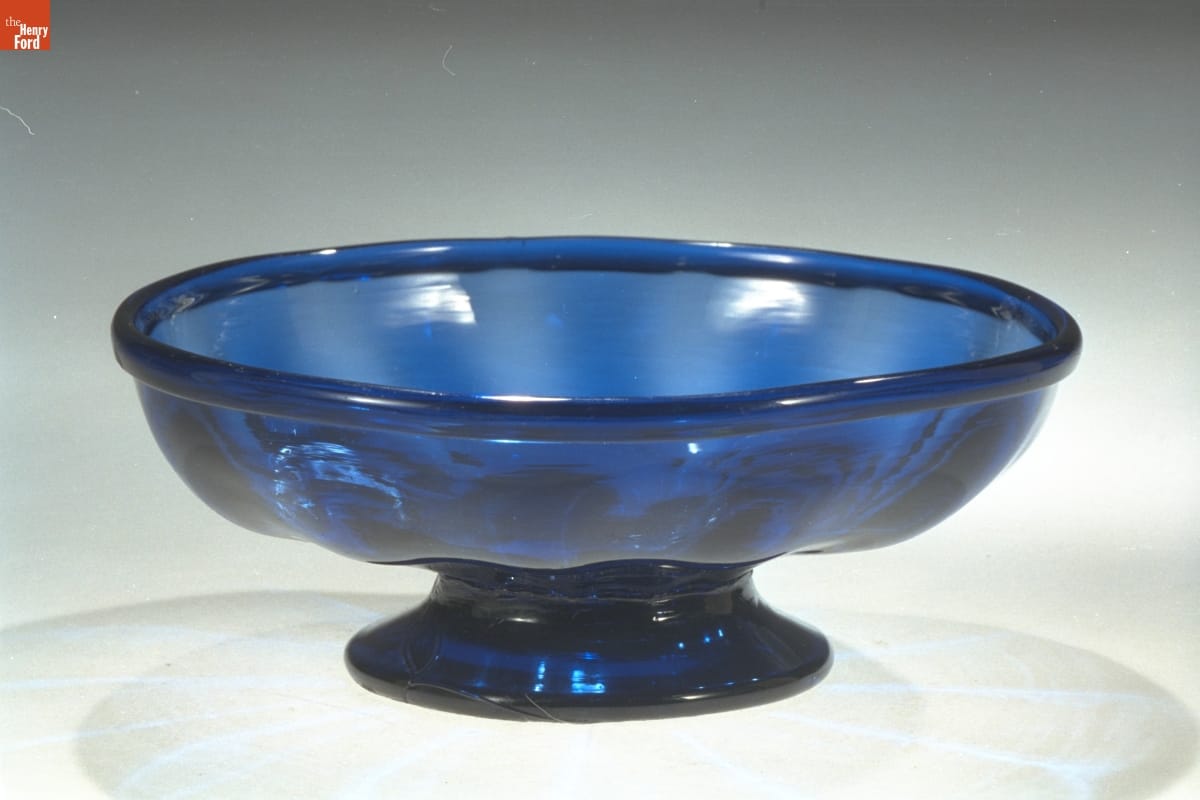
- Sauce Dish, 1815-1835 -
- 1815-1835
- Collections - Artifact
Sauce Dish, 1815-1835
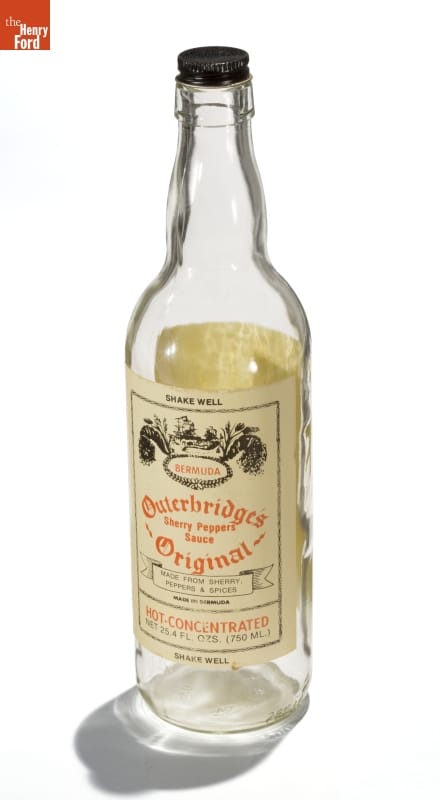
- Bottle of Outerbridge's Sherry Pepper Sauce, 1980-2000 - This food item was one of the many exotic delicacies sold at A. Rensch & Co., a family-owned specialty-import food store that opened in Toledo, Ohio, in 1882. Customers interested in exotic canned and bottled foods, hard-to-find teas and coffees, and all manner of imported meats and cheeses would have frequented a store like this. A. Rensch & Co. also sold gift boxes.
- 1980-2000
- Collections - Artifact
Bottle of Outerbridge's Sherry Pepper Sauce, 1980-2000
This food item was one of the many exotic delicacies sold at A. Rensch & Co., a family-owned specialty-import food store that opened in Toledo, Ohio, in 1882. Customers interested in exotic canned and bottled foods, hard-to-find teas and coffees, and all manner of imported meats and cheeses would have frequented a store like this. A. Rensch & Co. also sold gift boxes.
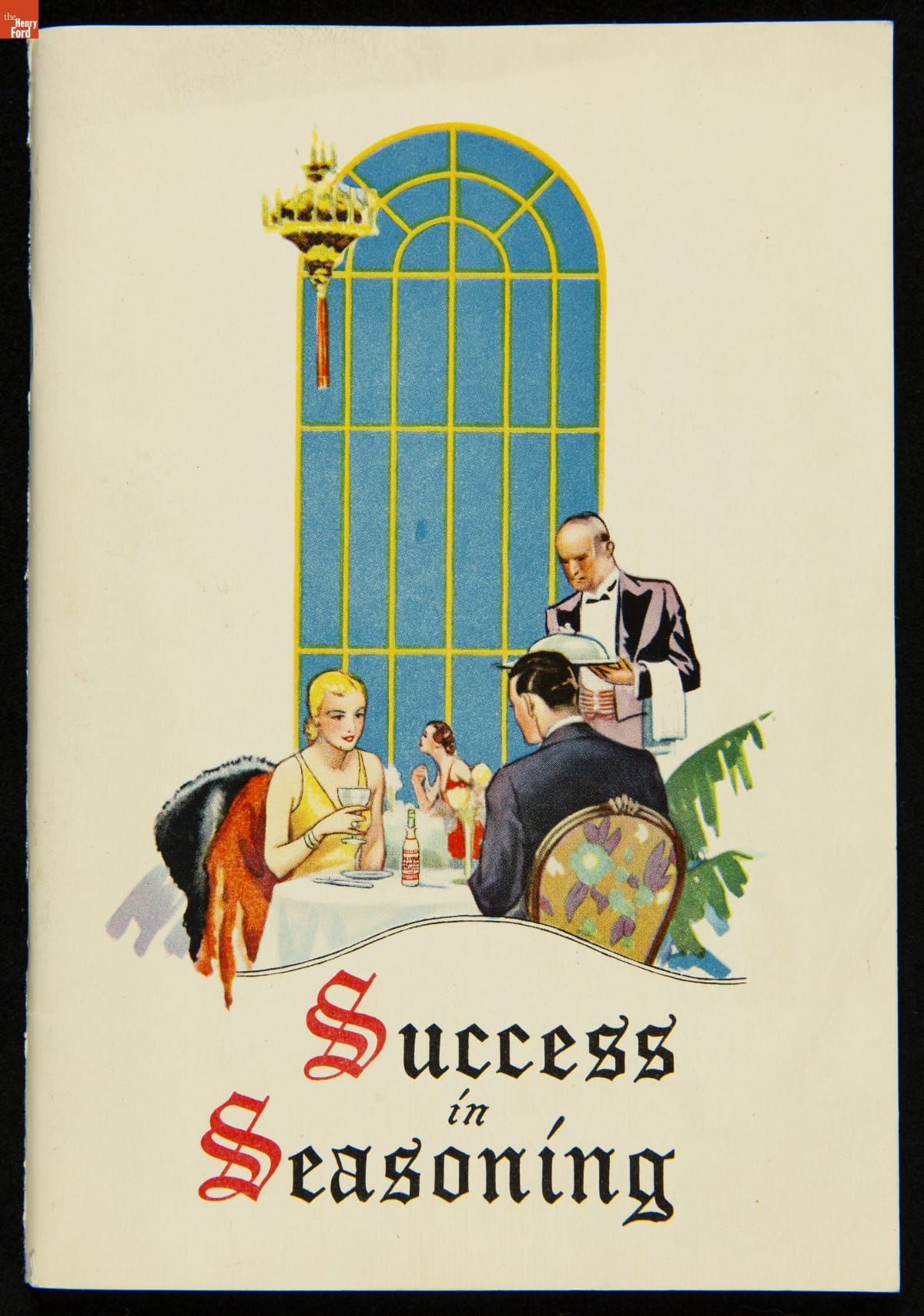
- Recipe Booklet, "Lea & Perrins Success in Seasoning," 1932 - In 1835, chemists John Lea and William Perrins of Worcester, England, came across forgotten jars of sauce in their cellar. The once unsavory sauce, having aged a few years, was surprisingly delicious! Its popularity spread across Europe, and in 1839, businessman John Duncan introduced the sauce to America. Since then, Lea & Perrins Worcestershire Sauce has become a seasoning favorite in many recipes.
- 1932
- Collections - Artifact
Recipe Booklet, "Lea & Perrins Success in Seasoning," 1932
In 1835, chemists John Lea and William Perrins of Worcester, England, came across forgotten jars of sauce in their cellar. The once unsavory sauce, having aged a few years, was surprisingly delicious! Its popularity spread across Europe, and in 1839, businessman John Duncan introduced the sauce to America. Since then, Lea & Perrins Worcestershire Sauce has become a seasoning favorite in many recipes.
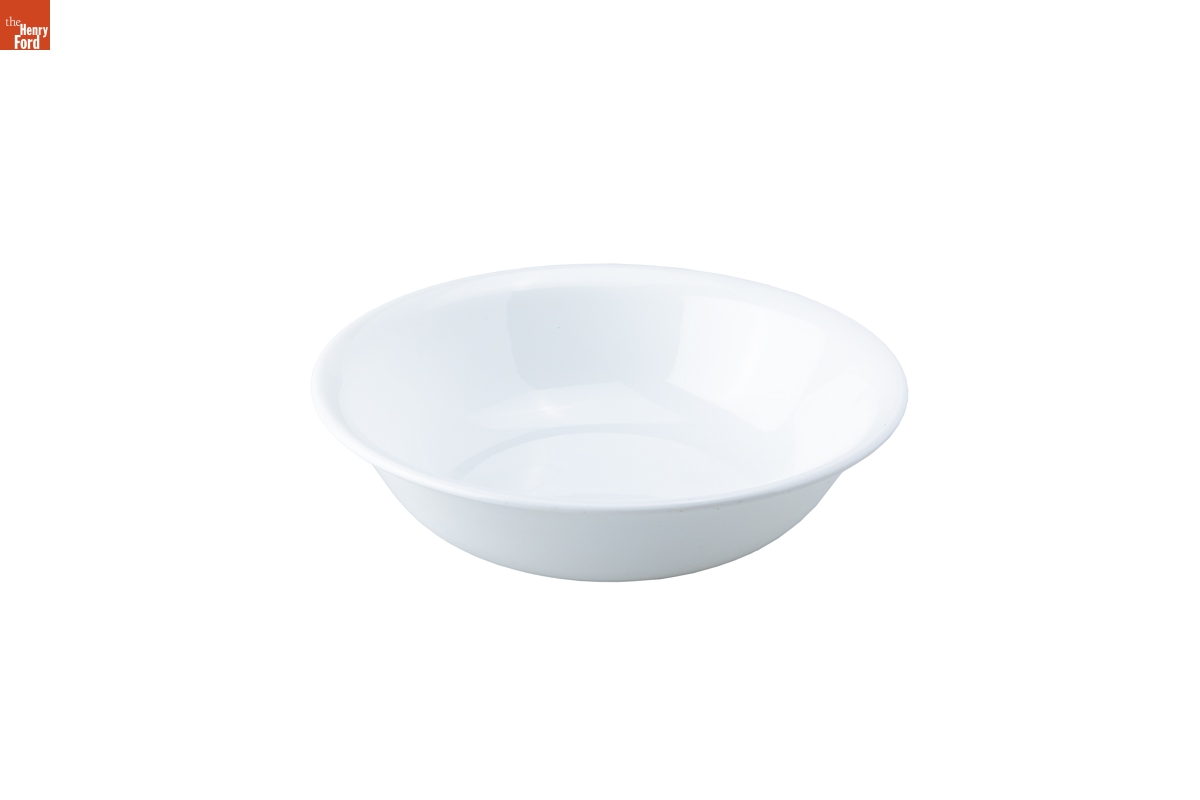
- Sauce Dish Used by the Jackson Family, Selma, Alabama - A Corning Glass Works scientist discovered a laminating technique that produced a very thin yet very strong glass in 1965. From this discovery, Corning developed a lightweight, break-resistant dinnerware called Corelle. Introduced in 1970, Corelle was offered in a selection of fashionable patterns, and the company compared the durable, inexpensive dinnerware to fine china. It was a hit and remains a household name.
- Collections - Artifact
Sauce Dish Used by the Jackson Family, Selma, Alabama
A Corning Glass Works scientist discovered a laminating technique that produced a very thin yet very strong glass in 1965. From this discovery, Corning developed a lightweight, break-resistant dinnerware called Corelle. Introduced in 1970, Corelle was offered in a selection of fashionable patterns, and the company compared the durable, inexpensive dinnerware to fine china. It was a hit and remains a household name.