
Search
- Western Electric No. 2 Portable Sewing Machine, circa 1920 -
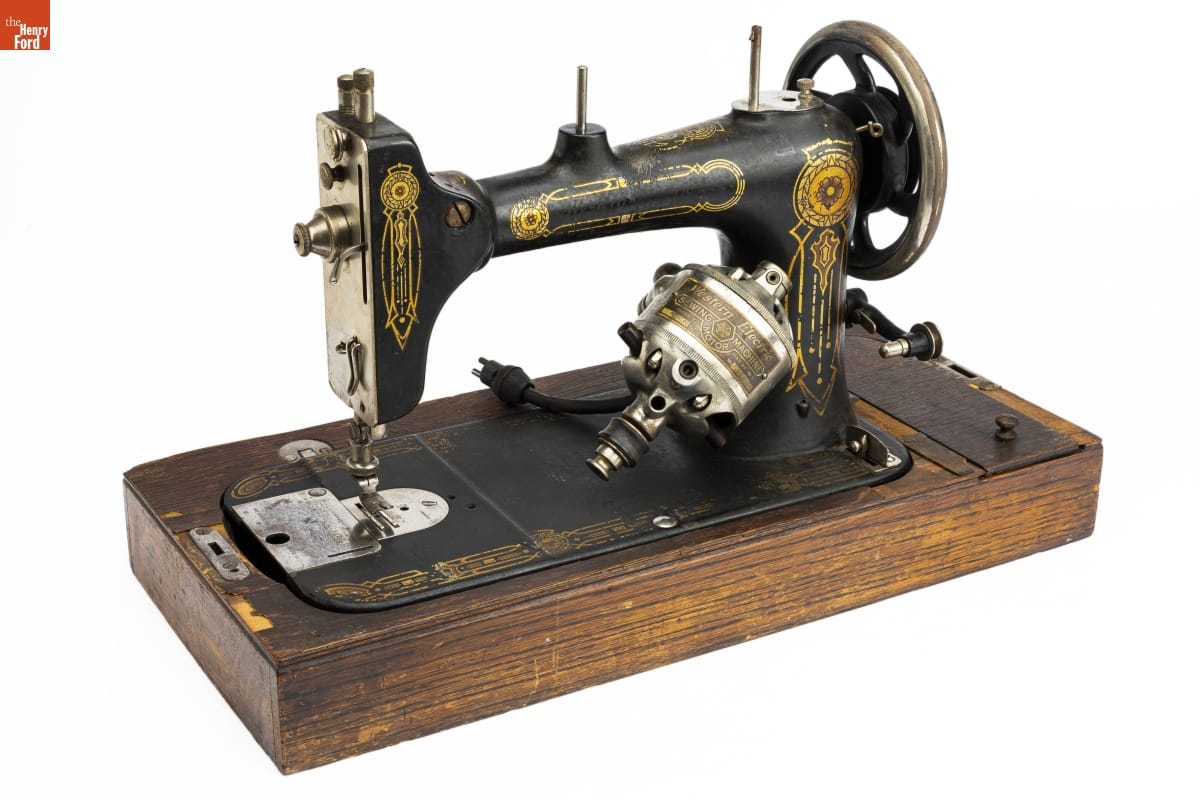
- circa 1920
- Collections - Artifact
Western Electric No. 2 Portable Sewing Machine, circa 1920
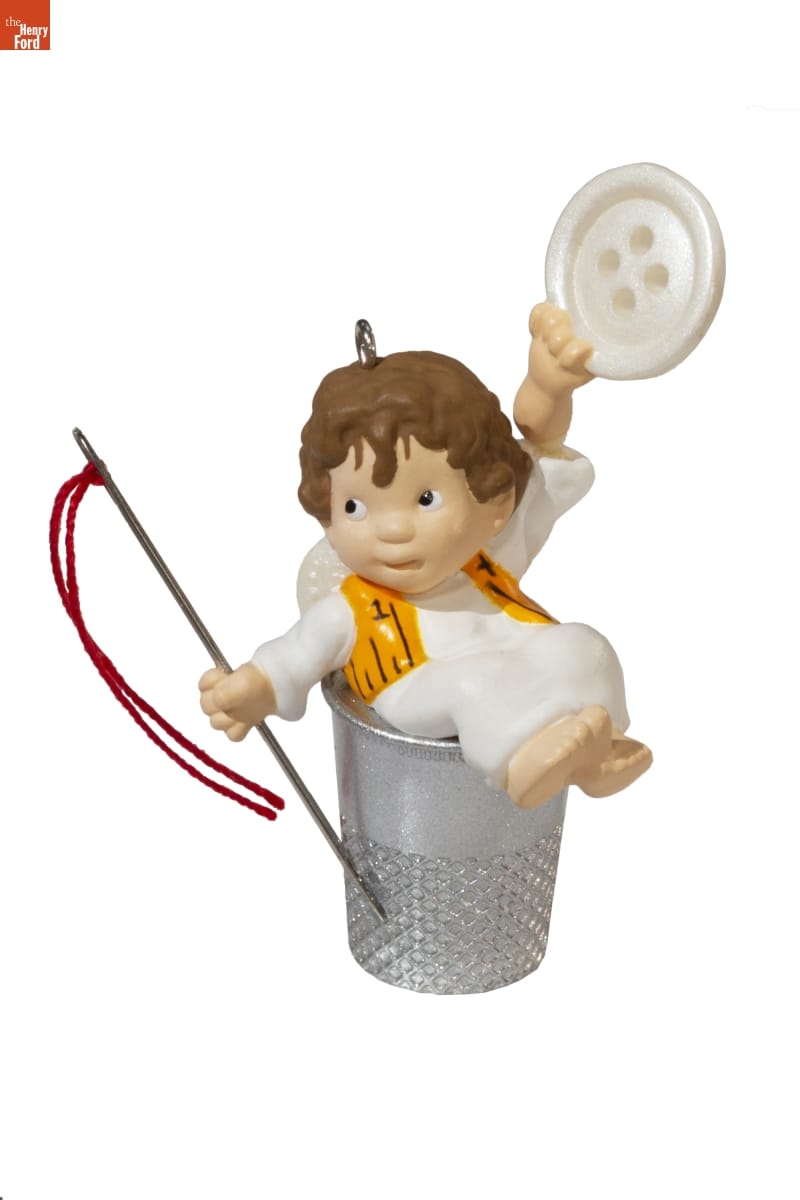
- Hallmark ""Sew" Gifted" Christmas Ornament, 1998 - Already known for greeting cards, Hallmark introduced a line of Christmas ornaments in 1973. The company's annual release of an increasing array of ornaments revolutionized Christmas decorating, appealing to customers' interest in marking memories and milestones as well as expressing one's personality and unique tastes.
- 1998
- Collections - Artifact
Hallmark ""Sew" Gifted" Christmas Ornament, 1998
Already known for greeting cards, Hallmark introduced a line of Christmas ornaments in 1973. The company's annual release of an increasing array of ornaments revolutionized Christmas decorating, appealing to customers' interest in marking memories and milestones as well as expressing one's personality and unique tastes.
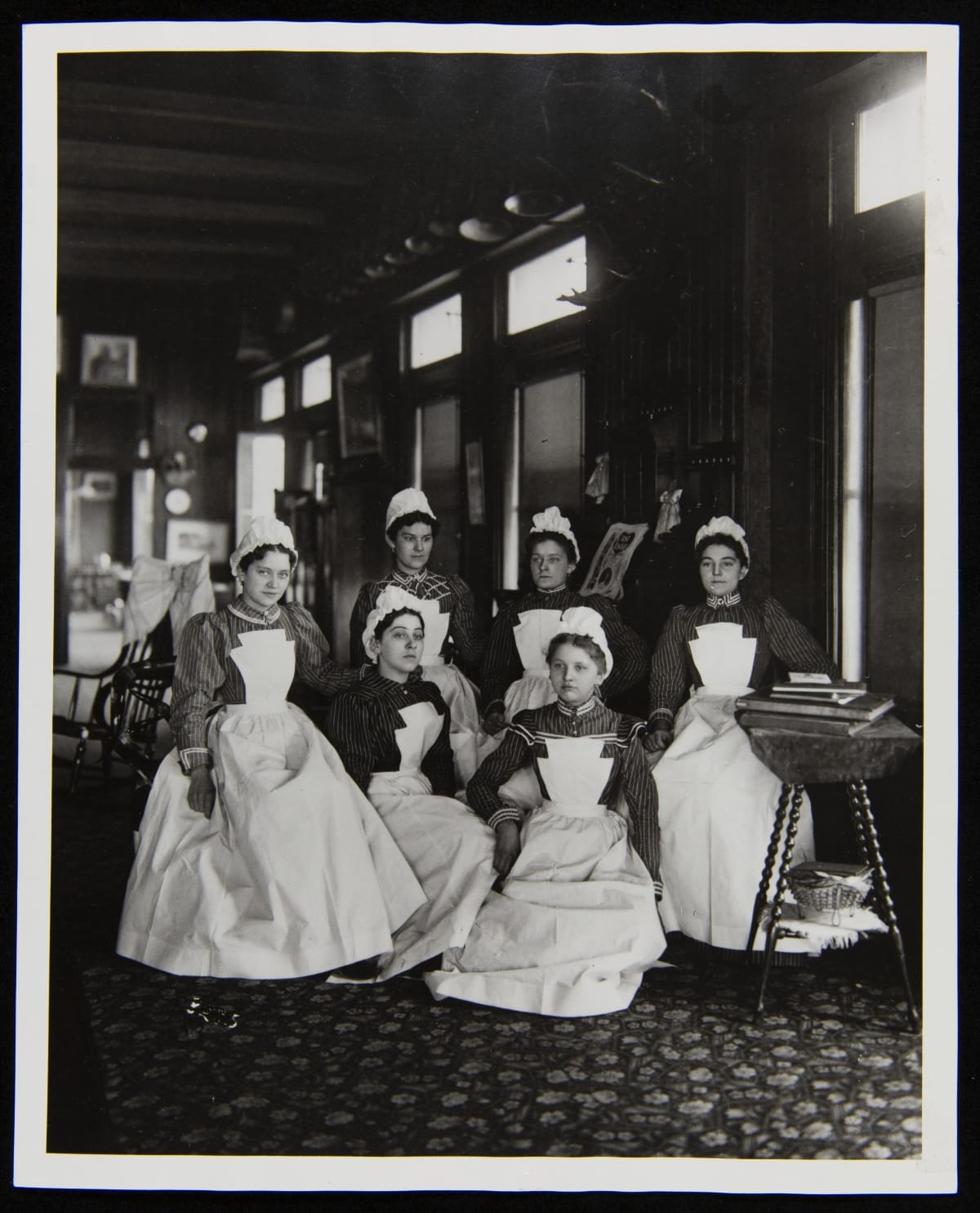
- H. J. Heinz Company Employee Sewing Class, 1904 - The H.J. Heinz Company was at the forefront of employee welfare during the late 19th and early 20th centuries. Exemplary employee amenities such as a gymnasium, swimming pool, and large dining rooms supported a strong company culture. Employees were also encouraged to participate in self-improvement classes, such as weaving, cooking, and sewing (seen here).
- 1904
- Collections - Artifact
H. J. Heinz Company Employee Sewing Class, 1904
The H.J. Heinz Company was at the forefront of employee welfare during the late 19th and early 20th centuries. Exemplary employee amenities such as a gymnasium, swimming pool, and large dining rooms supported a strong company culture. Employees were also encouraged to participate in self-improvement classes, such as weaving, cooking, and sewing (seen here).
- Howe Sewing Machine, circa 1863 -
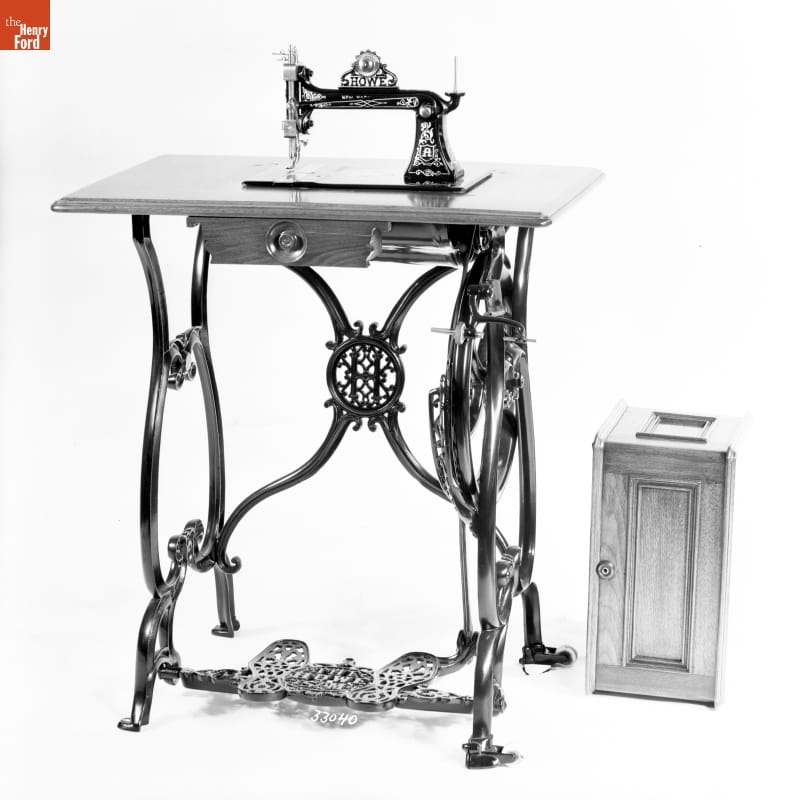
- circa 1863
- Collections - Artifact
Howe Sewing Machine, circa 1863
- Needle Case, 1870-1890 -
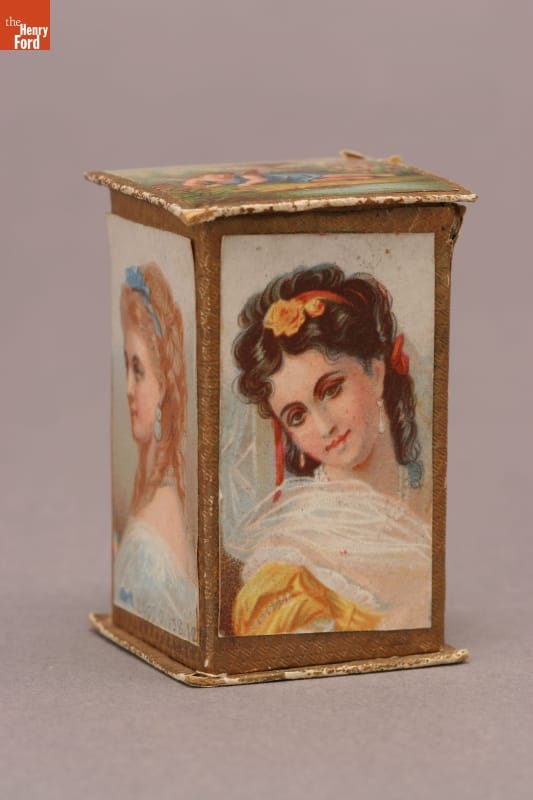
- 1870-1890
- Collections - Artifact
Needle Case, 1870-1890
- Three Farm Girls Make All Their Own Clothes, Supervised by a Local Farm Woman, 1923-1924 -
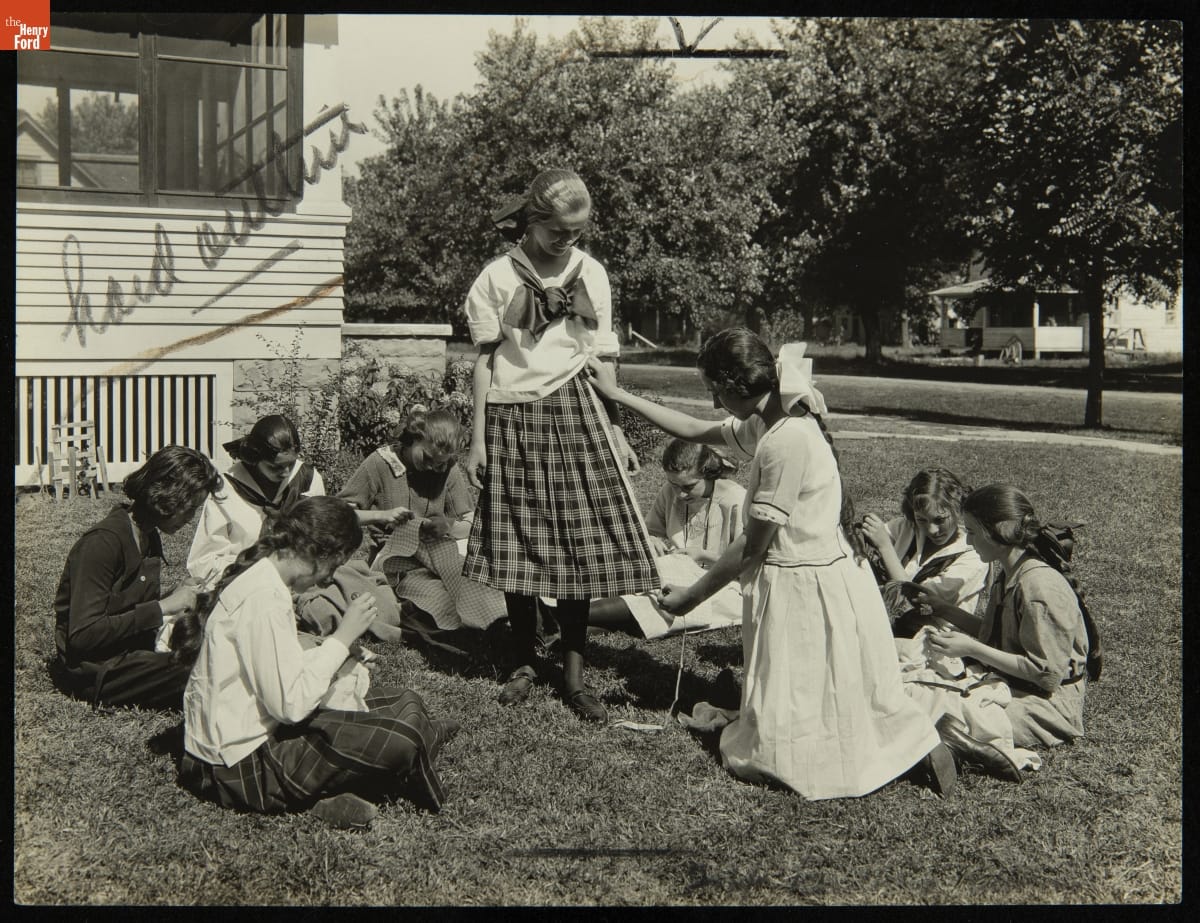
- 1923-1924
- Collections - Artifact
Three Farm Girls Make All Their Own Clothes, Supervised by a Local Farm Woman, 1923-1924
- Sewing Box, 1850-1875 -
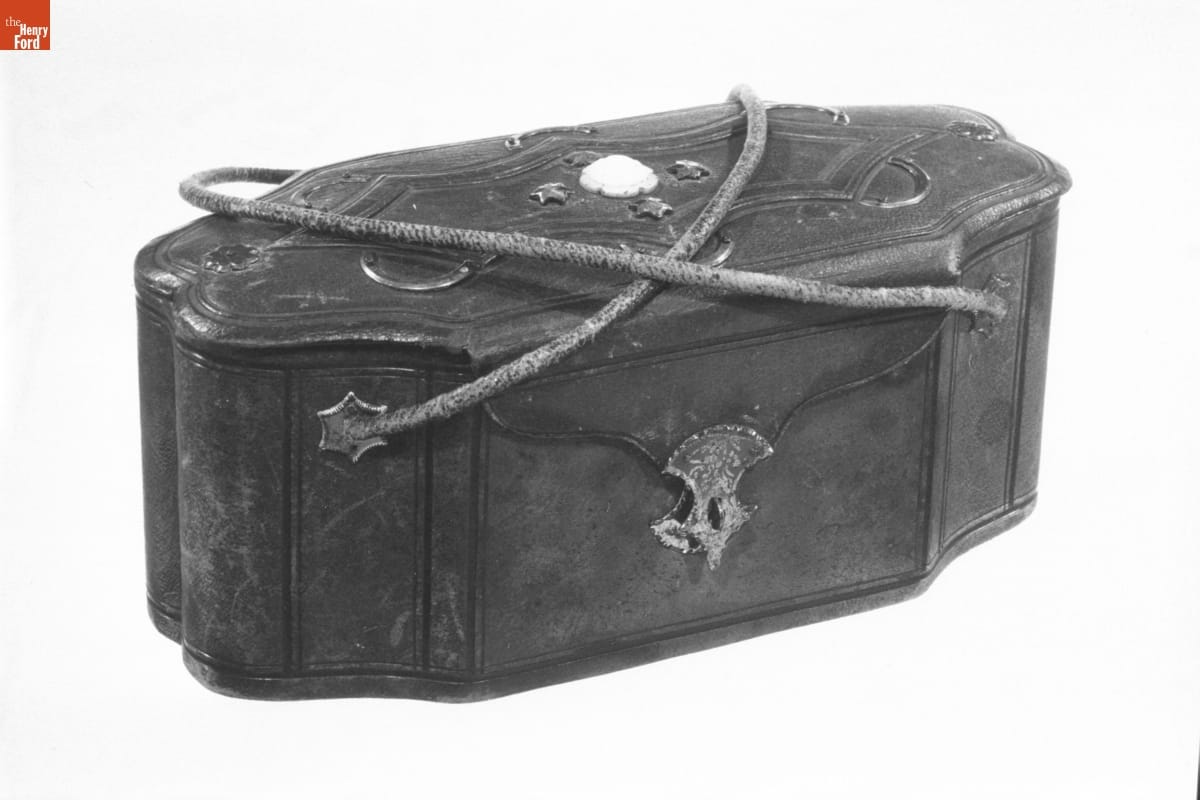
- 1850-1875
- Collections - Artifact
Sewing Box, 1850-1875
- Thimble Bucket -
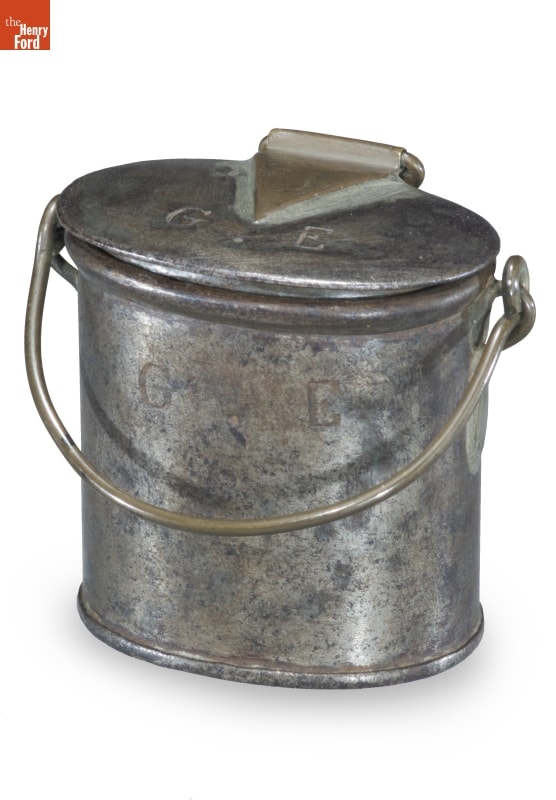
- Collections - Artifact
Thimble Bucket
- Sewing Thimble Used by Susana Allen Hunter, 1930-1969 -
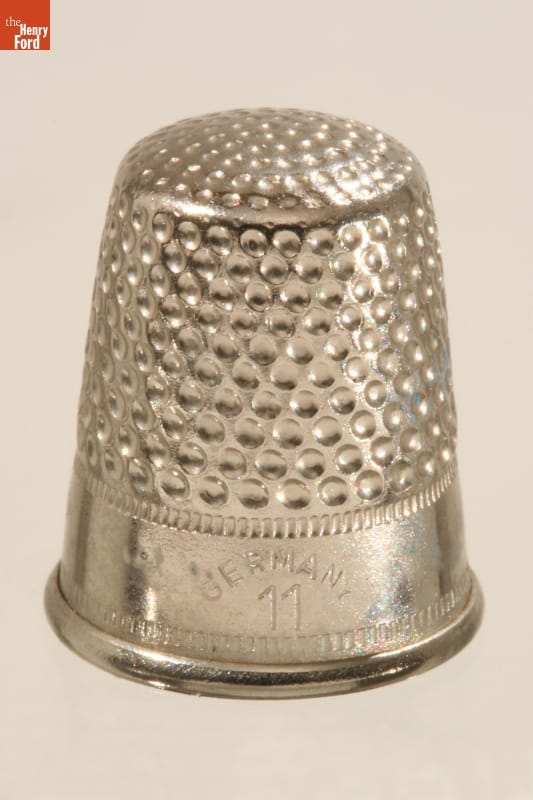
- 1930-1969
- Collections - Artifact
Sewing Thimble Used by Susana Allen Hunter, 1930-1969
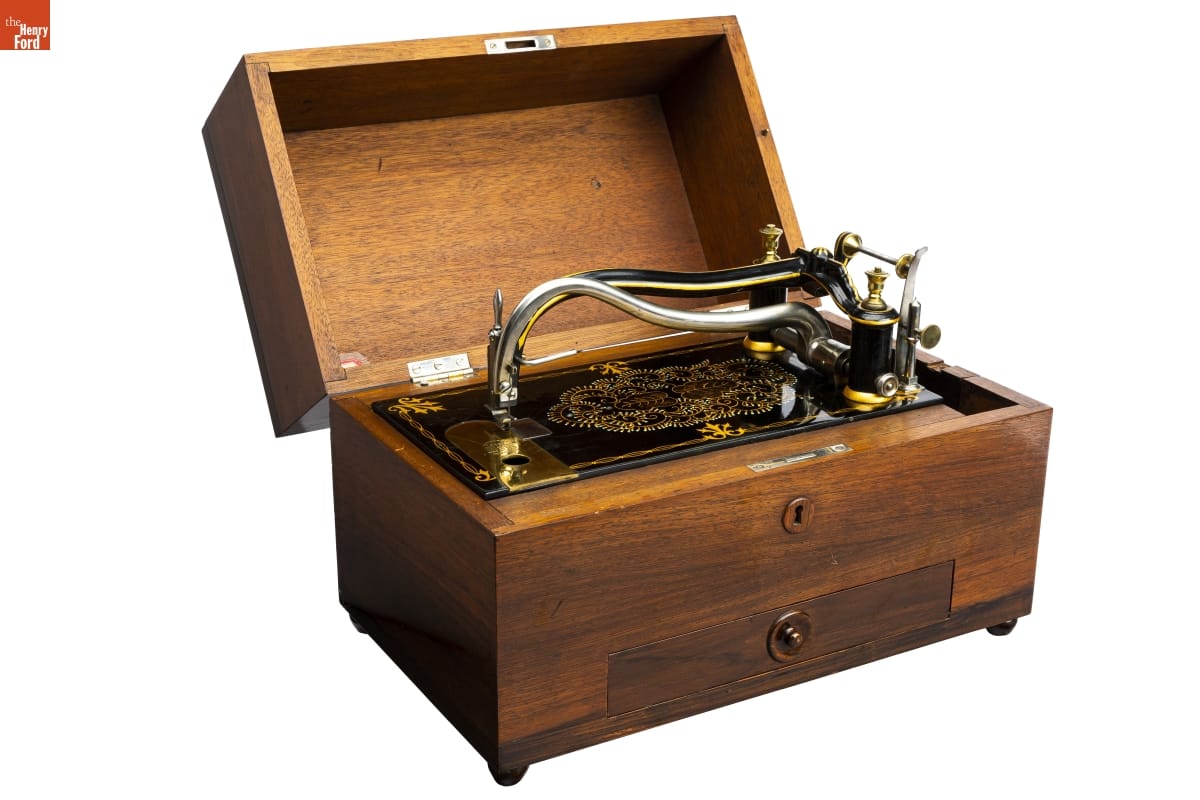
- Grover & Baker Portable Sewing Machine, Purchased by Judge Nathan Crosby of Lowell, Massachusetts, 1858 - Seamstresses used this sewing machine to sew cotton cloth (a Southern agricultural commodity woven in Northern factories). The cast-iron mechanism in a rosewood case confirms connections between Amazonian forests and New England factories. Patented in 1856, this portable machine hit the American market while the fate of slavery divided the nation. Advertising in the American Farmer (1860) described it “for farm and plantation use,” implying that enslaved and free seamstresses may have used it.
- 1858
- Collections - Artifact
Grover & Baker Portable Sewing Machine, Purchased by Judge Nathan Crosby of Lowell, Massachusetts, 1858
Seamstresses used this sewing machine to sew cotton cloth (a Southern agricultural commodity woven in Northern factories). The cast-iron mechanism in a rosewood case confirms connections between Amazonian forests and New England factories. Patented in 1856, this portable machine hit the American market while the fate of slavery divided the nation. Advertising in the American Farmer (1860) described it “for farm and plantation use,” implying that enslaved and free seamstresses may have used it.