
Search
- Shelf Clock By John Winkley, 1787-1792 -
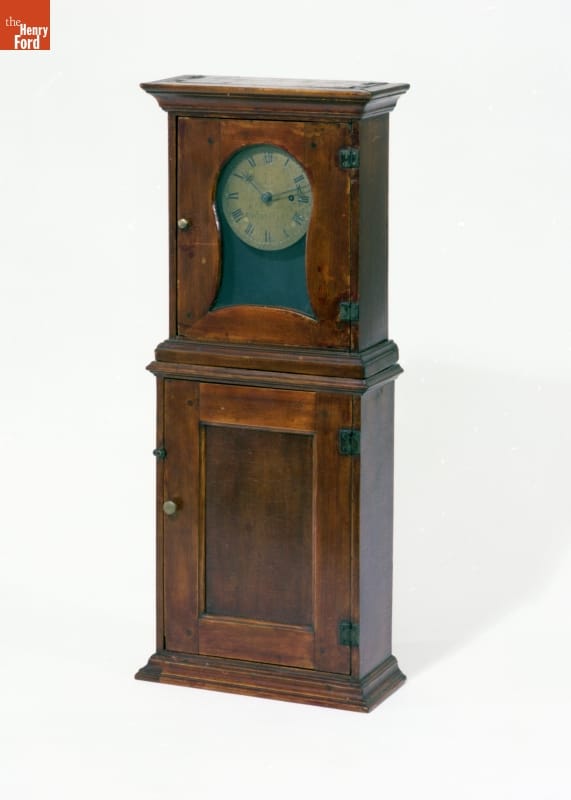
- 1787-1792
- Collections - Artifact
Shelf Clock By John Winkley, 1787-1792
- Everlast "Forged" Salt and Pepper Shakers, 1936-1950 - In 1932, Louis Schnitzer and Nathan Gelfman formed Everlast Metal Products Corporation, producing high-quality, hand-forged aluminum giftware. In an era of growing uniformity via factory production, the "made by hand" aspect of these products held an aesthetic appeal for consumers. In 1933, Everlast introduced its first product line, "Forged Giftware" featuring Colonial Revival inspired designs.
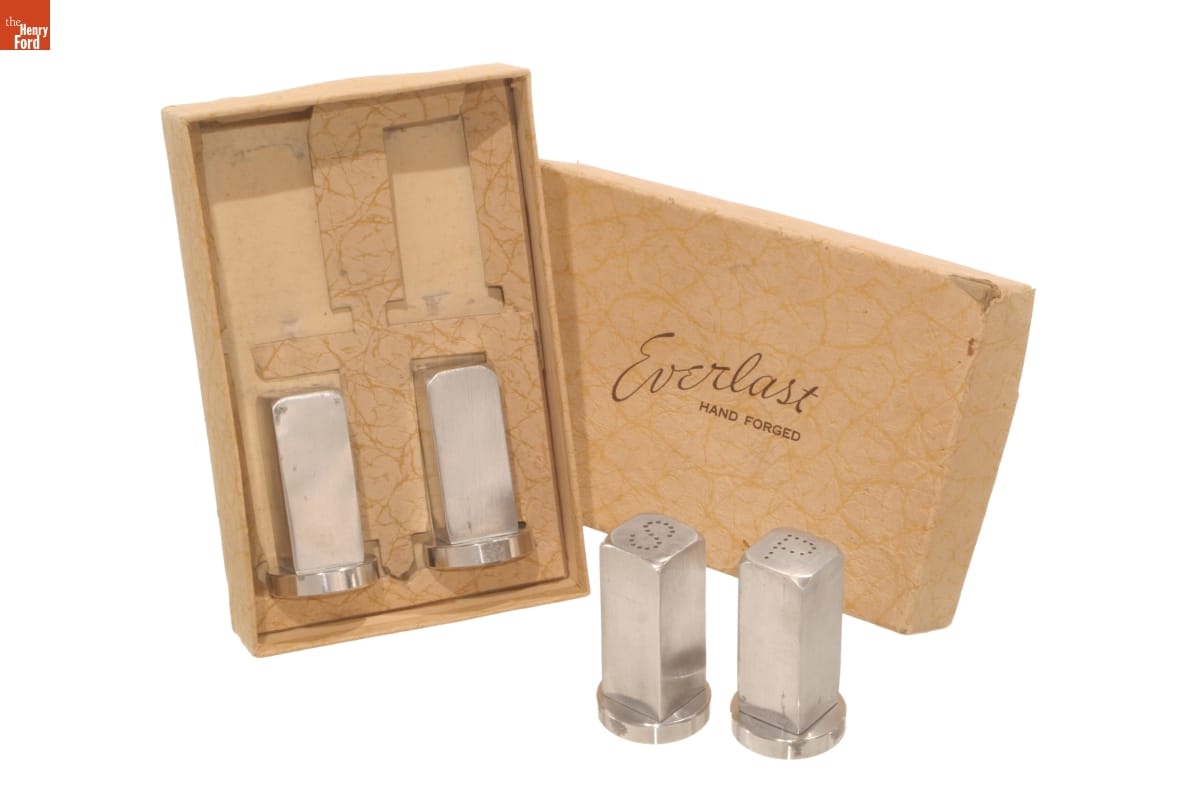
- 1936-1950
- Collections - Artifact
Everlast "Forged" Salt and Pepper Shakers, 1936-1950
In 1932, Louis Schnitzer and Nathan Gelfman formed Everlast Metal Products Corporation, producing high-quality, hand-forged aluminum giftware. In an era of growing uniformity via factory production, the "made by hand" aspect of these products held an aesthetic appeal for consumers. In 1933, Everlast introduced its first product line, "Forged Giftware" featuring Colonial Revival inspired designs.
- Hand Lamp, circa 1830 - The United Society of Believers in Christ's Second Appearing, commonly known as the Shakers, is a religious sect begun in the late 1700s. Members banded together into small, mostly self-sufficient, communal enclaves scattered from Maine to Kentucky. Shaker craftsmen fashioned household furnishings with plain lines, little ornamentation, and painted or stained in a uniform color. Their craftsmanship expressed honesty, simplicity, and utility--in keeping with the guiding principles of the Shaker faith.
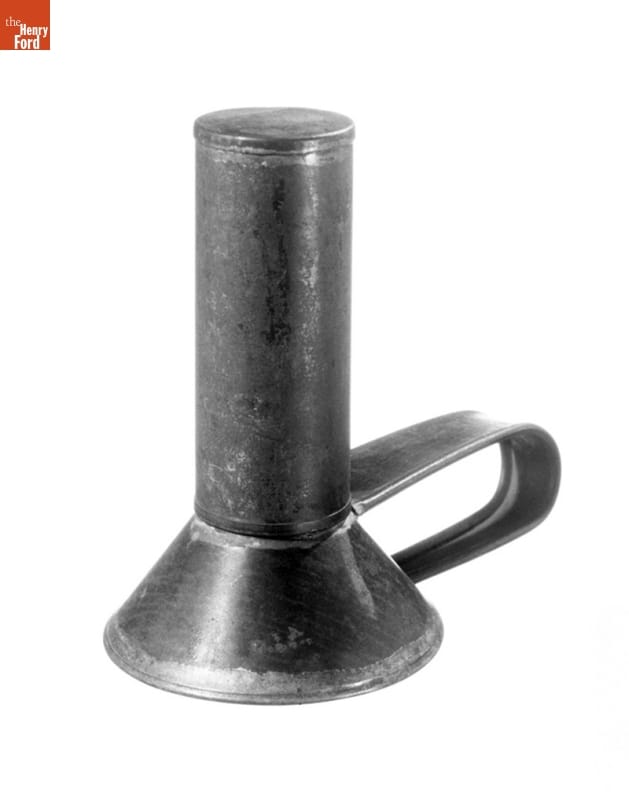
- circa 1830
- Collections - Artifact
Hand Lamp, circa 1830
The United Society of Believers in Christ's Second Appearing, commonly known as the Shakers, is a religious sect begun in the late 1700s. Members banded together into small, mostly self-sufficient, communal enclaves scattered from Maine to Kentucky. Shaker craftsmen fashioned household furnishings with plain lines, little ornamentation, and painted or stained in a uniform color. Their craftsmanship expressed honesty, simplicity, and utility--in keeping with the guiding principles of the Shaker faith.
- Shaker Village, Canterbury, New Hampshire, circa 1875 -
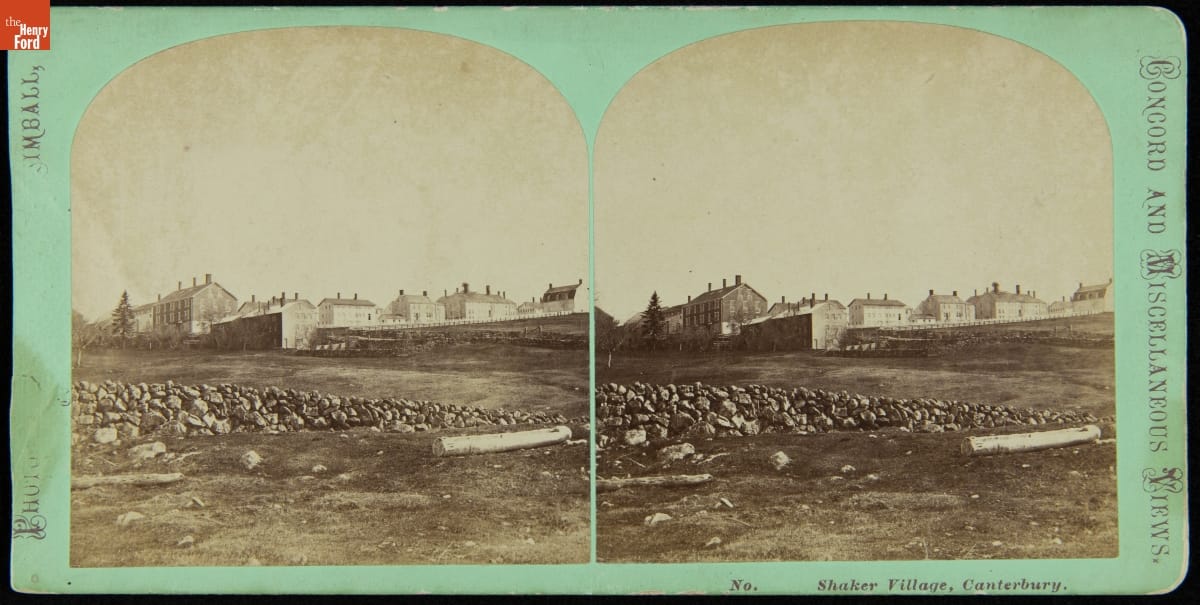
- circa 1875
- Collections - Artifact
Shaker Village, Canterbury, New Hampshire, circa 1875
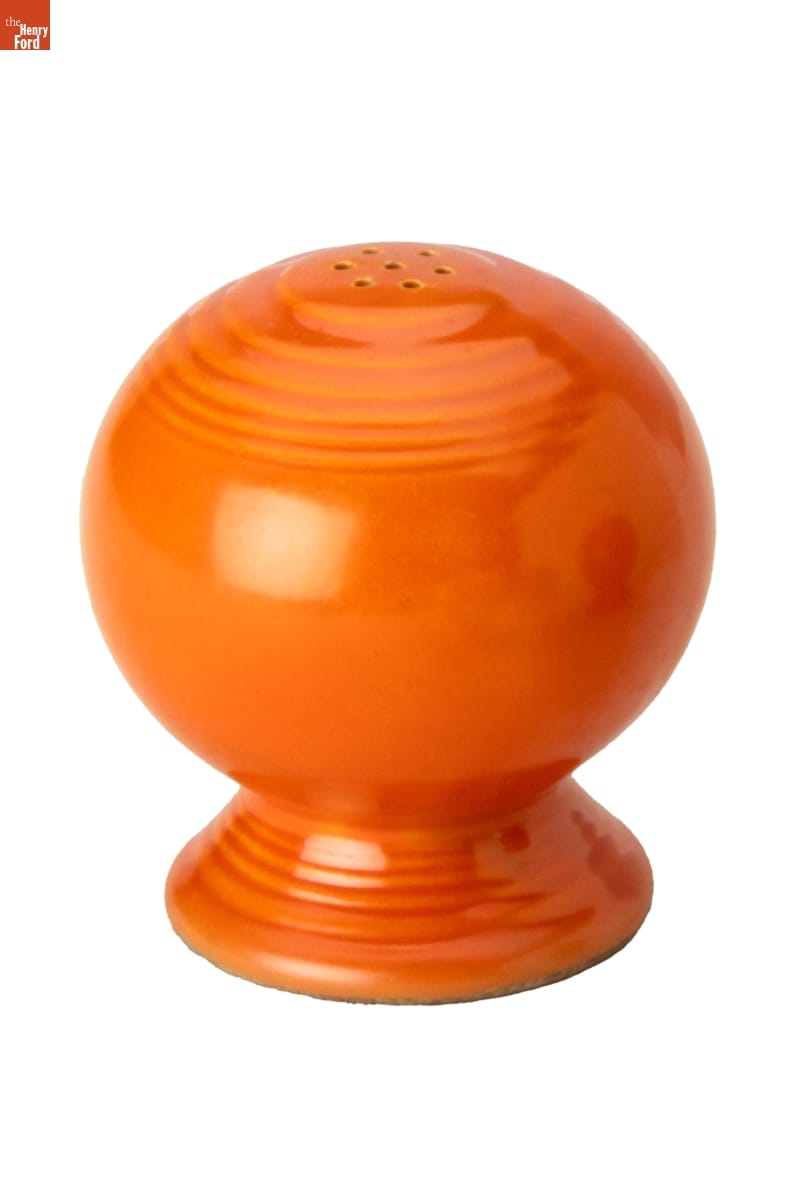
- Fiesta Ware Salt or Pepper Shaker, 1936-1942 - Colorful Fiesta ware was one of many inexpensive, yet fashionable dinnerware sets produced for the middle market during the Great Depression, sold at retailers like F.W. Woolworth's, Kresge, and department store bargain basements. Thanks to revived interest in Art Deco, the line was resurrected in 1986 by the Homer Laughlin China Company, and remains in production today.
- 1936-1942
- Collections - Artifact
Fiesta Ware Salt or Pepper Shaker, 1936-1942
Colorful Fiesta ware was one of many inexpensive, yet fashionable dinnerware sets produced for the middle market during the Great Depression, sold at retailers like F.W. Woolworth's, Kresge, and department store bargain basements. Thanks to revived interest in Art Deco, the line was resurrected in 1986 by the Homer Laughlin China Company, and remains in production today.
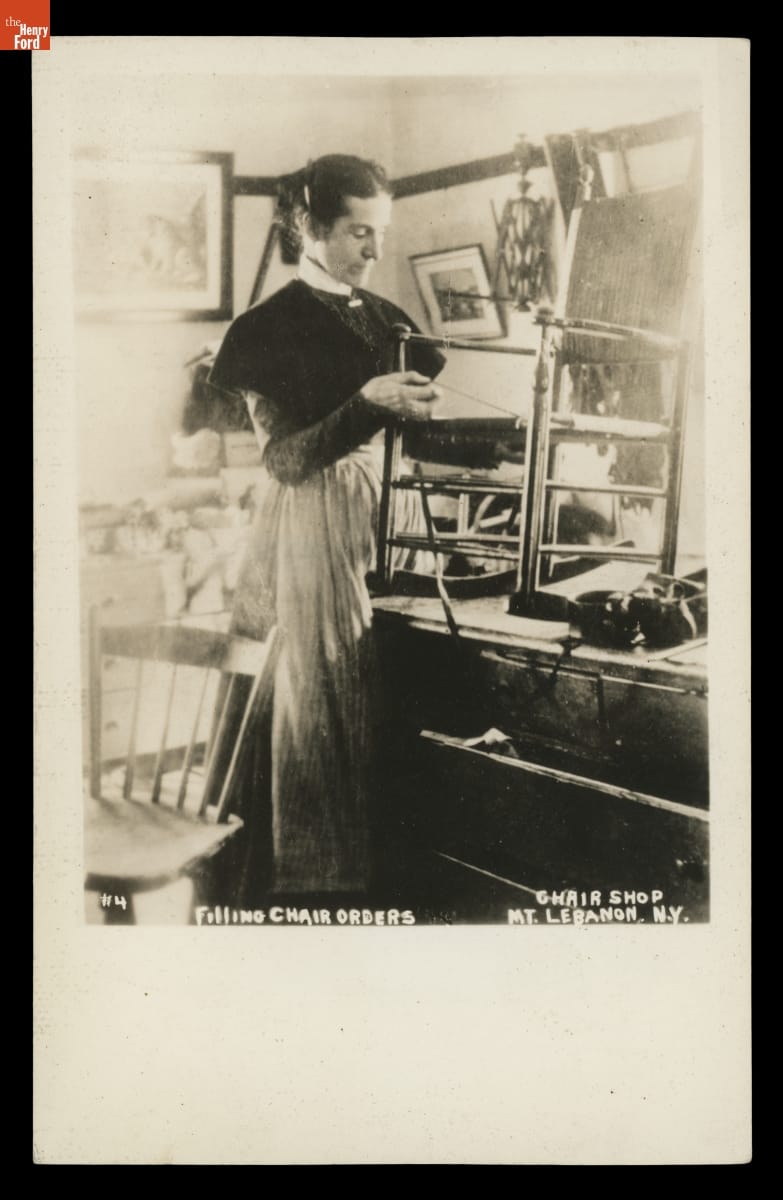
- Eldress Sarah Collins Working on a Rocking Chair about 1890, "Filling Chair Orders, Chair Shop, Mount Lebanon, N.Y." -
- 1890
- Collections - Artifact
Eldress Sarah Collins Working on a Rocking Chair about 1890, "Filling Chair Orders, Chair Shop, Mount Lebanon, N.Y."
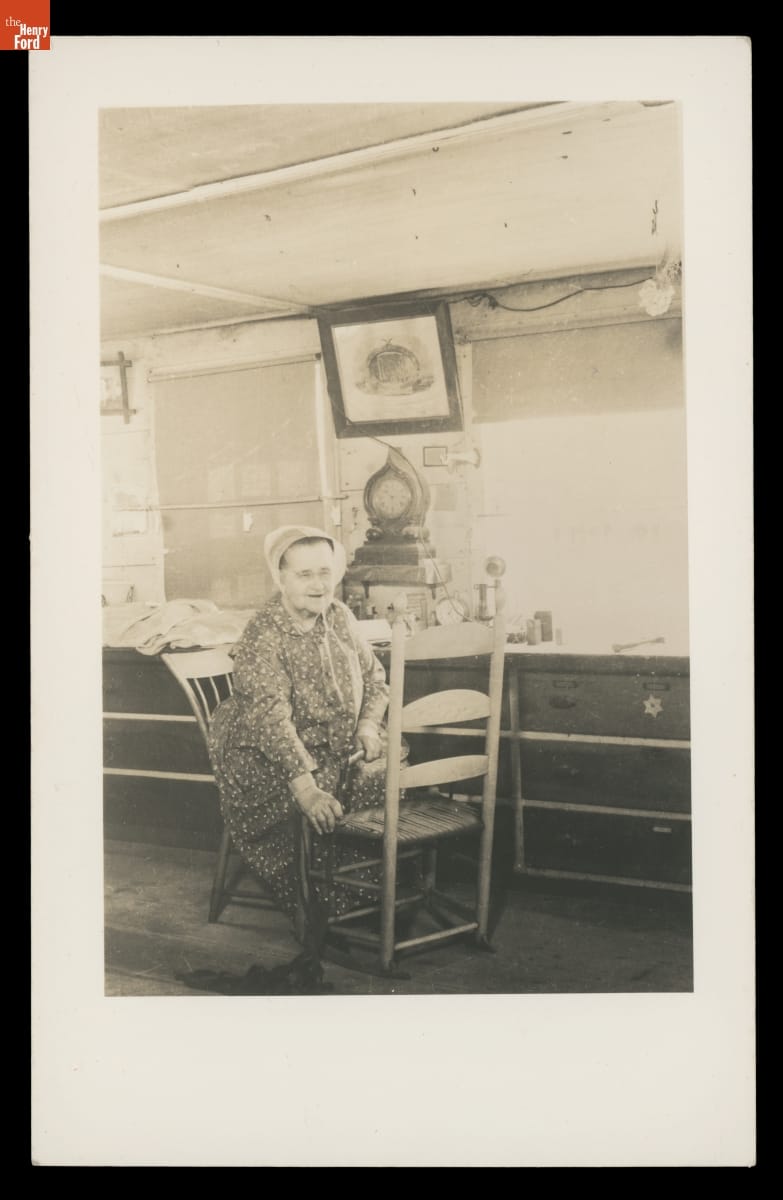
- Rebecca Hathaway Working on a Chair at Canterbury, New Hampshire Shaker Community about 1940 -
- circa 1940
- Collections - Artifact
Rebecca Hathaway Working on a Chair at Canterbury, New Hampshire Shaker Community about 1940
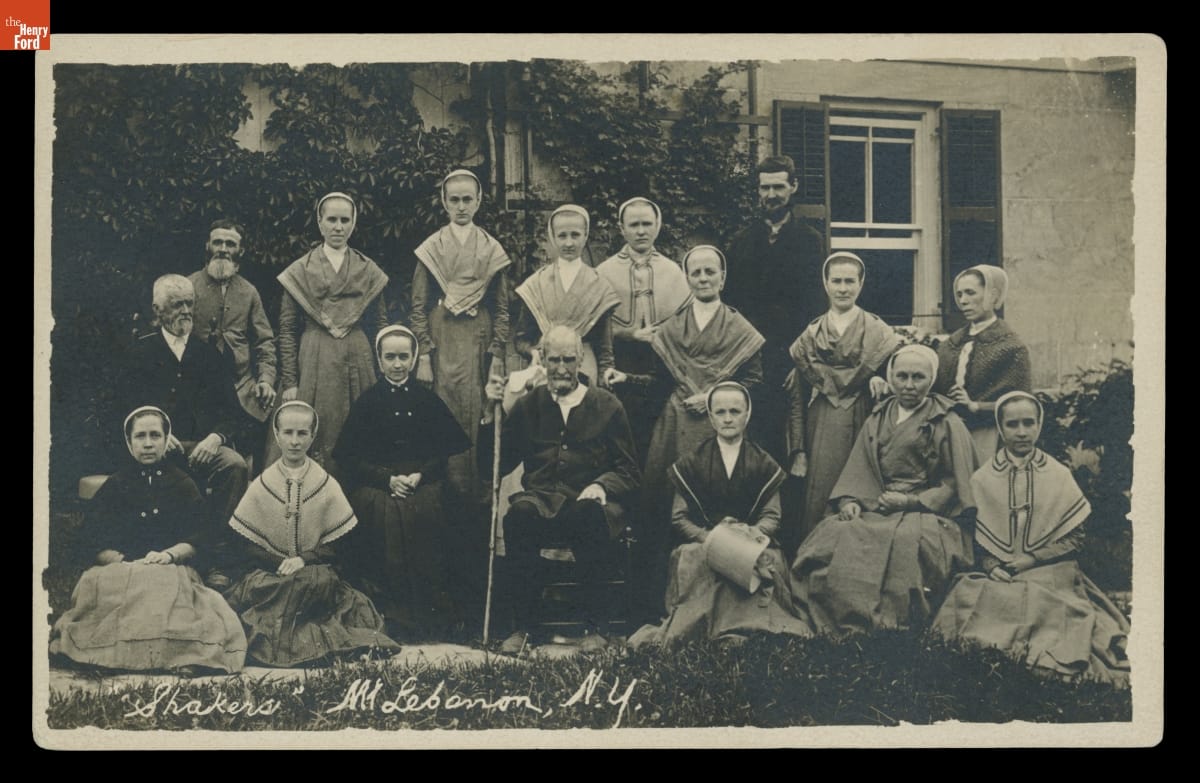
- North Family "Shakers," Mount Lebanon, New York, 1900-1910 -
- 1900-1910
- Collections - Artifact
North Family "Shakers," Mount Lebanon, New York, 1900-1910
- Yardstick, circa 1850 -
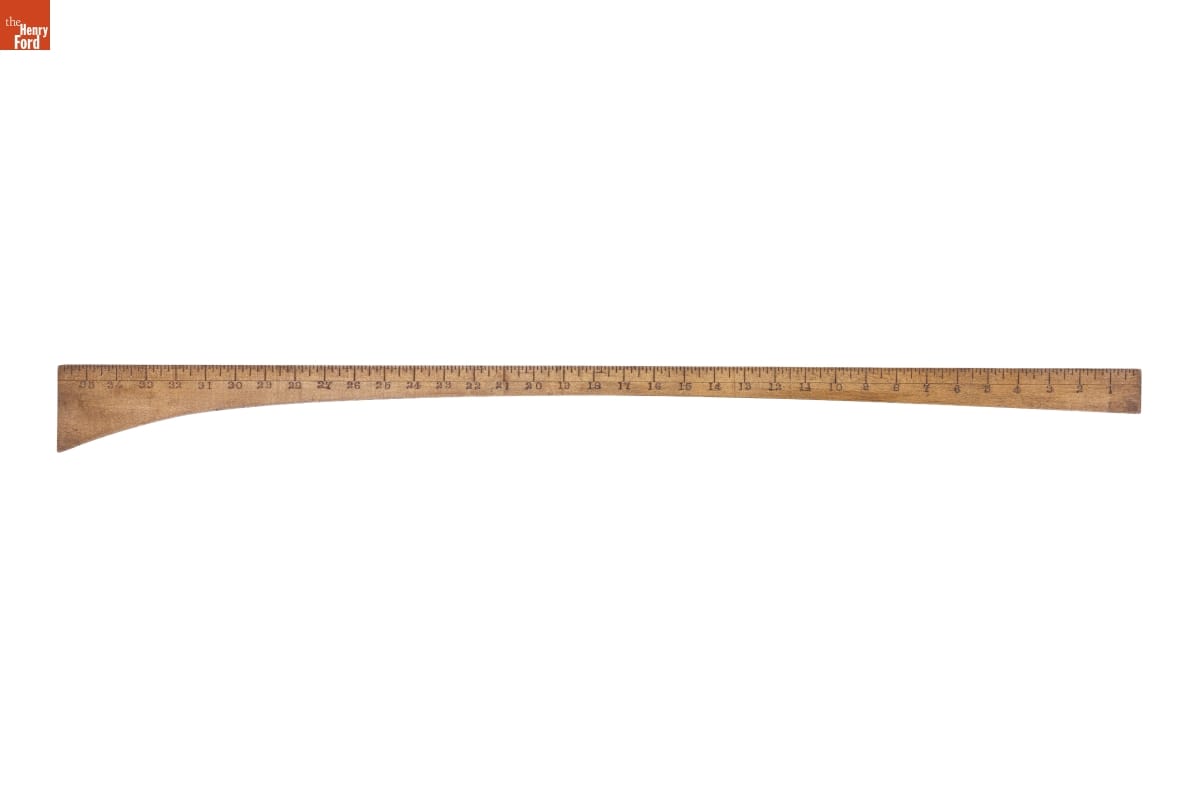
- circa 1850
- Collections - Artifact
Yardstick, circa 1850
- Wool Wheel, Made in the Shaker Community in Canterbury, New Hampshire, 1807-1847 - Spinning fibers into yarn for weaving into cloth was an important task in many households into the 19th century. Spinning, done by women and girls, was a skilled -- and labor-intensive -- task. The woman who operated this large wool wheel spent countless hours walking to and fro, alternately spinning the wool fibers into yarn and then winding it onto the spindle.
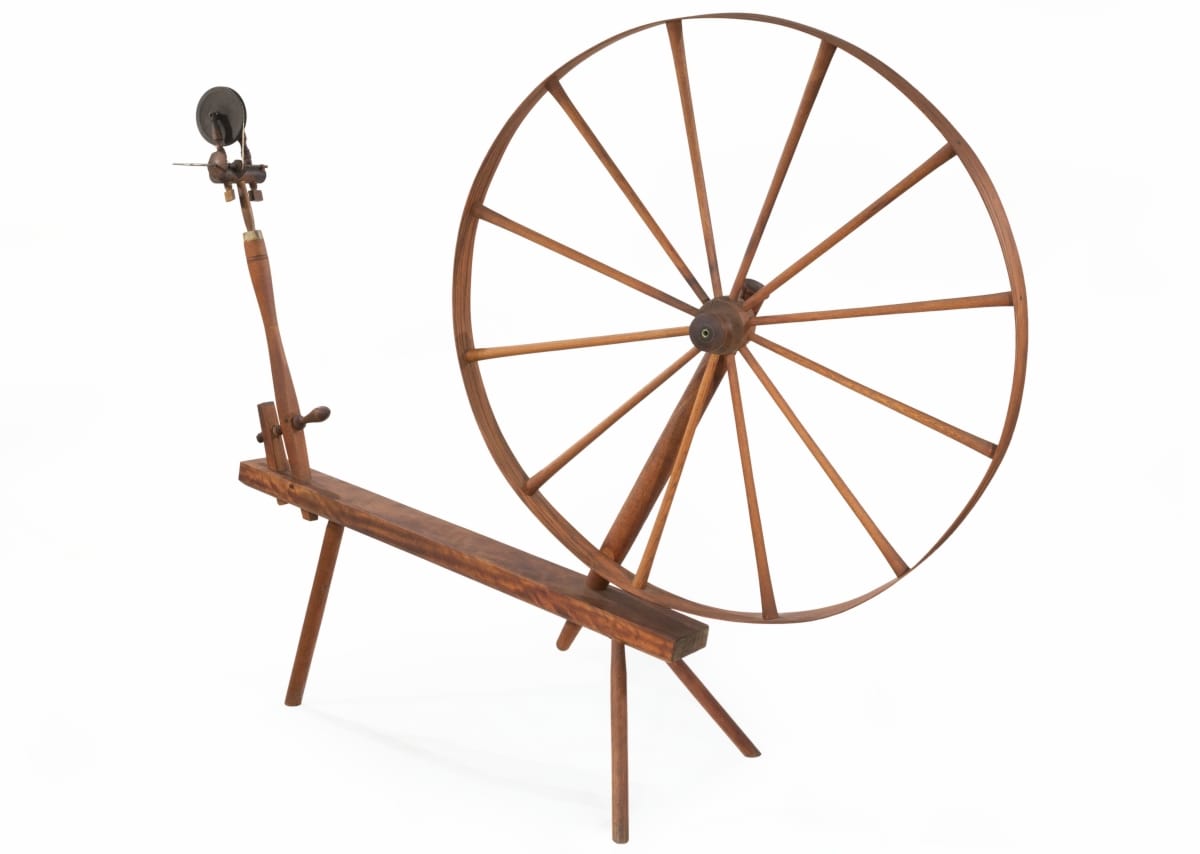
- 1807-1847
- Collections - Artifact
Wool Wheel, Made in the Shaker Community in Canterbury, New Hampshire, 1807-1847
Spinning fibers into yarn for weaving into cloth was an important task in many households into the 19th century. Spinning, done by women and girls, was a skilled -- and labor-intensive -- task. The woman who operated this large wool wheel spent countless hours walking to and fro, alternately spinning the wool fibers into yarn and then winding it onto the spindle.