
Search
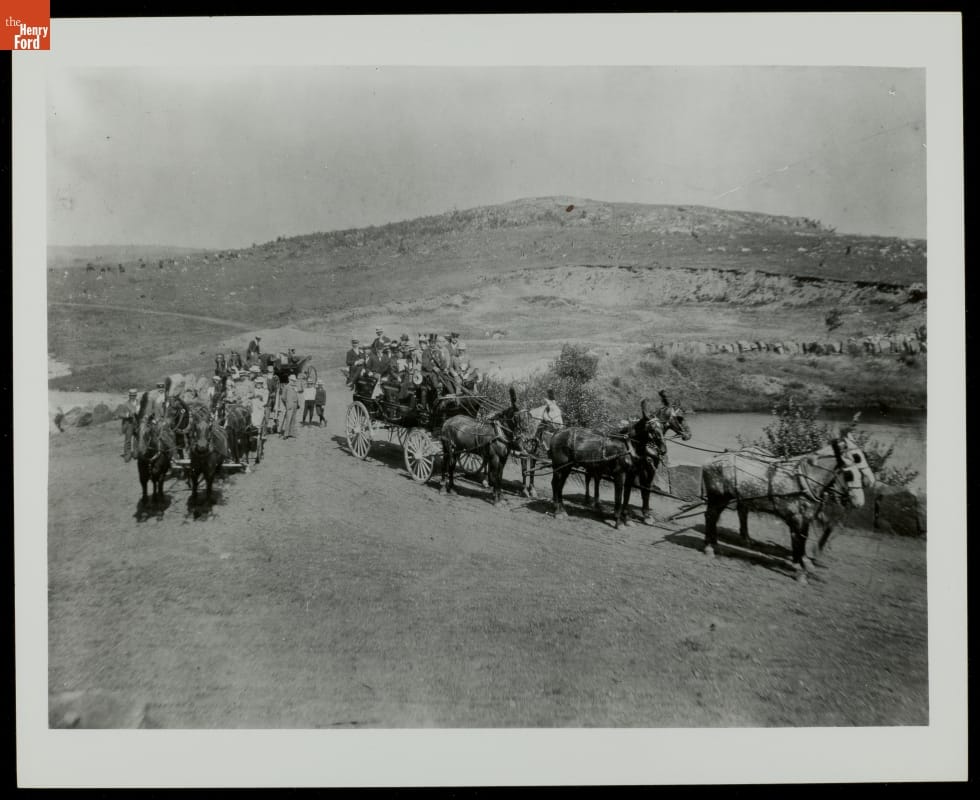
- Sightseeing in Open Tourist Carriages, circa 1900 - Around the turn of the twentieth century, thousands of Americans planned sightseeing vacations. They set aside time to simply look at things, often booking tours that transported them into foreign landscapes. Perched atop these horse-drawn carriages, sightseers could absorb their surroundings and transcend the commonplace realities of their lives back home.
- circa 1900
- Collections - Artifact
Sightseeing in Open Tourist Carriages, circa 1900
Around the turn of the twentieth century, thousands of Americans planned sightseeing vacations. They set aside time to simply look at things, often booking tours that transported them into foreign landscapes. Perched atop these horse-drawn carriages, sightseers could absorb their surroundings and transcend the commonplace realities of their lives back home.
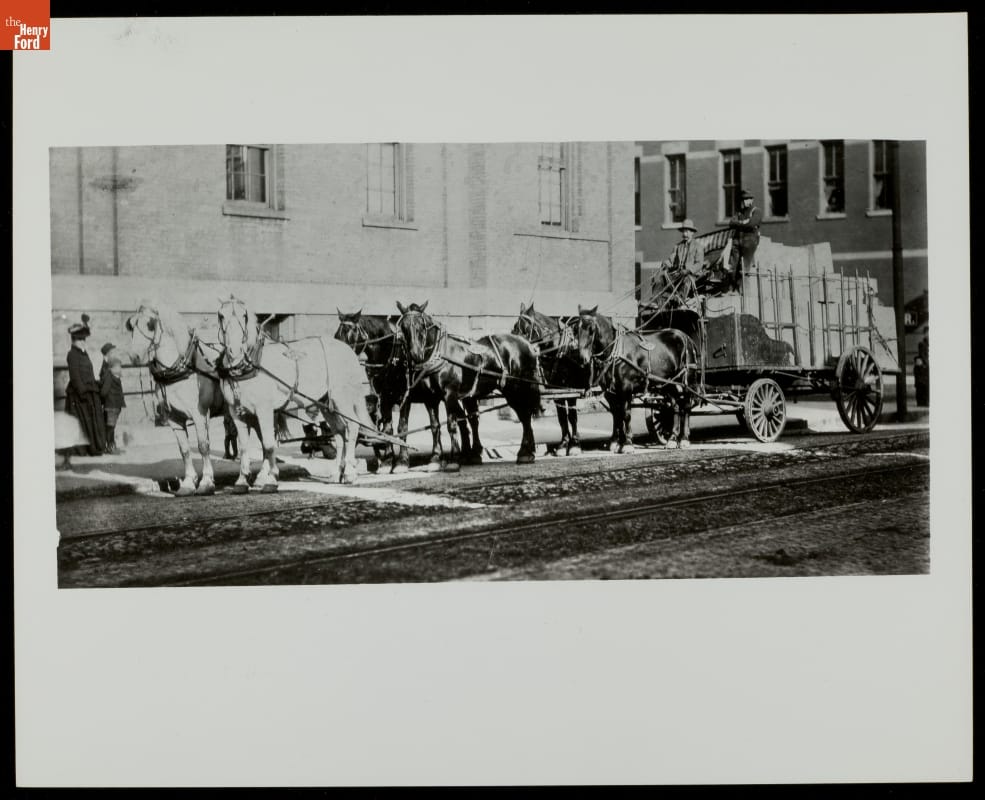
- Loaded Wagon on a City Street, circa 1895 - Before automobiles became practical, America relied on horses and horse-drawn vehicles to move people, freight, money, and information to places railroads and waterways didn't go. This photograph shows a team of working horses hitched to a loaded wagon.
- circa 1895
- Collections - Artifact
Loaded Wagon on a City Street, circa 1895
Before automobiles became practical, America relied on horses and horse-drawn vehicles to move people, freight, money, and information to places railroads and waterways didn't go. This photograph shows a team of working horses hitched to a loaded wagon.
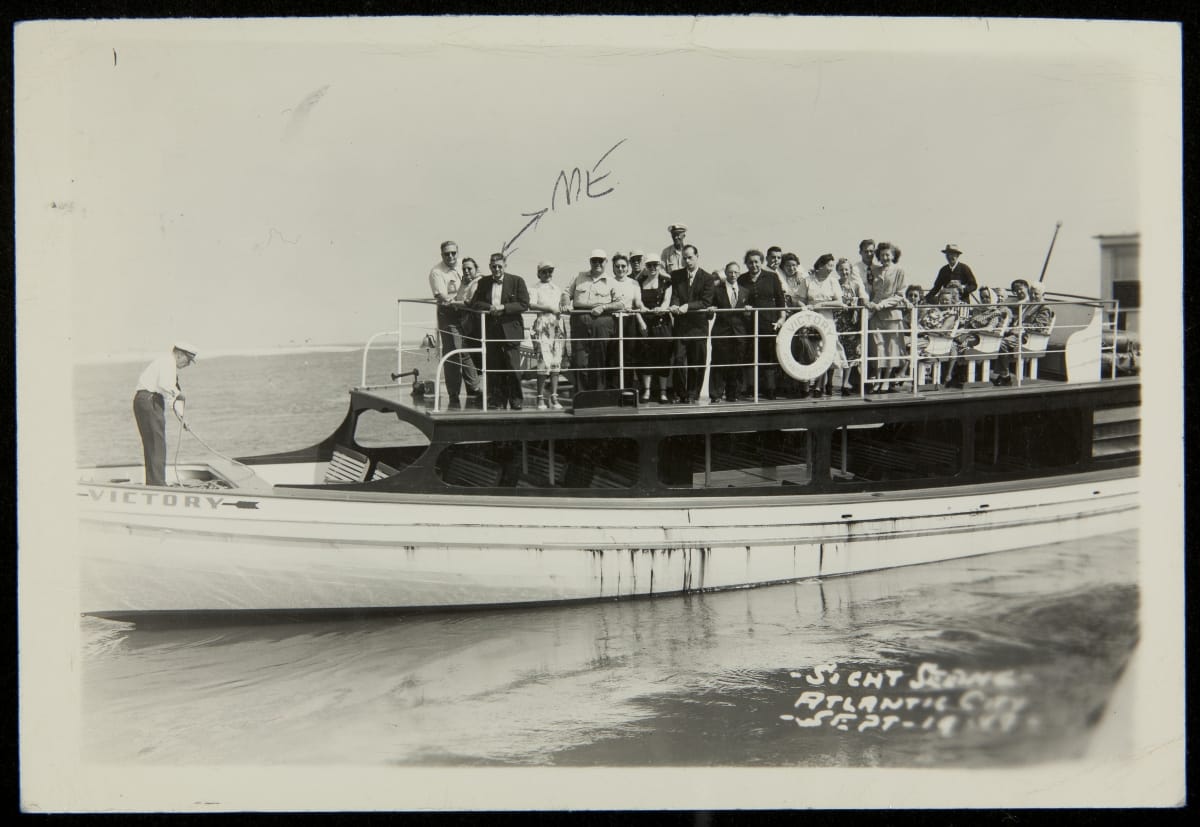
- Tour Boat near Atlantic City, New Jersey, 1949 - The beaches of Atlantic City, New Jersey, have been drawing tourists and pleasure seekers since before the Civil War. The first segment of the city's famous boardwalk opened in 1870. Swimming, boating, resort hotels, nightclubs, and -- in more recent years -- casinos continue to attract visitors from throughout the Mid-Atlantic United States and beyond.
- September 19, 1949
- Collections - Artifact
Tour Boat near Atlantic City, New Jersey, 1949
The beaches of Atlantic City, New Jersey, have been drawing tourists and pleasure seekers since before the Civil War. The first segment of the city's famous boardwalk opened in 1870. Swimming, boating, resort hotels, nightclubs, and -- in more recent years -- casinos continue to attract visitors from throughout the Mid-Atlantic United States and beyond.
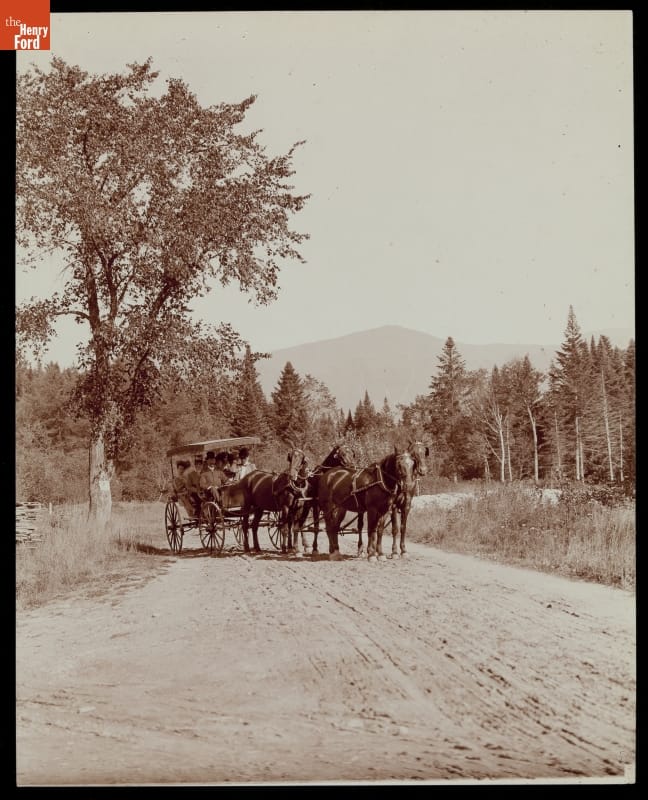
- On the Road to Base of Mount Washington, White Mountains, New Hampshire, circa 1906 - Vacationing Americans at the turn of the twentieth century often set aside time to simply look at things -- stagecoach sightseeing excursions provided an opportunity to transcend the commonplace realities of life back home. This coaching party is heading to Mount Washington, the highest peak in the northeastern United States and a favorite tourist spot.
- circa 1906
- Collections - Artifact
On the Road to Base of Mount Washington, White Mountains, New Hampshire, circa 1906
Vacationing Americans at the turn of the twentieth century often set aside time to simply look at things -- stagecoach sightseeing excursions provided an opportunity to transcend the commonplace realities of life back home. This coaching party is heading to Mount Washington, the highest peak in the northeastern United States and a favorite tourist spot.
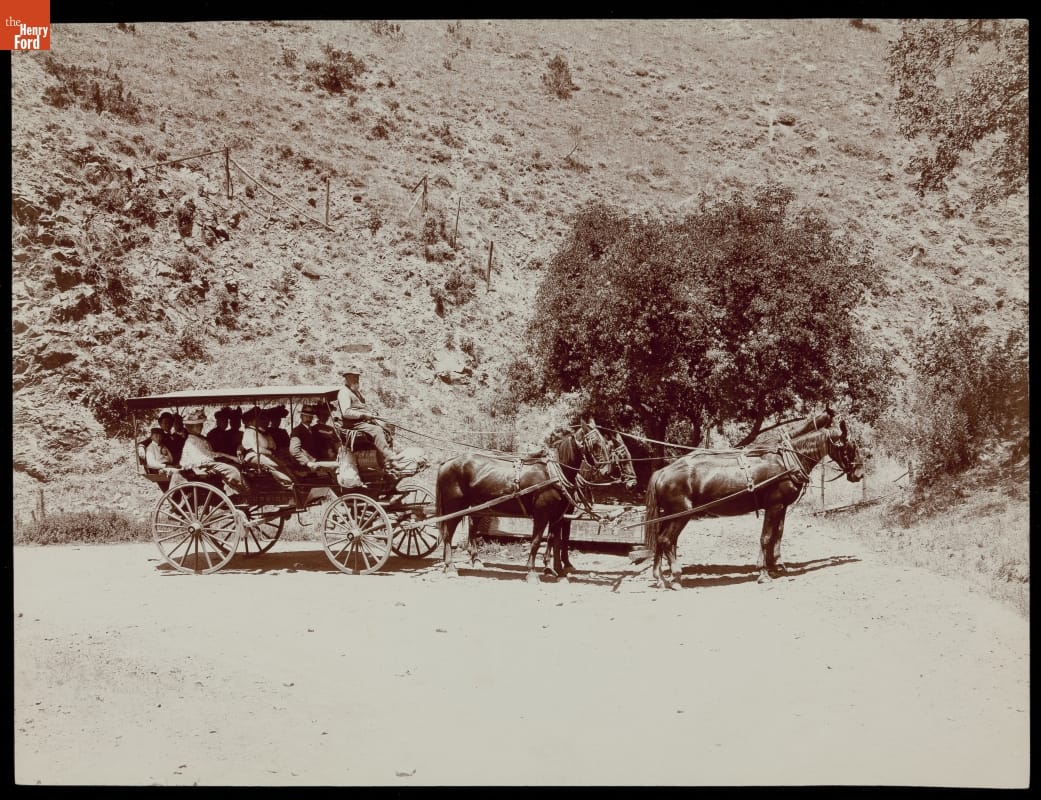
- On the Way to Lick Observatory, Mount Hamilton, California, circa 1900 - Vacationing Americans at the turn of the twentieth century often set aside time to simply look at things -- stagecoach sightseeing excursions provided an opportunity to transcend the commonplace realities of life back home. This coaching party is heading to Lick Observatory atop Mount Hamilton, east of San Jose, to take in scenic views of California's Santa Clara Valley.
- circa 1900
- Collections - Artifact
On the Way to Lick Observatory, Mount Hamilton, California, circa 1900
Vacationing Americans at the turn of the twentieth century often set aside time to simply look at things -- stagecoach sightseeing excursions provided an opportunity to transcend the commonplace realities of life back home. This coaching party is heading to Lick Observatory atop Mount Hamilton, east of San Jose, to take in scenic views of California's Santa Clara Valley.
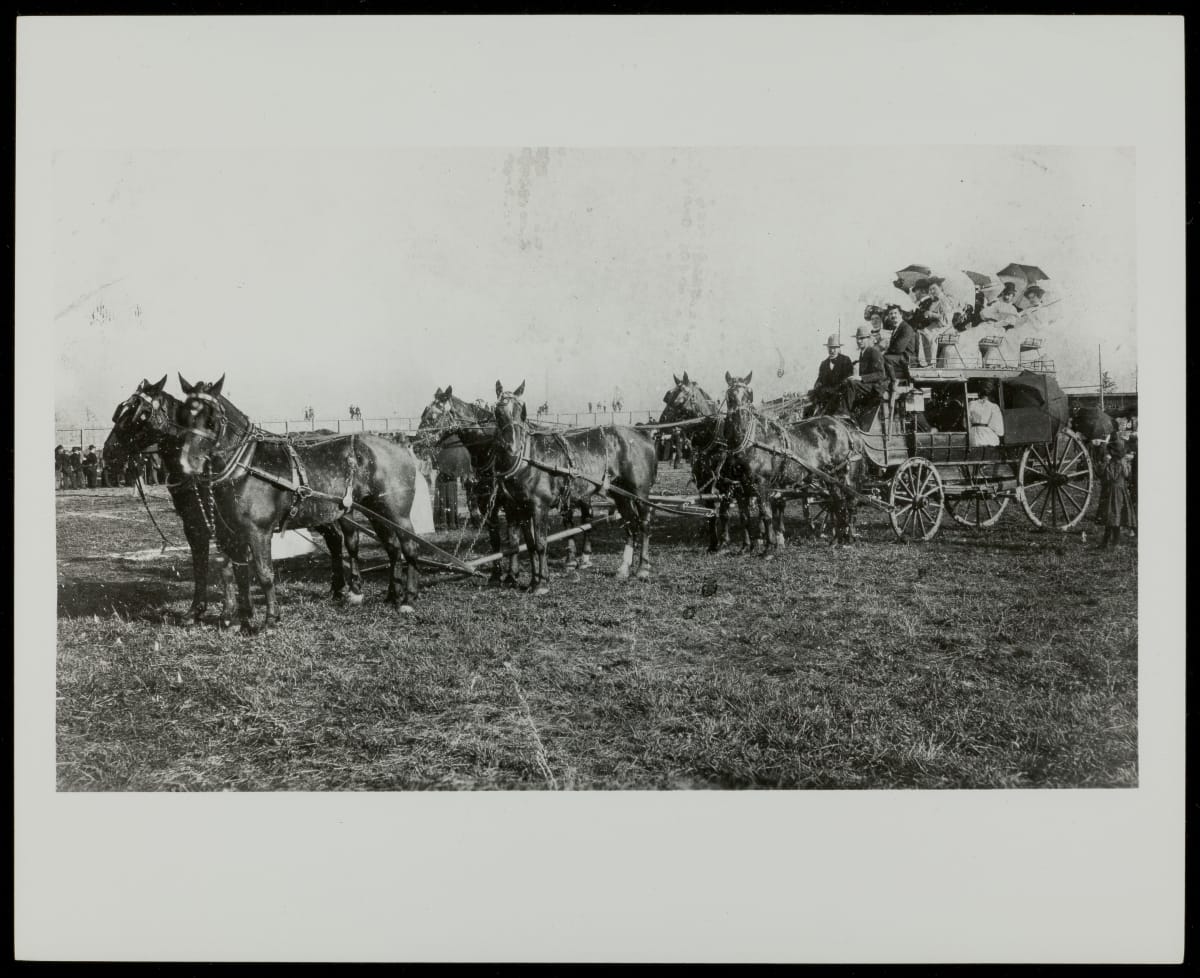
- Six Horses Pulling a Sightseeing Carriage, circa 1900 - Around the turn of the twentieth century, thousands of Americans planned sightseeing vacations. They set aside time to simply look at things, often booking tours that transported them into foreign landscapes. From inside or atop a horse-drawn carriage like this, sightseers could absorb their surroundings and transcend the commonplace realities of their lives back home.
- circa 1900
- Collections - Artifact
Six Horses Pulling a Sightseeing Carriage, circa 1900
Around the turn of the twentieth century, thousands of Americans planned sightseeing vacations. They set aside time to simply look at things, often booking tours that transported them into foreign landscapes. From inside or atop a horse-drawn carriage like this, sightseers could absorb their surroundings and transcend the commonplace realities of their lives back home.
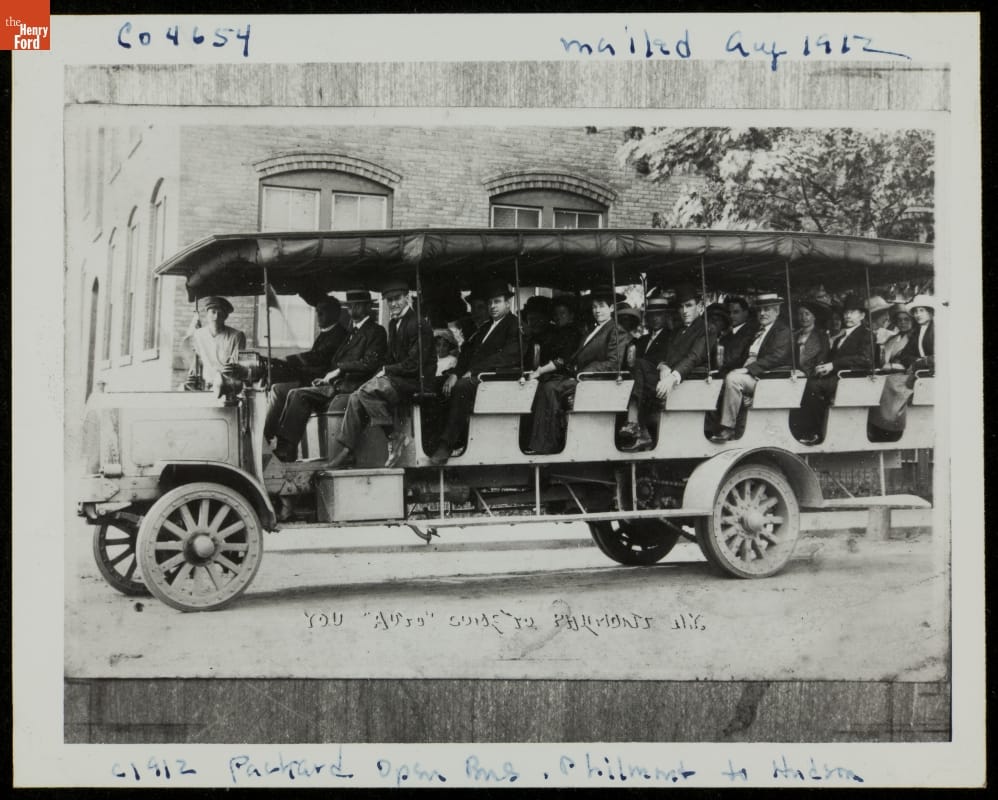
- Packard Open Touring Bus, Philmont, New York, circa 1912 - As automobiles were beginning to move away from the horseless carriage look, early buses with bench seats and canvas curtains maintained the styling of the stagewagons that preceded them. The capable vehicles appealed to entrepreneurs who operated them for vacationers. Tourists visiting Philmont, New York, could see the sights from this lengthy bus made by Packard.
- circa 1912
- Collections - Artifact
Packard Open Touring Bus, Philmont, New York, circa 1912
As automobiles were beginning to move away from the horseless carriage look, early buses with bench seats and canvas curtains maintained the styling of the stagewagons that preceded them. The capable vehicles appealed to entrepreneurs who operated them for vacationers. Tourists visiting Philmont, New York, could see the sights from this lengthy bus made by Packard.
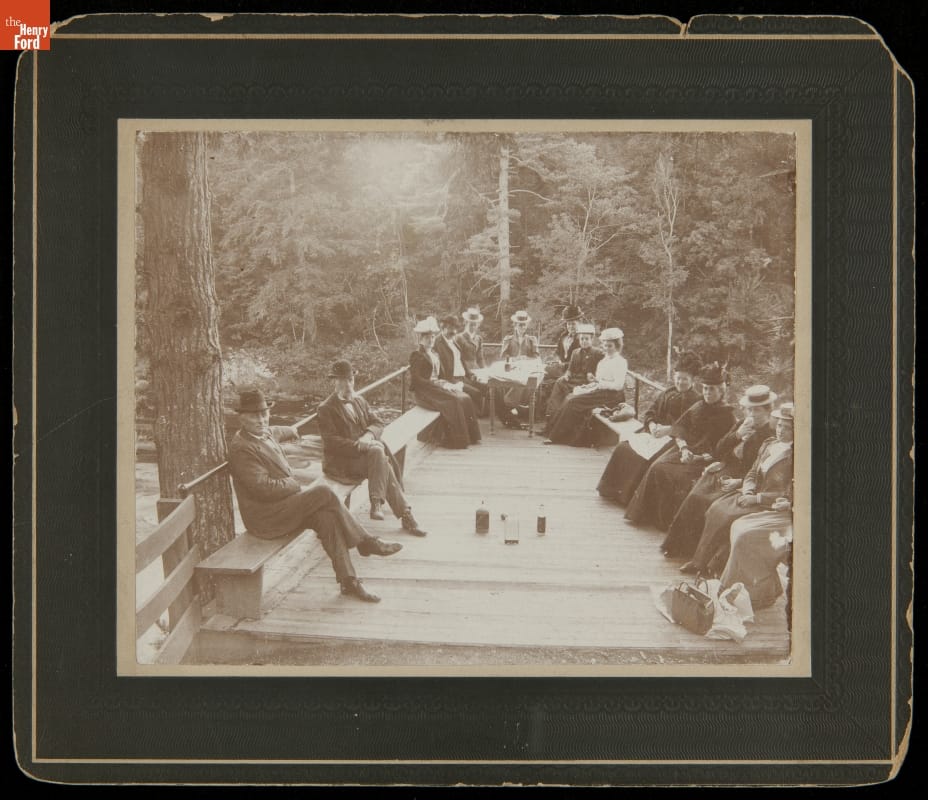
- Park Visitors Seated on Benches at Overlook Spot, circa 1895 -
- circa 1895
- Collections - Artifact
Park Visitors Seated on Benches at Overlook Spot, circa 1895
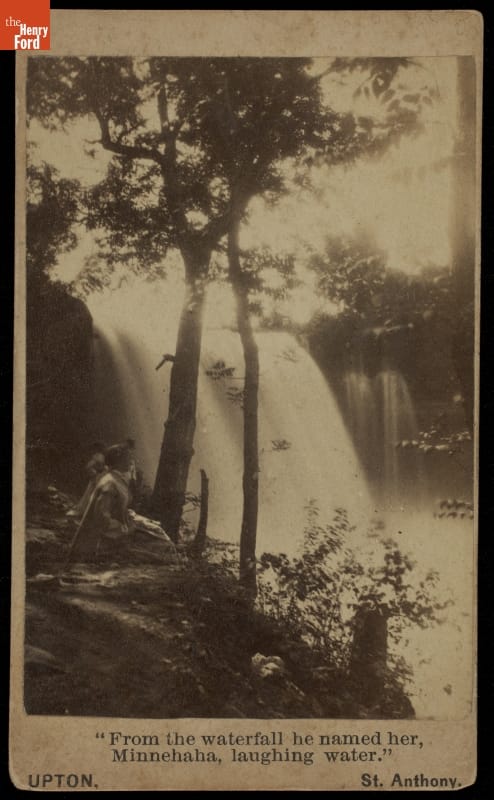
- Visitors at Minnehaha Falls, Minneapolis, Minnesota, 1860-1872 - Minnehaha Falls, located on a small tributary to the Mississippi River in what is now Minneapolis, Minnesota, has been an important gathering place for centuries. The Dakota people gave the falls its name, which translates to "water fall," and considered it a place to meet in peace. American settlers, too, found the area enticing and protected the falls in a park.
- 1860-1872
- Collections - Artifact
Visitors at Minnehaha Falls, Minneapolis, Minnesota, 1860-1872
Minnehaha Falls, located on a small tributary to the Mississippi River in what is now Minneapolis, Minnesota, has been an important gathering place for centuries. The Dakota people gave the falls its name, which translates to "water fall," and considered it a place to meet in peace. American settlers, too, found the area enticing and protected the falls in a park.
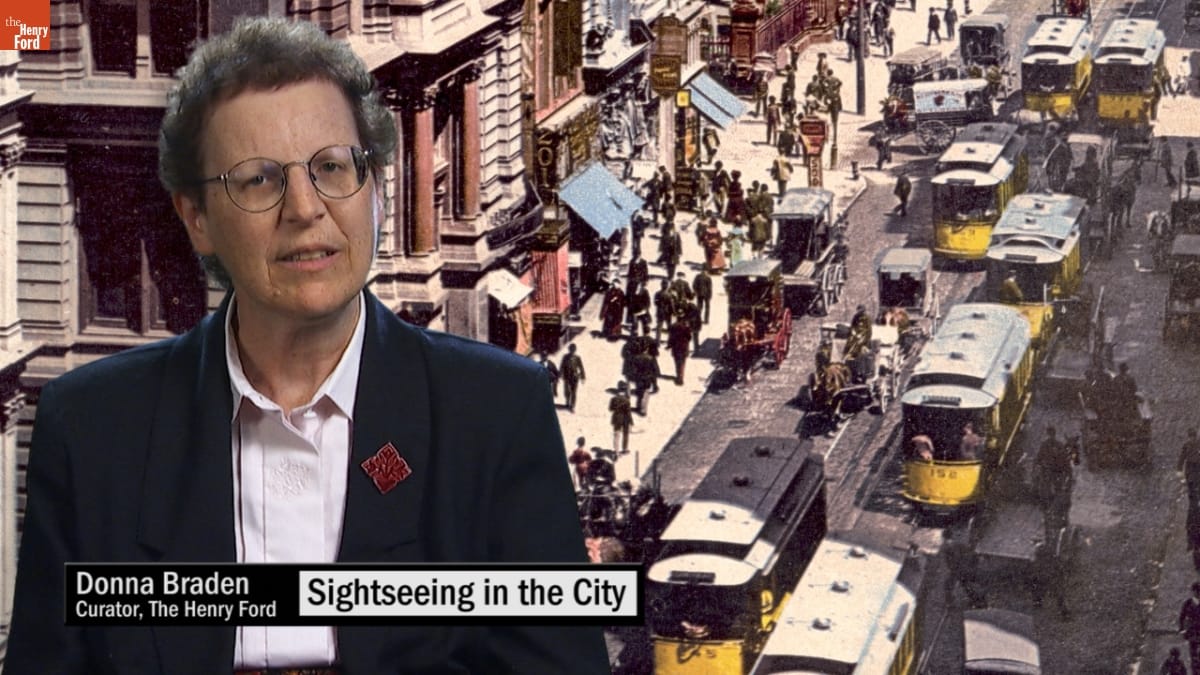
- "Sightseeing in the City" Clip from Interview with Donna Braden, 2011 - Donna Braden is the Curator of Public Life at The Henry Ford.
- 2011
- Collections - Artifact
"Sightseeing in the City" Clip from Interview with Donna Braden, 2011
Donna Braden is the Curator of Public Life at The Henry Ford.