
Search
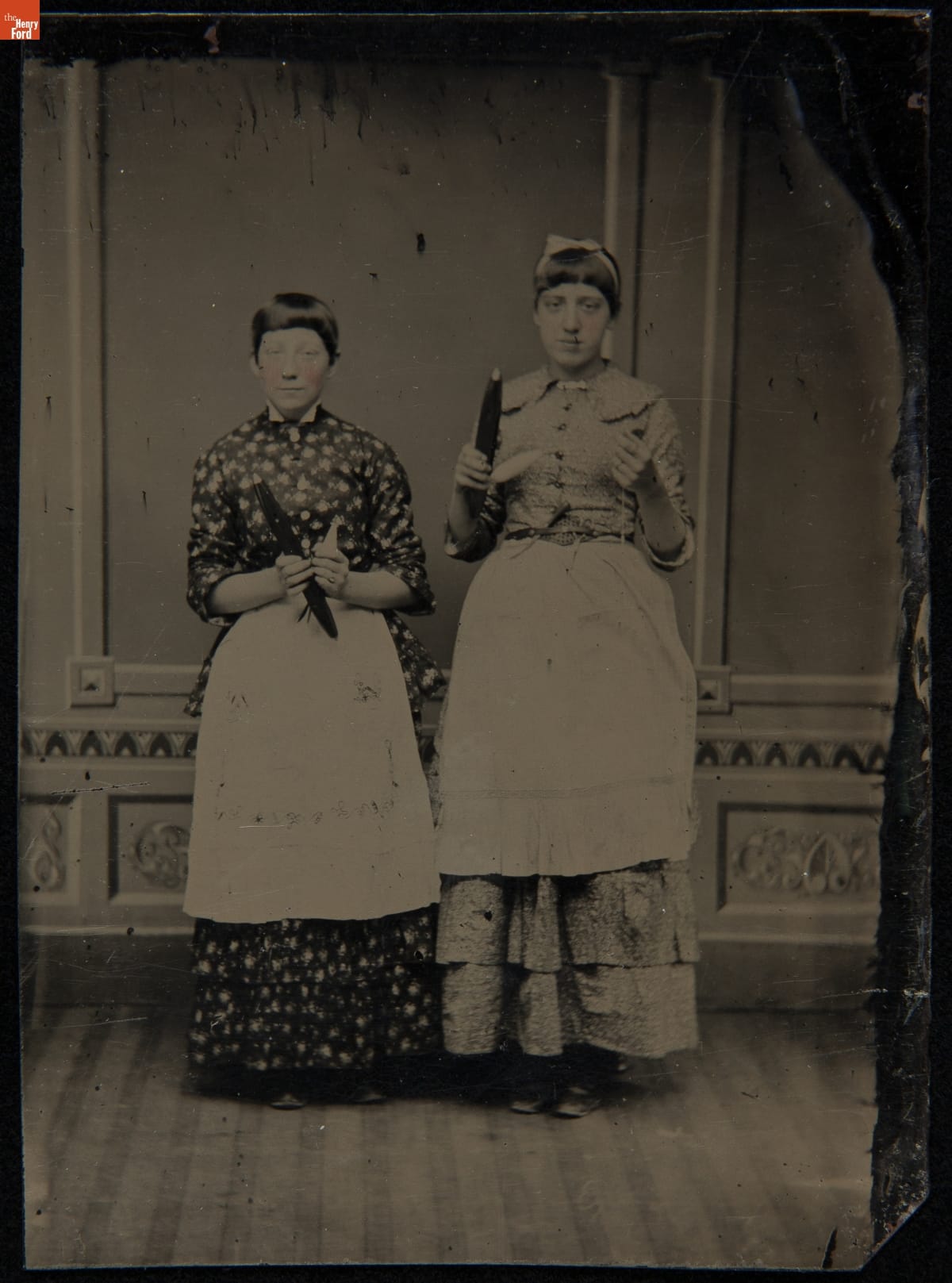
- Two Textile Workers with Spindles of Yarn, circa 1870 - Tintypes, the popular "instant photographs" of the 19th century, could be produced in a matter of minutes at a price most people could afford. Tintypes democratized photography. Beginning in the mid-1850s, they gave more people than ever before the chance to have a real likeness of themselves--capturing unique glimpses of how everyday Americans looked and lived.
- circa 1870
- Collections - Artifact
Two Textile Workers with Spindles of Yarn, circa 1870
Tintypes, the popular "instant photographs" of the 19th century, could be produced in a matter of minutes at a price most people could afford. Tintypes democratized photography. Beginning in the mid-1850s, they gave more people than ever before the chance to have a real likeness of themselves--capturing unique glimpses of how everyday Americans looked and lived.
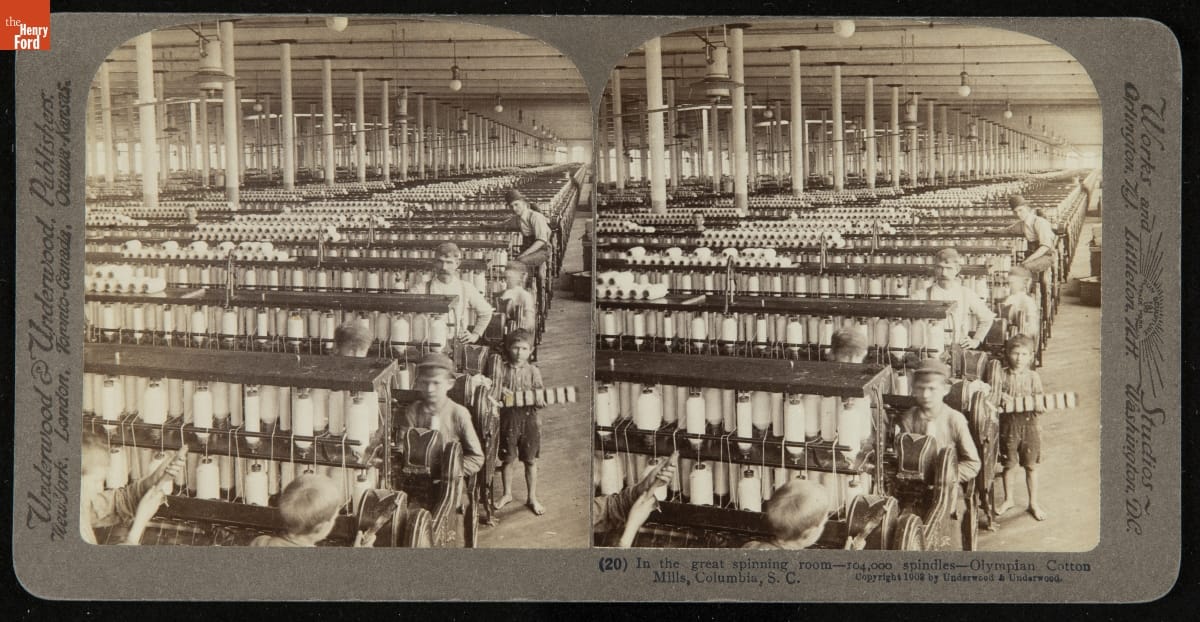
- In the Great Spinning Room - 104,000 Spindles - Olympian Cotton Mills, Columbia, South Carolina, 1903 - Mill owners used the most up-to-date machines in their factories to increase production and cut labor costs, hiring children to tend some of them. A typical child's job was that of spinner, tending 6 or 7 rows of rotating bobbins and watching for breaks in the cotton--then quickly mending them. By 1900, laws in the North limited child labor to an extent, but the practice was widespread in the South, where much of the textile industry had moved.
- 1903
- Collections - Artifact
In the Great Spinning Room - 104,000 Spindles - Olympian Cotton Mills, Columbia, South Carolina, 1903
Mill owners used the most up-to-date machines in their factories to increase production and cut labor costs, hiring children to tend some of them. A typical child's job was that of spinner, tending 6 or 7 rows of rotating bobbins and watching for breaks in the cotton--then quickly mending them. By 1900, laws in the North limited child labor to an extent, but the practice was widespread in the South, where much of the textile industry had moved.
- Spinning Wheel Spindle -
- Collections - Artifact
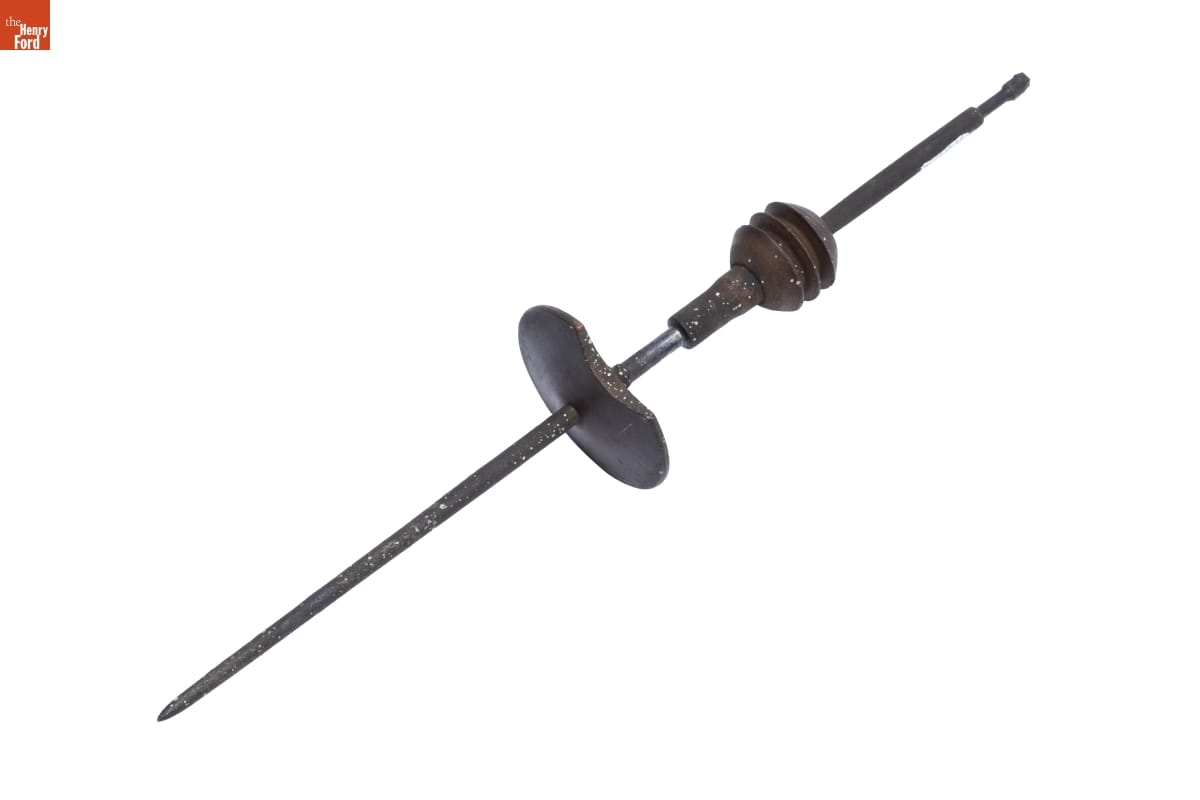
Spinning Wheel Spindle
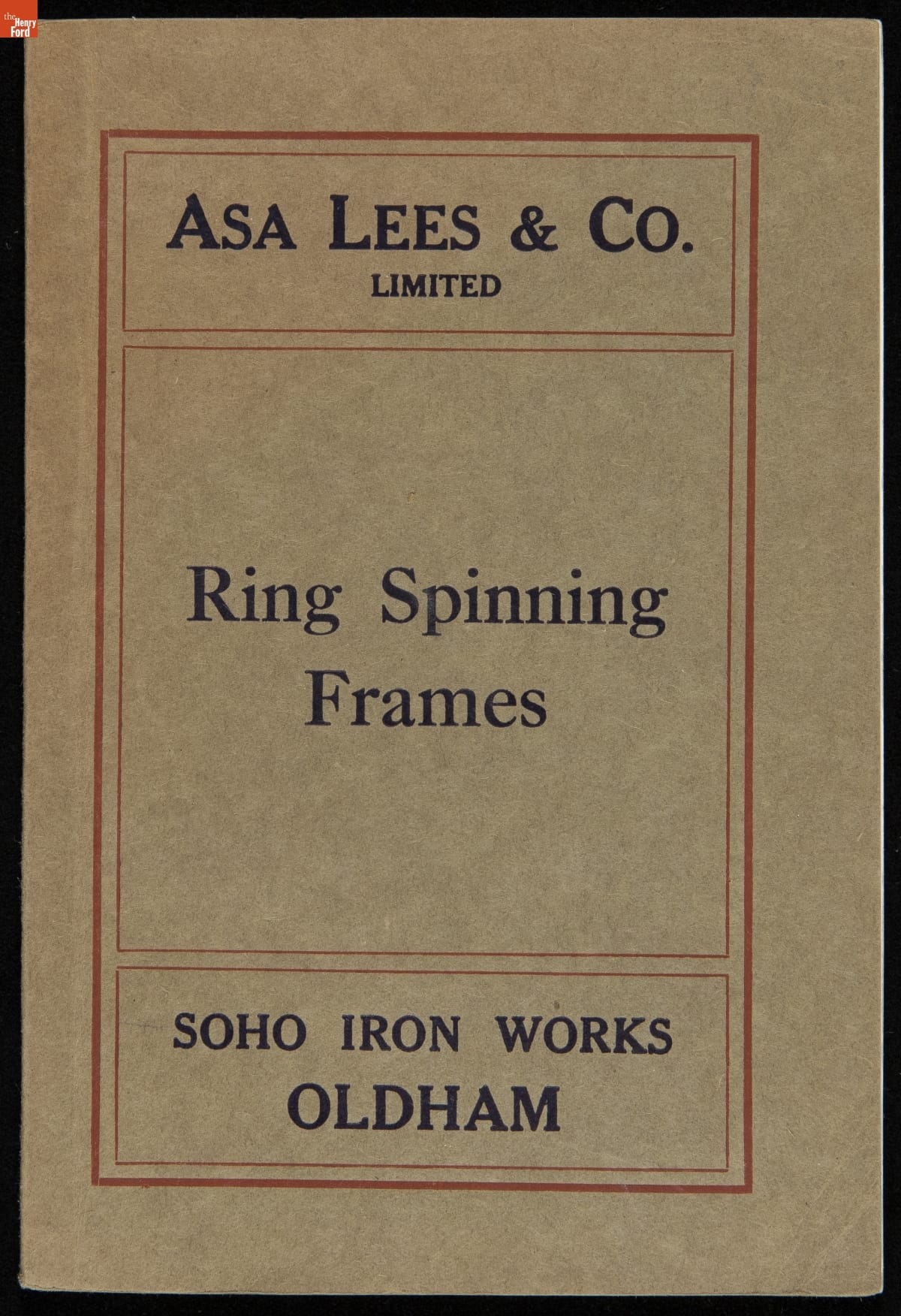
- Asa Lees & Co. Trade Catalog, "Improved Ring Spinning Frames for Weft or Twist," 1916 -
- 1916
- Collections - Artifact
Asa Lees & Co. Trade Catalog, "Improved Ring Spinning Frames for Weft or Twist," 1916
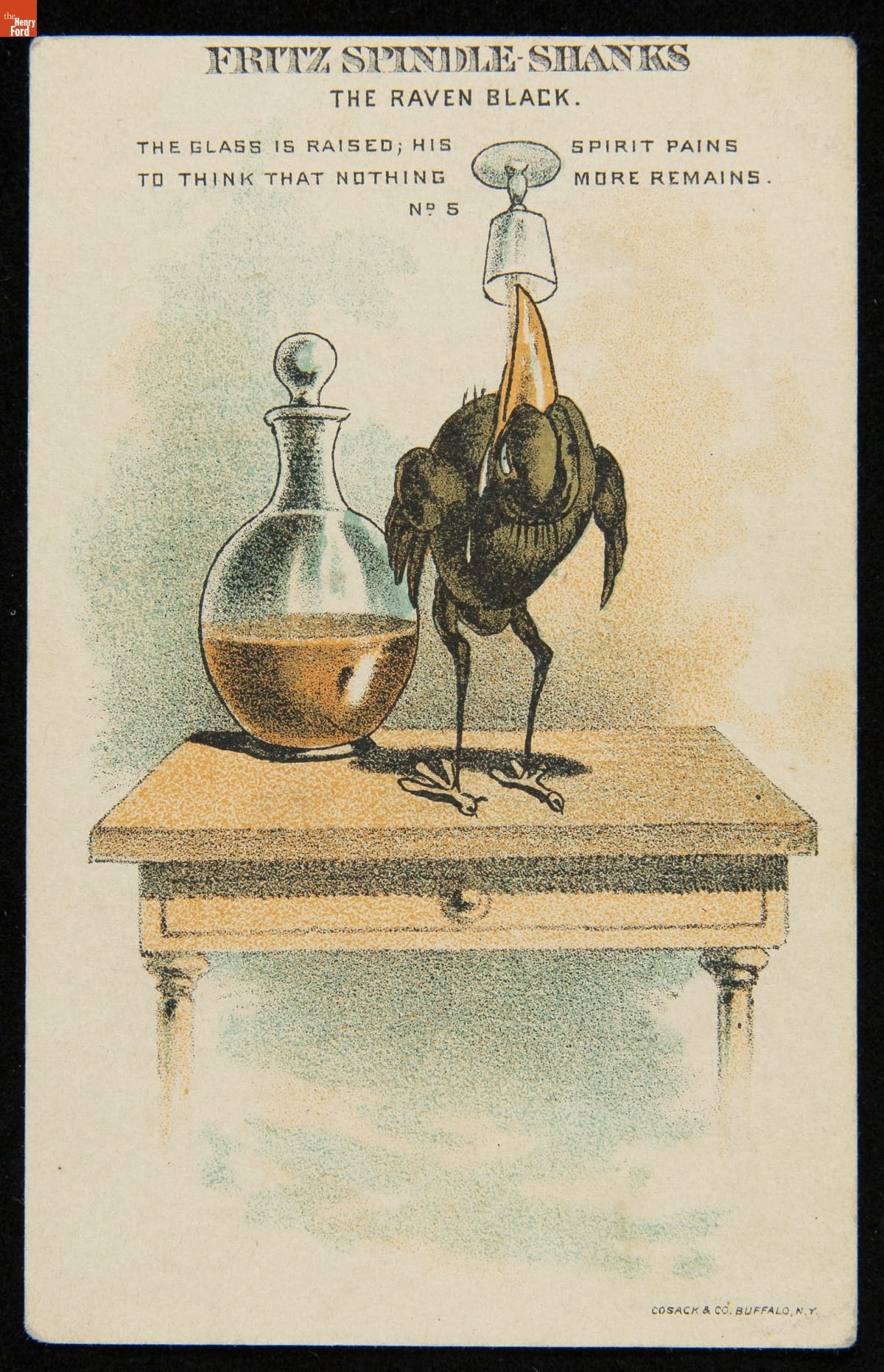
- Trade Card for Upcoming Performances of "The Jolly Bachelors," John A. Stevens' Comic Opera Co., 1880-1900 - In the last third of the nineteenth century, an unprecedented variety of consumer goods and services flooded the American market. Advertisers, armed with new methods of color printing, bombarded potential customers with trade cards. Americans enjoyed and often saved the vibrant little advertisements found in product packages or distributed by local merchants. Many survive as historical records of commercialism in the United States.
- 1880-1900
- Collections - Artifact
Trade Card for Upcoming Performances of "The Jolly Bachelors," John A. Stevens' Comic Opera Co., 1880-1900
In the last third of the nineteenth century, an unprecedented variety of consumer goods and services flooded the American market. Advertisers, armed with new methods of color printing, bombarded potential customers with trade cards. Americans enjoyed and often saved the vibrant little advertisements found in product packages or distributed by local merchants. Many survive as historical records of commercialism in the United States.