
Search
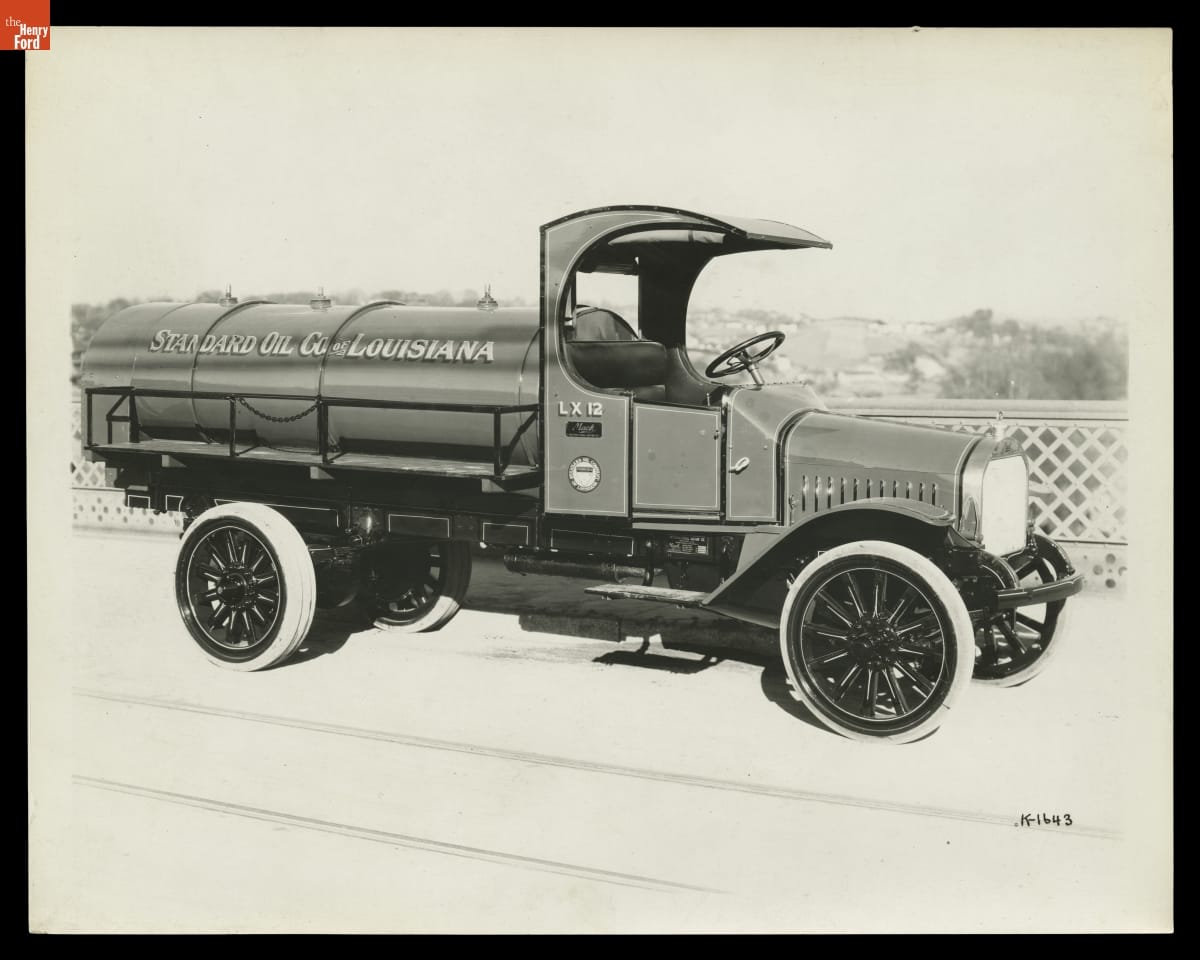
- Mack Truck Used by Standard Oil Co. of Louisiana, circa 1920 - Founded in Brooklyn, New York, in 1900, Mack Brothers Company relocated to Allentown, Pennsylvania, in 1905 and adopted the name Mack Trucks in 1922. Mack-built tank trucks like this had separate compartments for gasoline, diesel fuel, lubricants, and other oil and petroleum products. The delivery trucks transported these products from distributors to gas stations.
- circa 1920
- Collections - Artifact
Mack Truck Used by Standard Oil Co. of Louisiana, circa 1920
Founded in Brooklyn, New York, in 1900, Mack Brothers Company relocated to Allentown, Pennsylvania, in 1905 and adopted the name Mack Trucks in 1922. Mack-built tank trucks like this had separate compartments for gasoline, diesel fuel, lubricants, and other oil and petroleum products. The delivery trucks transported these products from distributors to gas stations.
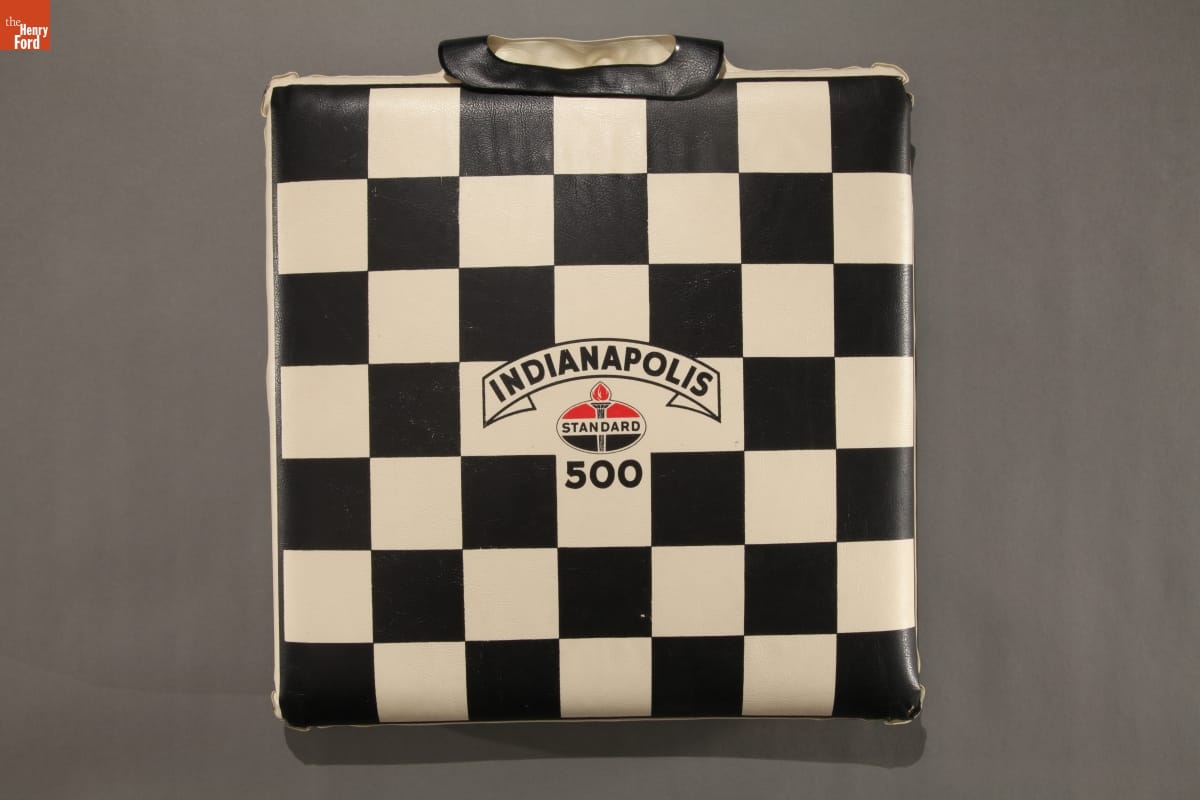
- Indianapolis 500 Seat Cushion, 1950-1970 - Souvenirs can provide a lifelong remembrance of places and events. Each May, Indianapolis 500 race fans have eagerly purchased souvenirs to use and take home. Checkered flag cushions, like this one from the mid twentieth century, provided a comfortable seat for fans when they were not on their feet cheering on their favorite driver.
- 1950-1970
- Collections - Artifact
Indianapolis 500 Seat Cushion, 1950-1970
Souvenirs can provide a lifelong remembrance of places and events. Each May, Indianapolis 500 race fans have eagerly purchased souvenirs to use and take home. Checkered flag cushions, like this one from the mid twentieth century, provided a comfortable seat for fans when they were not on their feet cheering on their favorite driver.
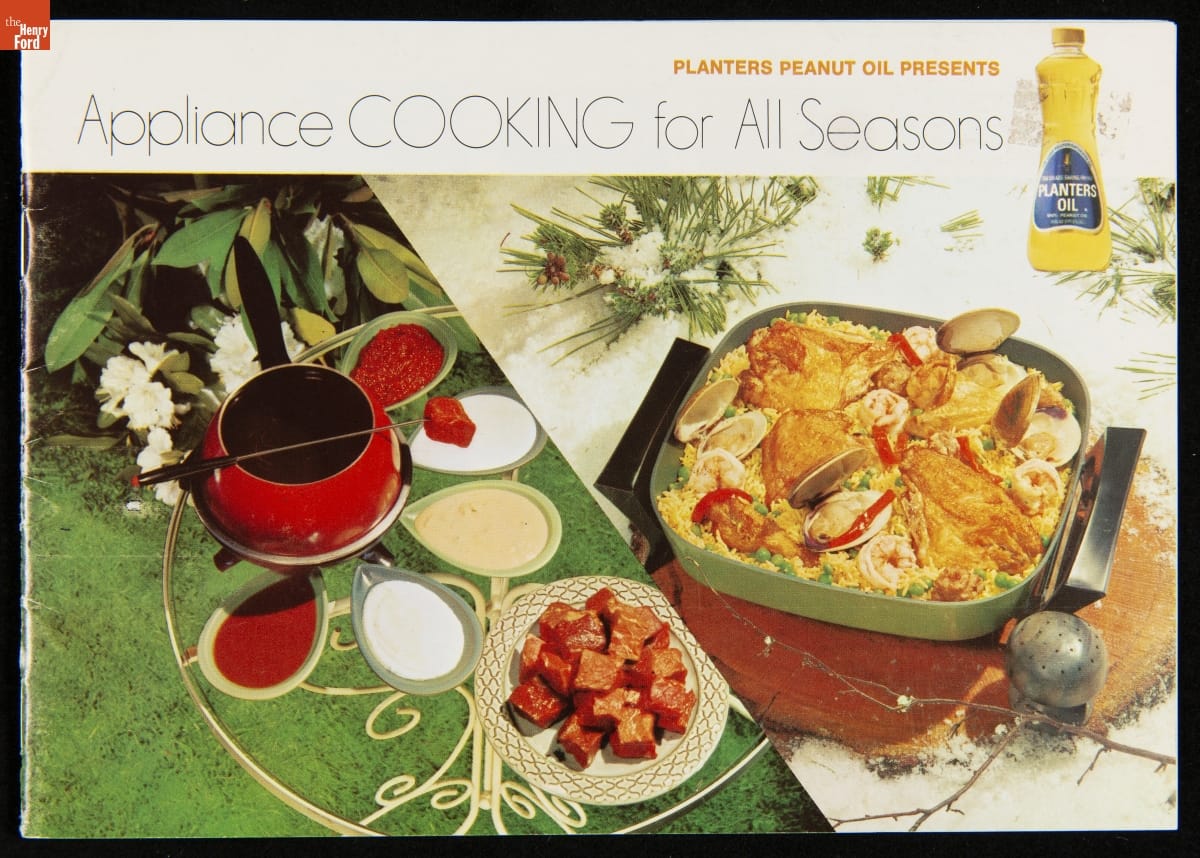
- Recipe Booklet, "Planters Peanut Oil Presents: Appliance Cooking for All Seasons," 1972 -
- 1972
- Collections - Artifact
Recipe Booklet, "Planters Peanut Oil Presents: Appliance Cooking for All Seasons," 1972
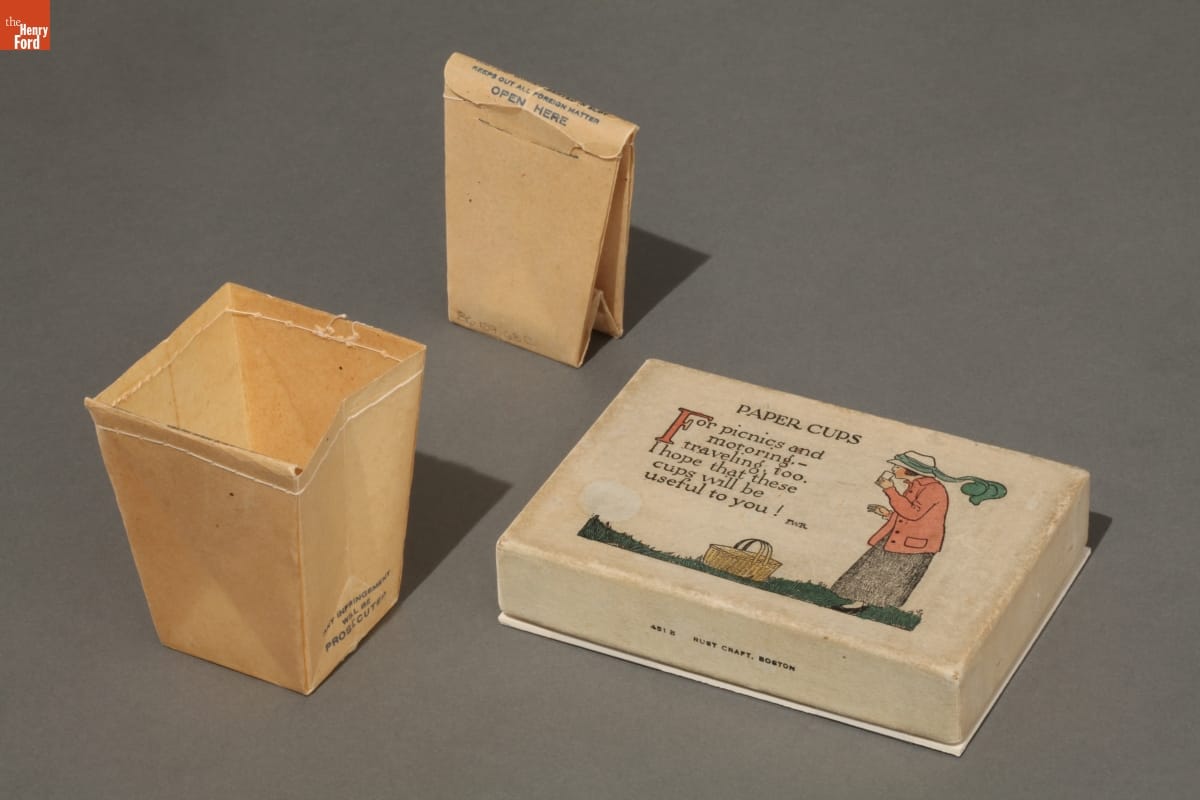
- Collapsible Cup Set, circa 1920 - Socony Service Stations distributed sets of collapsible cups to travelers. Fitted neatly into a small box, these cups could be stored away easily and used, as described on the box, "For picnics and motoring -- traveling too."
- circa 1920
- Collections - Artifact
Collapsible Cup Set, circa 1920
Socony Service Stations distributed sets of collapsible cups to travelers. Fitted neatly into a small box, these cups could be stored away easily and used, as described on the box, "For picnics and motoring -- traveling too."
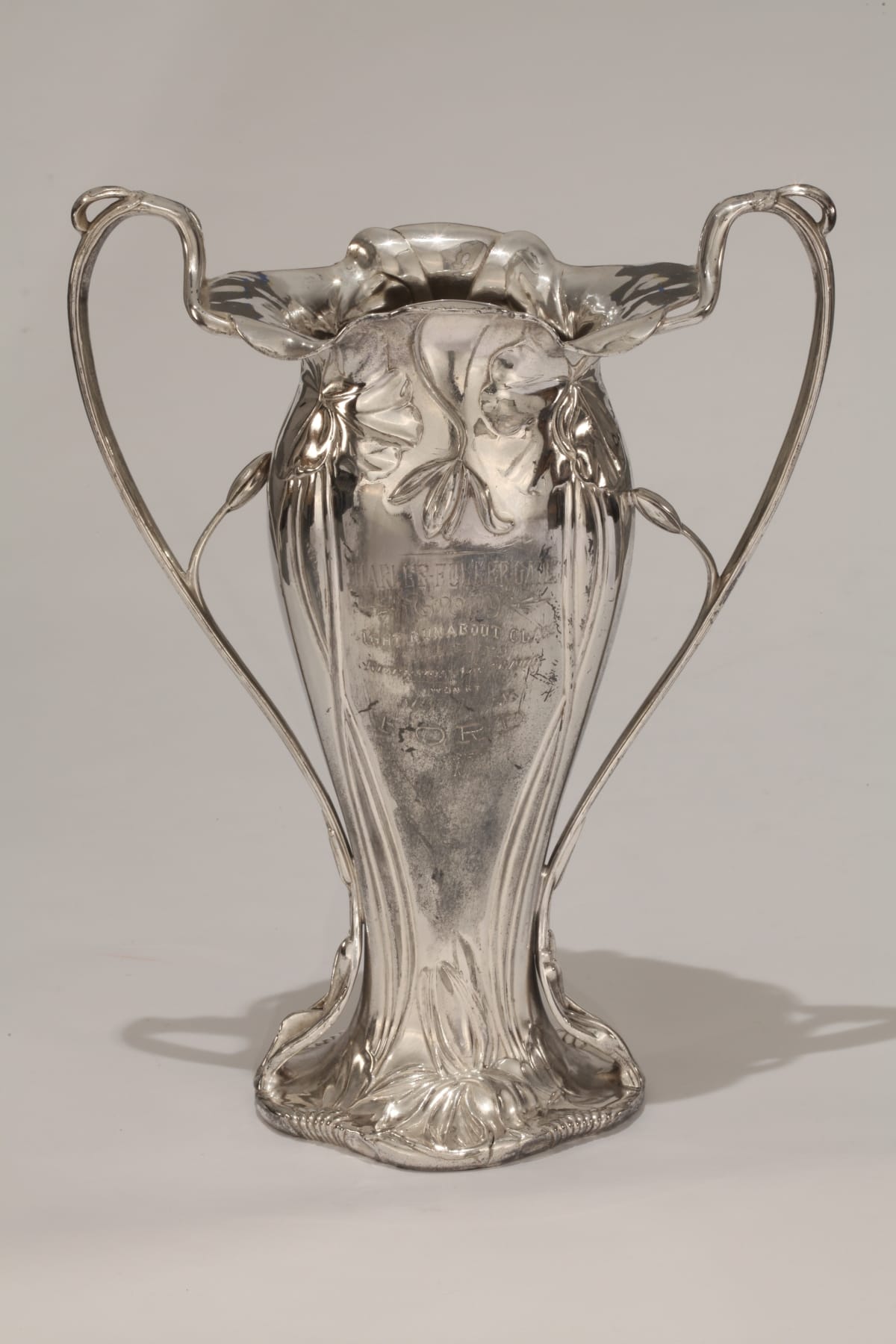
- Riverside Hillclimb Trophy Awarded to Model N Ford, 1906 - Early 20th-century hill-climb competitions tested an automobile's ability to climb steep grades and navigate uneven roads and do both at the fastest possible speed. Former bicycle racer Charles Fuller Gates won this trophy at a 1906 hill-climb event at Riverside, California, driving a Ford Model N.
- November 11, 1906
- Collections - Artifact
Riverside Hillclimb Trophy Awarded to Model N Ford, 1906
Early 20th-century hill-climb competitions tested an automobile's ability to climb steep grades and navigate uneven roads and do both at the fastest possible speed. Former bicycle racer Charles Fuller Gates won this trophy at a 1906 hill-climb event at Riverside, California, driving a Ford Model N.
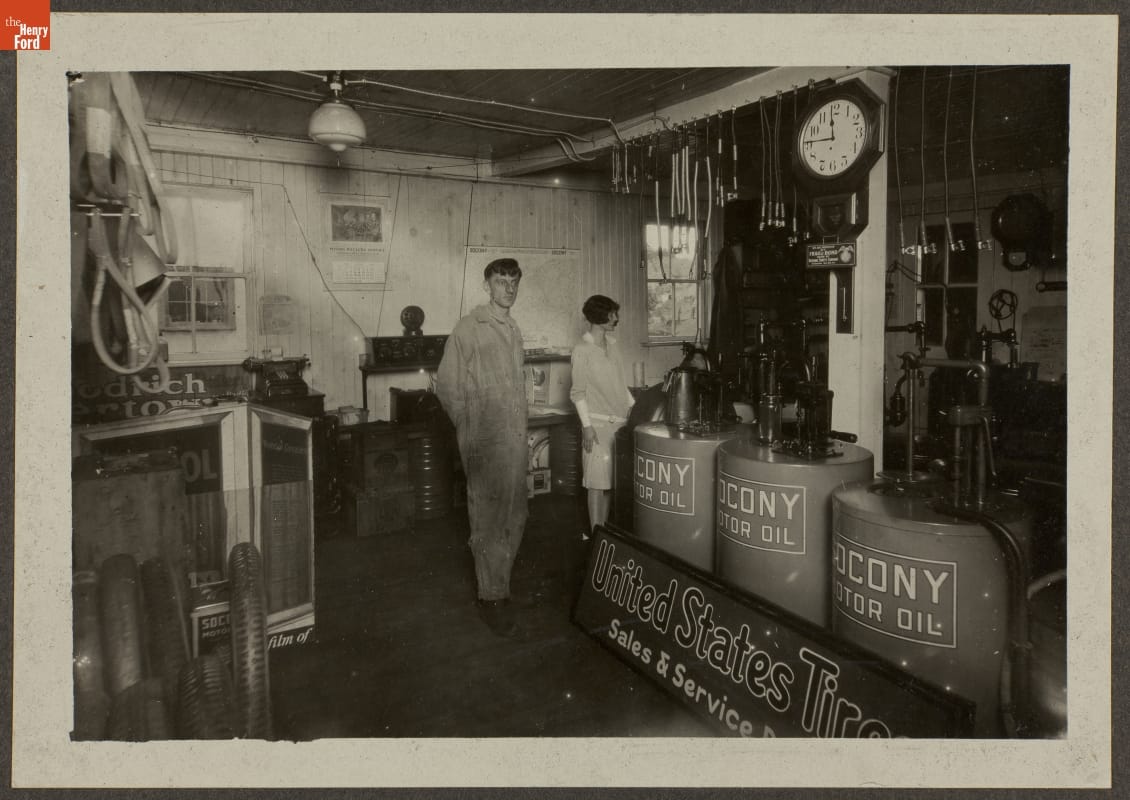
- Interior of a Socony Service Station, 1929 - By the late 1920s, gas stations were fixtures in the American landscape. As the market became more crowded, gas itself was priced competitively, while stations made money on the "TBA" trinity of tires, batteries, and accessories. This interior shot of a Socony (Standard Oil Company of New York) station service bay is typical, featuring oil, tires, belts, and a radio.
- June 01, 1929
- Collections - Artifact
Interior of a Socony Service Station, 1929
By the late 1920s, gas stations were fixtures in the American landscape. As the market became more crowded, gas itself was priced competitively, while stations made money on the "TBA" trinity of tires, batteries, and accessories. This interior shot of a Socony (Standard Oil Company of New York) station service bay is typical, featuring oil, tires, belts, and a radio.
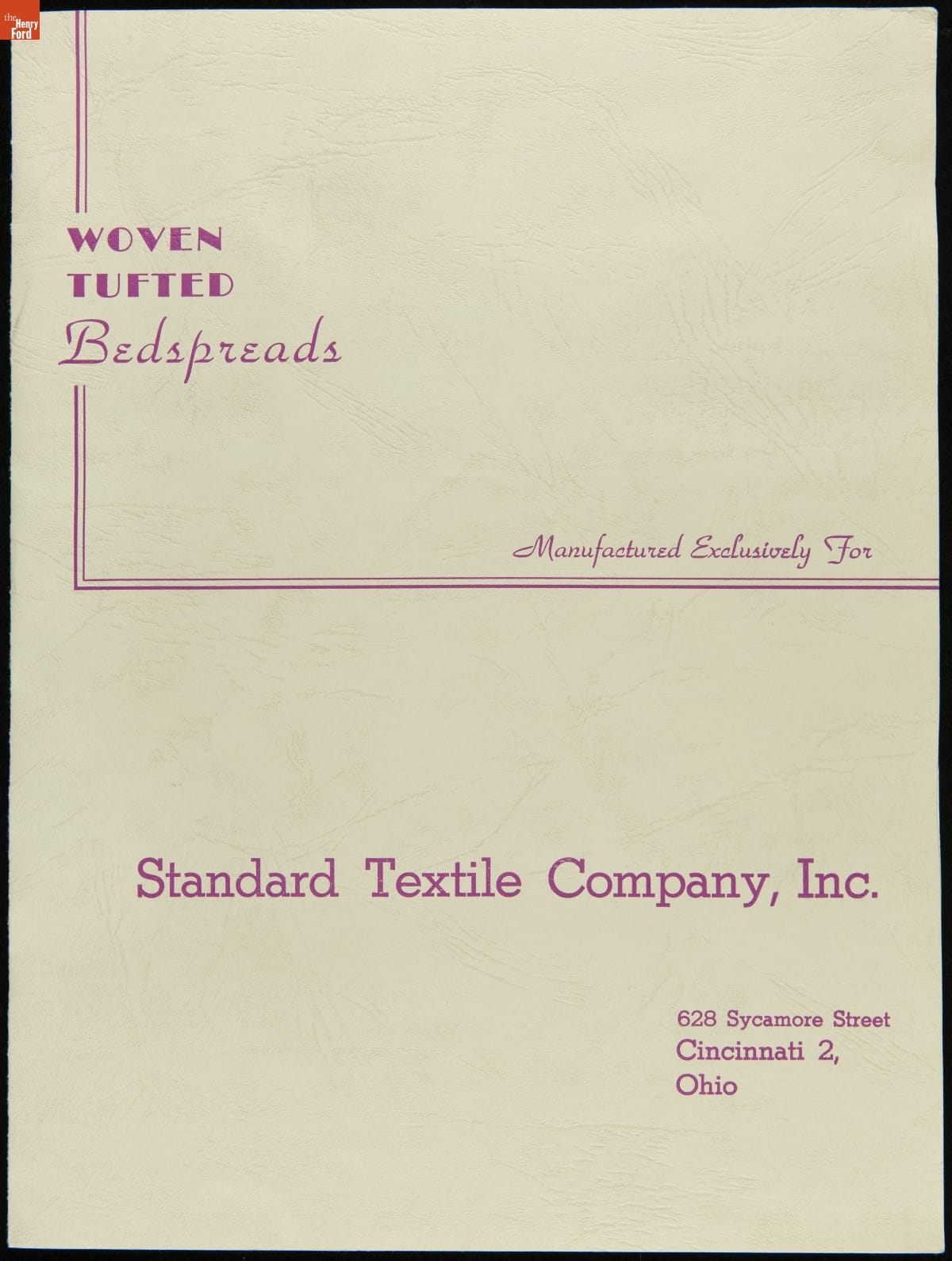
- Standard Textile Company Woven Tufted Bedspreads, 1940-1960 -
- 1940-1960
- Collections - Artifact
Standard Textile Company Woven Tufted Bedspreads, 1940-1960
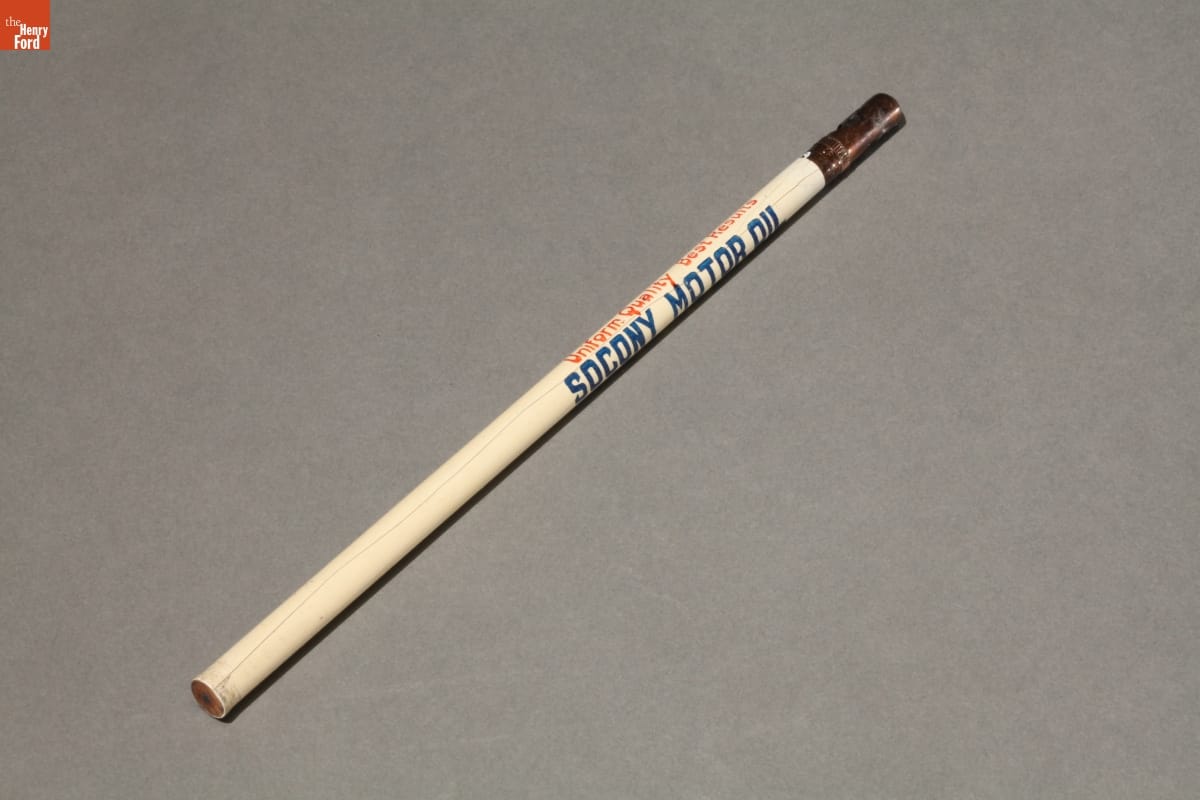
- Standard Oil Company of New York Pencil, 1919-1930 - The Standard Oil Company of New York (Socony) gave away this pencil during the 1920s. Users would be reminded of the company and its products -- its "Uniform Quality [and] Best Results" -- every time they used the pencil.
- 1919-1930
- Collections - Artifact
Standard Oil Company of New York Pencil, 1919-1930
The Standard Oil Company of New York (Socony) gave away this pencil during the 1920s. Users would be reminded of the company and its products -- its "Uniform Quality [and] Best Results" -- every time they used the pencil.
- Trade Card for the Standard Rotary Shuttle Sewing Machine, Standard Sewing Machine Co., 1880-1900 - As color printing gained momentum in the late 19th century, trade cards became a major means of advertising goods and services. Americans enjoyed and often saved the little advertisements found in product packages or distributed by local merchants. This trade card advertises the Standard Sewing Machine Company.
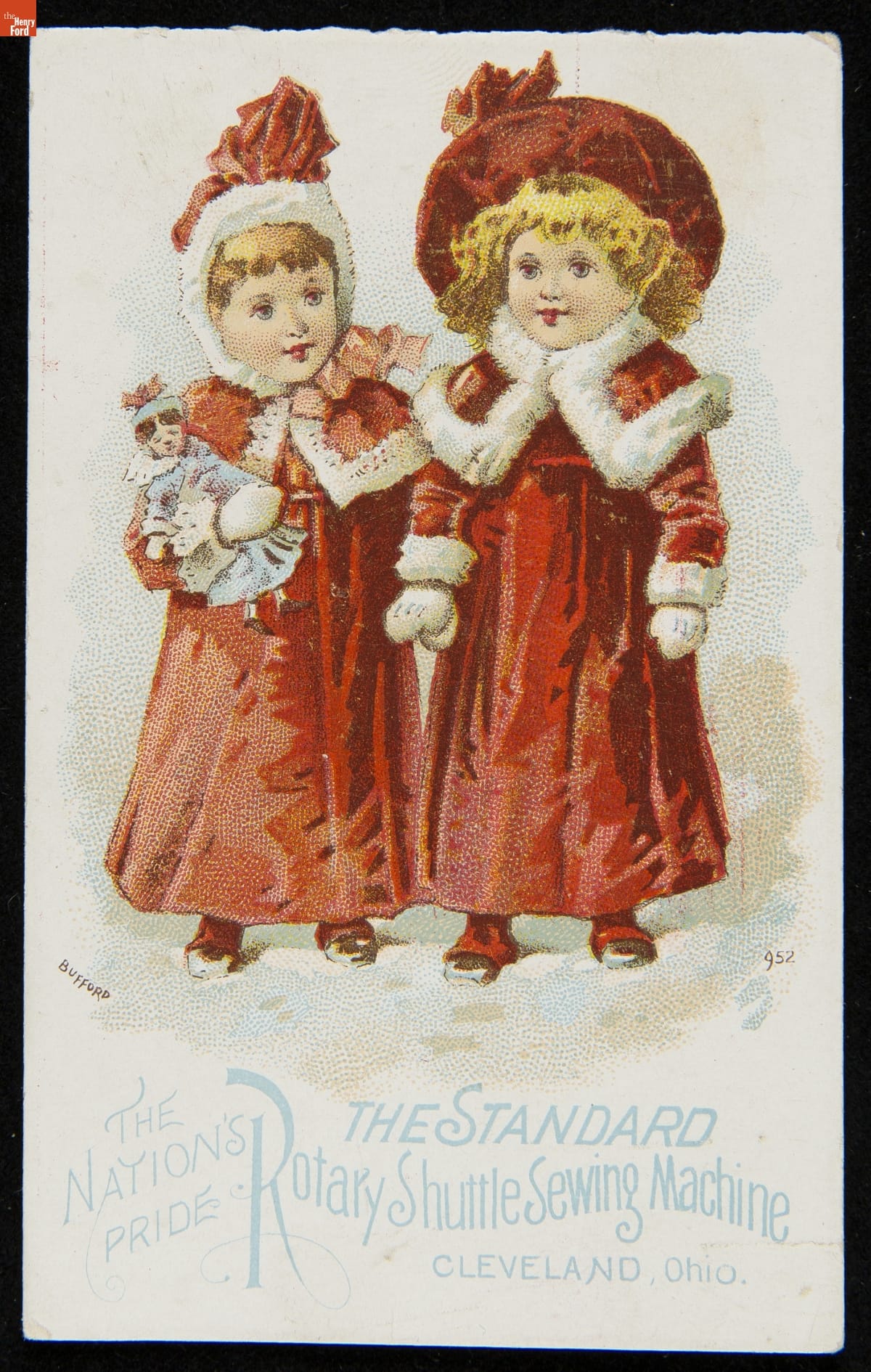
- 1880-1900
- Collections - Artifact
Trade Card for the Standard Rotary Shuttle Sewing Machine, Standard Sewing Machine Co., 1880-1900
As color printing gained momentum in the late 19th century, trade cards became a major means of advertising goods and services. Americans enjoyed and often saved the little advertisements found in product packages or distributed by local merchants. This trade card advertises the Standard Sewing Machine Company.
- Trade Card for the Standard Sewing Machine Company, 1880-1900 - As color printing gained momentum in the late 19th century, trade cards became a major means of advertising goods and services. Americans enjoyed and often saved the little advertisements found in product packages or distributed by local merchants. This trade card advertises the Standard Sewing Machine Company.
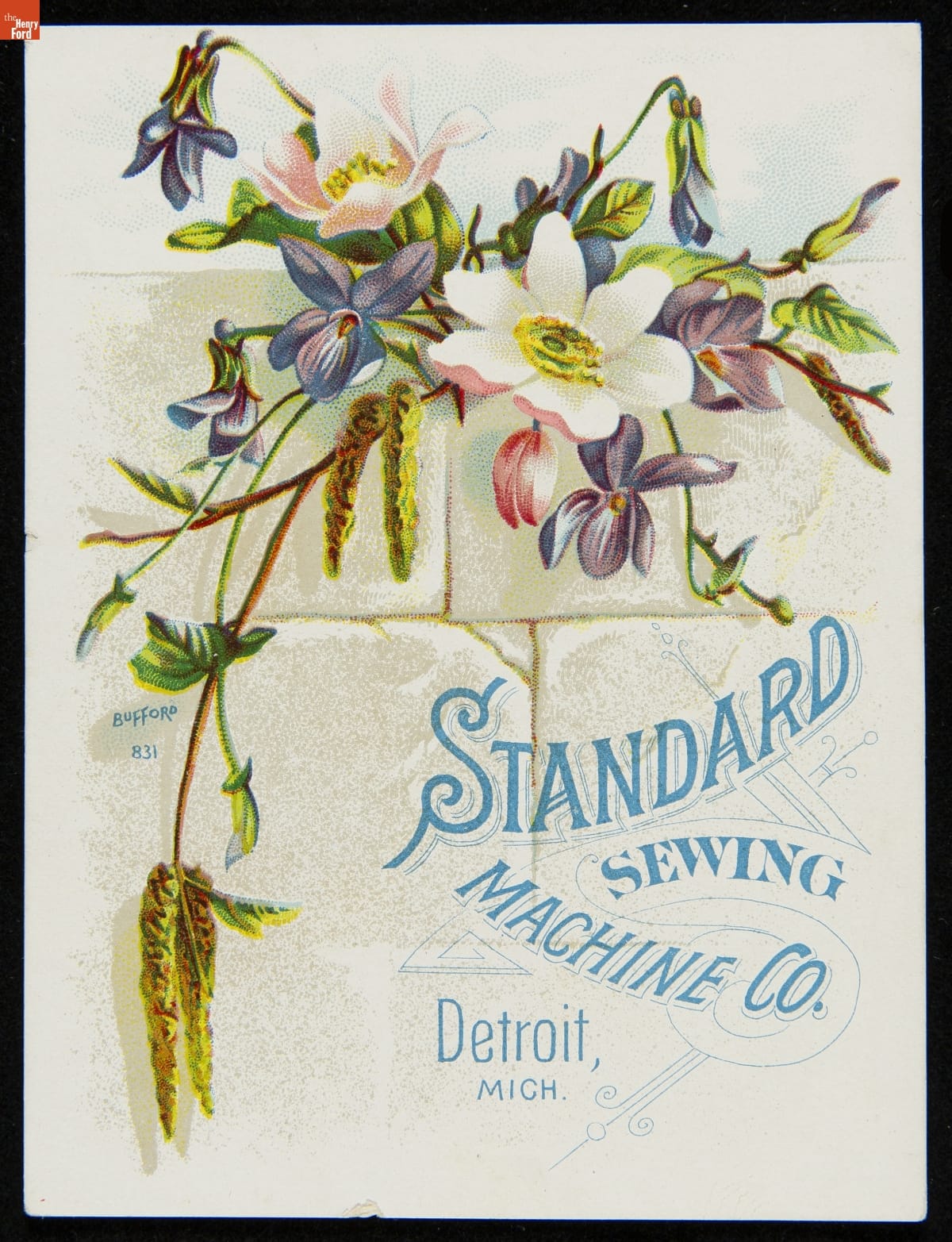
- 1880-1900
- Collections - Artifact
Trade Card for the Standard Sewing Machine Company, 1880-1900
As color printing gained momentum in the late 19th century, trade cards became a major means of advertising goods and services. Americans enjoyed and often saved the little advertisements found in product packages or distributed by local merchants. This trade card advertises the Standard Sewing Machine Company.