
Search
- Stove Tongs, 1877-1890 -
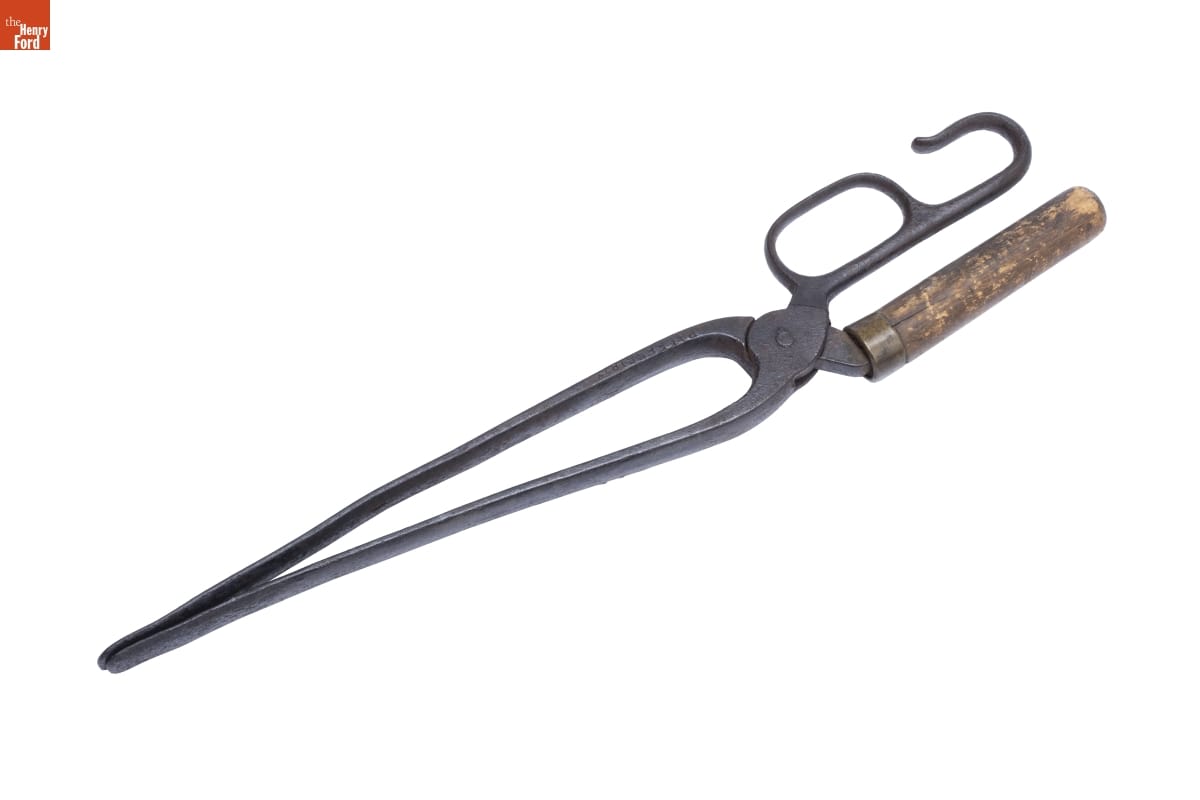
- 1877-1890
- Collections - Artifact
Stove Tongs, 1877-1890
- Trade Card for Glenwood Ranges and Parlor Stoves, Taunton, Massachusetts, circa 1882 - In the last third of the nineteenth century, an unprecedented variety of consumer goods and services flooded the American market. Advertisers, armed with new methods of color printing, bombarded potential customers with trade cards. Americans enjoyed and often saved the vibrant little advertisements found in product packages or distributed by local merchants. Many survive as historical records of commercialism in the United States.
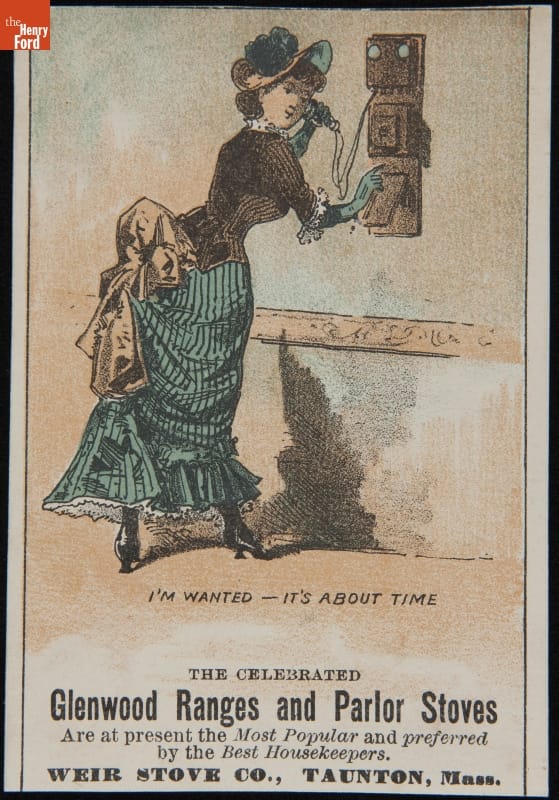
- circa 1882
- Collections - Artifact
Trade Card for Glenwood Ranges and Parlor Stoves, Taunton, Massachusetts, circa 1882
In the last third of the nineteenth century, an unprecedented variety of consumer goods and services flooded the American market. Advertisers, armed with new methods of color printing, bombarded potential customers with trade cards. Americans enjoyed and often saved the vibrant little advertisements found in product packages or distributed by local merchants. Many survive as historical records of commercialism in the United States.
- Kelvinator "Automatic Cook" Electric Range, circa 1950 -
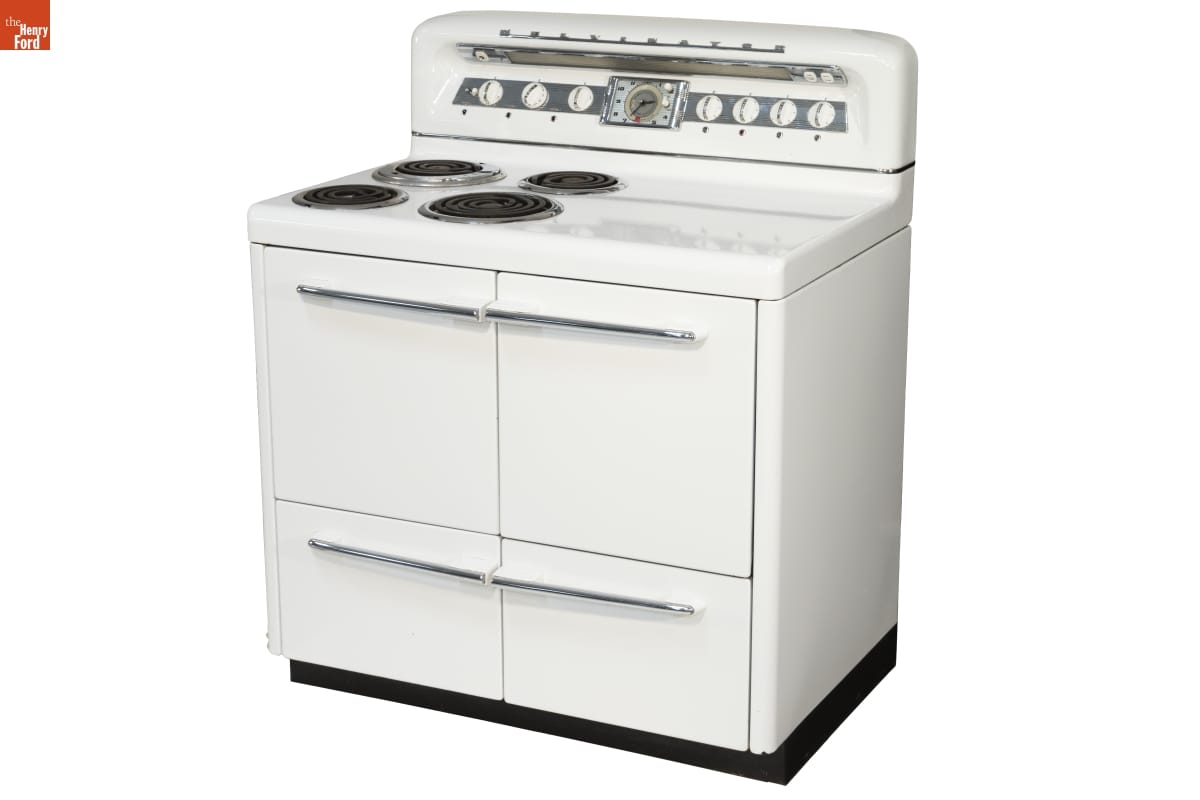
- circa 1950
- Collections - Artifact
Kelvinator "Automatic Cook" Electric Range, circa 1950
- Bridge and Beach Manufacturing Company Catalog, "Price List - July 1st, 1901: Superior Stoves and Ranges," 1901 -
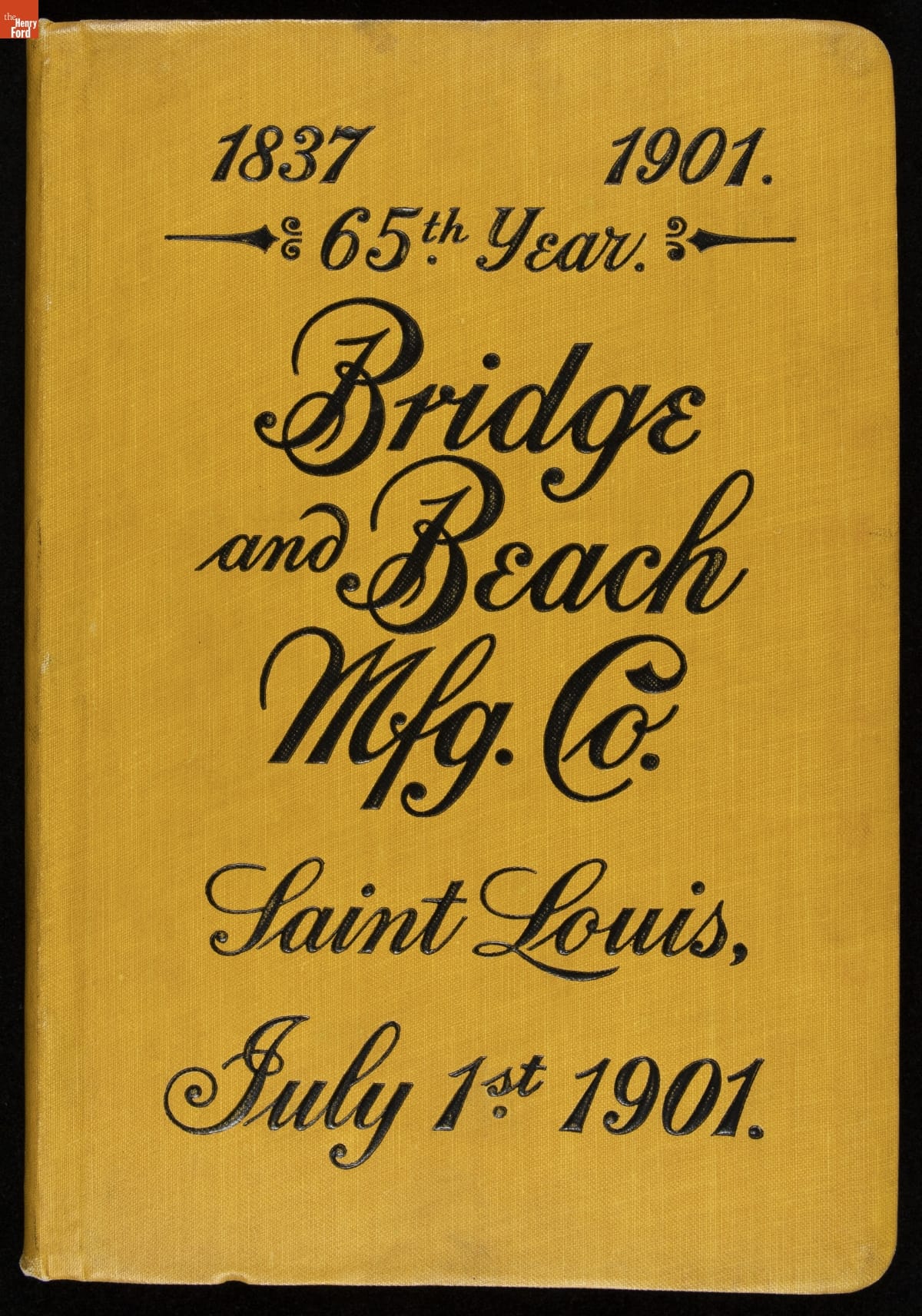
- July 01, 1901
- Collections - Artifact
Bridge and Beach Manufacturing Company Catalog, "Price List - July 1st, 1901: Superior Stoves and Ranges," 1901
- Borg-Warner "Norge" Cookstove, 1935-1945 - This sleek range hid its technology behind a smooth porcelain enamel cabinet. Four surface burners could be covered when not in use, while doors neatly concealed the oven, warming oven, and broiler. By the mid-1930s, ranges like this one--lacking tall legs and with a stovetop designed to fit alongside built-in cupboards with continuous countertops--took their place in the standardized, modern kitchens of the era.
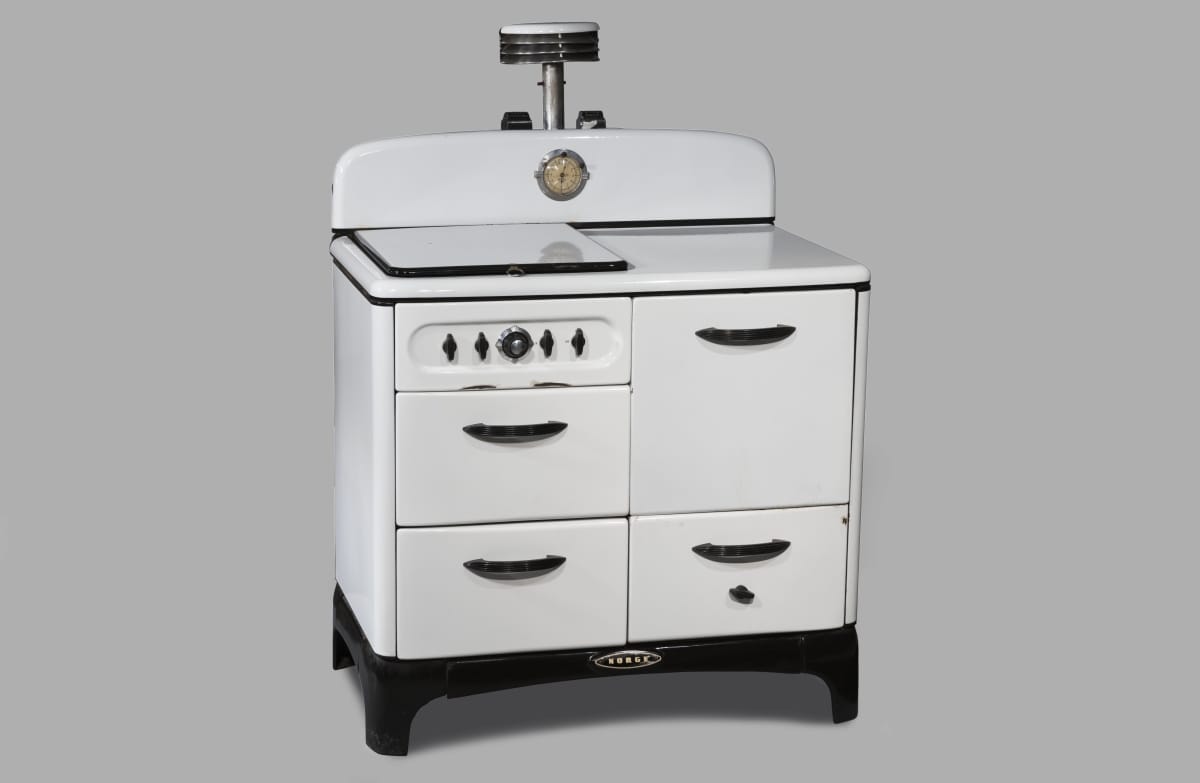
- 1935-1945
- Collections - Artifact
Borg-Warner "Norge" Cookstove, 1935-1945
This sleek range hid its technology behind a smooth porcelain enamel cabinet. Four surface burners could be covered when not in use, while doors neatly concealed the oven, warming oven, and broiler. By the mid-1930s, ranges like this one--lacking tall legs and with a stovetop designed to fit alongside built-in cupboards with continuous countertops--took their place in the standardized, modern kitchens of the era.
- Parlor Stove from the Residence of John Greenleaf Whittier, circa 1830 -
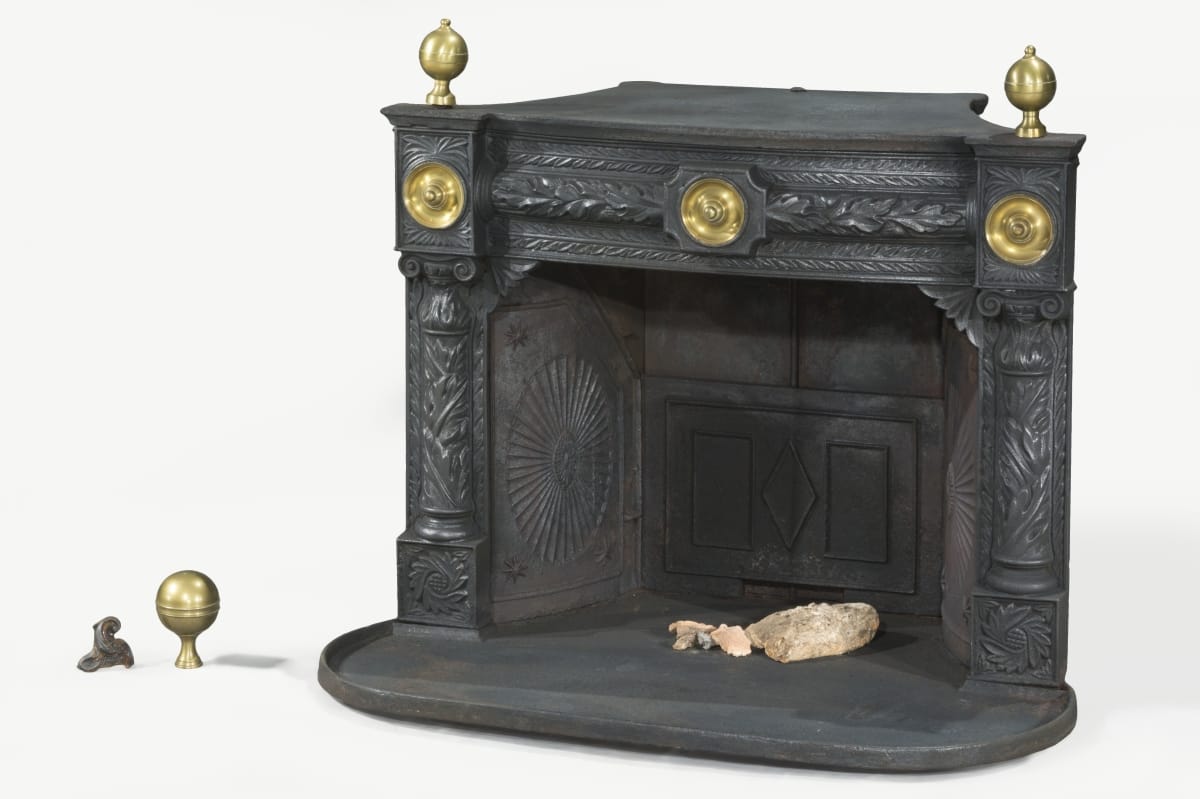
- circa 1830
- Collections - Artifact
Parlor Stove from the Residence of John Greenleaf Whittier, circa 1830
- "Kerosene and Gas Cooking Apparatus," 1866 -
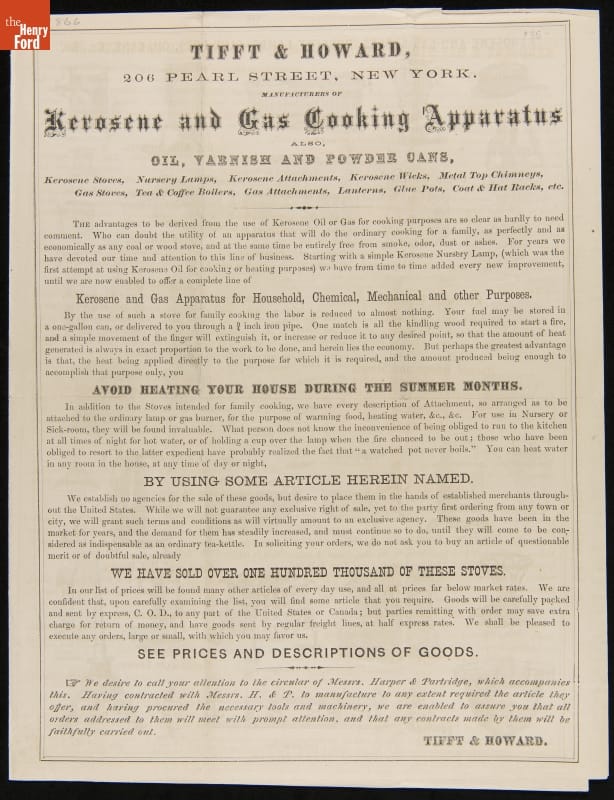
- 1866
- Collections - Artifact
"Kerosene and Gas Cooking Apparatus," 1866
- Miniature Stove, 1900-1920 -
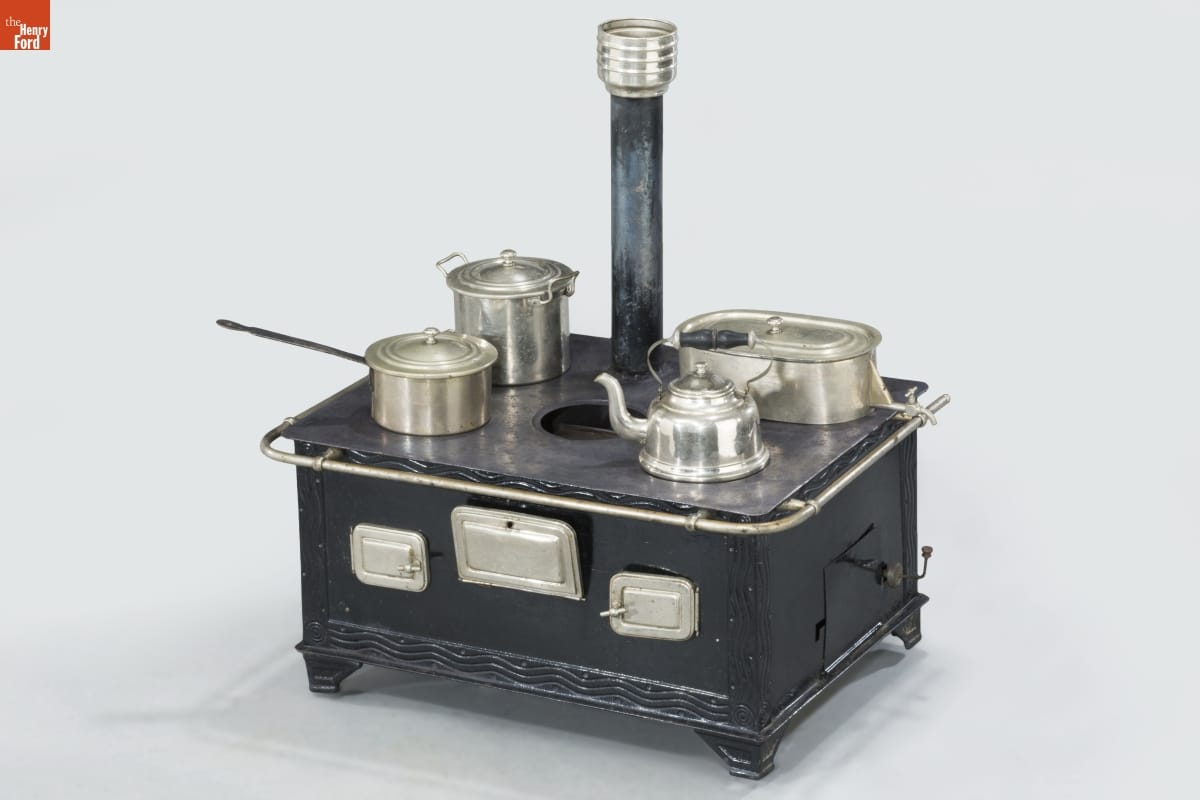
- 1900-1920
- Collections - Artifact
Miniature Stove, 1900-1920
- Stove Platform, circa 1880 -
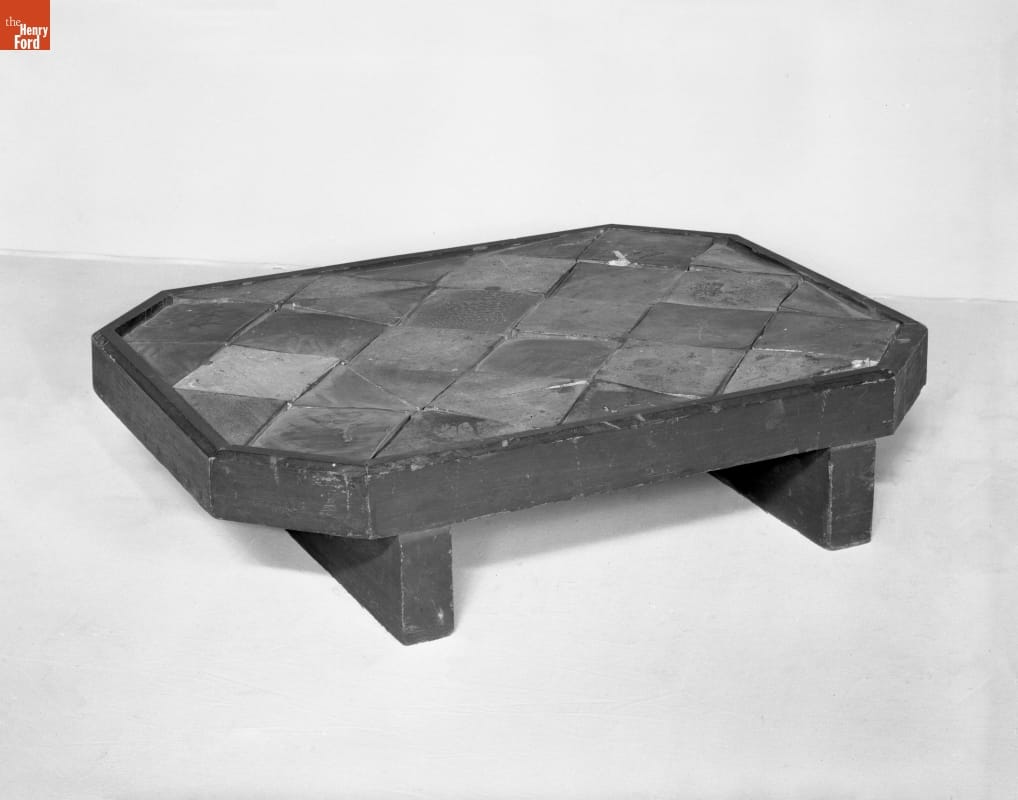
- circa 1880
- Collections - Artifact
Stove Platform, circa 1880
- Shelf -
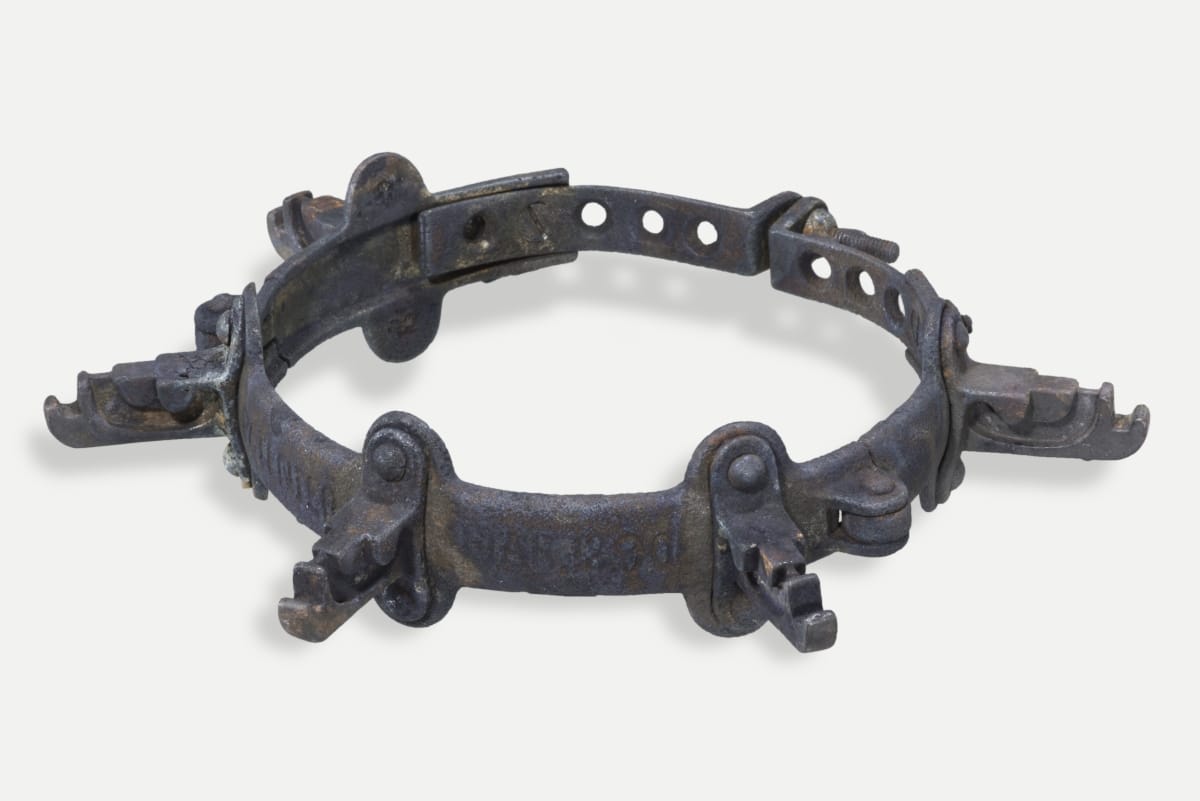
- Collections - Artifact
Shelf