
Search
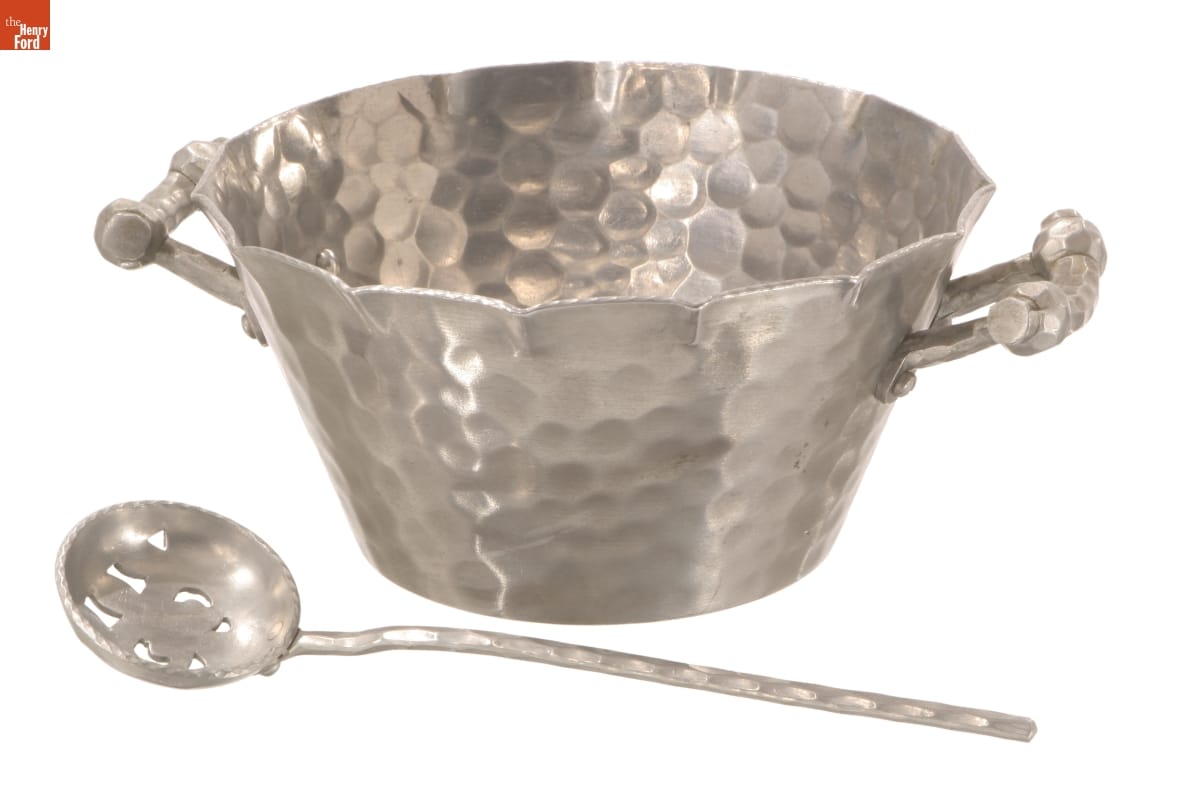
- Everlast "Forged" Ice Pail and Strainer, 1947-1960 - In 1932, Louis Schnitzer and Nathan Gelfman formed Everlast Metal Products Corporation, producing high-quality, hand-forged aluminum giftware. In an era of growing uniformity via factory production, the "made by hand" aspect of these products held an aesthetic appeal for consumers. In 1933, Everlast introduced its first product line, "Forged Giftware" featuring Colonial Revival inspired designs.
- 1947-1960
- Collections - Artifact
Everlast "Forged" Ice Pail and Strainer, 1947-1960
In 1932, Louis Schnitzer and Nathan Gelfman formed Everlast Metal Products Corporation, producing high-quality, hand-forged aluminum giftware. In an era of growing uniformity via factory production, the "made by hand" aspect of these products held an aesthetic appeal for consumers. In 1933, Everlast introduced its first product line, "Forged Giftware" featuring Colonial Revival inspired designs.
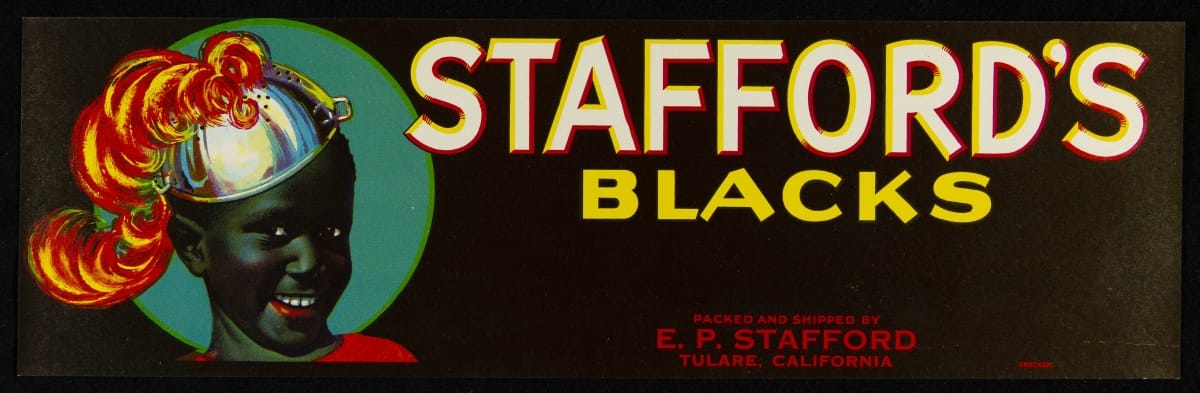
- Crate Label, "Stafford's Blacks Brand Grapes," circa 1930 - Lithographers created colorful, eye-catching labels to help sell products. Designs often featured popular themes or motifs; some also reflected the prejudices of the time. Illustrators often depicted African-Americans in comical situations -- like this boy wearing a colander as a hat. These images dehumanized African Americans and affirmed the discriminatory biases many white Americans held.
- circa 1930
- Collections - Artifact
Crate Label, "Stafford's Blacks Brand Grapes," circa 1930
Lithographers created colorful, eye-catching labels to help sell products. Designs often featured popular themes or motifs; some also reflected the prejudices of the time. Illustrators often depicted African-Americans in comical situations -- like this boy wearing a colander as a hat. These images dehumanized African Americans and affirmed the discriminatory biases many white Americans held.
- Trivet, circa 1750 -
- circa 1750
- Collections - Artifact
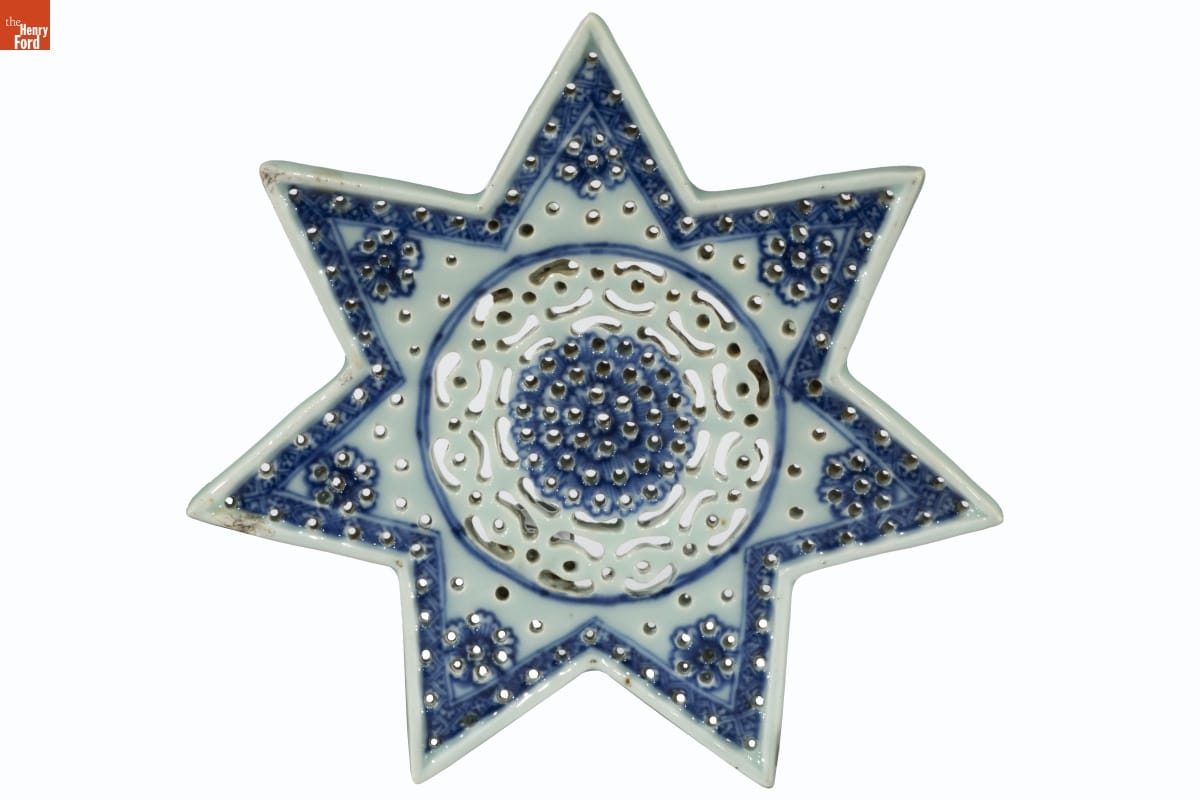
Trivet, circa 1750
- Curd Strainer -
- Collections - Artifact
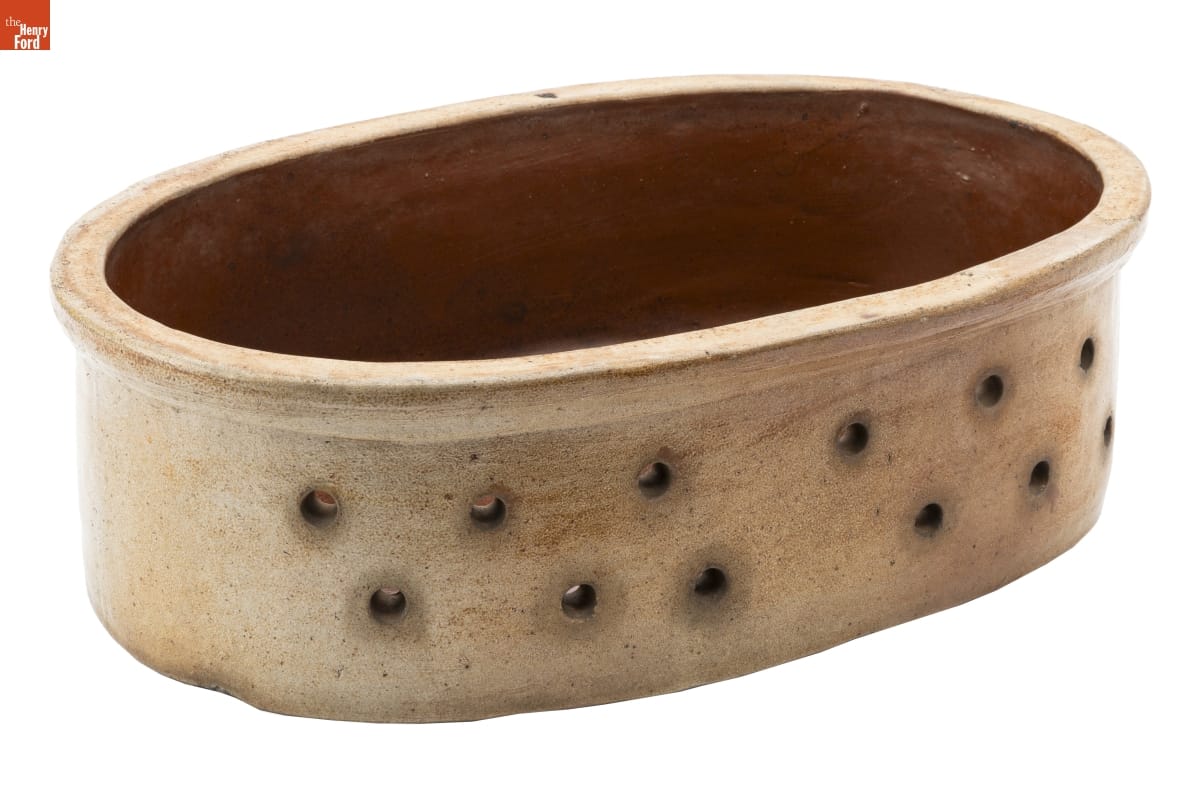
Curd Strainer
- Strainer -
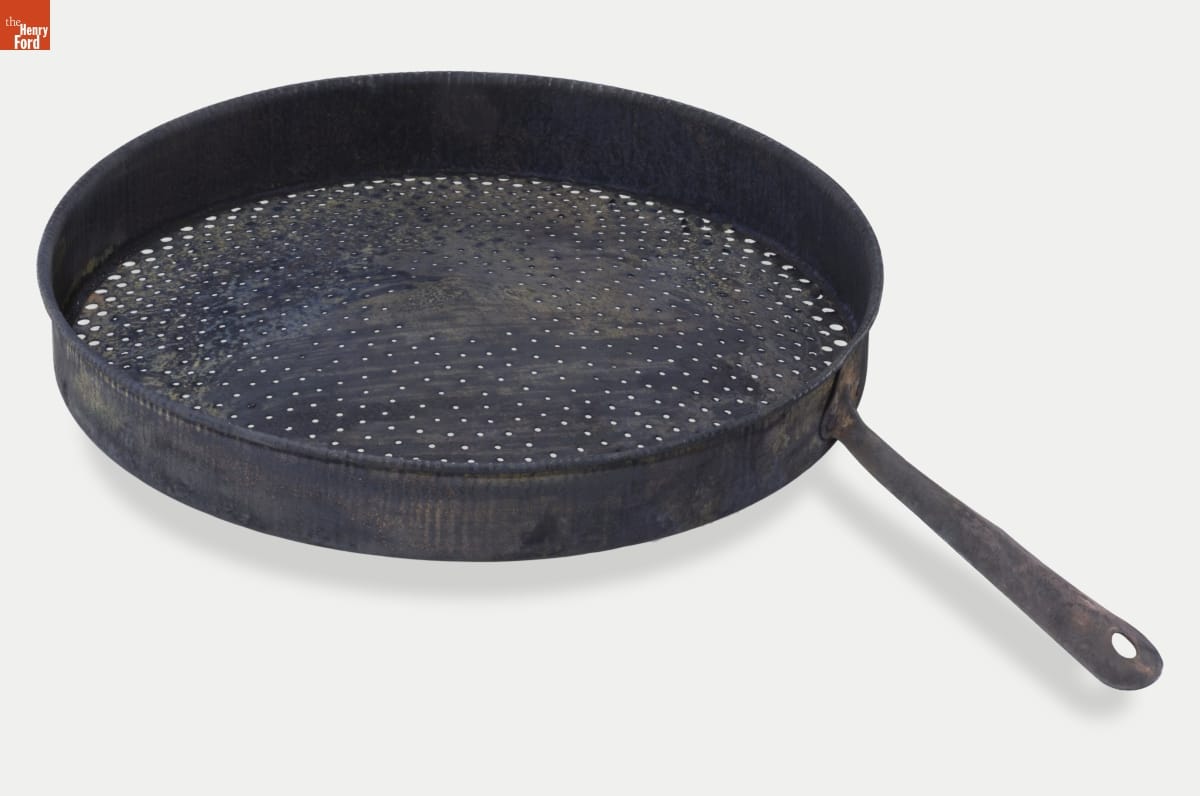
- Collections - Artifact
Strainer
- Greens Drainer, circa 1859 -
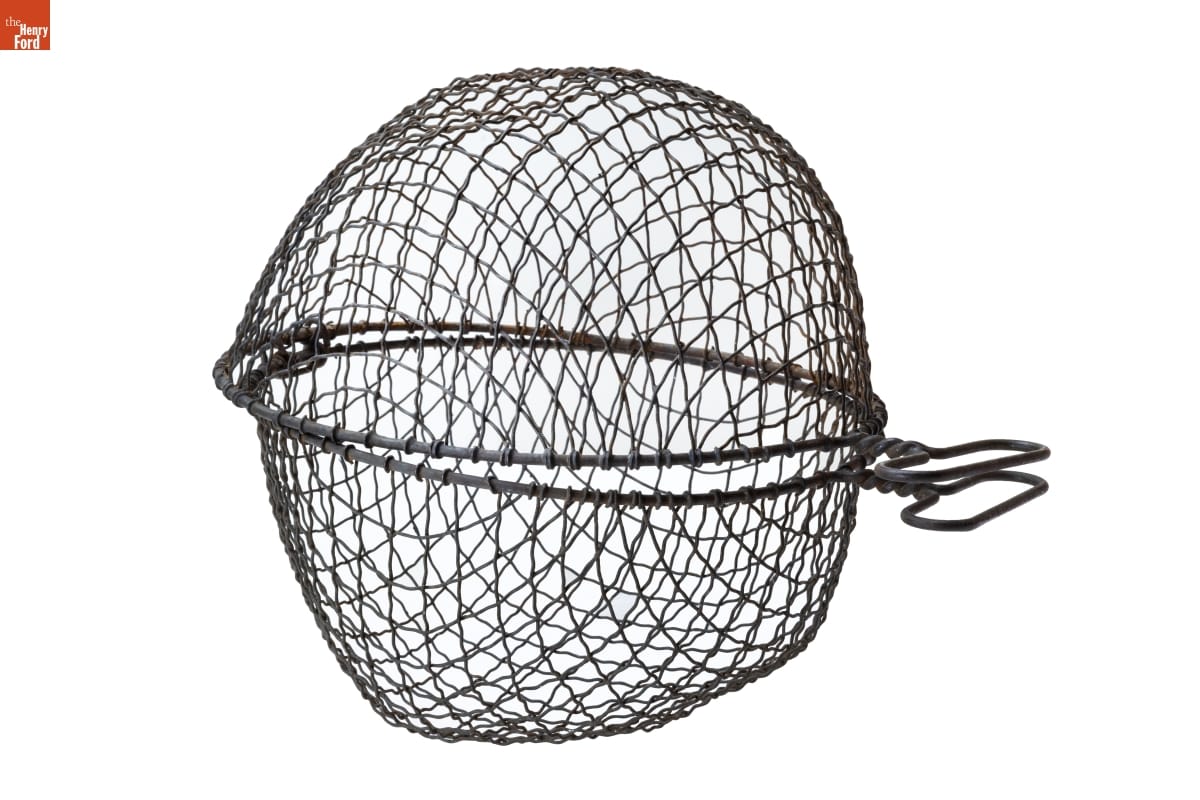
- circa 1859
- Collections - Artifact
Greens Drainer, circa 1859
- Kitchen Utensil Set, 1955-1960 -
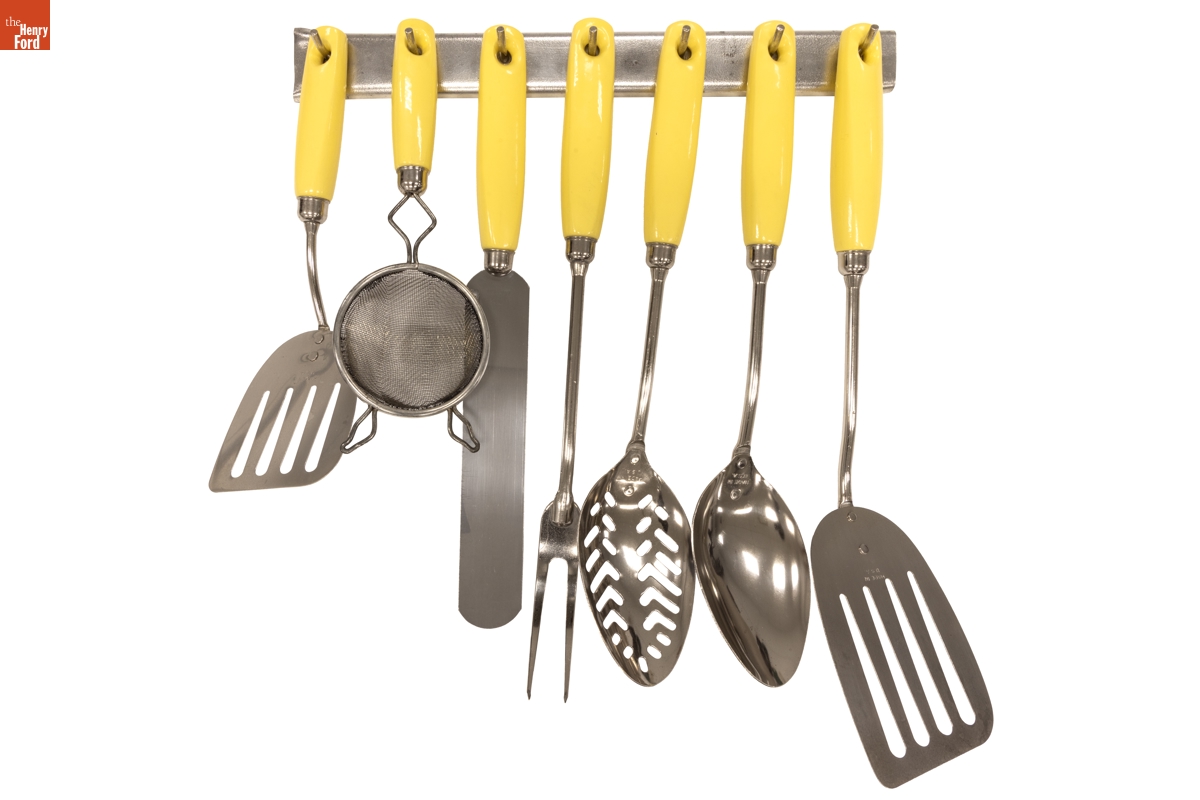
- 1955-1960
- Collections - Artifact
Kitchen Utensil Set, 1955-1960
- Strainer, 1955-1960 -
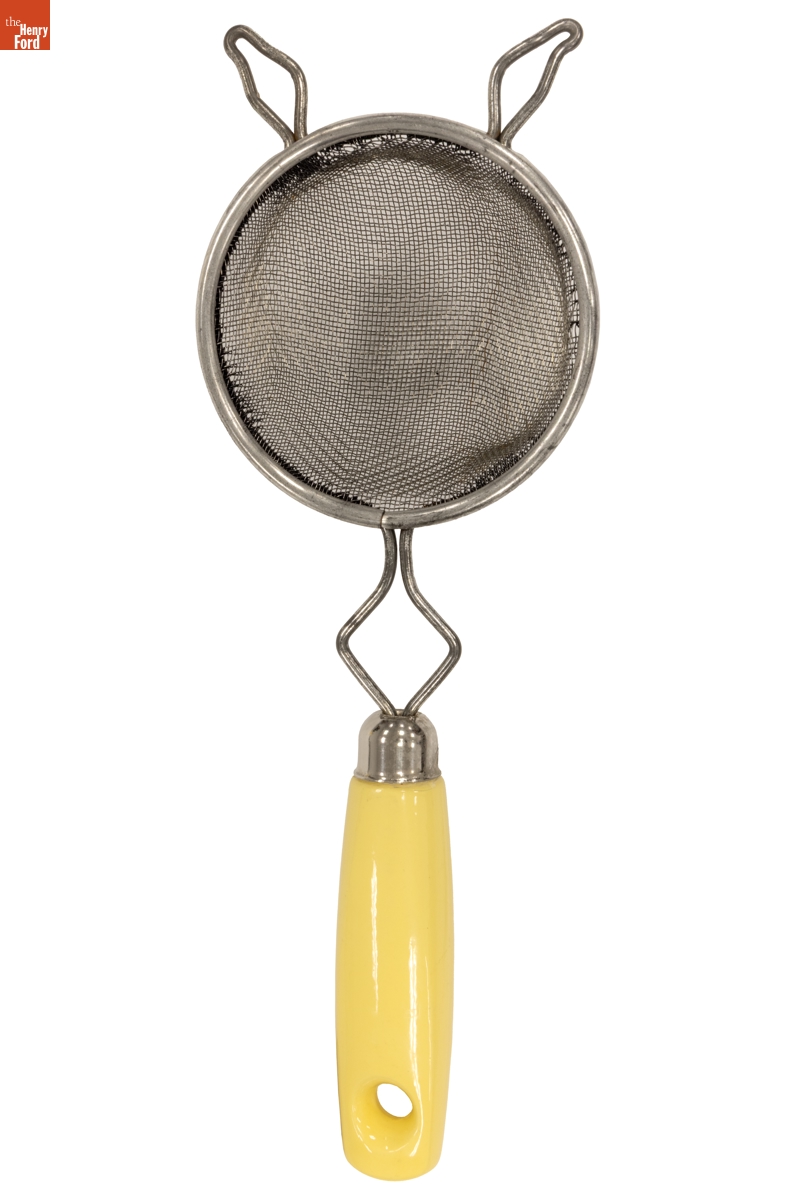
- 1955-1960
- Collections - Artifact
Strainer, 1955-1960
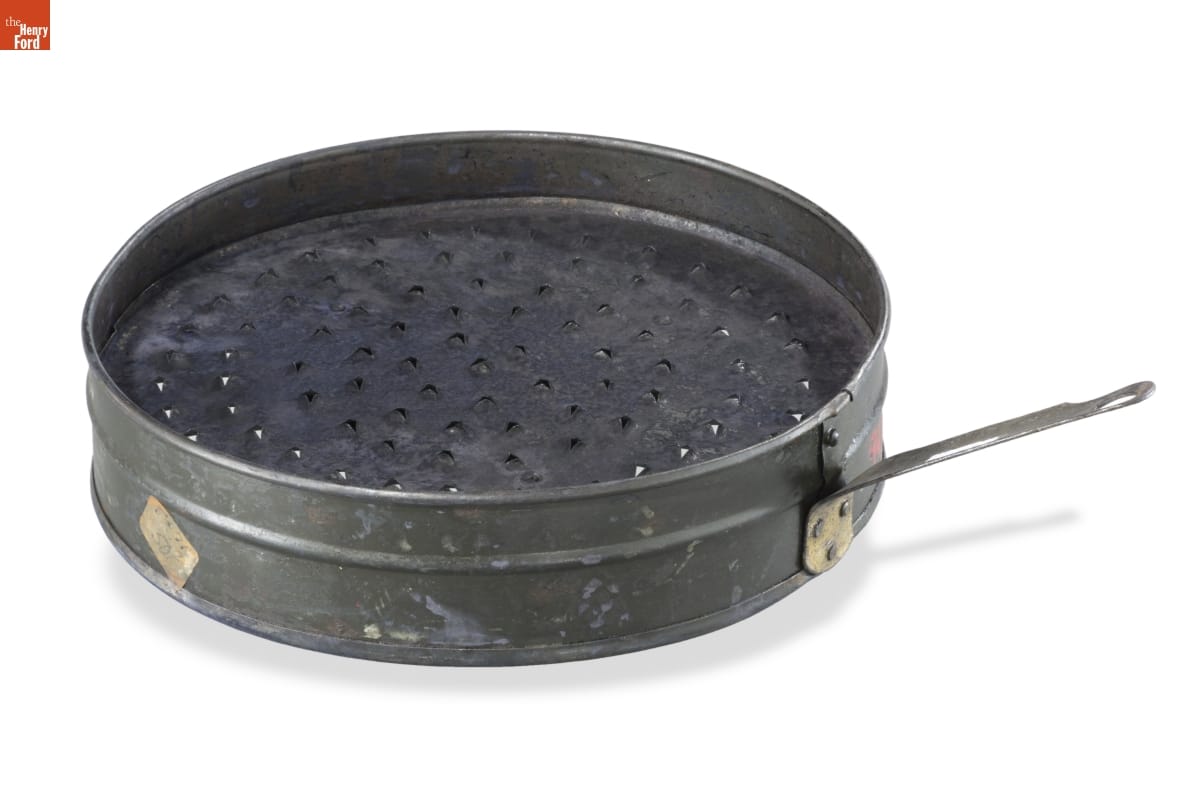
- Strainer -
- Collections - Artifact
Strainer
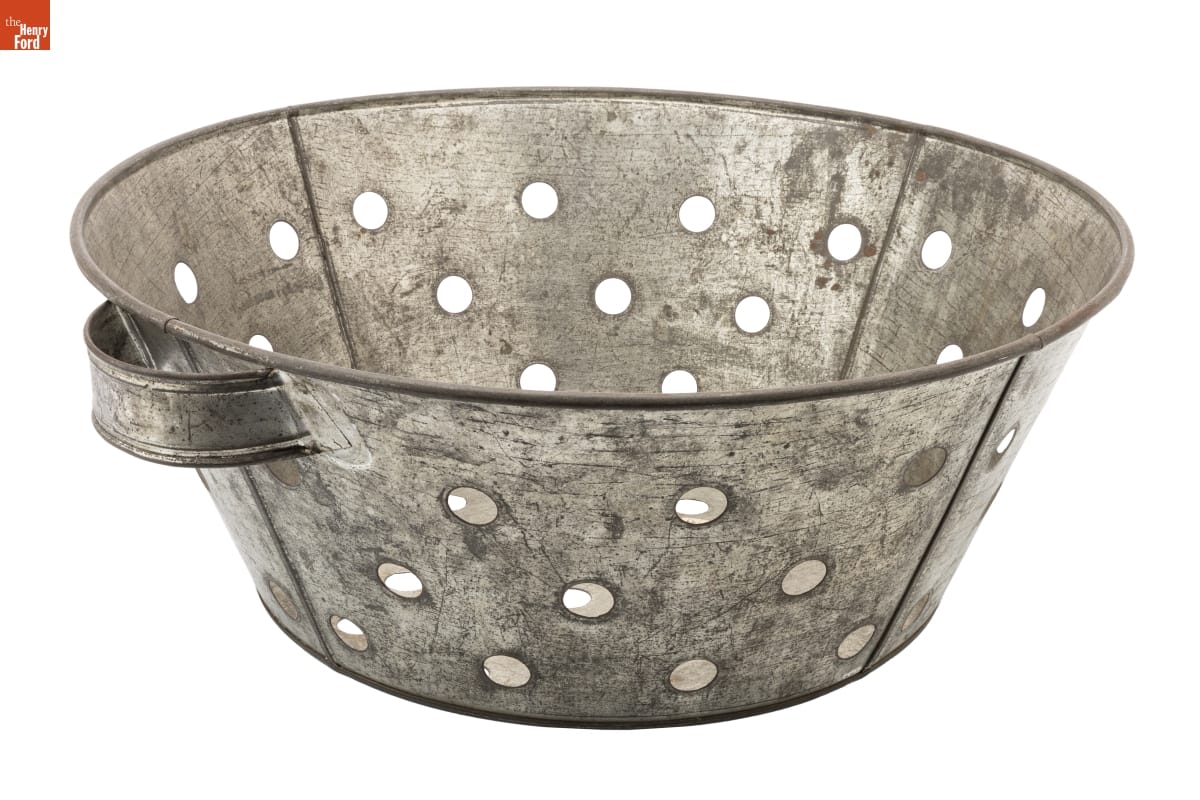
- Cheese Strainer, 1850-1900 -
- 1850-1900
- Collections - Artifact
Cheese Strainer, 1850-1900