
Search
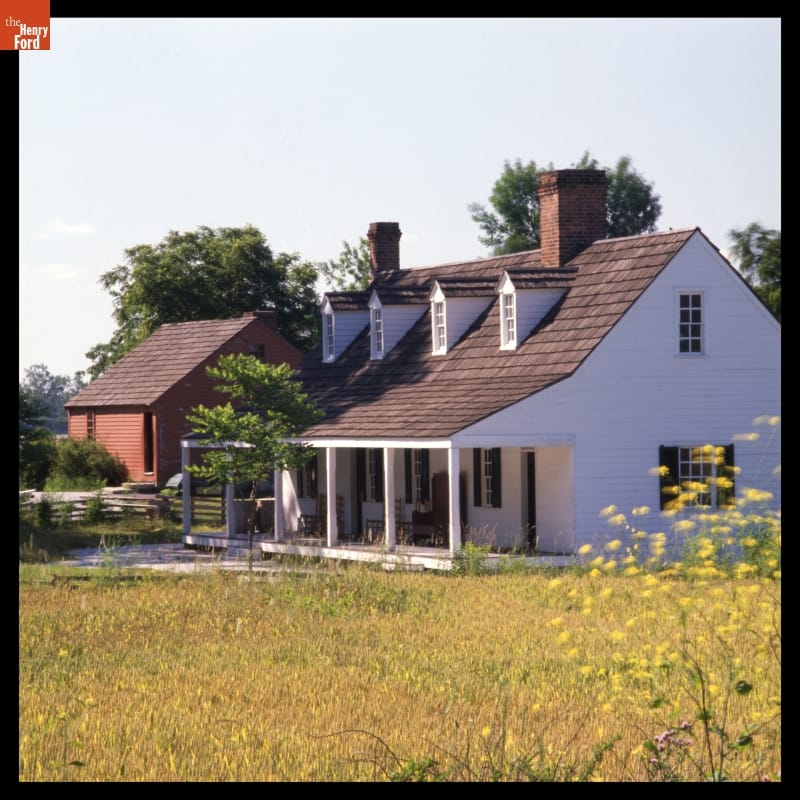
- Susquehanna Plantation in Greenfield Village, August 1989 - Henry Carroll owned this southern Maryland house (pictured here at Greenfield Village) in the decades before and after the Civil War. Its form -- one room deep with porches -- invited cooling breezes in the warm, humid climate. In 1860, the Carrolls raised tobacco and wheat on their 700-acre plantation. Seventy-five enslaved African Americans provided the skill and labor that supported the Carroll family's comfortable life.
- August 01, 1989
- Collections - Artifact
Susquehanna Plantation in Greenfield Village, August 1989
Henry Carroll owned this southern Maryland house (pictured here at Greenfield Village) in the decades before and after the Civil War. Its form -- one room deep with porches -- invited cooling breezes in the warm, humid climate. In 1860, the Carrolls raised tobacco and wheat on their 700-acre plantation. Seventy-five enslaved African Americans provided the skill and labor that supported the Carroll family's comfortable life.
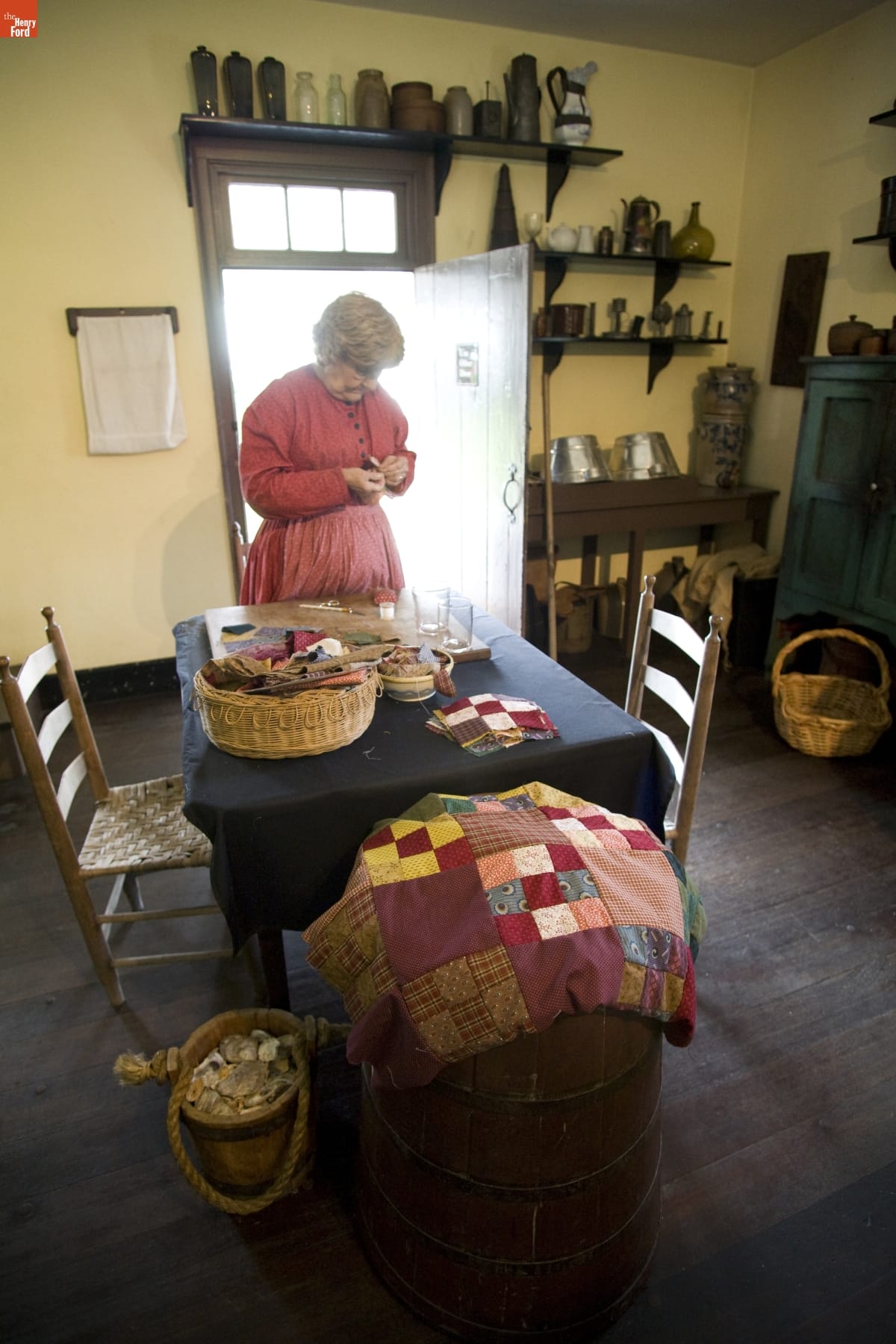
- Susquehanna Plantation in Greenfield Village, October 2007 - Henry Carroll's Susquehanna Plantation was one of the largest, most productive farms in southern Maryland before the Civil War. Henry Ford had Carroll's house moved to Greenfield Village in 1942. Costumed presenters in 2007 interpreted the daily life of those living on prosperous Maryland estates--both the landowners and the enslaved African Americans whose skills and labor made these plantations profitable.
- October 01, 2007
- Collections - Artifact
Susquehanna Plantation in Greenfield Village, October 2007
Henry Carroll's Susquehanna Plantation was one of the largest, most productive farms in southern Maryland before the Civil War. Henry Ford had Carroll's house moved to Greenfield Village in 1942. Costumed presenters in 2007 interpreted the daily life of those living on prosperous Maryland estates--both the landowners and the enslaved African Americans whose skills and labor made these plantations profitable.
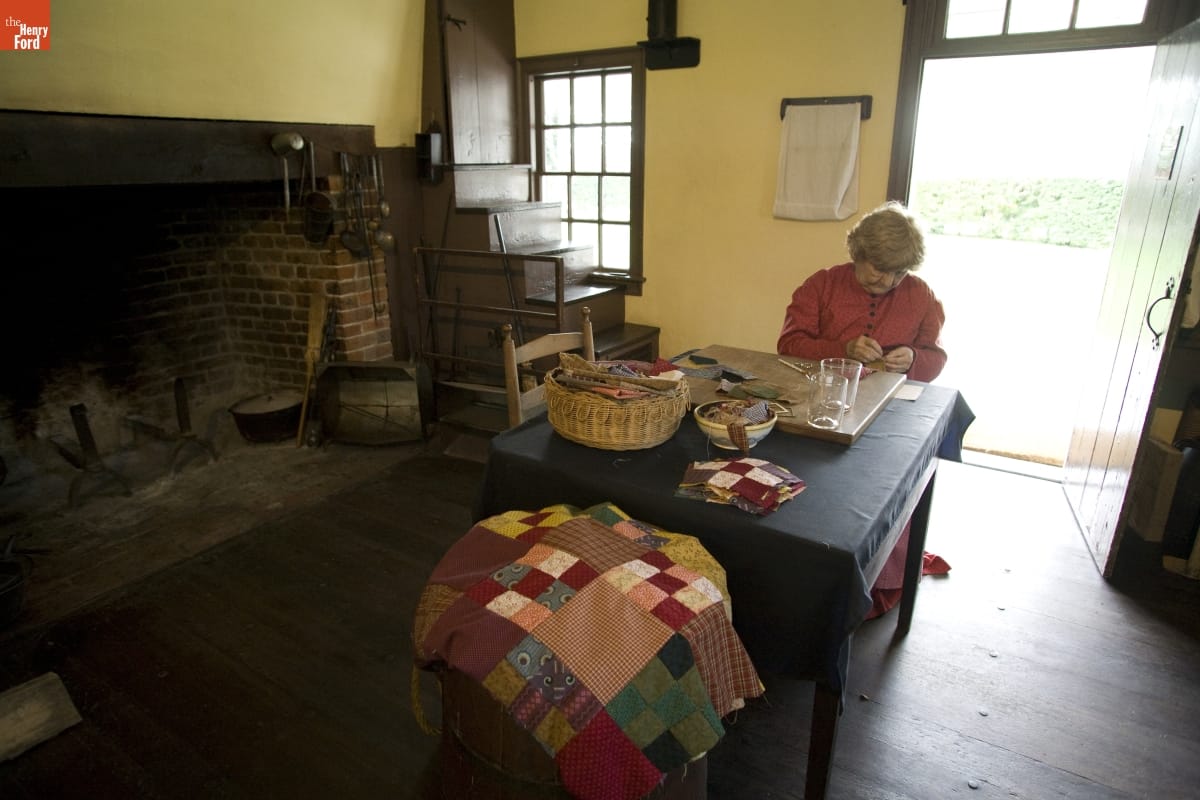
- Susquehanna Plantation in Greenfield Village, October 2007 - Henry Carroll's Susquehanna Plantation was one of the largest, most productive farms in southern Maryland before the Civil War. Henry Ford had Carroll's house moved to Greenfield Village in 1942. Costumed presenters in 2007 interpreted the daily life of those living on prosperous Maryland estates--both the landowners and the enslaved African Americans whose skills and labor made these plantations profitable.
- October 01, 2007
- Collections - Artifact
Susquehanna Plantation in Greenfield Village, October 2007
Henry Carroll's Susquehanna Plantation was one of the largest, most productive farms in southern Maryland before the Civil War. Henry Ford had Carroll's house moved to Greenfield Village in 1942. Costumed presenters in 2007 interpreted the daily life of those living on prosperous Maryland estates--both the landowners and the enslaved African Americans whose skills and labor made these plantations profitable.
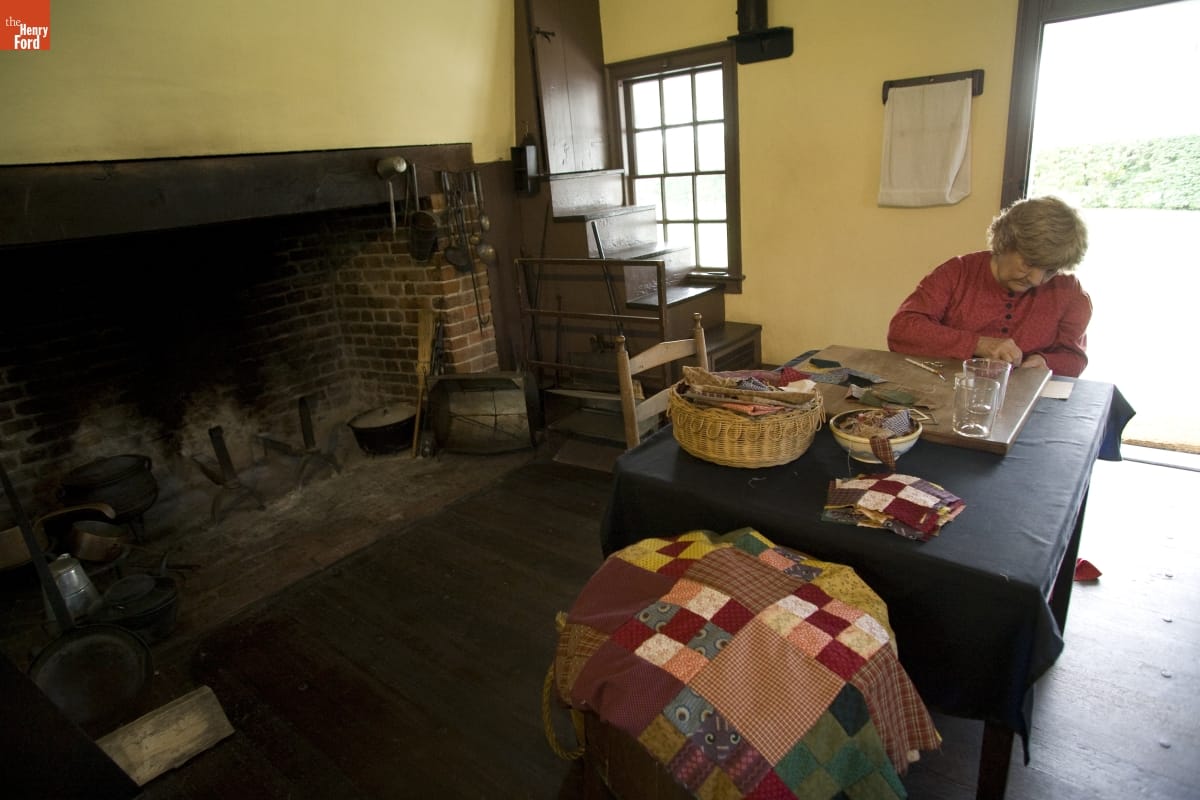
- Susquehanna Plantation in Greenfield Village, October 2007 - Henry Carroll's Susquehanna Plantation was one of the largest, most productive farms in southern Maryland before the Civil War. Henry Ford had Carroll's house moved to Greenfield Village in 1942. Costumed presenters in 2007 interpreted the daily life of those living on prosperous Maryland estates--both the landowners and the enslaved African Americans whose skills and labor made these plantations profitable.
- October 01, 2007
- Collections - Artifact
Susquehanna Plantation in Greenfield Village, October 2007
Henry Carroll's Susquehanna Plantation was one of the largest, most productive farms in southern Maryland before the Civil War. Henry Ford had Carroll's house moved to Greenfield Village in 1942. Costumed presenters in 2007 interpreted the daily life of those living on prosperous Maryland estates--both the landowners and the enslaved African Americans whose skills and labor made these plantations profitable.
- Susquehanna Plantation in Greenfield Village, October 2007 - Henry Carroll's Susquehanna Plantation was one of the largest, most productive farms in southern Maryland before the Civil War. Henry Ford had Carroll's house moved to Greenfield Village in 1942. Rooms with period furnishings represent typical living environments found on Maryland plantations and give a glimpse of the daily lives of those who moved in and out of these spaces.
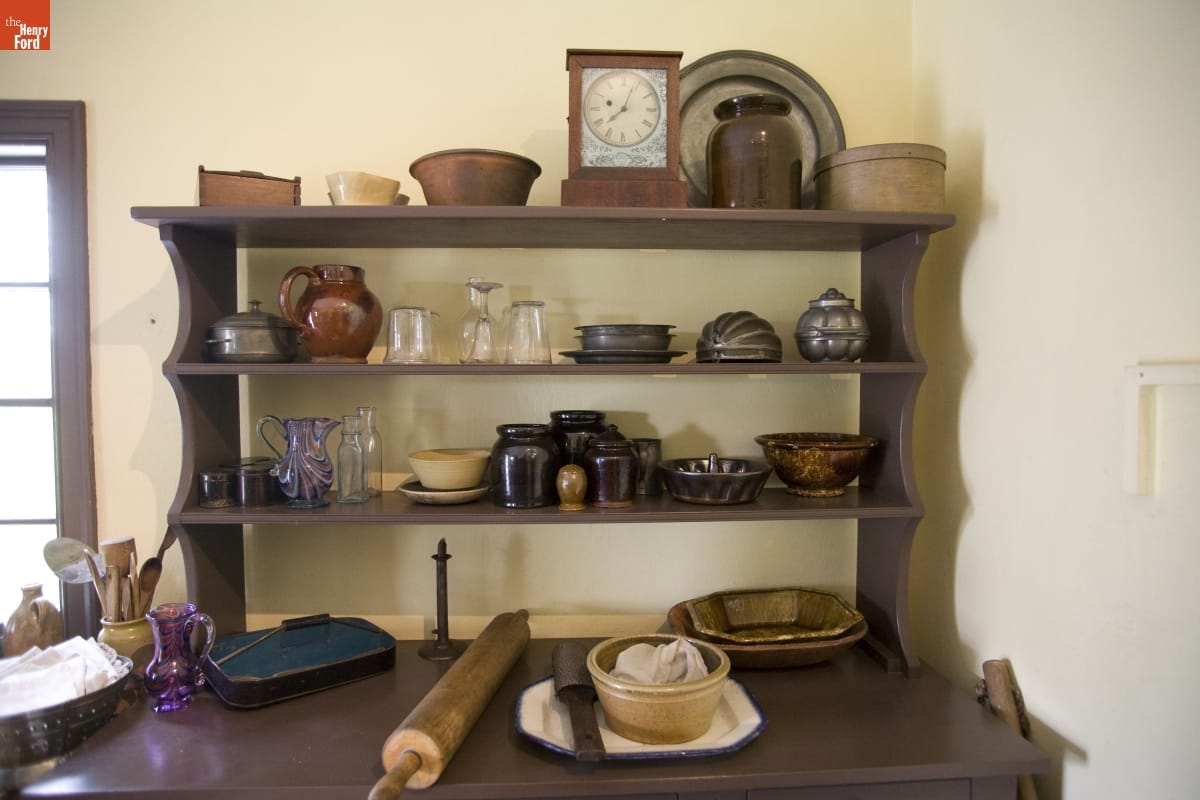
- October 01, 2007
- Collections - Artifact
Susquehanna Plantation in Greenfield Village, October 2007
Henry Carroll's Susquehanna Plantation was one of the largest, most productive farms in southern Maryland before the Civil War. Henry Ford had Carroll's house moved to Greenfield Village in 1942. Rooms with period furnishings represent typical living environments found on Maryland plantations and give a glimpse of the daily lives of those who moved in and out of these spaces.
- Susquehanna Plantation in Greenfield Village, October 2007 - Henry Carroll's Susquehanna Plantation was one of the largest, most productive farms in southern Maryland before the Civil War. Henry Ford had Carroll's house moved to Greenfield Village in 1942. Costumed presenters in 2007 interpreted the daily life of those living on prosperous Maryland estates--both the landowners and the enslaved African Americans whose skills and labor made these plantations profitable.
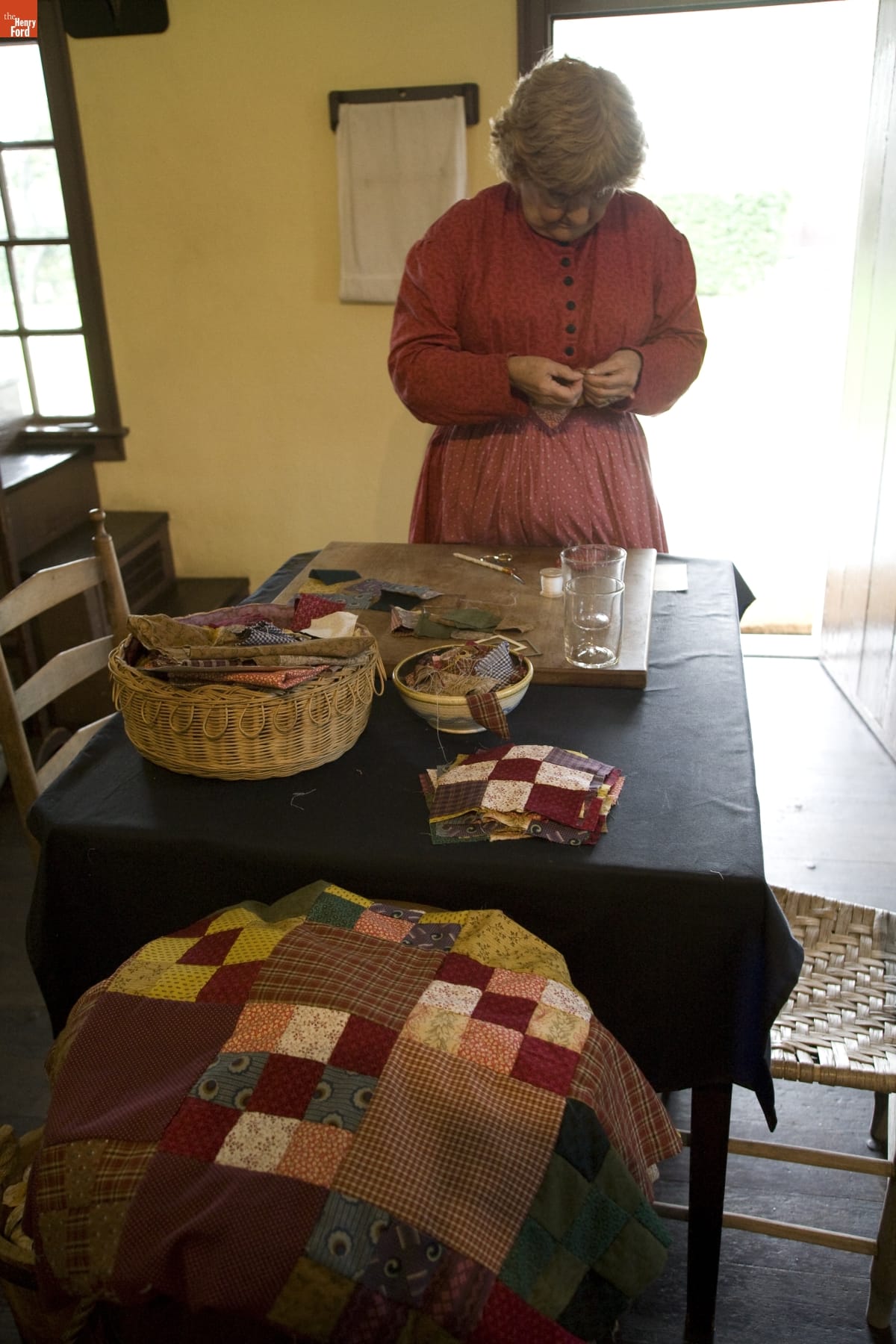
- October 01, 2007
- Collections - Artifact
Susquehanna Plantation in Greenfield Village, October 2007
Henry Carroll's Susquehanna Plantation was one of the largest, most productive farms in southern Maryland before the Civil War. Henry Ford had Carroll's house moved to Greenfield Village in 1942. Costumed presenters in 2007 interpreted the daily life of those living on prosperous Maryland estates--both the landowners and the enslaved African Americans whose skills and labor made these plantations profitable.
- Susquehanna Plantation in Greenfield Village, October 2007 - Henry Carroll owned this southern Maryland house (pictured here at Greenfield Village) in the decades before and after the Civil War. Its form -- one room deep with porches -- invited cooling breezes in the warm, humid climate. In 1860, the Carrolls raised tobacco and wheat on their 700-acre plantation. Seventy-five enslaved African Americans provided the skill and labor that supported the Carroll family's comfortable life.
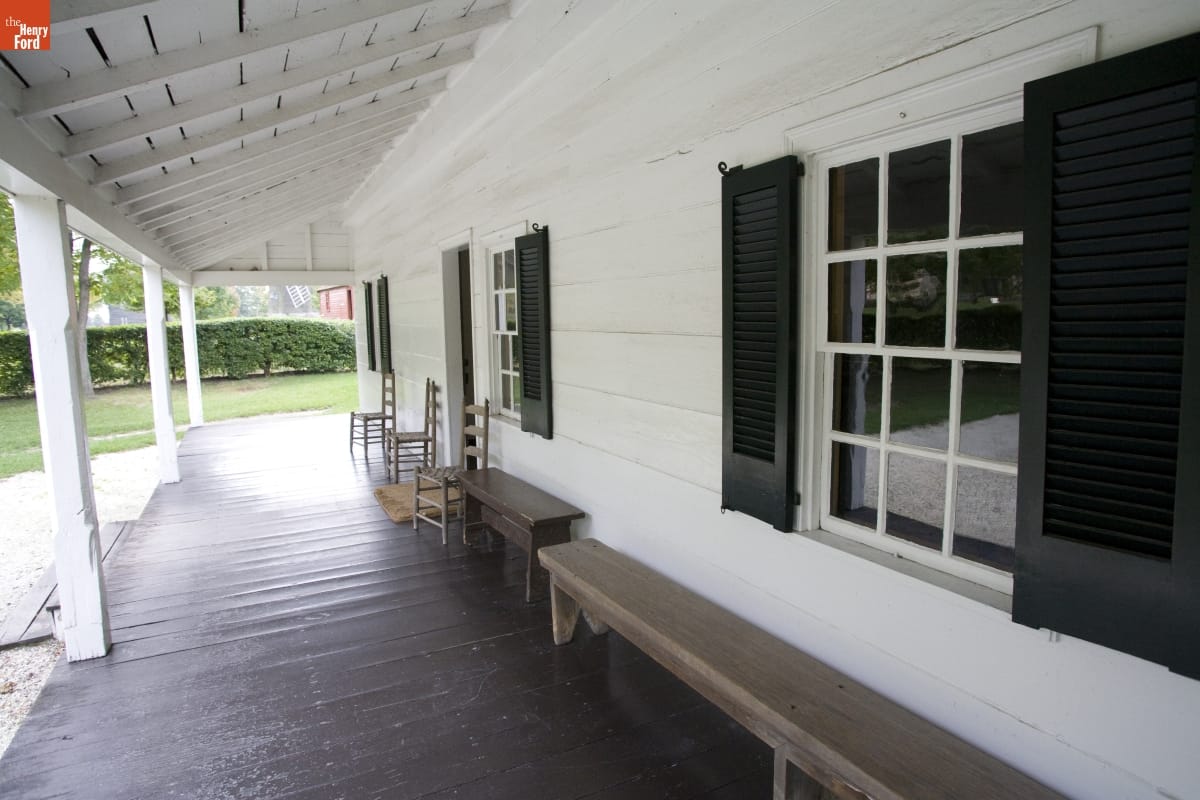
- October 01, 2007
- Collections - Artifact
Susquehanna Plantation in Greenfield Village, October 2007
Henry Carroll owned this southern Maryland house (pictured here at Greenfield Village) in the decades before and after the Civil War. Its form -- one room deep with porches -- invited cooling breezes in the warm, humid climate. In 1860, the Carrolls raised tobacco and wheat on their 700-acre plantation. Seventy-five enslaved African Americans provided the skill and labor that supported the Carroll family's comfortable life.
- Garden Paths at Susquehanna Plantation, Greenfield Village, 1957-1958 -
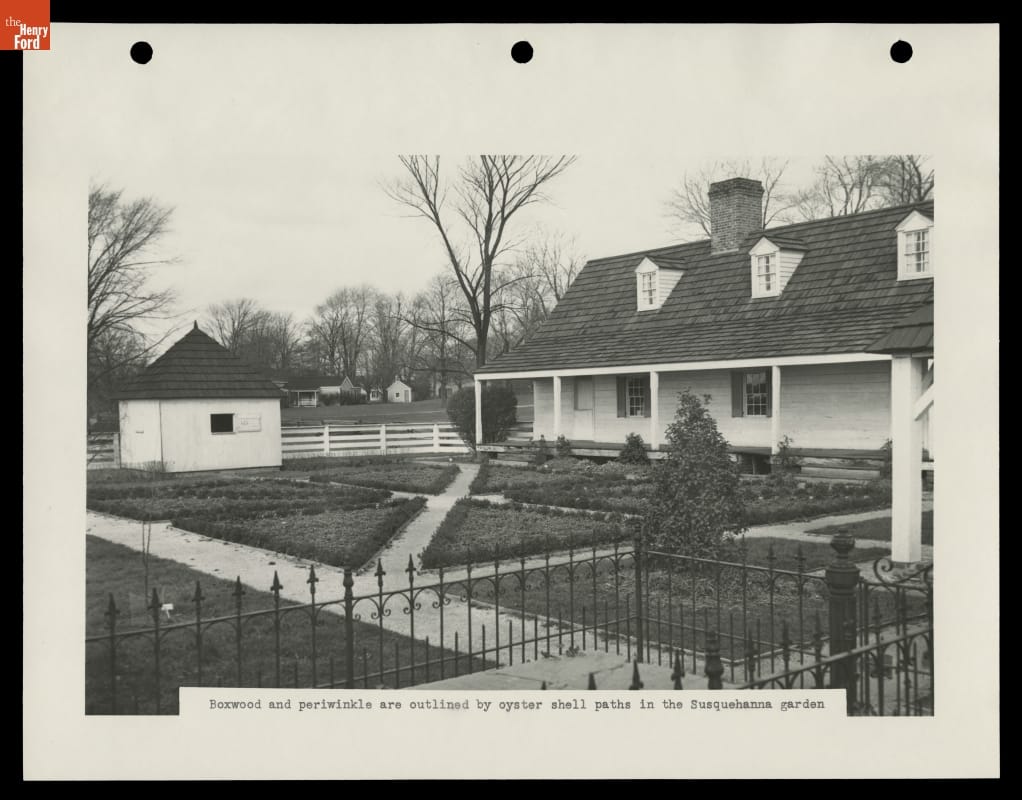
- 1957-1958
- Collections - Artifact
Garden Paths at Susquehanna Plantation, Greenfield Village, 1957-1958
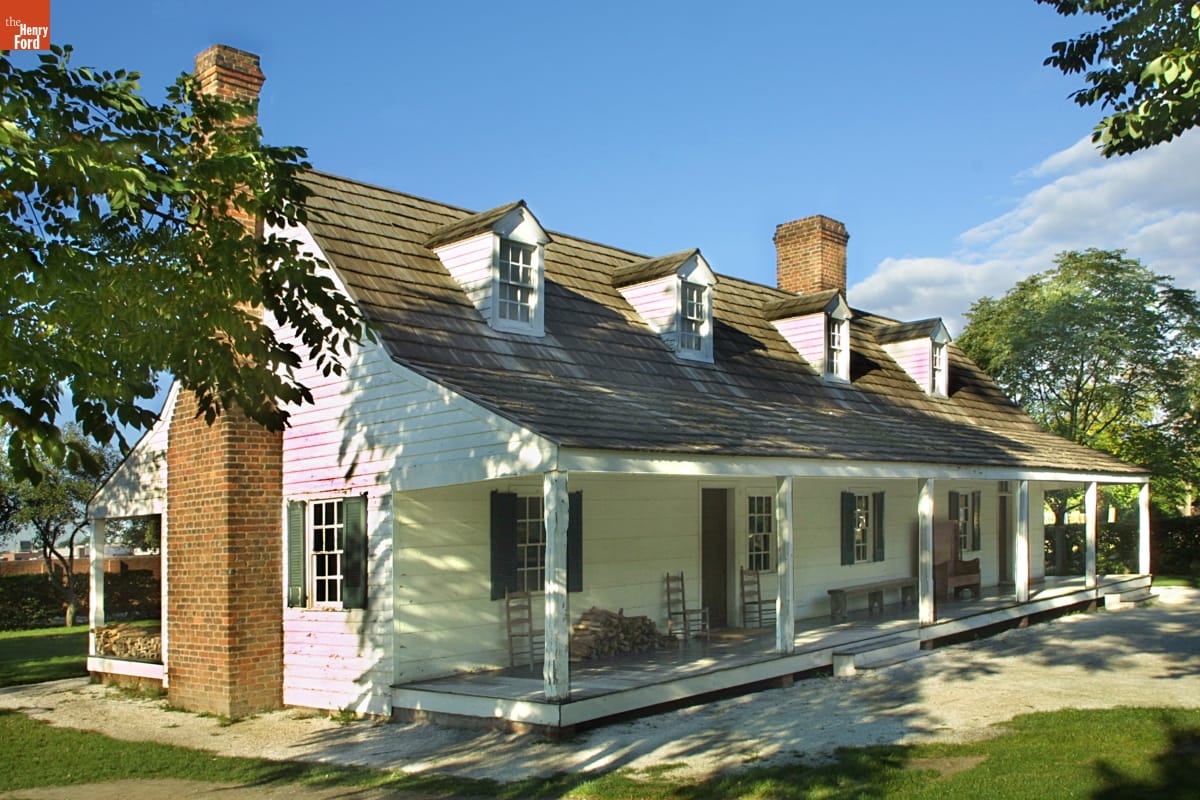
- Susquehanna Plantation in Greenfield Village, August 1, 2003 - Henry Carroll owned this southern Maryland house (pictured here at Greenfield Village) in the decades before and after the Civil War. Its form -- one room deep with porches -- invited cooling breezes in the warm, humid climate. In 1860, the Carrolls raised tobacco and wheat on their 700-acre plantation. Seventy-five enslaved African Americans provided the skill and labor that supported the Carroll family's comfortable life.
- August 01, 2003
- Collections - Artifact
Susquehanna Plantation in Greenfield Village, August 1, 2003
Henry Carroll owned this southern Maryland house (pictured here at Greenfield Village) in the decades before and after the Civil War. Its form -- one room deep with porches -- invited cooling breezes in the warm, humid climate. In 1860, the Carrolls raised tobacco and wheat on their 700-acre plantation. Seventy-five enslaved African Americans provided the skill and labor that supported the Carroll family's comfortable life.
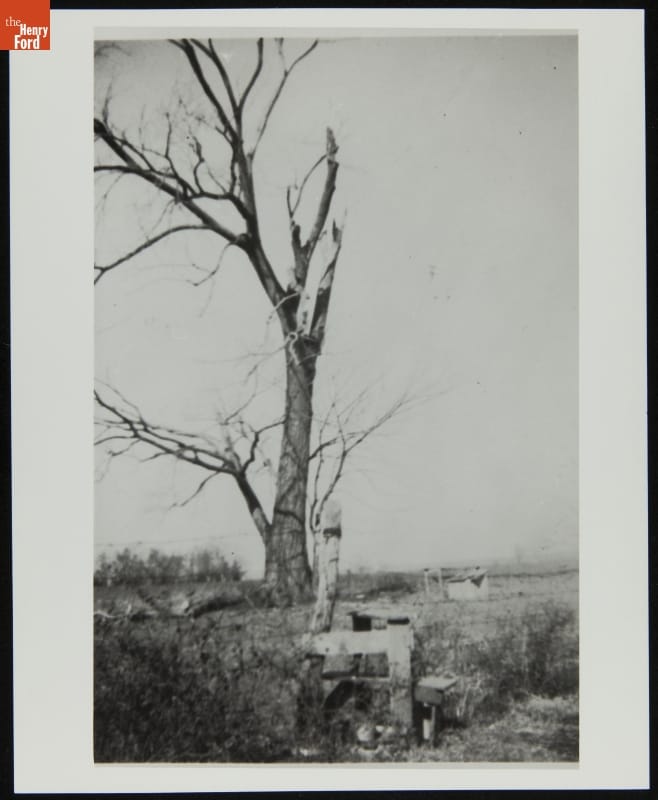
- Fence outside Susquehanna House at Its Original Site, St. Mary's County, Maryland, 1930-1939 -
- 1930-1939
- Collections - Artifact
Fence outside Susquehanna House at Its Original Site, St. Mary's County, Maryland, 1930-1939