
Search
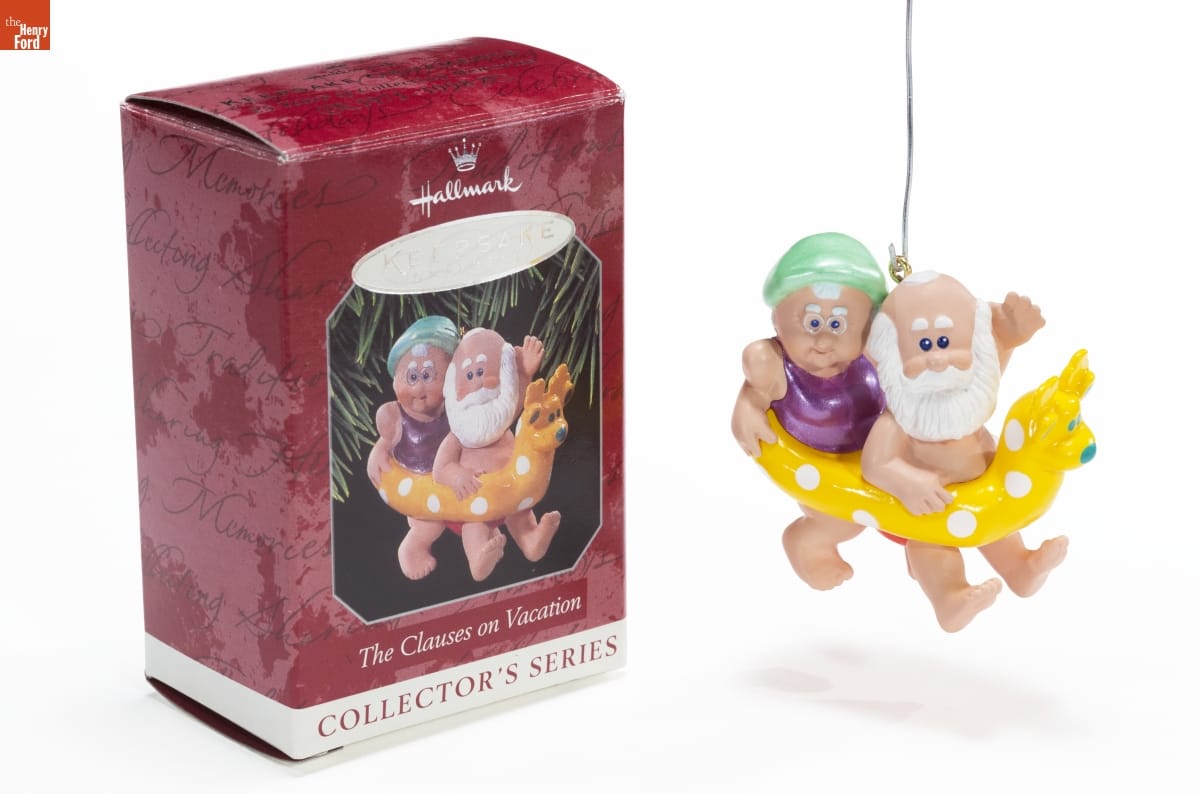
- Hallmark "The Clauses on Vacation" Christmas Ornament, 1998 - Already known for greeting cards, Hallmark introduced a line of Christmas ornaments in 1973. The company's annual release of an increasing array of ornaments revolutionized Christmas decorating, appealing to customers' interest in marking memories and milestones as well as expressing one's personality and unique tastes.
- 1998
- Collections - Artifact
Hallmark "The Clauses on Vacation" Christmas Ornament, 1998
Already known for greeting cards, Hallmark introduced a line of Christmas ornaments in 1973. The company's annual release of an increasing array of ornaments revolutionized Christmas decorating, appealing to customers' interest in marking memories and milestones as well as expressing one's personality and unique tastes.
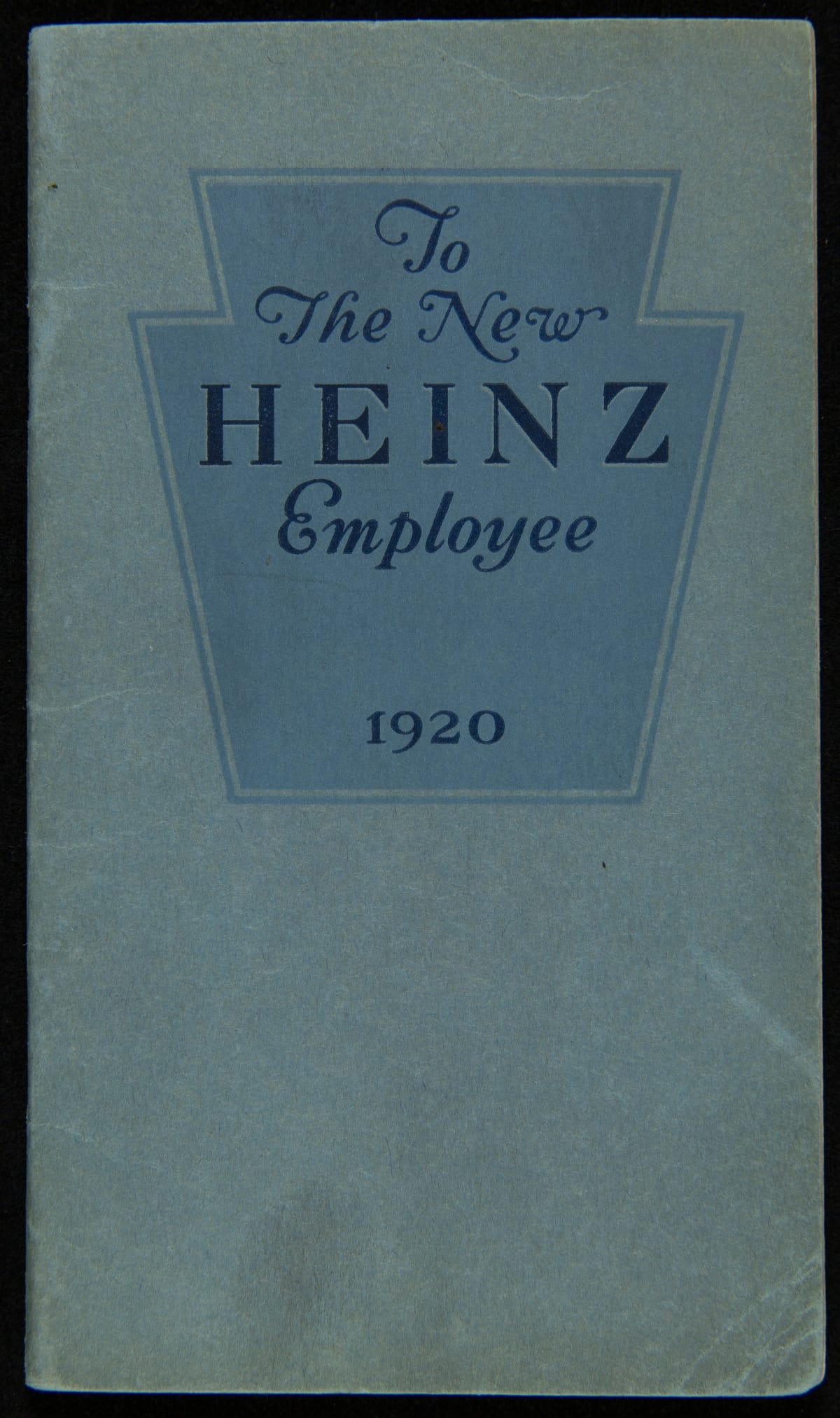
- H. J. Heinz Employee Handbook, "To The New Heinz Employee," 1920 - From its founding, a guiding principle of the H.J. Heinz Company was to promote strong company relationships with its employees. This resulted in a world-class employee welfare program which included amenities, programs, and policies with consideration for their well-being. This employee handbook from 1920 explains each of these provisions and encourages teamwork and a strong personal work ethic from the incoming employee.
- 1920
- Collections - Artifact
H. J. Heinz Employee Handbook, "To The New Heinz Employee," 1920
From its founding, a guiding principle of the H.J. Heinz Company was to promote strong company relationships with its employees. This resulted in a world-class employee welfare program which included amenities, programs, and policies with consideration for their well-being. This employee handbook from 1920 explains each of these provisions and encourages teamwork and a strong personal work ethic from the incoming employee.
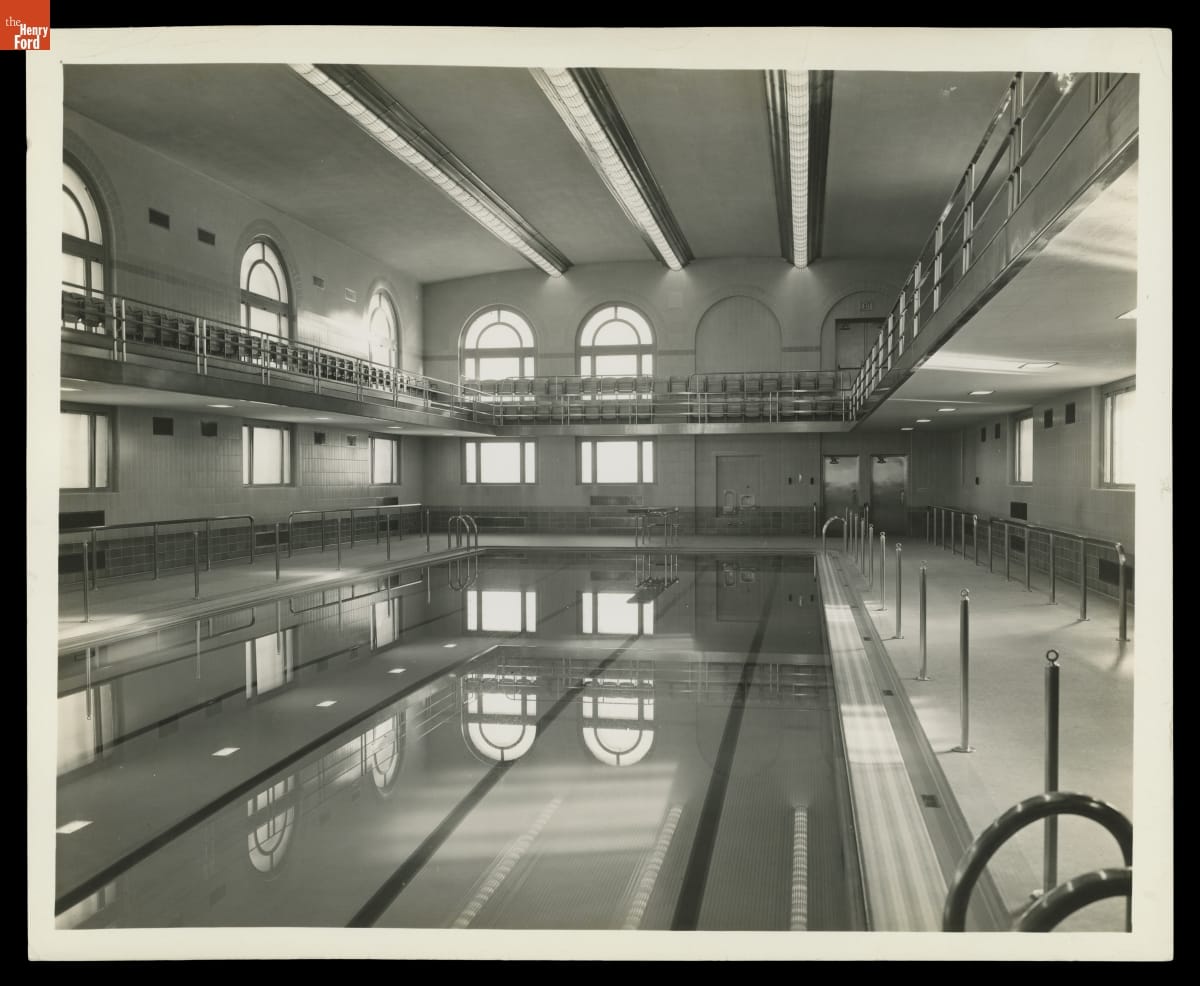
- Swimming Pool in Edison Institute Education Building (Lovett Hall), December 1937 - Lovett Hall, located on the campus of The Henry Ford and originally called the Recreation or Education Building, was built for various purposes. It contained a library, classrooms, gymnasium, and even a swimming pool (seen here) for Henry Ford's school system. The building also housed a ballroom for Henry Ford's "Old Time" dancing parties.
- December 02, 1937
- Collections - Artifact
Swimming Pool in Edison Institute Education Building (Lovett Hall), December 1937
Lovett Hall, located on the campus of The Henry Ford and originally called the Recreation or Education Building, was built for various purposes. It contained a library, classrooms, gymnasium, and even a swimming pool (seen here) for Henry Ford's school system. The building also housed a ballroom for Henry Ford's "Old Time" dancing parties.
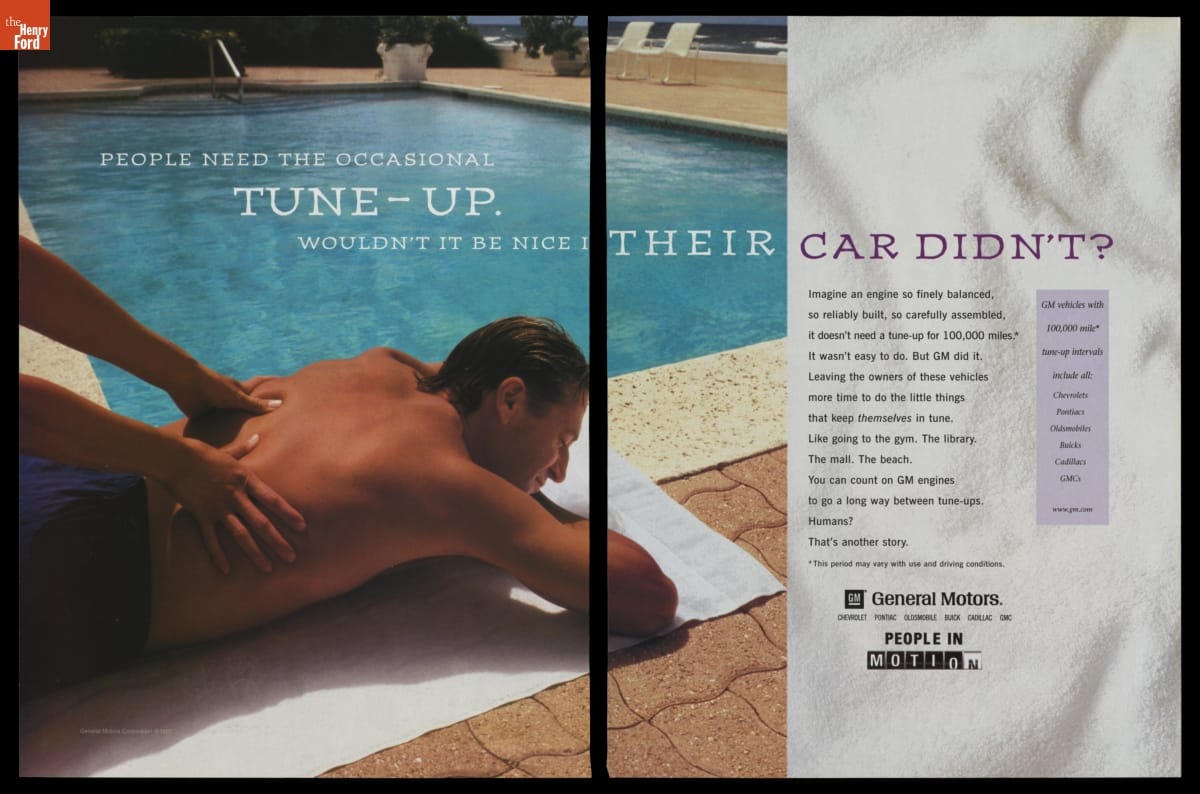
- "People Need the Occasional Tune-Up. Wouldn't It Be Nice If Their Car Didn't?," General Motors, 1997 - The automobile is a paradox -- a practical tool that plays host to both human needs and fantasies. Like car consumers, automotive ads seem to land somewhere between fantasy and reality, emotions and rationality. Many ads incorporate apparent opposites: fantasy can sell practicality, and vice versa. Sometimes the car has disappeared completely -- an emotional appeal prompts us to complete the ad.
- 1997
- Collections - Artifact
"People Need the Occasional Tune-Up. Wouldn't It Be Nice If Their Car Didn't?," General Motors, 1997
The automobile is a paradox -- a practical tool that plays host to both human needs and fantasies. Like car consumers, automotive ads seem to land somewhere between fantasy and reality, emotions and rationality. Many ads incorporate apparent opposites: fantasy can sell practicality, and vice versa. Sometimes the car has disappeared completely -- an emotional appeal prompts us to complete the ad.
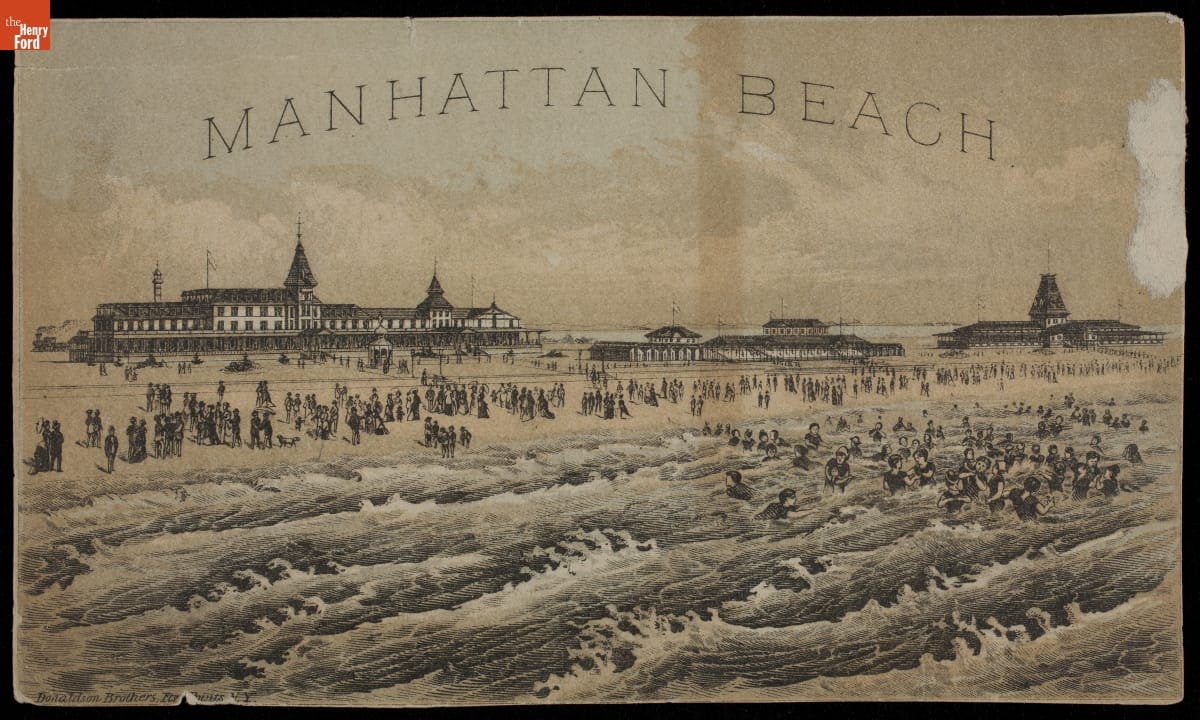
- Trade Card for the New York & Manhattan Beach Railroad, 1878 - In the last third of the nineteenth century, an unprecedented variety of consumer goods and services flooded the American market. Advertisers bombarded potential customers with trade cards. Americans enjoyed and saved the often illustrated little advertisements found in product packages or distributed by local merchants. Many survive as historical records of commercialism in the United States.
- circa 1878
- Collections - Artifact
Trade Card for the New York & Manhattan Beach Railroad, 1878
In the last third of the nineteenth century, an unprecedented variety of consumer goods and services flooded the American market. Advertisers bombarded potential customers with trade cards. Americans enjoyed and saved the often illustrated little advertisements found in product packages or distributed by local merchants. Many survive as historical records of commercialism in the United States.
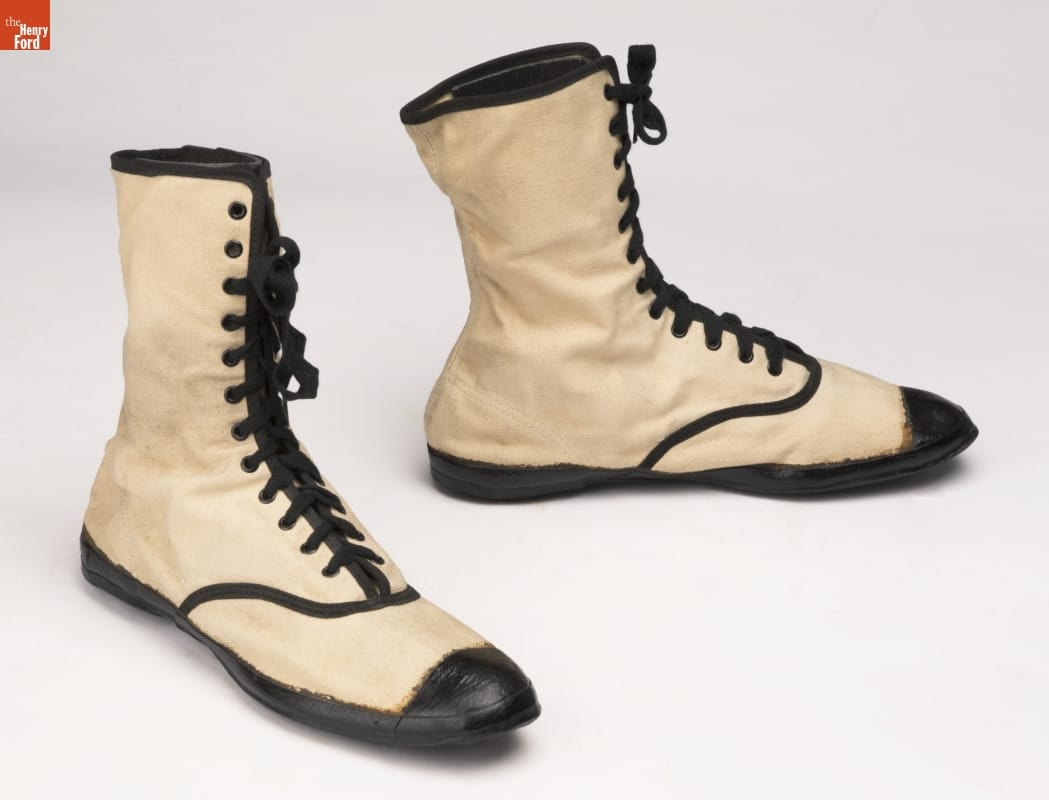
- Bathing Shoes, 1920-1930 -
- 1920-1930
- Collections - Artifact
Bathing Shoes, 1920-1930
- Sales Catalog of the H. J. Heinz Company and Products, Pittsburgh, Pennsylvania, circa 1910 - With humble beginnings exclusively selling horseradish in 1869, H.J. Heinz continued to expand his product line to build the "House of Heinz" and become a leader in the manufactured food industry. This sales catalog highlights the manufacturing process and provides photographs of the factories, branch houses, and employees. It also contains information and photographs of each of the "57 Varieties" of Heinz products.
- 1910
- Collections - Artifact
Sales Catalog of the H. J. Heinz Company and Products, Pittsburgh, Pennsylvania, circa 1910
With humble beginnings exclusively selling horseradish in 1869, H.J. Heinz continued to expand his product line to build the "House of Heinz" and become a leader in the manufactured food industry. This sales catalog highlights the manufacturing process and provides photographs of the factories, branch houses, and employees. It also contains information and photographs of each of the "57 Varieties" of Heinz products.
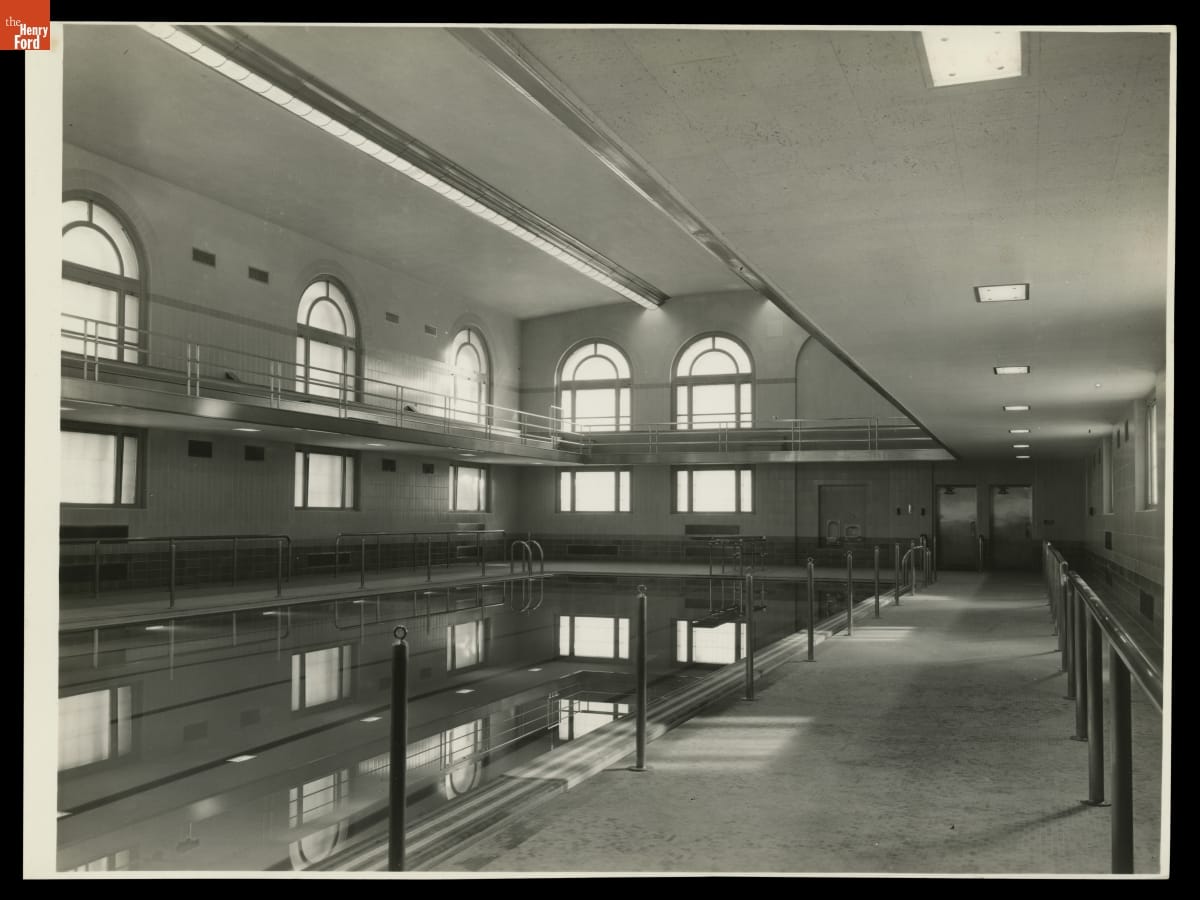
- Swimming Pool in Edison Institute Education Building (Lovett Hall), 1937 - Lovett Hall, located on the campus of The Henry Ford and originally called the Recreation or Education Building, was built for various purposes. It contained a library, classrooms, gymnasium, and even a swimming pool (seen here) for Henry Ford's school system. The building also housed a ballroom for Henry Ford's "Old Time" dancing parties.
- 1937
- Collections - Artifact
Swimming Pool in Edison Institute Education Building (Lovett Hall), 1937
Lovett Hall, located on the campus of The Henry Ford and originally called the Recreation or Education Building, was built for various purposes. It contained a library, classrooms, gymnasium, and even a swimming pool (seen here) for Henry Ford's school system. The building also housed a ballroom for Henry Ford's "Old Time" dancing parties.
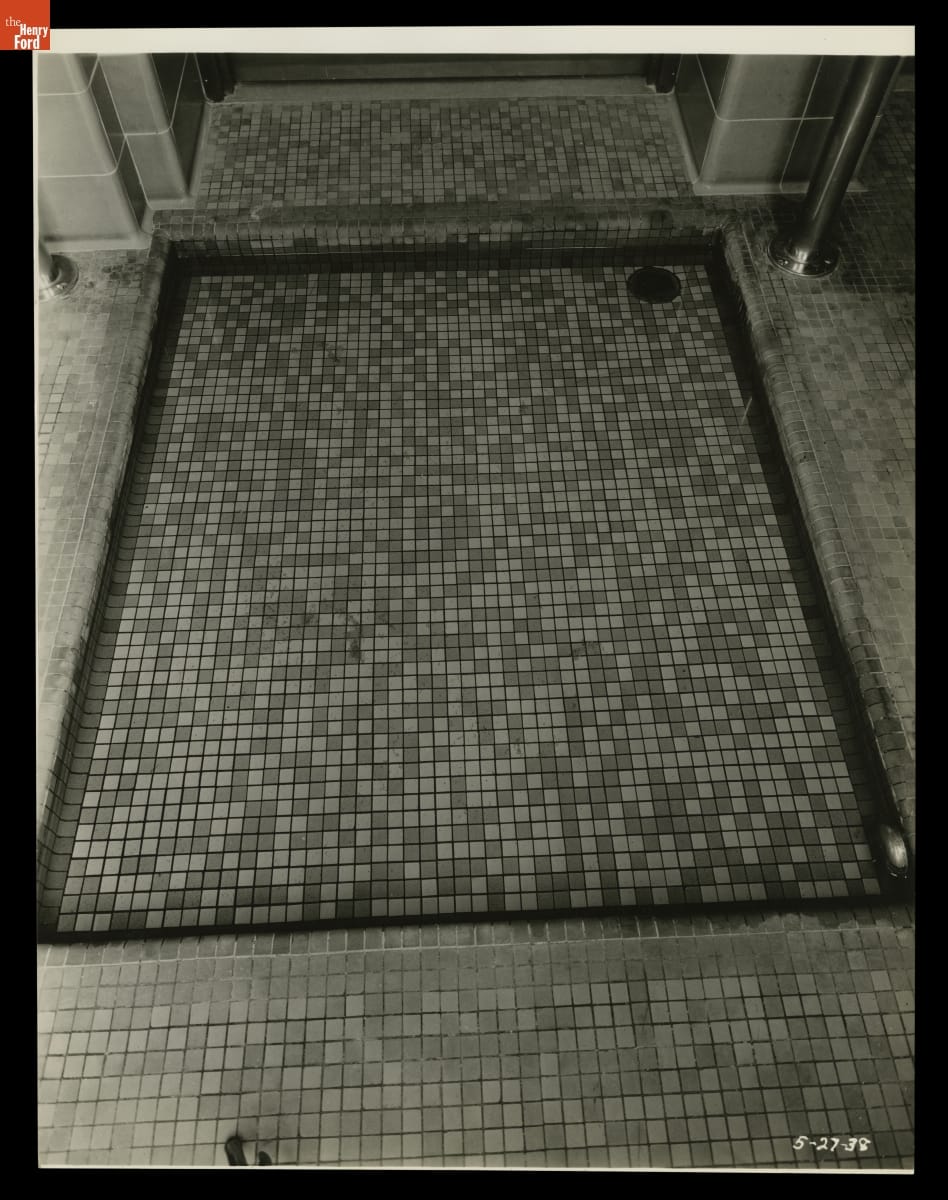
- Tile Floor near Swimming Pool in Edison Institute Education Building (Lovett Hall), May 1938 - Lovett Hall, located on the campus of The Henry Ford and originally called the Recreation or Education Building, was built for various purposes. It contained a library, classrooms, gymnasium, and even a swimming pool (seen here) for Henry Ford's school system. The building also housed a ballroom for Henry Ford's "Old Time" dancing parties.
- May 27, 1938
- Collections - Artifact
Tile Floor near Swimming Pool in Edison Institute Education Building (Lovett Hall), May 1938
Lovett Hall, located on the campus of The Henry Ford and originally called the Recreation or Education Building, was built for various purposes. It contained a library, classrooms, gymnasium, and even a swimming pool (seen here) for Henry Ford's school system. The building also housed a ballroom for Henry Ford's "Old Time" dancing parties.
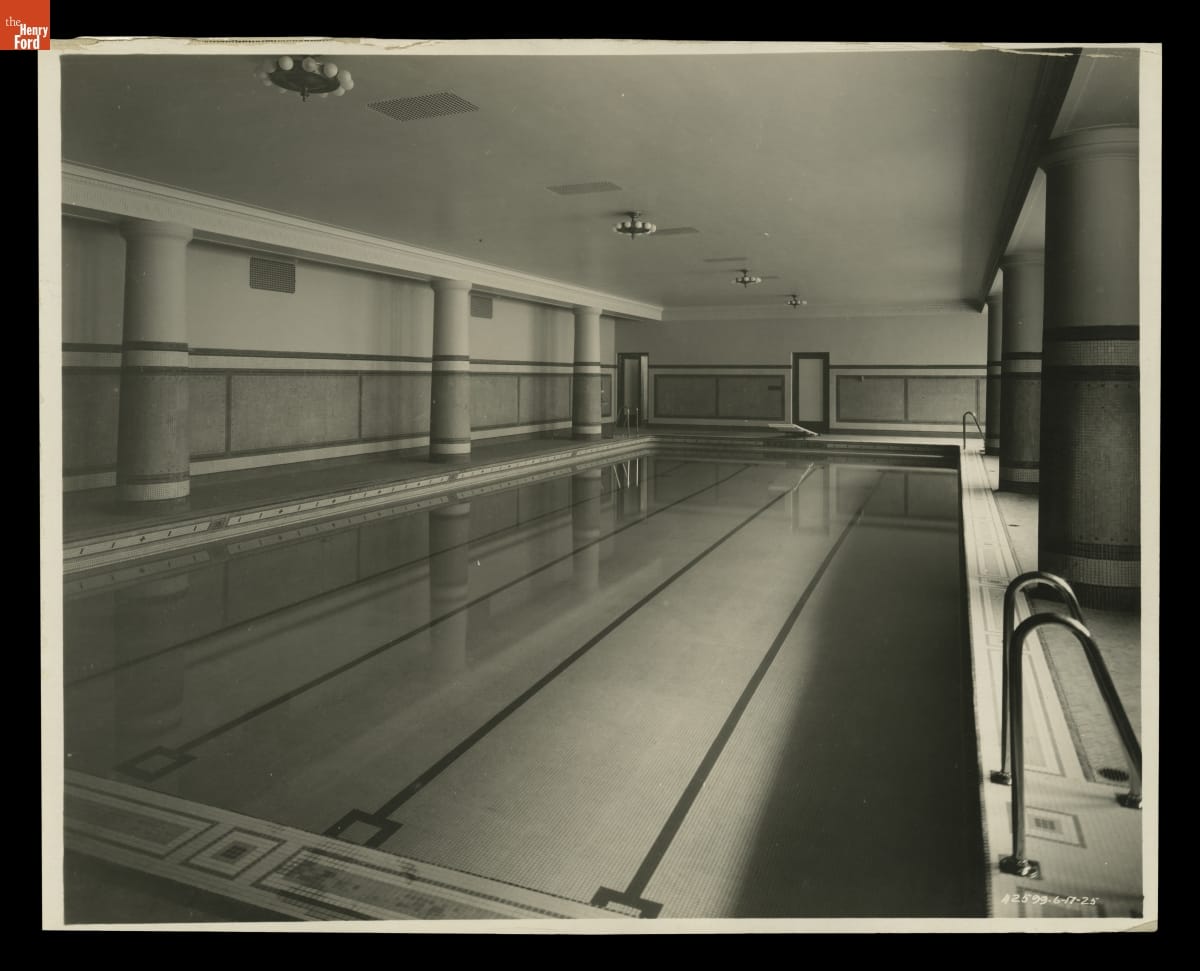
- Swimming Pool in the Education Building, Henry Ford Hospital School of Nursing, June 1925 - In June 1925, Henry Ford Hospital opened a School of Nursing. The two-story Education Building featured classrooms, lecture halls and a gymnasium. The six-story Clara Ford Nurses Home had living quarters for 300 students. The school's first class included 93 young women enrolled in the three-year, tuition-free program.
- June 17, 1925
- Collections - Artifact
Swimming Pool in the Education Building, Henry Ford Hospital School of Nursing, June 1925
In June 1925, Henry Ford Hospital opened a School of Nursing. The two-story Education Building featured classrooms, lecture halls and a gymnasium. The six-story Clara Ford Nurses Home had living quarters for 300 students. The school's first class included 93 young women enrolled in the three-year, tuition-free program.