
Search
- Coffee Table, 1940-1942 -
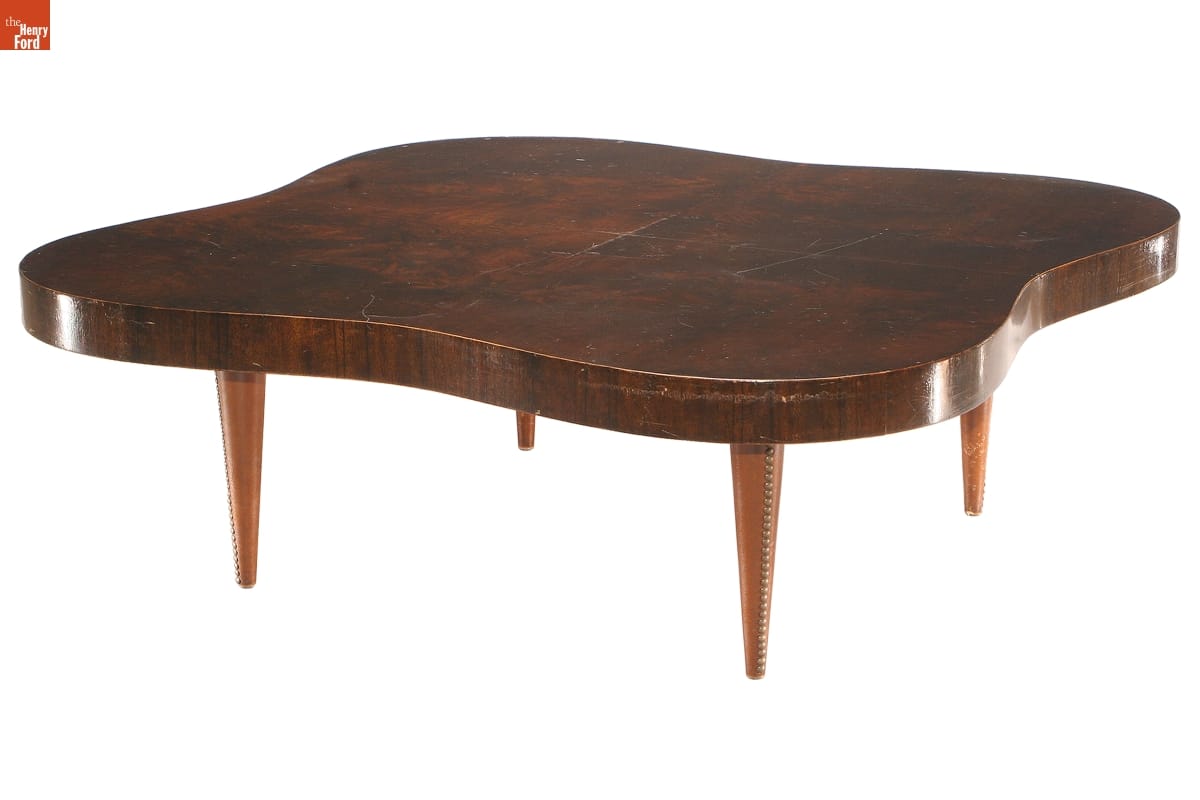
- 1940-1942
- Collections - Artifact
Coffee Table, 1940-1942
- Page from Wolverine Manufacturing Co. Sales Catalog, Published by Detroit Photographic Co. circa 1910 -
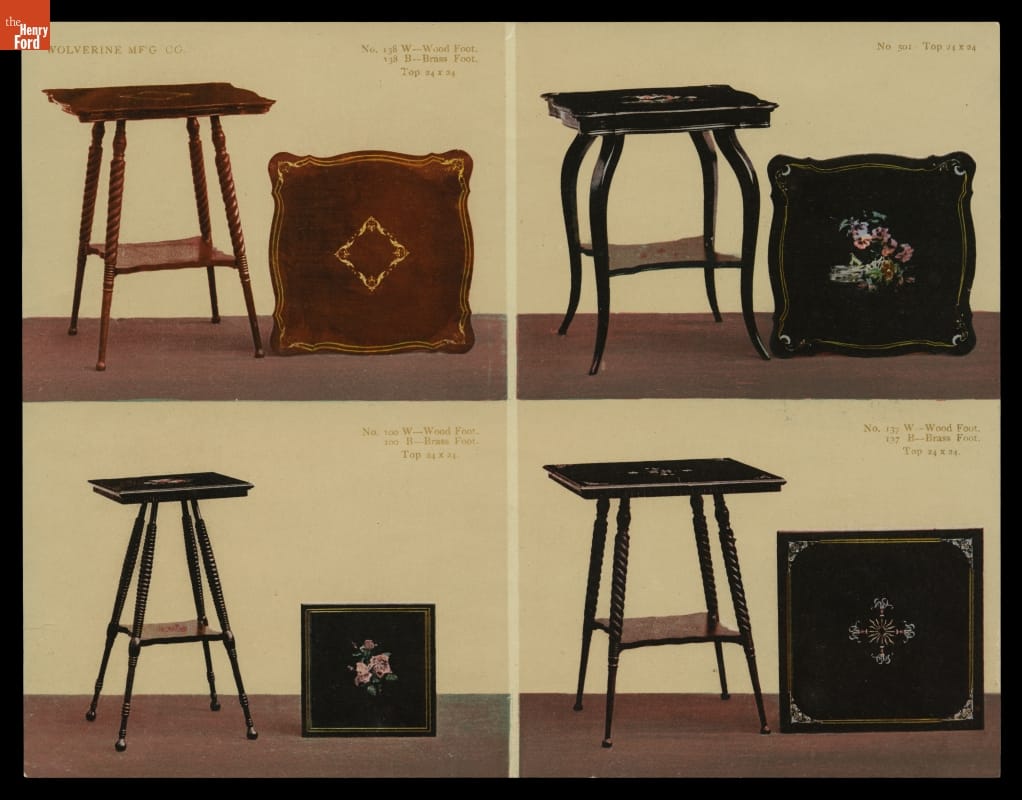
- circa 1910
- Collections - Artifact
Page from Wolverine Manufacturing Co. Sales Catalog, Published by Detroit Photographic Co. circa 1910
- Larkin Company Trade Catalog, "A Practical Plan of Saving: The Larkin Idea of Factory-To-Family Dealing," circa 1906 - John D. Larkin established a soap manufacturing company in 1875. He hired his brother-in-law, Elbert Hubbard, as a salesman. Hubbard developed "The Larkin Idea," a plan that sold goods directly to consumers through mail-order catalogs and offered incentivizing giveaways. It was a success. By the early 1900s, Larkin's catalogs contained pages of products and even more pages of premiums from which customers could choose.
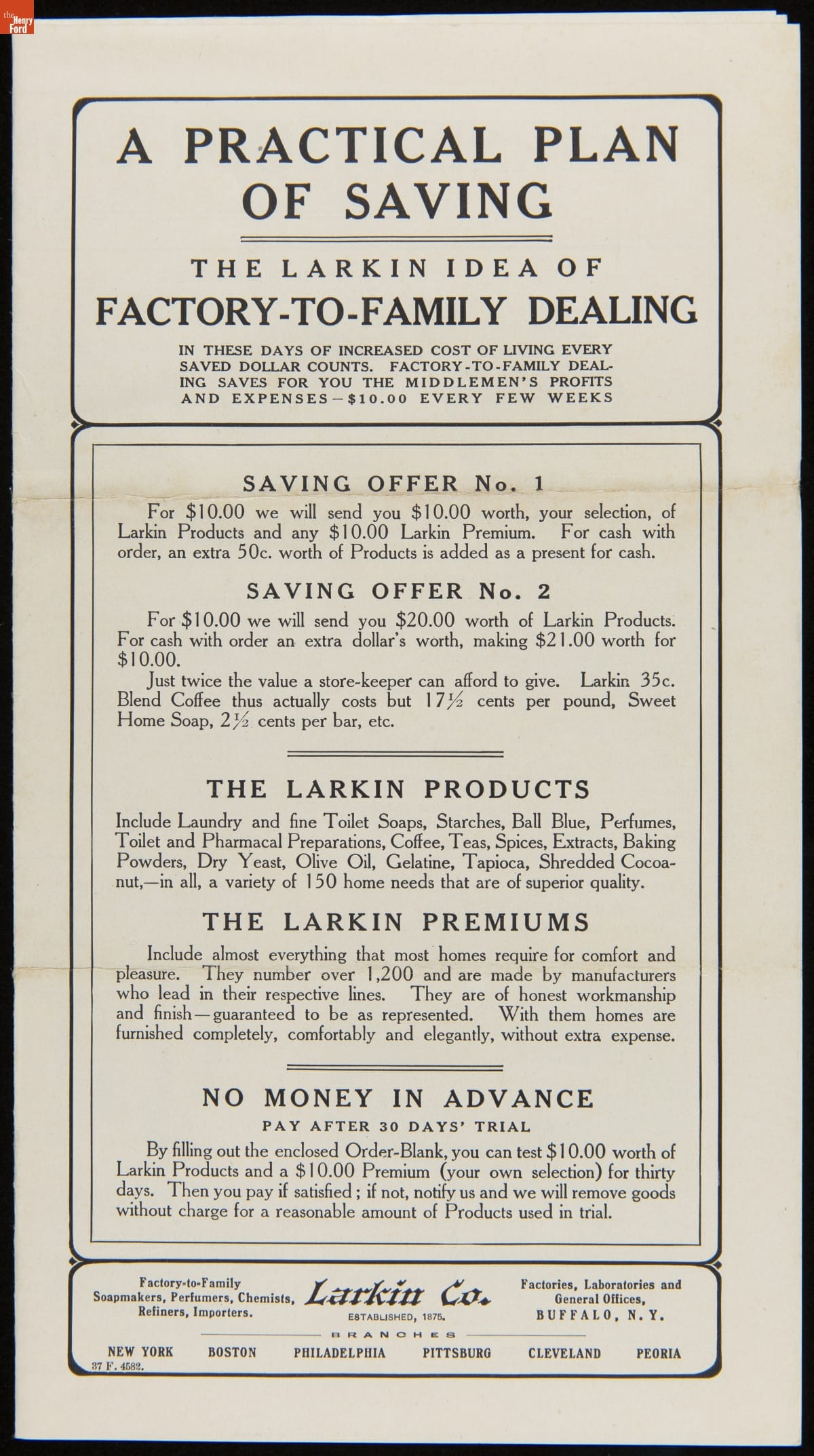
- circa 1906
- Collections - Artifact
Larkin Company Trade Catalog, "A Practical Plan of Saving: The Larkin Idea of Factory-To-Family Dealing," circa 1906
John D. Larkin established a soap manufacturing company in 1875. He hired his brother-in-law, Elbert Hubbard, as a salesman. Hubbard developed "The Larkin Idea," a plan that sold goods directly to consumers through mail-order catalogs and offered incentivizing giveaways. It was a success. By the early 1900s, Larkin's catalogs contained pages of products and even more pages of premiums from which customers could choose.
- Herman Miller Modular Seating Design by Don Chadwick, "Table Unit-Wedge Module," March 7, 1973 -
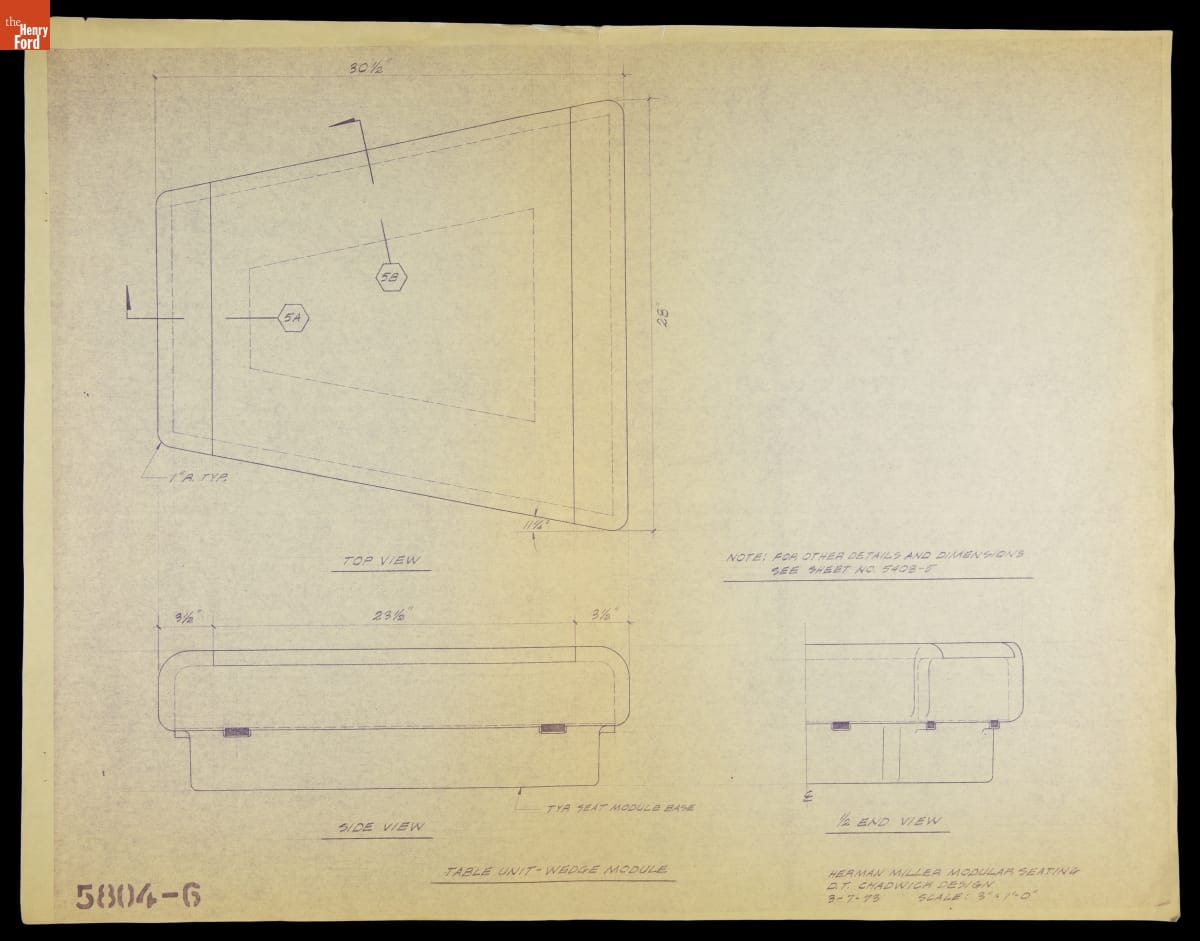
- March 07, 1973
- Collections - Artifact
Herman Miller Modular Seating Design by Don Chadwick, "Table Unit-Wedge Module," March 7, 1973
- Seating Designed by Charles Eames for the Herman Miller Furniture Company, 1955 -
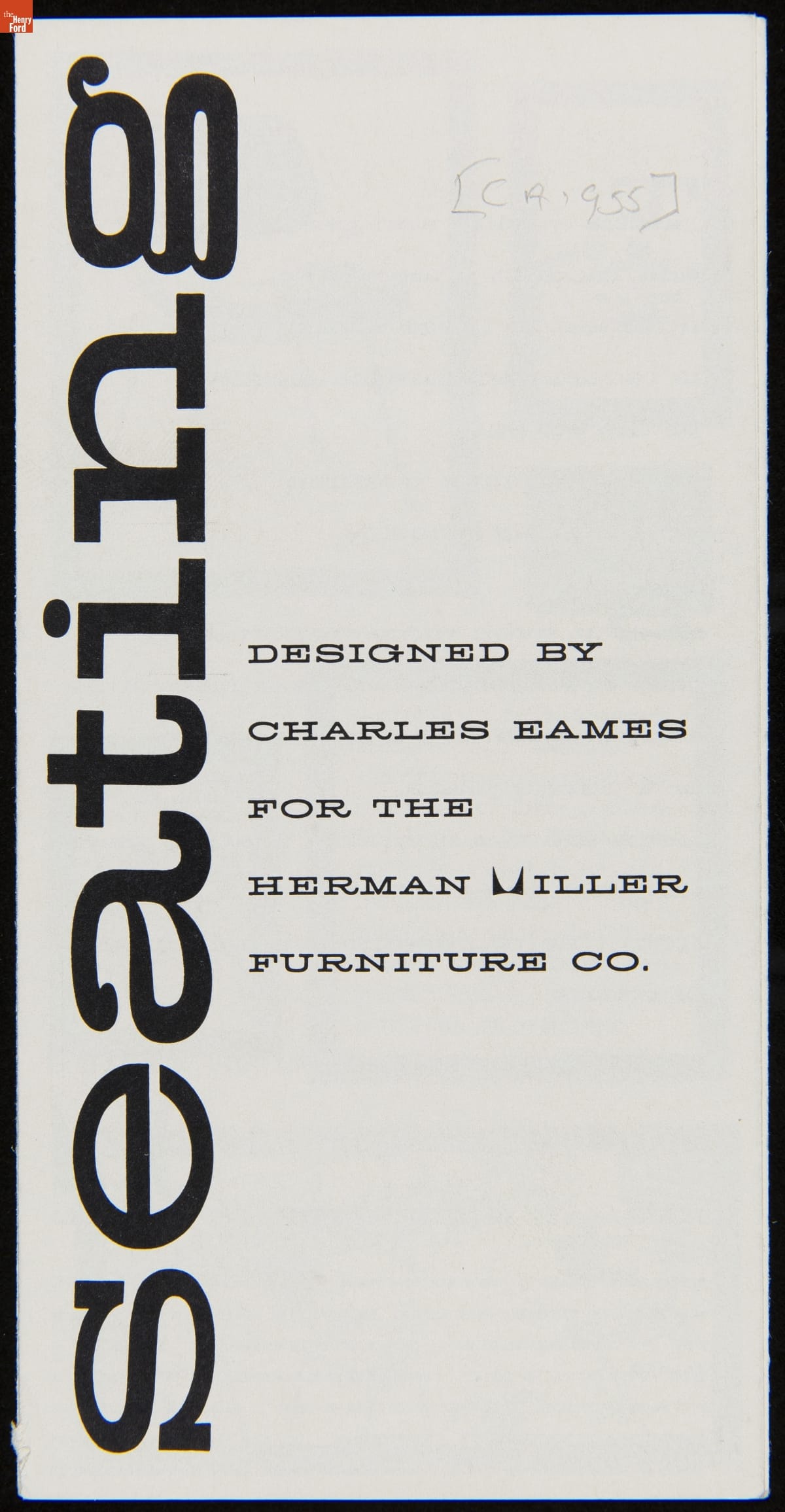
- 1955
- Collections - Artifact
Seating Designed by Charles Eames for the Herman Miller Furniture Company, 1955
- Parlor Table, 1870-1890 -
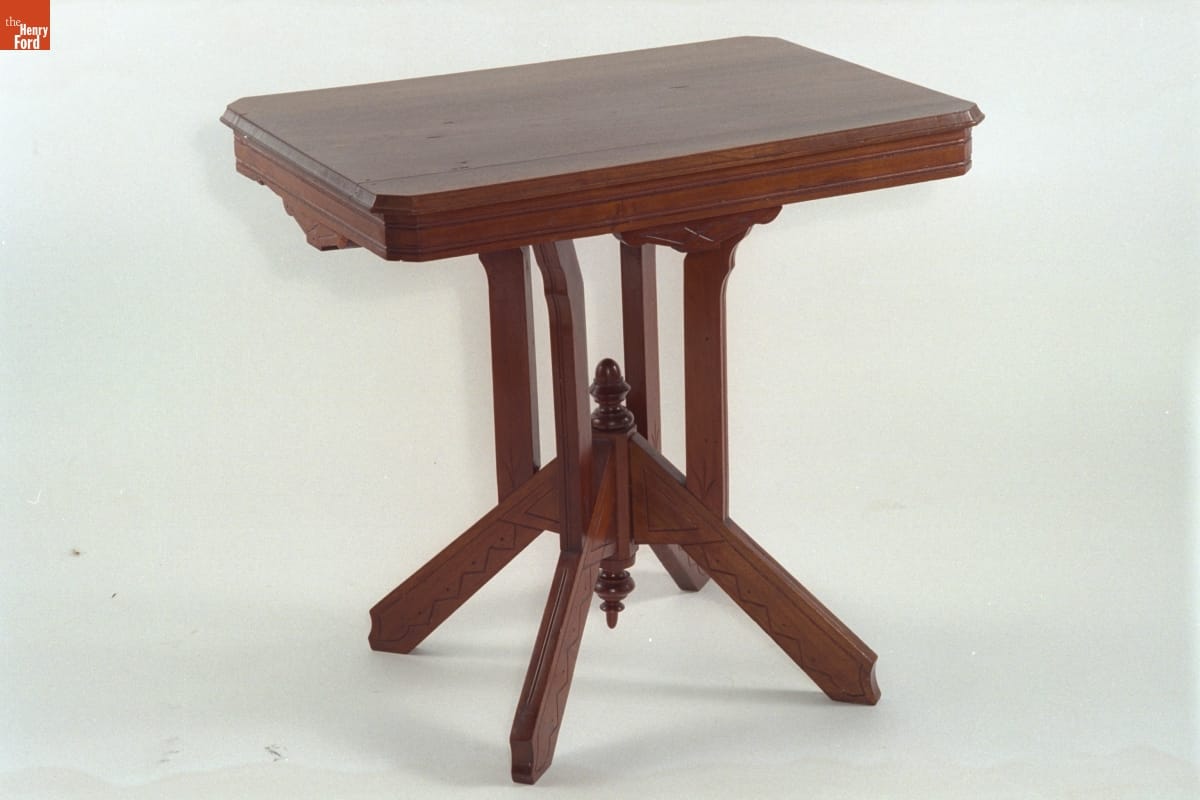
- 1870-1890
- Collections - Artifact
Parlor Table, 1870-1890
- Hallway Table Model, 1989 - Starting in the early 1980s--and already established as an internationally recognized architect--Michael Graves began to pursue a parallel career as a product designer. Over the following three and a half decades he and his collaborators designed everything from humble household goods to limited edition luxury items for clients as diverse as Steuben, Alessi, Target, J. C. Penney, and Disney.
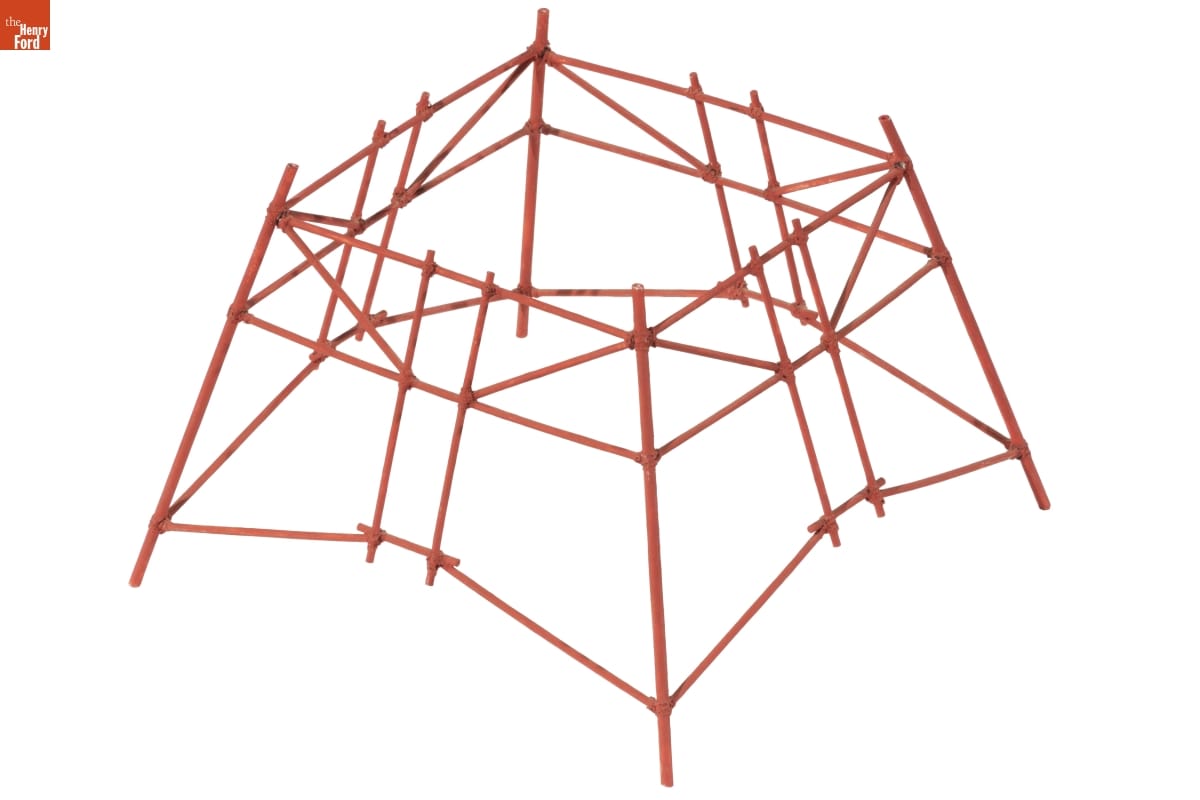
- 1989
- Collections - Artifact
Hallway Table Model, 1989
Starting in the early 1980s--and already established as an internationally recognized architect--Michael Graves began to pursue a parallel career as a product designer. Over the following three and a half decades he and his collaborators designed everything from humble household goods to limited edition luxury items for clients as diverse as Steuben, Alessi, Target, J. C. Penney, and Disney.
- Noguchi Table, Used by D.J. De Pree -
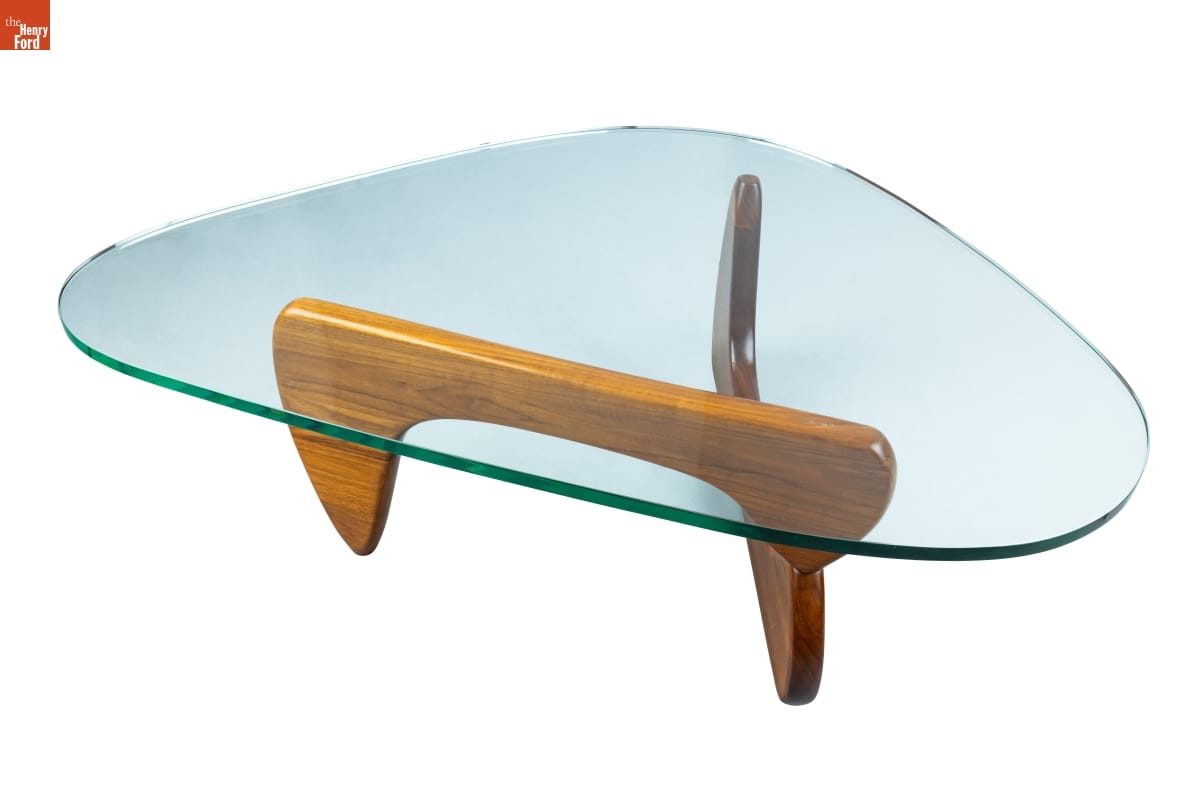
- Collections - Artifact
Noguchi Table, Used by D.J. De Pree
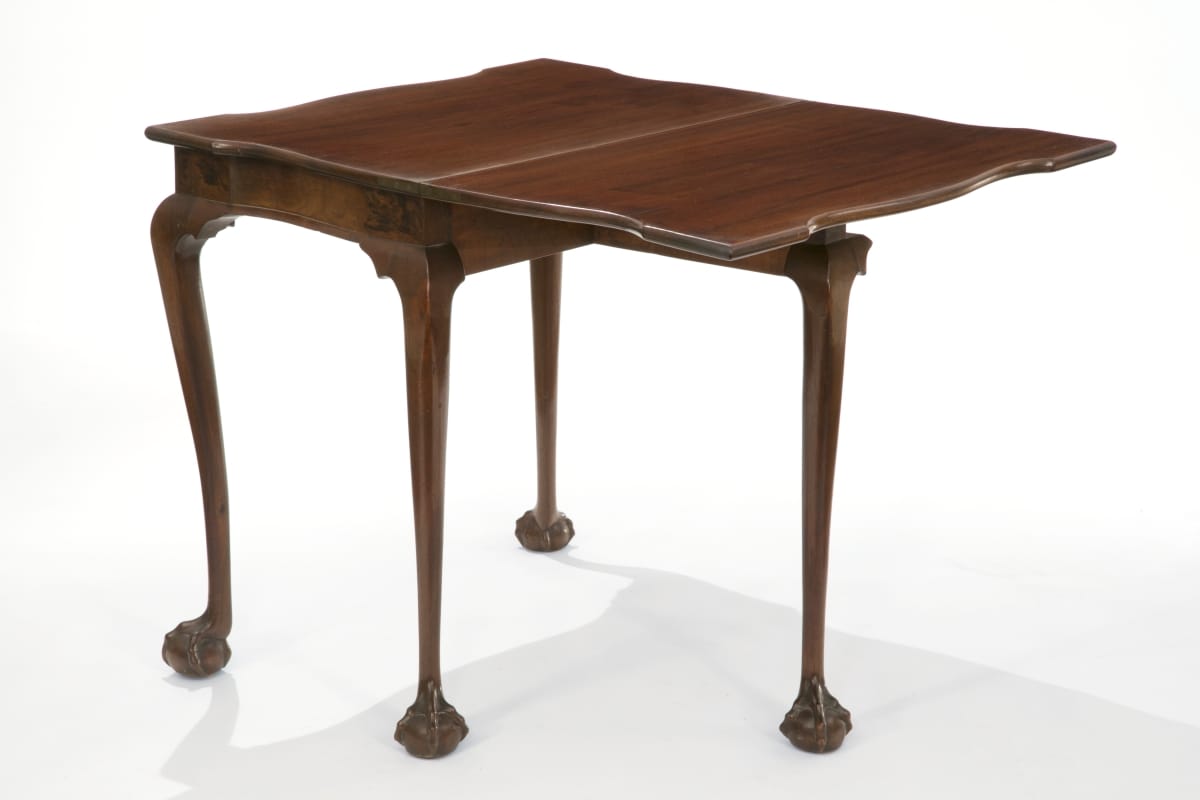
- Card Table, Owned by John Hancock, 1760-1790 - This card table belonged to John Hancock -- Revolutionary War patriot, statesman, merchant and one of the wealthiest people in America. Hancock inherited an elegant mansion overlooking the Boston Common; and like other wealthy gentlemen of this time, he delighted in playing cards. He could well afford to purchase this fine table to enjoy a game of cards with friends and political associates.
- 1760-1790
- Collections - Artifact
Card Table, Owned by John Hancock, 1760-1790
This card table belonged to John Hancock -- Revolutionary War patriot, statesman, merchant and one of the wealthiest people in America. Hancock inherited an elegant mansion overlooking the Boston Common; and like other wealthy gentlemen of this time, he delighted in playing cards. He could well afford to purchase this fine table to enjoy a game of cards with friends and political associates.
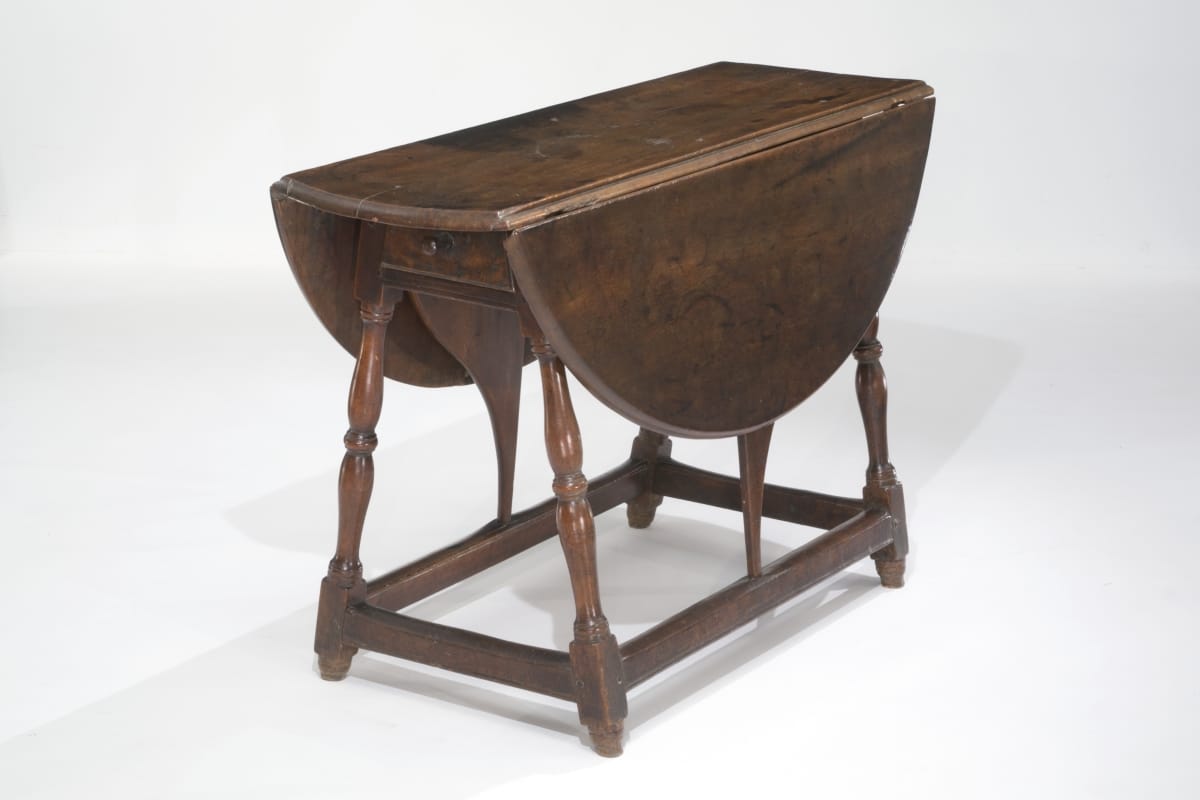
- Dropleaf Table, 1730-1770 - Tables provide useful, multi-purpose space -- but sometimes their size gets in the way. For 18th-century Americans, a drop-leaf table offered an ideal solution. With the leaves extended the table could be used for dining, working or game playing. When not needed, the table's top folded down and the table could be moved easily to another room or pushed against a wall.
- 1730-1770
- Collections - Artifact
Dropleaf Table, 1730-1770
Tables provide useful, multi-purpose space -- but sometimes their size gets in the way. For 18th-century Americans, a drop-leaf table offered an ideal solution. With the leaves extended the table could be used for dining, working or game playing. When not needed, the table's top folded down and the table could be moved easily to another room or pushed against a wall.