
Search
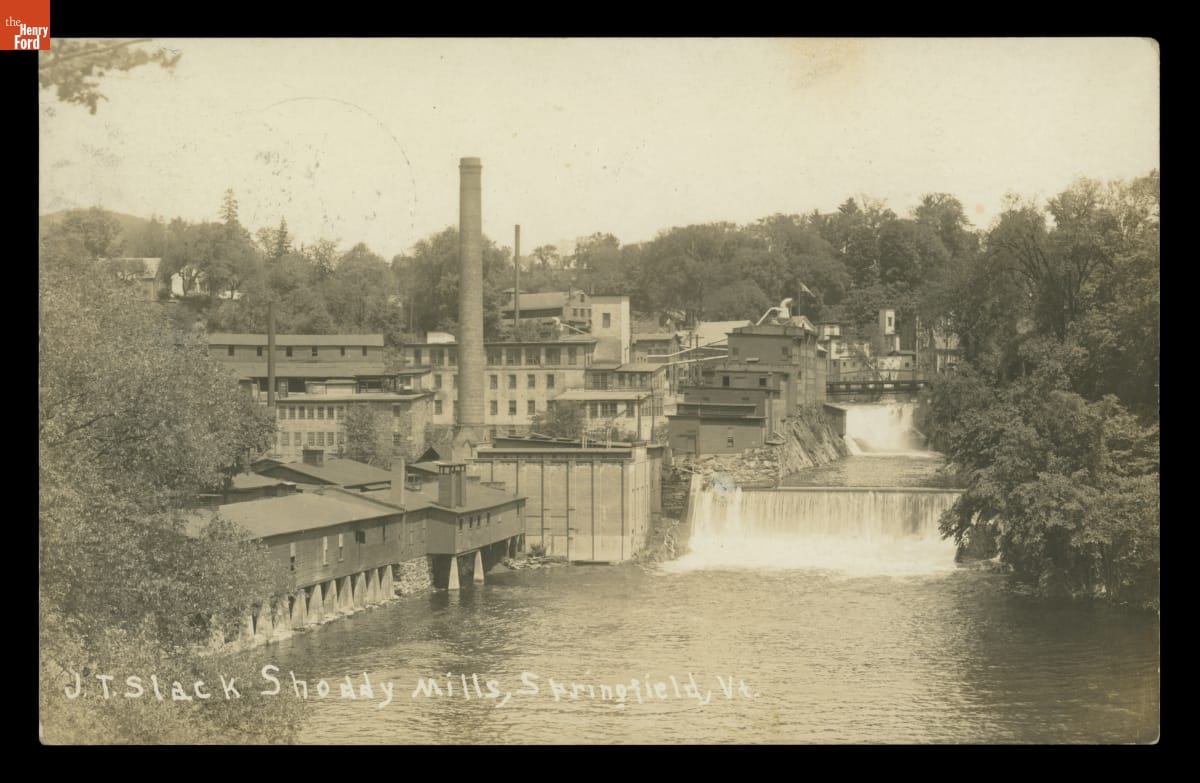
- "J.T. Slack Shoddy Mills, Springfield, Vt.," circa 1910 -
- circa 1910
- Collections - Artifact
"J.T. Slack Shoddy Mills, Springfield, Vt.," circa 1910
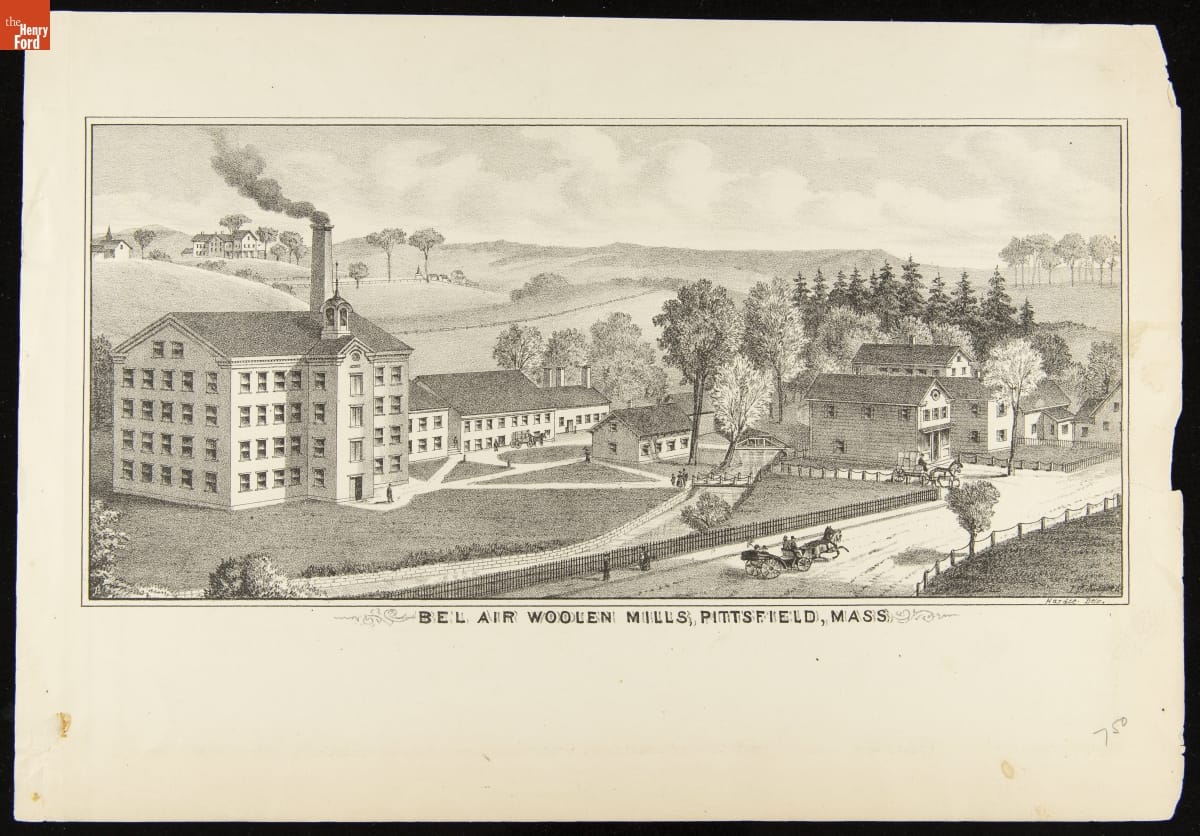
- Bel Air Woolen Mills, Pittsfield, Mass., 1876 -
- 1876
- Collections - Artifact
Bel Air Woolen Mills, Pittsfield, Mass., 1876
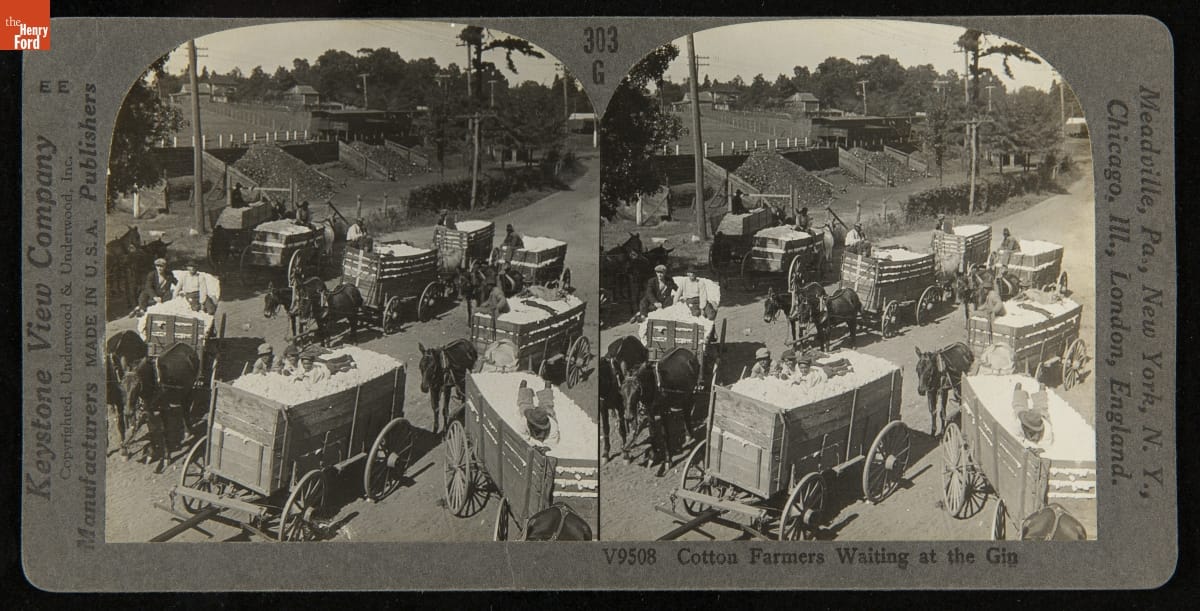
- Cotton Farmers Waiting at the Gin, 1906-1922 -
- 1906-1922
- Collections - Artifact
Cotton Farmers Waiting at the Gin, 1906-1922
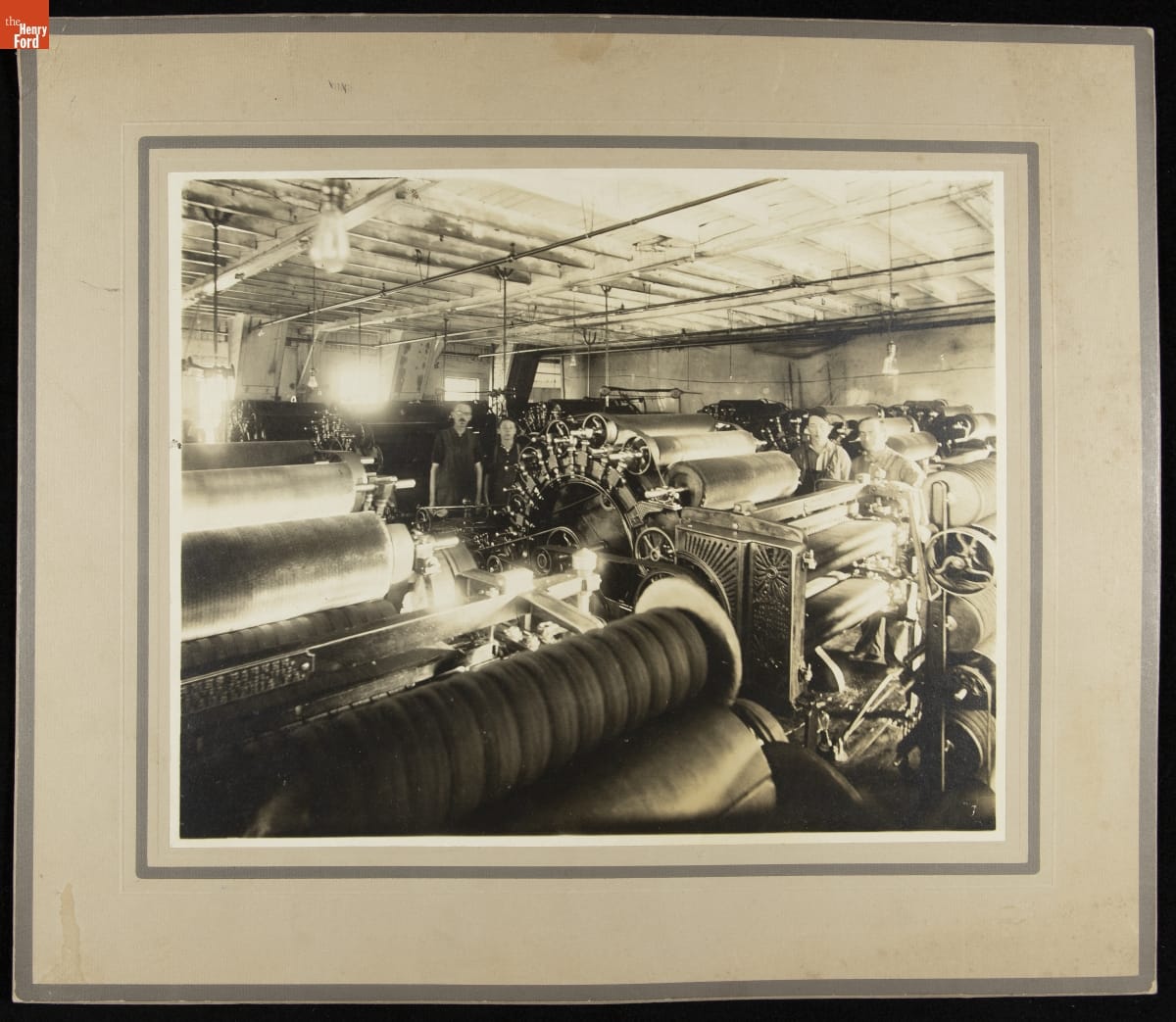
- Workers in a Textile Mill Standing next to Machinery, circa 1910 -
- circa 1910
- Collections - Artifact
Workers in a Textile Mill Standing next to Machinery, circa 1910
- Drawing Process of Cotton Fibers, circa 1935 -
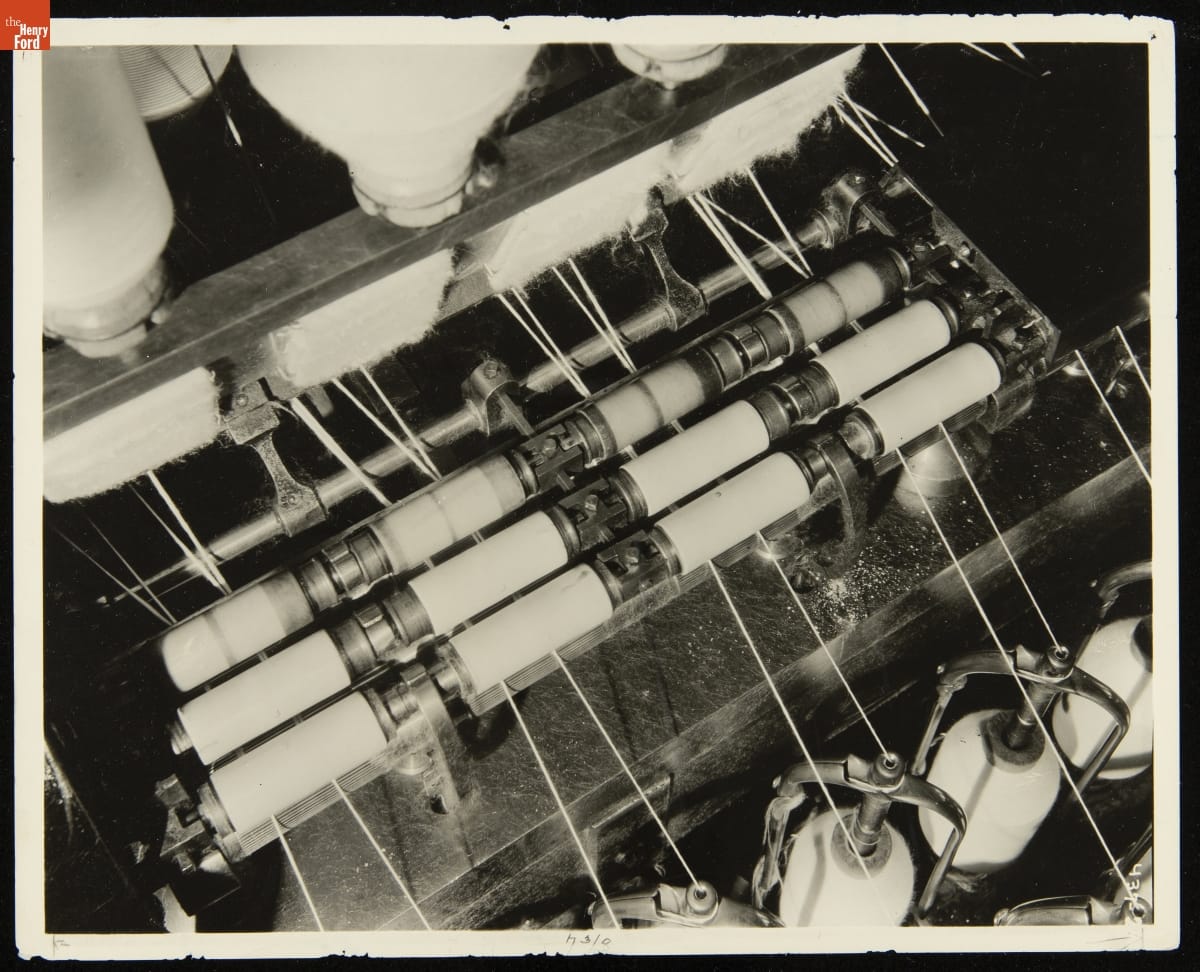
- circa 1935
- Collections - Artifact
Drawing Process of Cotton Fibers, circa 1935
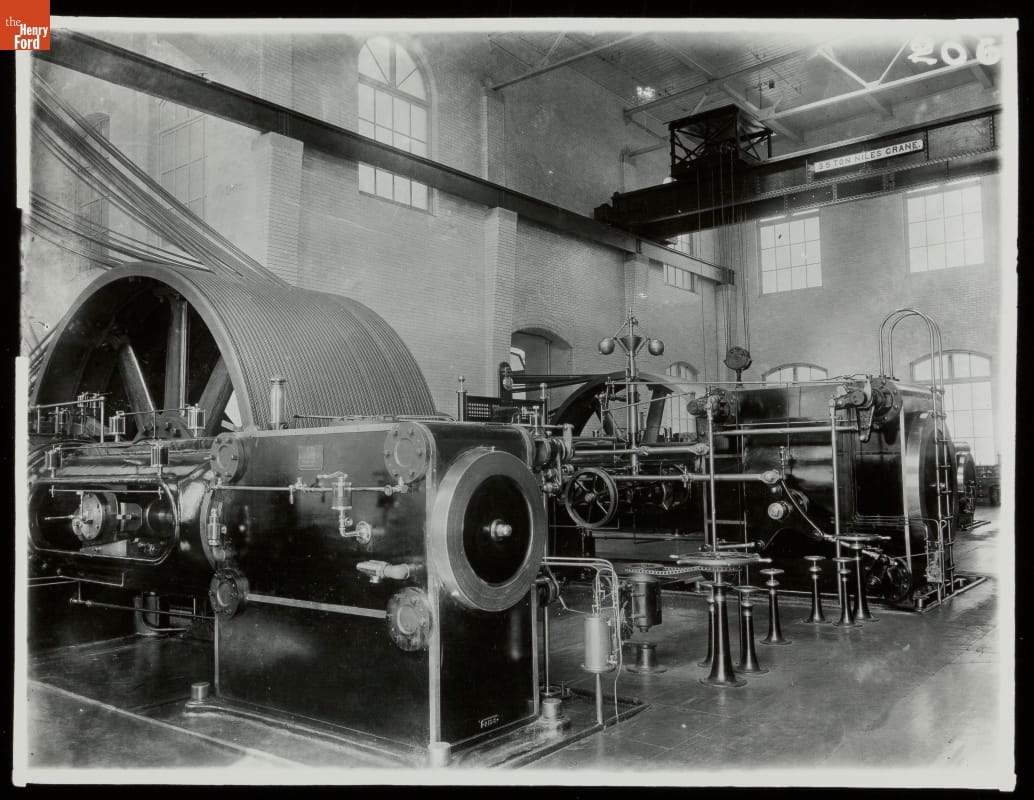
- Sharp Compound Engine at Manomet Textile Mill, New Bedford, Massachusetts, 1912 - As a center for American textile manufacture, New Bedford, Massachusetts, was driven by steam. Factories housed huge steam engines that powered generators to create the electricity needed to run mill machinery. This engine room powered Manomet Textile Mill, just one of the nearly 70 textile mills operating in New Bedford around the turn of the 20th century.
- February 01, 1912
- Collections - Artifact
Sharp Compound Engine at Manomet Textile Mill, New Bedford, Massachusetts, 1912
As a center for American textile manufacture, New Bedford, Massachusetts, was driven by steam. Factories housed huge steam engines that powered generators to create the electricity needed to run mill machinery. This engine room powered Manomet Textile Mill, just one of the nearly 70 textile mills operating in New Bedford around the turn of the 20th century.
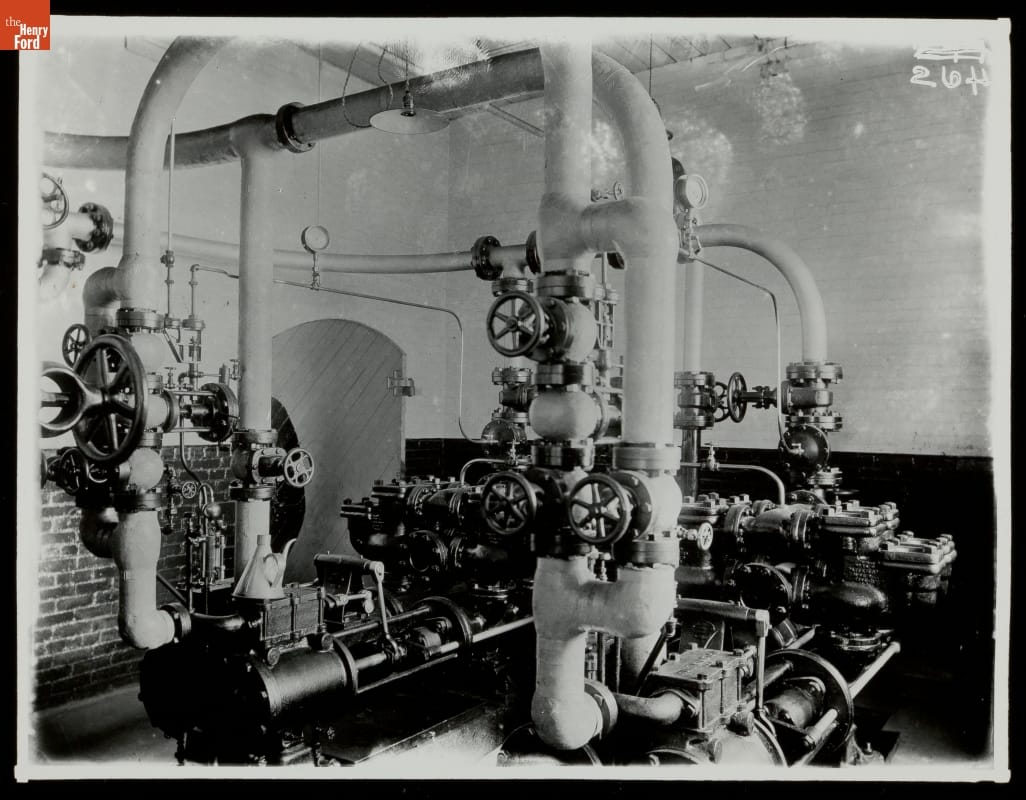
- Engine Room at Manomet Textile Mill, New Bedford, Massachusetts, 1912. - As a center for American textile manufacture, New Bedford, Massachusetts, was driven by steam. Factories housed huge steam engines that powered generators to create the electricity needed to run mill machinery. This engine room powered Manomet Textile Mill, just one of the nearly 70 textile mills operating in New Bedford around the turn of the 20th century.
- February 01, 1912
- Collections - Artifact
Engine Room at Manomet Textile Mill, New Bedford, Massachusetts, 1912.
As a center for American textile manufacture, New Bedford, Massachusetts, was driven by steam. Factories housed huge steam engines that powered generators to create the electricity needed to run mill machinery. This engine room powered Manomet Textile Mill, just one of the nearly 70 textile mills operating in New Bedford around the turn of the 20th century.
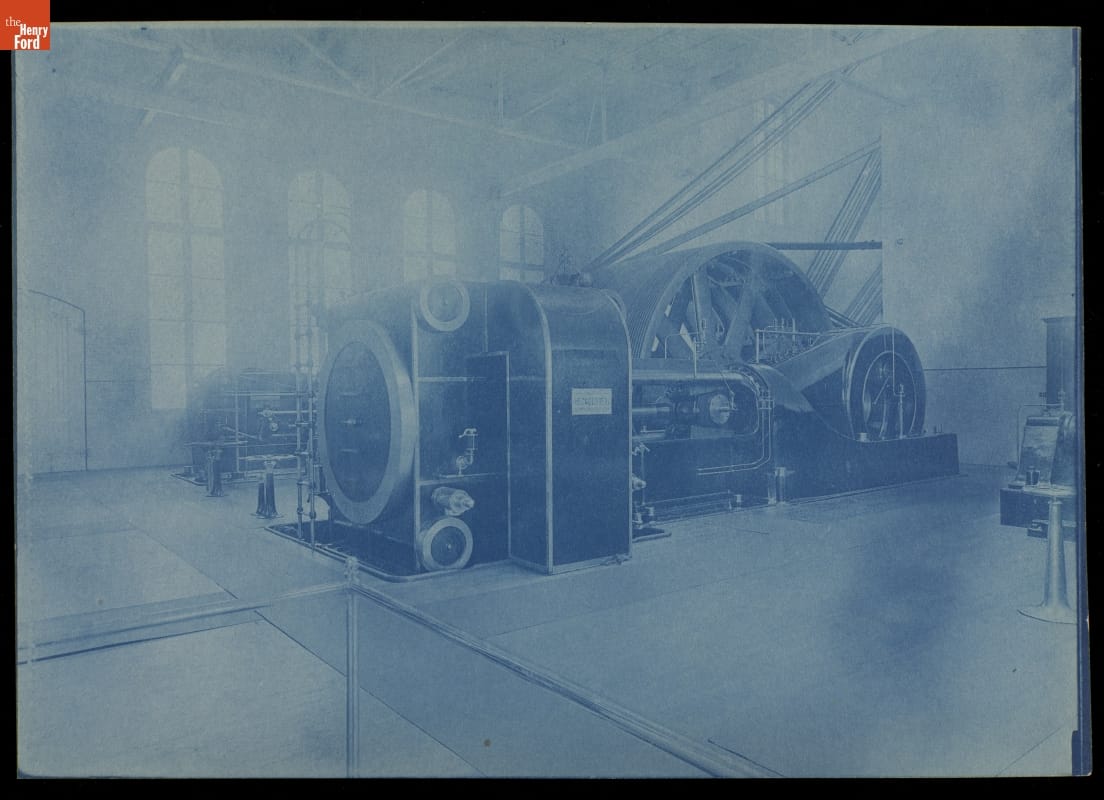
- C. & G. Cooper Steam Engine at Manomet Textile Mill, New Bedford, Massachusetts, 1912 - As a center for American textile manufacture, New Bedford, Massachusetts, was driven by steam. Factories housed huge steam engines that powered generators to create the electricity needed to run mill machinery. This engine room powered Manomet Textile Mill, just one of the nearly 70 textile mills operating in New Bedford around the turn of the 20th century.
- February 01, 1912
- Collections - Artifact
C. & G. Cooper Steam Engine at Manomet Textile Mill, New Bedford, Massachusetts, 1912
As a center for American textile manufacture, New Bedford, Massachusetts, was driven by steam. Factories housed huge steam engines that powered generators to create the electricity needed to run mill machinery. This engine room powered Manomet Textile Mill, just one of the nearly 70 textile mills operating in New Bedford around the turn of the 20th century.
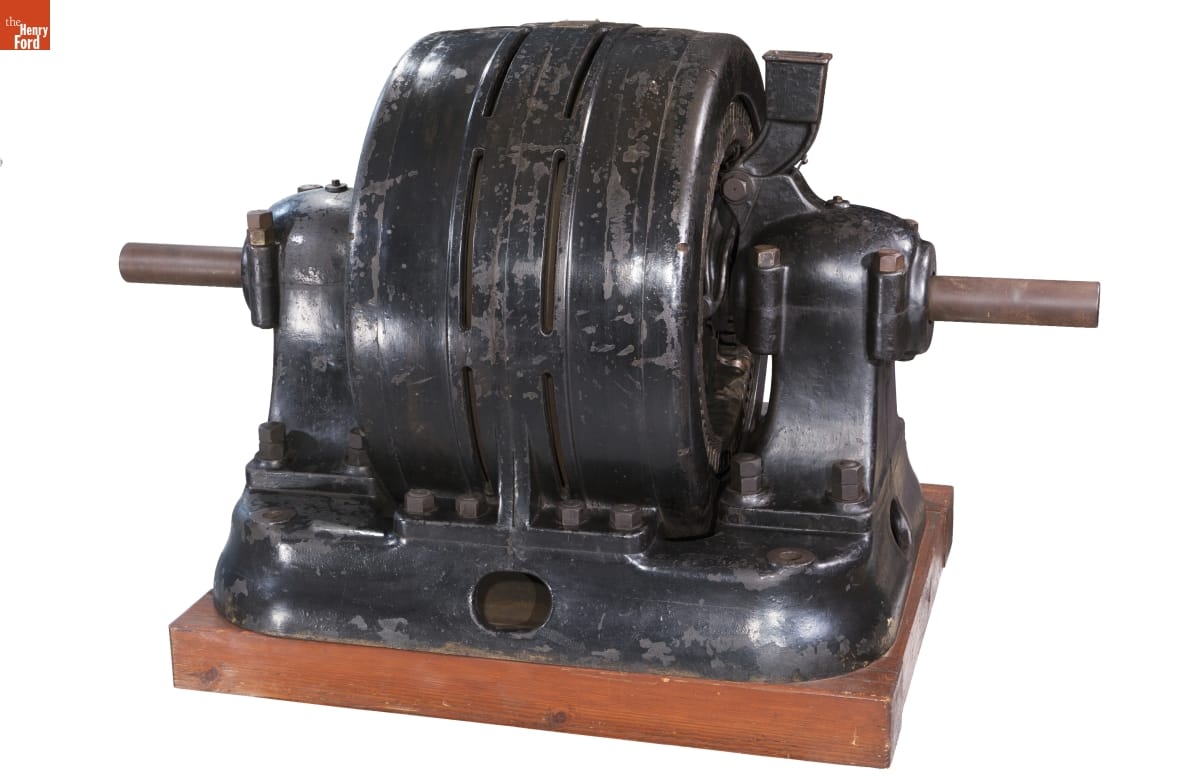
- General Electric Type TI Induction Motor -
- Collections - Artifact
General Electric Type TI Induction Motor
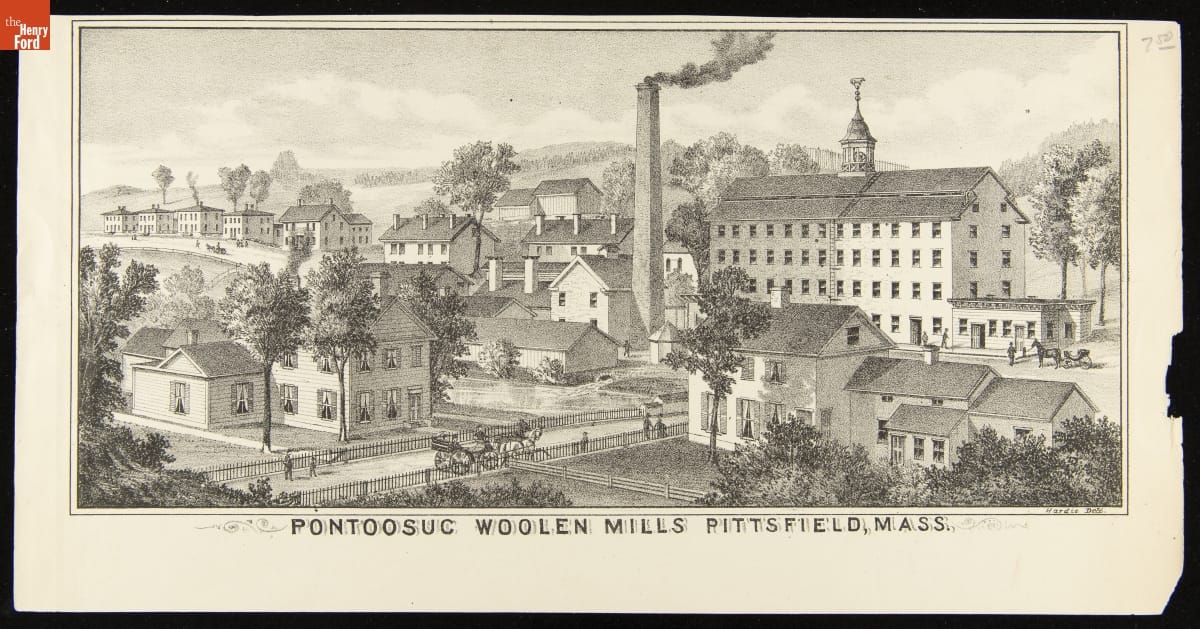
- Pontoosuc Woolen Mills, Pittsfield, Mass., 1876 -
- 1876
- Collections - Artifact
Pontoosuc Woolen Mills, Pittsfield, Mass., 1876