
Search
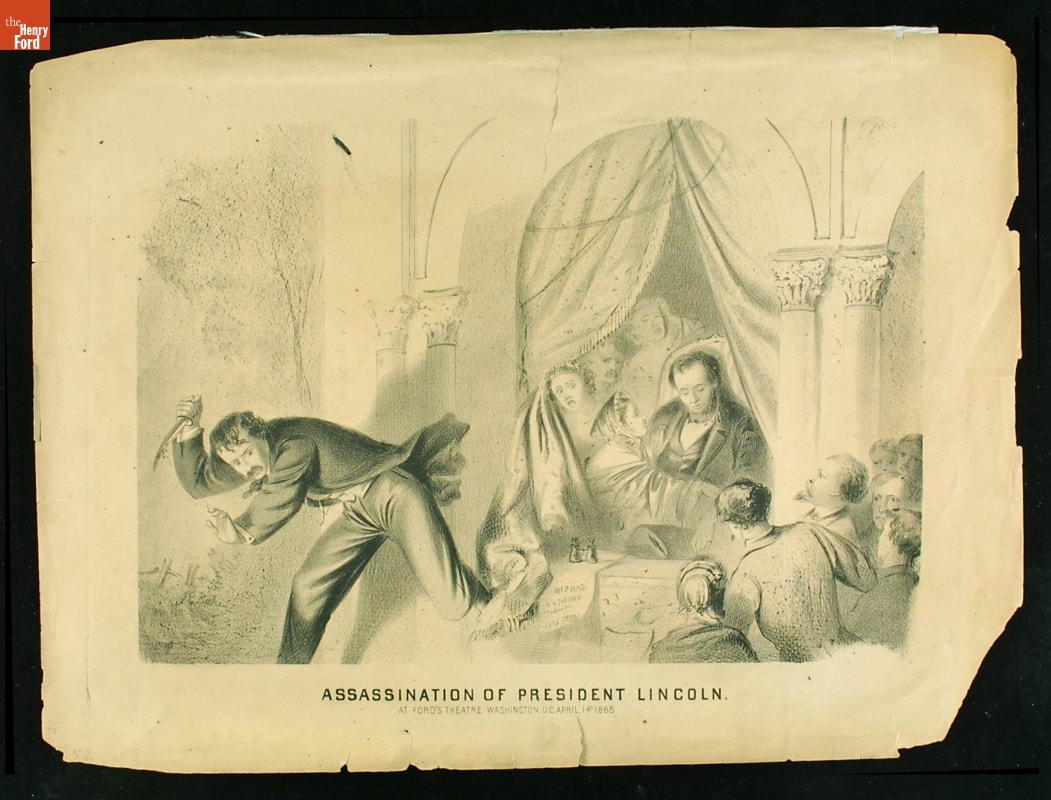
- Print, Assassination of President LIncoln, 1865-1870 - Before the existence of newspaper photos and television, lithographs helped people to understand the tragic event of President Abraham Lincoln's death in April 1865. This shows the assassin escaping after shooting President Lincoln at Ford's Theatre in Washington, D.C., on April 14, 1865. Printmakers produced various versions of this event, based on verbal reports.
- April 14, 1865
- Collections - Artifact
Print, Assassination of President LIncoln, 1865-1870
Before the existence of newspaper photos and television, lithographs helped people to understand the tragic event of President Abraham Lincoln's death in April 1865. This shows the assassin escaping after shooting President Lincoln at Ford's Theatre in Washington, D.C., on April 14, 1865. Printmakers produced various versions of this event, based on verbal reports.
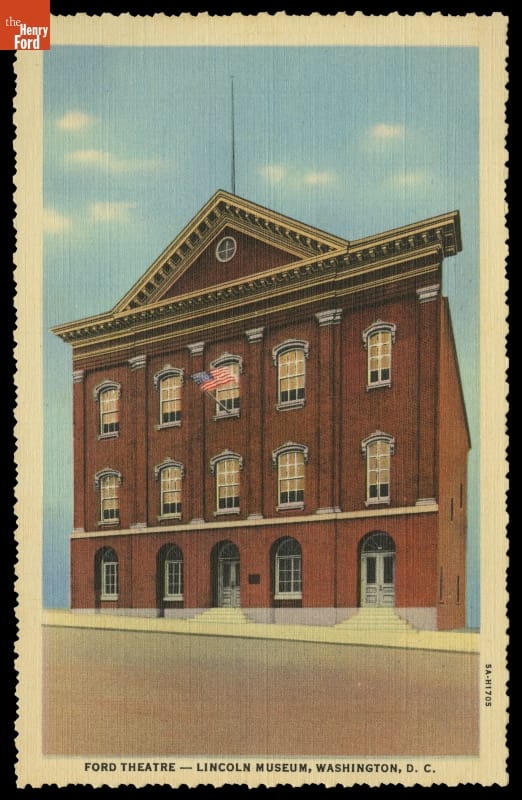
- "Ford Theatre--Lincoln Museum, Washington, D.C.," 1935 Postcard - Abraham Lincoln was assassinated in Ford's Theatre in April 1865. In the fall, the U.S. government leased--and later purchased--the building after an attempt to reopen the theater failed. Over the next sixty-five years the building housed offices and became a warehouse. In 1931, a museum displaying Lincoln memorabilia was created. The theatre returned to its 1865 appearance in the 1960s after Congress appropriated funds for the building's restoration.
- 1935
- Collections - Artifact
"Ford Theatre--Lincoln Museum, Washington, D.C.," 1935 Postcard
Abraham Lincoln was assassinated in Ford's Theatre in April 1865. In the fall, the U.S. government leased--and later purchased--the building after an attempt to reopen the theater failed. Over the next sixty-five years the building housed offices and became a warehouse. In 1931, a museum displaying Lincoln memorabilia was created. The theatre returned to its 1865 appearance in the 1960s after Congress appropriated funds for the building's restoration.
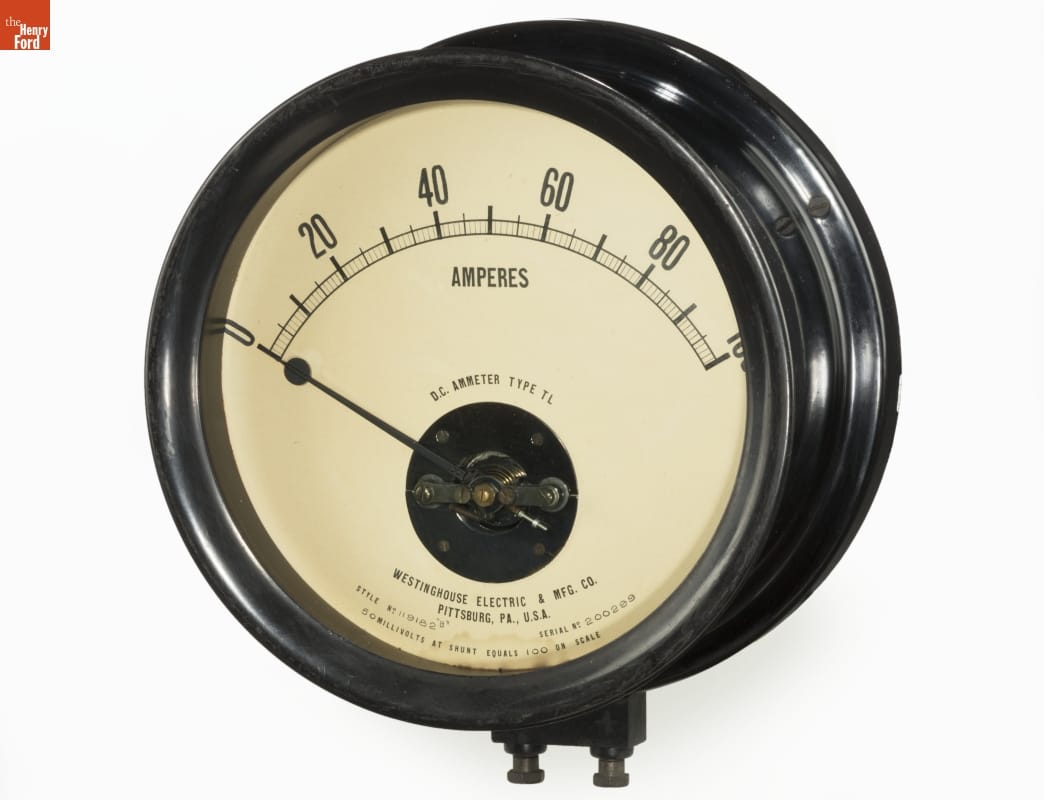
- Westinghouse Type TL Ammeter, circa 1911 - In the late 1800s and early 1900s, companies that supplied electricity to consumers needed a variety of instruments to regulate and monitor electrical output. These instruments were vital to the operation of power stations and needed to be accurate and rugged. Ammeters--used to measure the current in a circuit--could be found on switchboards or connected to motors and generators.
- circa 1911
- Collections - Artifact
Westinghouse Type TL Ammeter, circa 1911
In the late 1800s and early 1900s, companies that supplied electricity to consumers needed a variety of instruments to regulate and monitor electrical output. These instruments were vital to the operation of power stations and needed to be accurate and rugged. Ammeters--used to measure the current in a circuit--could be found on switchboards or connected to motors and generators.
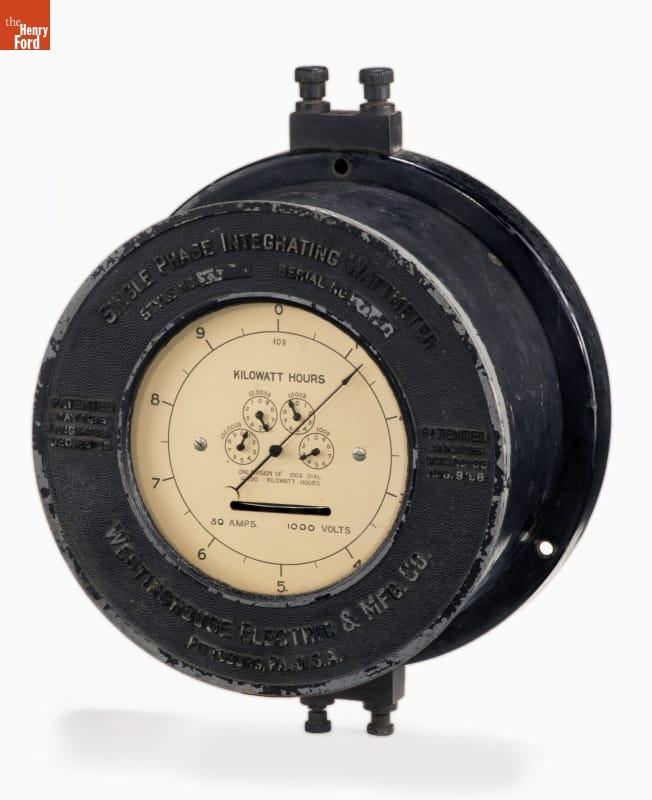
- Westinghouse Type C Switchboard Wattmeter, 1906-1911 - In the late 1800s, companies that supplied electricity to consumers needed a way to measure how much customers used -- and then charge them accordingly. Inventive electrical engineers developed various methods to measure electric power. Induction meters that employed magnetic fields to rotate a disc or cylinder to register energy usage would become the standard. Continued improvements made these wattmeters more compact and reliable.
- 1906-1911
- Collections - Artifact
Westinghouse Type C Switchboard Wattmeter, 1906-1911
In the late 1800s, companies that supplied electricity to consumers needed a way to measure how much customers used -- and then charge them accordingly. Inventive electrical engineers developed various methods to measure electric power. Induction meters that employed magnetic fields to rotate a disc or cylinder to register energy usage would become the standard. Continued improvements made these wattmeters more compact and reliable.
- Hallmark "Nostalgic Houses and Shops Series: The Grand Theater" Christmas Ornament, 2003 - Hallmark's "Nostalgic Houses and Shops" ornament series reflects a centuries-old Christmas tradition of placing small buildings under the tree to create tiny "villages." It began in 1984 and is one of Hallmark's longest-running series. Hung on the tree, these ornaments--depicting homes, stores, and other buildings--evoke small-town American life in days gone by.
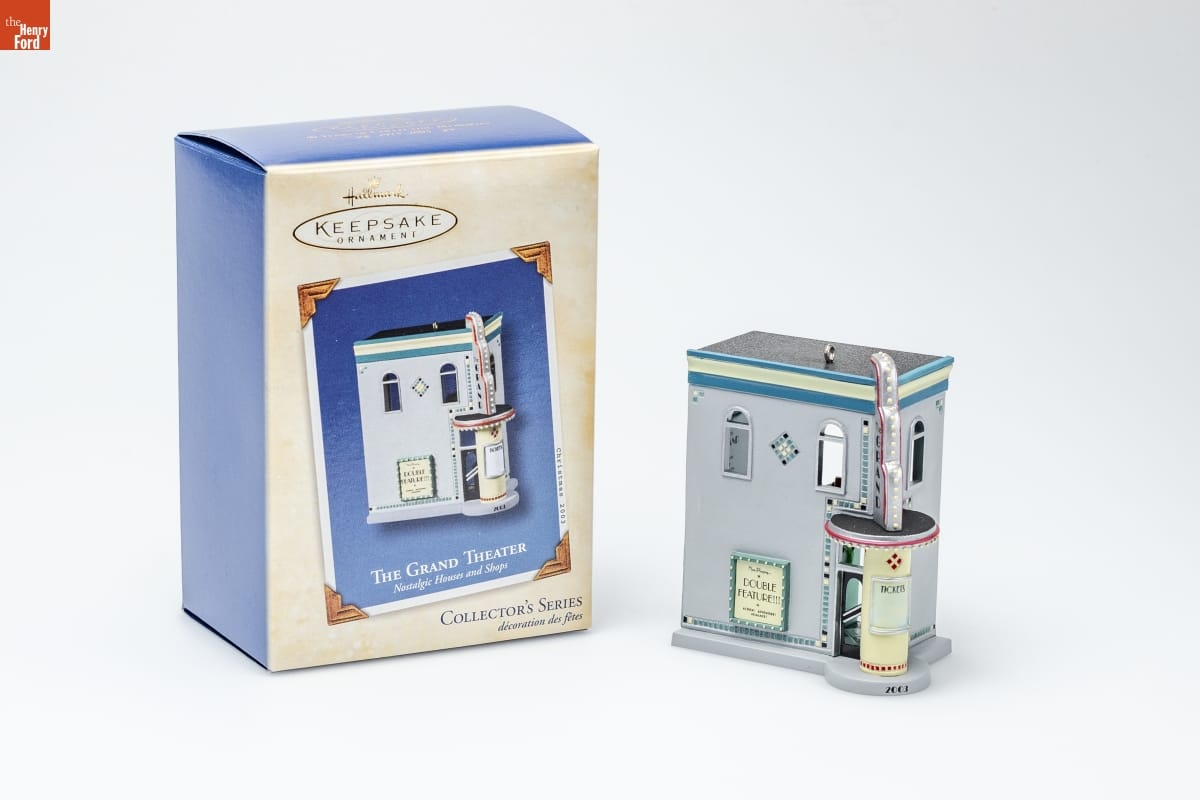
- 2003
- Collections - Artifact
Hallmark "Nostalgic Houses and Shops Series: The Grand Theater" Christmas Ornament, 2003
Hallmark's "Nostalgic Houses and Shops" ornament series reflects a centuries-old Christmas tradition of placing small buildings under the tree to create tiny "villages." It began in 1984 and is one of Hallmark's longest-running series. Hung on the tree, these ornaments--depicting homes, stores, and other buildings--evoke small-town American life in days gone by.
- Hallmark "Our Christmas Together Photo Holder" Christmas Ornament, 1996 - Already known for greeting cards, Hallmark introduced a line of Christmas ornaments in 1973. The company's annual release of an increasing array of ornaments revolutionized Christmas decorating, appealing to customers' interest in marking memories and milestones as well as expressing one's personality and unique tastes.
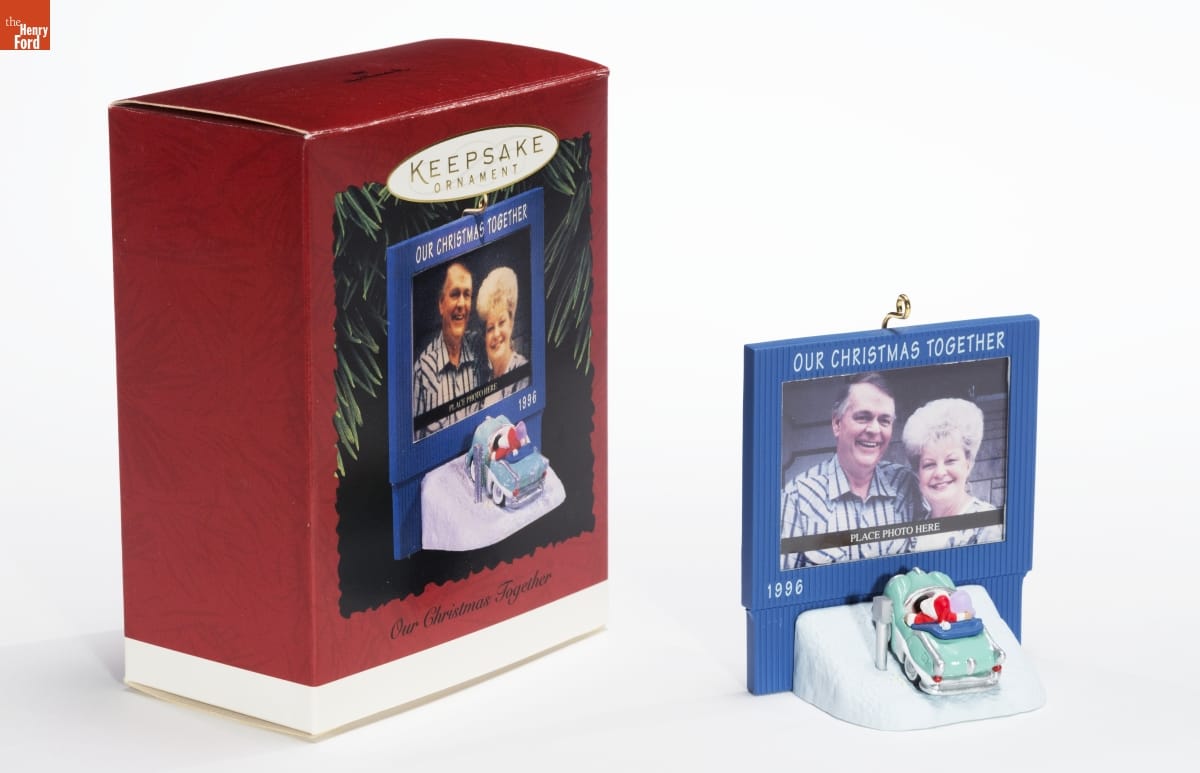
- 1996
- Collections - Artifact
Hallmark "Our Christmas Together Photo Holder" Christmas Ornament, 1996
Already known for greeting cards, Hallmark introduced a line of Christmas ornaments in 1973. The company's annual release of an increasing array of ornaments revolutionized Christmas decorating, appealing to customers' interest in marking memories and milestones as well as expressing one's personality and unique tastes.
- Hallmark "It's a Wonderful Life" Christmas Ornament, 1991 - Already known for greeting cards, Hallmark introduced a line of Christmas ornaments in 1973. The company's annual release of an increasing array of ornaments revolutionized Christmas decorating, appealing to customers' interest in marking memories and milestones as well as expressing one's personality and unique tastes.
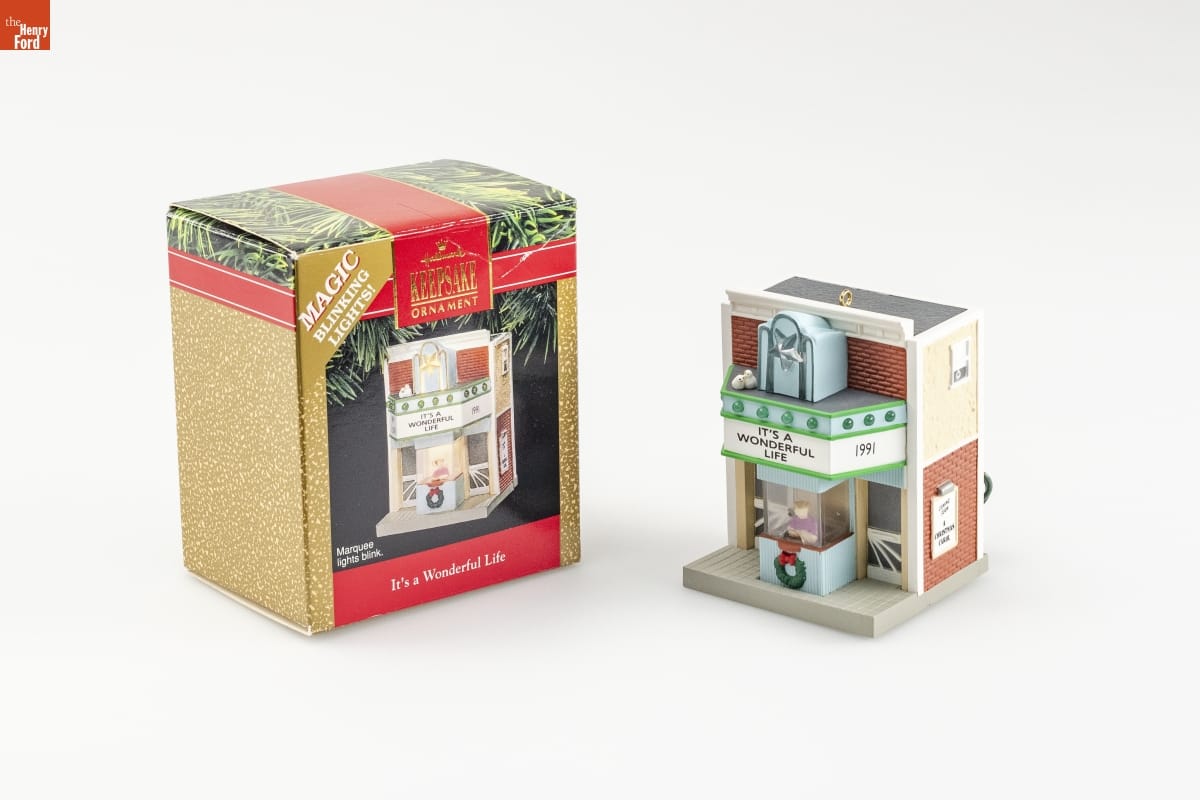
- 1991
- Collections - Artifact
Hallmark "It's a Wonderful Life" Christmas Ornament, 1991
Already known for greeting cards, Hallmark introduced a line of Christmas ornaments in 1973. The company's annual release of an increasing array of ornaments revolutionized Christmas decorating, appealing to customers' interest in marking memories and milestones as well as expressing one's personality and unique tastes.
- Promotional Image for Production of "Babes in Toyland," July 7, 1977 -
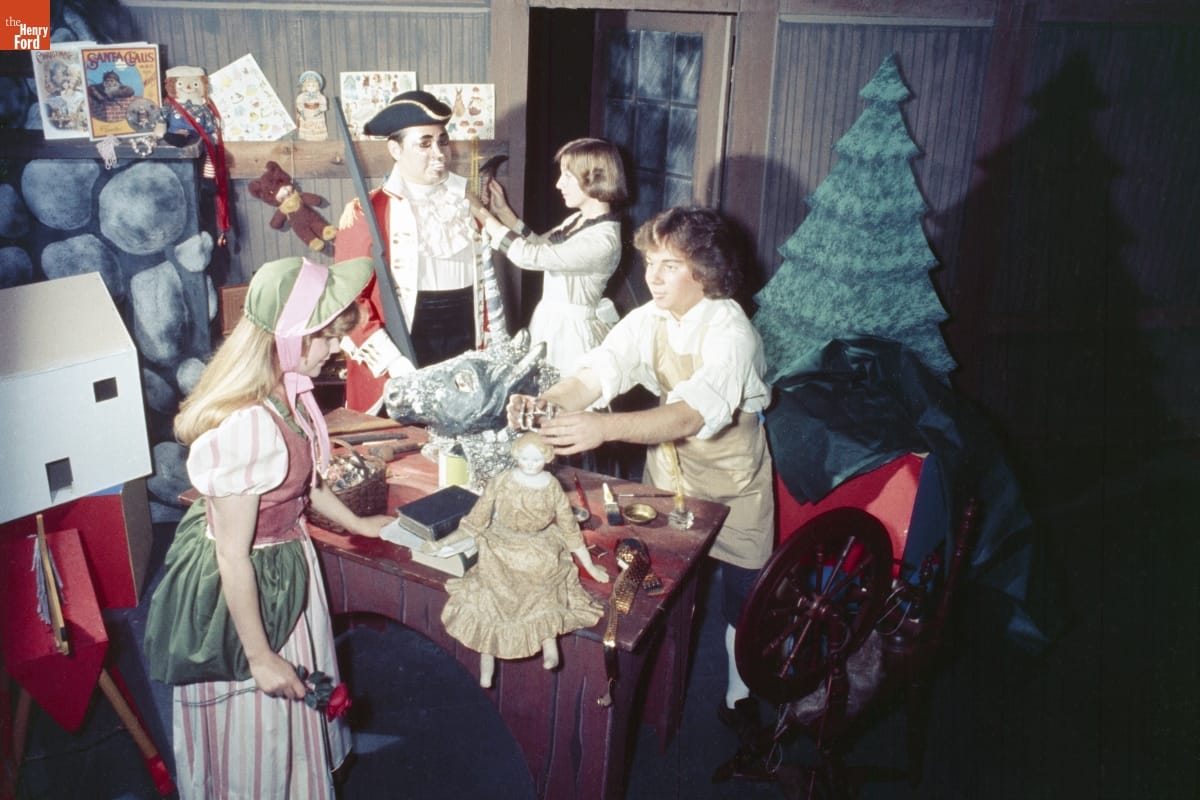
- July 07, 1977
- Collections - Artifact
Promotional Image for Production of "Babes in Toyland," July 7, 1977
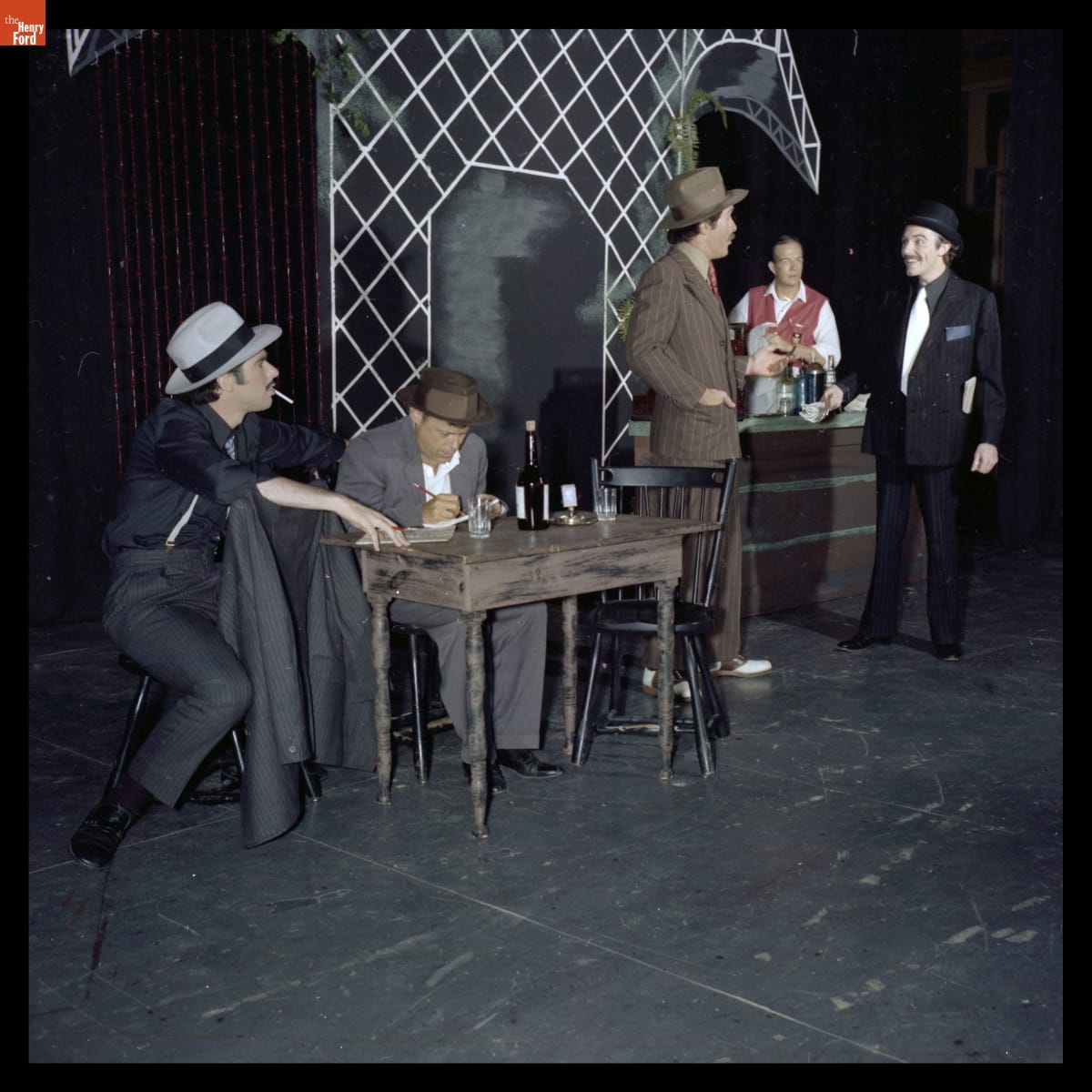
- Bar Scene from the Play "Three Men on a Horse," Henry Ford Museum Theater, 1977 -
- 1977
- Collections - Artifact
Bar Scene from the Play "Three Men on a Horse," Henry Ford Museum Theater, 1977
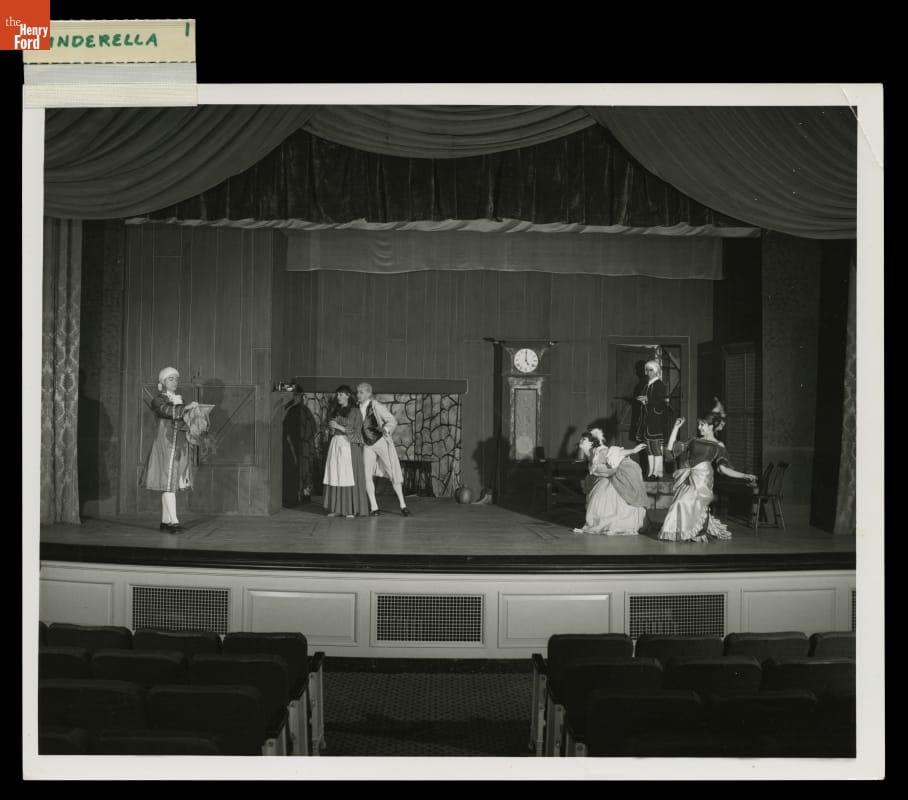
- Greenfield Village Players Production of "Cinderella," Henry Ford Museum Theatre, 1967 -
- 1967
- Collections - Artifact
Greenfield Village Players Production of "Cinderella," Henry Ford Museum Theatre, 1967