
Search
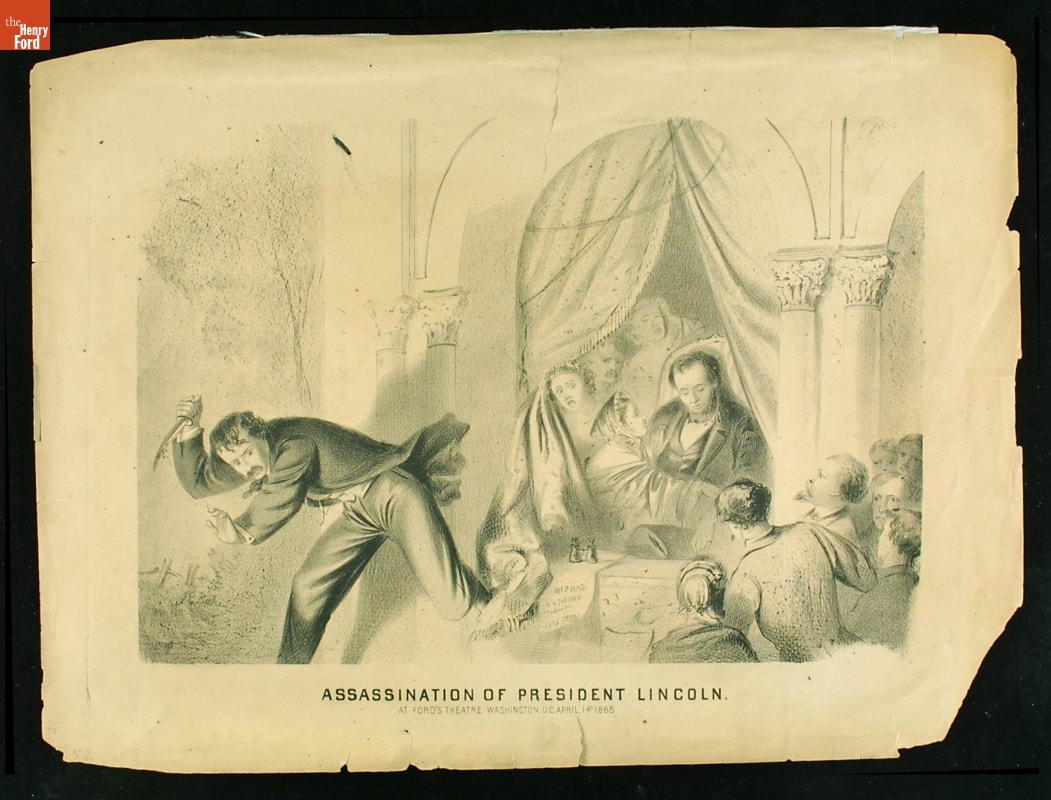
- Print, Assassination of President LIncoln, 1865-1870 - Before the existence of newspaper photos and television, lithographs helped people to understand the tragic event of President Abraham Lincoln's death in April 1865. This shows the assassin escaping after shooting President Lincoln at Ford's Theatre in Washington, D.C., on April 14, 1865. Printmakers produced various versions of this event, based on verbal reports.
- April 14, 1865
- Collections - Artifact
Print, Assassination of President LIncoln, 1865-1870
Before the existence of newspaper photos and television, lithographs helped people to understand the tragic event of President Abraham Lincoln's death in April 1865. This shows the assassin escaping after shooting President Lincoln at Ford's Theatre in Washington, D.C., on April 14, 1865. Printmakers produced various versions of this event, based on verbal reports.
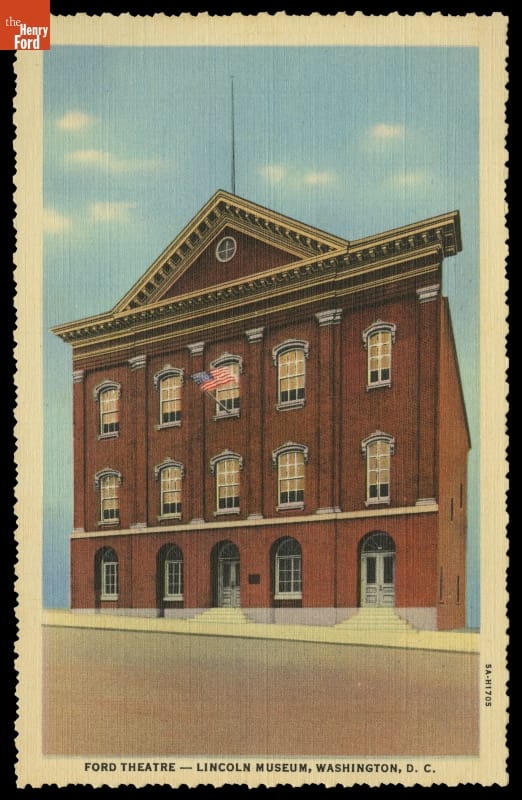
- "Ford Theatre--Lincoln Museum, Washington, D.C.," 1935 Postcard - Abraham Lincoln was assassinated in Ford's Theatre in April 1865. In the fall, the U.S. government leased--and later purchased--the building after an attempt to reopen the theater failed. Over the next sixty-five years the building housed offices and became a warehouse. In 1931, a museum displaying Lincoln memorabilia was created. The theatre returned to its 1865 appearance in the 1960s after Congress appropriated funds for the building's restoration.
- 1935
- Collections - Artifact
"Ford Theatre--Lincoln Museum, Washington, D.C.," 1935 Postcard
Abraham Lincoln was assassinated in Ford's Theatre in April 1865. In the fall, the U.S. government leased--and later purchased--the building after an attempt to reopen the theater failed. Over the next sixty-five years the building housed offices and became a warehouse. In 1931, a museum displaying Lincoln memorabilia was created. The theatre returned to its 1865 appearance in the 1960s after Congress appropriated funds for the building's restoration.
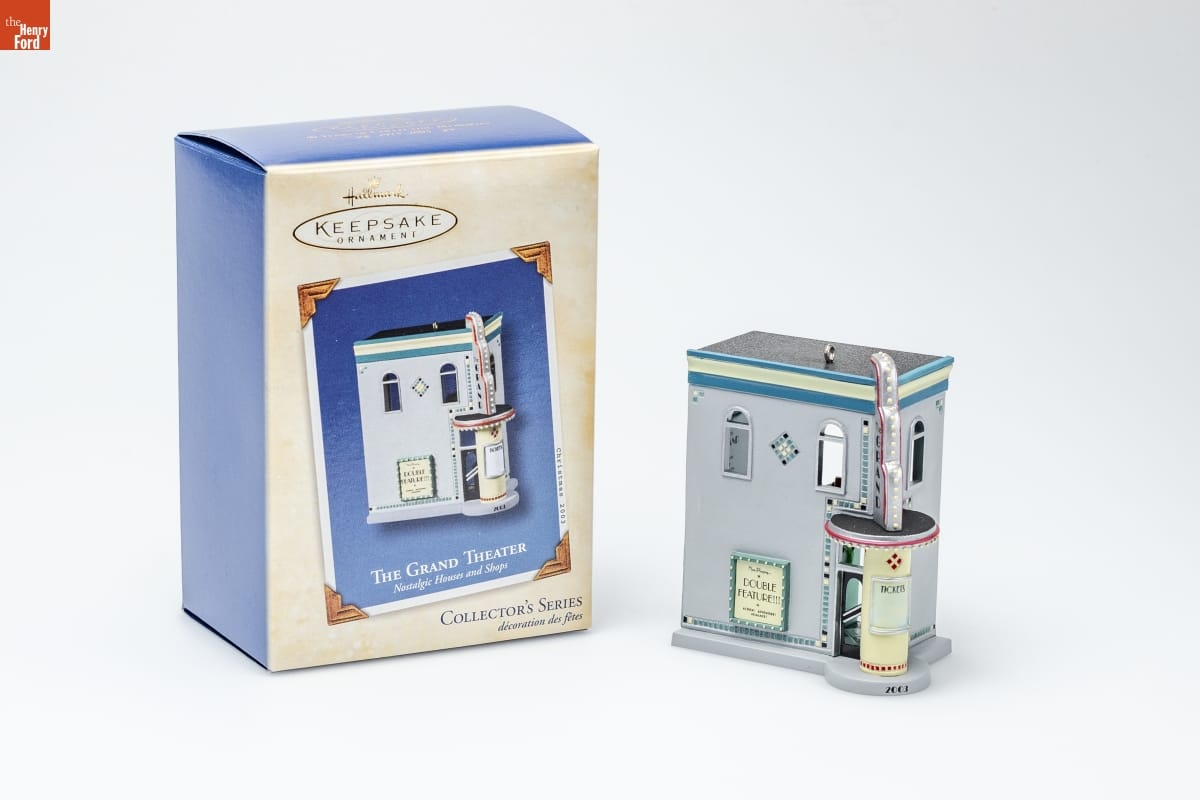
- Hallmark "Nostalgic Houses and Shops Series: The Grand Theater" Christmas Ornament, 2003 - Hallmark's "Nostalgic Houses and Shops" ornament series reflects a centuries-old Christmas tradition of placing small buildings under the tree to create tiny "villages." It began in 1984 and is one of Hallmark's longest-running series. Hung on the tree, these ornaments--depicting homes, stores, and other buildings--evoke small-town American life in days gone by.
- 2003
- Collections - Artifact
Hallmark "Nostalgic Houses and Shops Series: The Grand Theater" Christmas Ornament, 2003
Hallmark's "Nostalgic Houses and Shops" ornament series reflects a centuries-old Christmas tradition of placing small buildings under the tree to create tiny "villages." It began in 1984 and is one of Hallmark's longest-running series. Hung on the tree, these ornaments--depicting homes, stores, and other buildings--evoke small-town American life in days gone by.
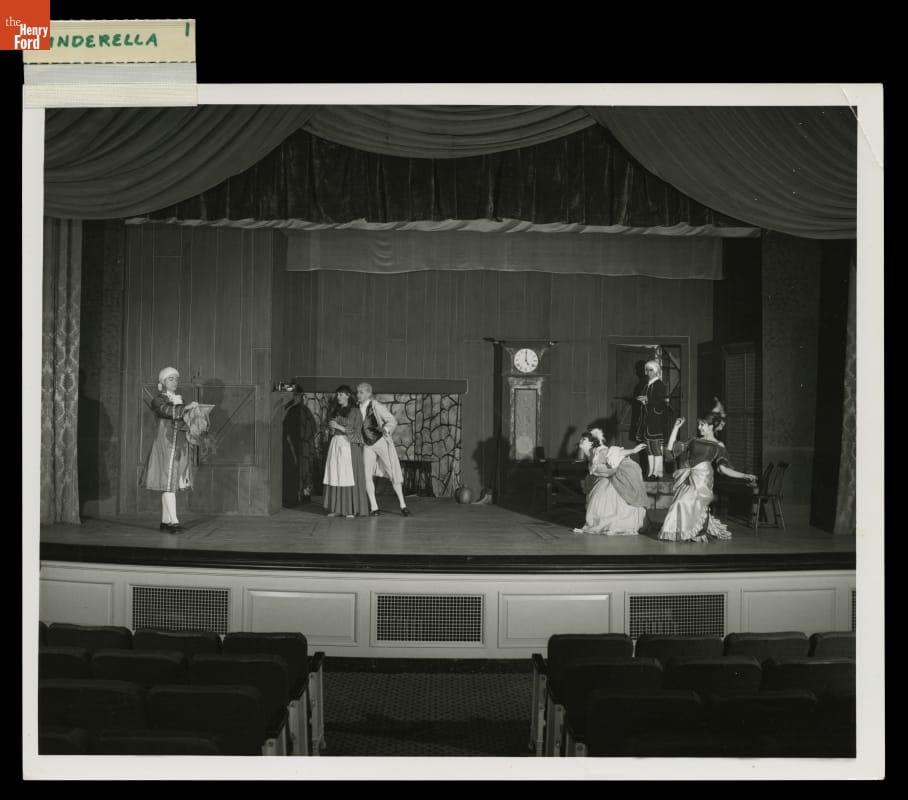
- Greenfield Village Players Production of "Cinderella," Henry Ford Museum Theatre, 1967 -
- 1967
- Collections - Artifact
Greenfield Village Players Production of "Cinderella," Henry Ford Museum Theatre, 1967
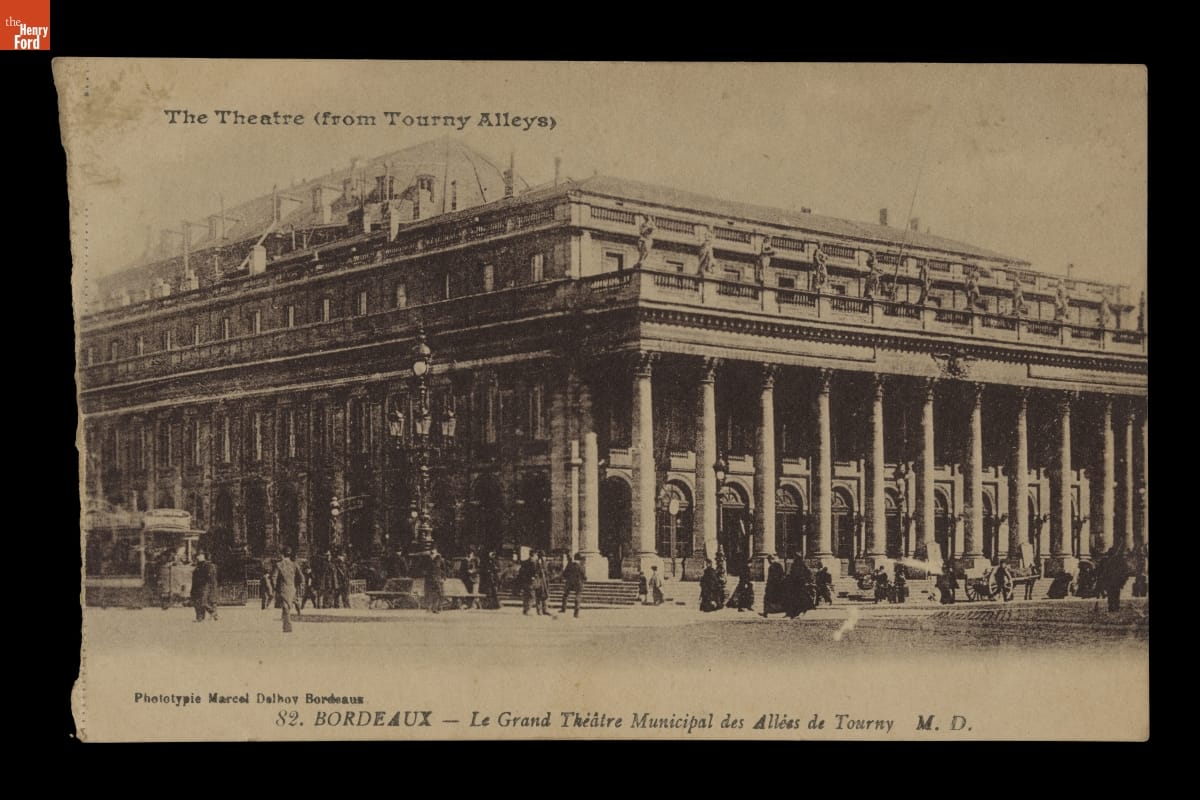
- "The Theatre (from Tourny Alleys)" - Andrew Purnell Jr. (1898-1975) was born in Selma, Alabama. He joined the all-Black 303rd Stevedore Regiment (with later unit designations) in December 1917. Private Purnell was stationed in Bordeaux, France. He returned to the U.S. in 1919, married, and worked as a railroad freight handler. Like many service members, Purnell kept cards, letters, photographs, and souvenirs from his time in the military.
- Collections - Artifact
"The Theatre (from Tourny Alleys)"
Andrew Purnell Jr. (1898-1975) was born in Selma, Alabama. He joined the all-Black 303rd Stevedore Regiment (with later unit designations) in December 1917. Private Purnell was stationed in Bordeaux, France. He returned to the U.S. in 1919, married, and worked as a railroad freight handler. Like many service members, Purnell kept cards, letters, photographs, and souvenirs from his time in the military.
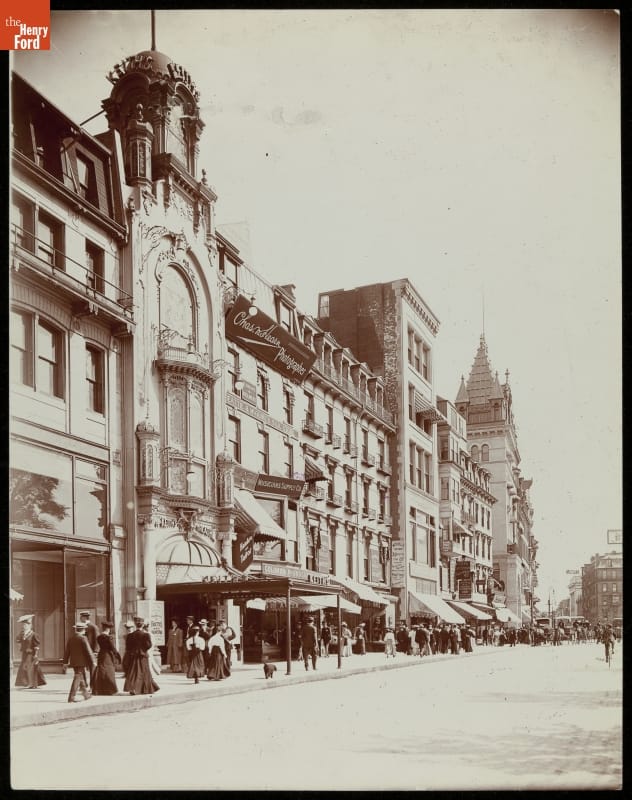
- "Tremont Street, Looking South," Boston, Massachusetts, circa 1905 - From 1895 to 1924, the Detroit Publishing Company was one of the major image publishers in the world. The company had a wide-ranging stock of original photographs, including many North American scenes. Keith's Theatre, the narrow, ornate building in this street view, was an elegant vaudeville playhouse. It also projected Boston's first film using Thomas Edison's Vistascope in 1896.
- circa 1905
- Collections - Artifact
"Tremont Street, Looking South," Boston, Massachusetts, circa 1905
From 1895 to 1924, the Detroit Publishing Company was one of the major image publishers in the world. The company had a wide-ranging stock of original photographs, including many North American scenes. Keith's Theatre, the narrow, ornate building in this street view, was an elegant vaudeville playhouse. It also projected Boston's first film using Thomas Edison's Vistascope in 1896.
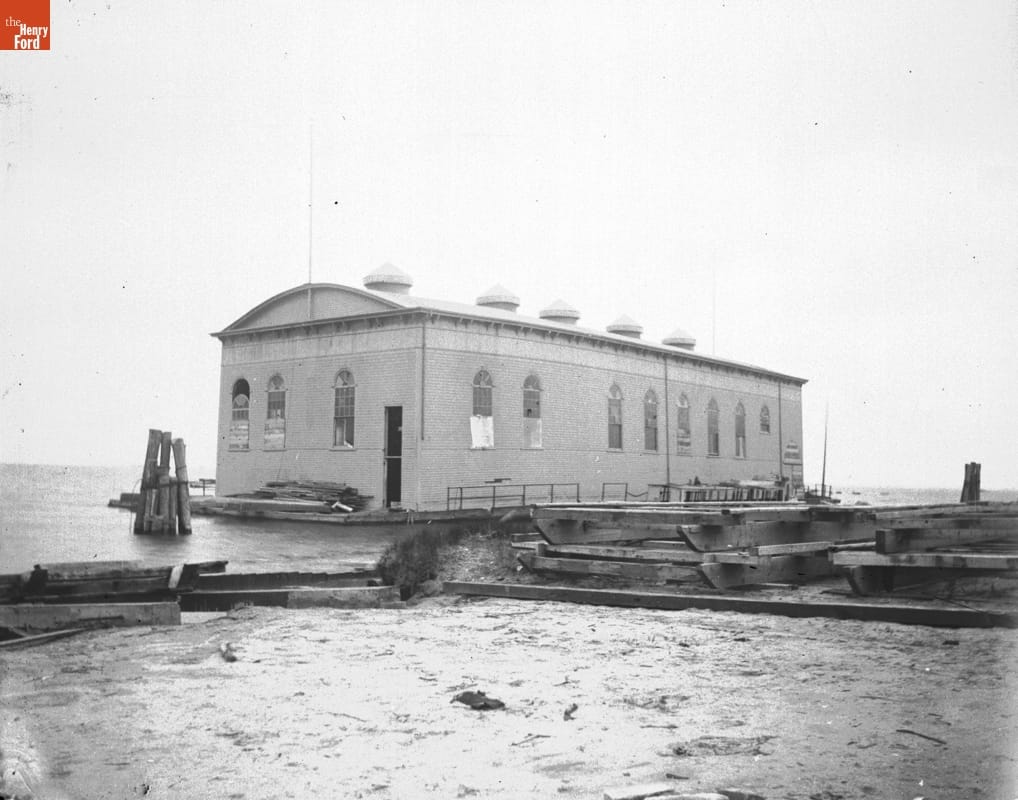
- Floating Theatre, Bergen Beach, Brooklyn, New York, 1890-1915 - In 1890, Jenny Young Chandler, 25 years old and recently widowed, began working for the <EM>New York Herald</EM>. As a photojournalist and feature writer, Chandler captured life in Brooklyn, New York, and vicinity. By 1922, the time of her death, she had produced over 800 glass plate negatives. Her sensitive, insightful photographs depict people from all walks of life and the world in which they lived.
- 1890-1915
- Collections - Artifact
Floating Theatre, Bergen Beach, Brooklyn, New York, 1890-1915
In 1890, Jenny Young Chandler, 25 years old and recently widowed, began working for the New York Herald. As a photojournalist and feature writer, Chandler captured life in Brooklyn, New York, and vicinity. By 1922, the time of her death, she had produced over 800 glass plate negatives. Her sensitive, insightful photographs depict people from all walks of life and the world in which they lived.
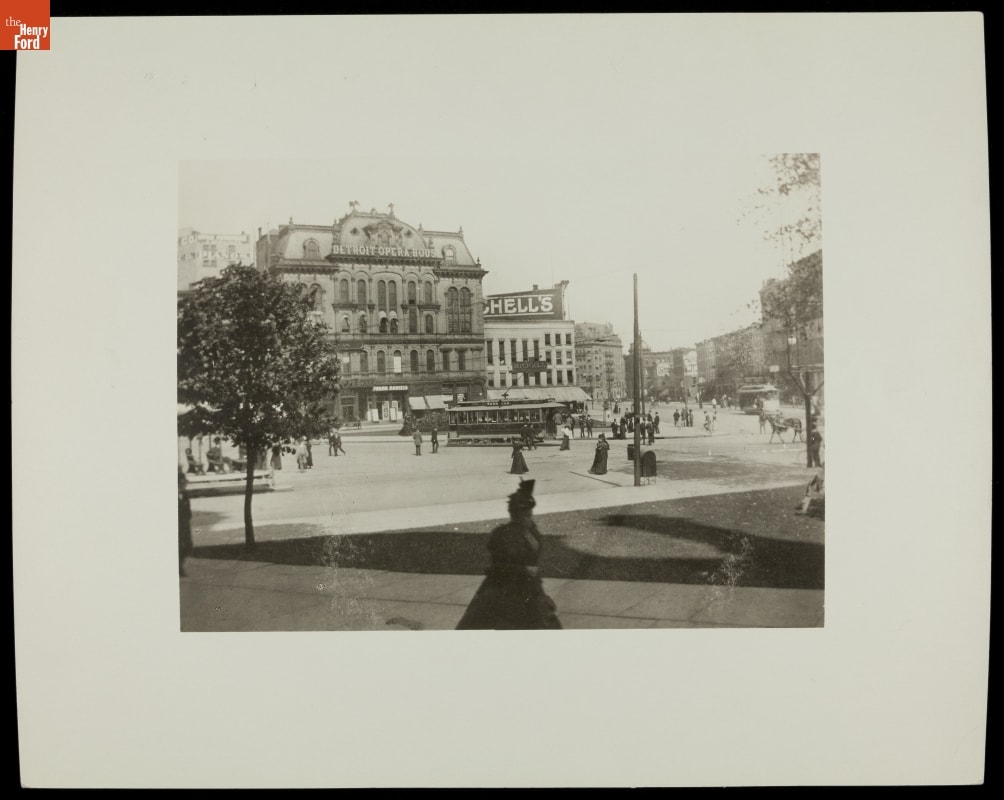
- Street scene showing Detroit Opera House, circa 1890 - Streetcars and pedestrians travel through Campus Martius, a former military training ground that became the "point of origin" of Detroit's coordinate street system. The tall French Renaissance building behind them is the first Detroit Opera House.
- circa 1890
- Collections - Artifact
Street scene showing Detroit Opera House, circa 1890
Streetcars and pedestrians travel through Campus Martius, a former military training ground that became the "point of origin" of Detroit's coordinate street system. The tall French Renaissance building behind them is the first Detroit Opera House.
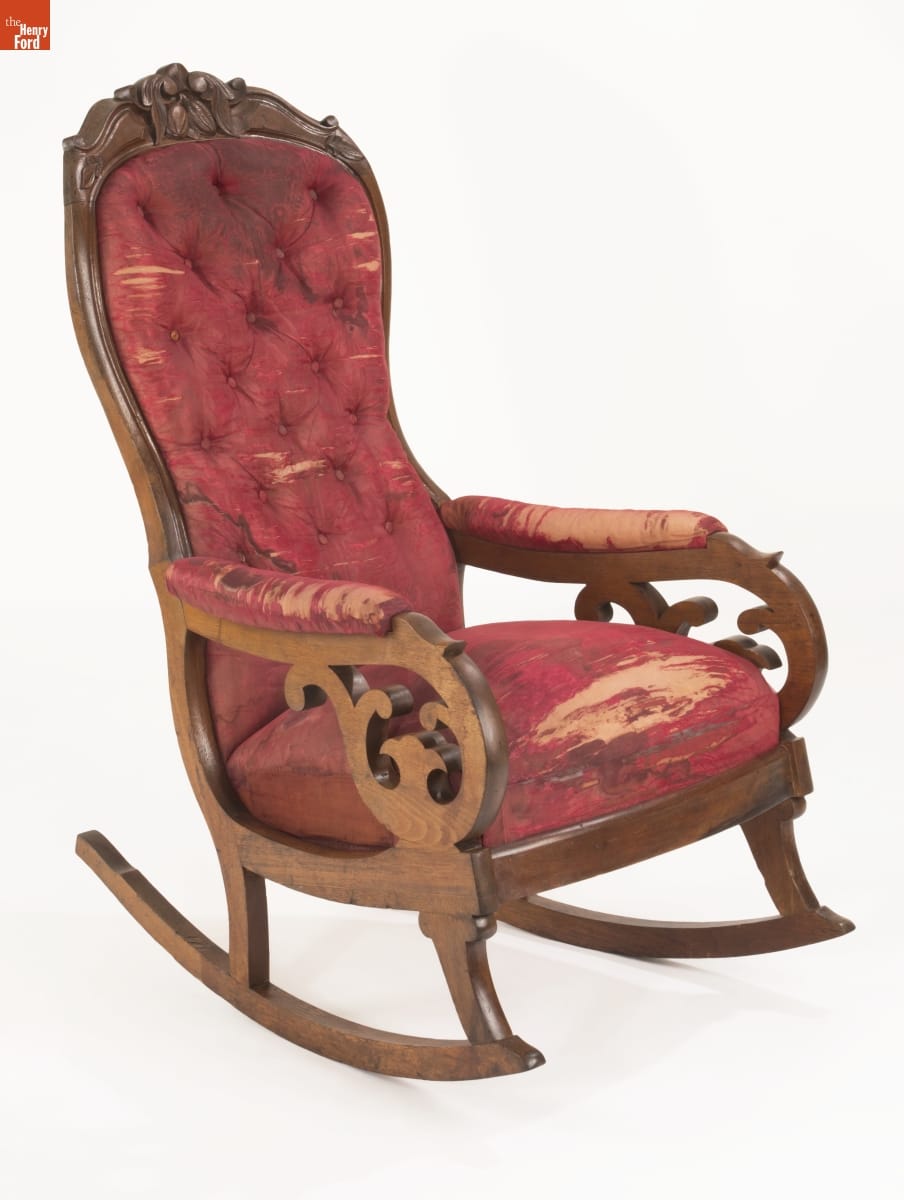
- Rocking Chair Used by Abraham Lincoln at Ford's Theater the Night of His Assassination, April 14, 1865 - President Abraham Lincoln was sitting in this rocking chair during a production of <EM>Our American Cousin</EM> at Ford's Theatre in Washington, D.C., when he was assassinated on April 14, 1865. Henry Ford purchased the chair in 1929 for the Museum, where it remains one of the most revered objects associated with the "man who saved the Union."
- April 14, 1865
- Collections - Artifact
Rocking Chair Used by Abraham Lincoln at Ford's Theater the Night of His Assassination, April 14, 1865
President Abraham Lincoln was sitting in this rocking chair during a production of Our American Cousin at Ford's Theatre in Washington, D.C., when he was assassinated on April 14, 1865. Henry Ford purchased the chair in 1929 for the Museum, where it remains one of the most revered objects associated with the "man who saved the Union."
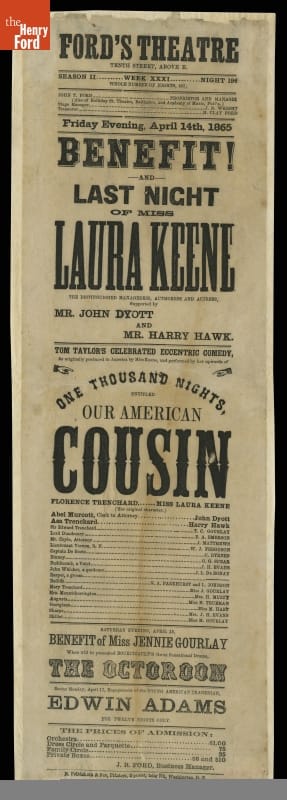
- Ford's Theatre Playbill for the April 14, 1865 Performance of "Our American Cousin" - This playbill announces the April 14, 1865, performance of Laura Keene in <EM>Our American Cousin</EM>. The play premiered in New York seven years earlier, and it remained popular throughout the Civil War. On this night, President Abraham Lincoln attended the production at Ford's Theatre in Washington, D.C. While enjoying the play, President Lincoln was assassinated by John Wilkes Booth.
- April 14, 1865
- Collections - Artifact
Ford's Theatre Playbill for the April 14, 1865 Performance of "Our American Cousin"
This playbill announces the April 14, 1865, performance of Laura Keene in Our American Cousin. The play premiered in New York seven years earlier, and it remained popular throughout the Civil War. On this night, President Abraham Lincoln attended the production at Ford's Theatre in Washington, D.C. While enjoying the play, President Lincoln was assassinated by John Wilkes Booth.