
Search
- Page Tobacco Harvester, 1955 -
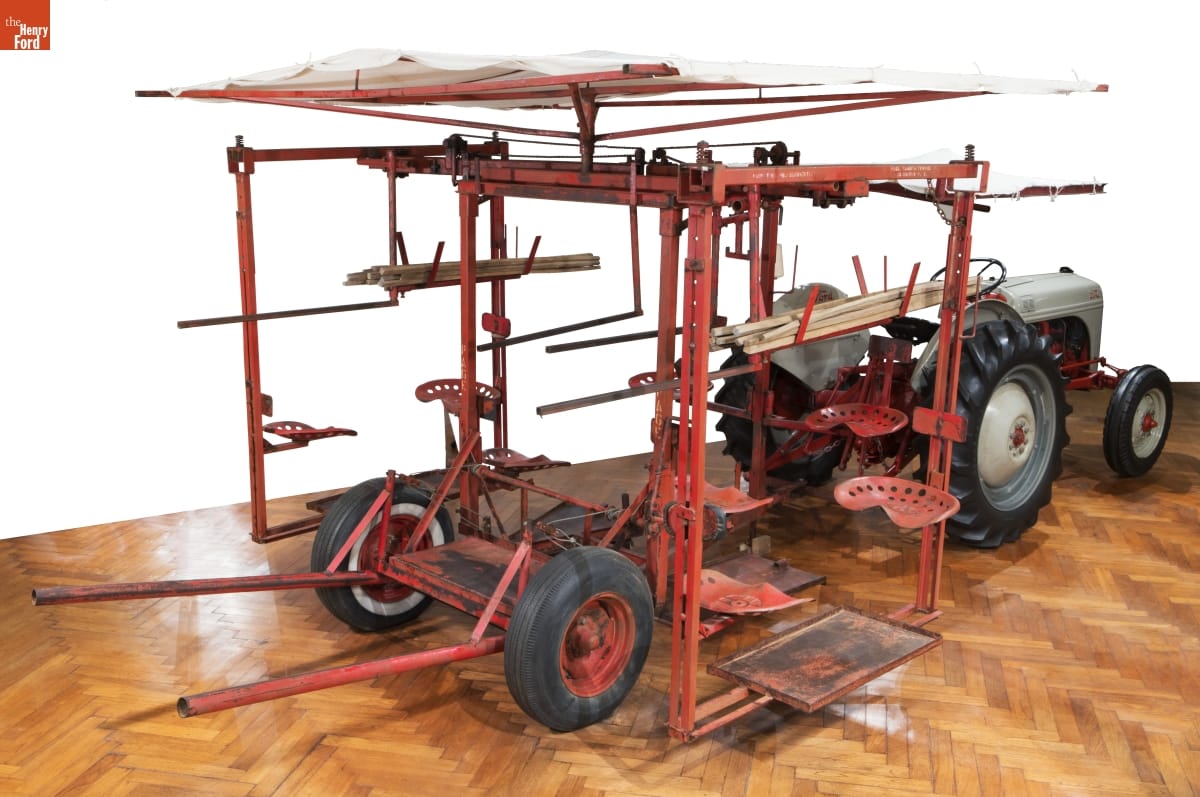
- 1955
- Collections - Artifact
Page Tobacco Harvester, 1955
- Tobacco Spear, circa 1960 - Raising tobacco required significant human labor before mechanization. At harvest time, workers cut the leaves from Burley tobacco plants using special knives. They pierced the leaves with this conical-shaped metal spear affixed to the end of a stick. Then, after the leaves dried in the field, they moved the full sticks to tobacco barns to finish the curing process.

- circa 1960
- Collections - Artifact
Tobacco Spear, circa 1960
Raising tobacco required significant human labor before mechanization. At harvest time, workers cut the leaves from Burley tobacco plants using special knives. They pierced the leaves with this conical-shaped metal spear affixed to the end of a stick. Then, after the leaves dried in the field, they moved the full sticks to tobacco barns to finish the curing process.
- Trade Card for F. Lohmann, Cigars and Tobacco, 1881 - In the last third of the nineteenth century, an unprecedented variety of consumer goods and services flooded the American market. Advertisers, armed with new methods of color printing, bombarded potential customers with trade cards. Americans enjoyed and often saved the vibrant little advertisements found in product packages or distributed by local merchants. Many survive as historical records of commercialism in the United States.
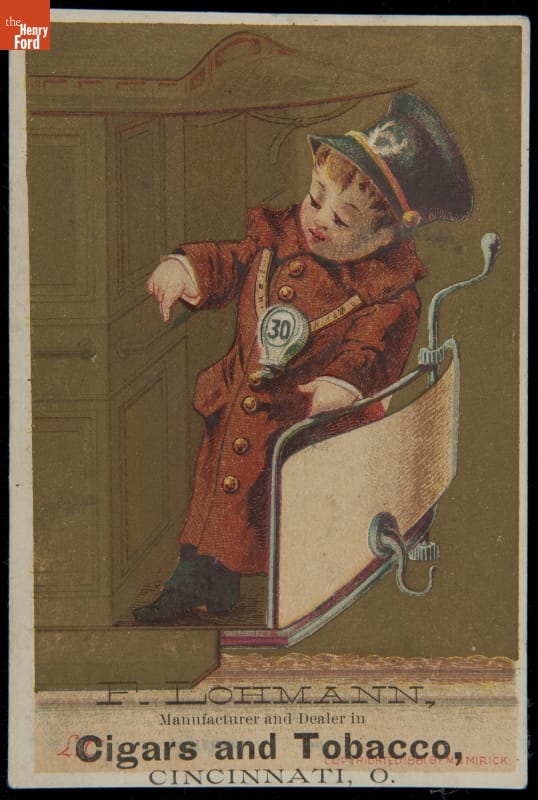
- 1881
- Collections - Artifact
Trade Card for F. Lohmann, Cigars and Tobacco, 1881
In the last third of the nineteenth century, an unprecedented variety of consumer goods and services flooded the American market. Advertisers, armed with new methods of color printing, bombarded potential customers with trade cards. Americans enjoyed and often saved the vibrant little advertisements found in product packages or distributed by local merchants. Many survive as historical records of commercialism in the United States.
- Trade Card for "No-To-Bac" Tobacco, Sterling Products Co., circa 1894 - In the last third of the nineteenth century, an unprecedented variety of consumer goods flooded the American market. Some enterprising advertisers sought to distinguish their products from the competition by distributing trade cards. Special versions revealed hidden images and words when held to the light. Americans enjoyed and often saved the popular little advertisements, which survive as historical records of consumerism in the United States.
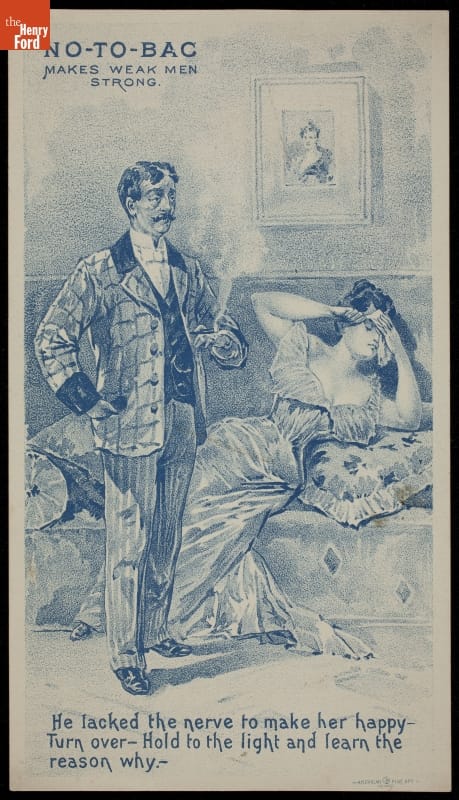
- circa 1894
- Collections - Artifact
Trade Card for "No-To-Bac" Tobacco, Sterling Products Co., circa 1894
In the last third of the nineteenth century, an unprecedented variety of consumer goods flooded the American market. Some enterprising advertisers sought to distinguish their products from the competition by distributing trade cards. Special versions revealed hidden images and words when held to the light. Americans enjoyed and often saved the popular little advertisements, which survive as historical records of consumerism in the United States.
- Tobacco Knife, circa 1970 -
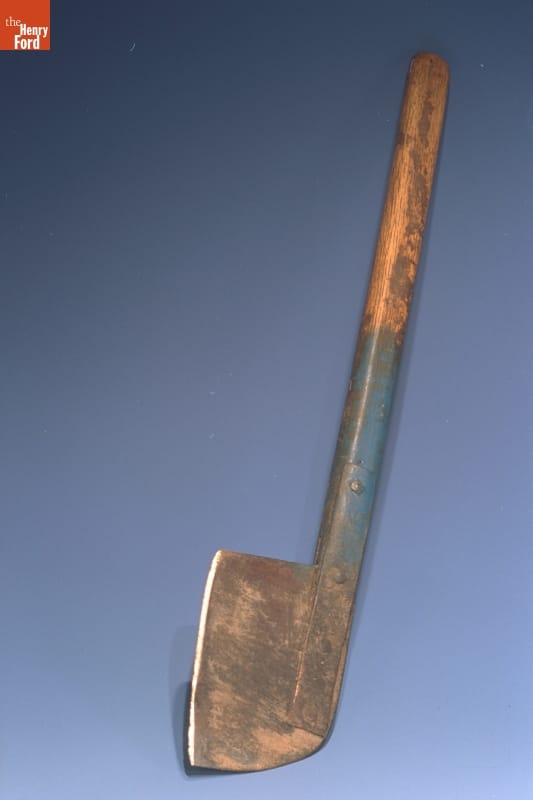
- circa 1970
- Collections - Artifact
Tobacco Knife, circa 1970
- Styrofoam Flat, Used with "Poor Boy" Tobacco Seeder, 1994 -

- 1994
- Collections - Artifact
Styrofoam Flat, Used with "Poor Boy" Tobacco Seeder, 1994
- Trade Card for "No-To-Bac" Tobacco, Sterling Products Co., circa 1894 - In the last third of the nineteenth century, an unprecedented variety of consumer goods flooded the American market. Some enterprising advertisers sought to distinguish their products from the competition by distributing trade cards. Special versions revealed hidden images and words when held to the light. Americans enjoyed and often saved the popular little advertisements, which survive as historical records of consumerism in the United States.
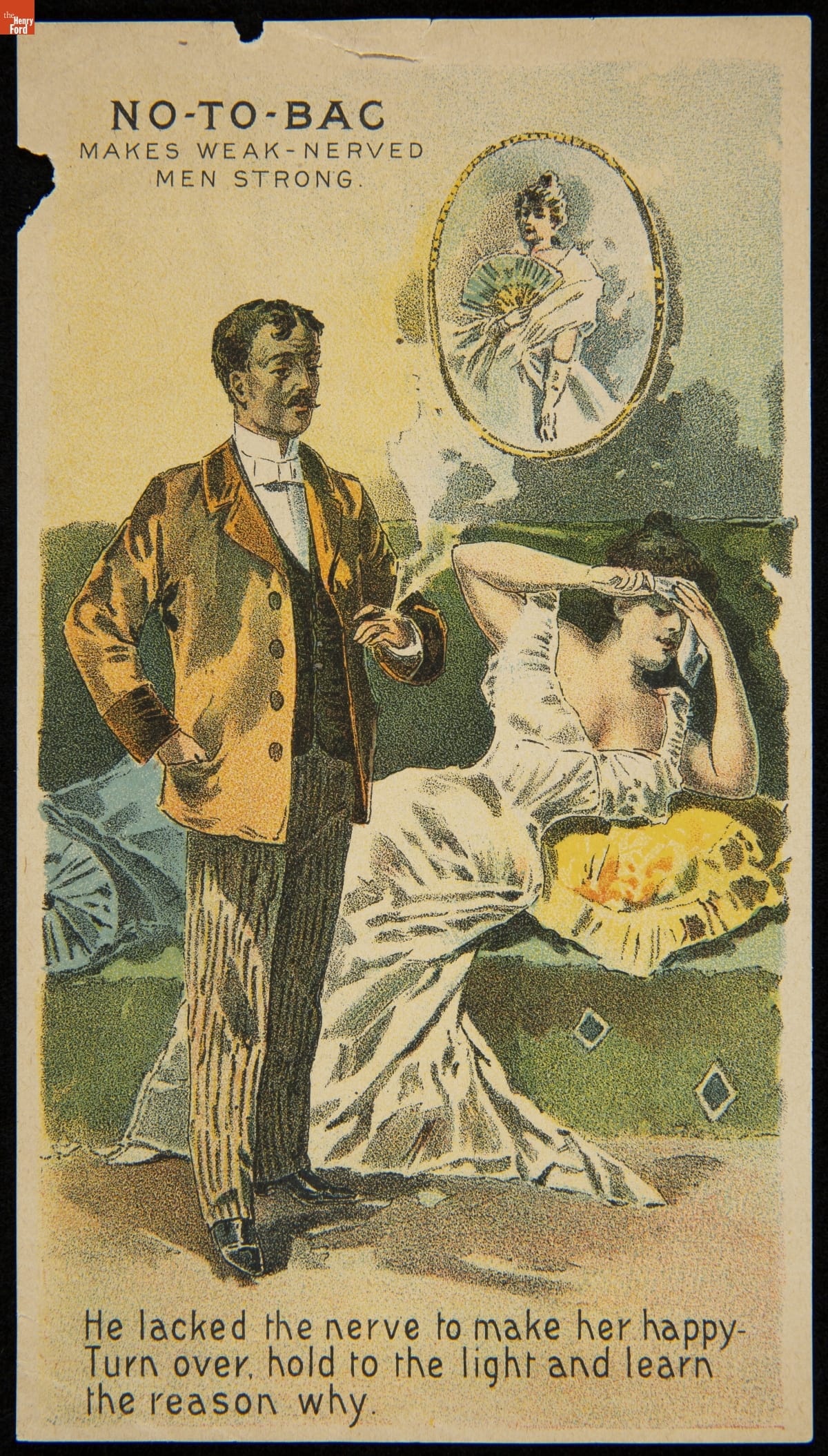
- circa 1894
- Collections - Artifact
Trade Card for "No-To-Bac" Tobacco, Sterling Products Co., circa 1894
In the last third of the nineteenth century, an unprecedented variety of consumer goods flooded the American market. Some enterprising advertisers sought to distinguish their products from the competition by distributing trade cards. Special versions revealed hidden images and words when held to the light. Americans enjoyed and often saved the popular little advertisements, which survive as historical records of consumerism in the United States.
- Trade Card for Blackwell's Durham Tobacco Company, "The Farm Yard," circa 1900 - In the last third of the nineteenth century, an unprecedented variety of consumer goods and services flooded the American market. Advertisers, armed with new methods of color printing, bombarded potential customers with trade cards. Americans enjoyed and often saved the vibrant little advertisements found in product packages or distributed by local merchants. Many survive as historical records of commercialism in the United States.
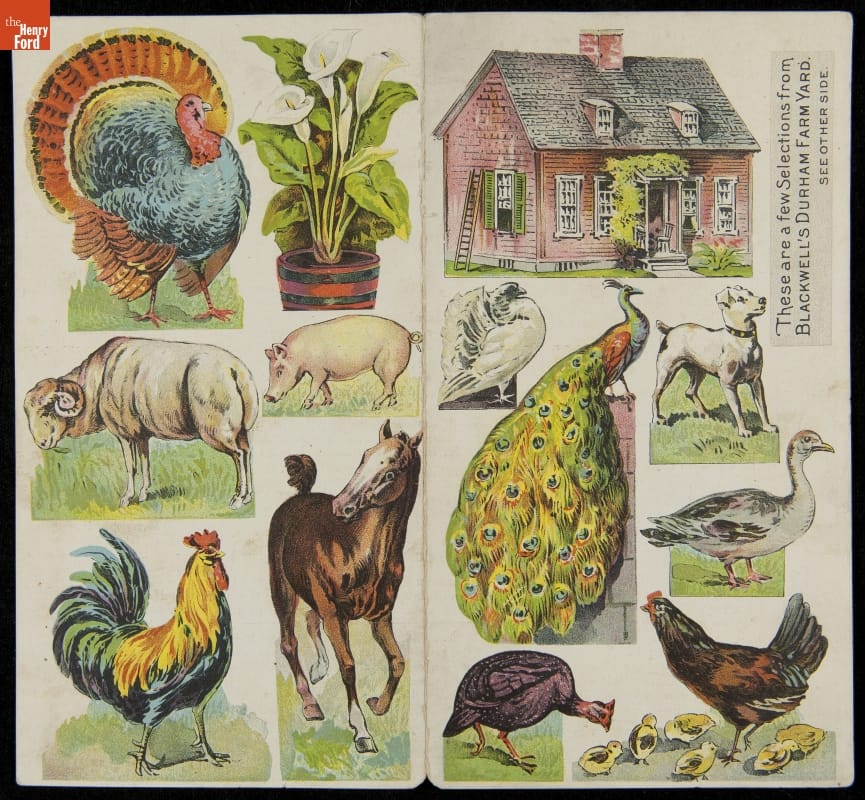
- circa 1900
- Collections - Artifact
Trade Card for Blackwell's Durham Tobacco Company, "The Farm Yard," circa 1900
In the last third of the nineteenth century, an unprecedented variety of consumer goods and services flooded the American market. Advertisers, armed with new methods of color printing, bombarded potential customers with trade cards. Americans enjoyed and often saved the vibrant little advertisements found in product packages or distributed by local merchants. Many survive as historical records of commercialism in the United States.
- Transient Biolistic Transformation of Cultured Tobacco Cells (TXD Cell Line) at 20X Magnification, 1988-1989 -

- 1988-1989
- Collections - Artifact
Transient Biolistic Transformation of Cultured Tobacco Cells (TXD Cell Line) at 20X Magnification, 1988-1989
- Trade Card for Kinney Brothers Tobacco Company, "The Old Reliable Sweet Caporal Cigarette," 1890 -
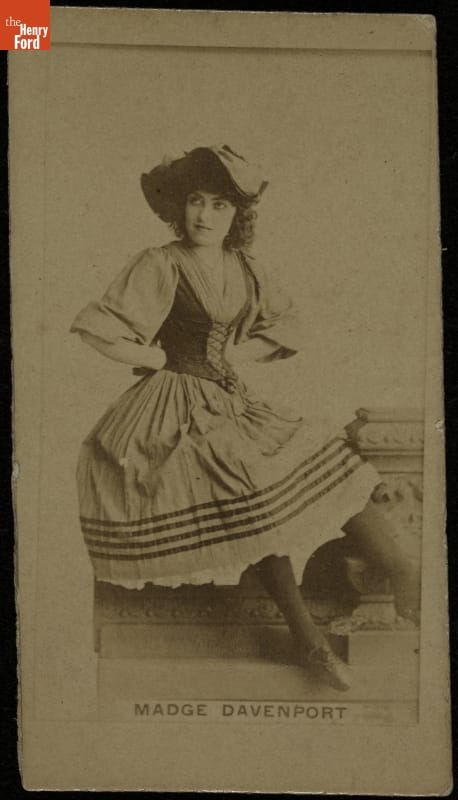
- 1890
- Collections - Artifact
Trade Card for Kinney Brothers Tobacco Company, "The Old Reliable Sweet Caporal Cigarette," 1890