
Search
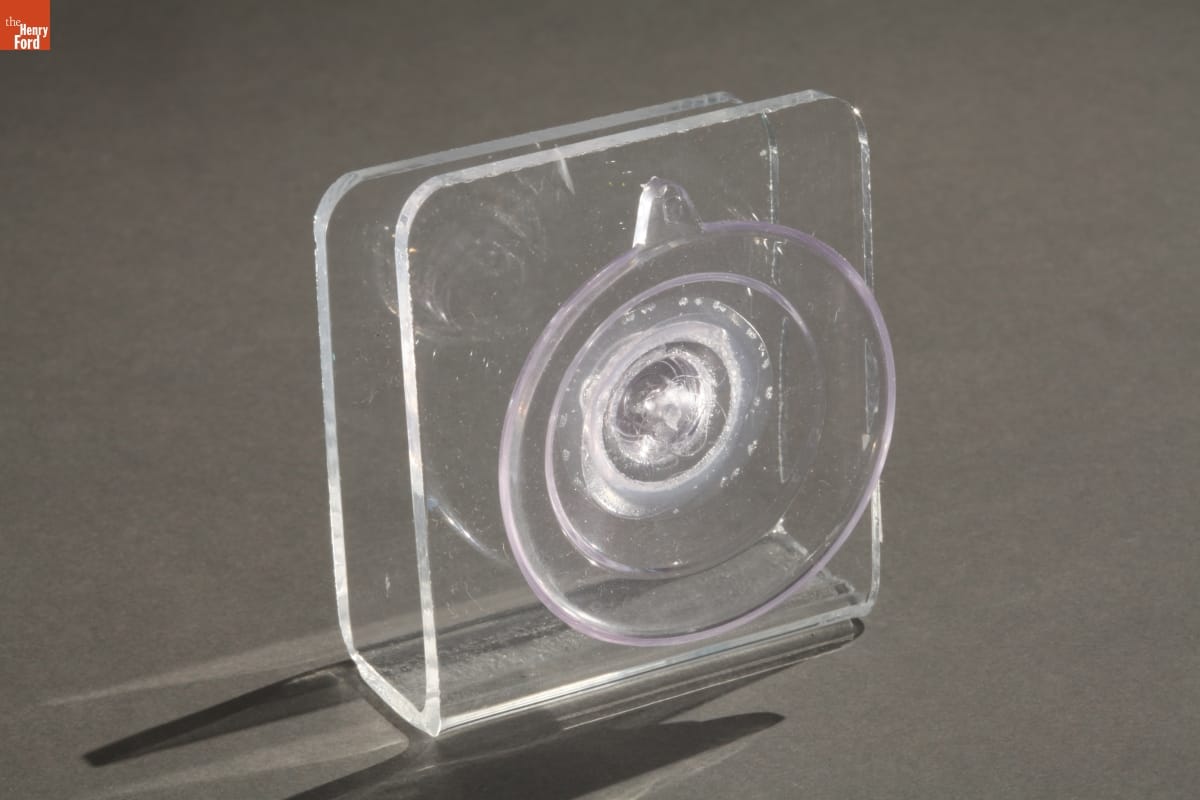
- Electronic Toll Pass Holder, 2010 - In the 1990s, many American toll roads introduced electronic collection devices. Often mounted to the interior of an automobile windshield in a container like this, the devices transmitted a signal to the toll plaza. Tolls were deducted from participating drivers' prepaid accounts as they cruised through the gates.
- 2010
- Collections - Artifact
Electronic Toll Pass Holder, 2010
In the 1990s, many American toll roads introduced electronic collection devices. Often mounted to the interior of an automobile windshield in a container like this, the devices transmitted a signal to the toll plaza. Tolls were deducted from participating drivers' prepaid accounts as they cruised through the gates.
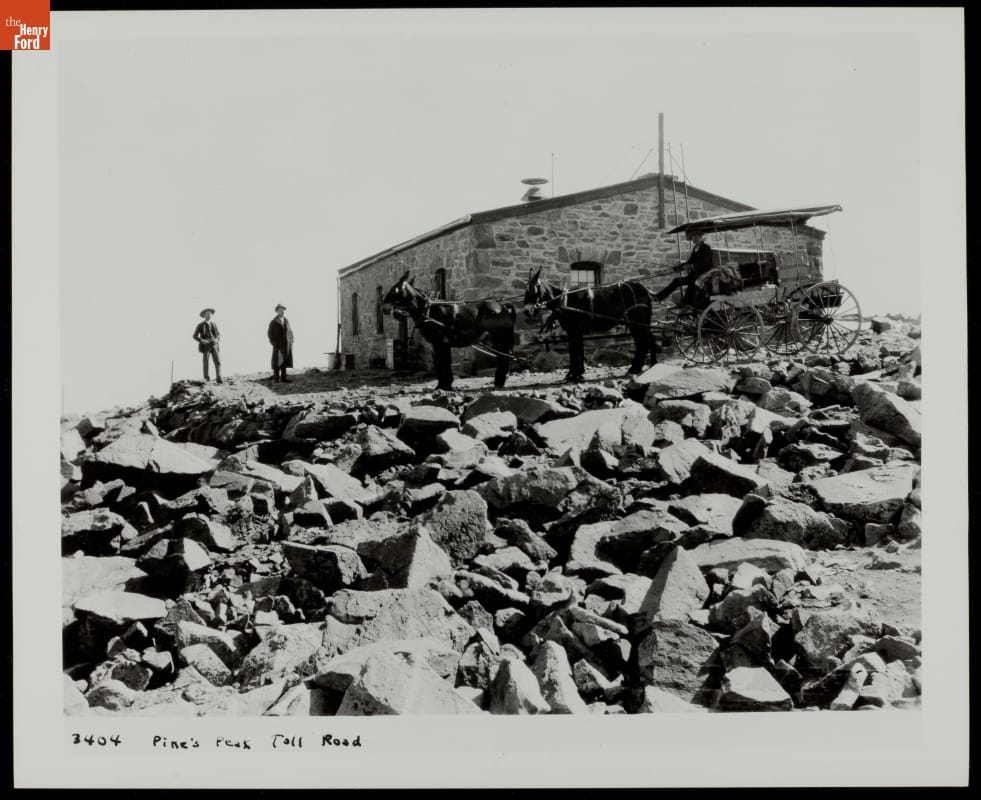
- Pike's Peak Toll Road, Colorado, circa 1890 - Pikes Peak -- near Colorado Springs in the Colorado Rocky Mountains -- drew many tourists in the late nineteenth century. By 1890, the Cascade and Pikes Peak Toll Road Company had opened a rough passage up the mountain. During their long ascent, paying sightseers in mule-drawn carriages passed this closed U.S. Army Signal Corps weather observatory station.
- circa 1890
- Collections - Artifact
Pike's Peak Toll Road, Colorado, circa 1890
Pikes Peak -- near Colorado Springs in the Colorado Rocky Mountains -- drew many tourists in the late nineteenth century. By 1890, the Cascade and Pikes Peak Toll Road Company had opened a rough passage up the mountain. During their long ascent, paying sightseers in mule-drawn carriages passed this closed U.S. Army Signal Corps weather observatory station.
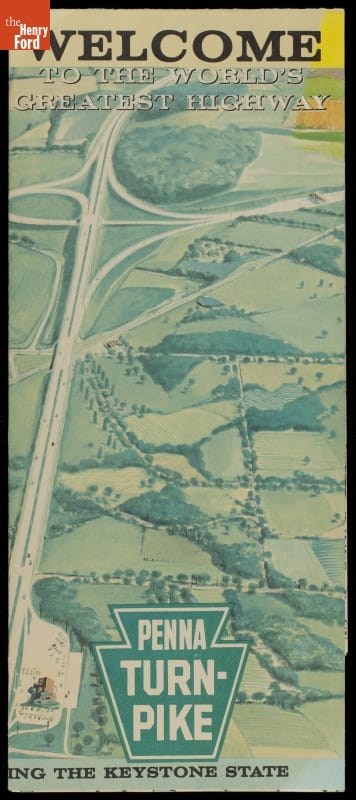
- "Welcome to the World's Greatest Highway: Penna Turnpike," 1957 - The Pennsylvania Turnpike Commission touted the turnpike as "The World's Greatest Highway" in this early 1957 brochure. The Commission highlighted the convenience, safety, and comfort of using their turnpike versus other American highways. The brochure contains the standard helpful tools such as maps, mileage tables, driving rules and regulations, and a fare schedule.
- 1957
- Collections - Artifact
"Welcome to the World's Greatest Highway: Penna Turnpike," 1957
The Pennsylvania Turnpike Commission touted the turnpike as "The World's Greatest Highway" in this early 1957 brochure. The Commission highlighted the convenience, safety, and comfort of using their turnpike versus other American highways. The brochure contains the standard helpful tools such as maps, mileage tables, driving rules and regulations, and a fare schedule.
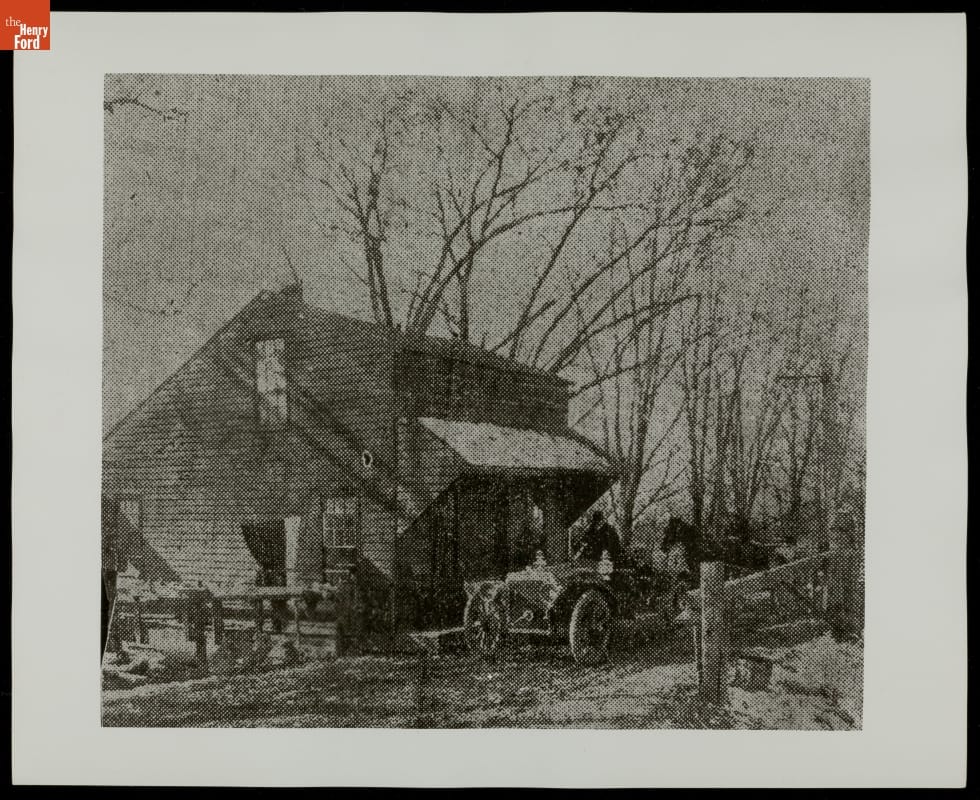
- Toll Gate on Mill Road and Grand River Avenue, Detroit, Michigan, 1900-1915 - Continuing a practice dating to the late 1700s, some entrepreneurs charged tolls for privately maintained roads. Here, a horse-drawn vehicle lines up behind an automobile at a toll gate in early 20th-century Detroit. Few of these improvised toll roads turned a profit.
- 1900-1915
- Collections - Artifact
Toll Gate on Mill Road and Grand River Avenue, Detroit, Michigan, 1900-1915
Continuing a practice dating to the late 1700s, some entrepreneurs charged tolls for privately maintained roads. Here, a horse-drawn vehicle lines up behind an automobile at a toll gate in early 20th-century Detroit. Few of these improvised toll roads turned a profit.
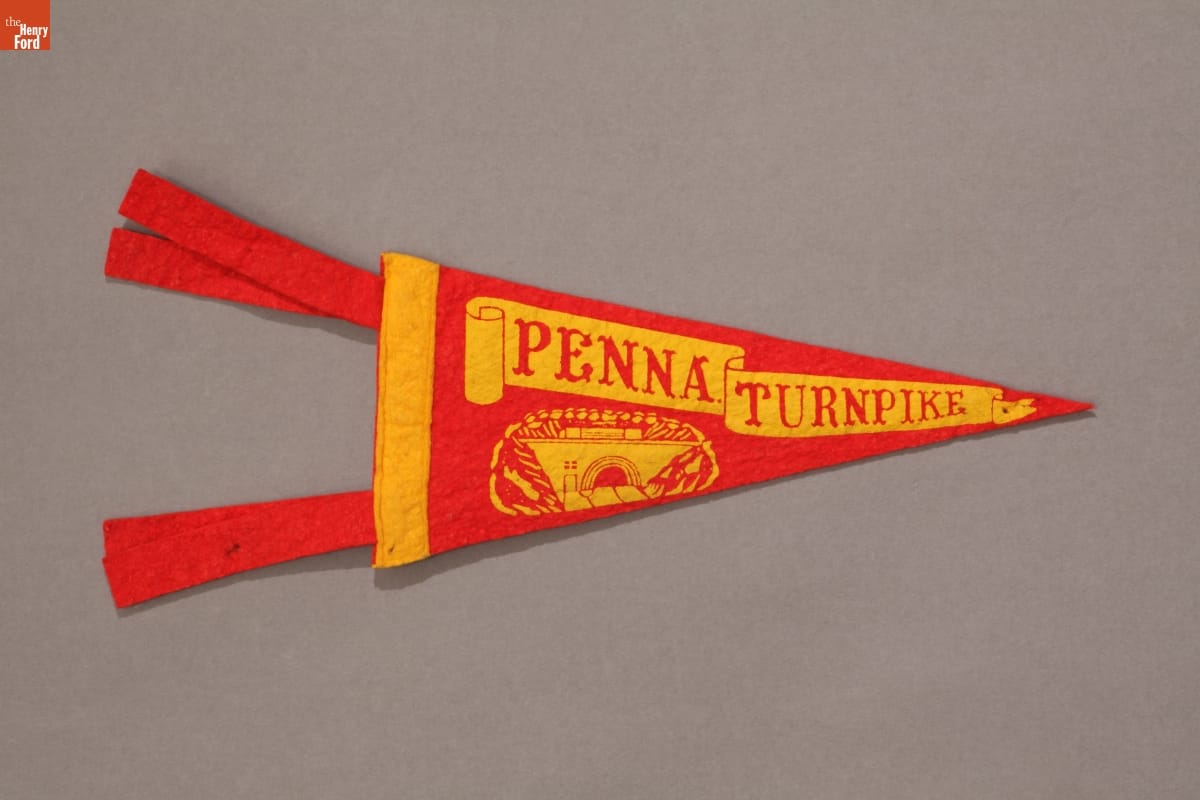
- Pennsylvania Turnpike Pennant, 1945-1960 - Though some people expressed doubt, thousands enthusiastically paid tolls on the Pennsylvania Turnpike when it opened in 1940, simply for the privilege of driving fast and effortlessly. The Turnpike was an engineering triumph, involving multiple lanes of continuous concrete pavement that bypassed 939 local roads and cut through seven mountains. This pennant provided a souvenir of the travel experience.
- 1945-1960
- Collections - Artifact
Pennsylvania Turnpike Pennant, 1945-1960
Though some people expressed doubt, thousands enthusiastically paid tolls on the Pennsylvania Turnpike when it opened in 1940, simply for the privilege of driving fast and effortlessly. The Turnpike was an engineering triumph, involving multiple lanes of continuous concrete pavement that bypassed 939 local roads and cut through seven mountains. This pennant provided a souvenir of the travel experience.
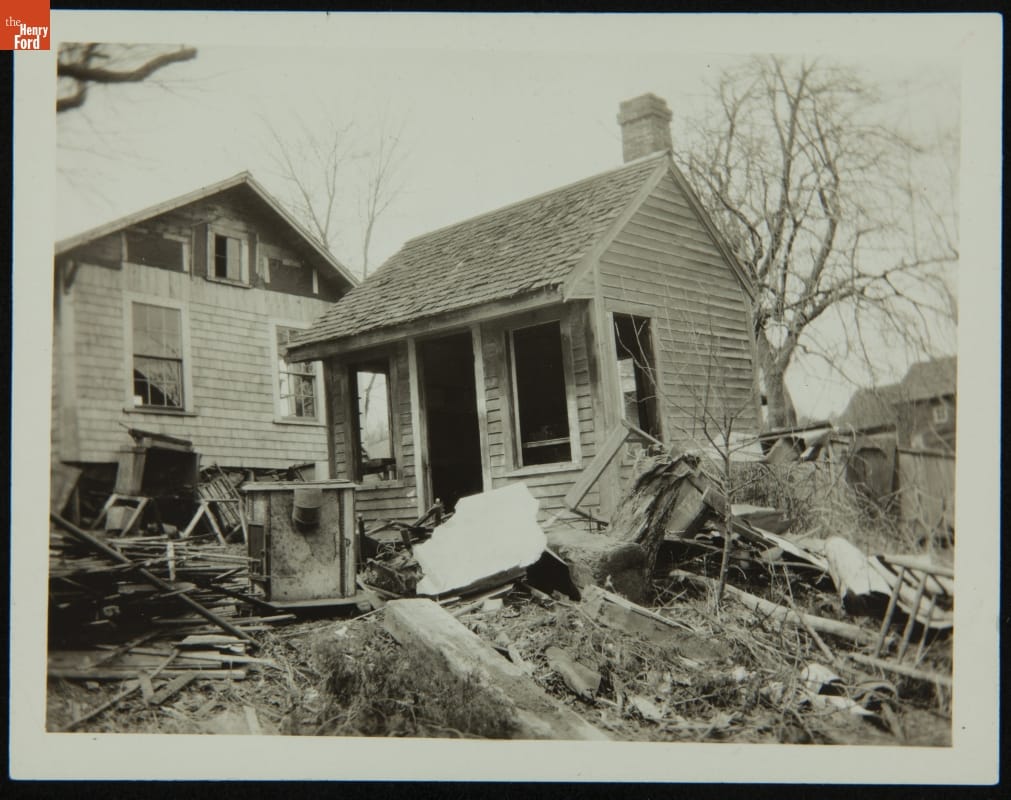
- Rocks Village Toll House in East Haverhill, Massachusetts, 1928 - This photograph shows the Rocks Village Toll House located near Haverhill, Massachusetts. Just as private ferry operators carried early travelers across rivers, many early bridges were built and operated as private businesses, and travelers paid tolls to cross them. Workers at this toll house collected fares for a bridge across the Merrimack River.
- April 01, 1928
- Collections - Artifact
Rocks Village Toll House in East Haverhill, Massachusetts, 1928
This photograph shows the Rocks Village Toll House located near Haverhill, Massachusetts. Just as private ferry operators carried early travelers across rivers, many early bridges were built and operated as private businesses, and travelers paid tolls to cross them. Workers at this toll house collected fares for a bridge across the Merrimack River.
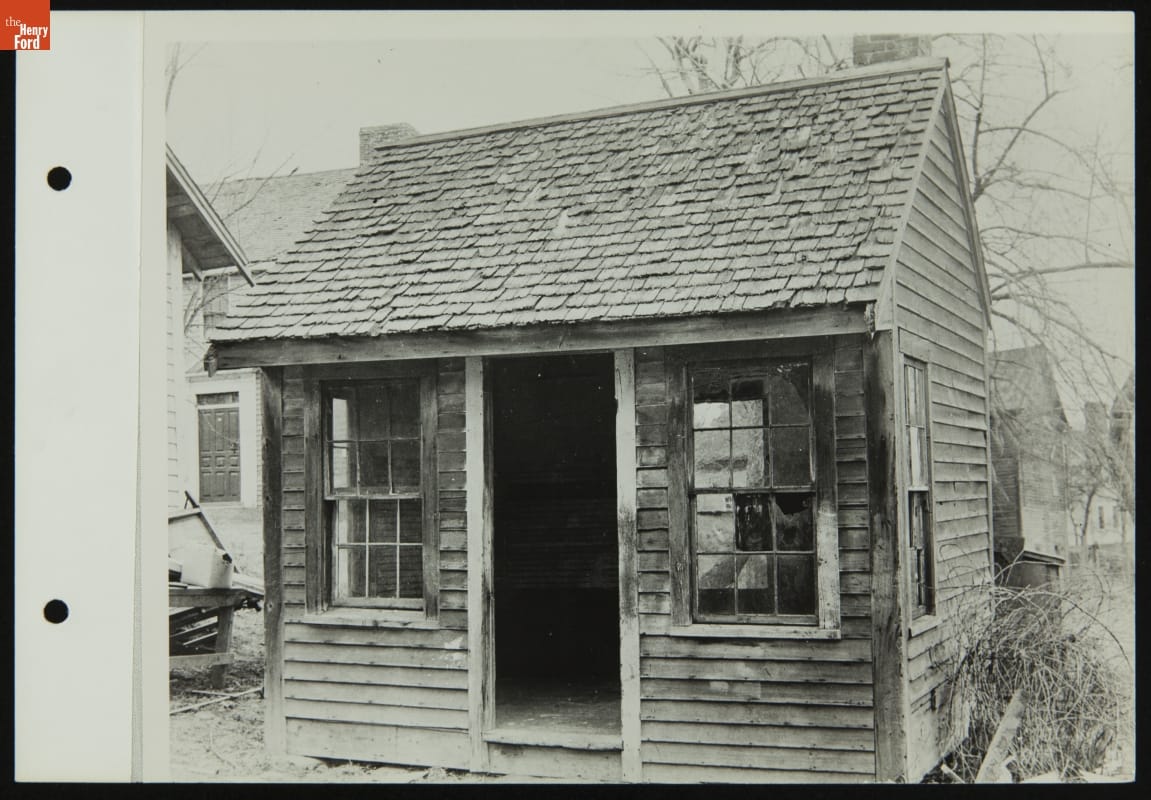
- Rocks Village Toll House in East Haverhill, Massachusetts, 1928 - This photograph shows the Rocks Village Toll House located near Haverhill, Massachusetts. Just as private ferry operators carried early travelers across rivers, many early bridges were built and operated as private businesses, and travelers paid tolls to cross them. Workers at this toll house collected fares for a bridge across the Merrimack River.
- 1928
- Collections - Artifact
Rocks Village Toll House in East Haverhill, Massachusetts, 1928
This photograph shows the Rocks Village Toll House located near Haverhill, Massachusetts. Just as private ferry operators carried early travelers across rivers, many early bridges were built and operated as private businesses, and travelers paid tolls to cross them. Workers at this toll house collected fares for a bridge across the Merrimack River.
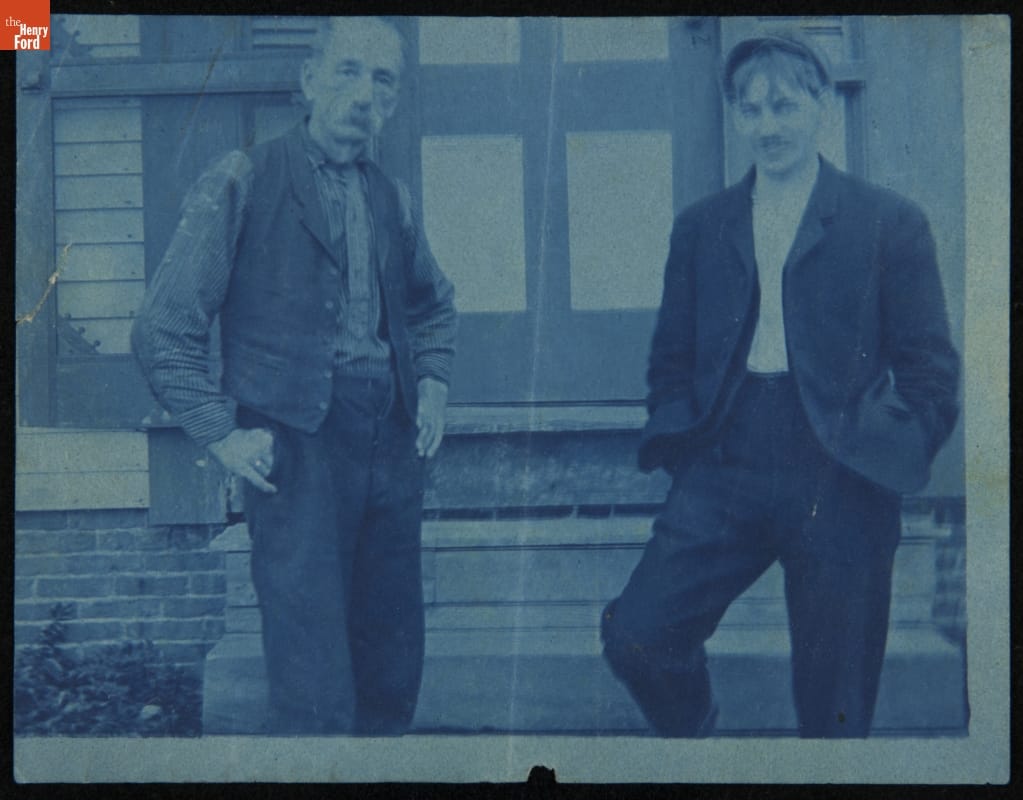
- Tom Quested, Former Rocks Village Bridge Toll House Keeper and Draw Tender, East Haverhill, Massachusetts - At left in this scene is Tom Quested, identified as a one-time toll collector at the Rocks Village Bridge near Haverhill, Massachusetts. Quested also operated the bridge's movable drawspan, which allowed tall ships on the Merrimack River to pass through it. In their spare time, some Rocks Village toll collectors made and repaired shoes.
- Collections - Artifact
Tom Quested, Former Rocks Village Bridge Toll House Keeper and Draw Tender, East Haverhill, Massachusetts
At left in this scene is Tom Quested, identified as a one-time toll collector at the Rocks Village Bridge near Haverhill, Massachusetts. Quested also operated the bridge's movable drawspan, which allowed tall ships on the Merrimack River to pass through it. In their spare time, some Rocks Village toll collectors made and repaired shoes.
- I-PASS Electronic Toll Pass Transponder, circa 2006 - This electronic collection device reduced collection time on Illinois toll roads. Drivers mounted the device on the interior of an automobile windshield. The device sent out an electronic signal to the toll plaza and the toll was deducted from the driver's prepaid account as they cruised through the gates. Devices like this were introduced in the 1990s.

- circa 2006
- Collections - Artifact
I-PASS Electronic Toll Pass Transponder, circa 2006
This electronic collection device reduced collection time on Illinois toll roads. Drivers mounted the device on the interior of an automobile windshield. The device sent out an electronic signal to the toll plaza and the toll was deducted from the driver's prepaid account as they cruised through the gates. Devices like this were introduced in the 1990s.
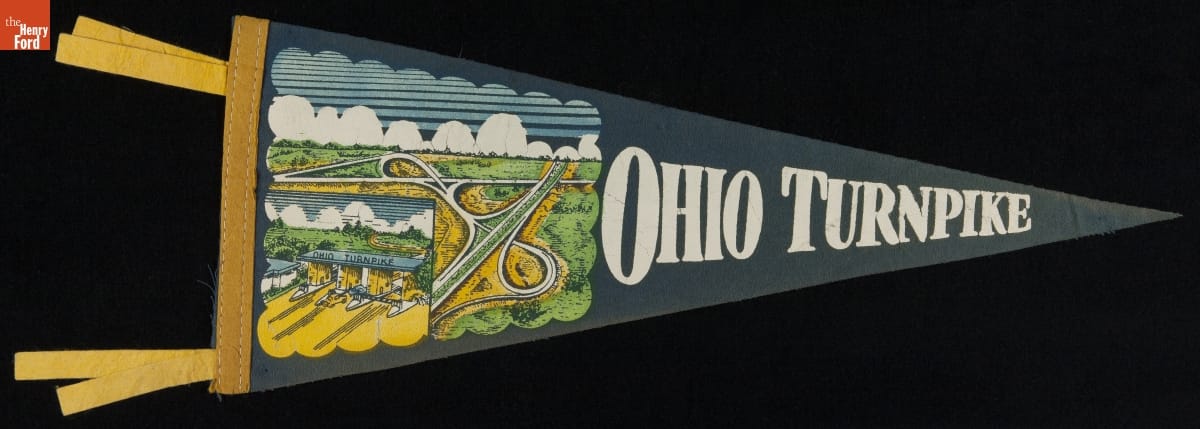
- Pennant, "Ohio Turnpike," circa 1960 - After World War II, highways were flooded with family vacationers out to enjoy their new cars and all that America had to offer. Turnpikes and thruways -- limited access toll roads for high-speed traffic -- made their trips easier. Vacationers who used the Ohio Turnpike could remember their experience on America's modern highways with this souvenir pennant.
- circa 1960
- Collections - Artifact
Pennant, "Ohio Turnpike," circa 1960
After World War II, highways were flooded with family vacationers out to enjoy their new cars and all that America had to offer. Turnpikes and thruways -- limited access toll roads for high-speed traffic -- made their trips easier. Vacationers who used the Ohio Turnpike could remember their experience on America's modern highways with this souvenir pennant.