
Search
- Cross Section of Carbon Button Telephone Transmitter, 1878 -
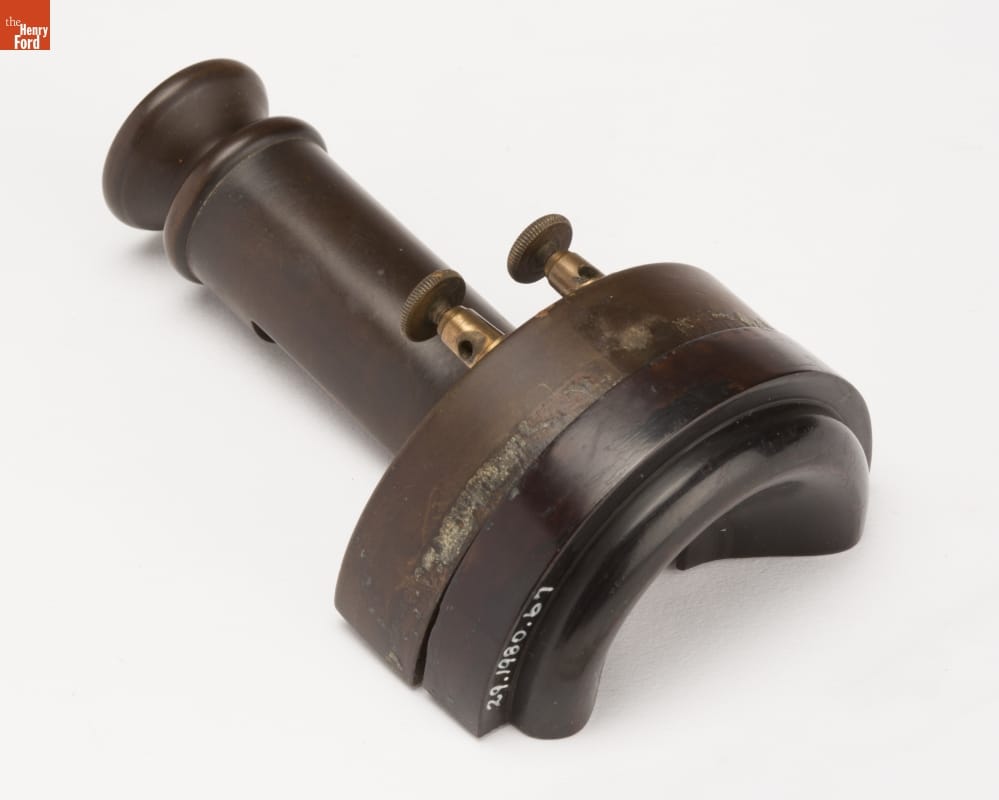
- 1878
- Collections - Artifact
Cross Section of Carbon Button Telephone Transmitter, 1878
- Telephone Transmitter Component, 1880-1920 -
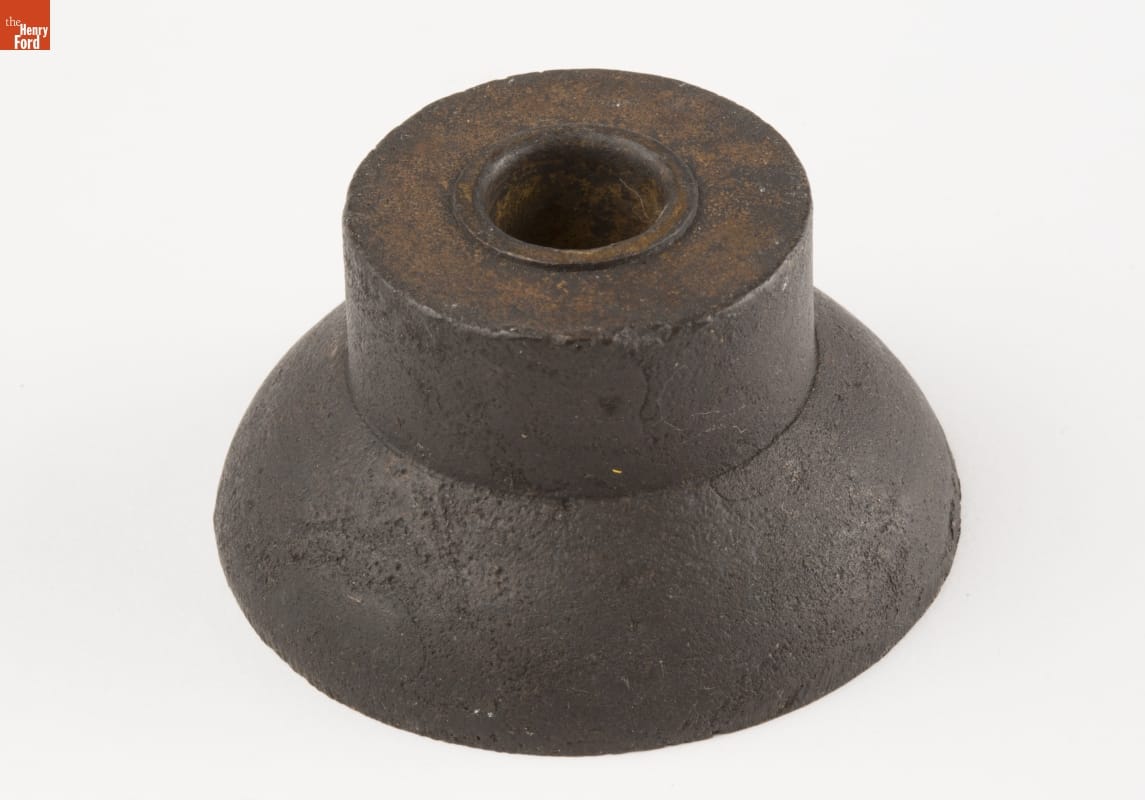
- 1880-1920
- Collections - Artifact
Telephone Transmitter Component, 1880-1920
- Spark Gap Transmitter, 1910-1925 - Spark gap transmitters were the first means of practical radio transmission for the first thirty years of radio development. By the end of WWI, vacuum tube technology advanced sufficiently, replacing the spark gap. Even though the vacuum tube ensured more efficient and reliable transmissions, commercial use of spark gap transmitters continued up until WWII as back-up transmitters.
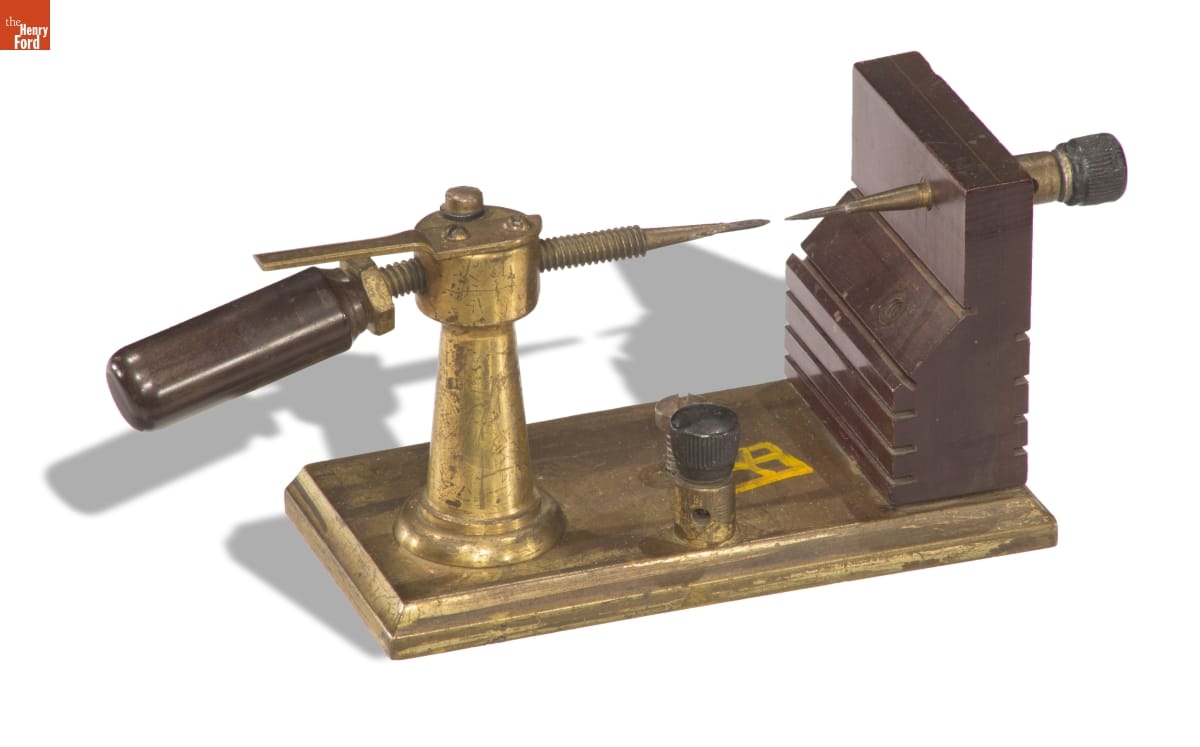
- 1910-1925
- Collections - Artifact
Spark Gap Transmitter, 1910-1925
Spark gap transmitters were the first means of practical radio transmission for the first thirty years of radio development. By the end of WWI, vacuum tube technology advanced sufficiently, replacing the spark gap. Even though the vacuum tube ensured more efficient and reliable transmissions, commercial use of spark gap transmitters continued up until WWII as back-up transmitters.
- Telephone Transmitter, 1870-1900 -
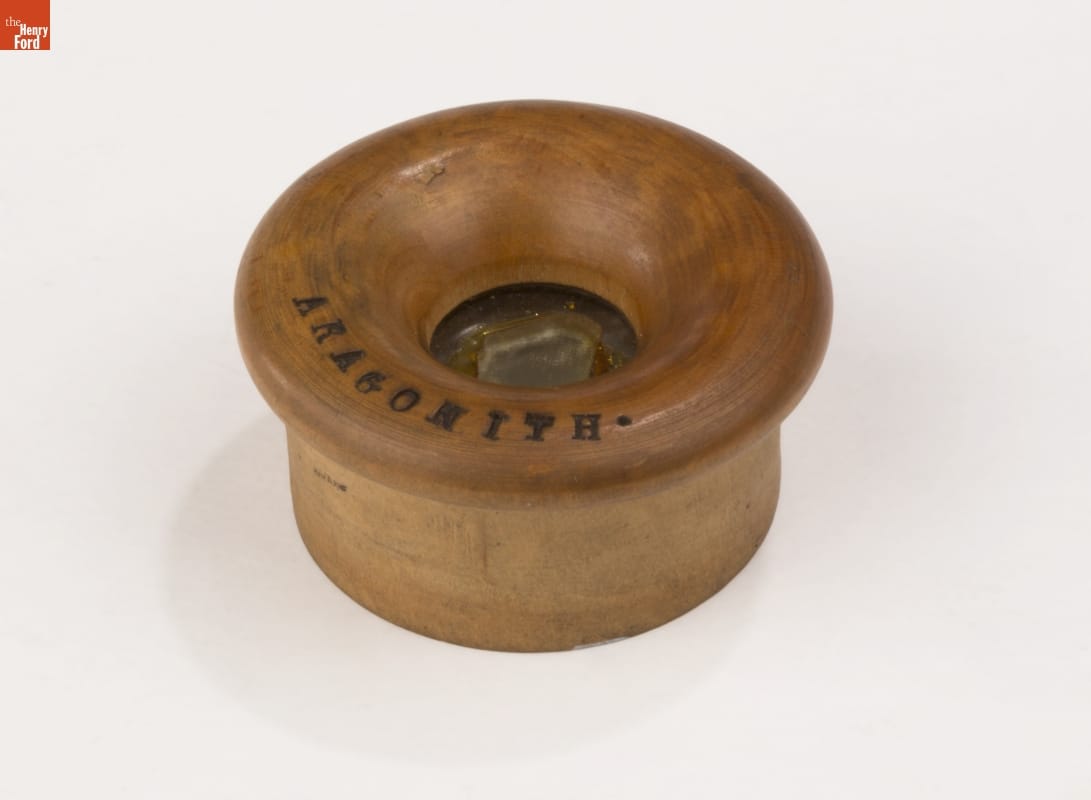
- 1870-1900
- Collections - Artifact
Telephone Transmitter, 1870-1900
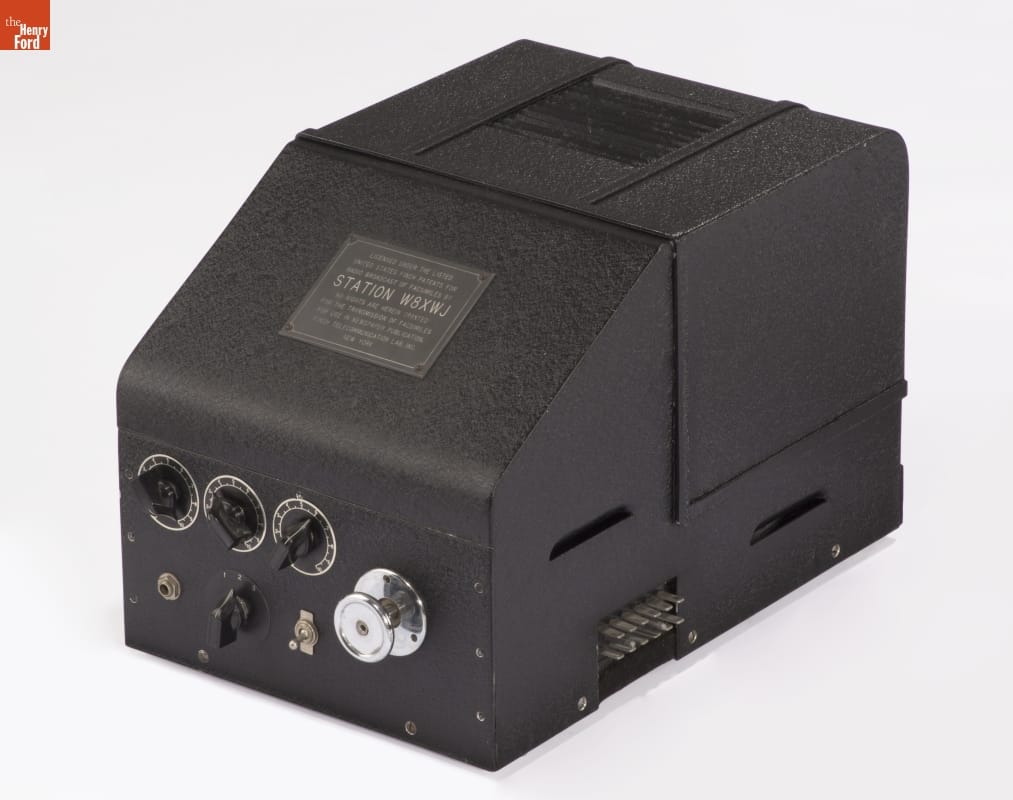
- Finch Facsimile Transmitter, 1938-1940 - From 1938-1940, the <EM>Detroit News</EM> experimented with a domestic radio-facsimile subscription service. This transmitter converted images and text into electrical impulses, sent over the radio waves--reassembled by receivers in the homes of customers. The idea was revolutionary, however, the process was slow and signal reception was unreliable beyond a mile or two of the transmission tower.
- 1938-1940
- Collections - Artifact
Finch Facsimile Transmitter, 1938-1940
From 1938-1940, the Detroit News experimented with a domestic radio-facsimile subscription service. This transmitter converted images and text into electrical impulses, sent over the radio waves--reassembled by receivers in the homes of customers. The idea was revolutionary, however, the process was slow and signal reception was unreliable beyond a mile or two of the transmission tower.
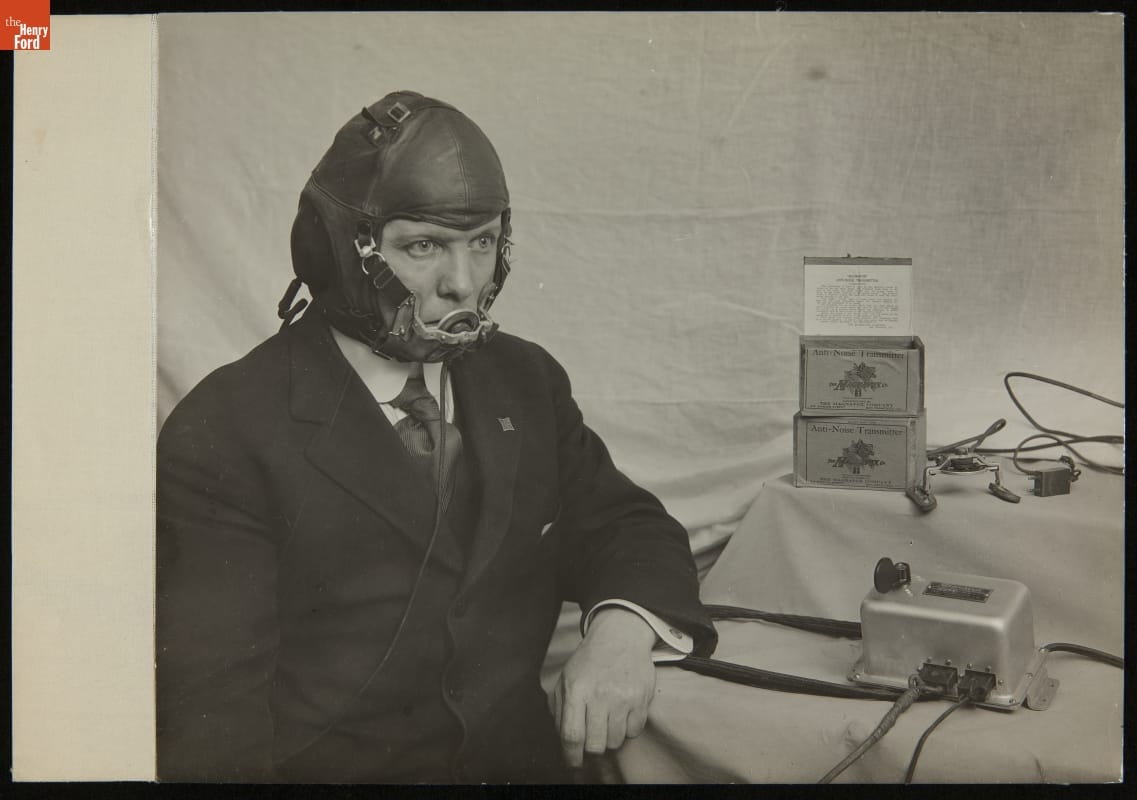
- Edwin S. Pridham Testing the Magnavox Anti-Noise Transmitter, 1919 -
- 1919
- Collections - Artifact
Edwin S. Pridham Testing the Magnavox Anti-Noise Transmitter, 1919
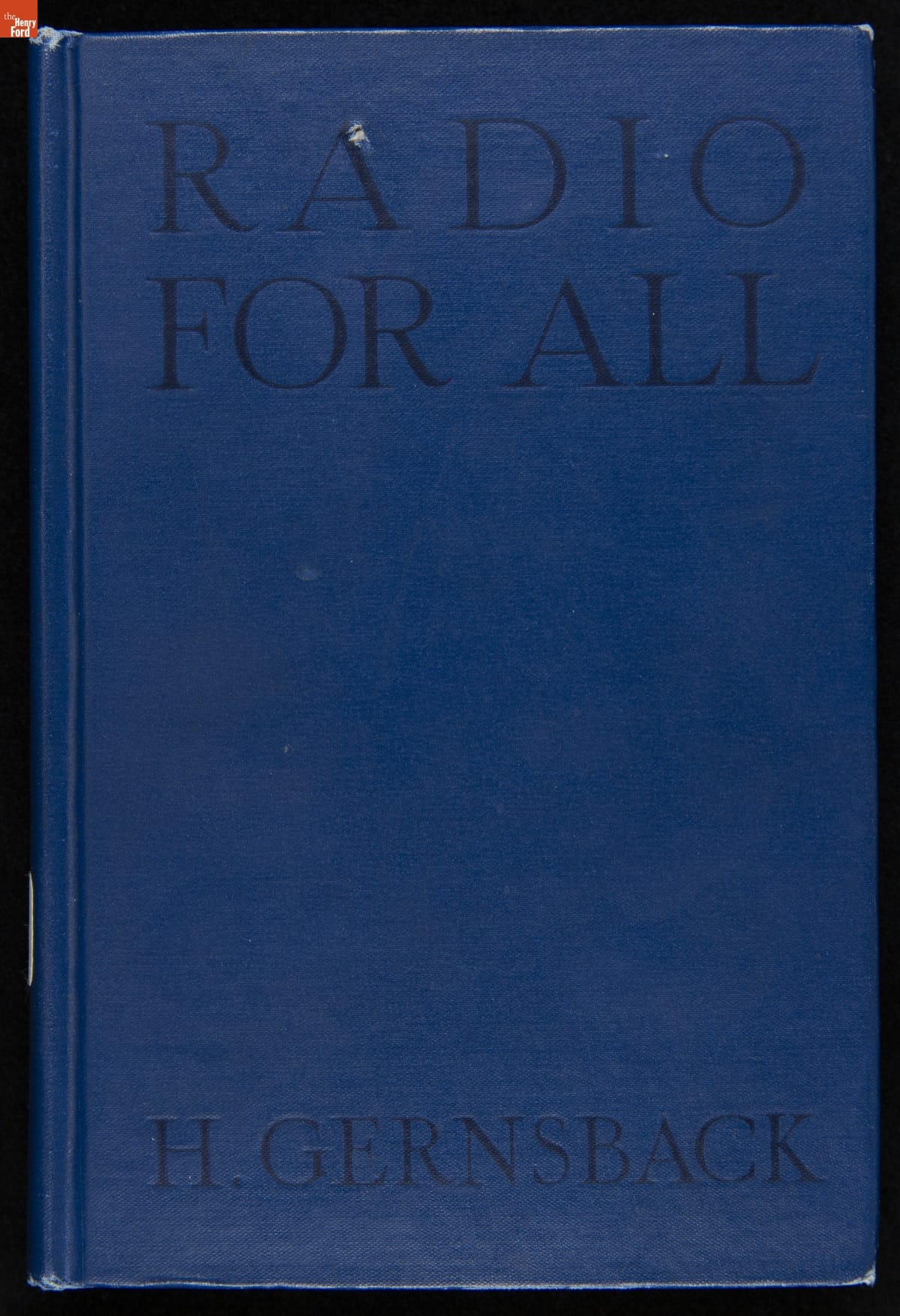
- Radio for All, 1922 - Hugo Gernsback was the publisher of the first science fiction and radio electronics magazines. His 1922 book "Radio for All" is an accessible primer on radio history and operation. In it, he also imagined a holistic, technology-driven future where radio waves controlled aircraft and autonomous ships, delivered newspapers, acted as telemedicine and radiotelephone portals -- and even powered roller skates!
- 1922
- Collections - Artifact
Radio for All, 1922
Hugo Gernsback was the publisher of the first science fiction and radio electronics magazines. His 1922 book "Radio for All" is an accessible primer on radio history and operation. In it, he also imagined a holistic, technology-driven future where radio waves controlled aircraft and autonomous ships, delivered newspapers, acted as telemedicine and radiotelephone portals -- and even powered roller skates!
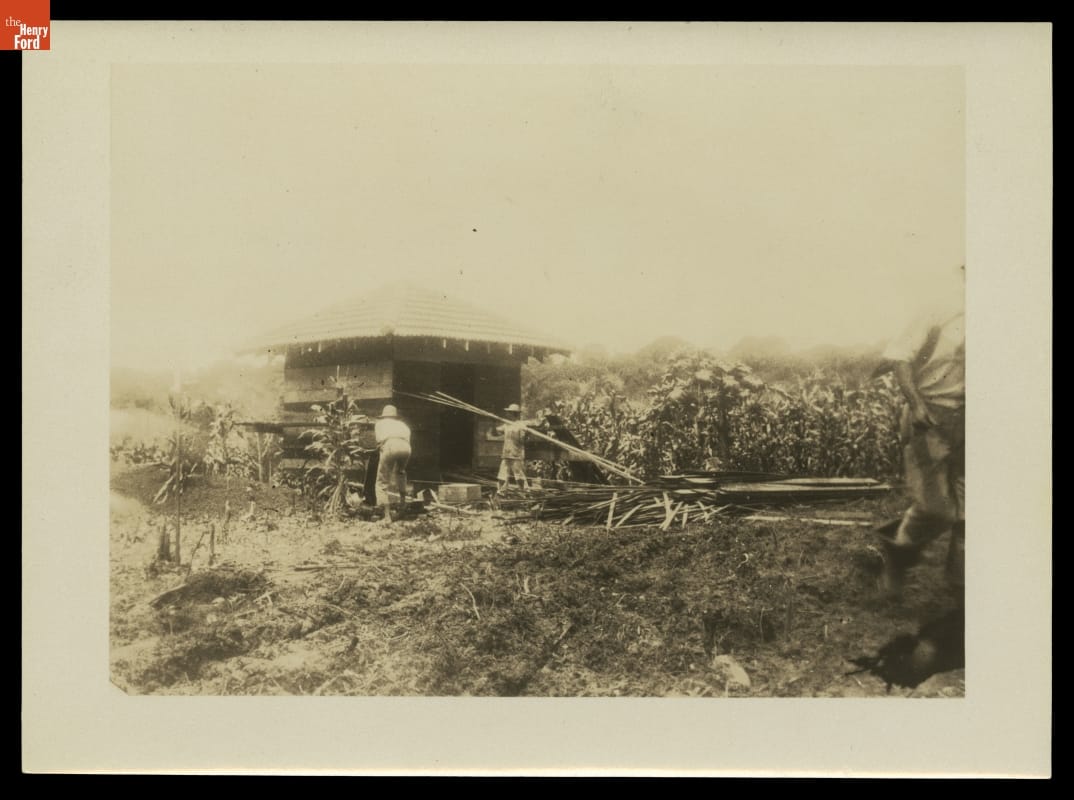
- Construction of Radio Transmitter House, Fordlandia, Brazil, March 1929 -
- March 23, 1929
- Collections - Artifact
Construction of Radio Transmitter House, Fordlandia, Brazil, March 1929
- Teletype Photoelectric Transmitter, circa 1937 -
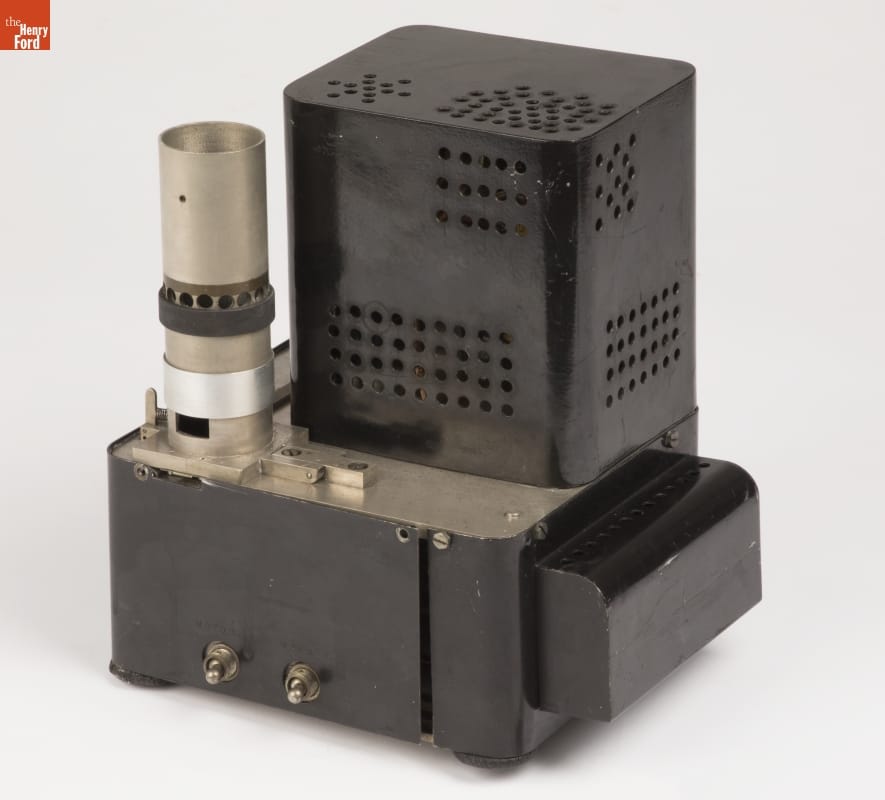
- circa 1937
- Collections - Artifact
Teletype Photoelectric Transmitter, circa 1937
- Van Dyke VX40 Radio Tube -
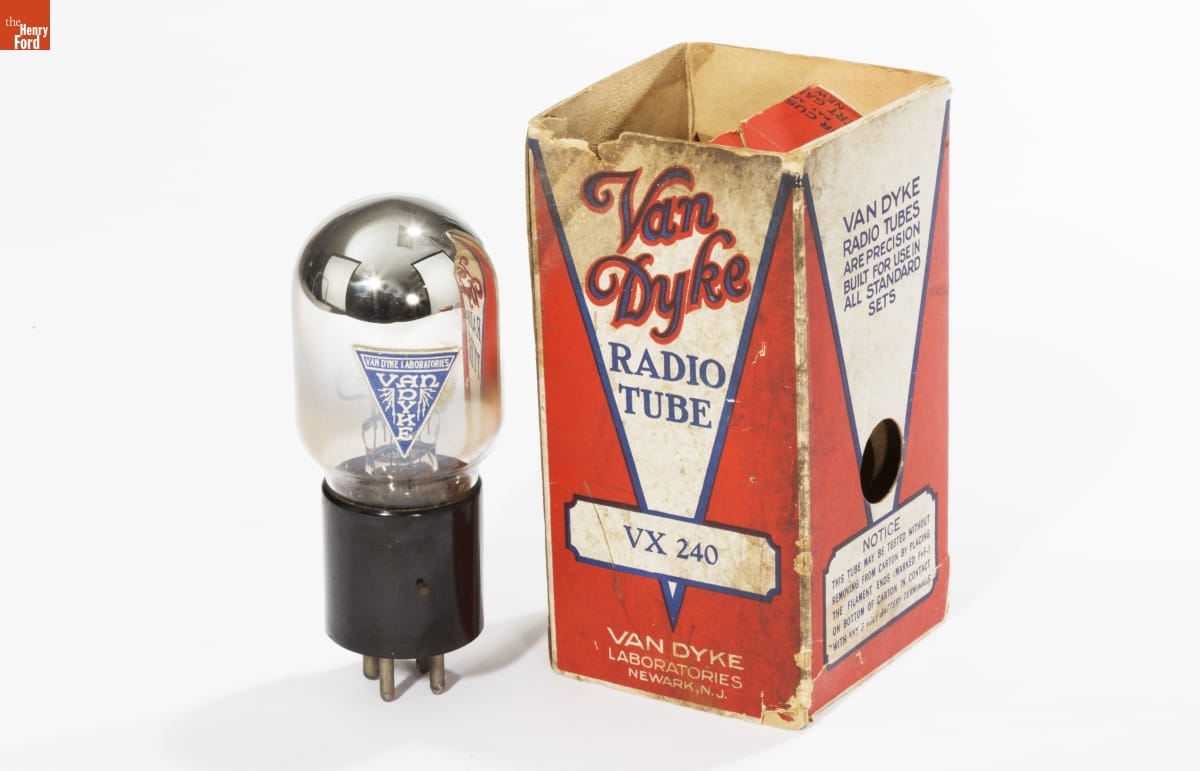
- Collections - Artifact
Van Dyke VX40 Radio Tube