
Search
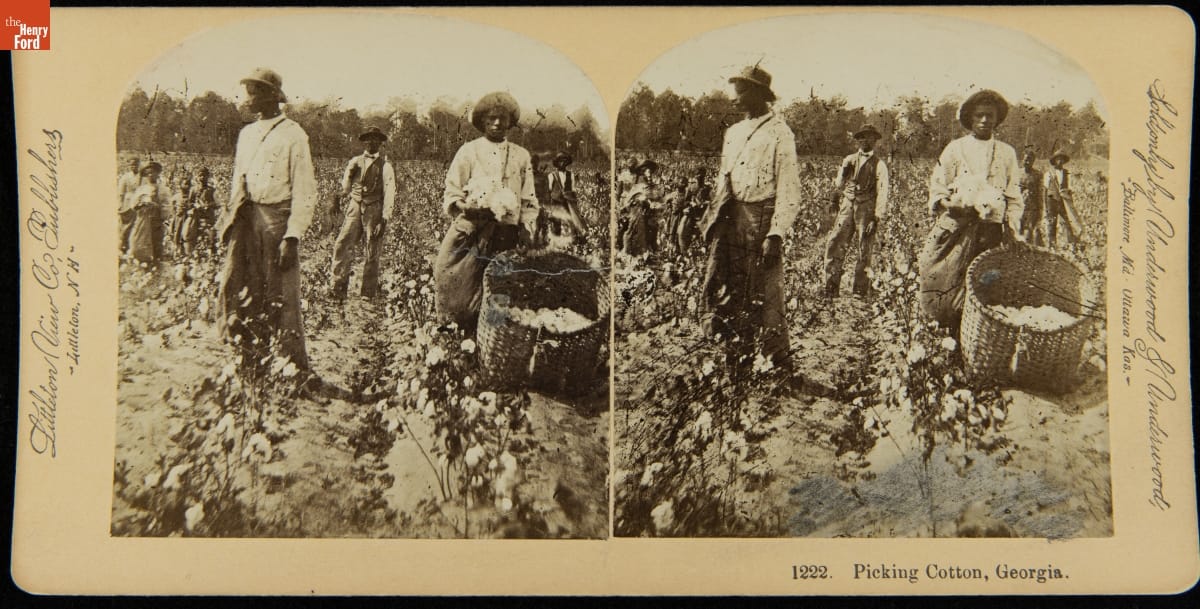
- Picking Cotton, Georgia, 1887 -
- 1887
- Collections - Artifact
Picking Cotton, Georgia, 1887
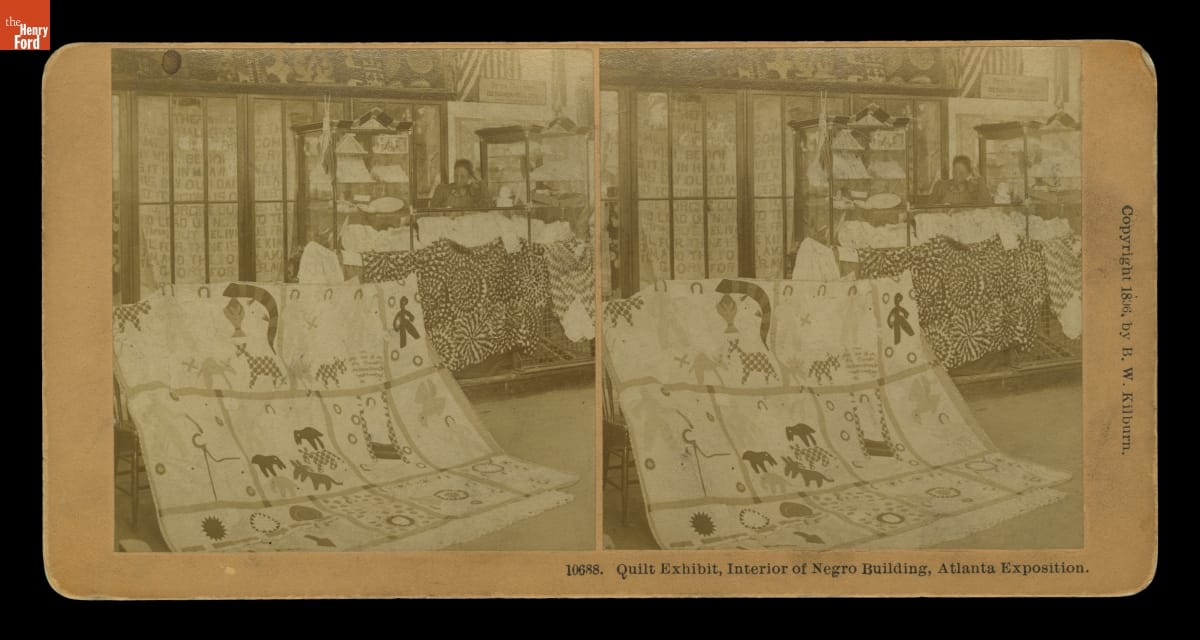
- "Quilt Exhibit, Interior of Negro Building at Atlanta Exposition," 1895 - Former slave Harriet Powers made this striking Bible quilt, with its bold figures that depict biblical events, during the mid-1880s. A decade later, the quilt--sold by Powers out of need--was exhibited at this 1895 exposition in Atlanta. For decades, Powers received little recognition for her work. Today, she is one of the best-known Southern quilt makers.
- 1895
- Collections - Artifact
"Quilt Exhibit, Interior of Negro Building at Atlanta Exposition," 1895
Former slave Harriet Powers made this striking Bible quilt, with its bold figures that depict biblical events, during the mid-1880s. A decade later, the quilt--sold by Powers out of need--was exhibited at this 1895 exposition in Atlanta. For decades, Powers received little recognition for her work. Today, she is one of the best-known Southern quilt makers.
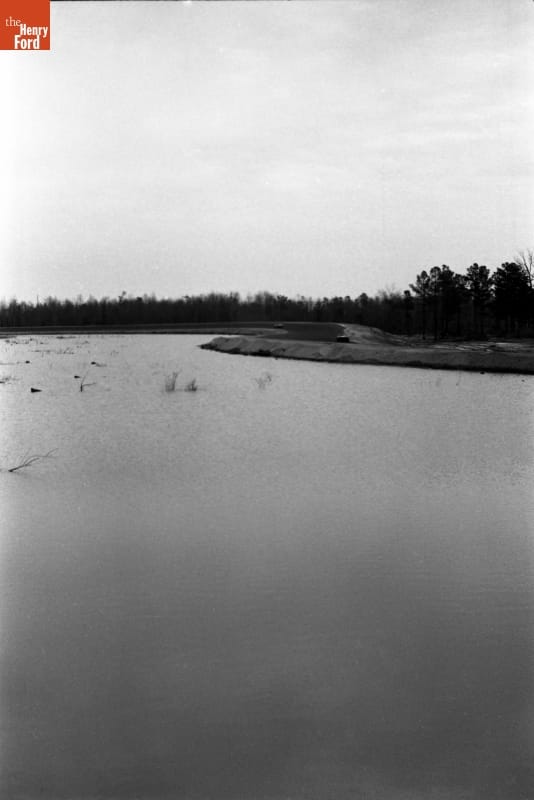
- United States Road Racing Championship, Augusta, Georgia, February - March 1964 - Dave Friedman has captured and preserved auto racing history through his photography. His work -- and his collection of works by other photographers -- documents key races, vehicles, drivers, and teams. At the 1964 U.S. Road Racing Championship event in Augusta, Georgia, Shelby American Cobras placed 1-2 in the Manufacturers' race. In the Drivers' race, Dave MacDonald's Shelby Cooper-Ford finished ahead of Jim Hall's Chaparral.
- 29 February 1964 - 01 March 1964
- Collections - Artifact
United States Road Racing Championship, Augusta, Georgia, February - March 1964
Dave Friedman has captured and preserved auto racing history through his photography. His work -- and his collection of works by other photographers -- documents key races, vehicles, drivers, and teams. At the 1964 U.S. Road Racing Championship event in Augusta, Georgia, Shelby American Cobras placed 1-2 in the Manufacturers' race. In the Drivers' race, Dave MacDonald's Shelby Cooper-Ford finished ahead of Jim Hall's Chaparral.
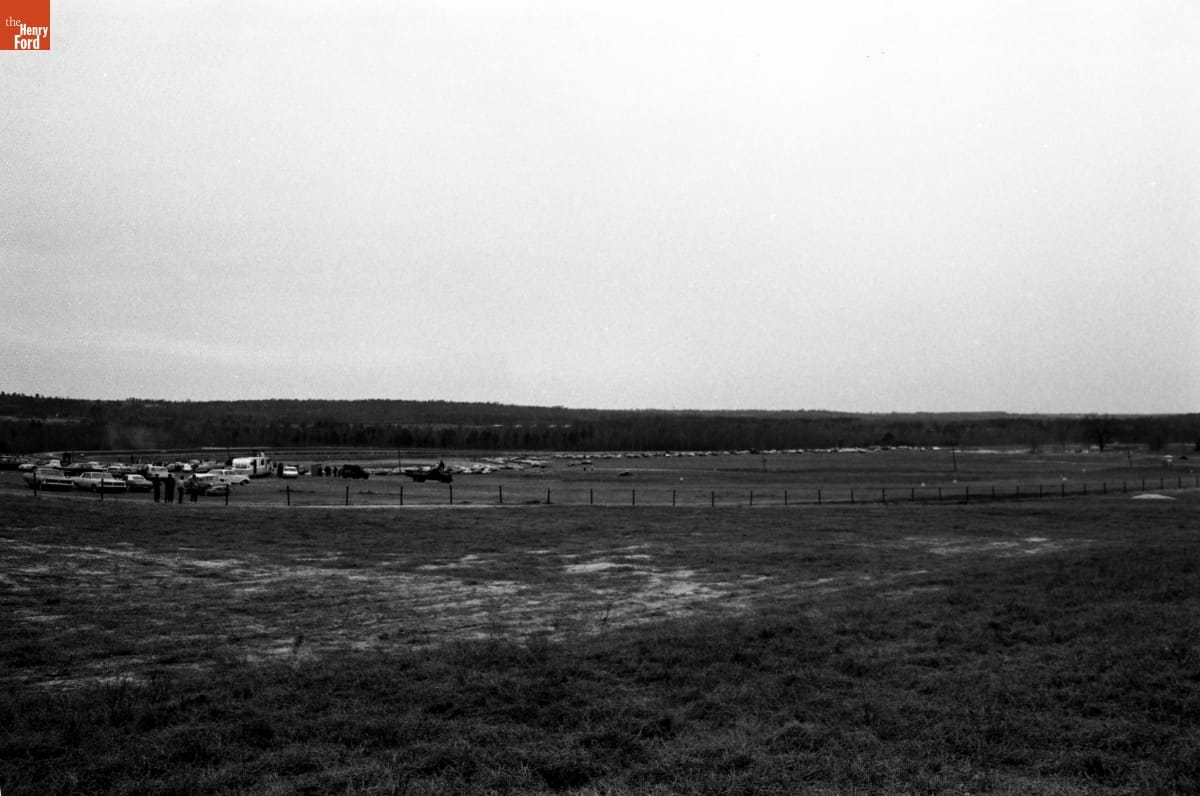
- United States Road Racing Championship, Augusta, Georgia, February - March 1964 - Dave Friedman has captured and preserved auto racing history through his photography. His work -- and his collection of works by other photographers -- documents key races, vehicles, drivers, and teams. At the 1964 U.S. Road Racing Championship event in Augusta, Georgia, Shelby American Cobras placed 1-2 in the Manufacturers' race. In the Drivers' race, Dave MacDonald's Shelby Cooper-Ford finished ahead of Jim Hall's Chaparral.
- 29 February 1964 - 01 March 1964
- Collections - Artifact
United States Road Racing Championship, Augusta, Georgia, February - March 1964
Dave Friedman has captured and preserved auto racing history through his photography. His work -- and his collection of works by other photographers -- documents key races, vehicles, drivers, and teams. At the 1964 U.S. Road Racing Championship event in Augusta, Georgia, Shelby American Cobras placed 1-2 in the Manufacturers' race. In the Drivers' race, Dave MacDonald's Shelby Cooper-Ford finished ahead of Jim Hall's Chaparral.
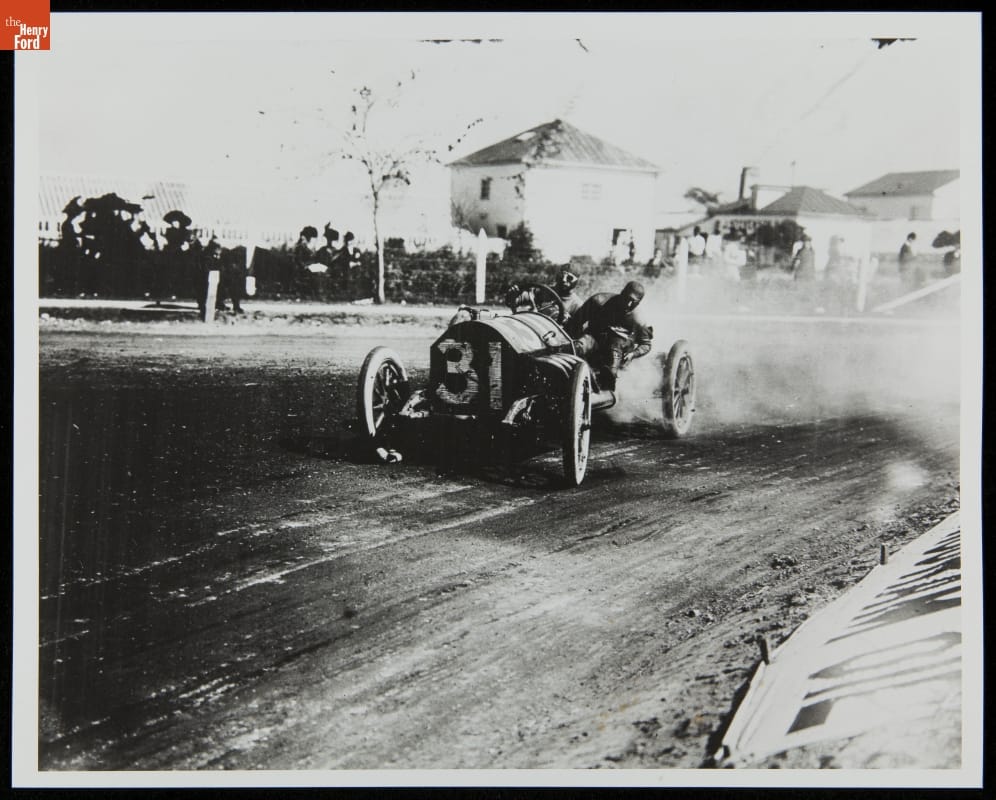
- Mortimer Roberts, #31 Abbott-Detroit, Tiedman Trophy Race - Charles Abbott formed Abbott Motor Company in Detroit in 1909. The firm offered multiple models under the Abbott-Detroit brand, all priced from about $1,200 up to $3,500. Abbott-Detroit cars competed successfully in early circuit races and hill climbs. The company overreached itself by relocating to a larger factory in Cleveland in 1916. Bankruptcy ended operations in early 1918.
- November 27, 1911
- Collections - Artifact
Mortimer Roberts, #31 Abbott-Detroit, Tiedman Trophy Race
Charles Abbott formed Abbott Motor Company in Detroit in 1909. The firm offered multiple models under the Abbott-Detroit brand, all priced from about $1,200 up to $3,500. Abbott-Detroit cars competed successfully in early circuit races and hill climbs. The company overreached itself by relocating to a larger factory in Cleveland in 1916. Bankruptcy ended operations in early 1918.
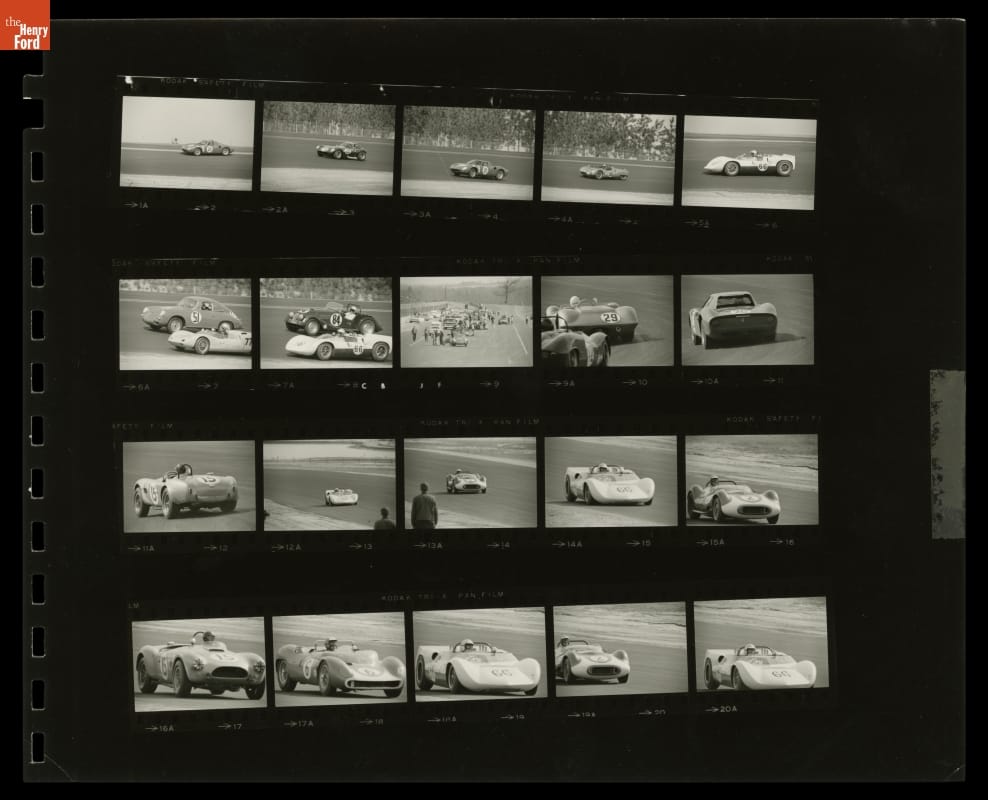
- Contact Sheet, USRRC Races, Augusta, Georgia, February - March, 1964 - Dave Friedman has captured and preserved auto racing history through his photography. His work -- and his collection of works by other photographers -- documents key races, vehicles, drivers, and teams. At the 1964 U.S. Road Racing Championship event in Augusta, Georgia, Shelby American Cobras placed 1-2 in the Manufacturers' race. In the Drivers' race, Dave MacDonald's Shelby Cooper-Ford finished ahead of Jim Hall's Chaparral.
- 29 February 1964 - 01 March 1964
- Collections - Artifact
Contact Sheet, USRRC Races, Augusta, Georgia, February - March, 1964
Dave Friedman has captured and preserved auto racing history through his photography. His work -- and his collection of works by other photographers -- documents key races, vehicles, drivers, and teams. At the 1964 U.S. Road Racing Championship event in Augusta, Georgia, Shelby American Cobras placed 1-2 in the Manufacturers' race. In the Drivers' race, Dave MacDonald's Shelby Cooper-Ford finished ahead of Jim Hall's Chaparral.
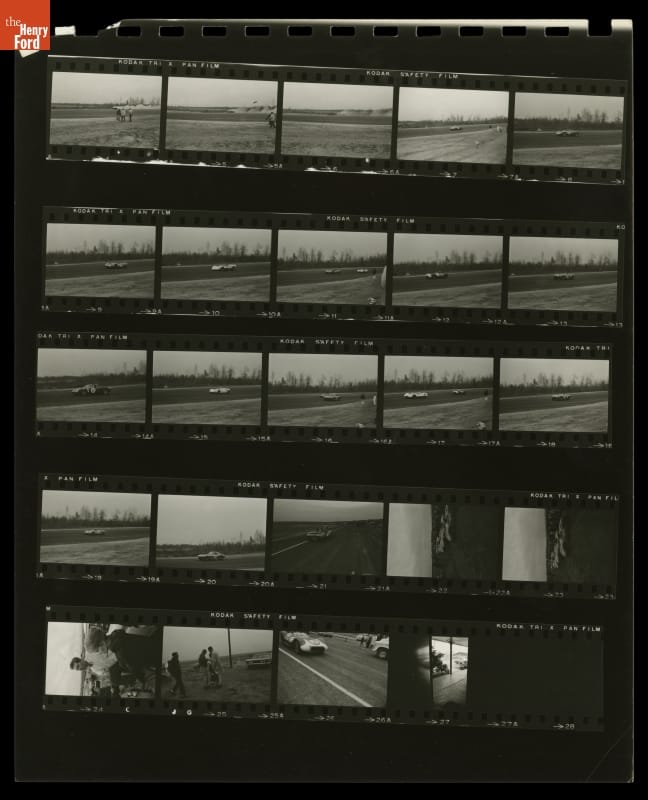
- Contact Sheet, USRRC Races, Augusta, Georgia, February - March, 1964 - Dave Friedman has captured and preserved auto racing history through his photography. His work -- and his collection of works by other photographers -- documents key races, vehicles, drivers, and teams. At the 1964 U.S. Road Racing Championship event in Augusta, Georgia, Shelby American Cobras placed 1-2 in the Manufacturers' race. In the Drivers' race, Dave MacDonald's Shelby Cooper-Ford finished ahead of Jim Hall's Chaparral.
- 29 February 1964 - 01 March 1964
- Collections - Artifact
Contact Sheet, USRRC Races, Augusta, Georgia, February - March, 1964
Dave Friedman has captured and preserved auto racing history through his photography. His work -- and his collection of works by other photographers -- documents key races, vehicles, drivers, and teams. At the 1964 U.S. Road Racing Championship event in Augusta, Georgia, Shelby American Cobras placed 1-2 in the Manufacturers' race. In the Drivers' race, Dave MacDonald's Shelby Cooper-Ford finished ahead of Jim Hall's Chaparral.
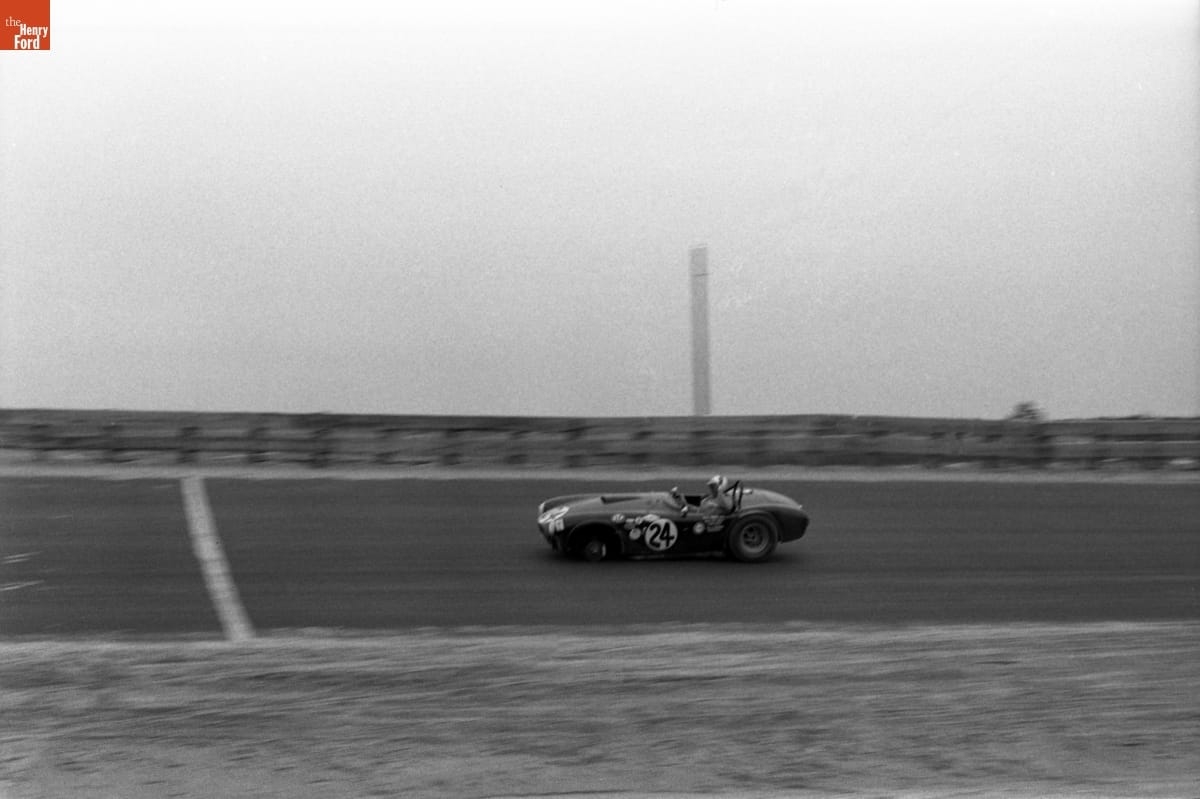
- United States Road Racing Championship, Augusta, Georgia, February - March 1964 - Dave Friedman has captured and preserved auto racing history through his photography. His work -- and his collection of works by other photographers -- documents key races, vehicles, drivers, and teams. At the 1964 U.S. Road Racing Championship event in Augusta, Georgia, Shelby American Cobras placed 1-2 in the Manufacturers' race. In the Drivers' race, Dave MacDonald's Shelby Cooper-Ford finished ahead of Jim Hall's Chaparral.
- 29 February 1964 - 01 March 1964
- Collections - Artifact
United States Road Racing Championship, Augusta, Georgia, February - March 1964
Dave Friedman has captured and preserved auto racing history through his photography. His work -- and his collection of works by other photographers -- documents key races, vehicles, drivers, and teams. At the 1964 U.S. Road Racing Championship event in Augusta, Georgia, Shelby American Cobras placed 1-2 in the Manufacturers' race. In the Drivers' race, Dave MacDonald's Shelby Cooper-Ford finished ahead of Jim Hall's Chaparral.
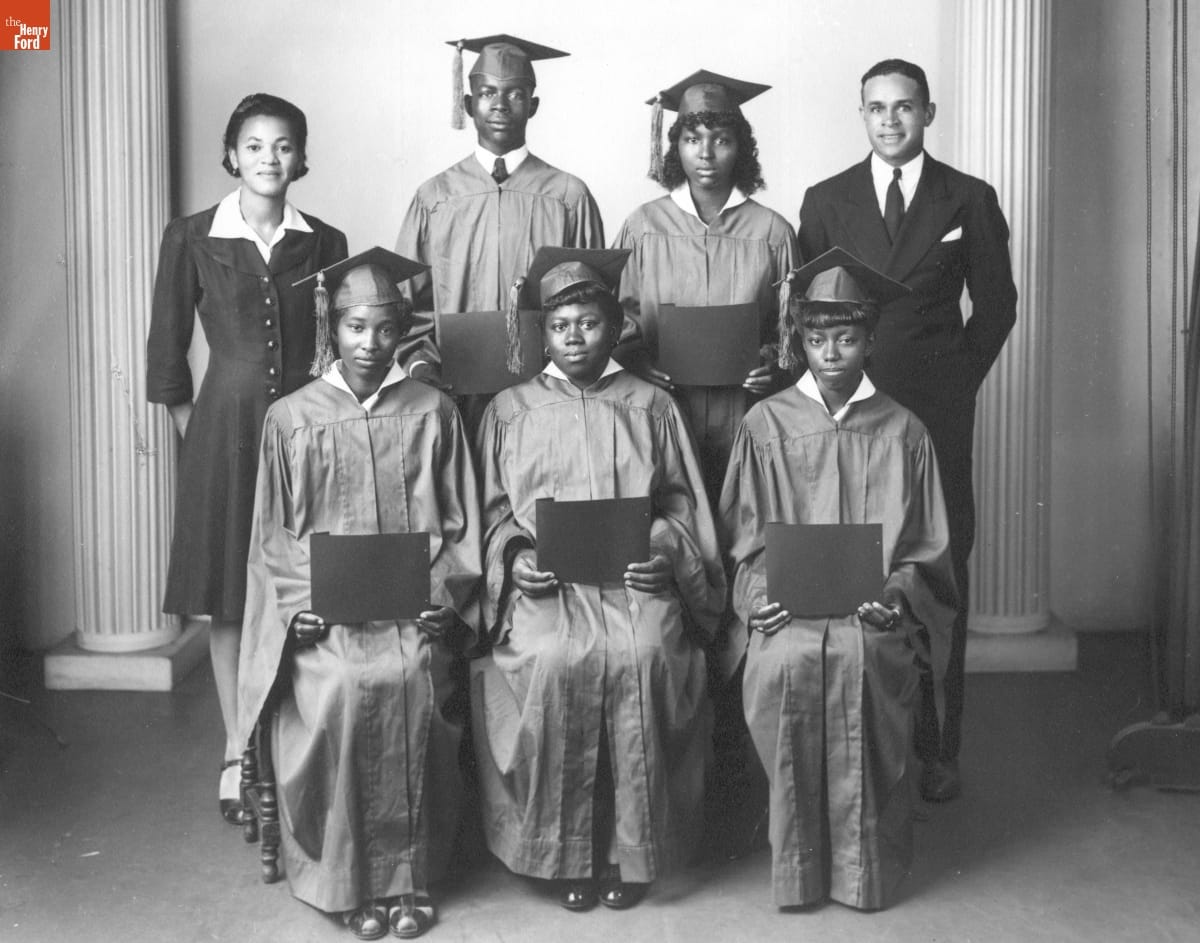
- Graduating Students and Teachers at George Washington Carver School, Richmond Hill, Georgia, 1945 - Henry Ford purchased vast amounts of land around present-day Richmond Hill, Georgia, beginning in the 1920s. After acquiring the property, Ford became interested in the economic and civic improvement of the area. He built schools, churches, and community centers. In 1939, Ford founded the George Washington Carver School. This image shows the 1945 graduating class and their teachers.
- June 01, 1945
- Collections - Artifact
Graduating Students and Teachers at George Washington Carver School, Richmond Hill, Georgia, 1945
Henry Ford purchased vast amounts of land around present-day Richmond Hill, Georgia, beginning in the 1920s. After acquiring the property, Ford became interested in the economic and civic improvement of the area. He built schools, churches, and community centers. In 1939, Ford founded the George Washington Carver School. This image shows the 1945 graduating class and their teachers.
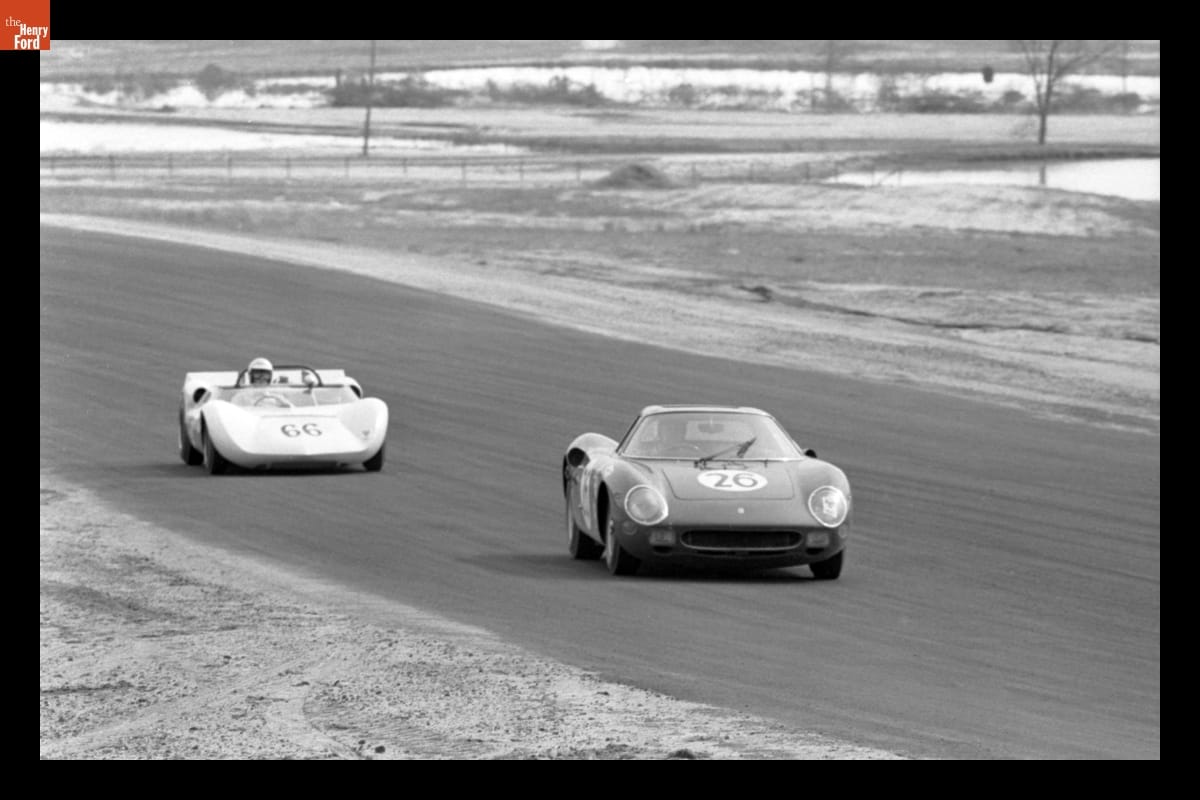
- United States Road Racing Championship, Augusta, Georgia, February - March 1964 - Dave Friedman has captured and preserved auto racing history through his photography. His work -- and his collection of works by other photographers -- documents key races, vehicles, drivers, and teams. At the 1964 U.S. Road Racing Championship event in Augusta, Georgia, Shelby American Cobras placed 1-2 in the Manufacturers' race. In the Drivers' race, Dave MacDonald's Shelby Cooper-Ford finished ahead of Jim Hall's Chaparral.
- 29 February 1964 - 01 March 1964
- Collections - Artifact
United States Road Racing Championship, Augusta, Georgia, February - March 1964
Dave Friedman has captured and preserved auto racing history through his photography. His work -- and his collection of works by other photographers -- documents key races, vehicles, drivers, and teams. At the 1964 U.S. Road Racing Championship event in Augusta, Georgia, Shelby American Cobras placed 1-2 in the Manufacturers' race. In the Drivers' race, Dave MacDonald's Shelby Cooper-Ford finished ahead of Jim Hall's Chaparral.