
Search
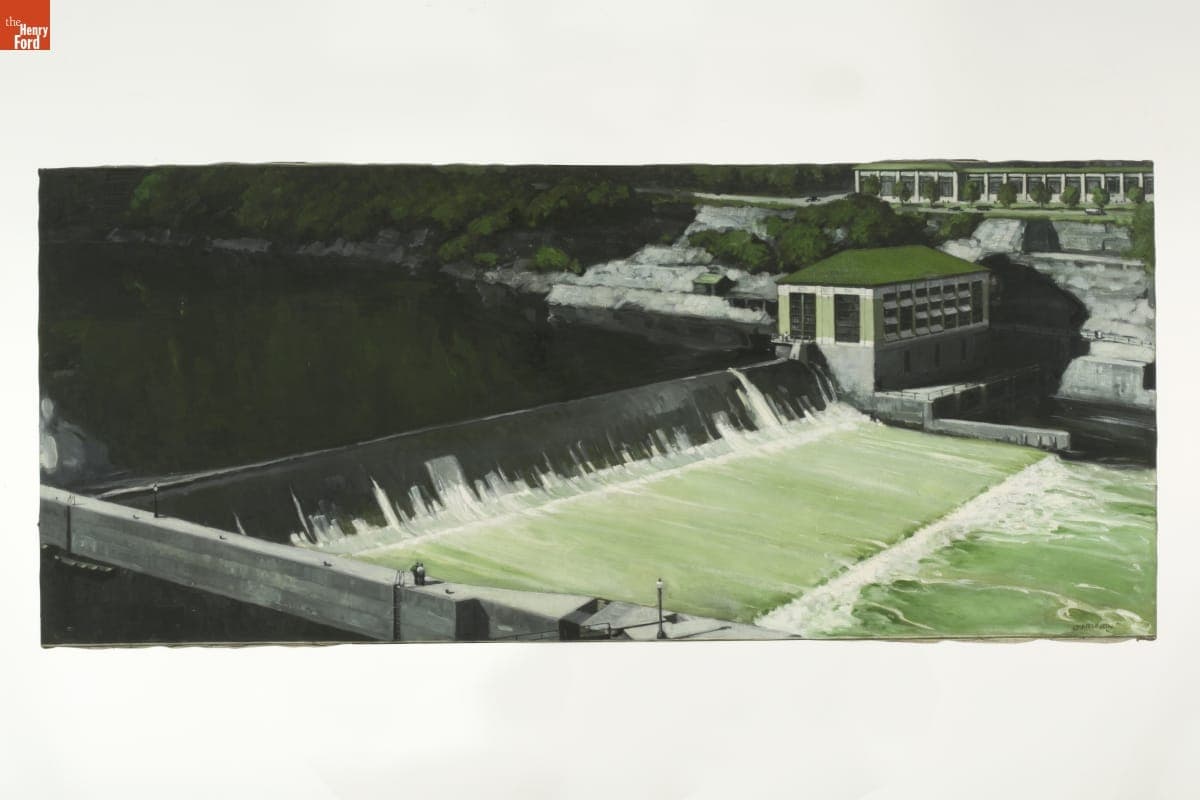
- Powerhouse, River, and Dam, 1924 - In 1924-25 the Ford Motor Company ran a series of sixteen dramatic advertisements in the <em>Saturday Evening Post</em> and <em>Country Gentleman</em> magazines. The effectiveness of the ads was due in large part to the specially commissioned artwork that accompanied the descriptive text. The restricted palette employed in the original art was imposed by the "duotone" process used for color reproduction.
- 1924
- Collections - Artifact
Powerhouse, River, and Dam, 1924
In 1924-25 the Ford Motor Company ran a series of sixteen dramatic advertisements in the Saturday Evening Post and Country Gentleman magazines. The effectiveness of the ads was due in large part to the specially commissioned artwork that accompanied the descriptive text. The restricted palette employed in the original art was imposed by the "duotone" process used for color reproduction.
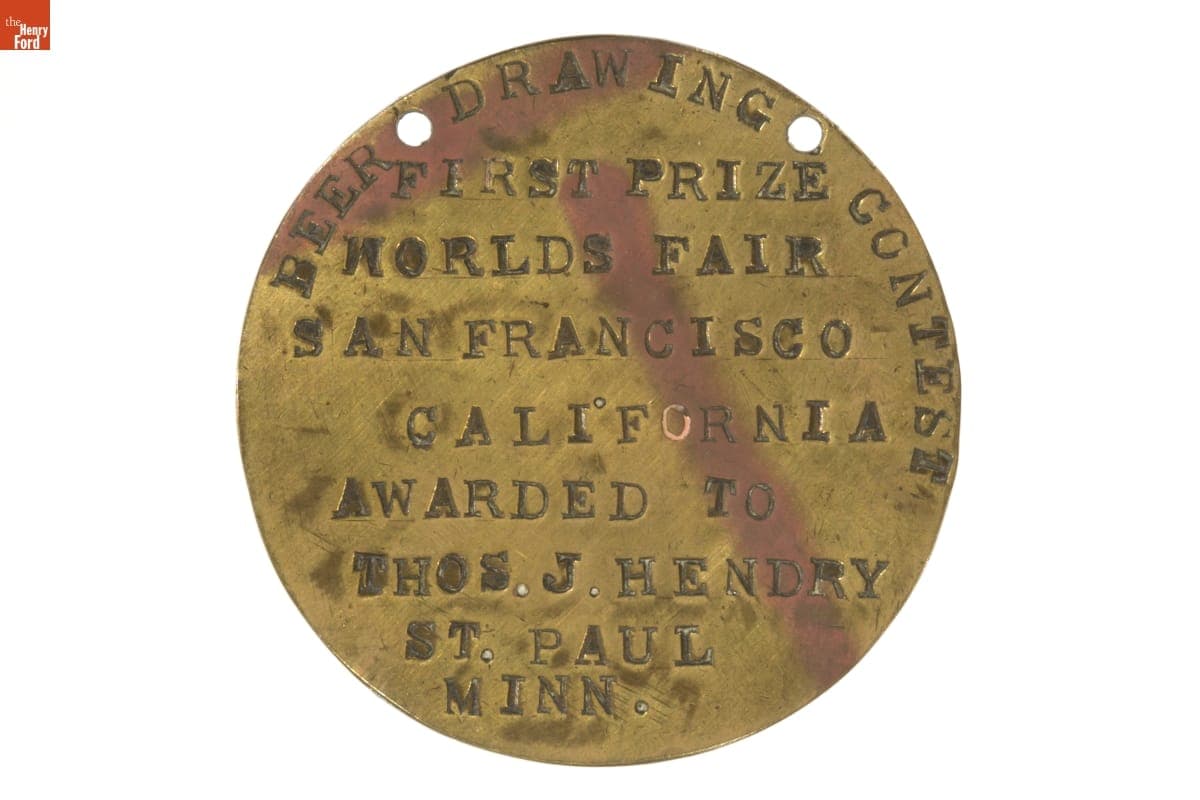
- First Prize Medal in Beer Drawing from Panama-Pacific Exposition, 1915 -
- 1915
- Collections - Artifact
First Prize Medal in Beer Drawing from Panama-Pacific Exposition, 1915
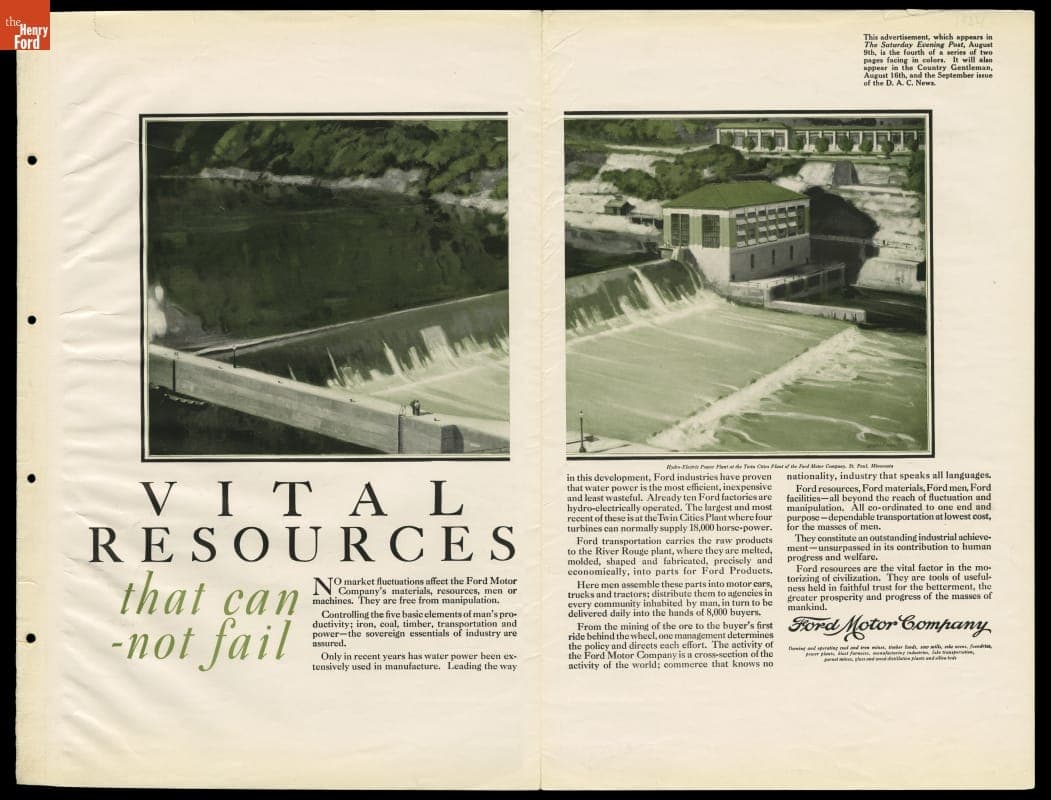
- 1924 Ford Motor Company Institutional Message Advertising Campaign, "Vital Resources that Cannot Fail" - In 1924-25 the Ford Motor Company ran a series of sixteen dramatic advertisements in the <em>Saturday Evening Post</em> and <em>Country Gentleman</em> magazines. Rather than promoting the Model T specifically, the ads aimed to convey the company's scale and philosophy. This ad is a reminder that Henry Ford pursued many technologies and production methods that we would now recognize as renewable or sustainable.
- 1924
- Collections - Artifact
1924 Ford Motor Company Institutional Message Advertising Campaign, "Vital Resources that Cannot Fail"
In 1924-25 the Ford Motor Company ran a series of sixteen dramatic advertisements in the Saturday Evening Post and Country Gentleman magazines. Rather than promoting the Model T specifically, the ads aimed to convey the company's scale and philosophy. This ad is a reminder that Henry Ford pursued many technologies and production methods that we would now recognize as renewable or sustainable.
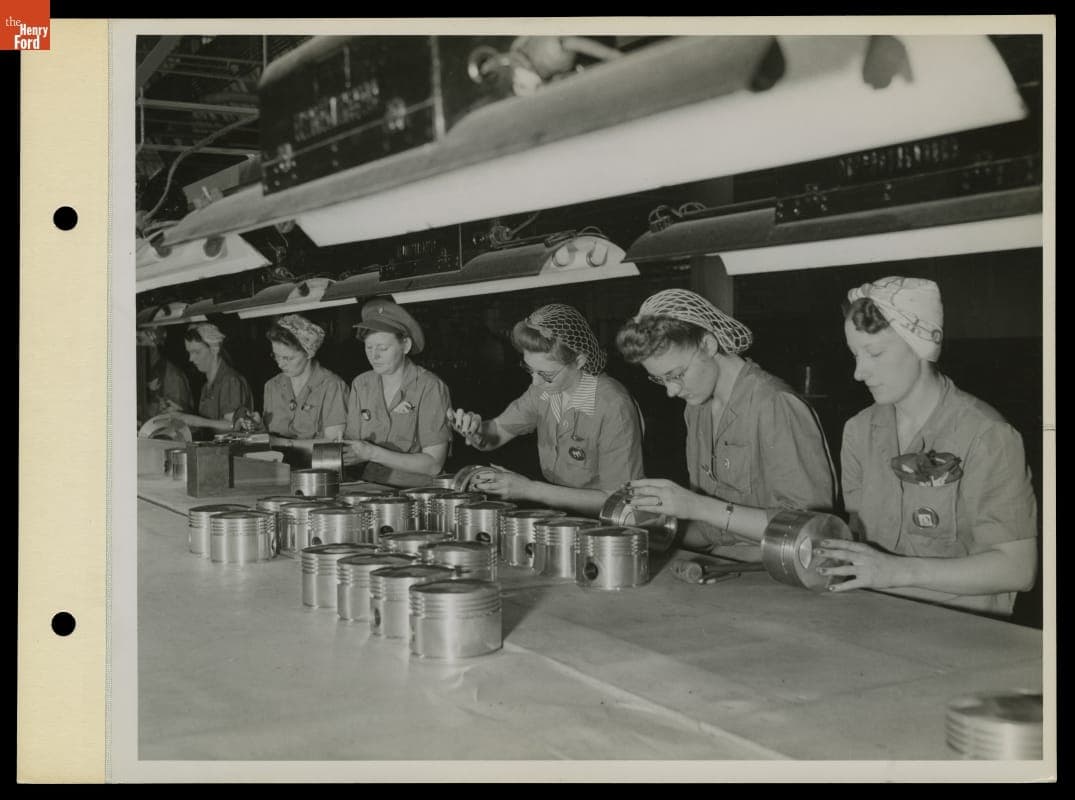
- Women Working on Pratt & Whitney Engine Parts at the Ford Twin Cities Plant in St. Paul, Minnesota, 1943 - Ford Motor Company opened its Twin Cities Assembly Plant at St. Paul, Minnesota, in 1925. These women were photographed while working on pistons for Pratt & Whitney R-2800 aircraft engines during World War II. Finished pistons were sent to the Rouge, where final engine assembly was completed in a purpose-built facility. Ford workers manufactured nearly 58,000 engines by war's end.
- 1943
- Collections - Artifact
Women Working on Pratt & Whitney Engine Parts at the Ford Twin Cities Plant in St. Paul, Minnesota, 1943
Ford Motor Company opened its Twin Cities Assembly Plant at St. Paul, Minnesota, in 1925. These women were photographed while working on pistons for Pratt & Whitney R-2800 aircraft engines during World War II. Finished pistons were sent to the Rouge, where final engine assembly was completed in a purpose-built facility. Ford workers manufactured nearly 58,000 engines by war's end.
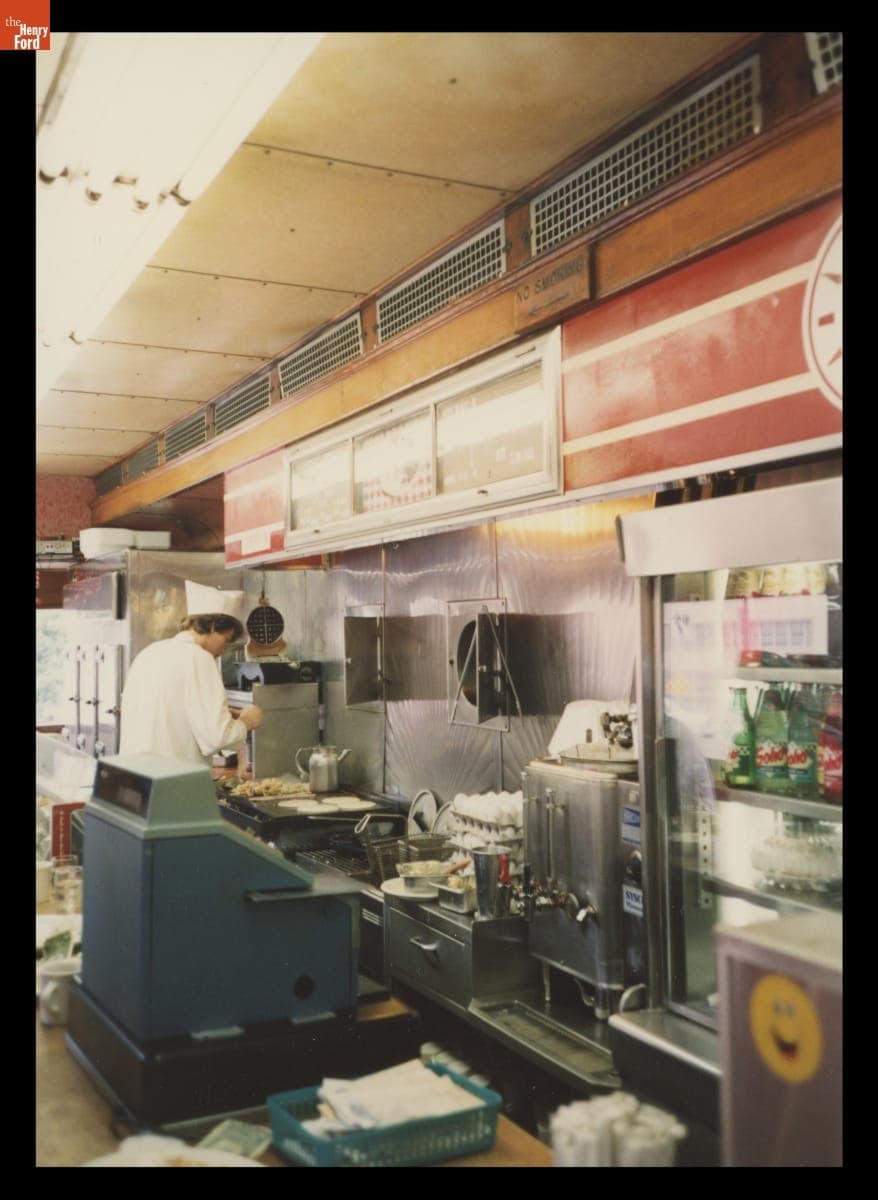
- Mickey's Dining Car, St. Paul, Minnesota, June 1993 -
- June 01, 1993
- Collections - Artifact
Mickey's Dining Car, St. Paul, Minnesota, June 1993
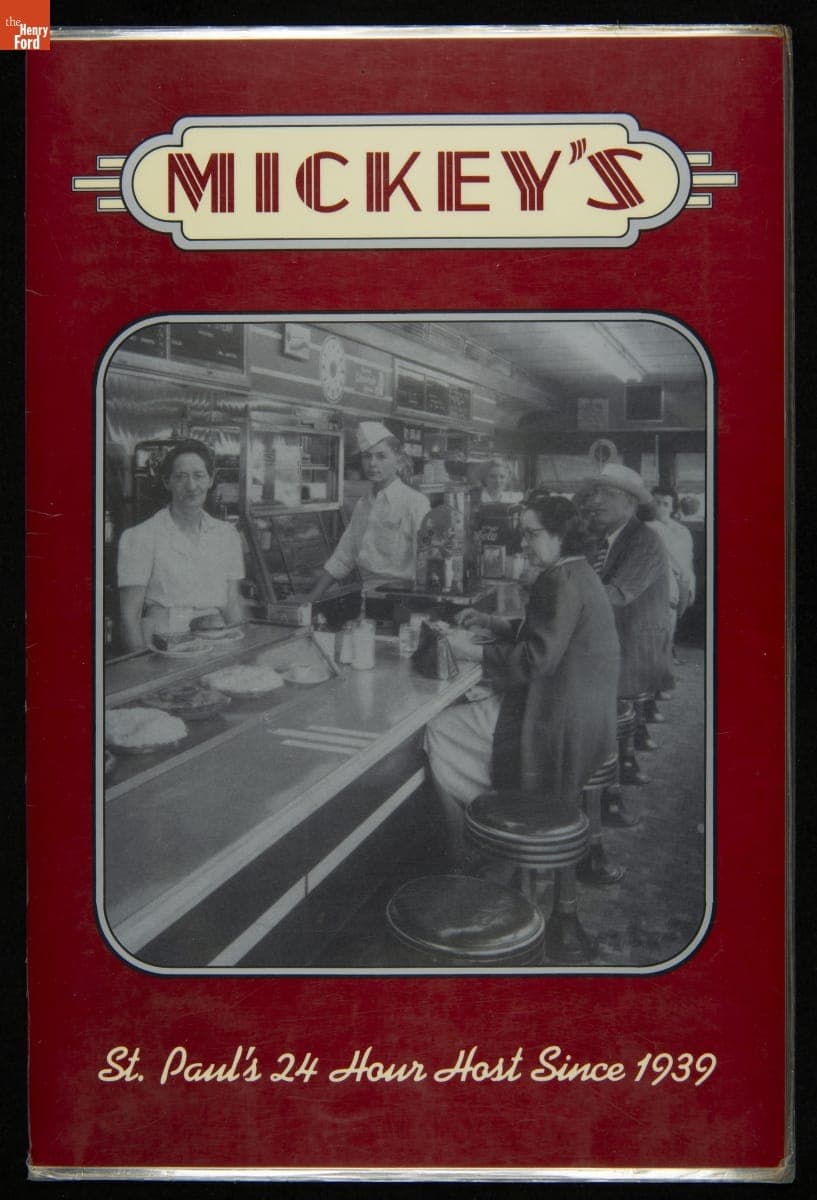
- Mickey's Dining Car Menu -
- Collections - Artifact
Mickey's Dining Car Menu
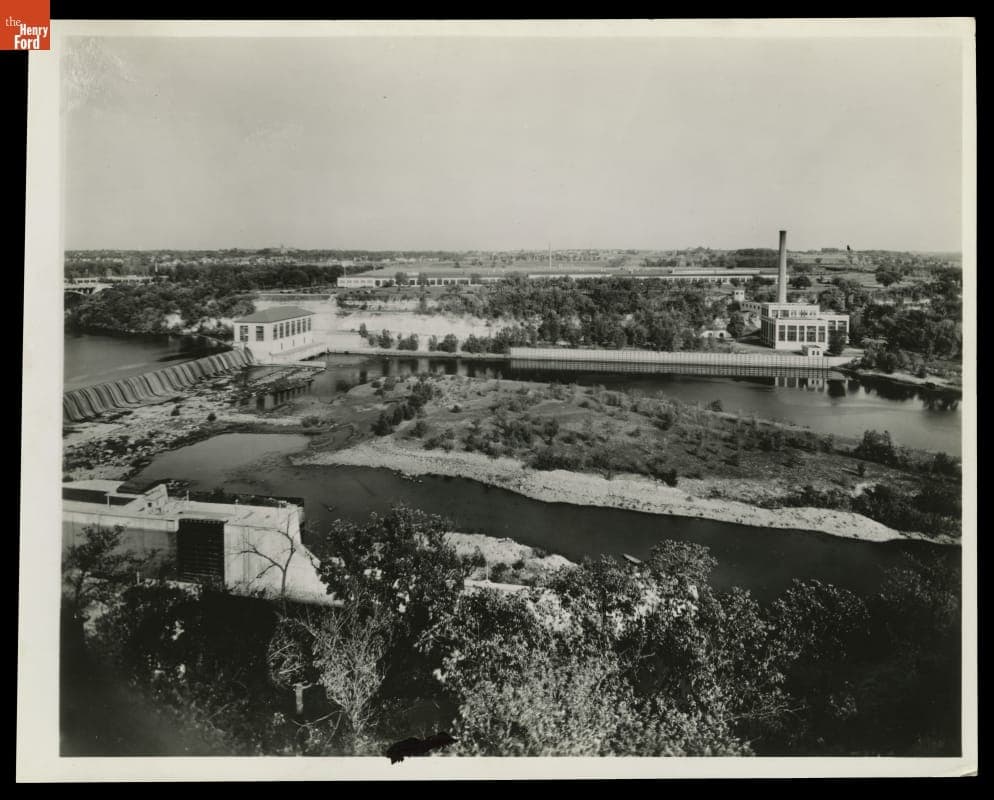
- Ford Motor Company Twin Cities Plant and Dam, St. Paul, Minnesota, 1938 - Ford Motor Company opened its Twin Cities Assembly Plant at St. Paul, Minnesota, in 1925. Situated on the Mississippi River, the factory generated its own power through an adjacent hydroelectric dam. After building a mix of vehicles, the plant converted to all-truck production in 1978. The facility was producing Ranger pickup trucks when it closed in 2011.
- 1938
- Collections - Artifact
Ford Motor Company Twin Cities Plant and Dam, St. Paul, Minnesota, 1938
Ford Motor Company opened its Twin Cities Assembly Plant at St. Paul, Minnesota, in 1925. Situated on the Mississippi River, the factory generated its own power through an adjacent hydroelectric dam. After building a mix of vehicles, the plant converted to all-truck production in 1978. The facility was producing Ranger pickup trucks when it closed in 2011.
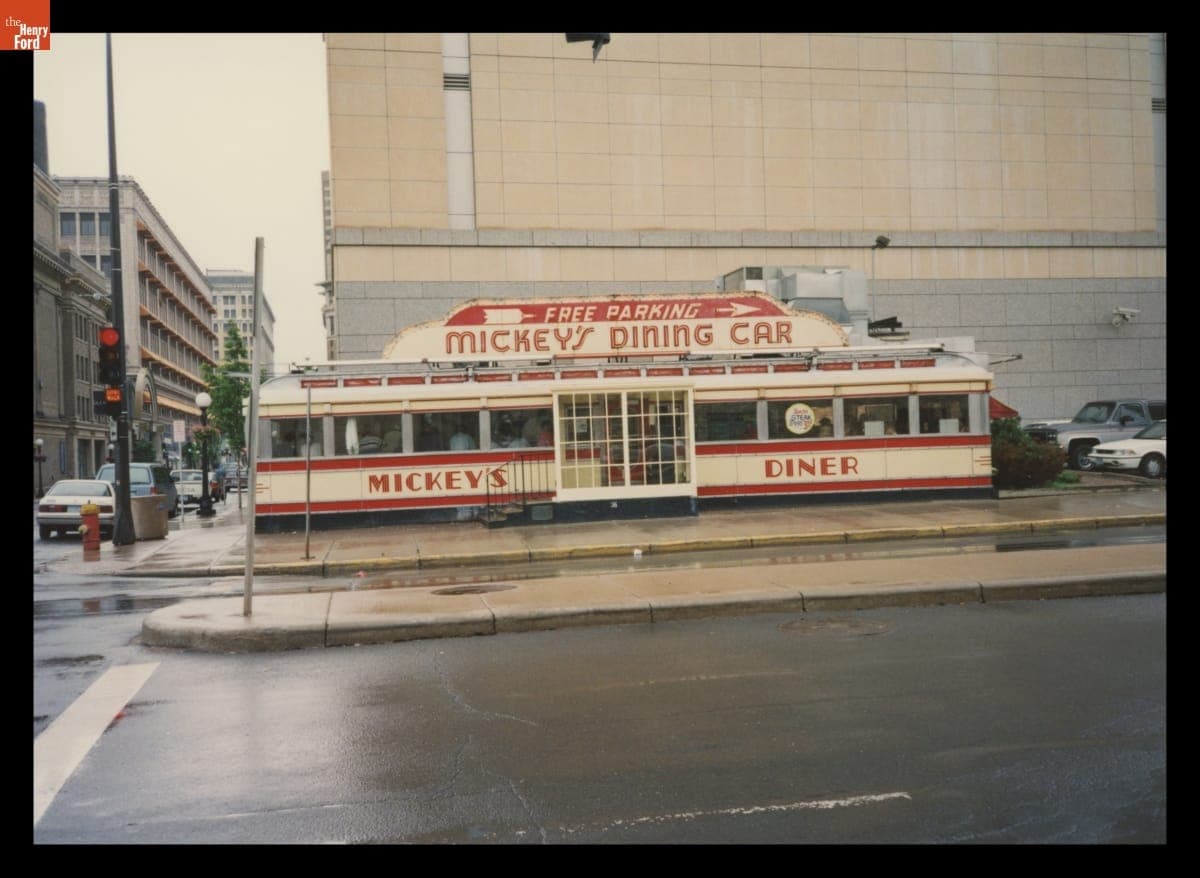
- Mickey's Dining Car, St. Paul, Minnesota, June 1993 -
- June 01, 1993
- Collections - Artifact
Mickey's Dining Car, St. Paul, Minnesota, June 1993
- Mickey's Dining Car, St. Paul, Minnesota, June 1993 -
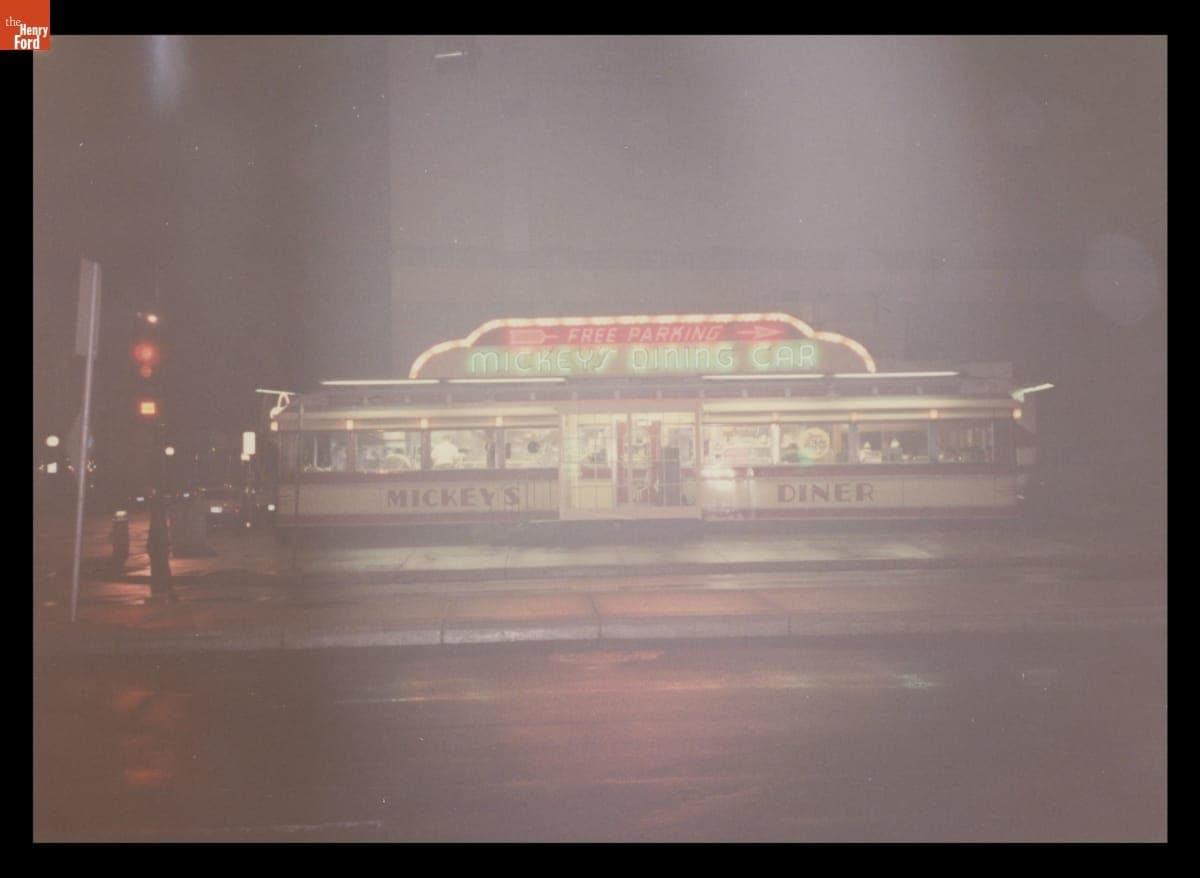
- June 01, 1993
- Collections - Artifact
Mickey's Dining Car, St. Paul, Minnesota, June 1993
- Mickey's Dining Car, St. Paul, Minnesota, June 1993 -
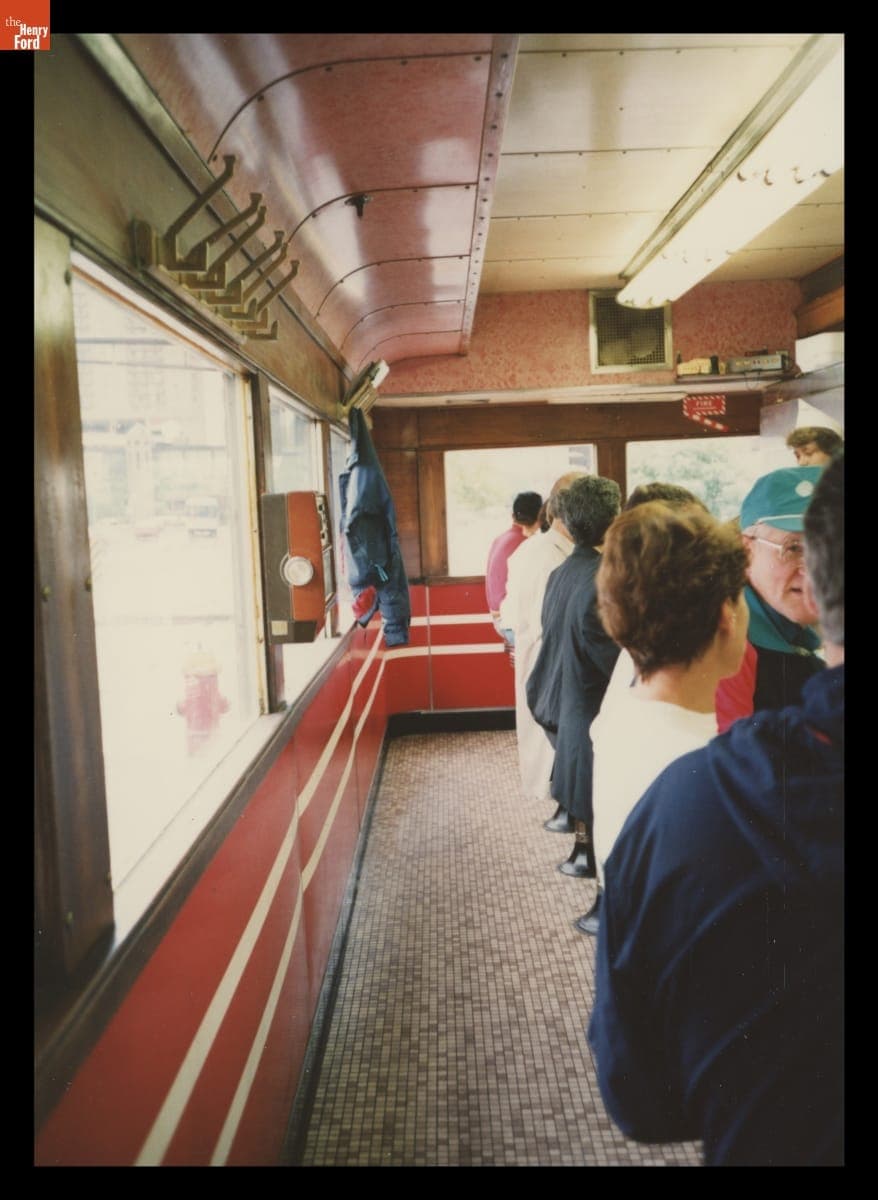
- June 01, 1993
- Collections - Artifact
Mickey's Dining Car, St. Paul, Minnesota, June 1993