
Search
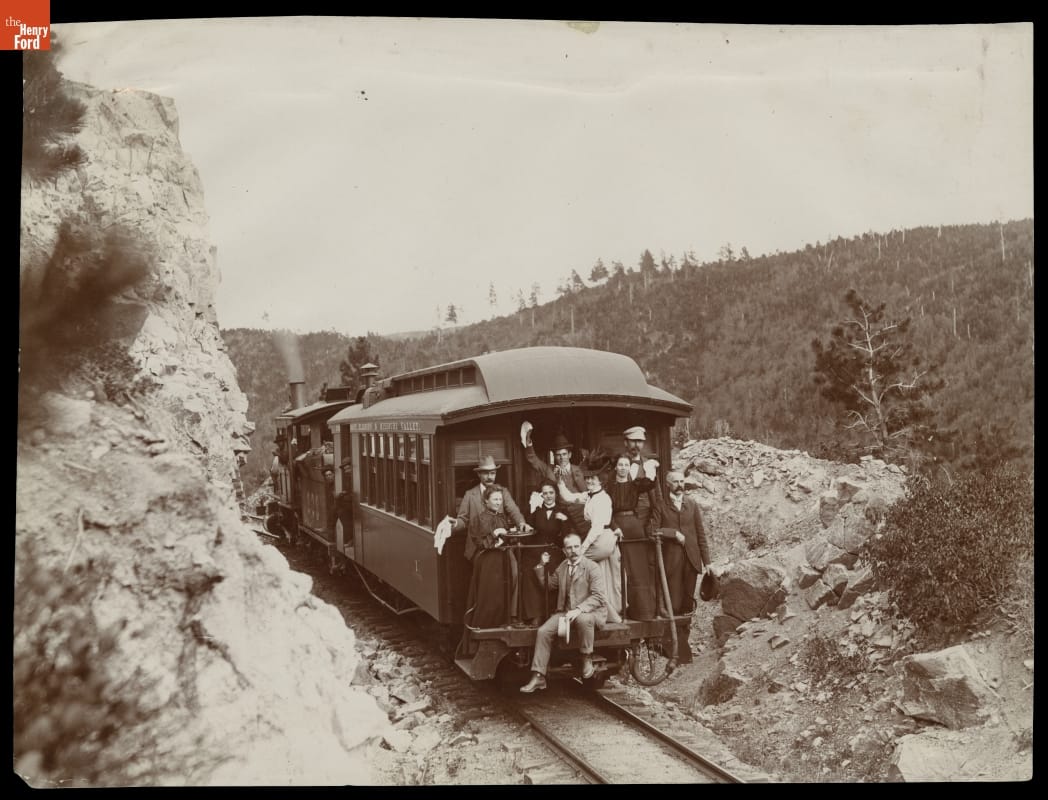
- Passengers on the Fremont, Elkhorn and Missouri Valley Railroad, South Dakota, circa 1895 - Passengers gathered for a photograph when the Fremont, Elkhorn, and Missouri Valley train stopped in a South Dakota mountain pass. The photograph, taken about 1907, shows the happy group on the back platform while the engineer and others peer out from the side.
- circa 1895
- Collections - Artifact
Passengers on the Fremont, Elkhorn and Missouri Valley Railroad, South Dakota, circa 1895
Passengers gathered for a photograph when the Fremont, Elkhorn, and Missouri Valley train stopped in a South Dakota mountain pass. The photograph, taken about 1907, shows the happy group on the back platform while the engineer and others peer out from the side.
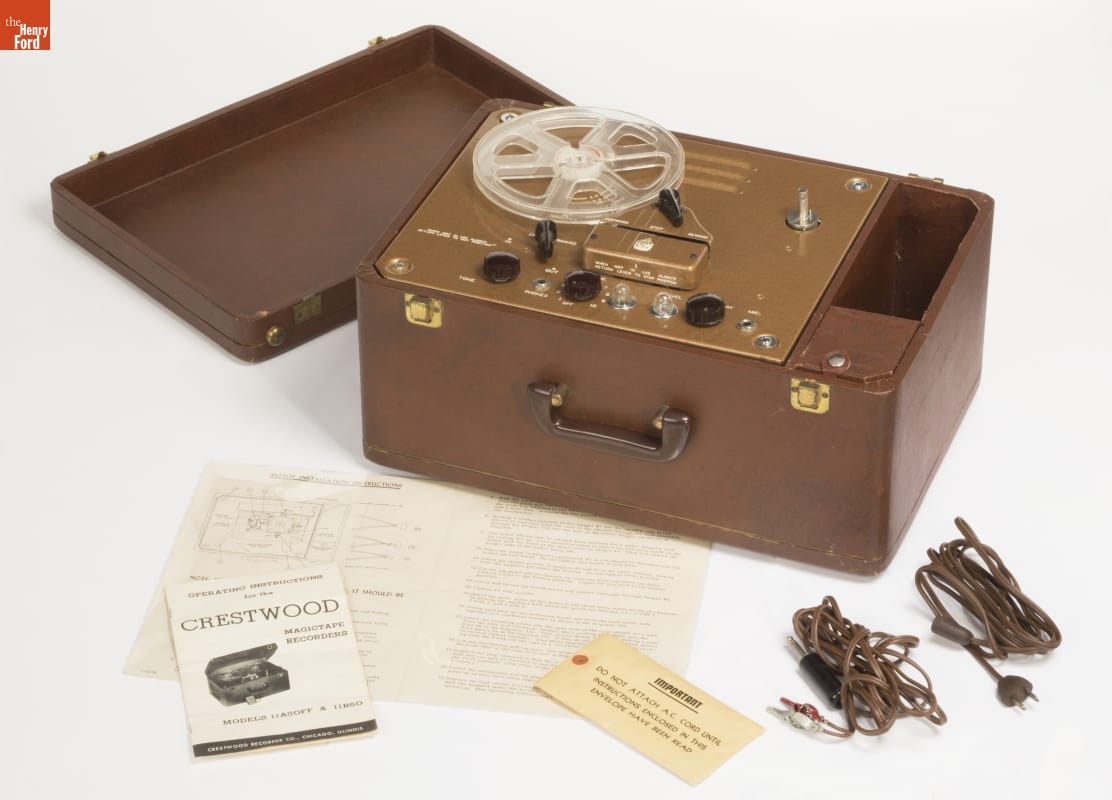
- Crestwood Reel-to-Reel Tape Recorder, 1951 - In 1930, a new material--plastic tape coated with magnetic pigment--opened worlds of possibility for sound recording and data storage. Professionals used open-reel magnetic tape recorders to pre-record radio shows; consumer models were used for home recording and music playback. The format was sonically superior to compact cassettes introduced in 1963, but shifted to niche use by the 1980s.
- 1951
- Collections - Artifact
Crestwood Reel-to-Reel Tape Recorder, 1951
In 1930, a new material--plastic tape coated with magnetic pigment--opened worlds of possibility for sound recording and data storage. Professionals used open-reel magnetic tape recorders to pre-record radio shows; consumer models were used for home recording and music playback. The format was sonically superior to compact cassettes introduced in 1963, but shifted to niche use by the 1980s.
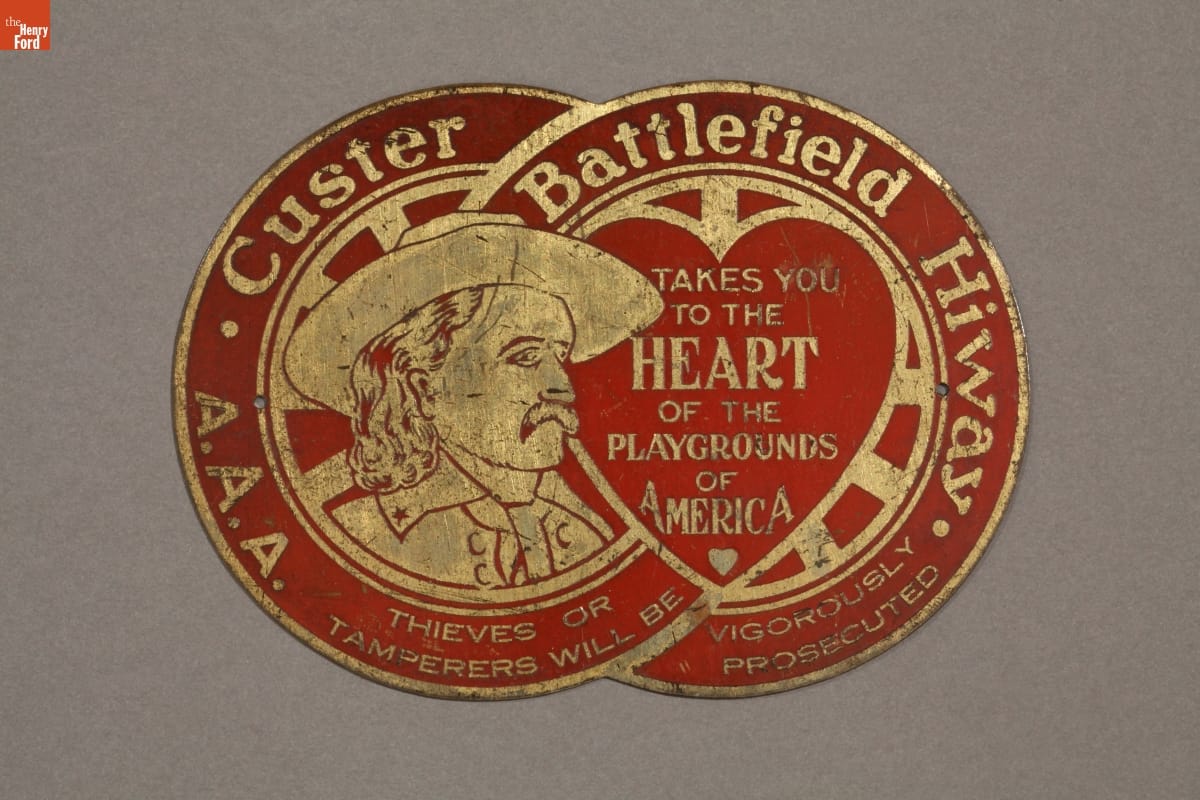
- Custer Battlefield Highway Badge, 1920-1930 - Founded in 1902, the American Automobile Association (AAA) lobbied for motorist-friendly legislation, promoted road and highway improvements, and encouraged automobile travel and tourism. This AAA badge promoted the Custer Battlefield Highway, which connected Des Moines with Glacier National Park. The 1,500-mile highway passed through Iowa, South Dakota, Wyoming, and Montana.
- 1920-1930
- Collections - Artifact
Custer Battlefield Highway Badge, 1920-1930
Founded in 1902, the American Automobile Association (AAA) lobbied for motorist-friendly legislation, promoted road and highway improvements, and encouraged automobile travel and tourism. This AAA badge promoted the Custer Battlefield Highway, which connected Des Moines with Glacier National Park. The 1,500-mile highway passed through Iowa, South Dakota, Wyoming, and Montana.
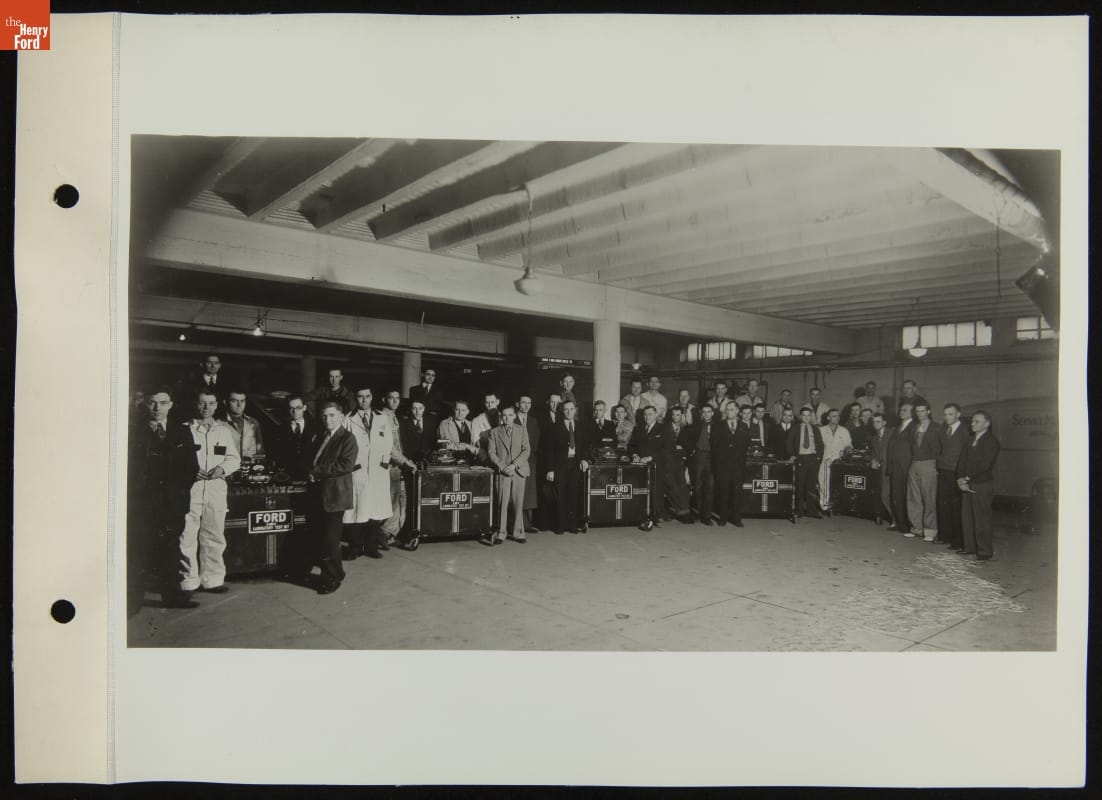
- Ford Service Men with Laboratory Test Sets, Mitchell, South Dakota, 1936 - In the mid-1930s, Ford Motor Company produced the affordable Ford Laboratory Test Set. Automobile mechanics rolled this portable diagnostic equipment to the vehicle, hooked up the unit, and checked the condition of the vehicle's engine or electrical performance. The unit detected problems quickly and eliminated guesswork -- saving time and money for both the customer and dealership.
- March 12, 1936
- Collections - Artifact
Ford Service Men with Laboratory Test Sets, Mitchell, South Dakota, 1936
In the mid-1930s, Ford Motor Company produced the affordable Ford Laboratory Test Set. Automobile mechanics rolled this portable diagnostic equipment to the vehicle, hooked up the unit, and checked the condition of the vehicle's engine or electrical performance. The unit detected problems quickly and eliminated guesswork -- saving time and money for both the customer and dealership.
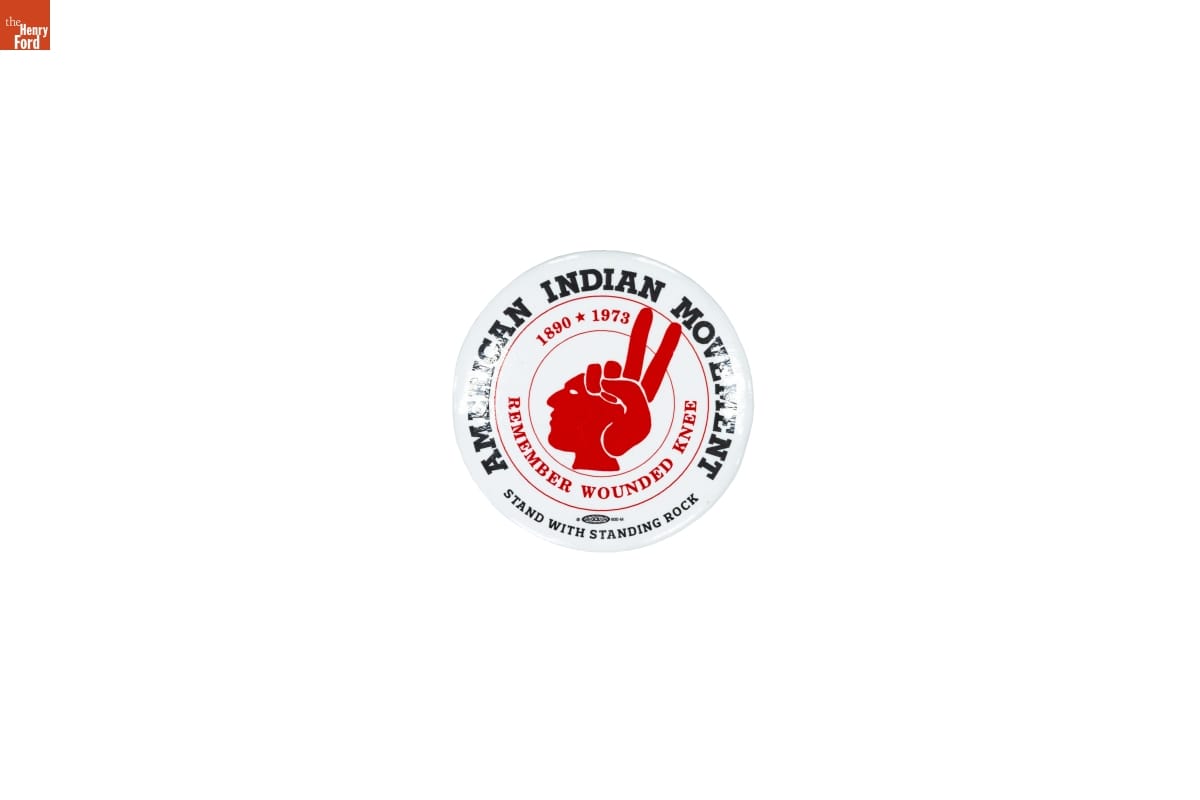
- American Indian Movement Button -
- Collections - Artifact
American Indian Movement Button
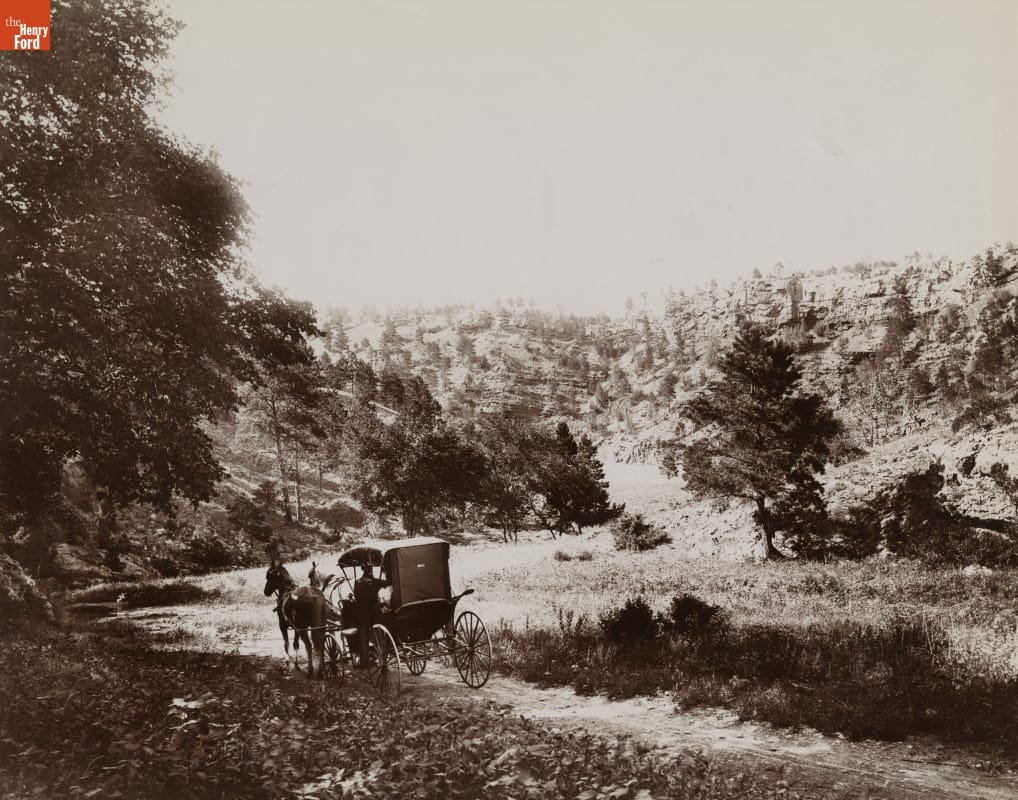
- Carriage Driving through South Dakota Hills, circa 1910 - Factory-built buggies made the pleasures of carriage ownership affordable for a new group of people. Whether in town or on the farm, people loved these inexpensive, lightweight vehicles.
- circa 1910
- Collections - Artifact
Carriage Driving through South Dakota Hills, circa 1910
Factory-built buggies made the pleasures of carriage ownership affordable for a new group of people. Whether in town or on the farm, people loved these inexpensive, lightweight vehicles.
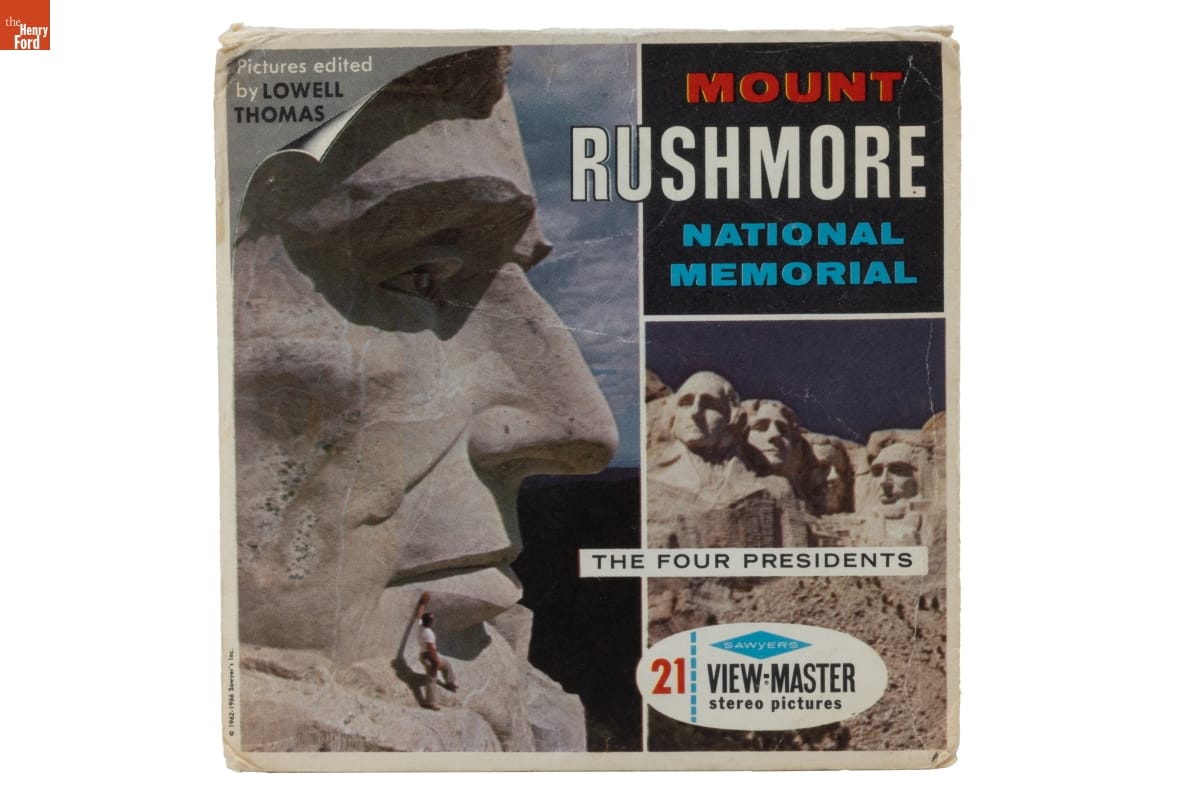
- "Mount Rushmore National Memorial" View-Master Reels, 1962-1966 -
- 1962-1966
- Collections - Artifact
"Mount Rushmore National Memorial" View-Master Reels, 1962-1966
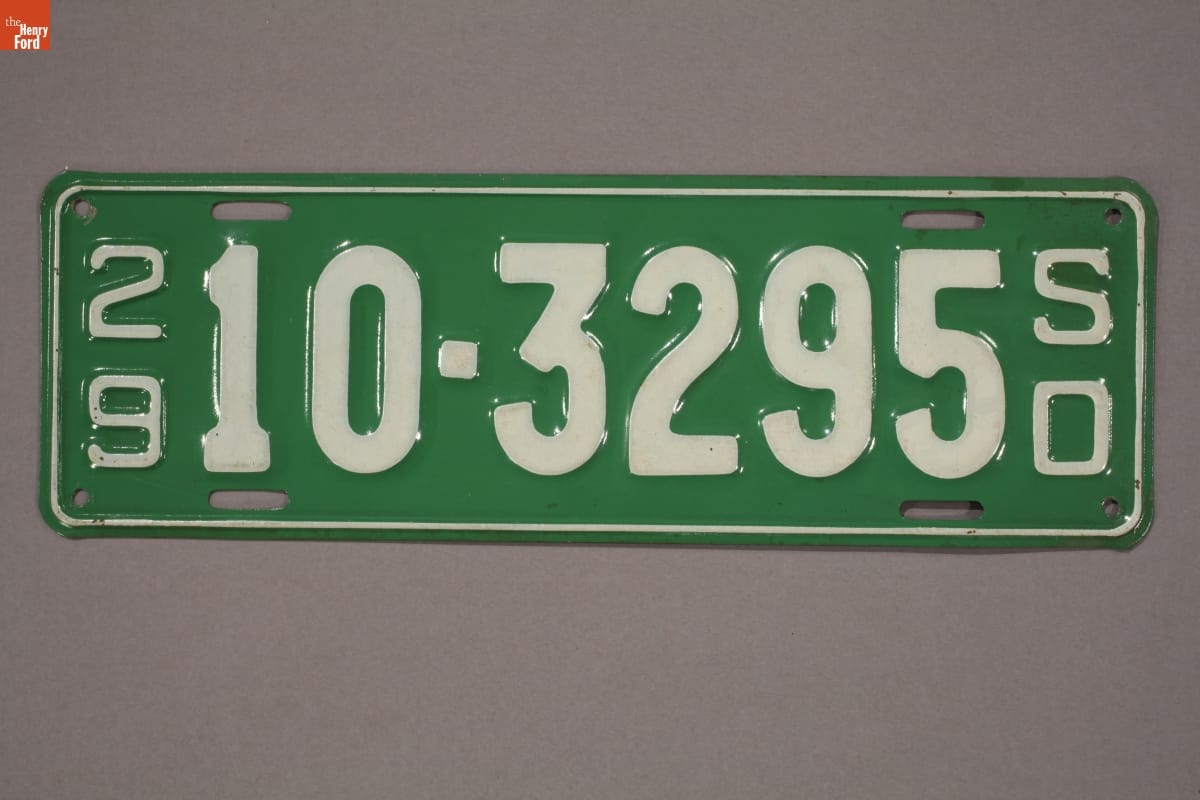
- South Dakota License Plate, 1929 - Early state-issued license plates were made of porcelain-coated iron. Later, states stamped tin, steel, or even copper to make plates. During the Second World War several states used fiberboard. Plate colors varied and some states added symbols, mottoes, or other design elements. Today, states use reflective sheeting to coat a standard-sized aluminum blank which is then stamped and decorated.
- 1929
- Collections - Artifact
South Dakota License Plate, 1929
Early state-issued license plates were made of porcelain-coated iron. Later, states stamped tin, steel, or even copper to make plates. During the Second World War several states used fiberboard. Plate colors varied and some states added symbols, mottoes, or other design elements. Today, states use reflective sheeting to coat a standard-sized aluminum blank which is then stamped and decorated.
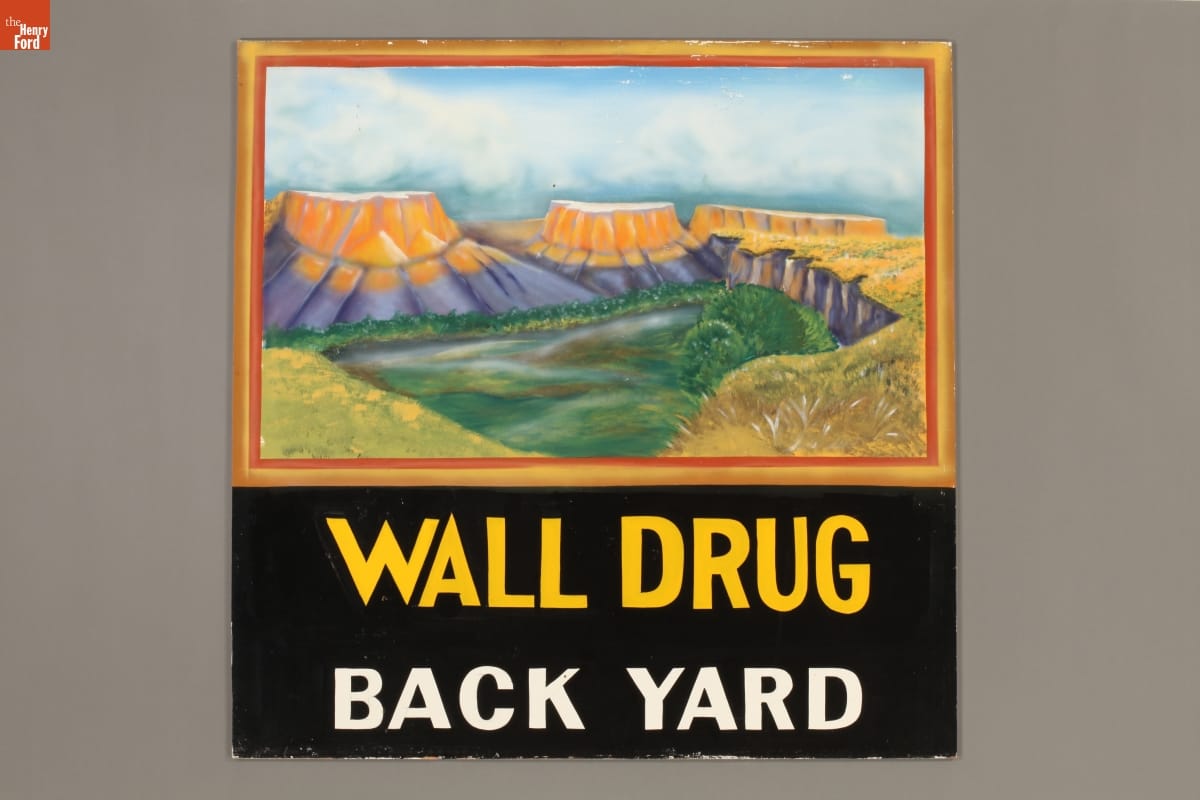
- Wall Drug Sign, 1960-1980 - Sometimes the array of motorists' services that evolved along the roadside evolved into tourist attractions. Such was the case with Wall Drug, purchased by Ted and Dorothy Hustead in 1931. The "Wall Drug Back Yard" features the free ice-water well that made the place famous, along with a gallery of wonders and a variety of photo ops.
- 1960-1980
- Collections - Artifact
Wall Drug Sign, 1960-1980
Sometimes the array of motorists' services that evolved along the roadside evolved into tourist attractions. Such was the case with Wall Drug, purchased by Ted and Dorothy Hustead in 1931. The "Wall Drug Back Yard" features the free ice-water well that made the place famous, along with a gallery of wonders and a variety of photo ops.
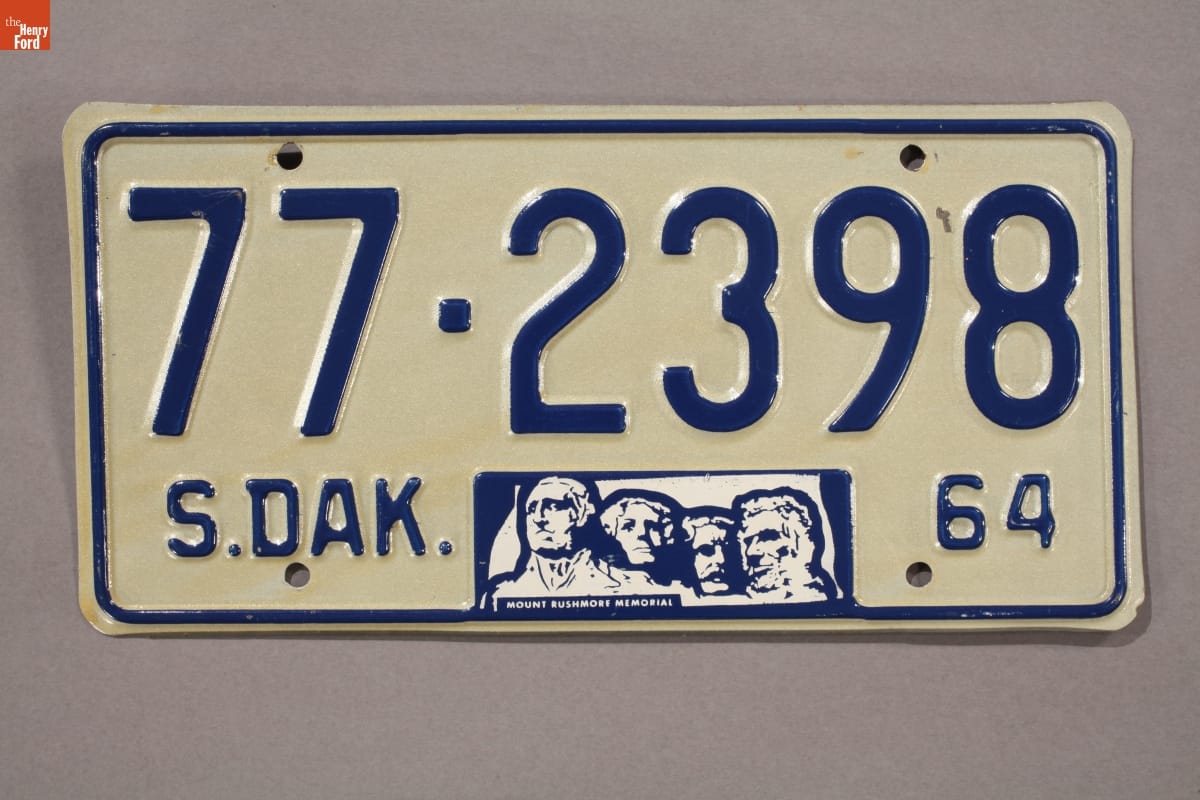
- South Dakota License Plate from 1964-65 New York World's Fair - Visitors to the Ford Motor Company pavilion at the 1964-65 New York World's Fair could ride on the Magic Skyway. Late model Ford convertibles traveled along a track in and out of the pavilion -- winding through exhibits and providing spectacular views. Each automobile sported a license plate, like this one, from one of the fifty states or the District of Columbia.
- 1964-1965
- Collections - Artifact
South Dakota License Plate from 1964-65 New York World's Fair
Visitors to the Ford Motor Company pavilion at the 1964-65 New York World's Fair could ride on the Magic Skyway. Late model Ford convertibles traveled along a track in and out of the pavilion -- winding through exhibits and providing spectacular views. Each automobile sported a license plate, like this one, from one of the fifty states or the District of Columbia.