
Search
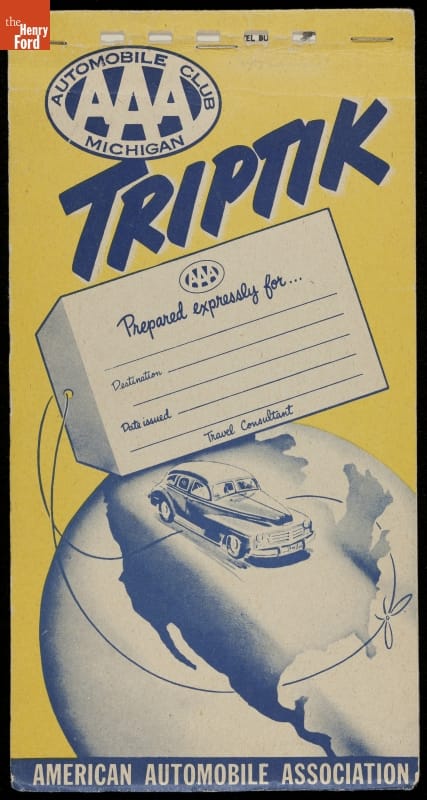
- TripTik Map for Detroit, Michigan to Fort Lauderdale, Florida, 1951-1952 - The TripTik, AAA's iconic planning guide, provided travelers with destination directions, points of interest, and a list of services and accommodations available along the way. This guide from the early 1950s described the route from Detroit, Michigan, to Lake Wales, Florida.
- 1951-1952
- Collections - Artifact
TripTik Map for Detroit, Michigan to Fort Lauderdale, Florida, 1951-1952
The TripTik, AAA's iconic planning guide, provided travelers with destination directions, points of interest, and a list of services and accommodations available along the way. This guide from the early 1950s described the route from Detroit, Michigan, to Lake Wales, Florida.
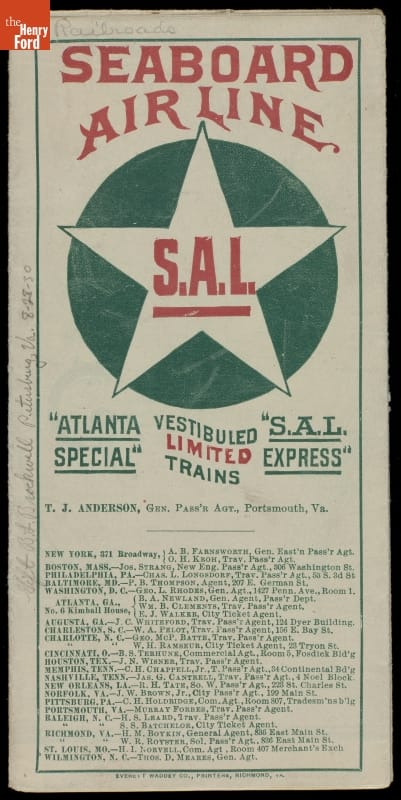
- Seaboard Air Line Railway Schedule, 1897 - The Seaboard Air Line Railway was formed in 1900 through the consolidation of several southern lines. At its peak, SAL covered 4,500 miles with tracks that stretched from Virginia to Alabama and Florida. "Air Line" was clever marketing, suggesting that SAL's routes were more direct than its competitors'. The company merged with the parallel Atlantic Coast Line Railroad in 1967.
- July 01, 1897
- Collections - Artifact
Seaboard Air Line Railway Schedule, 1897
The Seaboard Air Line Railway was formed in 1900 through the consolidation of several southern lines. At its peak, SAL covered 4,500 miles with tracks that stretched from Virginia to Alabama and Florida. "Air Line" was clever marketing, suggesting that SAL's routes were more direct than its competitors'. The company merged with the parallel Atlantic Coast Line Railroad in 1967.
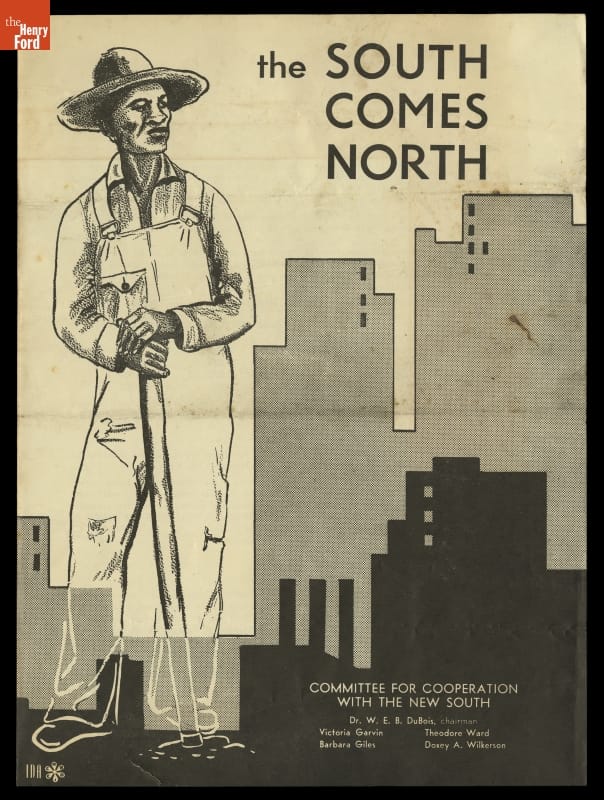
- Brochure, "The South Comes North," 1948-1950 - The Committee for Cooperation with the New South sought to change the discriminatory and segregationist policies in the post-World War II South. With this brochure, the committee targeted Northerners to back their cause. Supporters were urged to donate a dollar or more to aid progressive Southerners who promoted voter registration, "Negro liberation" and the interests of sharecroppers.
- 1948-1950
- Collections - Artifact
Brochure, "The South Comes North," 1948-1950
The Committee for Cooperation with the New South sought to change the discriminatory and segregationist policies in the post-World War II South. With this brochure, the committee targeted Northerners to back their cause. Supporters were urged to donate a dollar or more to aid progressive Southerners who promoted voter registration, "Negro liberation" and the interests of sharecroppers.
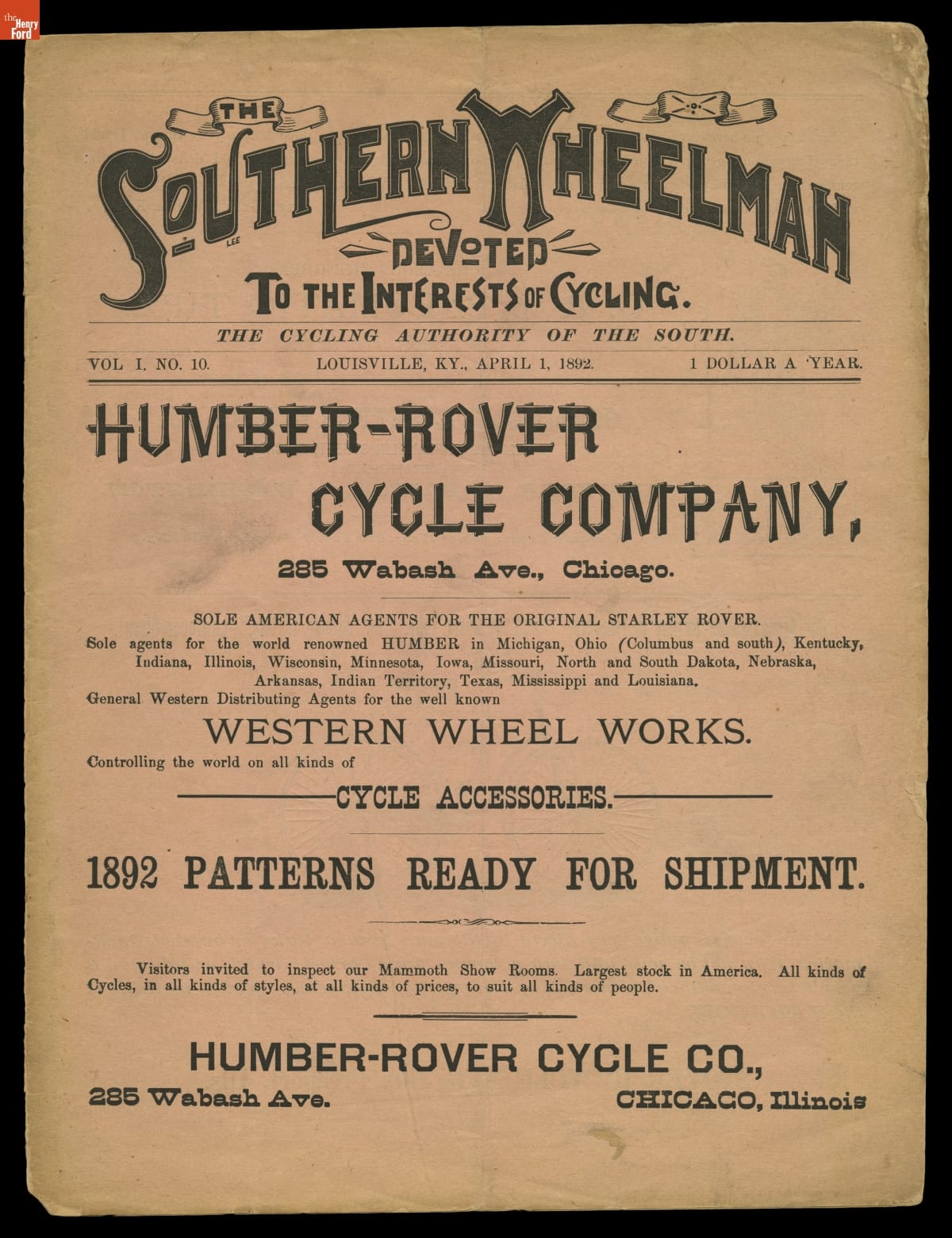
- The Southern Wheelman, Vol. 1, No. 10, April 1, 1892 - British manufacturer Rover popularized a new bicycle design in 1885. It featured two wheels of equally modest size and a chain-and-sprocket drive. The Rover "safety" bike was easier to mount and ride than the high-wheel bicycles that came before it. This issue of <em>The Southern Wheelman</em> included an advertisement for Rover cycles.
- April 01, 1892
- Collections - Artifact
The Southern Wheelman, Vol. 1, No. 10, April 1, 1892
British manufacturer Rover popularized a new bicycle design in 1885. It featured two wheels of equally modest size and a chain-and-sprocket drive. The Rover "safety" bike was easier to mount and ride than the high-wheel bicycles that came before it. This issue of The Southern Wheelman included an advertisement for Rover cycles.
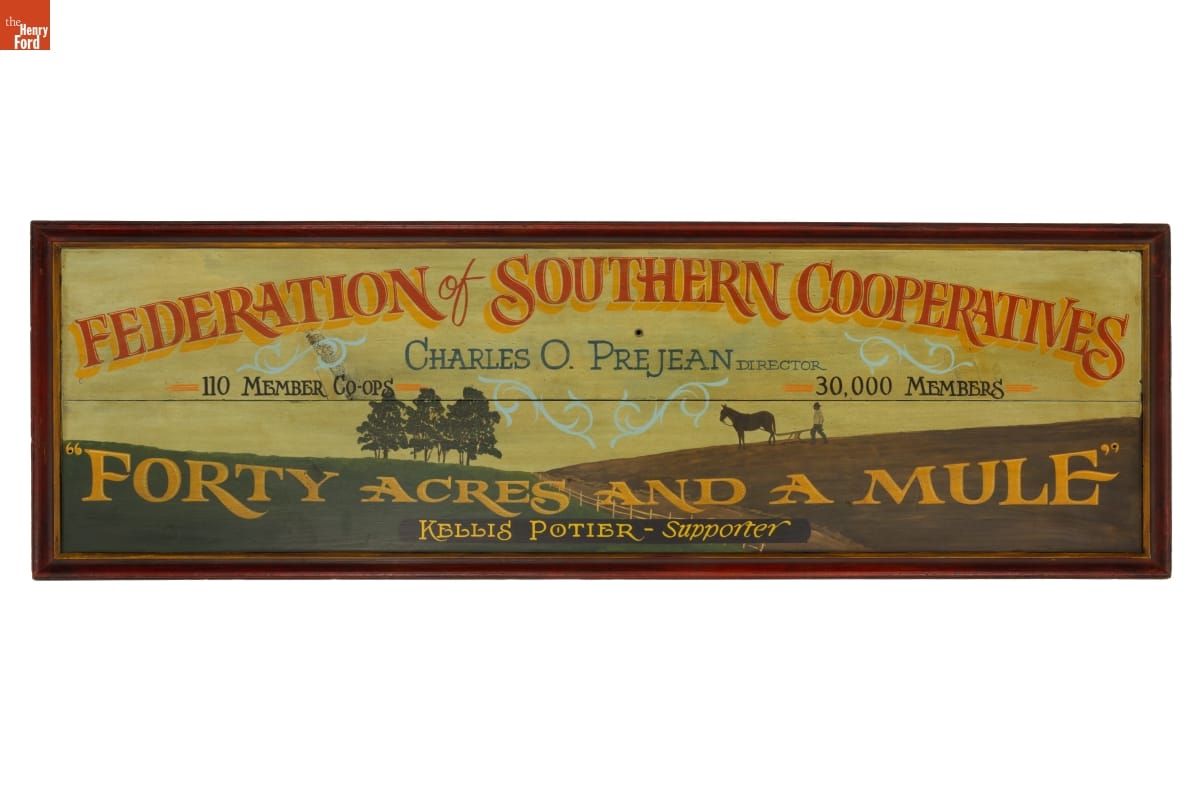
- "Federation of Southern Cooperatives" Sign -
- Collections - Artifact
"Federation of Southern Cooperatives" Sign
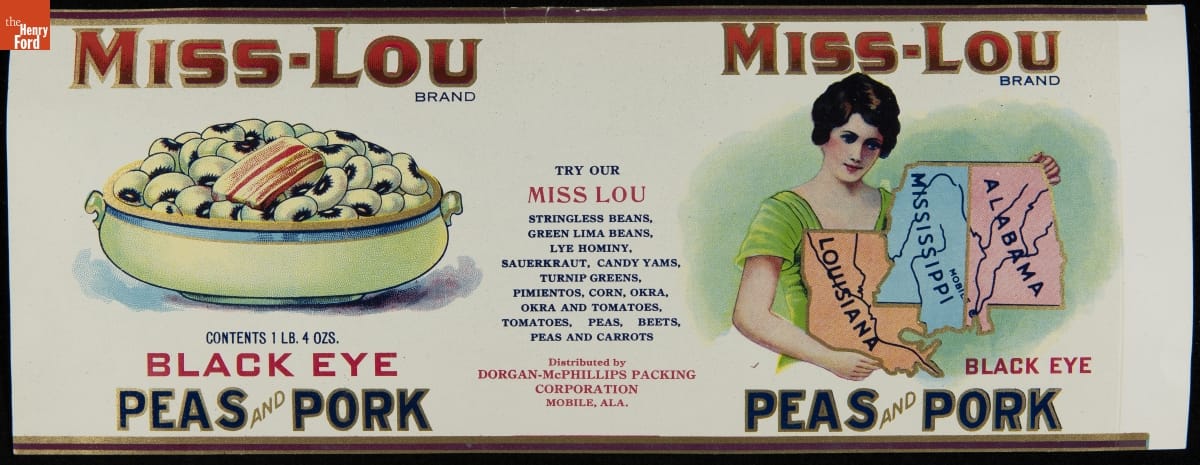
- Can Label for Miss-Lou Brand Black Eye Peas and Pork, 1930-1939 -
- 1930-1939
- Collections - Artifact
Can Label for Miss-Lou Brand Black Eye Peas and Pork, 1930-1939
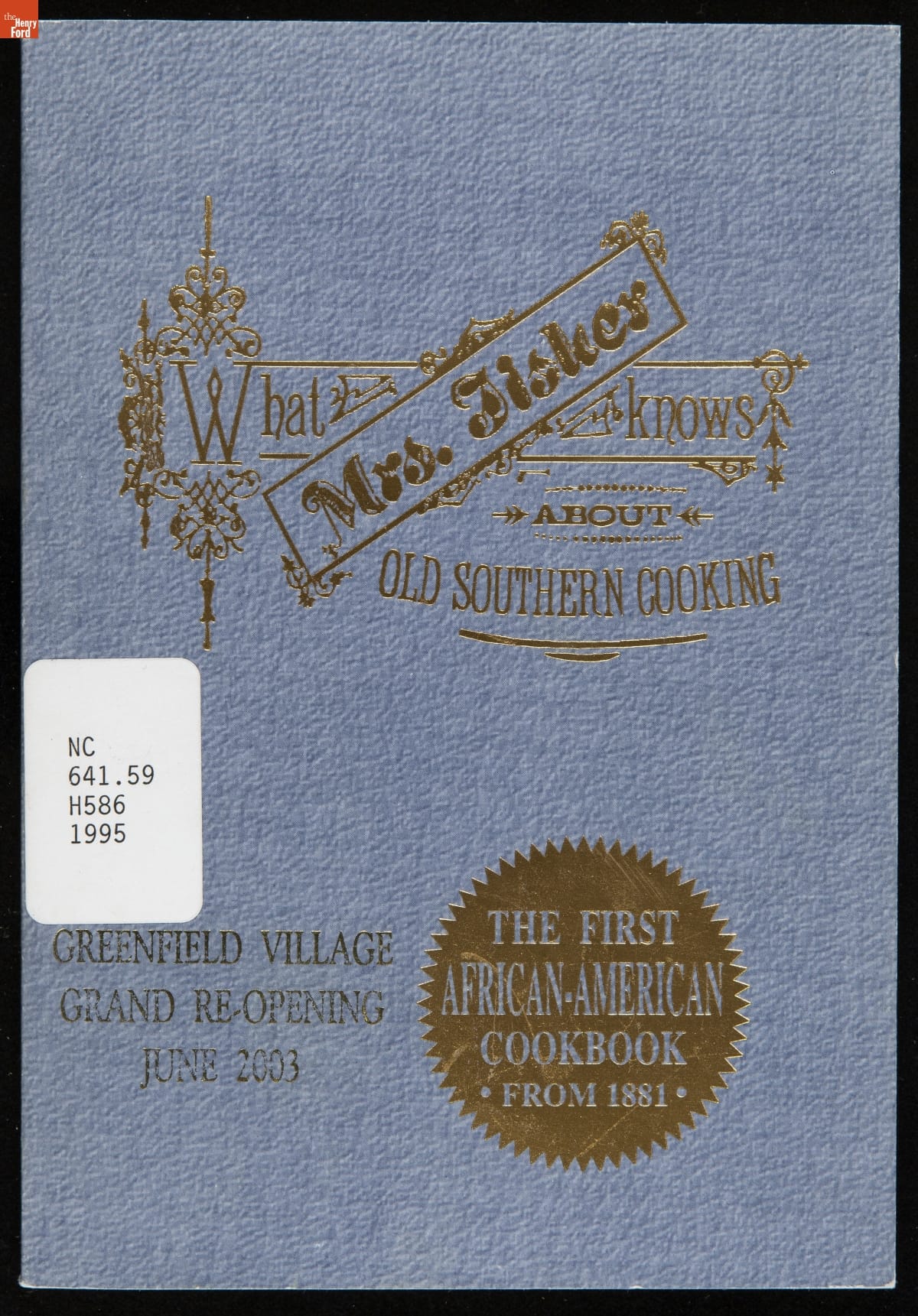
- What Mrs. Fisher Knows about Old Southern Cooking, 1995 -
- 1881
- Collections - Artifact
What Mrs. Fisher Knows about Old Southern Cooking, 1995
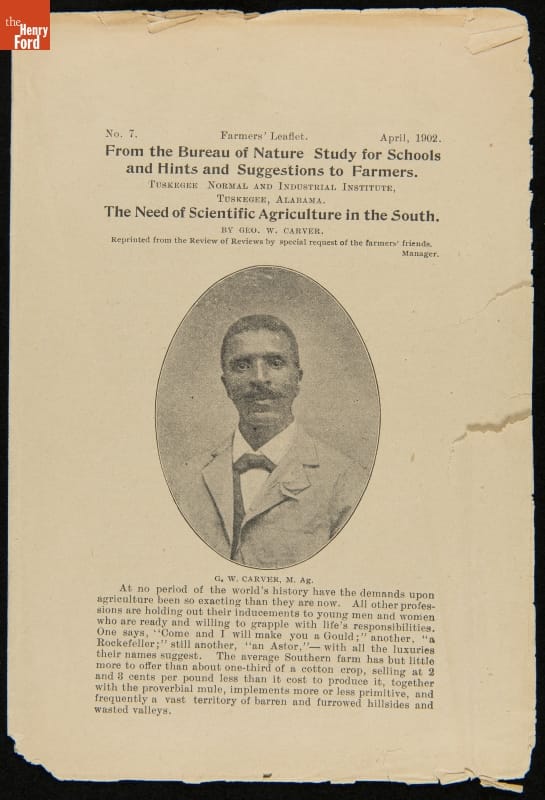
- The Need of Scientific Agriculture in the South, 1902 -
- 1902
- Collections - Artifact
The Need of Scientific Agriculture in the South, 1902
- Letter from Jefferson Davis to Paul Hamilton Hayne, 1885 -
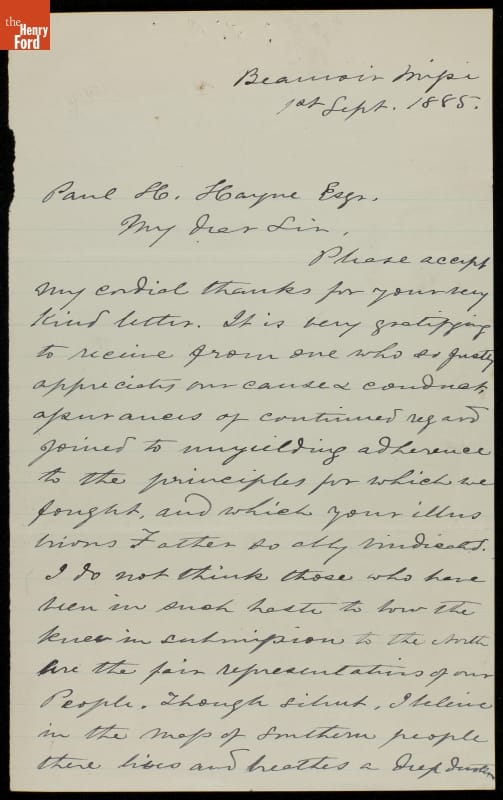
- September 01, 1885
- Collections - Artifact
Letter from Jefferson Davis to Paul Hamilton Hayne, 1885
- Letter from Henry Wilson to Sanborn, October 6, 1870 -
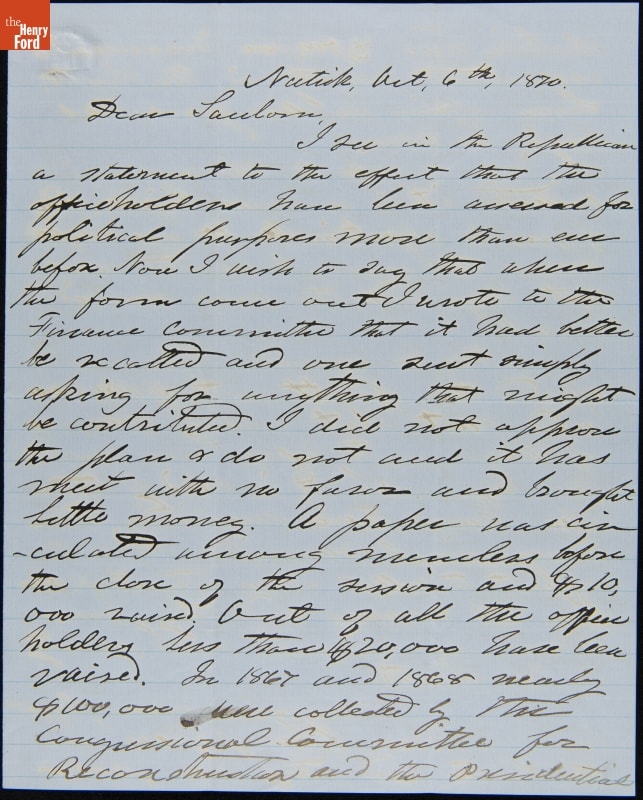
- October 06, 1870
- Collections - Artifact
Letter from Henry Wilson to Sanborn, October 6, 1870