
Search
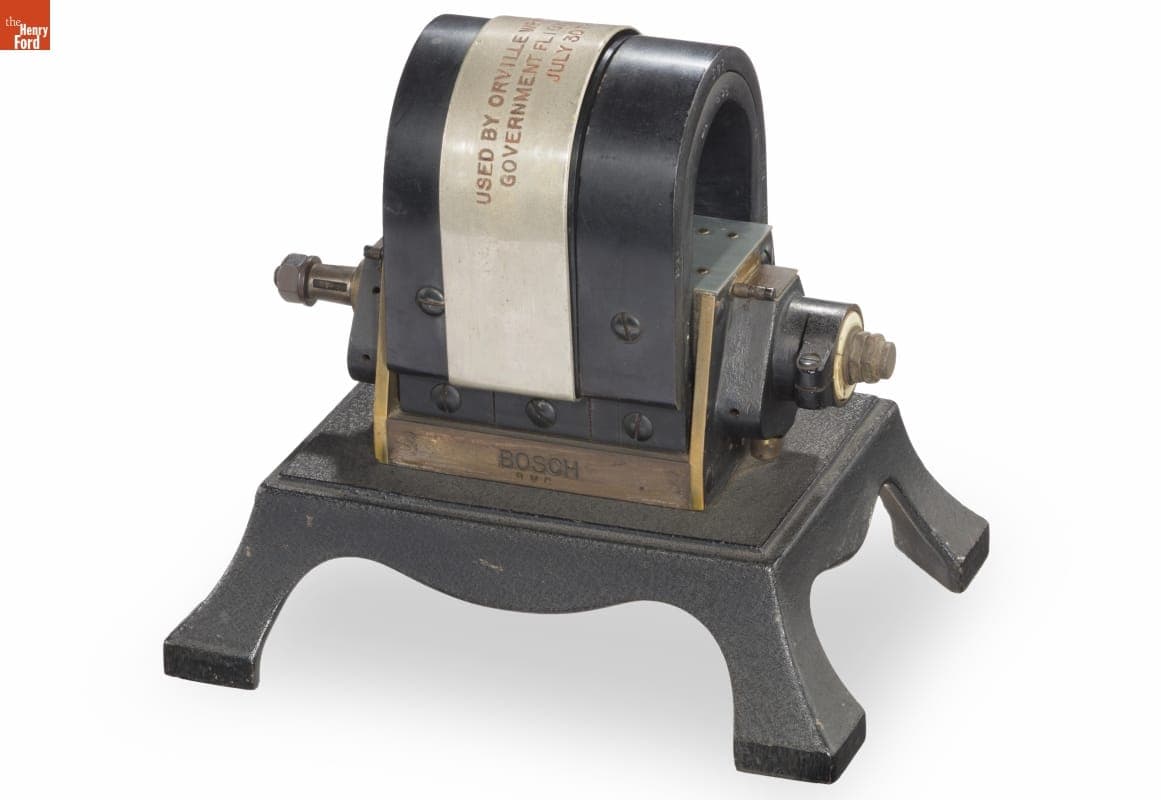
- Bosch Type ARN Magneto, Used by Orville Wright at Fort Myer, Virginia, 1909 - Orville Wright used this magneto, which generated spark for his airplane's engine, during demonstration flights for the U.S. Army at Fort Myer, Virginia, in July 1909. Fort Myer represented tragedy and triumph. Orville was seriously injured, and passenger Thomas Selfridge was killed, during initial demonstrations there in September 1908. Ten months later, Orville returned and completed the demo flights successfully.
- July 30, 1909
- Collections - Artifact
Bosch Type ARN Magneto, Used by Orville Wright at Fort Myer, Virginia, 1909
Orville Wright used this magneto, which generated spark for his airplane's engine, during demonstration flights for the U.S. Army at Fort Myer, Virginia, in July 1909. Fort Myer represented tragedy and triumph. Orville was seriously injured, and passenger Thomas Selfridge was killed, during initial demonstrations there in September 1908. Ten months later, Orville returned and completed the demo flights successfully.
- Orville Wright Piloting the Wright Model A Flyer at Fort Myer, Virginia, September 1908 - While his brother was demonstrating their airplane in France, Orville Wright made demonstration flights of his own for the United States Army Signal Corps at Fort Myer, Virginia. All went well until September 17, 1908, when a cracked propeller caused the plane to crash. Orville survived with serious injuries, but passenger Lt. Thomas Selfridge was killed -- the first airplane fatality.

- September 01, 1908
- Collections - Artifact
Orville Wright Piloting the Wright Model A Flyer at Fort Myer, Virginia, September 1908
While his brother was demonstrating their airplane in France, Orville Wright made demonstration flights of his own for the United States Army Signal Corps at Fort Myer, Virginia. All went well until September 17, 1908, when a cracked propeller caused the plane to crash. Orville survived with serious injuries, but passenger Lt. Thomas Selfridge was killed -- the first airplane fatality.
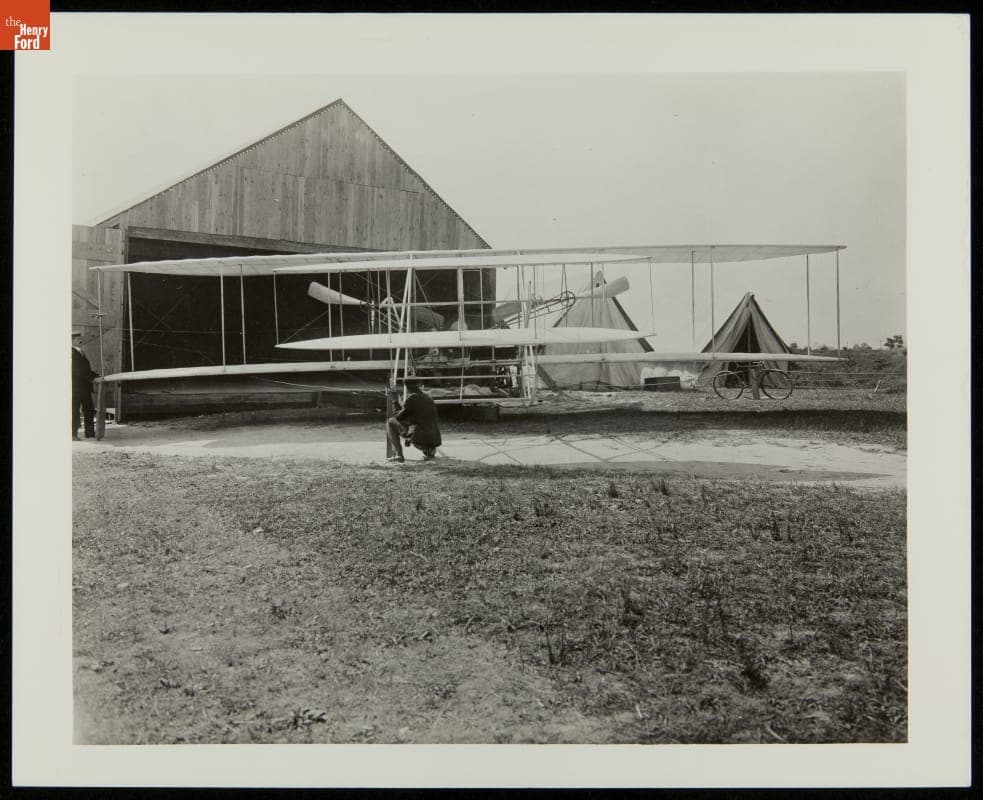
- Wright Airplane outside Hangar at Fort Myer, Virginia, September 1908 - While his brother was demonstrating their airplane in France, Orville Wright made demonstration flights of his own for the United States Army Signal Corps at Fort Myer, Virginia. All went well until September 17, 1908, when a cracked propeller caused the plane to crash. Orville survived with serious injuries, but passenger Lt. Thomas Selfridge was killed -- the first airplane fatality.
- September 01, 1908
- Collections - Artifact
Wright Airplane outside Hangar at Fort Myer, Virginia, September 1908
While his brother was demonstrating their airplane in France, Orville Wright made demonstration flights of his own for the United States Army Signal Corps at Fort Myer, Virginia. All went well until September 17, 1908, when a cracked propeller caused the plane to crash. Orville survived with serious injuries, but passenger Lt. Thomas Selfridge was killed -- the first airplane fatality.
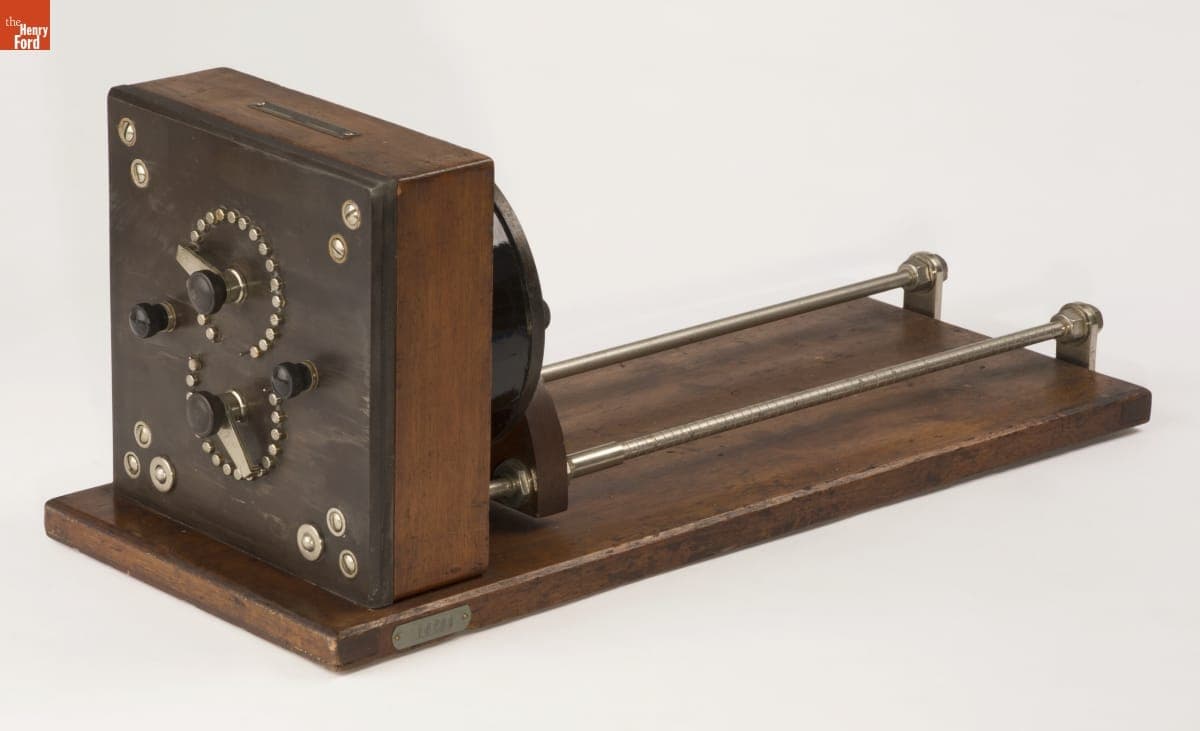
- Fessenden Variable Coupler, Used at Arlington Wireless Station NAA, 1913-1917 -
- 1913-1917
- Collections - Artifact
Fessenden Variable Coupler, Used at Arlington Wireless Station NAA, 1913-1917
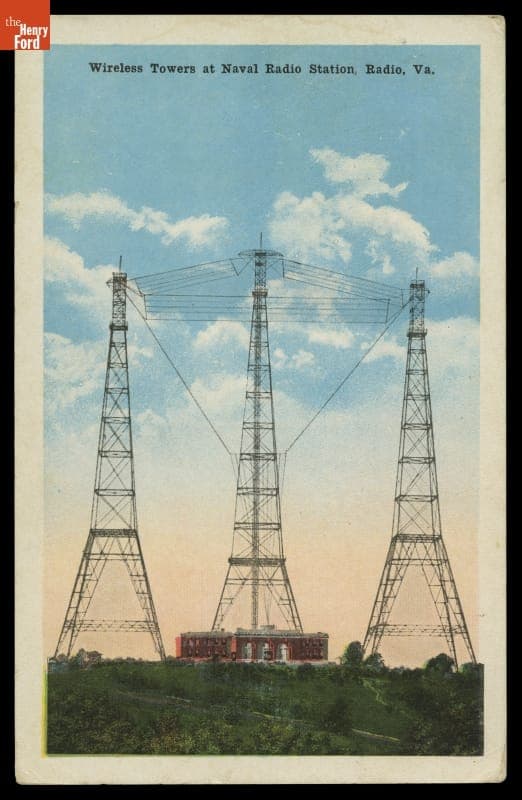
- Wireless Towers at Naval Radio Station, Radio, Virginia, circa 1930 -
- circa 1930
- Collections - Artifact
Wireless Towers at Naval Radio Station, Radio, Virginia, circa 1930
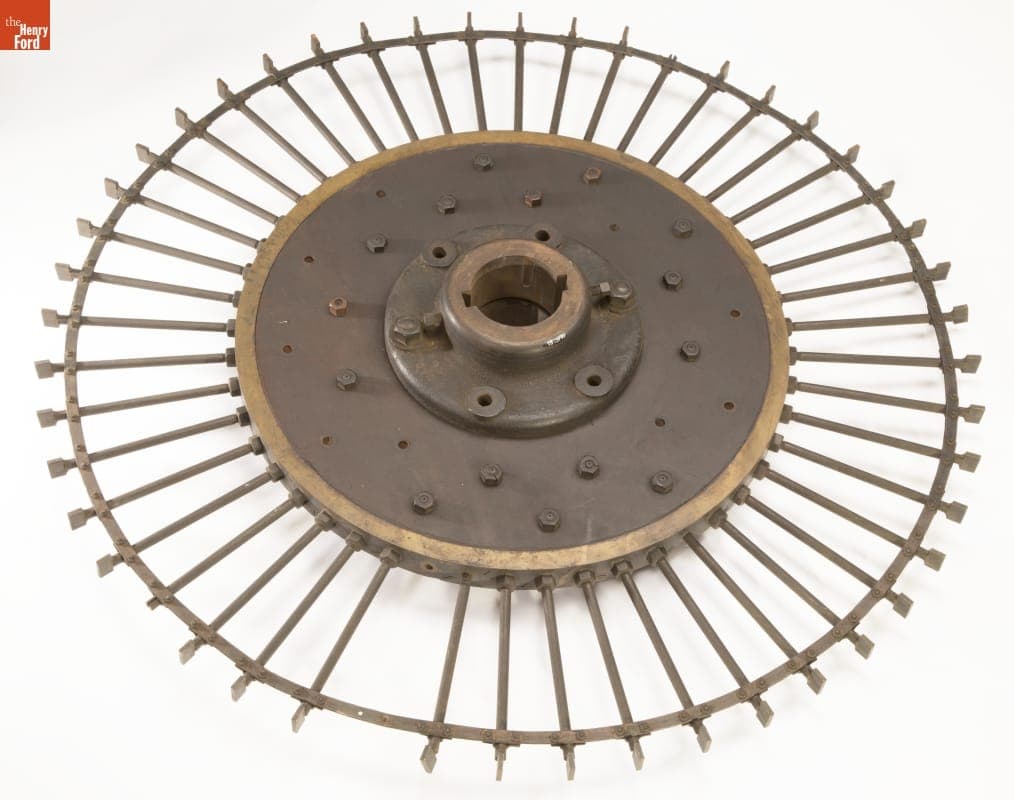
- Rotor from Fessenden Rotary Spark Gap, Used at the Naval Wireless Station NAA, Arlington, Virginia, 1913 - This device was part of a system used to amplify the time signal from U.S. Navy station NAA at Arlington, Virginia. Station NAA received a time signal from the Naval Observatory clock via telegraph wire, rebroadcasting it via a powerful transmitter to receivers all over the nation. Americans utilized radio technology to set their clocks to this standardized signal.
- 1913
- Collections - Artifact
Rotor from Fessenden Rotary Spark Gap, Used at the Naval Wireless Station NAA, Arlington, Virginia, 1913
This device was part of a system used to amplify the time signal from U.S. Navy station NAA at Arlington, Virginia. Station NAA received a time signal from the Naval Observatory clock via telegraph wire, rebroadcasting it via a powerful transmitter to receivers all over the nation. Americans utilized radio technology to set their clocks to this standardized signal.
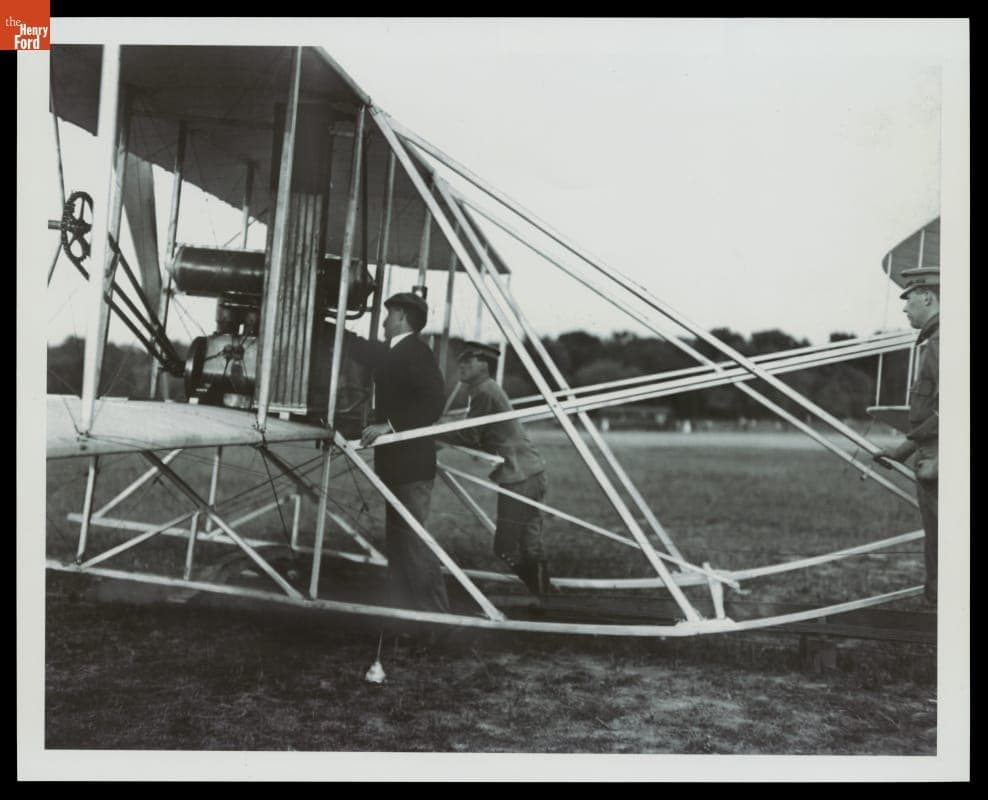
- Orville Wright with Lieutenant Benjamin Foulois during Test Flights at Fort Myer, Virginia, 1909 - Nine months after suffering serious injuries there in an airplane crash, Orville Wright returned to Fort Myer, Virginia, in June and July of 1909. With brother Wilbur along for support, Orville completed his demonstration flights for the U.S. Army Signal Corps. This time, the flights were successful, and the Army agreed to buy the airplane from the Wrights for $30,000.
- 1909
- Collections - Artifact
Orville Wright with Lieutenant Benjamin Foulois during Test Flights at Fort Myer, Virginia, 1909
Nine months after suffering serious injuries there in an airplane crash, Orville Wright returned to Fort Myer, Virginia, in June and July of 1909. With brother Wilbur along for support, Orville completed his demonstration flights for the U.S. Army Signal Corps. This time, the flights were successful, and the Army agreed to buy the airplane from the Wrights for $30,000.
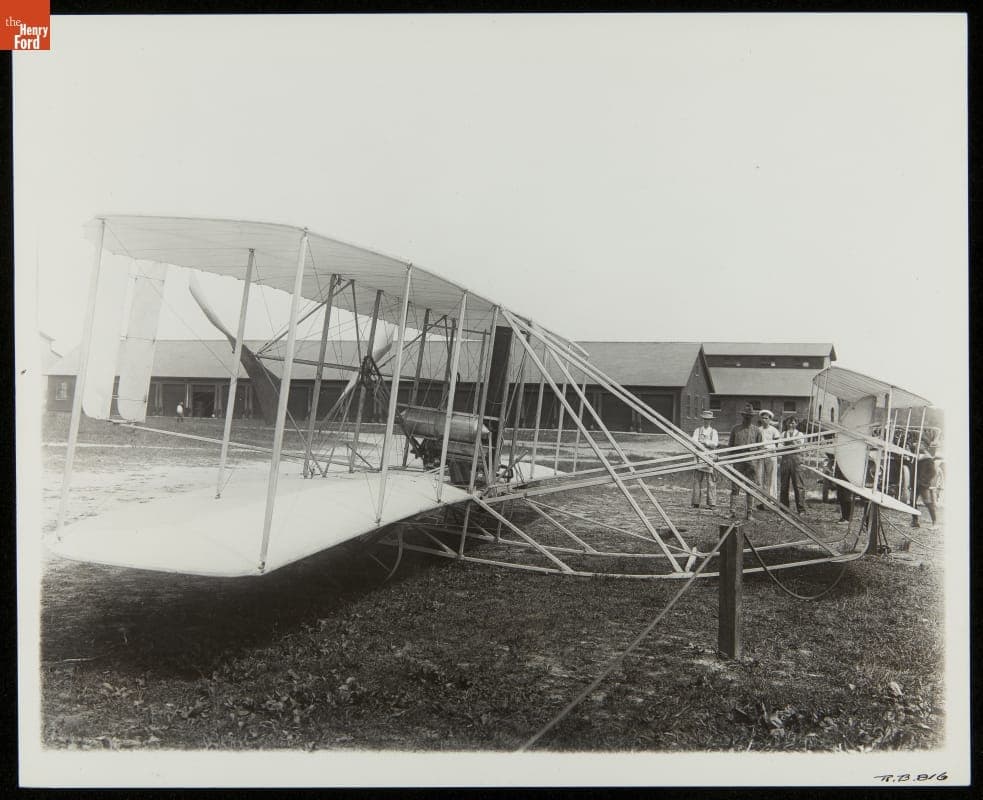
- Wright Airplane at Fort Myer, Virginia, September 1908 - While his brother was demonstrating their airplane in France, Orville Wright made demonstration flights of his own for the United States Army Signal Corps at Fort Myer, Virginia. All went well until September 17, 1908, when a cracked propeller caused the plane to crash. Orville survived with serious injuries, but passenger Lt. Thomas Selfridge was killed -- the first airplane fatality.
- September 01, 1908
- Collections - Artifact
Wright Airplane at Fort Myer, Virginia, September 1908
While his brother was demonstrating their airplane in France, Orville Wright made demonstration flights of his own for the United States Army Signal Corps at Fort Myer, Virginia. All went well until September 17, 1908, when a cracked propeller caused the plane to crash. Orville survived with serious injuries, but passenger Lt. Thomas Selfridge was killed -- the first airplane fatality.
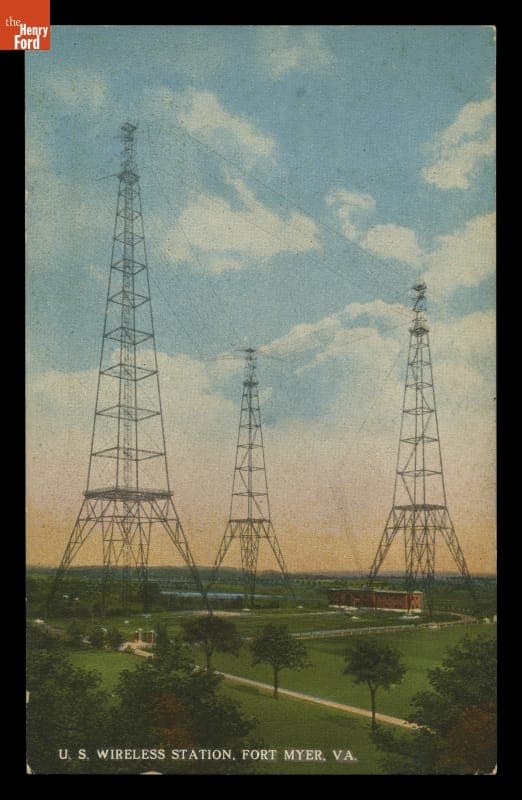
- U. S. Wireless Station, Fort Myer, Virginia, circa 1914 -
- circa 1914
- Collections - Artifact
U. S. Wireless Station, Fort Myer, Virginia, circa 1914
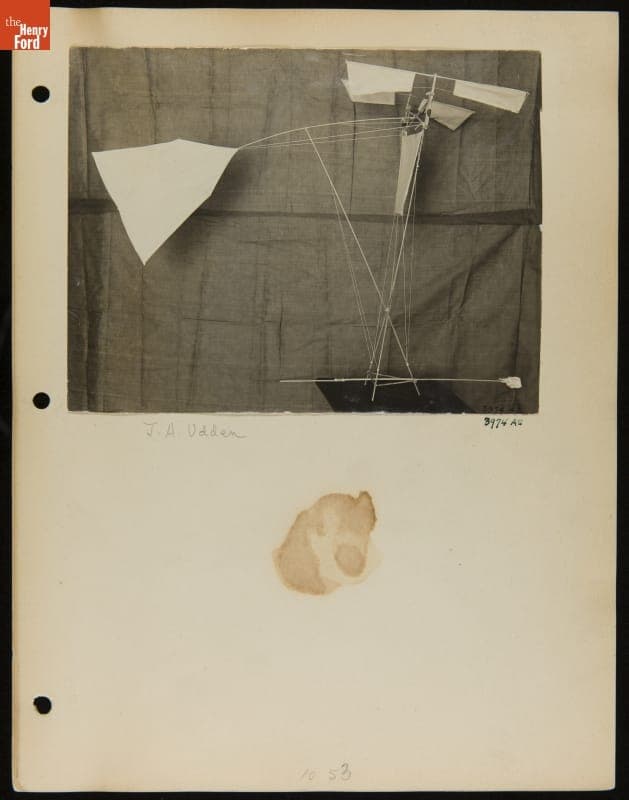
- Ernest L. Jones Early Aviation Scrapbook, vol. 7 of 7 (U-Z) - Ernest L. Jones transformed his early interest in aeronautics into a lifelong career devoted to civil and military aviation. Jones edited and published several aeronautical magazines, promoted and improved air transportation operations, and served in military air services during both world wars. Jones's scrapbooks document the early development of aviation in the United States.
- 1903-1917
- Collections - Artifact
Ernest L. Jones Early Aviation Scrapbook, vol. 7 of 7 (U-Z)
Ernest L. Jones transformed his early interest in aeronautics into a lifelong career devoted to civil and military aviation. Jones edited and published several aeronautical magazines, promoted and improved air transportation operations, and served in military air services during both world wars. Jones's scrapbooks document the early development of aviation in the United States.