
Search
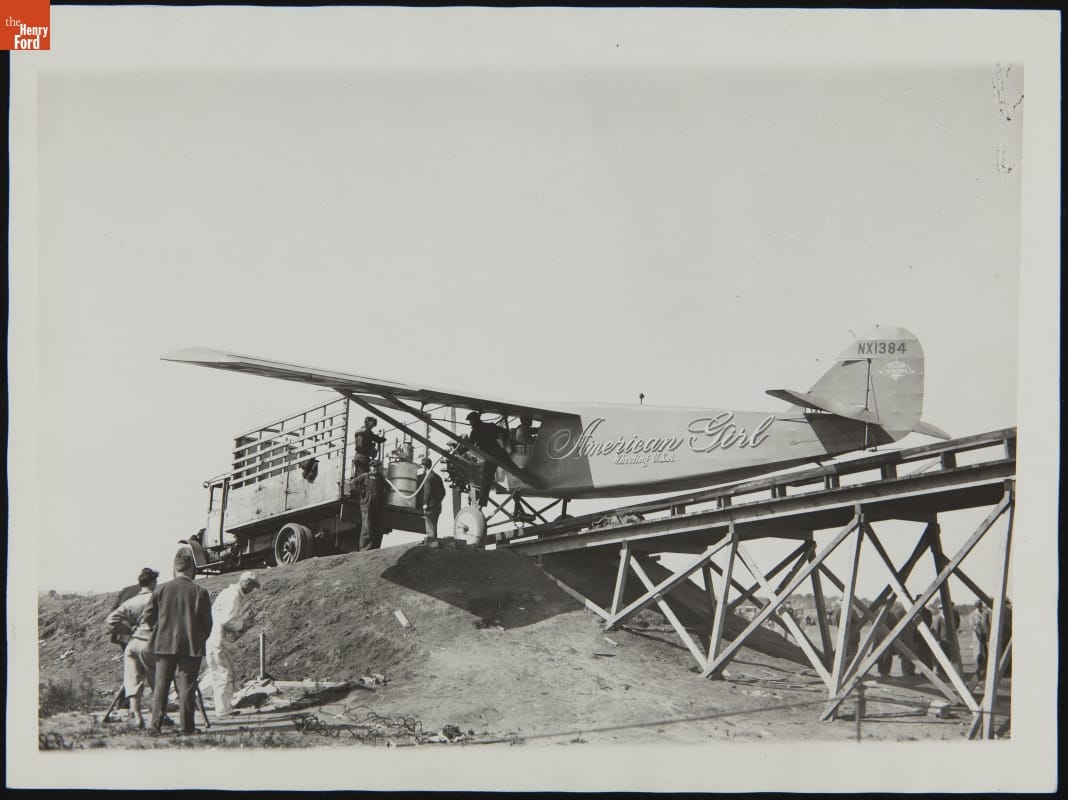
- Ruth Elder's Airplane, the "American Girl," Fueling up before Take-off, October 11, 1927 - Ruth Elder planned to be the first woman to fly across the Atlantic. On October 11, 1927, Elder and co-pilot George Haldeman took off in their Stinson Detroiter <EM>American Girl</EM>. An oil leak forced them to ditch in the ocean some 360 miles short of land. Still, the 2,623 miles Elder covered set a new distance record for a female pilot.
- October 11, 1927
- Collections - Artifact
Ruth Elder's Airplane, the "American Girl," Fueling up before Take-off, October 11, 1927
Ruth Elder planned to be the first woman to fly across the Atlantic. On October 11, 1927, Elder and co-pilot George Haldeman took off in their Stinson Detroiter American Girl. An oil leak forced them to ditch in the ocean some 360 miles short of land. Still, the 2,623 miles Elder covered set a new distance record for a female pilot.
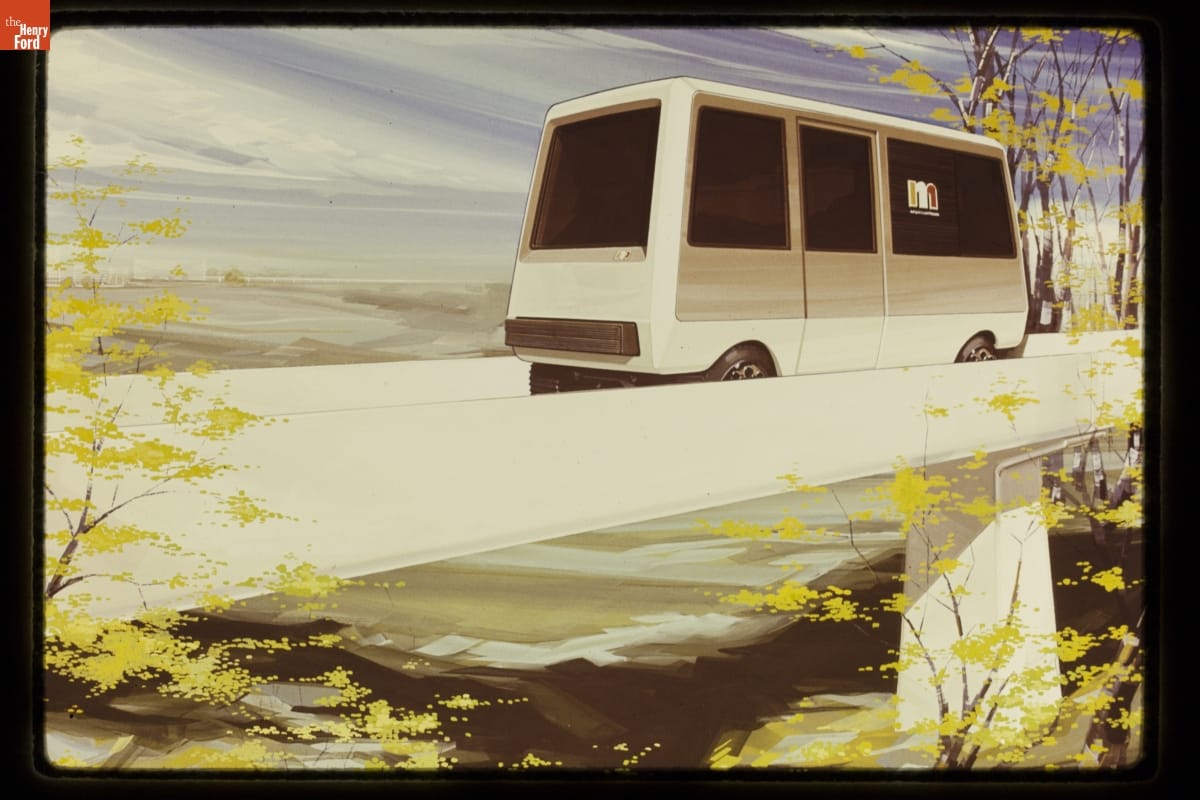
- Rendering of Morgantown, West Virginia, People Mover Vehicle, circa 1971 - In 1975, West Virginia University opened a personal rapid transit (PRT) system connecting its three campuses in Morgantown, West Virginia. Installed with support from the U.S. Department of Transportation, WVU's automated system was used to test the PRT concept. Michigan-based firm Sundberg-Ferar prepared a series of design proposals for the Morgantown PRT vehicles.
- circa 1971
- Collections - Artifact
Rendering of Morgantown, West Virginia, People Mover Vehicle, circa 1971
In 1975, West Virginia University opened a personal rapid transit (PRT) system connecting its three campuses in Morgantown, West Virginia. Installed with support from the U.S. Department of Transportation, WVU's automated system was used to test the PRT concept. Michigan-based firm Sundberg-Ferar prepared a series of design proposals for the Morgantown PRT vehicles.
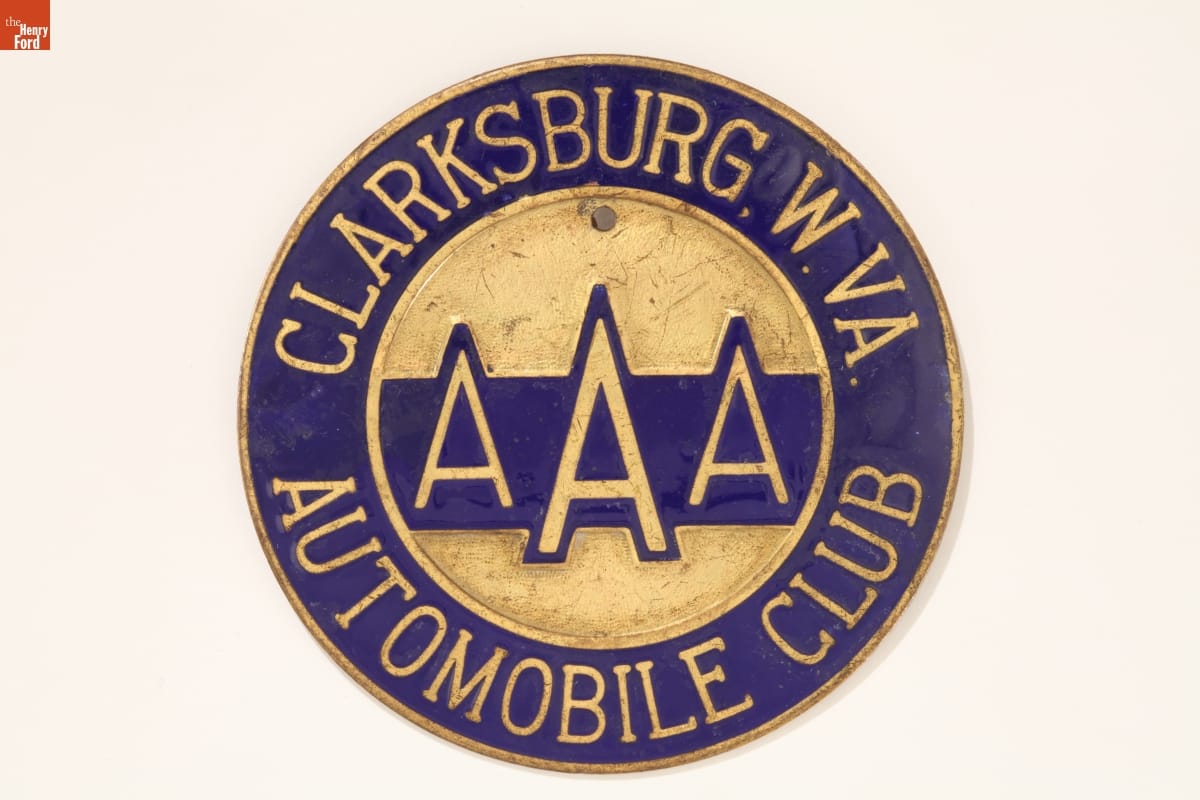
- West Virginia Automobile Club, Clarksburg, Badge, 1915-1935 - Twentieth-century motorists who belonged to automobile clubs attached badges or emblems to their vehicles. These membership badges were displayed prominently on radiators, license plates, bumpers, or elsewhere on the car. The badges helped identify members and promoted the organization. Members of the Clarksburg, West Virginia, Automobile Club used badges like this one from the 1910s to the mid-1930s.
- 1915-1935
- Collections - Artifact
West Virginia Automobile Club, Clarksburg, Badge, 1915-1935
Twentieth-century motorists who belonged to automobile clubs attached badges or emblems to their vehicles. These membership badges were displayed prominently on radiators, license plates, bumpers, or elsewhere on the car. The badges helped identify members and promoted the organization. Members of the Clarksburg, West Virginia, Automobile Club used badges like this one from the 1910s to the mid-1930s.
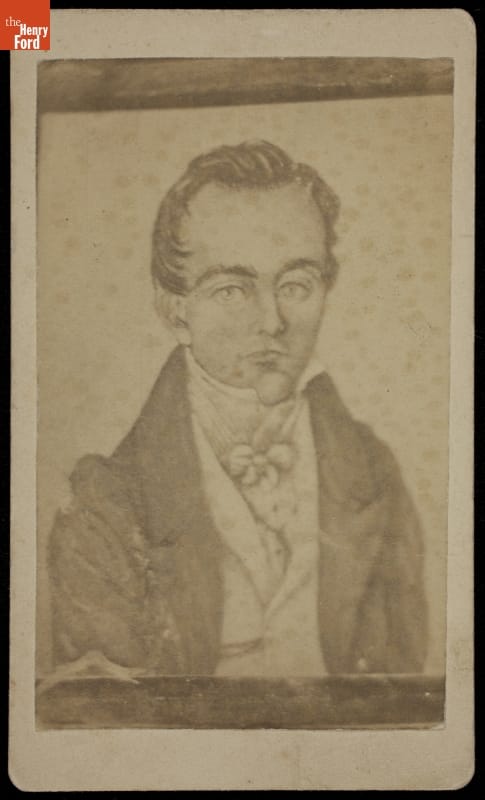
- Portrait from a Drawing of Harman Blennerhassett, circa 1865 -
- circa 1865
- Collections - Artifact
Portrait from a Drawing of Harman Blennerhassett, circa 1865
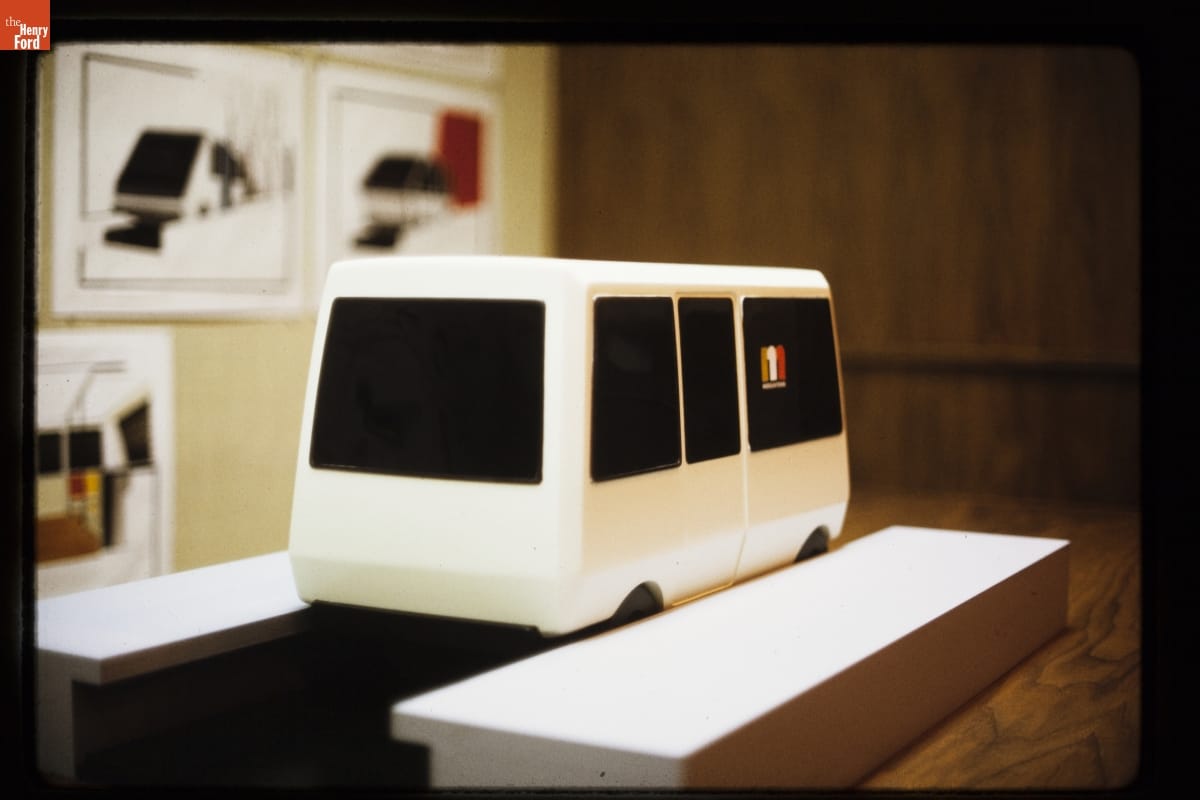
- Scale Model of Morgantown, West Virginia, People Mover Vehicle, circa 1971 - In 1975, West Virginia University opened a personal rapid transit (PRT) system connecting its three campuses in Morgantown, West Virginia. Installed with support from the U.S. Department of Transportation, WVU's automated system was used to test the PRT concept. Michigan-based firm Sundberg-Ferar prepared a series of design proposals for the Morgantown PRT vehicles.
- circa 1971
- Collections - Artifact
Scale Model of Morgantown, West Virginia, People Mover Vehicle, circa 1971
In 1975, West Virginia University opened a personal rapid transit (PRT) system connecting its three campuses in Morgantown, West Virginia. Installed with support from the U.S. Department of Transportation, WVU's automated system was used to test the PRT concept. Michigan-based firm Sundberg-Ferar prepared a series of design proposals for the Morgantown PRT vehicles.
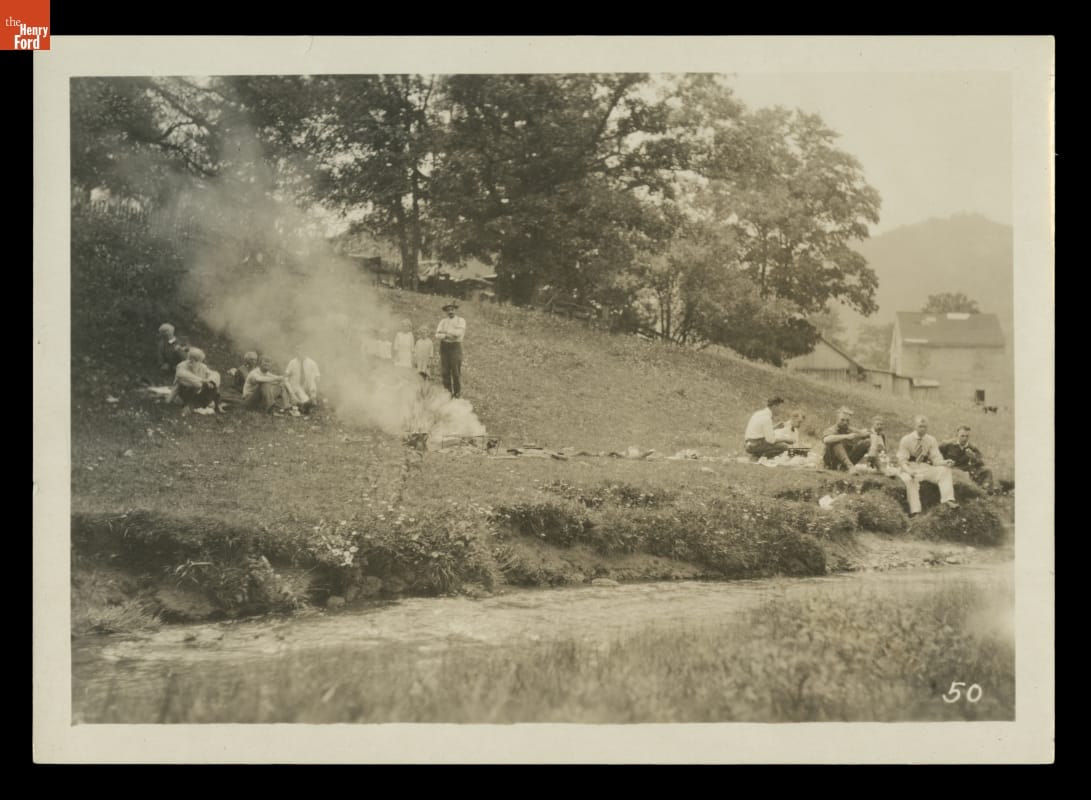
- Lunch at Gap Mills, West Virginia for the "Vagabonds" and Crew, 1918 - Between 1916 and 1924, Henry Ford, Thomas Edison, Harvey Firestone and John Burroughs embarked on a series of camping trips. They called themselves the Vagabonds, but they camped in style. Numerous support staff set up and took down camp, cooked, took photographs, and maintained the cars and equipment trucks. This candid photograph shows "The Party and Crew" eating lunch and relaxing by a creek in West Virginia.
- August 24, 1918
- Collections - Artifact
Lunch at Gap Mills, West Virginia for the "Vagabonds" and Crew, 1918
Between 1916 and 1924, Henry Ford, Thomas Edison, Harvey Firestone and John Burroughs embarked on a series of camping trips. They called themselves the Vagabonds, but they camped in style. Numerous support staff set up and took down camp, cooked, took photographs, and maintained the cars and equipment trucks. This candid photograph shows "The Party and Crew" eating lunch and relaxing by a creek in West Virginia.
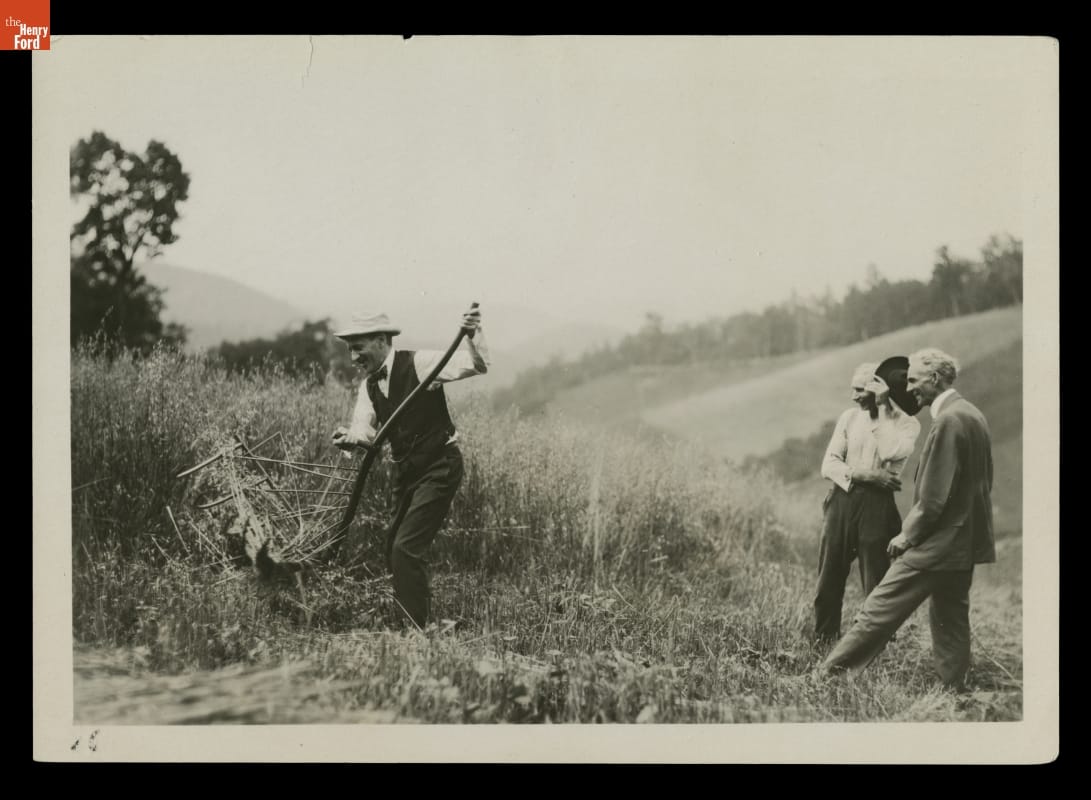
- Harvey Firestone Harvesting Oats with a Cradle Scythe during a "Vagabonds" Camping Trip, 1918 - Between 1916 and 1924, Henry Ford, Thomas Edison, Harvey Firestone and naturalist John Burroughs embarked on a series of camping trips. They called themselves the Vagabonds. These Vagabonds enjoyed retreating from the fast-paced world to explore nature and the pre-industrial countryside. In 1918, the group stopped to help a local farmer harvest his crops. Ford and the farmer look on as Firestone struggles with the grain cradle.
- 1918
- Collections - Artifact
Harvey Firestone Harvesting Oats with a Cradle Scythe during a "Vagabonds" Camping Trip, 1918
Between 1916 and 1924, Henry Ford, Thomas Edison, Harvey Firestone and naturalist John Burroughs embarked on a series of camping trips. They called themselves the Vagabonds. These Vagabonds enjoyed retreating from the fast-paced world to explore nature and the pre-industrial countryside. In 1918, the group stopped to help a local farmer harvest his crops. Ford and the farmer look on as Firestone struggles with the grain cradle.
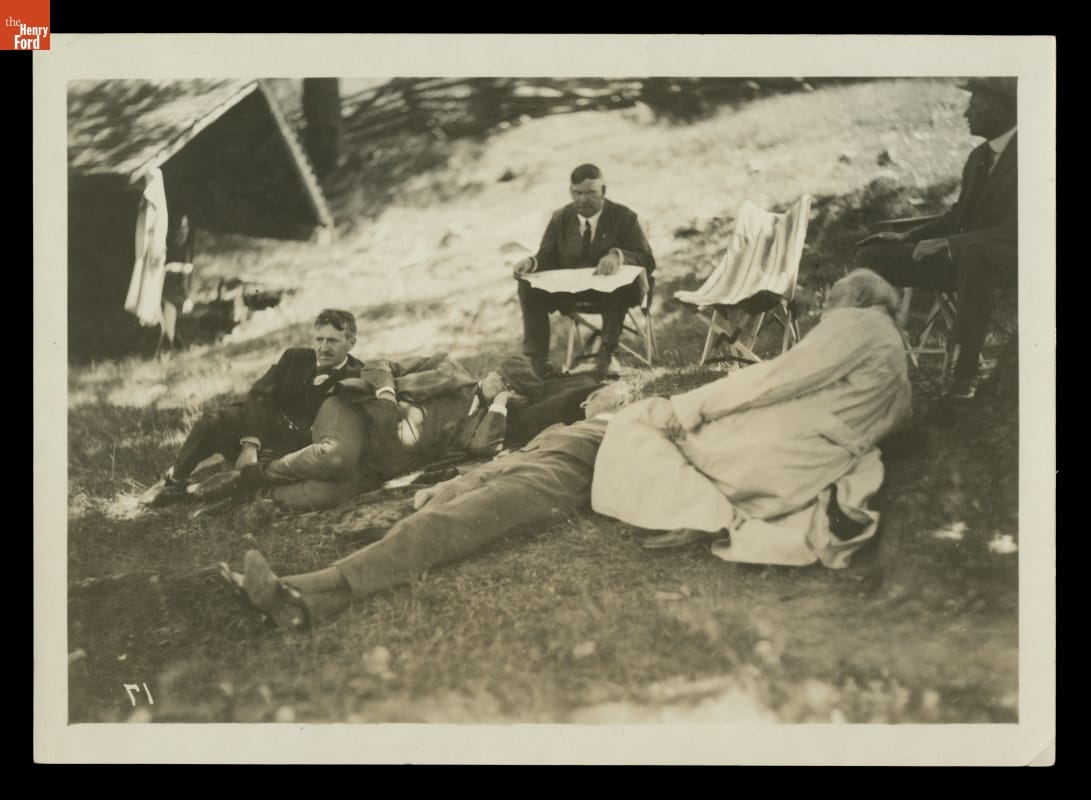
- Harvey Firestone, Thomas Edison, Henry Ford and John Burroughs on a "Vagabonds" Camping Trip, 1918 - Between 1916 and 1924, Henry Ford, Thomas Edison, Harvey Firestone and naturalist John Burroughs embarked on a series of camping trips. They called themselves the Vagabonds, but they camped in style. These Vagabonds enjoyed retreating from the fast-paced world to explore nature and the pre-industrial countryside -- or just to relax and nap under a tree.
- 1918
- Collections - Artifact
Harvey Firestone, Thomas Edison, Henry Ford and John Burroughs on a "Vagabonds" Camping Trip, 1918
Between 1916 and 1924, Henry Ford, Thomas Edison, Harvey Firestone and naturalist John Burroughs embarked on a series of camping trips. They called themselves the Vagabonds, but they camped in style. These Vagabonds enjoyed retreating from the fast-paced world to explore nature and the pre-industrial countryside -- or just to relax and nap under a tree.
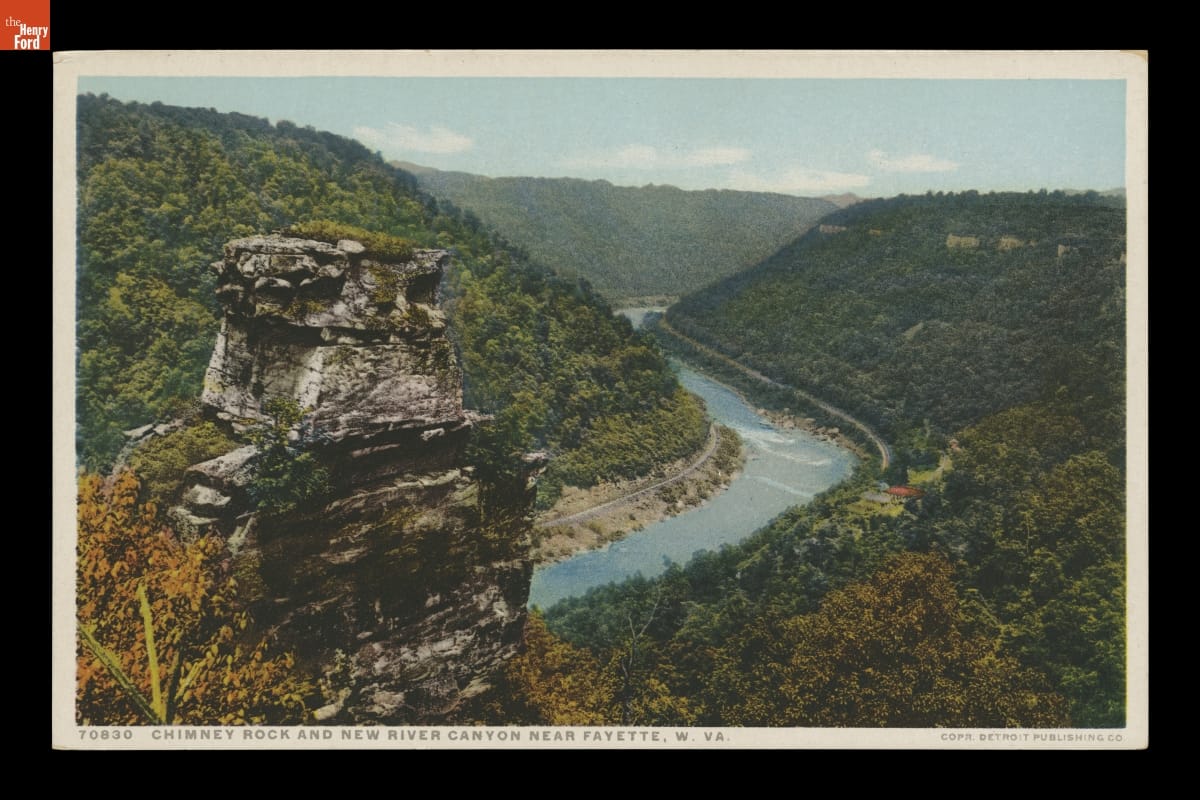
- "Chimney Rock and New River Canyon near Fayette, W. Va.," circa 1913 - From 1895 to 1924, the Detroit Publishing Company was one of the major image publishers in the world. It had a wide-ranging stock of original photographs, many of which were colored using the company's patented "Phostint" process. Popular "Phostint" postcards, the Detroit Publishing Company claimed, were delicately "executed in Nature's Coloring" to be truthful, tasteful, beautiful, and educational.
- circa 1913
- Collections - Artifact
"Chimney Rock and New River Canyon near Fayette, W. Va.," circa 1913
From 1895 to 1924, the Detroit Publishing Company was one of the major image publishers in the world. It had a wide-ranging stock of original photographs, many of which were colored using the company's patented "Phostint" process. Popular "Phostint" postcards, the Detroit Publishing Company claimed, were delicately "executed in Nature's Coloring" to be truthful, tasteful, beautiful, and educational.
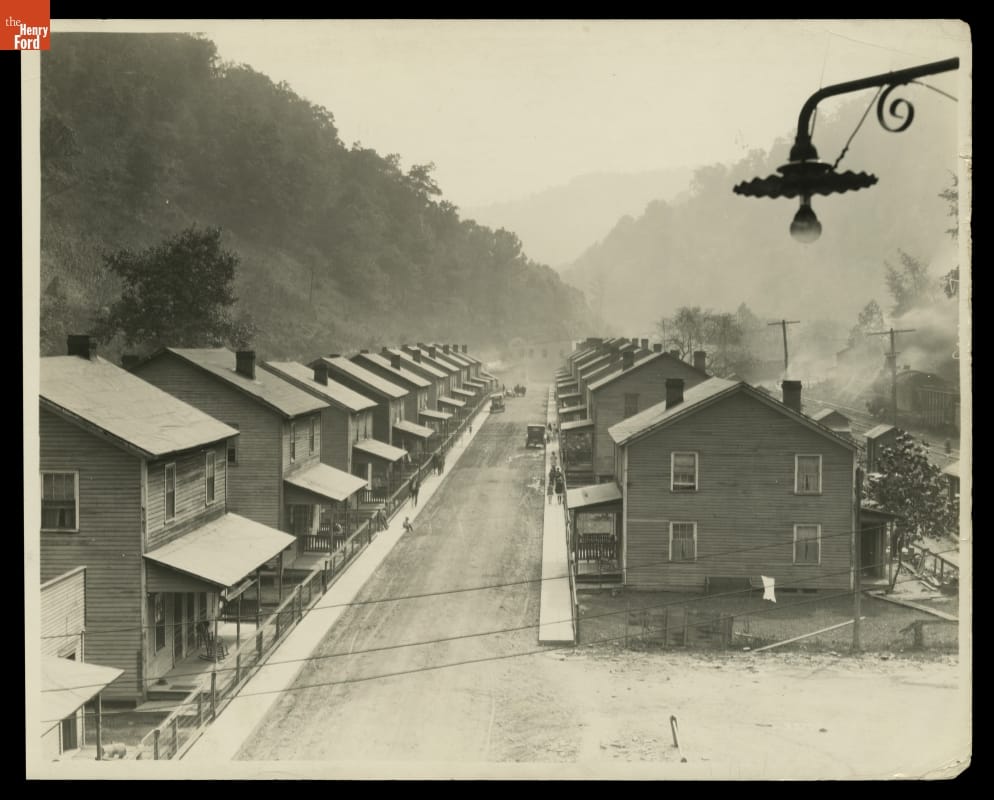
- Hardy Coal Mine Camp, October 1923 - The Pond Creek Coal Company established the company town of Hardy, Kentucky -- located five miles southeast of Williamson, West Virginia -- in 1914. Henry Ford's Fordson Coal Company purchased the Pond Creek firm in 1922 to supply coal to Ford Motor Company. Fordson sold its Pond Creek properties to Eastern Coal Corporation in 1936.
- October 24, 1923
- Collections - Artifact
Hardy Coal Mine Camp, October 1923
The Pond Creek Coal Company established the company town of Hardy, Kentucky -- located five miles southeast of Williamson, West Virginia -- in 1914. Henry Ford's Fordson Coal Company purchased the Pond Creek firm in 1922 to supply coal to Ford Motor Company. Fordson sold its Pond Creek properties to Eastern Coal Corporation in 1936.