
Search
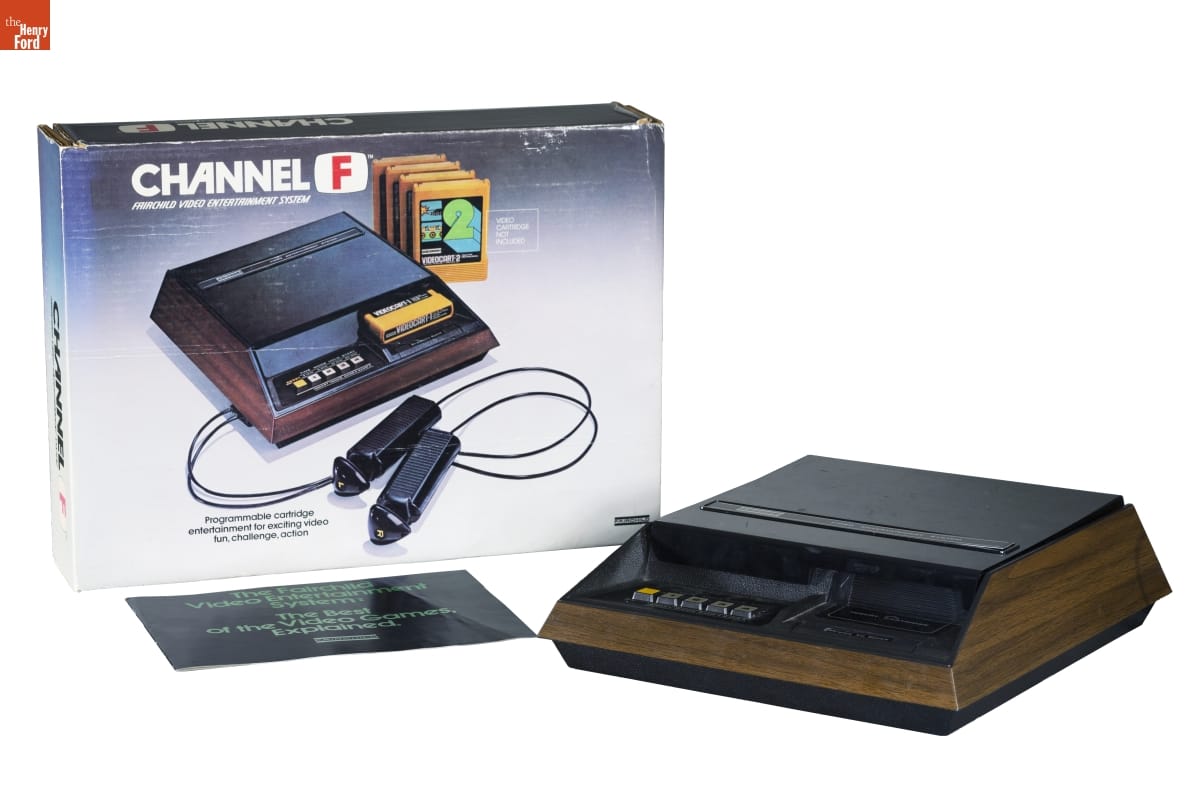
- Fairchild Channel F Video Game System, 1976 - The Fairchild Channel F Video Entertainment System is the first home video game console to include interchangeable cartridges. Jerry Lawson, Fairchild's head of engineering and hardware, co-invented the cartridge, which continues to be adapted into systems today. Lawson was one of the first Black engineers to work in Silicon Valley and was an early member of the Homebrew Computer Club.
- 1976
- Collections - Artifact
Fairchild Channel F Video Game System, 1976
The Fairchild Channel F Video Entertainment System is the first home video game console to include interchangeable cartridges. Jerry Lawson, Fairchild's head of engineering and hardware, co-invented the cartridge, which continues to be adapted into systems today. Lawson was one of the first Black engineers to work in Silicon Valley and was an early member of the Homebrew Computer Club.
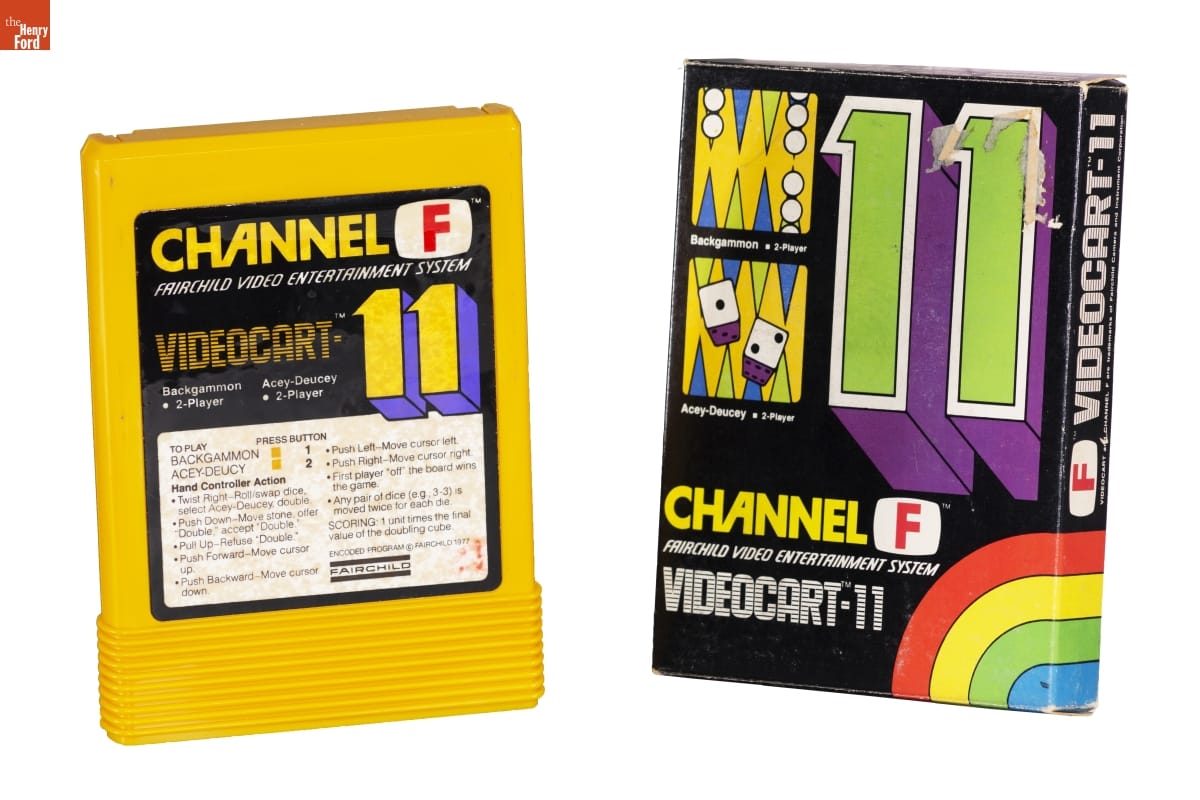
- Fairchild Videocart-11 Game, "Backgammon, Acey-Deucey," 1977 - The Fairchild Channel F Video Entertainment System is the first home video game console to include interchangeable cartridges. Jerry Lawson, Fairchild's head of engineering and hardware, co-invented the cartridge, which continues to be adapted into systems today. Lawson was one of the first Black engineers to work in Silicon Valley and was an early member of the Homebrew Computer Club.
- 1977
- Collections - Artifact
Fairchild Videocart-11 Game, "Backgammon, Acey-Deucey," 1977
The Fairchild Channel F Video Entertainment System is the first home video game console to include interchangeable cartridges. Jerry Lawson, Fairchild's head of engineering and hardware, co-invented the cartridge, which continues to be adapted into systems today. Lawson was one of the first Black engineers to work in Silicon Valley and was an early member of the Homebrew Computer Club.
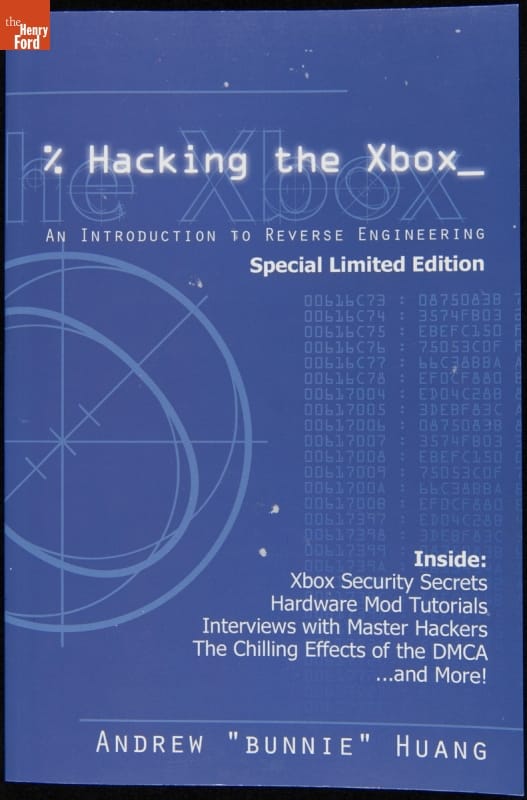
- "Hacking the Xbox: An Introduction to Reverse Engineering, Special Limited Edition" by Andrew "bunnie" Huang, 2003 - When Andrew "bunnie" Huang used a screwdriver to open his Microsoft Xbox, he willingly opened a legal Pandora's box. Marketed as a simple gaming system, the Xbox was actually a powerful computer with locked down features. Huang's modifications unlocked the system's full potential--and challenged copyright law. His book, "Hacking the Xbox," is a controversial guidebook for the "mod-chipping" movement.
- 2003
- Collections - Artifact
"Hacking the Xbox: An Introduction to Reverse Engineering, Special Limited Edition" by Andrew "bunnie" Huang, 2003
When Andrew "bunnie" Huang used a screwdriver to open his Microsoft Xbox, he willingly opened a legal Pandora's box. Marketed as a simple gaming system, the Xbox was actually a powerful computer with locked down features. Huang's modifications unlocked the system's full potential--and challenged copyright law. His book, "Hacking the Xbox," is a controversial guidebook for the "mod-chipping" movement.
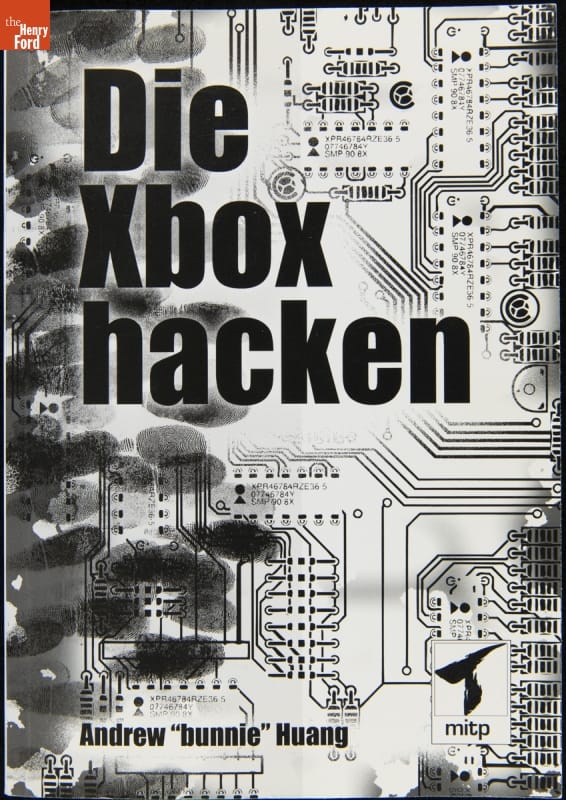
- "Die Xbox hacken," by Andrew "bunnie" Huang, Translated into German from English, 2003 - When Andrew "bunnie" Huang used a screwdriver to open his Microsoft Xbox, he willingly opened a legal Pandora's box. Marketed as a simple gaming system, the Xbox was actually a powerful computer with locked down features. Huang's modifications unlocked the system's full potential--and challenged copyright law. His book, "Hacking the Xbox," is a controversial guidebook for the "mod-chipping" movement.
- 2003
- Collections - Artifact
"Die Xbox hacken," by Andrew "bunnie" Huang, Translated into German from English, 2003
When Andrew "bunnie" Huang used a screwdriver to open his Microsoft Xbox, he willingly opened a legal Pandora's box. Marketed as a simple gaming system, the Xbox was actually a powerful computer with locked down features. Huang's modifications unlocked the system's full potential--and challenged copyright law. His book, "Hacking the Xbox," is a controversial guidebook for the "mod-chipping" movement.
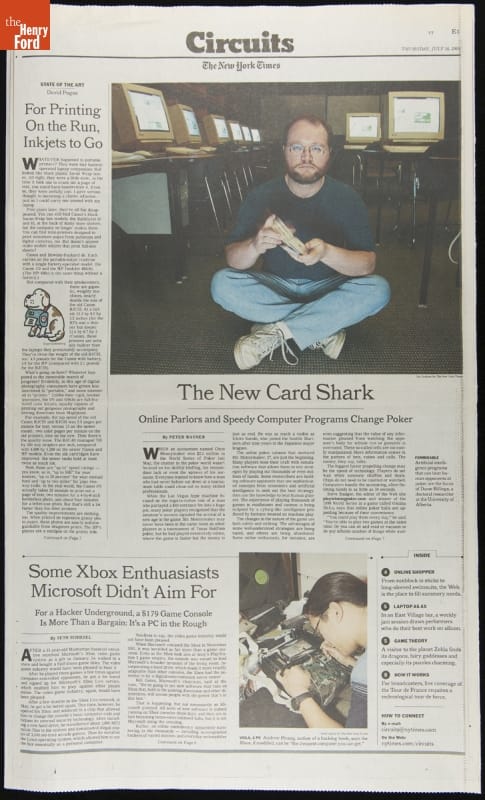
- The New York Times, "Some Xbox Enthusiasts Microsoft Didn't Aim For," July 10, 2003 - When Andrew "bunnie" Huang used a screwdriver to open his Microsoft Xbox, he willingly opened a legal Pandora's box. Marketed as a simple gaming system, the Xbox was actually a powerful computer with locked down features. Huang's modifications unlocked the system's full potential--and challenged copyright law. His book, "Hacking the Xbox," is a controversial guidebook for the "mod-chipping" movement.
- July 10, 2003
- Collections - Artifact
The New York Times, "Some Xbox Enthusiasts Microsoft Didn't Aim For," July 10, 2003
When Andrew "bunnie" Huang used a screwdriver to open his Microsoft Xbox, he willingly opened a legal Pandora's box. Marketed as a simple gaming system, the Xbox was actually a powerful computer with locked down features. Huang's modifications unlocked the system's full potential--and challenged copyright law. His book, "Hacking the Xbox," is a controversial guidebook for the "mod-chipping" movement.
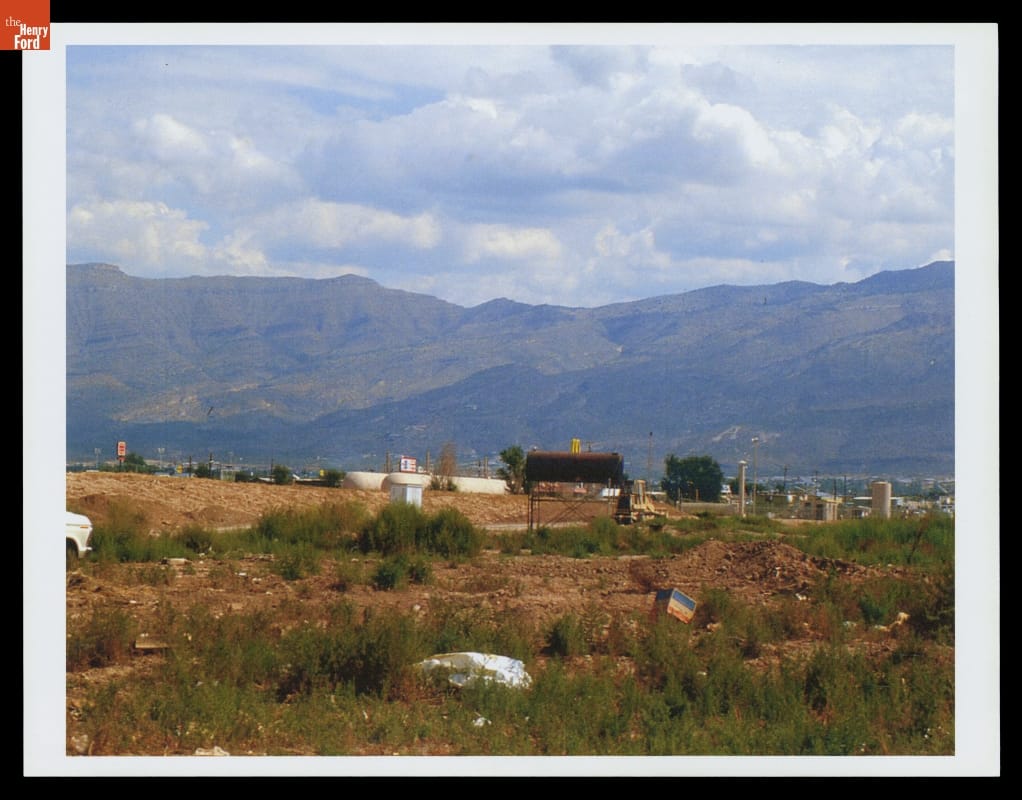
- Alamogordo, New Mexico Landfill in September 1983, Site of the Atari Video Game Burial - In 1983, rumors circulated: Atari was bankrupt, and was dumping truckloads of games into a New Mexico landfill. Victim to the "Video Game Crash," the company buried 700,000 cartridges in the desert. The story became an obscure pop culture legend -- until "The Atari Tomb" was unearthed in 2014. This image documents the original 1983 burial of material.
- September 01, 1983
- Collections - Artifact
Alamogordo, New Mexico Landfill in September 1983, Site of the Atari Video Game Burial
In 1983, rumors circulated: Atari was bankrupt, and was dumping truckloads of games into a New Mexico landfill. Victim to the "Video Game Crash," the company buried 700,000 cartridges in the desert. The story became an obscure pop culture legend -- until "The Atari Tomb" was unearthed in 2014. This image documents the original 1983 burial of material.
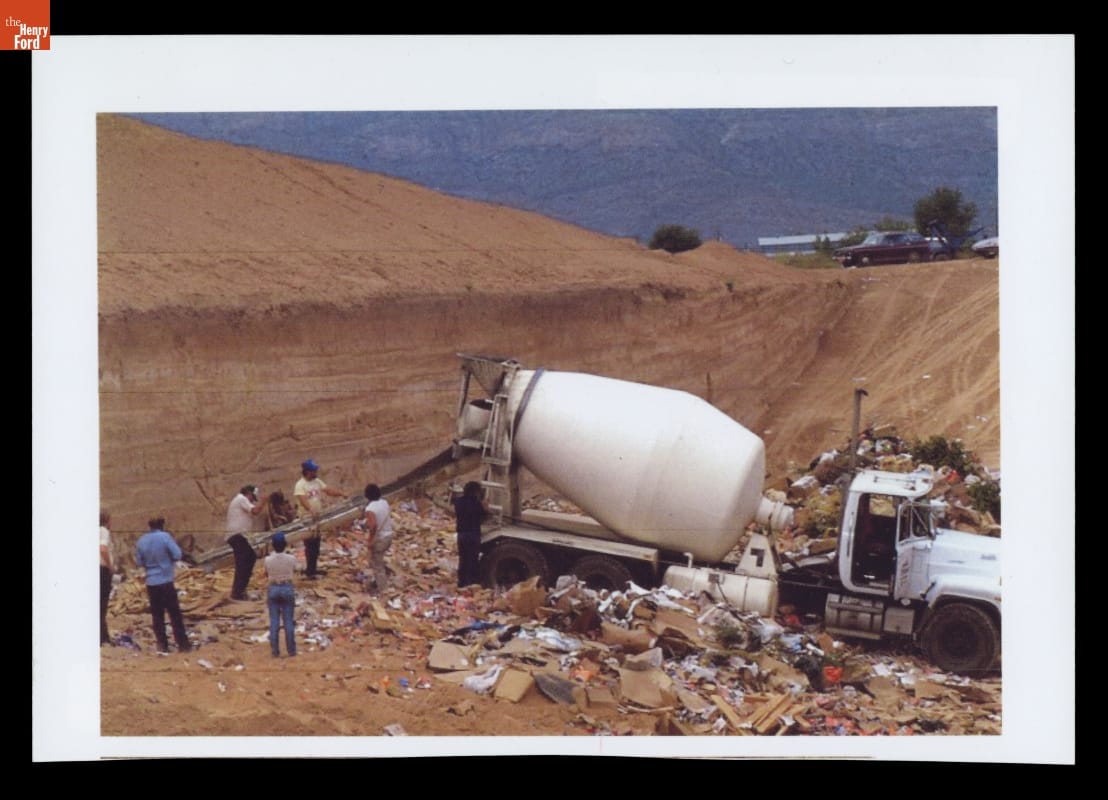
- Cementing over Refuse at the Atari Video Game Burial in September 1983, Alamogordo, New Mexico Landfill - In 1983, rumors circulated: Atari was bankrupt, and was dumping truckloads of games into a New Mexico landfill. Victim to the "Video Game Crash," the company buried 700,000 cartridges in the desert. The story became an obscure pop culture legend -- until "The Atari Tomb" was unearthed in 2014. This image documents the original 1983 burial of material.
- September 01, 1983
- Collections - Artifact
Cementing over Refuse at the Atari Video Game Burial in September 1983, Alamogordo, New Mexico Landfill
In 1983, rumors circulated: Atari was bankrupt, and was dumping truckloads of games into a New Mexico landfill. Victim to the "Video Game Crash," the company buried 700,000 cartridges in the desert. The story became an obscure pop culture legend -- until "The Atari Tomb" was unearthed in 2014. This image documents the original 1983 burial of material.
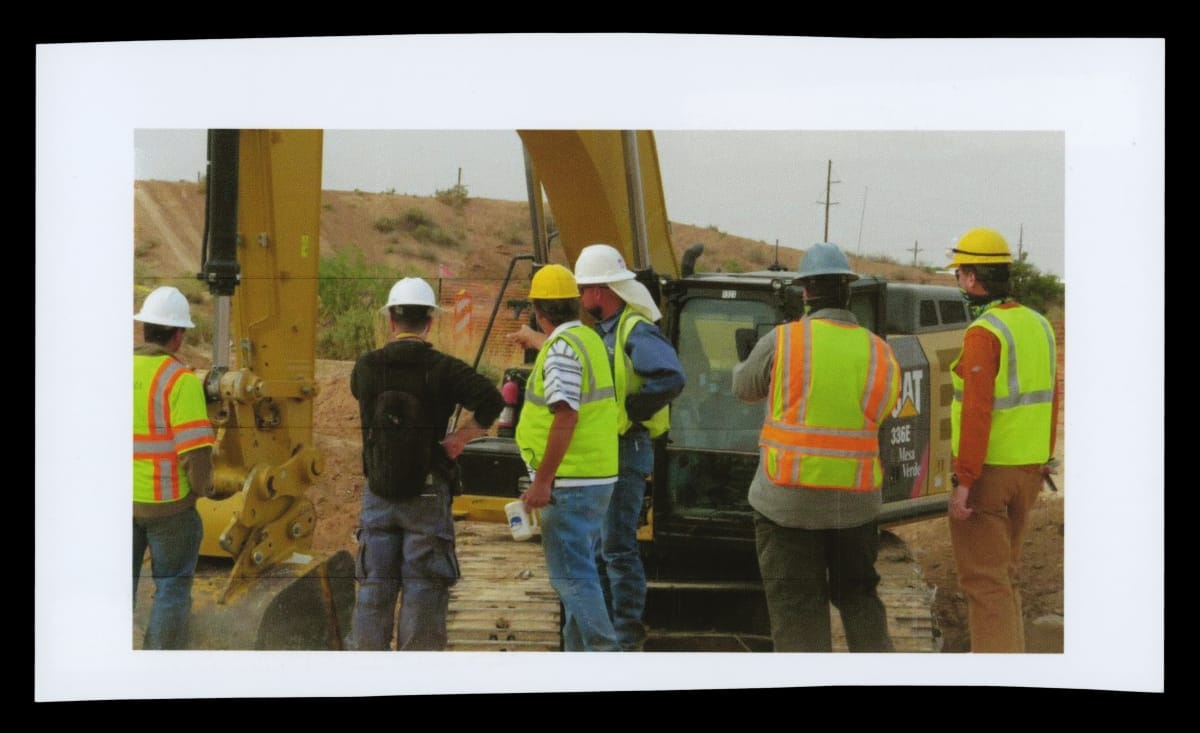
- Excavation Crew in April 2014 at the Alamogordo, New Mexico Landfill, Site of the 1983 Atari Video Game Burial - In 1983, rumors circulated: Atari was bankrupt, and was dumping truckloads of games into a New Mexico landfill. Victim to the "Video Game Crash," the company buried 700,000 cartridges in the desert. The story became an obscure pop culture legend -- until "The Atari Tomb" was unearthed in 2014. These images document the world's first video game excavation.
- April 26, 2014
- Collections - Artifact
Excavation Crew in April 2014 at the Alamogordo, New Mexico Landfill, Site of the 1983 Atari Video Game Burial
In 1983, rumors circulated: Atari was bankrupt, and was dumping truckloads of games into a New Mexico landfill. Victim to the "Video Game Crash," the company buried 700,000 cartridges in the desert. The story became an obscure pop culture legend -- until "The Atari Tomb" was unearthed in 2014. These images document the world's first video game excavation.
- Atari Products Excavated April 2014 from the Alamogordo, New Mexico Landfill, Site of the 1983 Atari Video Game Burial - In 1983, rumors circulated: Atari was bankrupt, and was dumping truckloads of games into a New Mexico landfill. Victim to the "Video Game Crash," the company buried 700,000 cartridges in the desert. The story became an obscure pop culture legend -- until "The Atari Tomb" was unearthed in 2014. These images document the world's first video game excavation.

- April 26, 2014
- Collections - Artifact
Atari Products Excavated April 2014 from the Alamogordo, New Mexico Landfill, Site of the 1983 Atari Video Game Burial
In 1983, rumors circulated: Atari was bankrupt, and was dumping truckloads of games into a New Mexico landfill. Victim to the "Video Game Crash," the company buried 700,000 cartridges in the desert. The story became an obscure pop culture legend -- until "The Atari Tomb" was unearthed in 2014. These images document the world's first video game excavation.
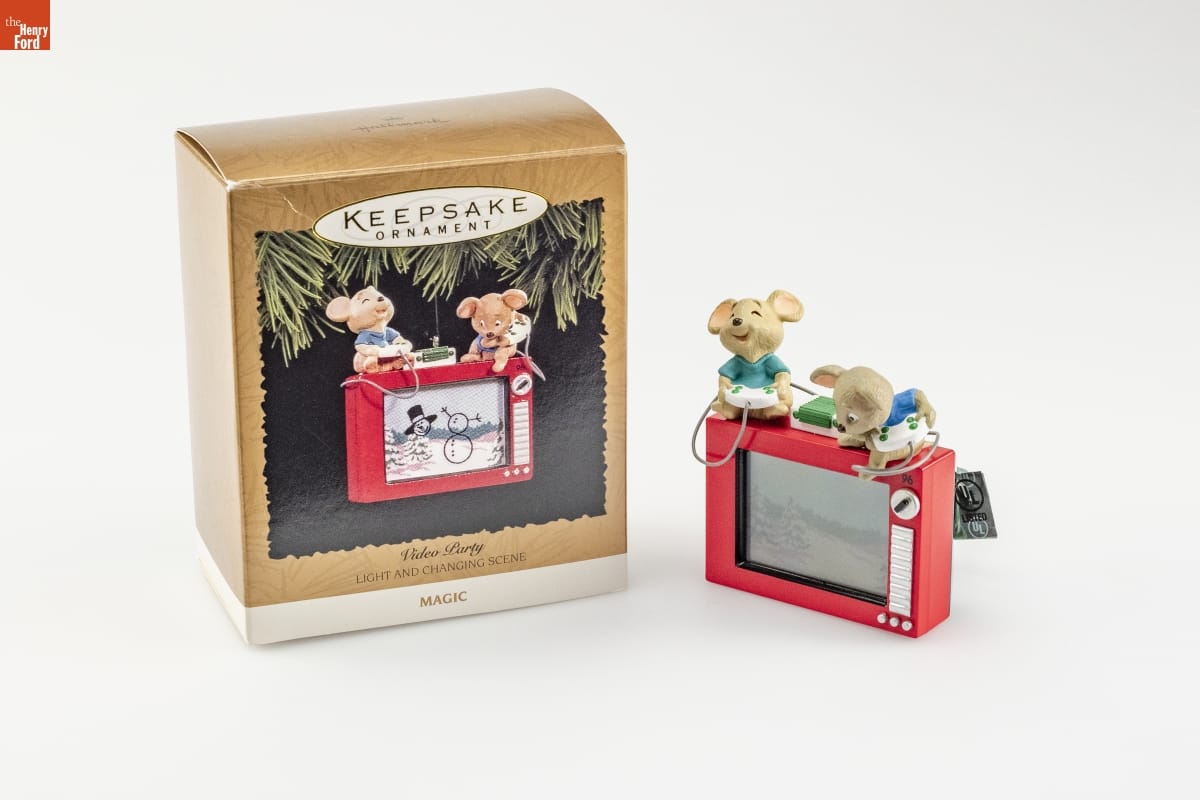
- Hallmark "Video Party" Christmas Ornament, 1996 - Already known for greeting cards, Hallmark introduced a line of Christmas ornaments in 1973. The company's annual release of an increasing array of ornaments revolutionized Christmas decorating, appealing to customers' interest in marking memories and milestones as well as expressing one's personality and unique tastes.
- 1996
- Collections - Artifact
Hallmark "Video Party" Christmas Ornament, 1996
Already known for greeting cards, Hallmark introduced a line of Christmas ornaments in 1973. The company's annual release of an increasing array of ornaments revolutionized Christmas decorating, appealing to customers' interest in marking memories and milestones as well as expressing one's personality and unique tastes.