
Search
- Portrait of Caleb B. Smith, 1861-1863 - Cartes-de-visite, small, professionally made photographs on cardboard stock, remained popular in the United States from the Civil War in the 1860s through the 1880s. Many were given to friends and loved ones, but enterprising photographers also produced images of famous individuals to sell to the collecting-crazed public. Celebrities, military officers and politicians, such as Caleb Smith, President Abraham Lincoln's first Secretary of the Interior, were popular subjects.
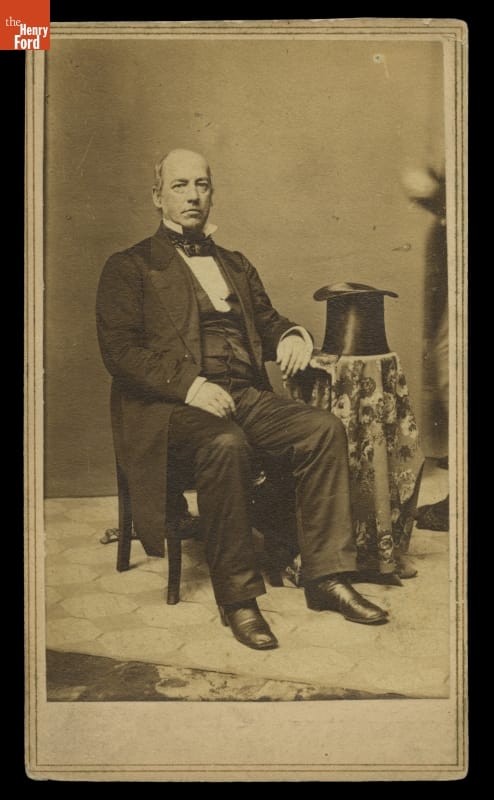
- 1861-1863
- Collections - Artifact
Portrait of Caleb B. Smith, 1861-1863
Cartes-de-visite, small, professionally made photographs on cardboard stock, remained popular in the United States from the Civil War in the 1860s through the 1880s. Many were given to friends and loved ones, but enterprising photographers also produced images of famous individuals to sell to the collecting-crazed public. Celebrities, military officers and politicians, such as Caleb Smith, President Abraham Lincoln's first Secretary of the Interior, were popular subjects.
- Portrait of a Clergyman, circa 1865 -
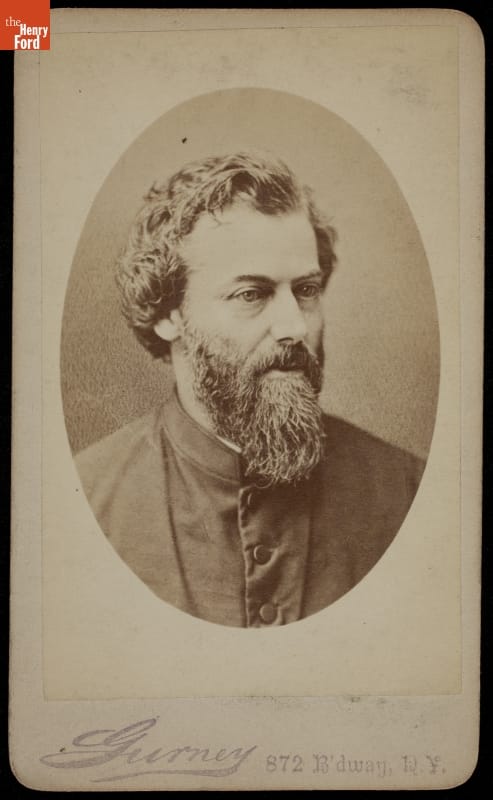
- circa 1865
- Collections - Artifact
Portrait of a Clergyman, circa 1865
- Portrait of a Clergyman, circa 1860 -
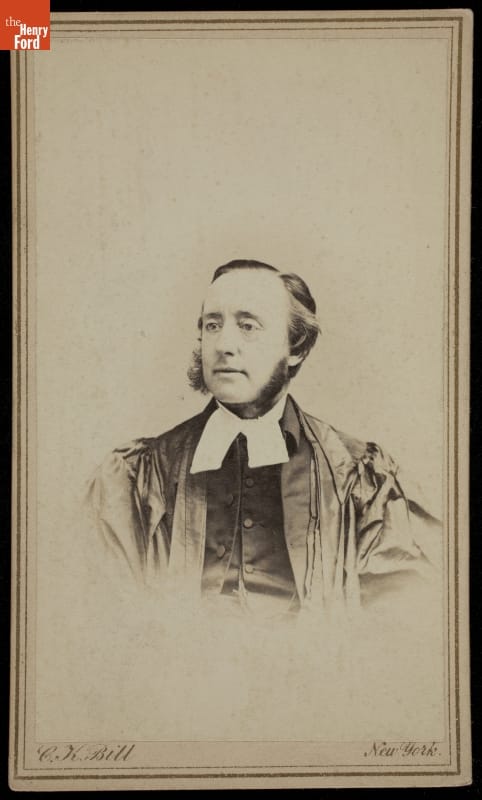
- circa 1860
- Collections - Artifact
Portrait of a Clergyman, circa 1860
- Abraham Lincoln and His Son, Tad, 1864 - This portrait shows President Abraham Lincoln and his youngest son, Tad. The original photograph was taken by Anthony Berger in the Mathew Brady studio in Washington, D.C., on February 9, 1864. D.C. Burnite & Company of Harrisburg, Pennsylvania, made this carte-de-visite from a copy of Berger's photo. Because of its appealing subject of Abraham Lincoln as a father, it was a popular image to purchase and place in albums.
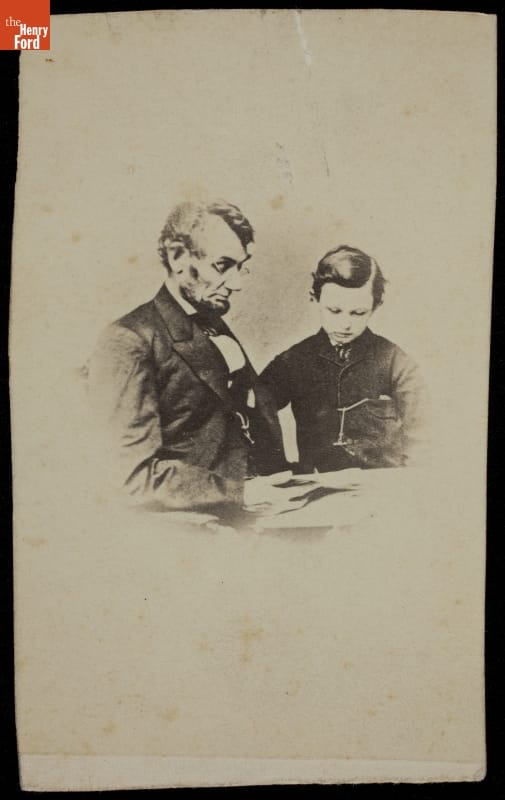
- February 09, 1864
- Collections - Artifact
Abraham Lincoln and His Son, Tad, 1864
This portrait shows President Abraham Lincoln and his youngest son, Tad. The original photograph was taken by Anthony Berger in the Mathew Brady studio in Washington, D.C., on February 9, 1864. D.C. Burnite & Company of Harrisburg, Pennsylvania, made this carte-de-visite from a copy of Berger's photo. Because of its appealing subject of Abraham Lincoln as a father, it was a popular image to purchase and place in albums.
- Portrait of Union Army General John A. Logan, 1863-1865 - Cartes-de-visite, small, professionally made photographs on cardboard stock, remained popular in the United States from the Civil War in the 1860s through the 1880s. Many were given to friends and loved ones, but enterprising photographers also produced images of famous individuals to sell to the collecting-crazed public. Admired politicians or military officers, such as General John A. Logan, were popular subjects.
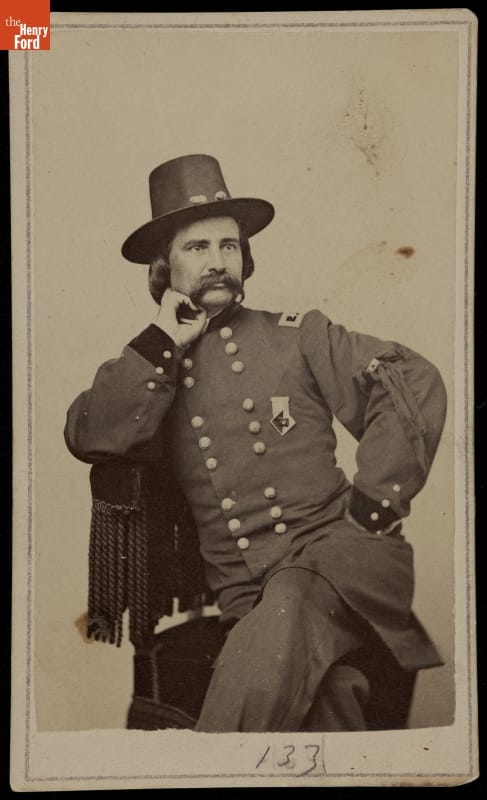
- 1863-1865
- Collections - Artifact
Portrait of Union Army General John A. Logan, 1863-1865
Cartes-de-visite, small, professionally made photographs on cardboard stock, remained popular in the United States from the Civil War in the 1860s through the 1880s. Many were given to friends and loved ones, but enterprising photographers also produced images of famous individuals to sell to the collecting-crazed public. Admired politicians or military officers, such as General John A. Logan, were popular subjects.
- Autographed Portrait of John Wilkes Booth, circa 1860 - Well-known actor John Wilkes Booth--better remembered for the 1865 assassination of President Abraham Lincoln--posed for this carte-de-visite in a professional photographer's studio around 1860. Cartes-de-visite, small photographic prints on cardboard stock, remained popular from the Civil War in the 1860s through the 1880s. Americans commonly collected and exchanged them to commemorate family members or celebrities.
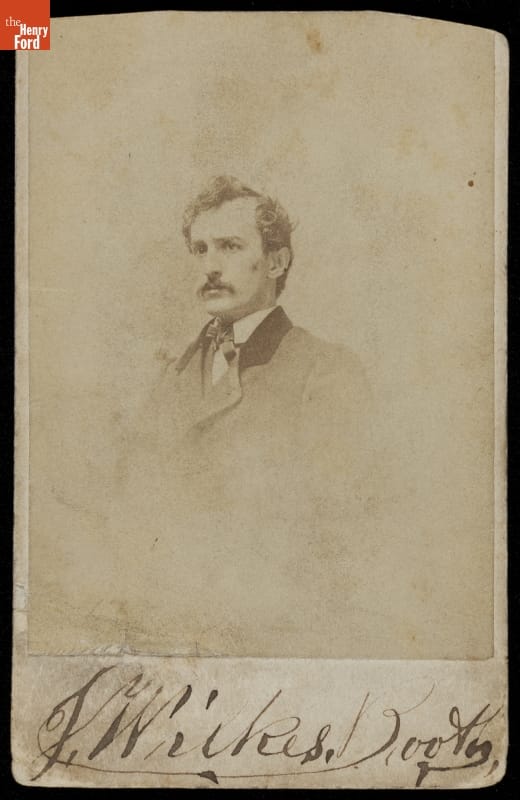
- circa 1860
- Collections - Artifact
Autographed Portrait of John Wilkes Booth, circa 1860
Well-known actor John Wilkes Booth--better remembered for the 1865 assassination of President Abraham Lincoln--posed for this carte-de-visite in a professional photographer's studio around 1860. Cartes-de-visite, small photographic prints on cardboard stock, remained popular from the Civil War in the 1860s through the 1880s. Americans commonly collected and exchanged them to commemorate family members or celebrities.
- Portrait of a Man with Mustache and Goatee, 1880-1889 -
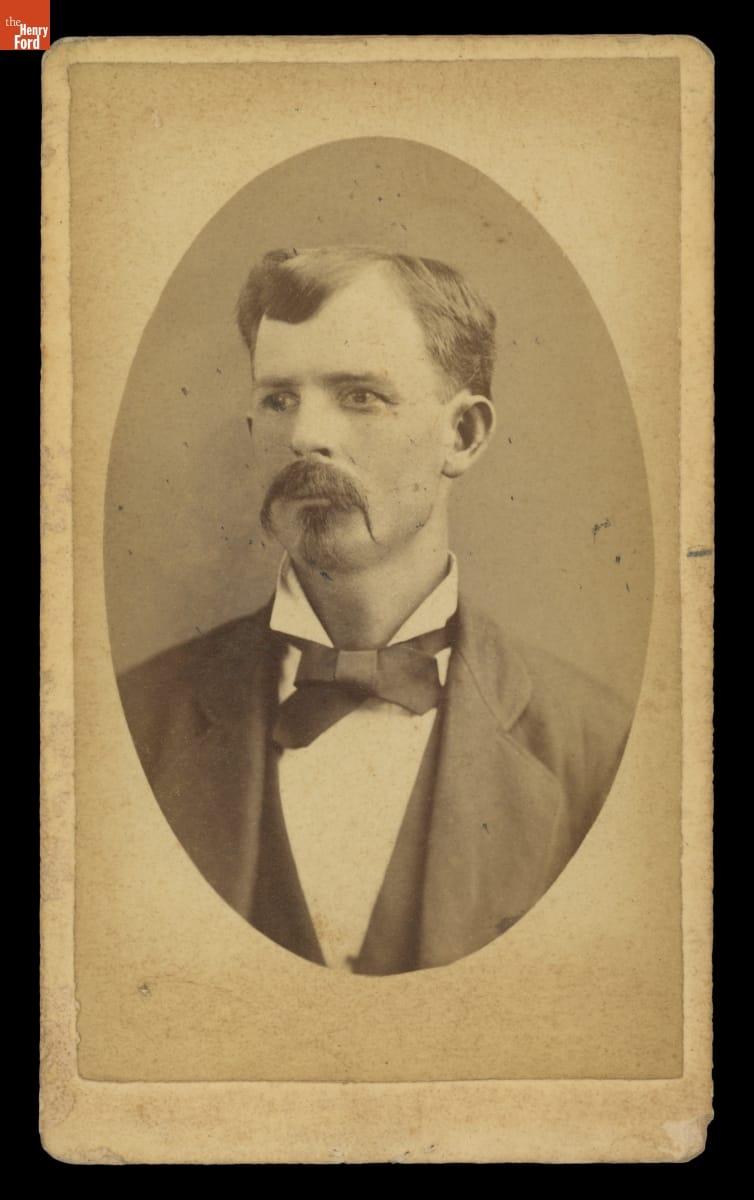
- 1880-1889
- Collections - Artifact
Portrait of a Man with Mustache and Goatee, 1880-1889
- Portrait of a Woman, 1880-1900 -
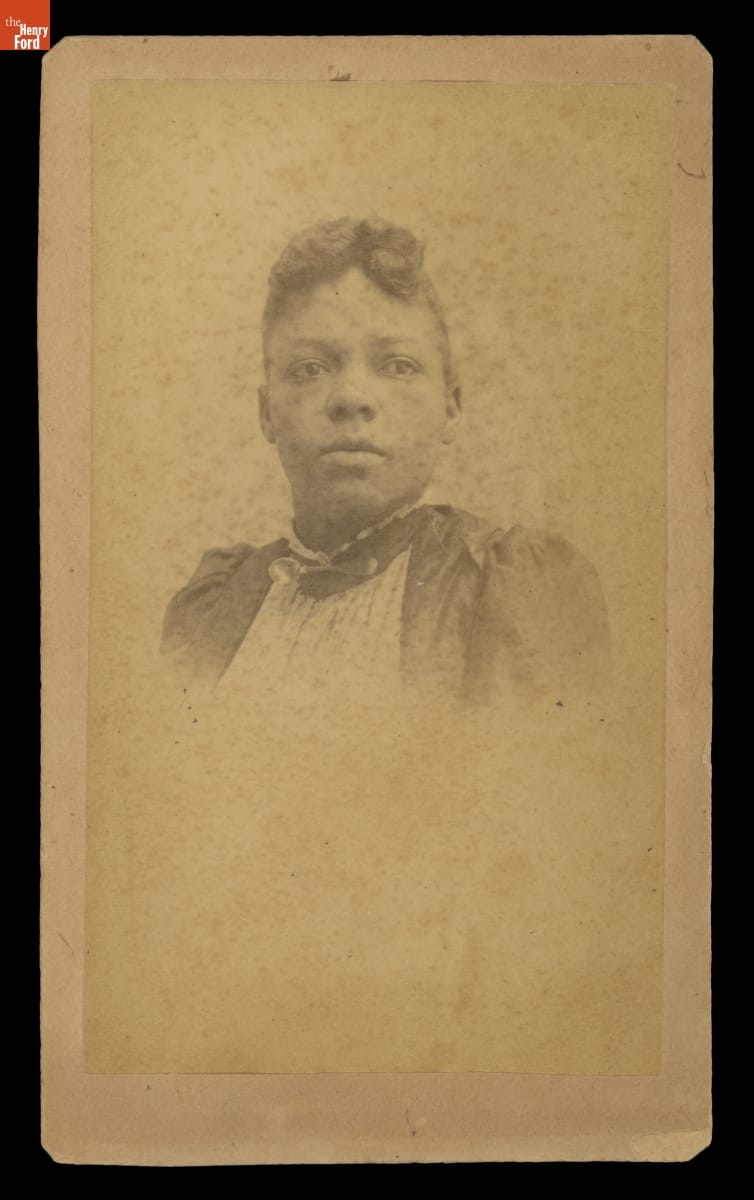
- 1880-1900
- Collections - Artifact
Portrait of a Woman, 1880-1900
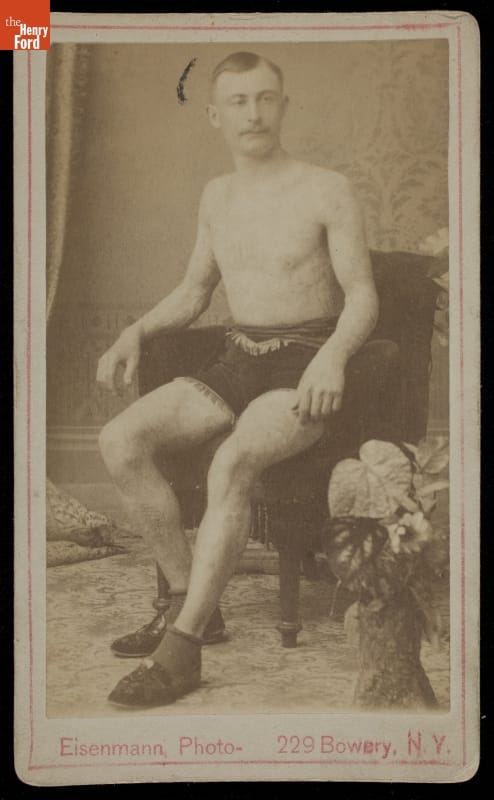
- Portrait of an Athlete, circa 1885 - This unidentified "tattooed man" with patriotic tattoos was photographed by Charles Eisenmann in his Bowery district studio. Eisenmann captured the eclectic mix of people who frequented the Bowery, including circus performers like this -- a likely client of the area's infamous tattoo parlors. Eisenmann's images were reproduced for sale in the form of cabinet cards, popular among the middle class.
- circa 1885
- Collections - Artifact
Portrait of an Athlete, circa 1885
This unidentified "tattooed man" with patriotic tattoos was photographed by Charles Eisenmann in his Bowery district studio. Eisenmann captured the eclectic mix of people who frequented the Bowery, including circus performers like this -- a likely client of the area's infamous tattoo parlors. Eisenmann's images were reproduced for sale in the form of cabinet cards, popular among the middle class.
- Portrait of Bishop Francis M. Burns, 1855-1863 -
- 1855-1863
- Collections - Artifact
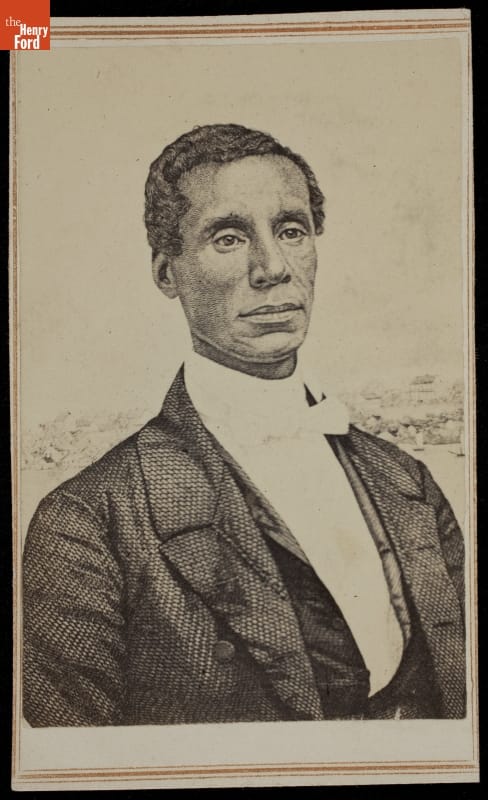
Portrait of Bishop Francis M. Burns, 1855-1863