
Search
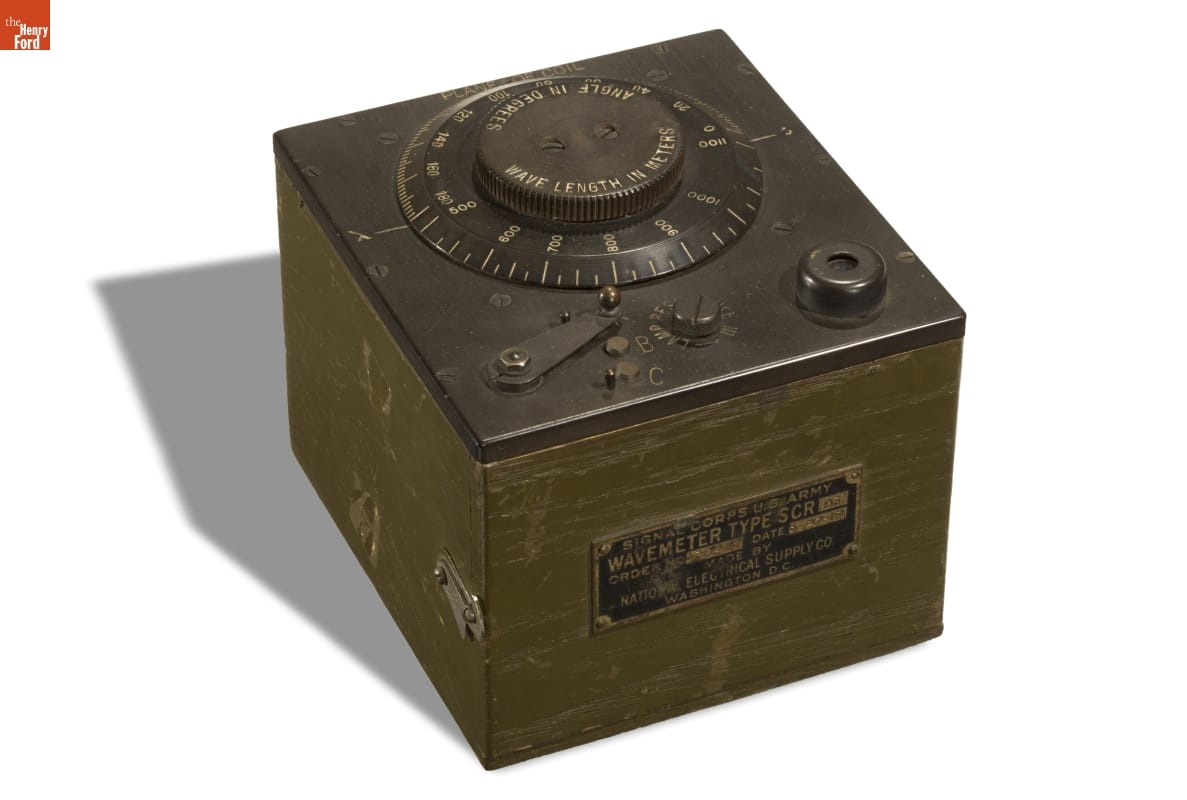
- Radio Wavemeter, Type SCR-95, 1918 - This wavemeter was likely developed by the US Army Signal Corp for military use. Its purpose is twofold: to detect the frequency of an incoming signal, and to check the frequency and harmonics of an outgoing signal. Early radio operators, working with multiple and specialized technical components, used wavemeters to determine the clarity and strength of their transmitters.
- August 27, 1918
- Collections - Artifact
Radio Wavemeter, Type SCR-95, 1918
This wavemeter was likely developed by the US Army Signal Corp for military use. Its purpose is twofold: to detect the frequency of an incoming signal, and to check the frequency and harmonics of an outgoing signal. Early radio operators, working with multiple and specialized technical components, used wavemeters to determine the clarity and strength of their transmitters.
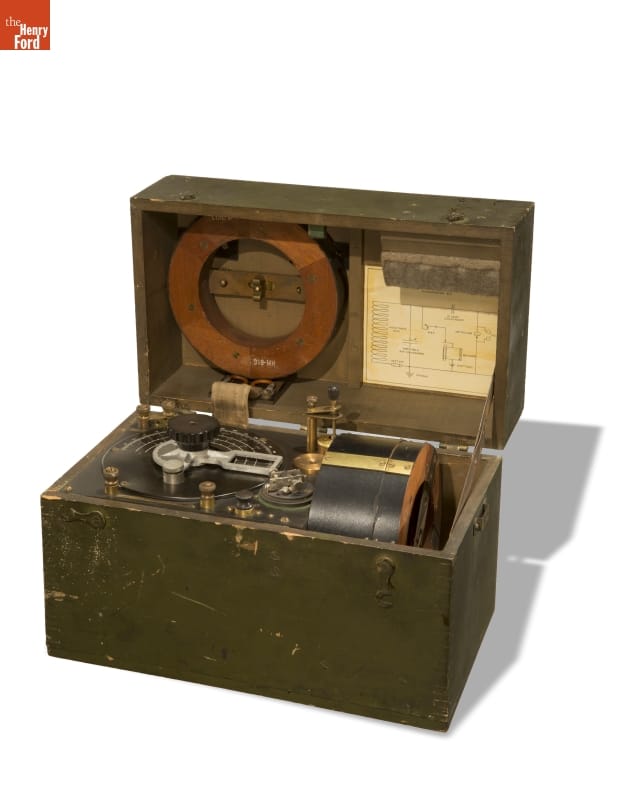
- Radio Wavemeter, Type SCR-61, 1918 - This wavemeter was likely developed by the US Army Signal Corp for military use. Its purpose is twofold: to detect the frequency of an incoming signal, and to check the frequency and harmonics of an outgoing signal. Early radio operators, working with multiple and specialized technical components, used wavemeters to determine the clarity and strength of their transmitters.
- August 27, 1918
- Collections - Artifact
Radio Wavemeter, Type SCR-61, 1918
This wavemeter was likely developed by the US Army Signal Corp for military use. Its purpose is twofold: to detect the frequency of an incoming signal, and to check the frequency and harmonics of an outgoing signal. Early radio operators, working with multiple and specialized technical components, used wavemeters to determine the clarity and strength of their transmitters.
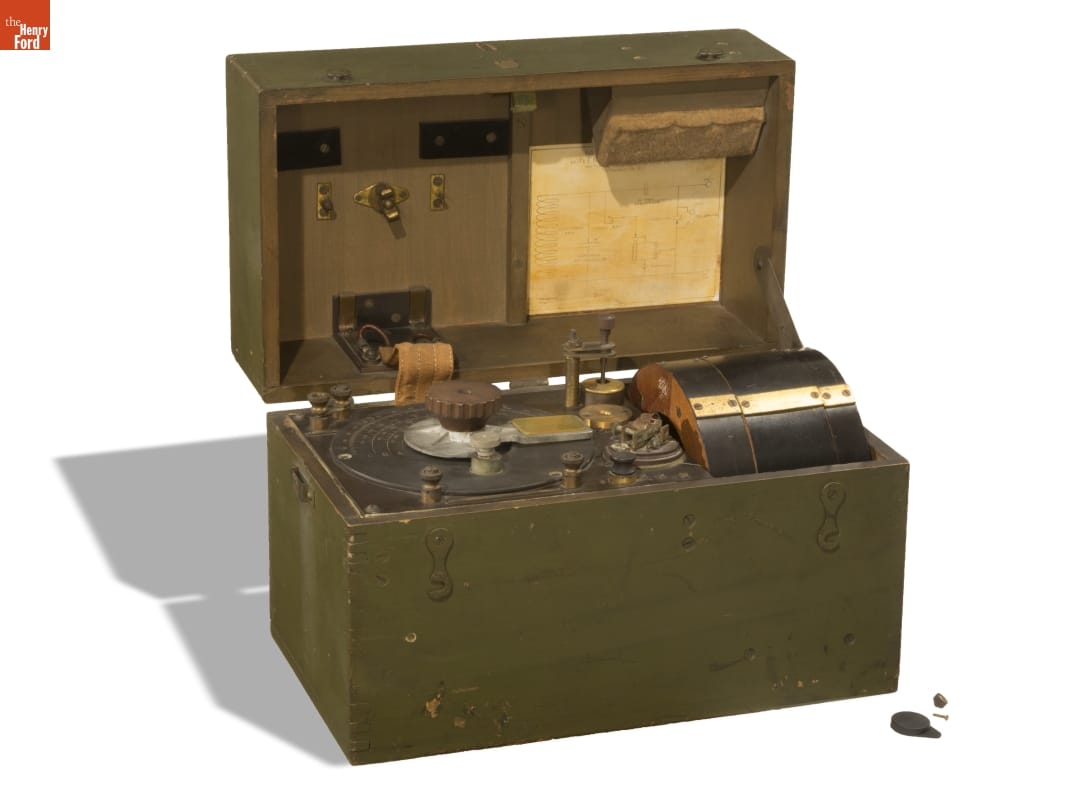
- Radio Wavemeter, Type SCR-61, 1918 - This wavemeter was likely developed by the US Army Signal Corp for military use. Its purpose is twofold: to detect the frequency of an incoming signal, and to check the frequency and harmonics of an outgoing signal. Early radio operators, working with multiple and specialized technical components, used wavemeters to determine the clarity and strength of their transmitters.
- circa 1918
- Collections - Artifact
Radio Wavemeter, Type SCR-61, 1918
This wavemeter was likely developed by the US Army Signal Corp for military use. Its purpose is twofold: to detect the frequency of an incoming signal, and to check the frequency and harmonics of an outgoing signal. Early radio operators, working with multiple and specialized technical components, used wavemeters to determine the clarity and strength of their transmitters.
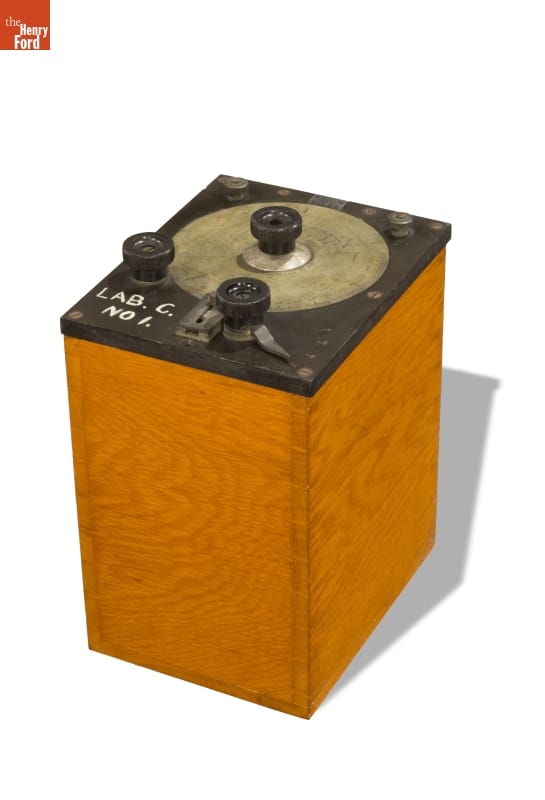
- Radio Wavemeter, circa 1915 -
- circa 1915
- Collections - Artifact
Radio Wavemeter, circa 1915
- Wavemeter, Used by George W. Pierce, 1910-1915 -
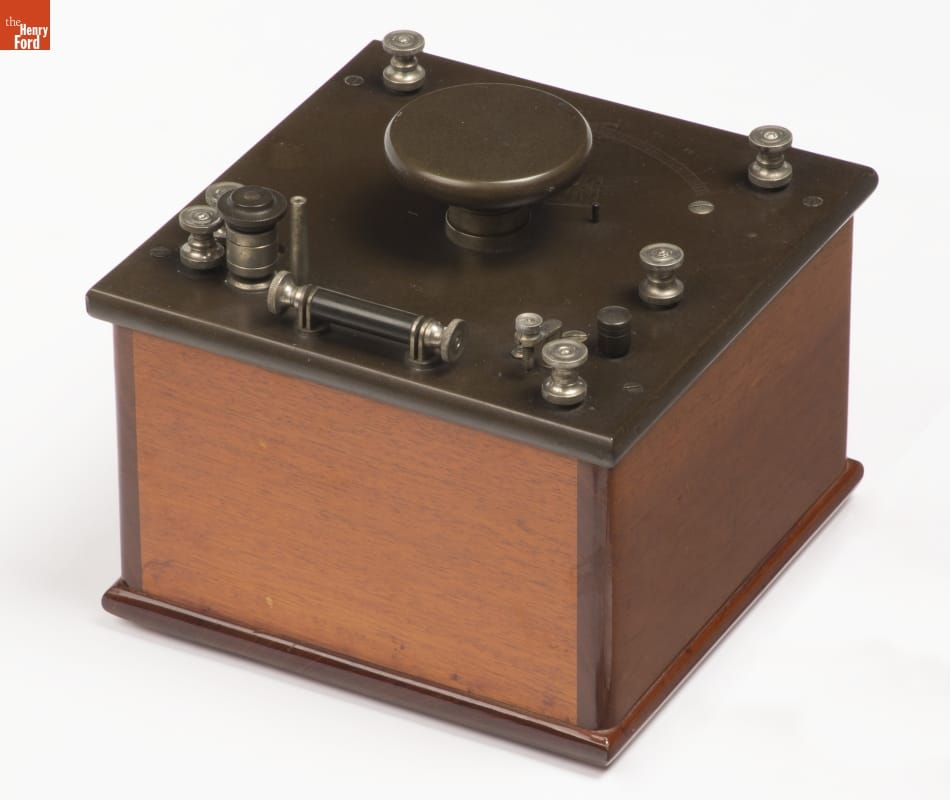
- 1910-1915
- Collections - Artifact
Wavemeter, Used by George W. Pierce, 1910-1915
- Telefunken Radio Wavemeter, Model KKW3, circa 1916 -
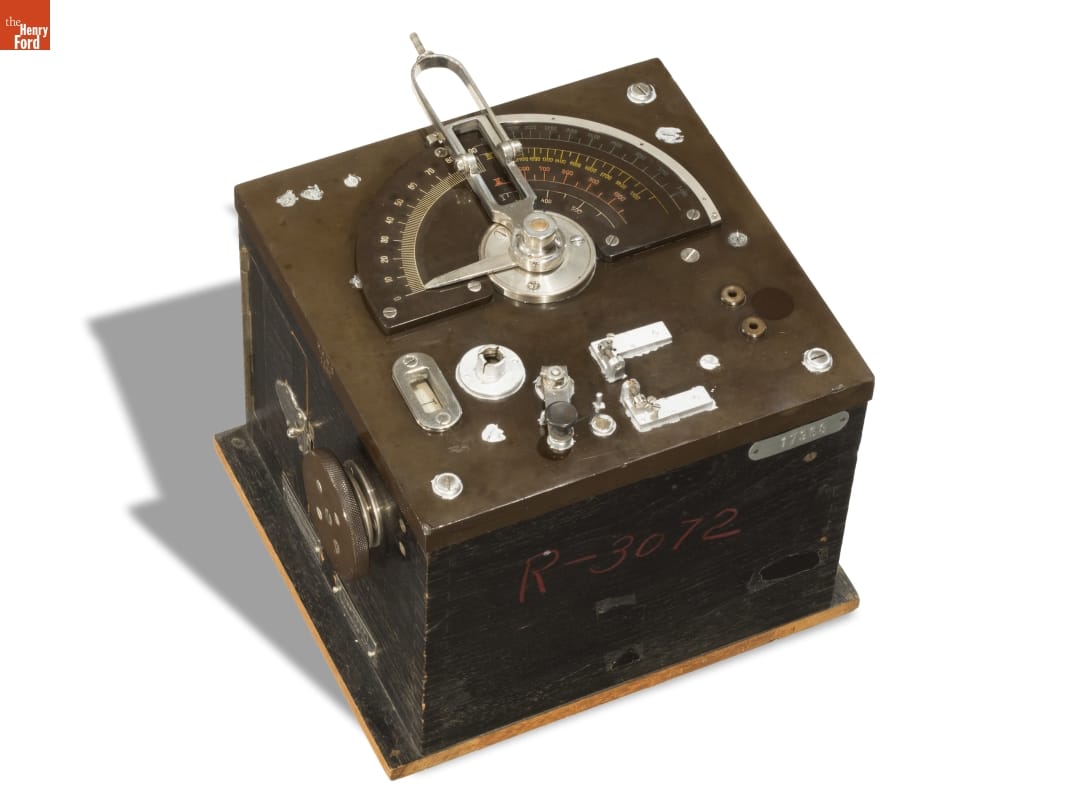
- circa 1916
- Collections - Artifact
Telefunken Radio Wavemeter, Model KKW3, circa 1916
- GE Wave Micrometer, 1915-1935 -
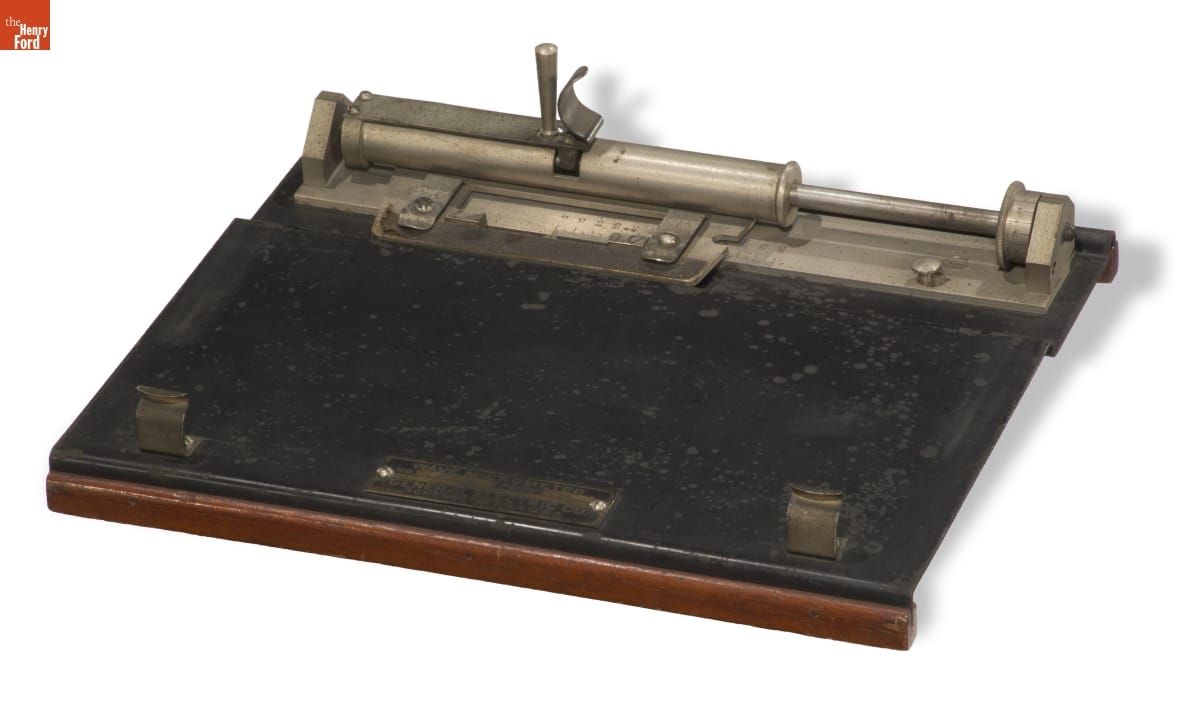
- 1915-1935
- Collections - Artifact
GE Wave Micrometer, 1915-1935
- Wavemeter for Fessenden Wireless System, circa 1911 -
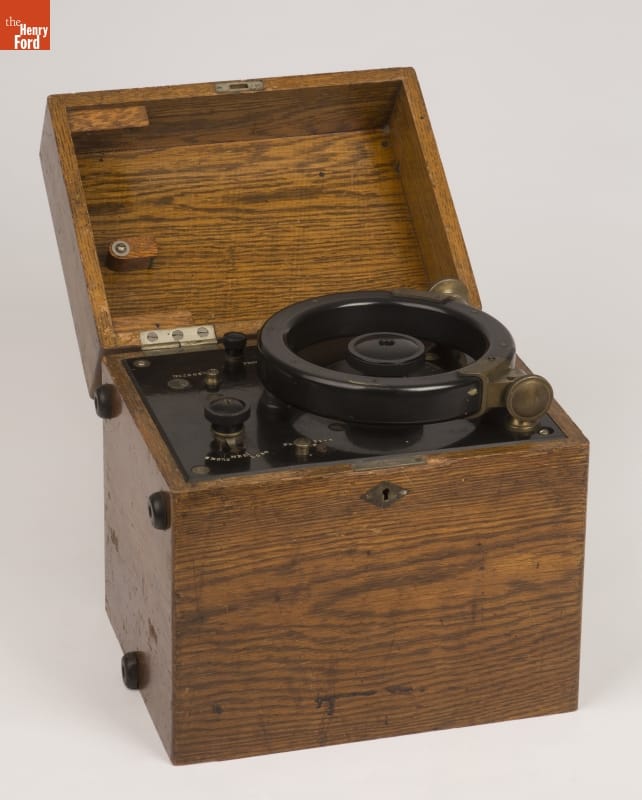
- circa 1911
- Collections - Artifact
Wavemeter for Fessenden Wireless System, circa 1911
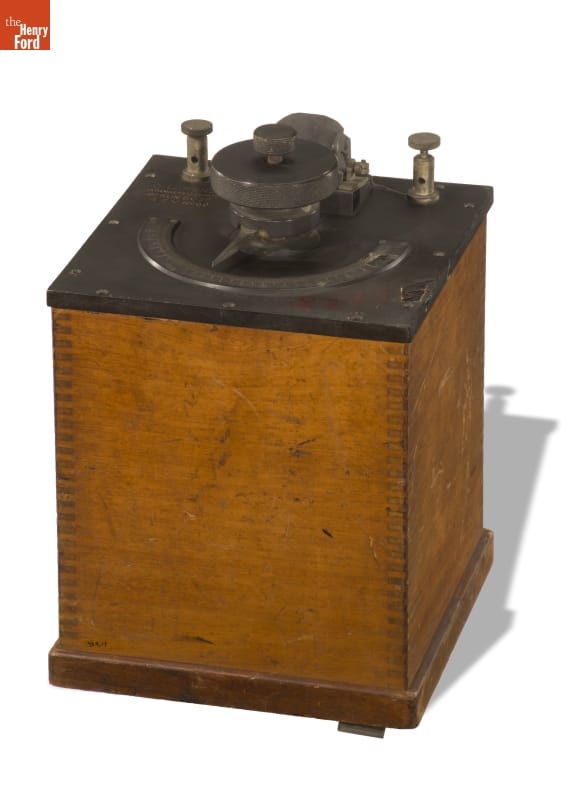
- Lorenz Wavemeter, Type SO-26, 1914-1915 - This radio equipment was used at the German-built Tuckerton Wireless Station in New Jersey. A powerful 820-foot antenna communicated with an identical station in Germany. National security concerns during WWI led to the seizure of Tuckerton by the U.S. government in 1917. It is cited to be the origin of information leaks leading to the RMS <em>Lusitania</em> disaster through U-boat attack.
- 1914-1915
- Collections - Artifact
Lorenz Wavemeter, Type SO-26, 1914-1915
This radio equipment was used at the German-built Tuckerton Wireless Station in New Jersey. A powerful 820-foot antenna communicated with an identical station in Germany. National security concerns during WWI led to the seizure of Tuckerton by the U.S. government in 1917. It is cited to be the origin of information leaks leading to the RMS Lusitania disaster through U-boat attack.
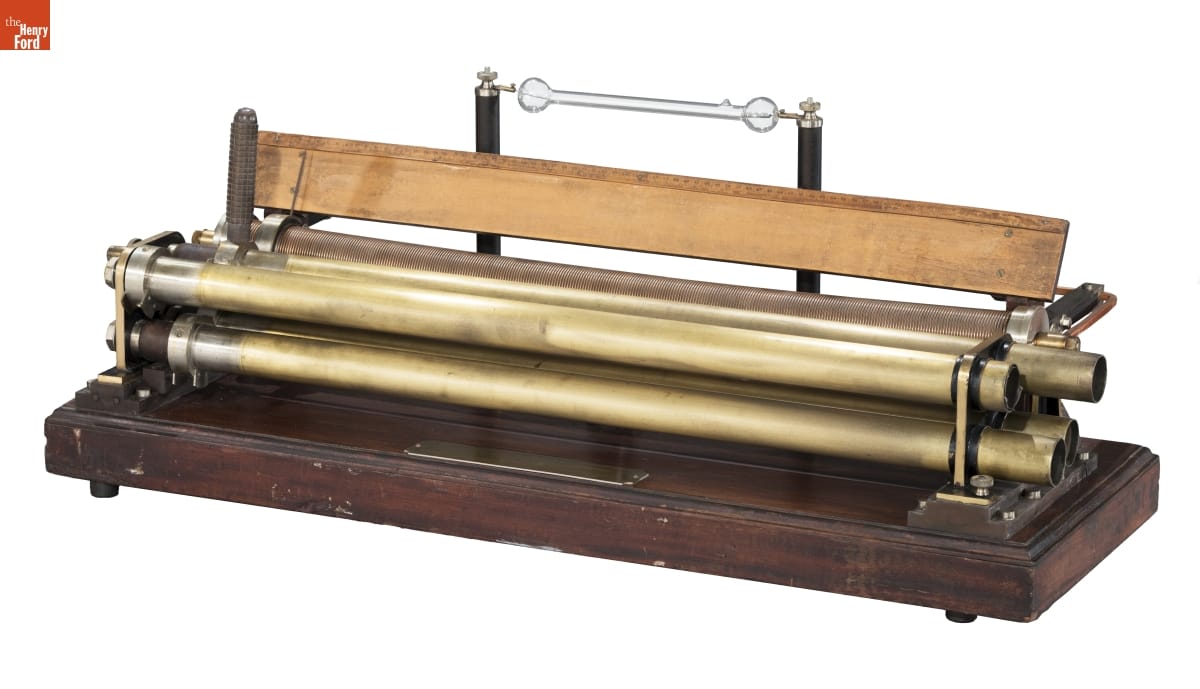
- Cymometer, 1905-1936 -
- 1905-1936
- Collections - Artifact
Cymometer, 1905-1936