
Search
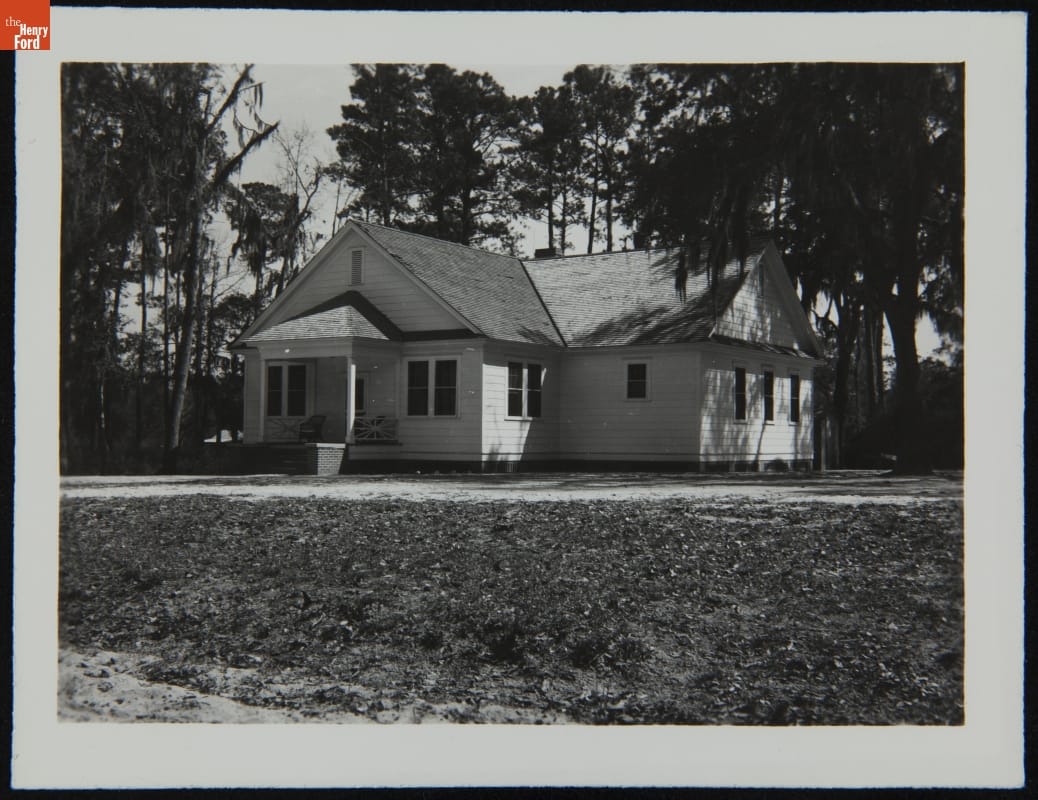
- Presbyterian Manse in Keller, Georgia, 1941 - Henry Ford purchased vast amounts of land around present-day Richmond Hill, Georgia, beginning in the 1920s. Ford eventually acquired 85,000 acres, and in the 1930s he built a winter residence there. The surrounding communities supported several churches. The minister at the Presbyterian church in Keller -- not far from Richmond Hill -- lived in this house, or manse, while serving his congregation.
- 1941
- Collections - Artifact
Presbyterian Manse in Keller, Georgia, 1941
Henry Ford purchased vast amounts of land around present-day Richmond Hill, Georgia, beginning in the 1920s. Ford eventually acquired 85,000 acres, and in the 1930s he built a winter residence there. The surrounding communities supported several churches. The minister at the Presbyterian church in Keller -- not far from Richmond Hill -- lived in this house, or manse, while serving his congregation.
- Agreement between Charles A. Harden and Richard J. Arnold, 1839 -
- April 22, 1839
- Collections - Artifact
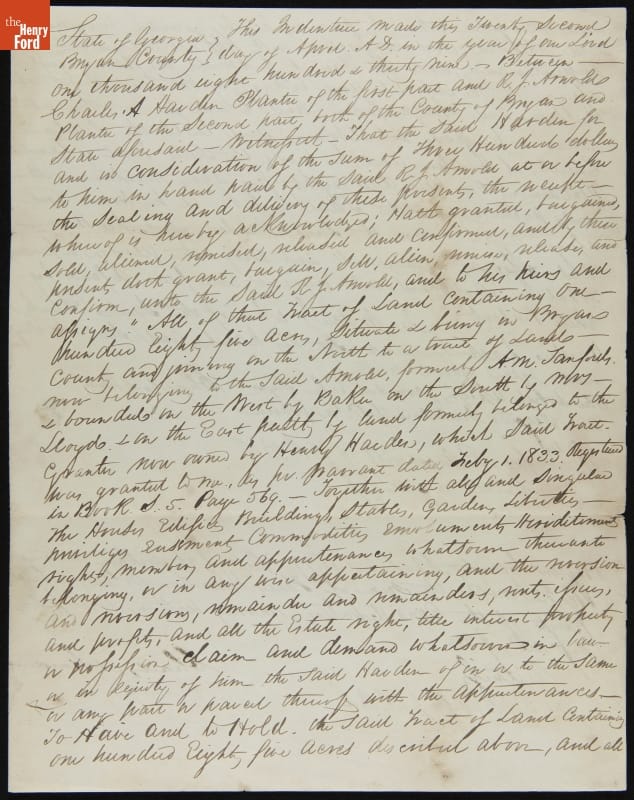
Agreement between Charles A. Harden and Richard J. Arnold, 1839
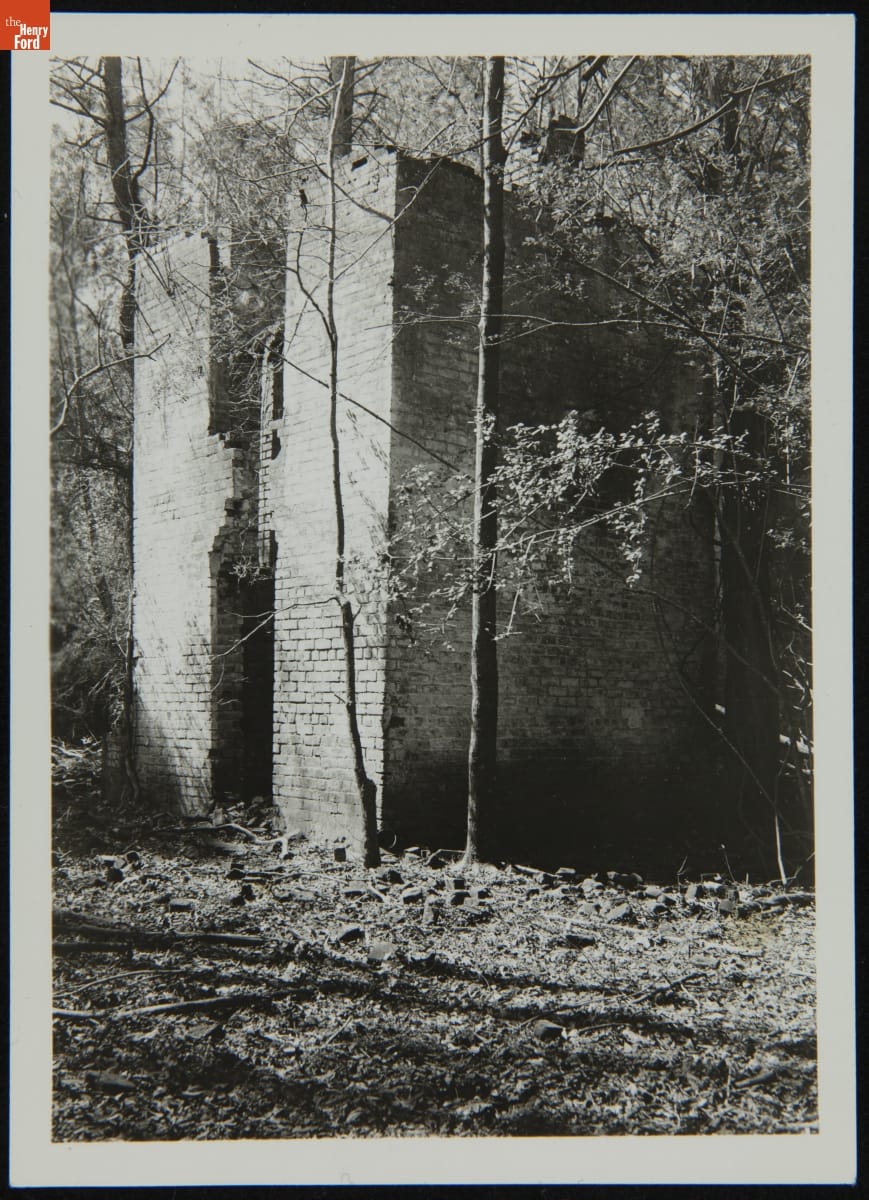
- White Hall Plantation Ruins, circa 1920 - Henry Ford purchased vast amounts of land around present-day Richmond Hill, Georgia, beginning in the 1920s. Here, Ford dabbled in agricultural experimentation and in the late 1930s built a winter residence. Scattered on the 85,000 acres of Ford property were several pre-Civil War plantation houses -- or their ruins. The house at White Hall burned in 1914.
- circa 1920
- Collections - Artifact
White Hall Plantation Ruins, circa 1920
Henry Ford purchased vast amounts of land around present-day Richmond Hill, Georgia, beginning in the 1920s. Here, Ford dabbled in agricultural experimentation and in the late 1930s built a winter residence. Scattered on the 85,000 acres of Ford property were several pre-Civil War plantation houses -- or their ruins. The house at White Hall burned in 1914.
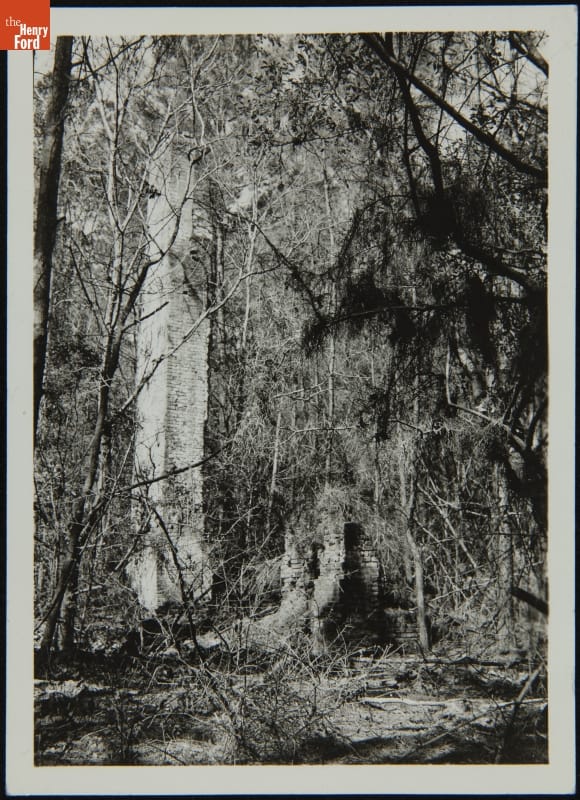
- White Hall Plantation Chimney Ruins, circa 1920 - Henry Ford purchased vast amounts of land around present-day Richmond Hill, Georgia, beginning in the 1920s. Here, Ford dabbled in agricultural experimentation and in the late 1930s built a winter residence. Scattered on the 85,000 acres of Ford property were several pre-Civil War plantation houses -- or their ruins. The house at White Hall burned in 1914.
- circa 1920
- Collections - Artifact
White Hall Plantation Chimney Ruins, circa 1920
Henry Ford purchased vast amounts of land around present-day Richmond Hill, Georgia, beginning in the 1920s. Here, Ford dabbled in agricultural experimentation and in the late 1930s built a winter residence. Scattered on the 85,000 acres of Ford property were several pre-Civil War plantation houses -- or their ruins. The house at White Hall burned in 1914.
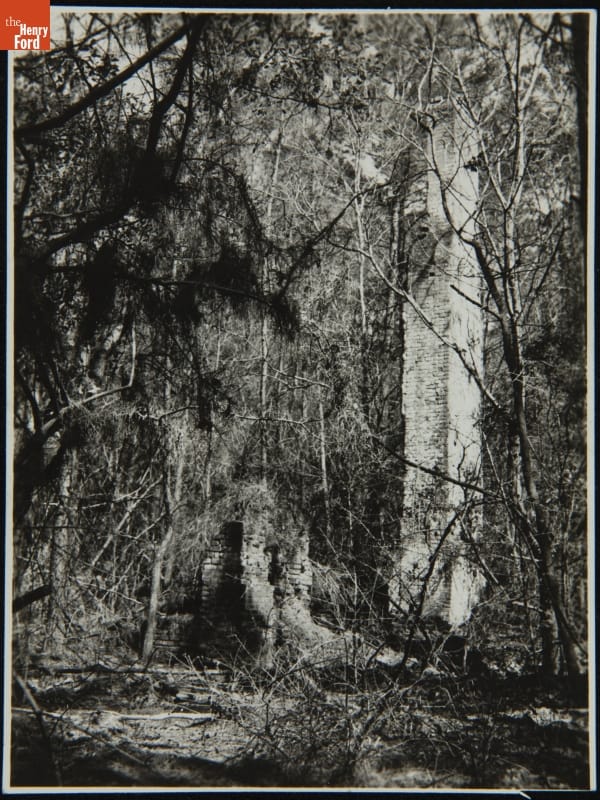
- White Hall Plantation Chimney Ruins, circa 1920 - Henry Ford purchased vast amounts of land around present-day Richmond Hill, Georgia, beginning in the 1920s. Here, Ford dabbled in agricultural experimentation and in the late 1930s built a winter residence. Scattered on the 85,000 acres of Ford property were several pre-Civil War plantation houses -- or their ruins. The house at White Hall burned in 1914.
- circa 1920
- Collections - Artifact
White Hall Plantation Chimney Ruins, circa 1920
Henry Ford purchased vast amounts of land around present-day Richmond Hill, Georgia, beginning in the 1920s. Here, Ford dabbled in agricultural experimentation and in the late 1930s built a winter residence. Scattered on the 85,000 acres of Ford property were several pre-Civil War plantation houses -- or their ruins. The house at White Hall burned in 1914.
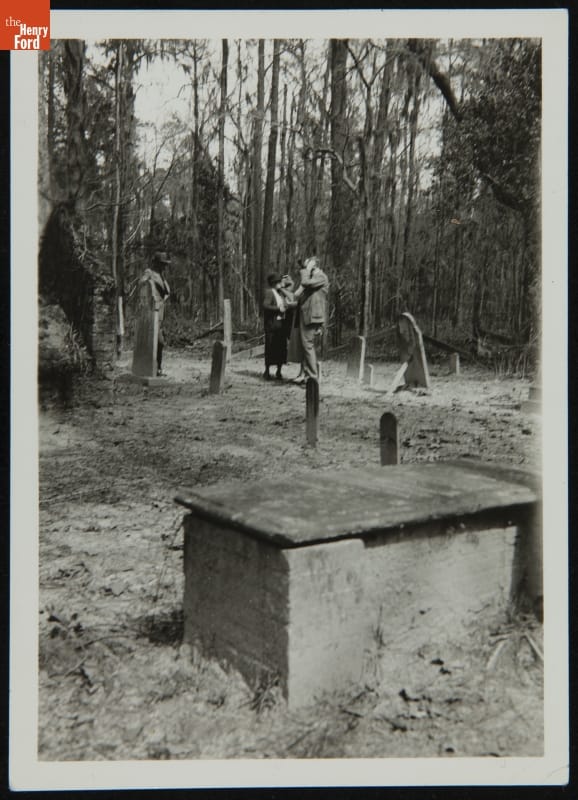
- People Visiting White Hall Cemetery, circa 1940 - Henry Ford purchased vast amounts of land around present-day Richmond Hill, Georgia, beginning in the 1920s. Ford eventually acquired 85,000 acres, and in the 1930s he built a winter residence there. His purchases included several pre-Civil War plantations. White Hall was a cotton plantation owned by the Arnold family. The family cemetery was located on the grounds and preserved by the Fords.
- circa 1940
- Collections - Artifact
People Visiting White Hall Cemetery, circa 1940
Henry Ford purchased vast amounts of land around present-day Richmond Hill, Georgia, beginning in the 1920s. Ford eventually acquired 85,000 acres, and in the 1930s he built a winter residence there. His purchases included several pre-Civil War plantations. White Hall was a cotton plantation owned by the Arnold family. The family cemetery was located on the grounds and preserved by the Fords.
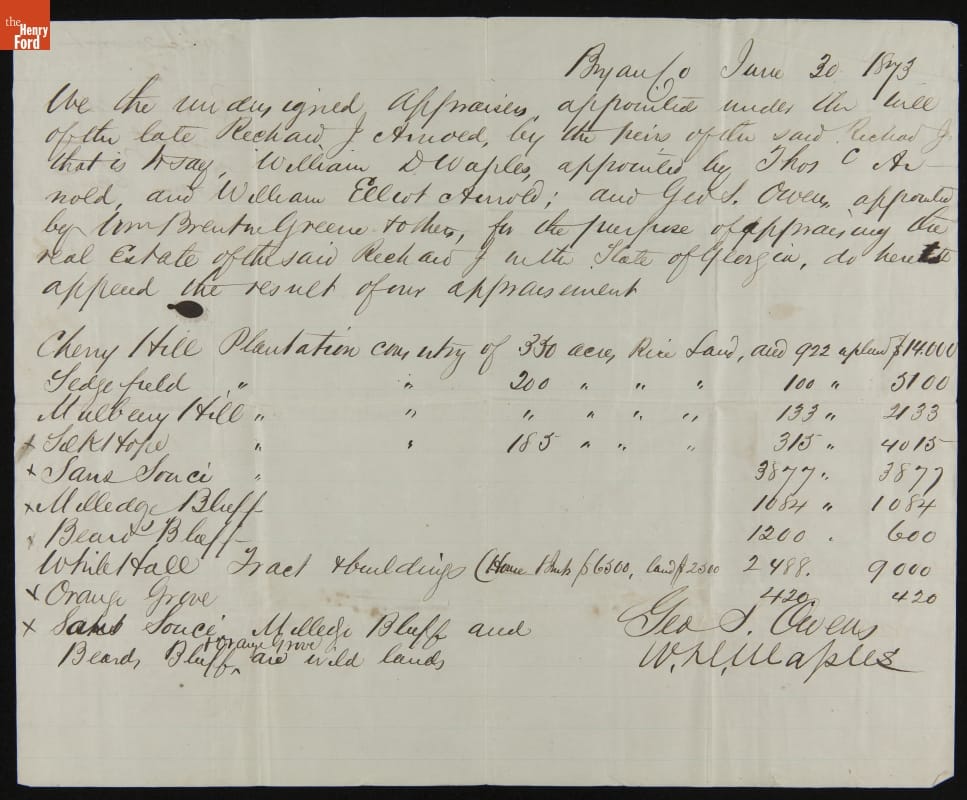
- Appraisal of R. J. Arnold's Bryan County, Georgia Properties, June 30, 1873 -
- June 30, 1873
- Collections - Artifact
Appraisal of R. J. Arnold's Bryan County, Georgia Properties, June 30, 1873
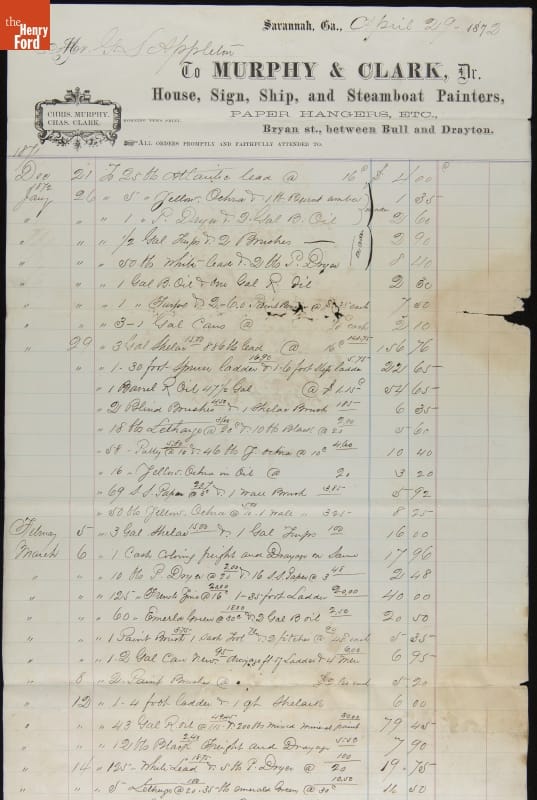
- Record of Paint Purchase for White Hall Plantation, 1871-1872 -
- 1871-1872
- Collections - Artifact
Record of Paint Purchase for White Hall Plantation, 1871-1872
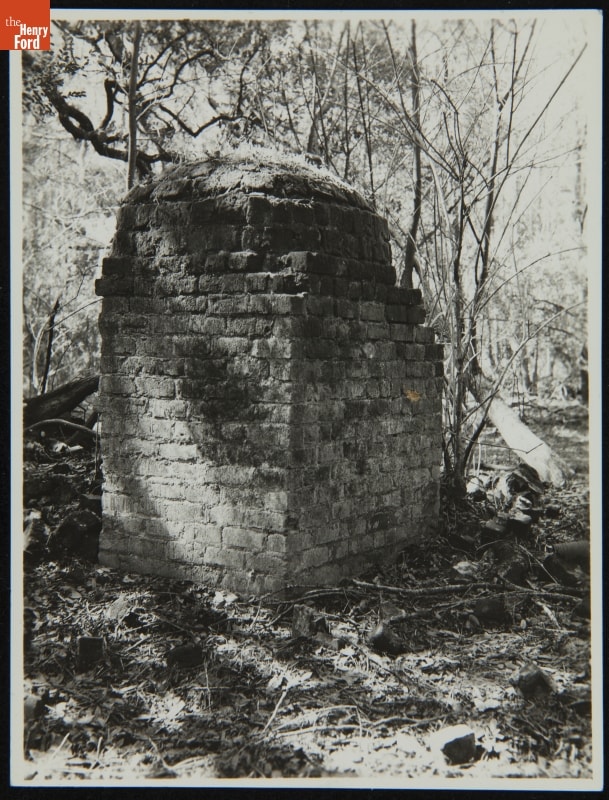
- White Hall Plantation Ruins, circa 1920 - Henry Ford purchased vast amounts of land around present-day Richmond Hill, Georgia, beginning in the 1920s. Here, Ford dabbled in agricultural experimentation and in the late 1930s built a winter residence. Scattered on the 85,000 acres of Ford property were several pre-Civil War plantation houses -- or their ruins. The house at White Hall burned in 1914.
- circa 1920
- Collections - Artifact
White Hall Plantation Ruins, circa 1920
Henry Ford purchased vast amounts of land around present-day Richmond Hill, Georgia, beginning in the 1920s. Here, Ford dabbled in agricultural experimentation and in the late 1930s built a winter residence. Scattered on the 85,000 acres of Ford property were several pre-Civil War plantation houses -- or their ruins. The house at White Hall burned in 1914.
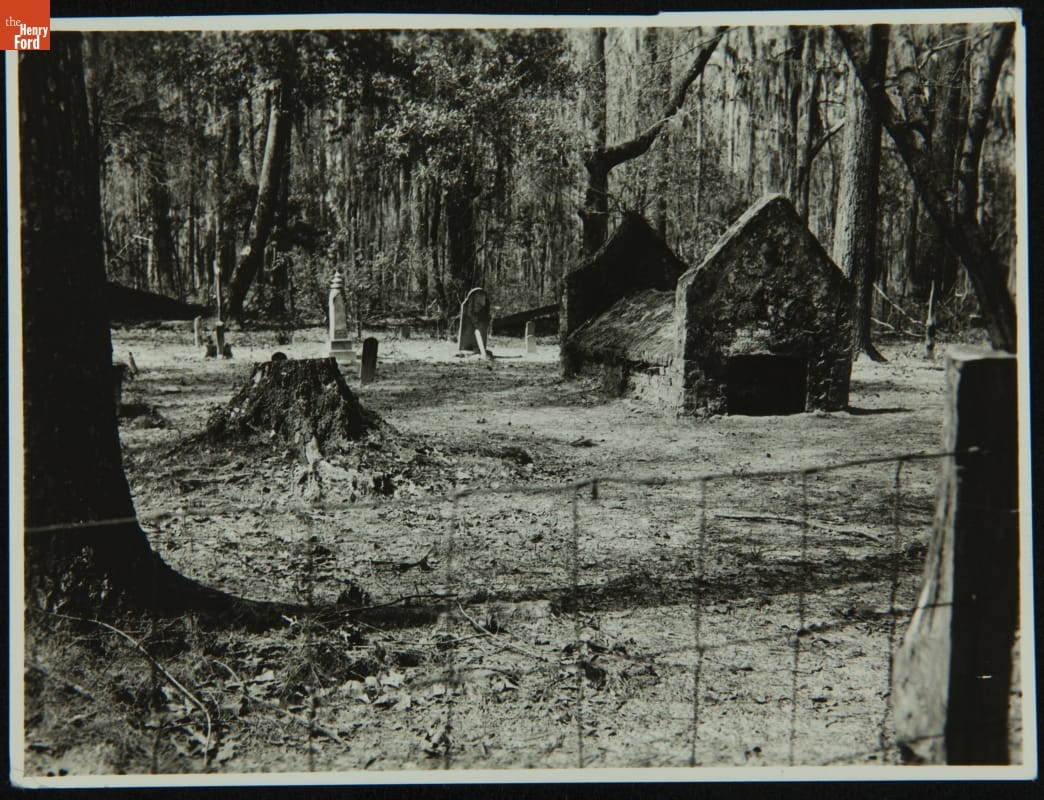
- White Hall Plantation Cemetery, circa 1940 - Henry Ford purchased vast amounts of land around present-day Richmond Hill, Georgia, beginning in the 1920s. Ford eventually acquired 85,000 acres, and in the 1930s he built a winter residence there. His purchases included several pre-Civil War plantations. White Hall was a cotton plantation owned by the Arnold family. The family cemetery was located on the grounds and preserved by the Fords.
- circa 1940
- Collections - Artifact
White Hall Plantation Cemetery, circa 1940
Henry Ford purchased vast amounts of land around present-day Richmond Hill, Georgia, beginning in the 1920s. Ford eventually acquired 85,000 acres, and in the 1930s he built a winter residence there. His purchases included several pre-Civil War plantations. White Hall was a cotton plantation owned by the Arnold family. The family cemetery was located on the grounds and preserved by the Fords.