
Search
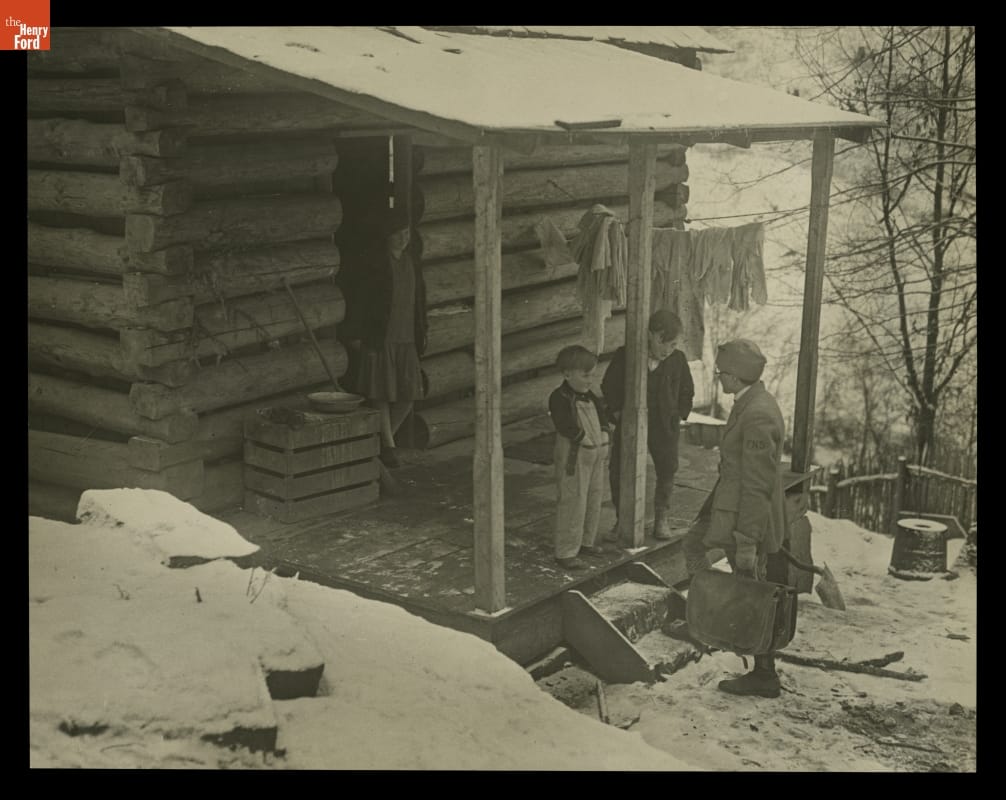
- Frontier Nursing Service, "The Nurse on Her Rounds," 1931 - Mary Breckinridge, the daughter of a prominent Southern family, established the Frontier Nursing Service (FNS) in 1925. Breckinridge initially backed the enterprise with her own money, but soon cultivated wealthy individuals, including Clara Ford and her son Edsel, to help support the FNS. Through her philanthropic efforts, Breckinridge brought qualified nurse-midwives and modern, life-saving healthcare to many inaccessible areas of eastern Kentucky.
- 1931
- Collections - Artifact
Frontier Nursing Service, "The Nurse on Her Rounds," 1931
Mary Breckinridge, the daughter of a prominent Southern family, established the Frontier Nursing Service (FNS) in 1925. Breckinridge initially backed the enterprise with her own money, but soon cultivated wealthy individuals, including Clara Ford and her son Edsel, to help support the FNS. Through her philanthropic efforts, Breckinridge brought qualified nurse-midwives and modern, life-saving healthcare to many inaccessible areas of eastern Kentucky.
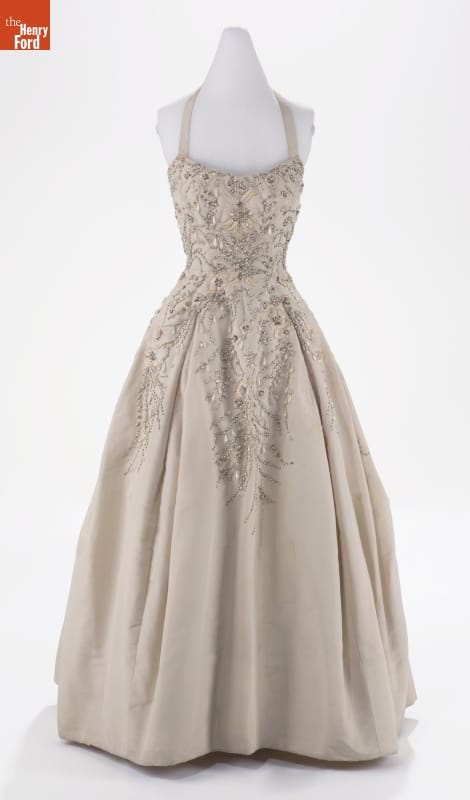
- Christian Dior Evening Dress, "Fontainebleau Adaptation," Worn by Anne Firestone to the 1955 Reopening of the Vienna Opera House, 1954 -
- 1955
- Collections - Artifact
Christian Dior Evening Dress, "Fontainebleau Adaptation," Worn by Anne Firestone to the 1955 Reopening of the Vienna Opera House, 1954
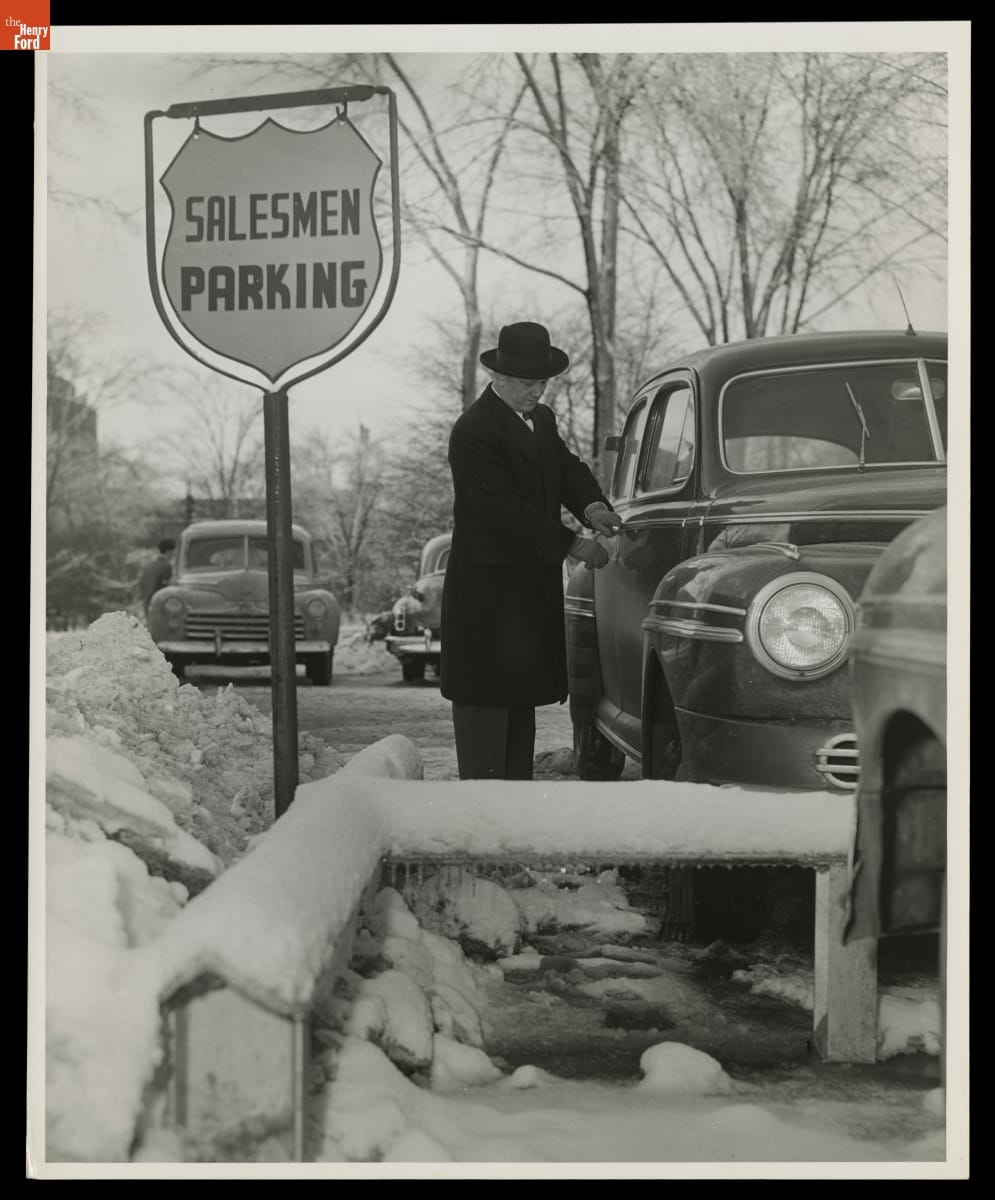
- "Salesmen Parking" Area outside the Ford Rouge Plant Administration Building, Dearborn, Michigan, January 1948 - Sales staff had their own reserved parking spots outside the Administration Building at Ford Motor Company's Rouge plant, as seen in this photograph from January 1948. Presumably, most salespeople only visited the building for brief periods of time, so close and convenient parking was appreciated.
- January 06, 1948
- Collections - Artifact
"Salesmen Parking" Area outside the Ford Rouge Plant Administration Building, Dearborn, Michigan, January 1948
Sales staff had their own reserved parking spots outside the Administration Building at Ford Motor Company's Rouge plant, as seen in this photograph from January 1948. Presumably, most salespeople only visited the building for brief periods of time, so close and convenient parking was appreciated.
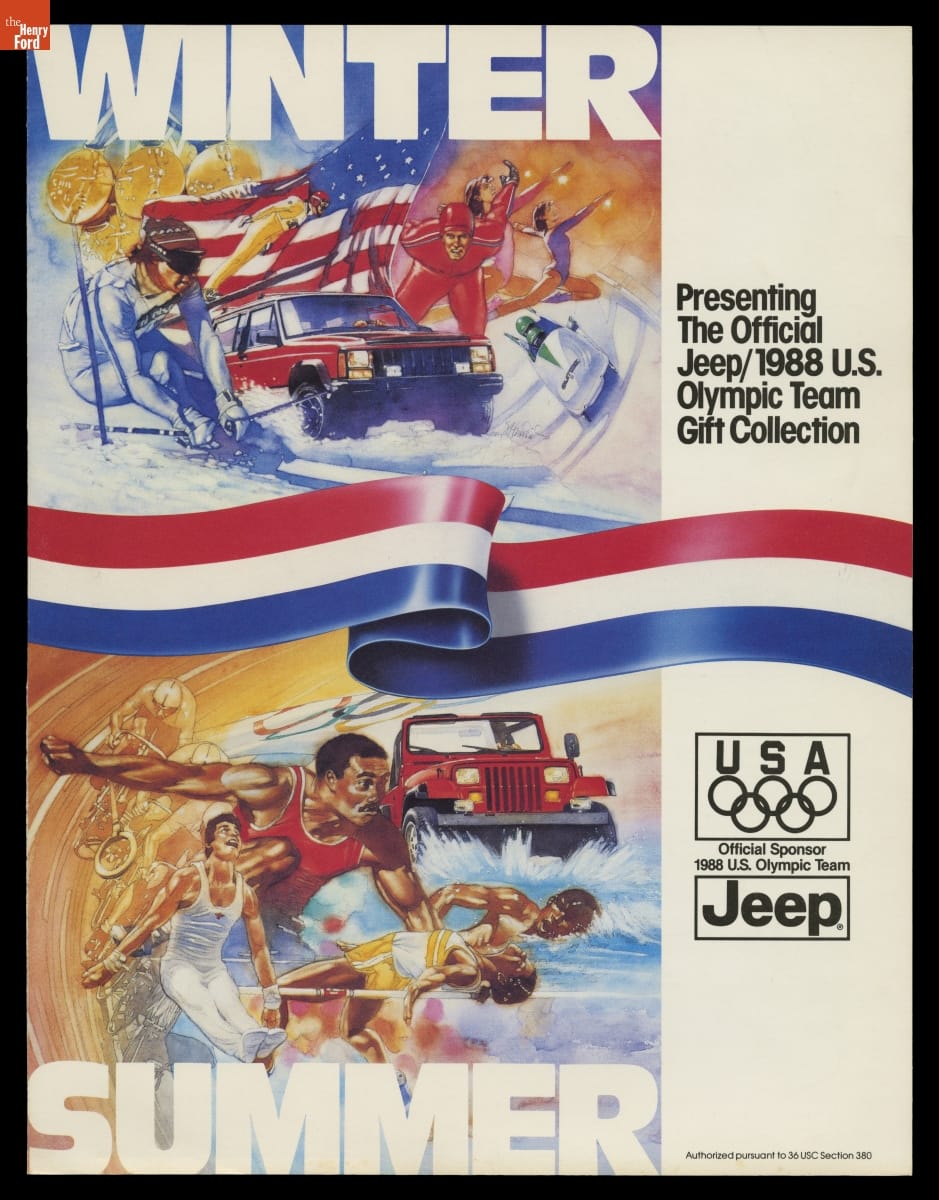
- "Presenting the Official Jeep/1988 U.S. Olympic Team Gift Collection," 1988 - Chrysler's Jeep brand sponsored the 1988 U.S. Olympic Team at both the Winter Games held in Calgary, Alberta, Canada, and at the Summer Games held in Seoul, South Korea. This catalog featured a variety of co-branded Jeep/U.S. Olympic Team merchandise including hats, shirts, mugs, pins, and pens.
- 1988
- Collections - Artifact
"Presenting the Official Jeep/1988 U.S. Olympic Team Gift Collection," 1988
Chrysler's Jeep brand sponsored the 1988 U.S. Olympic Team at both the Winter Games held in Calgary, Alberta, Canada, and at the Summer Games held in Seoul, South Korea. This catalog featured a variety of co-branded Jeep/U.S. Olympic Team merchandise including hats, shirts, mugs, pins, and pens.
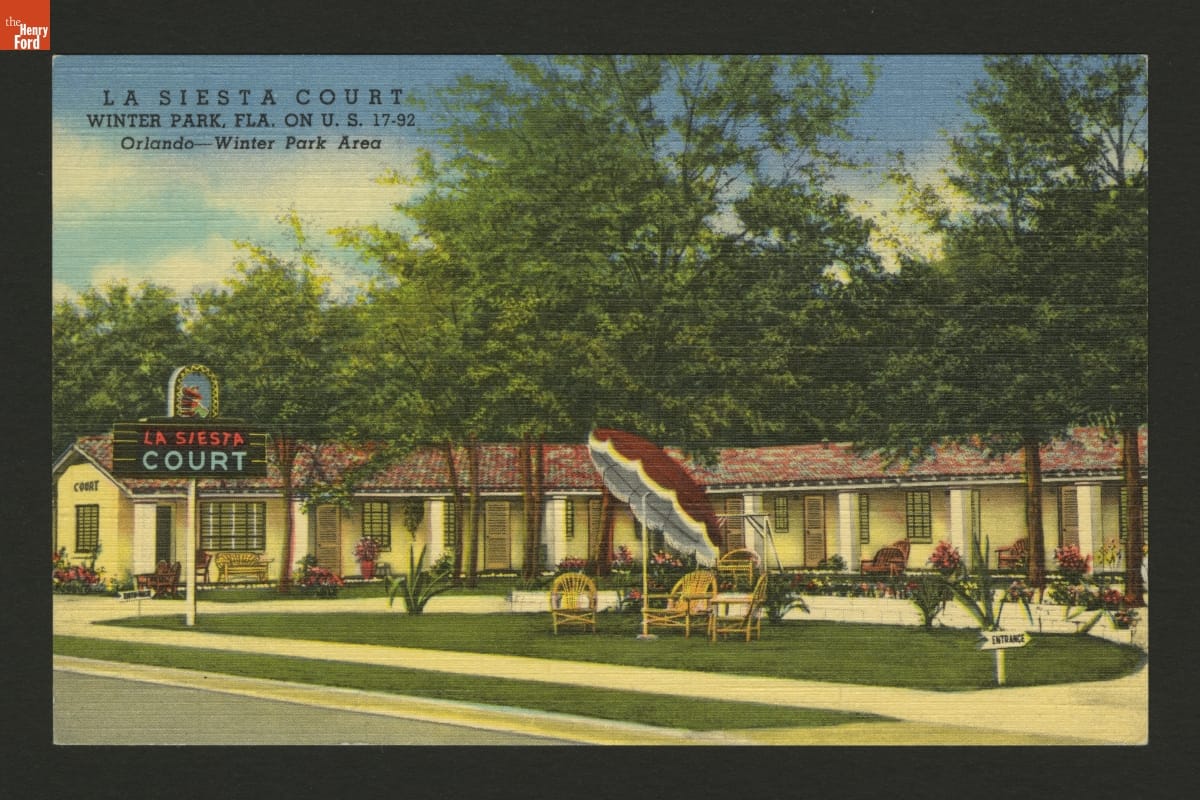
- Postcard, La Siesta Court Motel, Winter Park, Florida, 1950 - Motel design often reflected regional architectural style. This 1950 postcard shows La Siesta Court in Winter Park, Florida. The Spanish Revival architecture evokes the early history of central Florida.
- 1950
- Collections - Artifact
Postcard, La Siesta Court Motel, Winter Park, Florida, 1950
Motel design often reflected regional architectural style. This 1950 postcard shows La Siesta Court in Winter Park, Florida. The Spanish Revival architecture evokes the early history of central Florida.
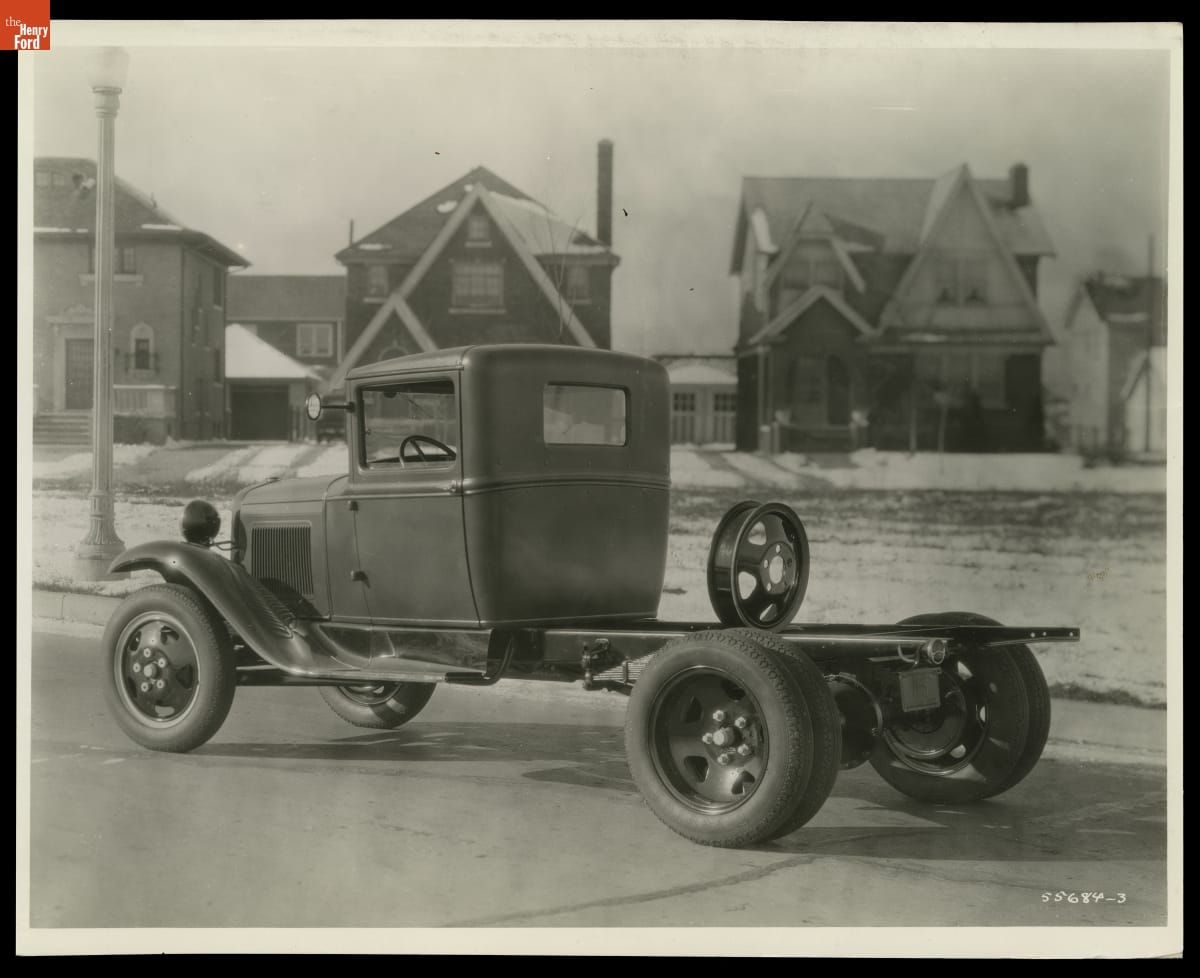
- Ford Model AA Truck Chassis with Closed Cab, December 1930 - Ford Motor Company's Model AA truck was based on its Model A automobile platform, but with a longer wheelbase, a stronger frame, and generally sturdier chassis components. The Model AA was available in several body styles to permit its use as a panel truck, an express delivery truck, a garbage truck, a bus, or an ambulance, among other options.
- December 17, 1930
- Collections - Artifact
Ford Model AA Truck Chassis with Closed Cab, December 1930
Ford Motor Company's Model AA truck was based on its Model A automobile platform, but with a longer wheelbase, a stronger frame, and generally sturdier chassis components. The Model AA was available in several body styles to permit its use as a panel truck, an express delivery truck, a garbage truck, a bus, or an ambulance, among other options.
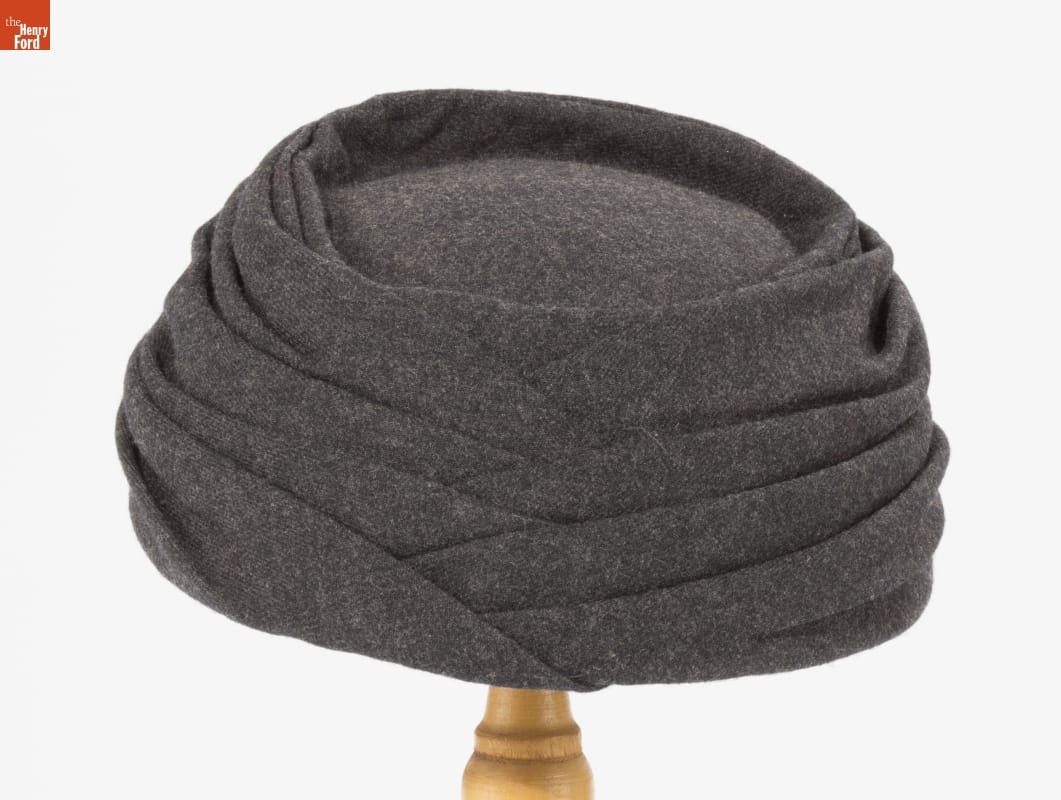
- Christian Dior Turban, Worn by Elizabeth Parke Firestone, 1955-1960 -
- 1955-1960
- Collections - Artifact
Christian Dior Turban, Worn by Elizabeth Parke Firestone, 1955-1960
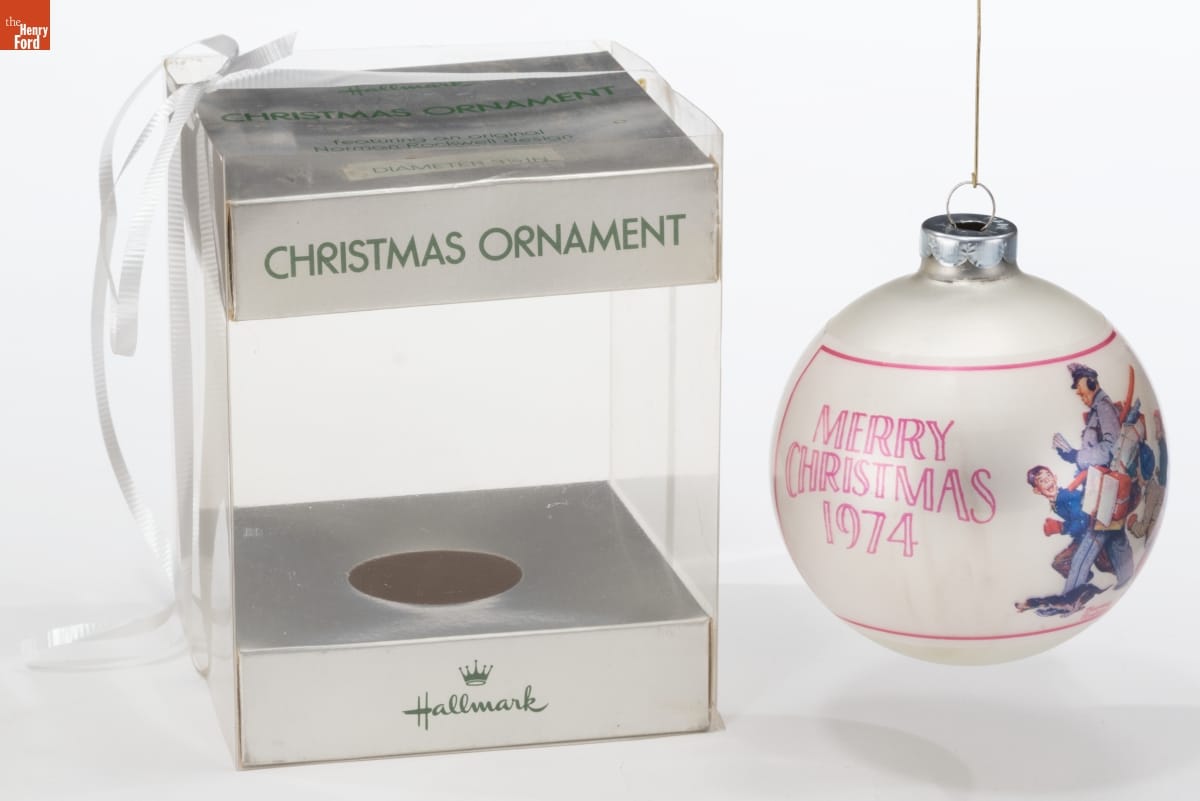
- Hallmark "Norman Rockwell" Christmas Ornament, 1974 - Already known for greeting cards, Hallmark introduced a line of Christmas ornaments in 1973. The company's annual release of an increasing array of ornaments revolutionized Christmas decorating, appealing to customers' interest in marking memories and milestones as well as expressing one's personality and unique tastes.
- 1974
- Collections - Artifact
Hallmark "Norman Rockwell" Christmas Ornament, 1974
Already known for greeting cards, Hallmark introduced a line of Christmas ornaments in 1973. The company's annual release of an increasing array of ornaments revolutionized Christmas decorating, appealing to customers' interest in marking memories and milestones as well as expressing one's personality and unique tastes.
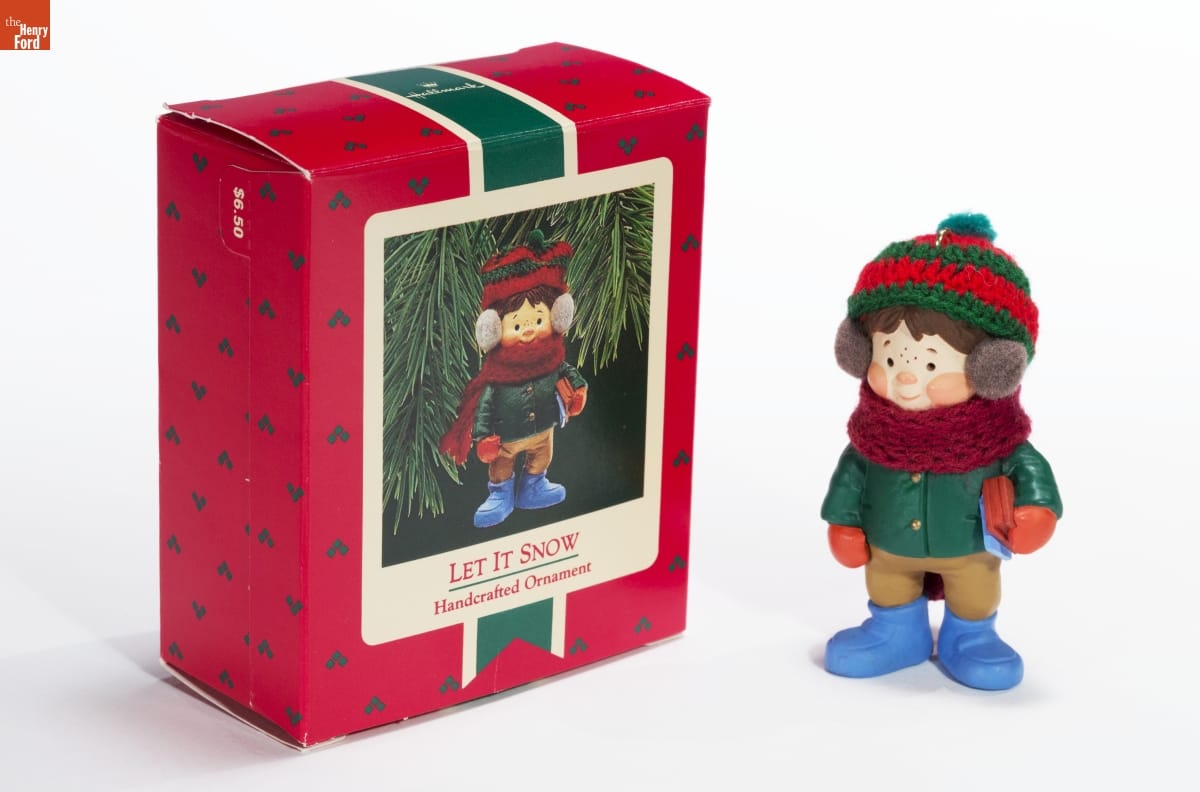
- Hallmark "Let It Snow" Christmas Ornament, 1987 - Already known for greeting cards, Hallmark introduced a line of Christmas ornaments in 1973. The company's annual release of an increasing array of ornaments revolutionized Christmas decorating, appealing to customers' interest in marking memories and milestones as well as expressing one's personality and unique tastes.
- 1987
- Collections - Artifact
Hallmark "Let It Snow" Christmas Ornament, 1987
Already known for greeting cards, Hallmark introduced a line of Christmas ornaments in 1973. The company's annual release of an increasing array of ornaments revolutionized Christmas decorating, appealing to customers' interest in marking memories and milestones as well as expressing one's personality and unique tastes.
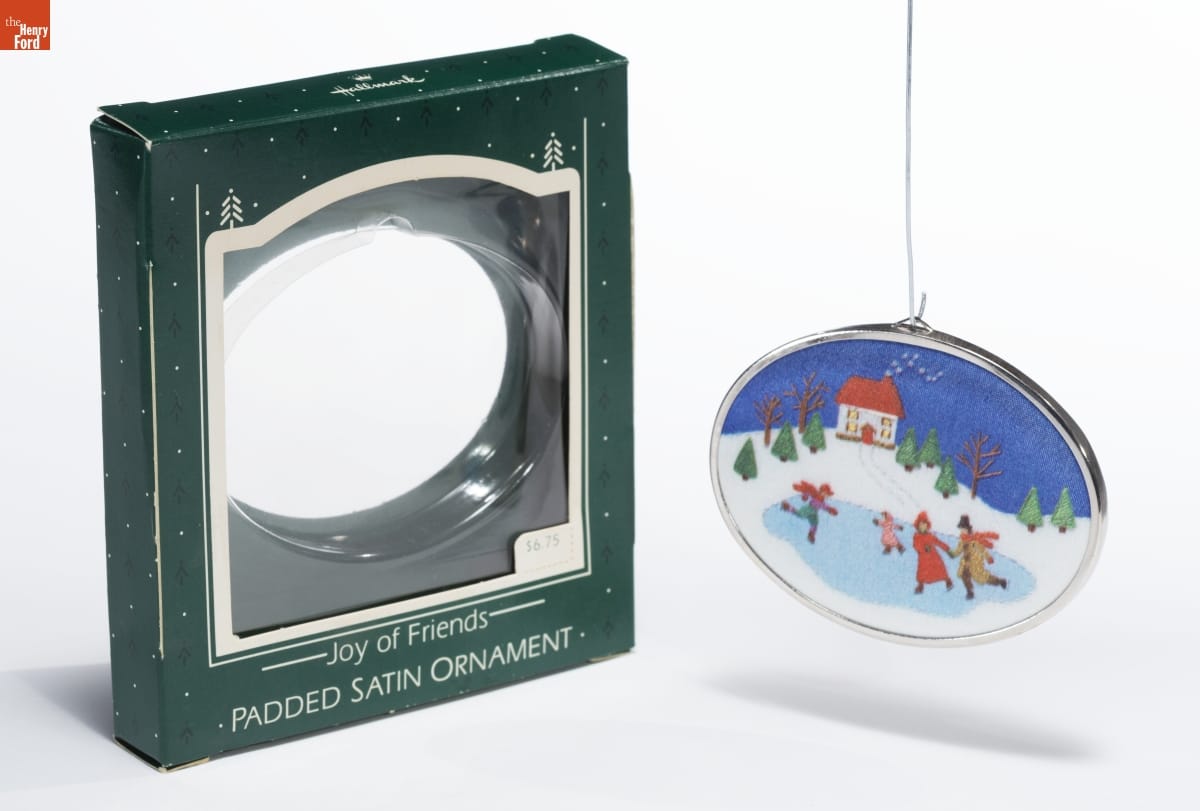
- Hallmark "Joy of Friends" Christmas Ornament, 1986 - Already known for greeting cards, Hallmark introduced a line of Christmas ornaments in 1973. The company's annual release of an increasing array of ornaments revolutionized Christmas decorating, appealing to customers' interest in marking memories and milestones as well as expressing one's personality and unique tastes.
- 1986
- Collections - Artifact
Hallmark "Joy of Friends" Christmas Ornament, 1986
Already known for greeting cards, Hallmark introduced a line of Christmas ornaments in 1973. The company's annual release of an increasing array of ornaments revolutionized Christmas decorating, appealing to customers' interest in marking memories and milestones as well as expressing one's personality and unique tastes.