
Search
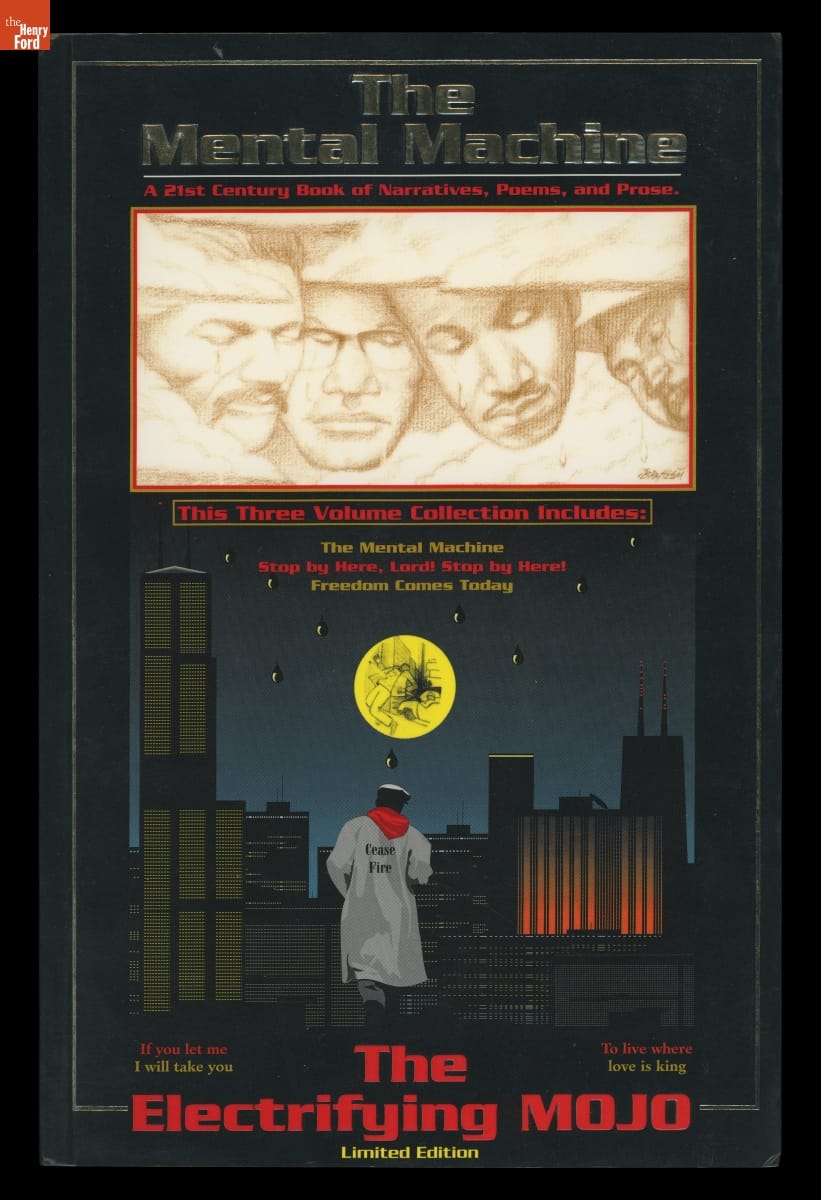
- "The Mental Machine: A 21st Century Book of Narratives, Poems, and Prose," 1995 -
- 1995
- Collections - Artifact
"The Mental Machine: A 21st Century Book of Narratives, Poems, and Prose," 1995
- Hallmark "Norman Rockwell Art" Christmas Ornament, 1991 - Already known for greeting cards, Hallmark introduced a line of Christmas ornaments in 1973. The company's annual release of an increasing array of ornaments revolutionized Christmas decorating, appealing to customers' interest in marking memories and milestones as well as expressing one's personality and unique tastes.

- 1991
- Collections - Artifact
Hallmark "Norman Rockwell Art" Christmas Ornament, 1991
Already known for greeting cards, Hallmark introduced a line of Christmas ornaments in 1973. The company's annual release of an increasing array of ornaments revolutionized Christmas decorating, appealing to customers' interest in marking memories and milestones as well as expressing one's personality and unique tastes.
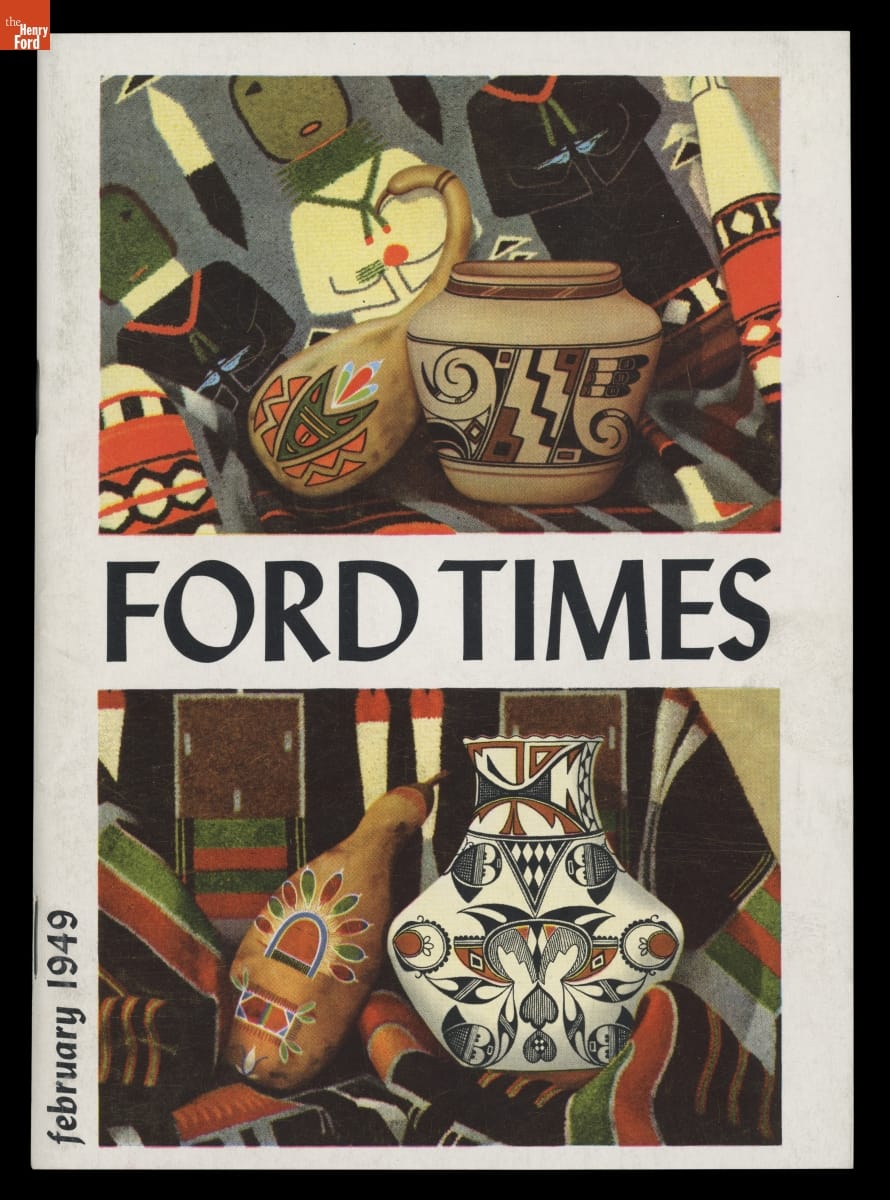
- "Ford Times," February 1949 - Ford Motor Company published<em> Ford Times</em> magazine from 1908 to 1917 and again from 1943 to 1993. Intended for dealers and consumers, the publication was key to Ford's public relations efforts. With articles emphasizing a range of topics, including automobiles but also recreation, food, history, nature, and culture, <em>Ford Times</em> became an important document of 20th-century American life.
- February 01, 1949
- Collections - Artifact
"Ford Times," February 1949
Ford Motor Company published Ford Times magazine from 1908 to 1917 and again from 1943 to 1993. Intended for dealers and consumers, the publication was key to Ford's public relations efforts. With articles emphasizing a range of topics, including automobiles but also recreation, food, history, nature, and culture, Ford Times became an important document of 20th-century American life.
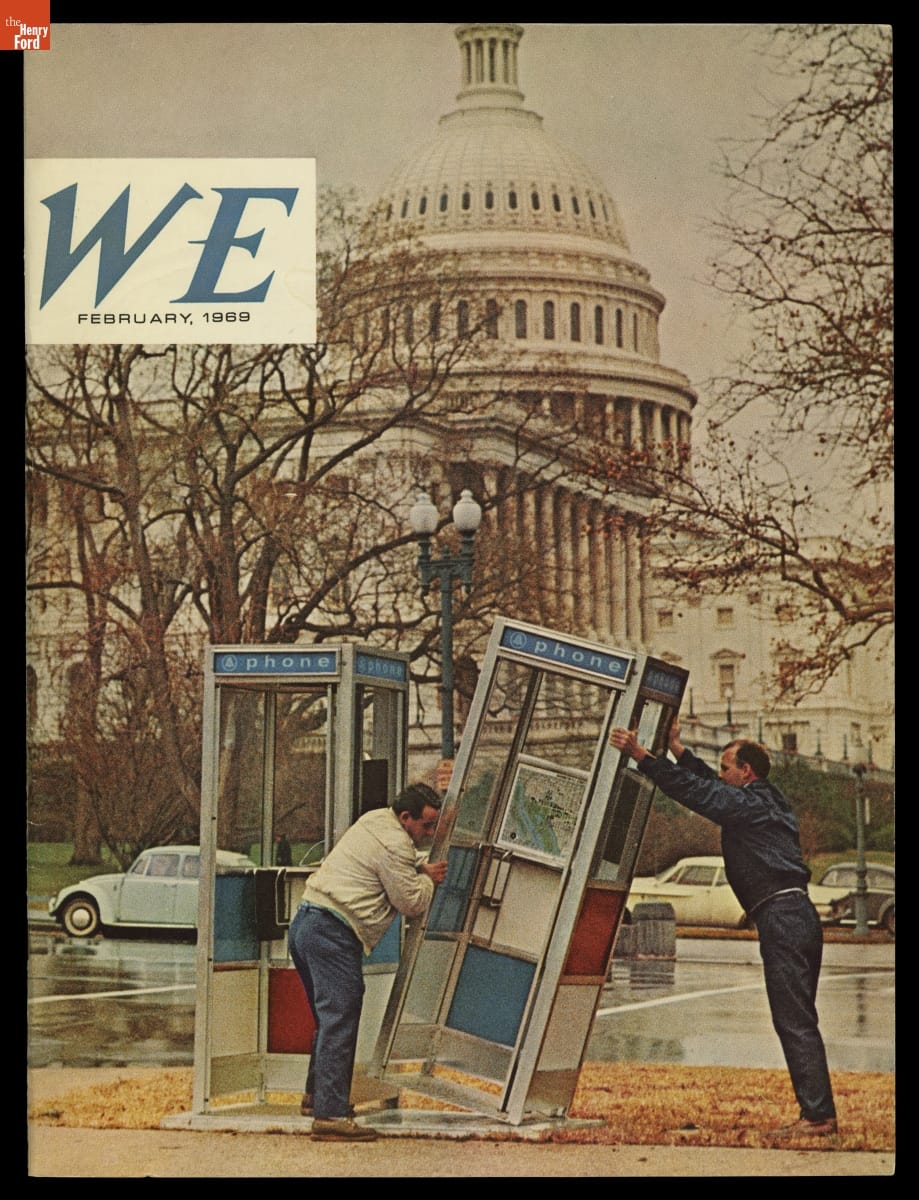
- "WE" Magazine, February 1969 - Lillian Schwartz is a pioneer of computer-generated art. From 1969-2002, she was a "resident visitor" at Bell Laboratories, producing groundbreaking films, videos, and multimedia works. The Schwartz Collection spans Lillian's childhood into her late career, documenting an expansive mindset, mastery over traditional and experimental mediums alike--and above all--an ability to create inspirational connections between science, art, and technology.
- February 01, 1969
- Collections - Artifact
"WE" Magazine, February 1969
Lillian Schwartz is a pioneer of computer-generated art. From 1969-2002, she was a "resident visitor" at Bell Laboratories, producing groundbreaking films, videos, and multimedia works. The Schwartz Collection spans Lillian's childhood into her late career, documenting an expansive mindset, mastery over traditional and experimental mediums alike--and above all--an ability to create inspirational connections between science, art, and technology.
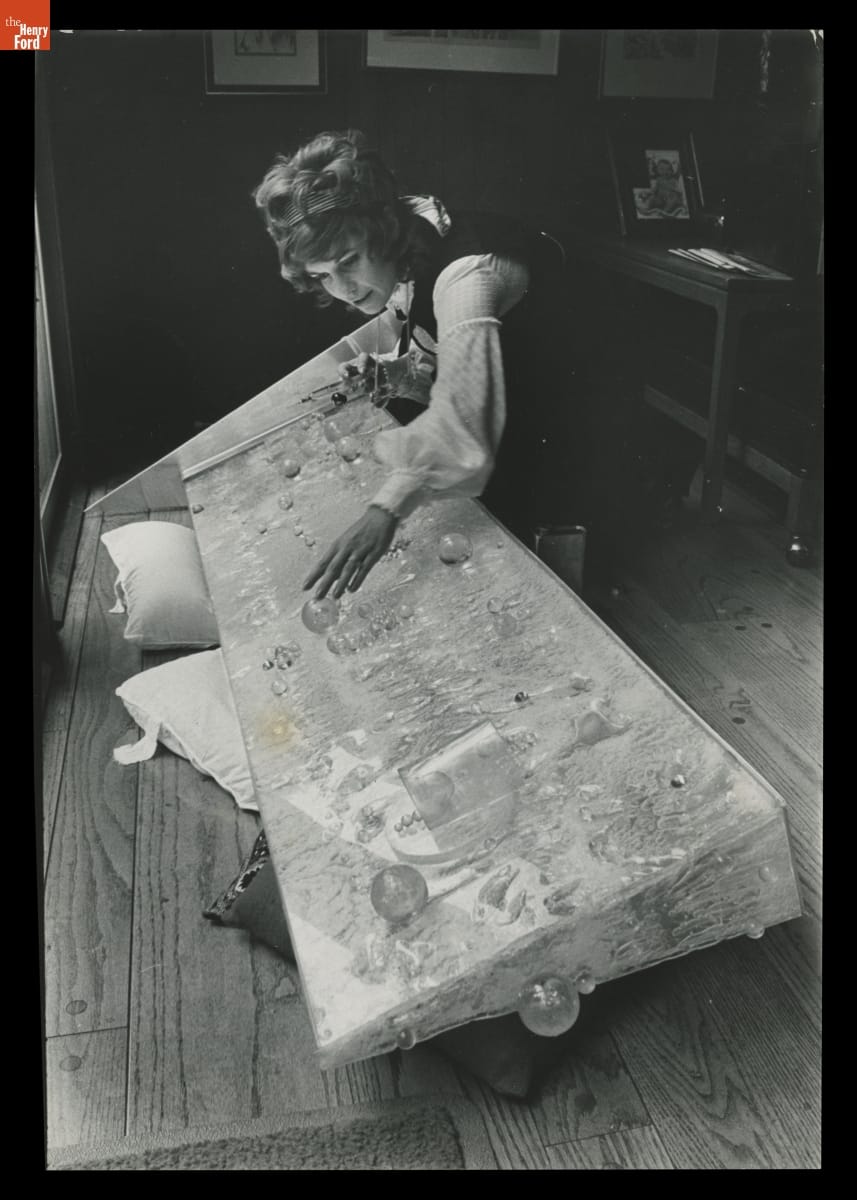
- Lillian Schwartz Working with Plastic Panels, circa 1967 - Lillian Schwartz is a pioneer of computer-generated art. From 1969-2002, she was a "resident visitor" at Bell Laboratories, producing groundbreaking films, videos, and multimedia works. The Schwartz Collection spans Lillian's childhood into her late career, documenting an expansive mindset, mastery over traditional and experimental mediums alike--and above all--an ability to create inspirational connections between science, art, and technology.
- circa 1967
- Collections - Artifact
Lillian Schwartz Working with Plastic Panels, circa 1967
Lillian Schwartz is a pioneer of computer-generated art. From 1969-2002, she was a "resident visitor" at Bell Laboratories, producing groundbreaking films, videos, and multimedia works. The Schwartz Collection spans Lillian's childhood into her late career, documenting an expansive mindset, mastery over traditional and experimental mediums alike--and above all--an ability to create inspirational connections between science, art, and technology.
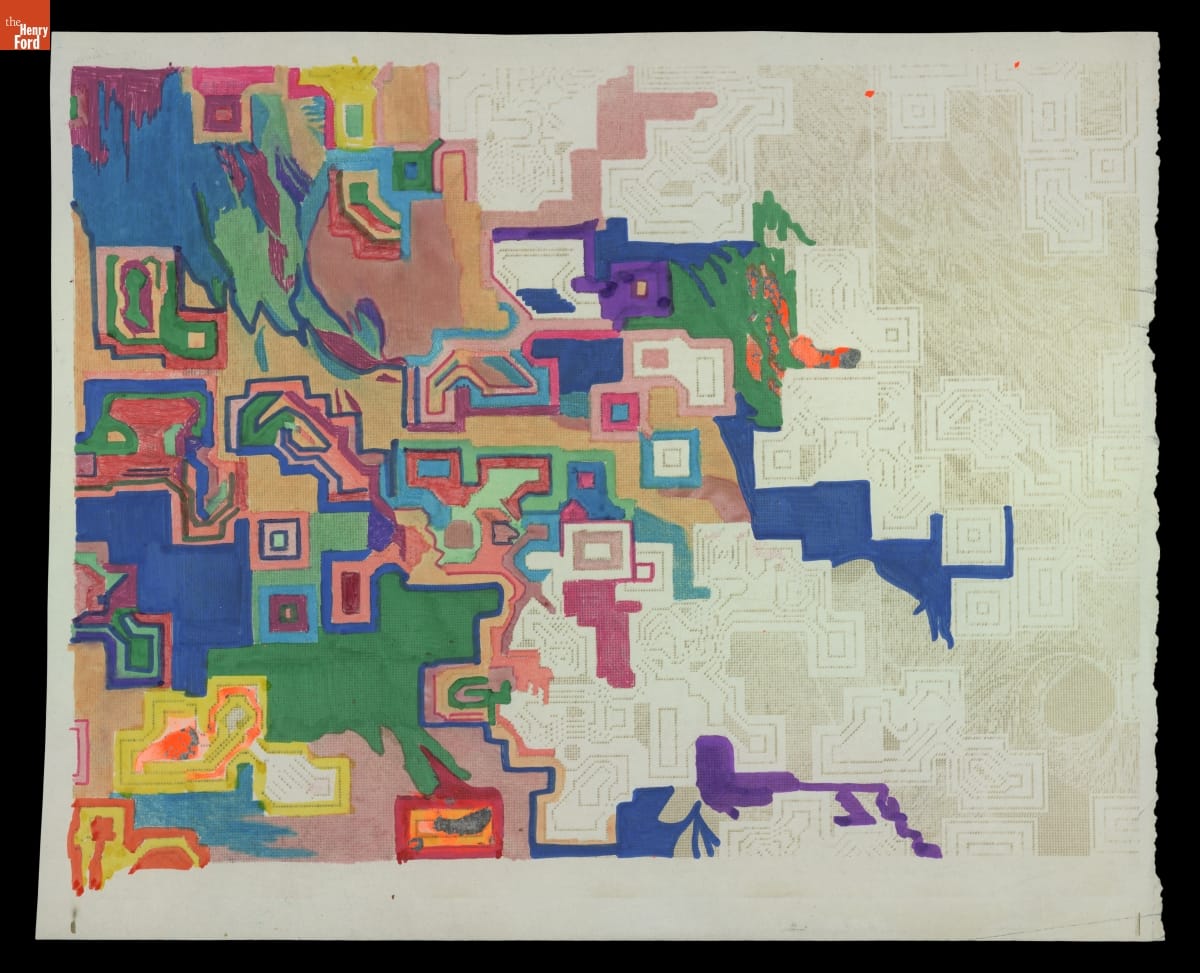
- Handcolored Still from Lillian Schwartz's Film, "Pixillation," circa 1970 - Lillian Schwartz is a pioneer of computer-generated art. From 1969-2002, she was a "resident visitor" at Bell Laboratories, producing groundbreaking films, videos, and multimedia works. The Schwartz Collection spans Lillian's childhood into her late career, documenting an expansive mindset, mastery over traditional and experimental mediums alike--and above all--an ability to create inspirational connections between science, art, and technology.
- circa 1970
- Collections - Artifact
Handcolored Still from Lillian Schwartz's Film, "Pixillation," circa 1970
Lillian Schwartz is a pioneer of computer-generated art. From 1969-2002, she was a "resident visitor" at Bell Laboratories, producing groundbreaking films, videos, and multimedia works. The Schwartz Collection spans Lillian's childhood into her late career, documenting an expansive mindset, mastery over traditional and experimental mediums alike--and above all--an ability to create inspirational connections between science, art, and technology.
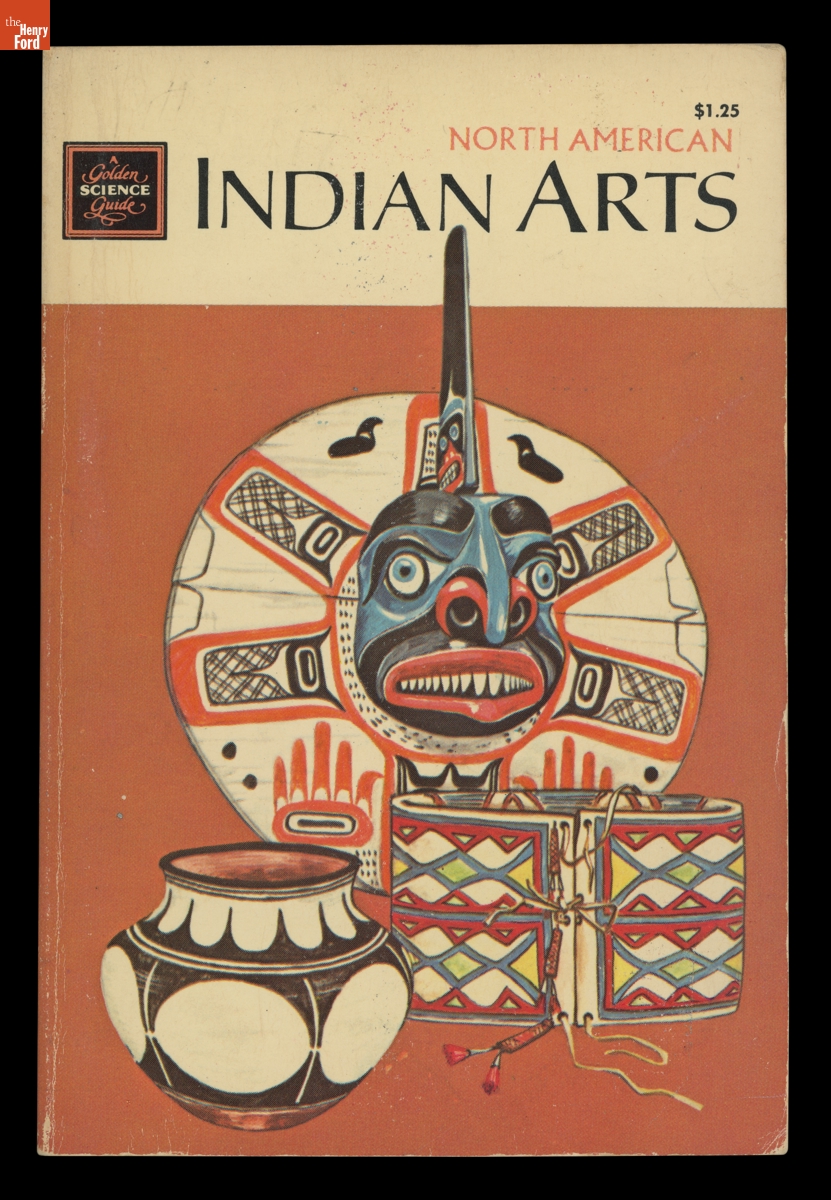
- "A Golden Science Guide: North American Indian Arts," 1970 -
- 1970
- Collections - Artifact
"A Golden Science Guide: North American Indian Arts," 1970
- "Attention If You Can Read This You Are On Indigenous Lands" Artwork, 2024 -

- 2024
- Collections - Artifact
"Attention If You Can Read This You Are On Indigenous Lands" Artwork, 2024
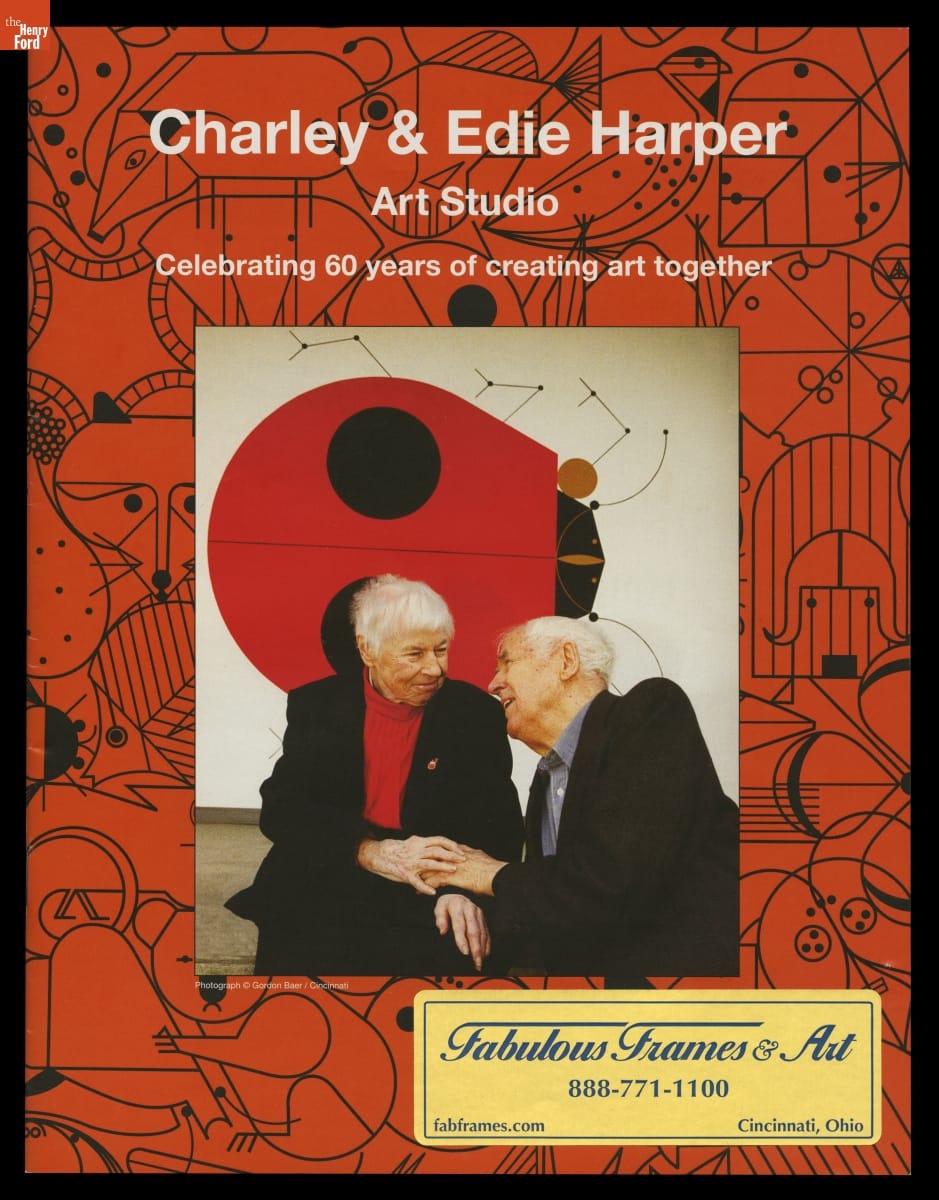
- Charley & Edie Harper Art Studio: Celebrating 60 Years of Creating Art Together, 2006 - Charley Harper (1922-2007) and Edie McKee (1922-2010) met at the Art Academy of Cincinnati in 1940 and married in 1947. Both practiced art for the remainder of their lives, with Charley ultimately gaining fame for his unique style of illustrating wildlife. This trade catalog, published the year before Charley passed away, celebrated the Harpers' 60-year marriage and noteworthy careers.
- 2006
- Collections - Artifact
Charley & Edie Harper Art Studio: Celebrating 60 Years of Creating Art Together, 2006
Charley Harper (1922-2007) and Edie McKee (1922-2010) met at the Art Academy of Cincinnati in 1940 and married in 1947. Both practiced art for the remainder of their lives, with Charley ultimately gaining fame for his unique style of illustrating wildlife. This trade catalog, published the year before Charley passed away, celebrated the Harpers' 60-year marriage and noteworthy careers.
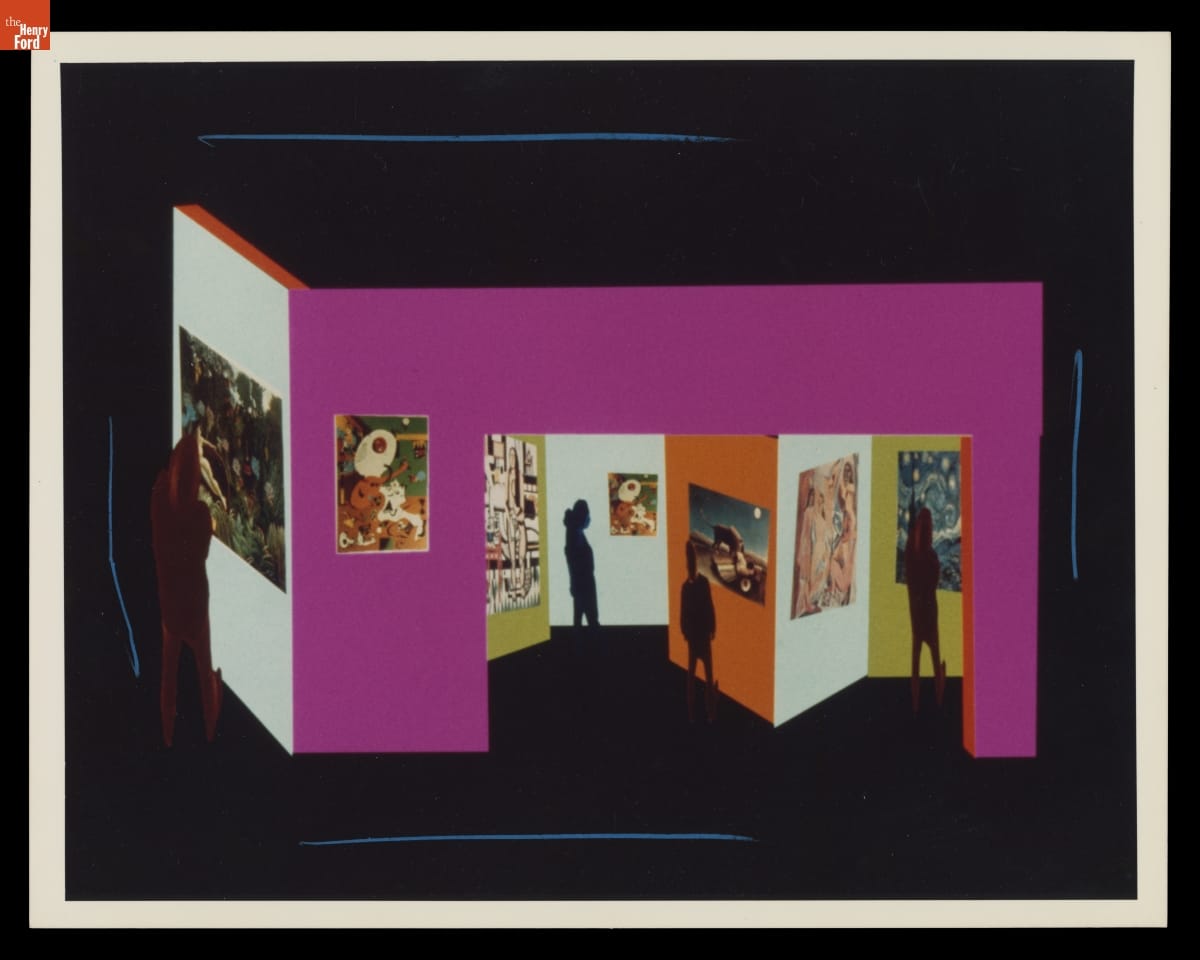
- Computer-Generated Image of a MoMA Exhibit Gallery, Digital Art Print, 1984 - Lillian Schwartz is a pioneer of computer-generated art. From 1969-2002, she was a "resident visitor" at Bell Laboratories, producing groundbreaking films, videos, and multimedia works. The Schwartz Collection spans Lillian's childhood into her late career, documenting an expansive mindset, mastery over traditional and experimental mediums alike--and above all--an ability to create inspirational connections between science, art, and technology.
- 1984
- Collections - Artifact
Computer-Generated Image of a MoMA Exhibit Gallery, Digital Art Print, 1984
Lillian Schwartz is a pioneer of computer-generated art. From 1969-2002, she was a "resident visitor" at Bell Laboratories, producing groundbreaking films, videos, and multimedia works. The Schwartz Collection spans Lillian's childhood into her late career, documenting an expansive mindset, mastery over traditional and experimental mediums alike--and above all--an ability to create inspirational connections between science, art, and technology.