
Search
- Paperweight, circa 1850 -
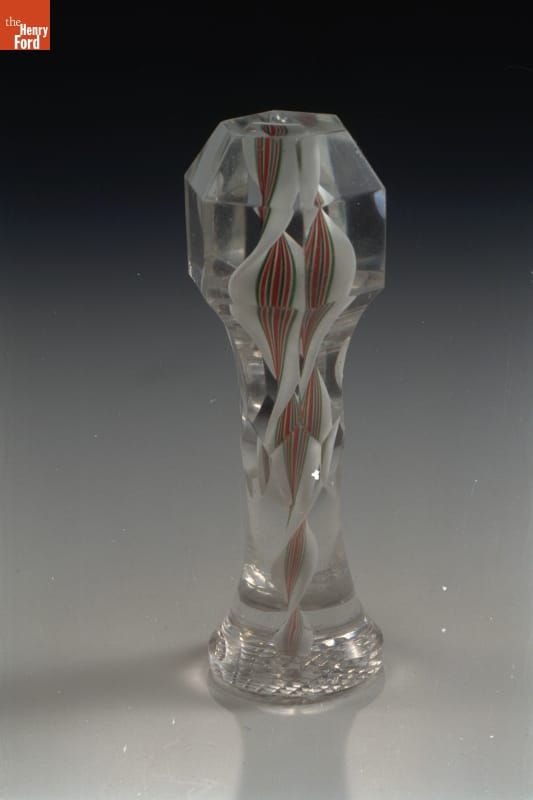
- circa 1850
- Collections - Artifact
Paperweight, circa 1850
- Paperweight, 1840-1850 -
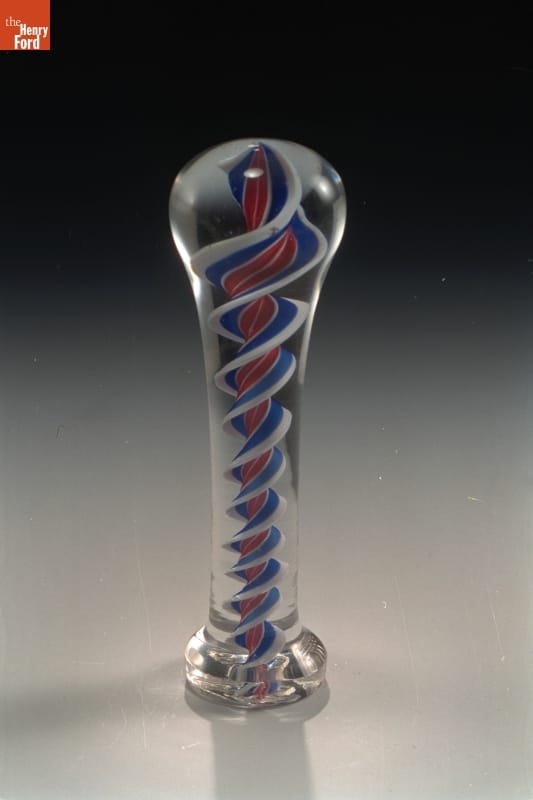
- 1840-1850
- Collections - Artifact
Paperweight, 1840-1850
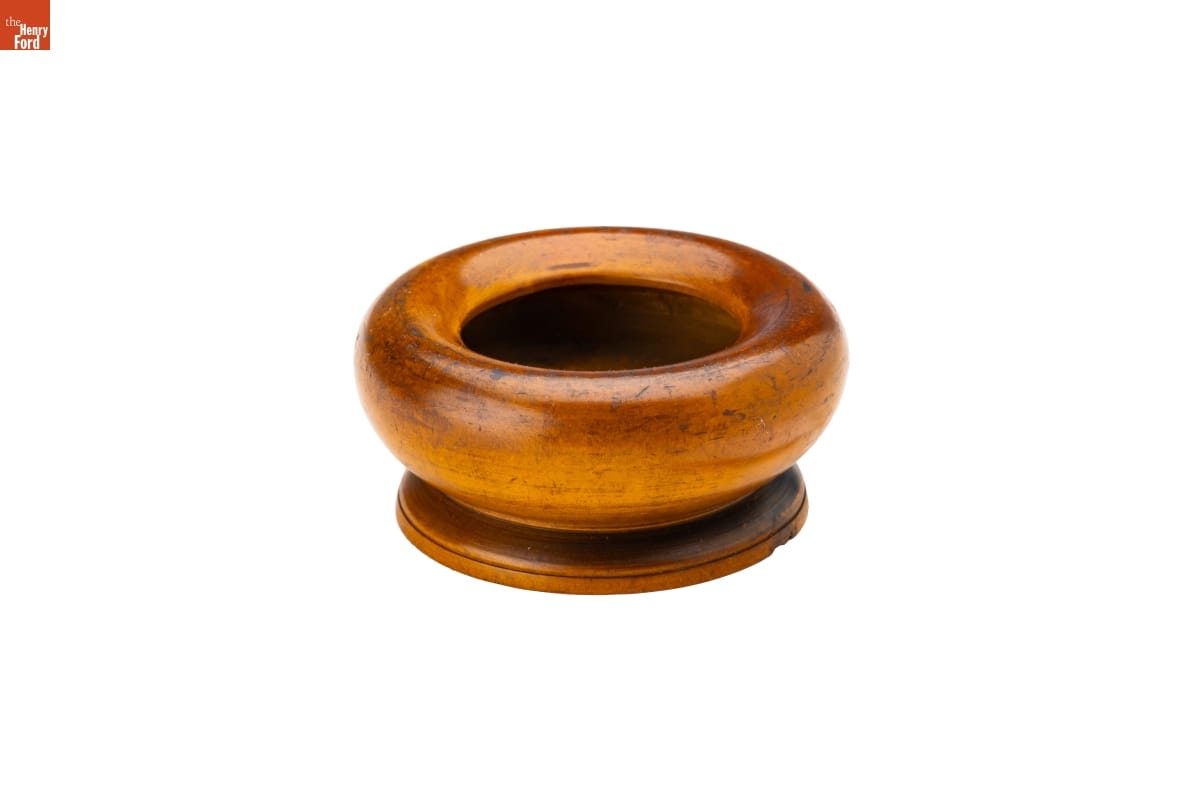
- Wafer Cup -
- Collections - Artifact
Wafer Cup
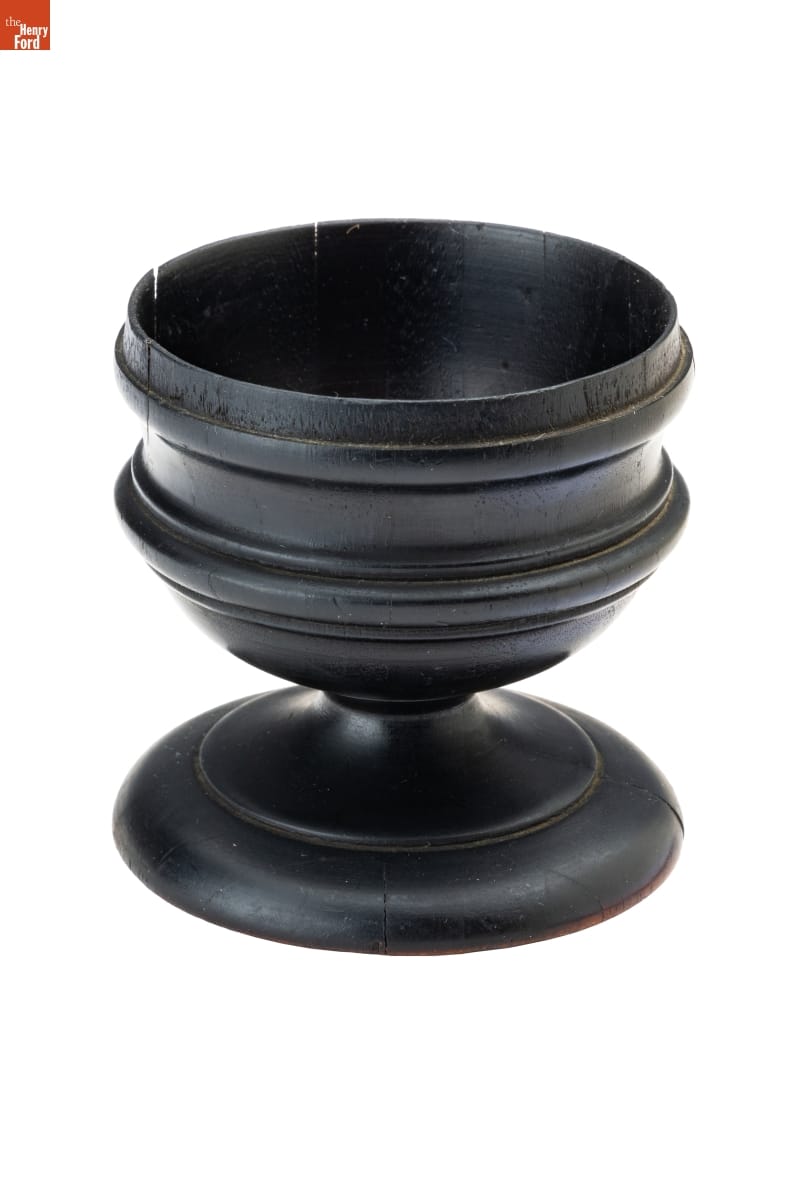
- Wafer Cup -
- Collections - Artifact
Wafer Cup
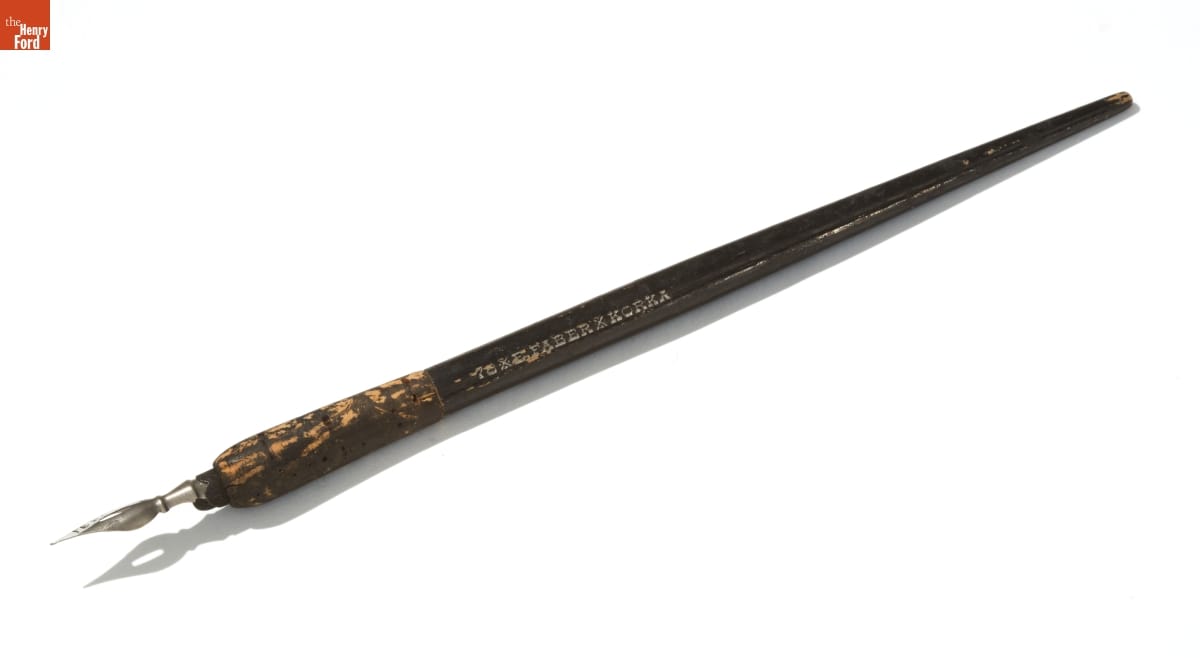
- Dip Pen, circa 1890 - Pens with metal tips called nibs became widely used in the mid-1800s thanks to mass production. To write, the tip of the pen was dipped into ink. The metal tip was replaced when it became dull. Pens with metal nibs required dipping into ink less often than quill pens (made of a feather), which had been used for thousands of years.
- circa 1890
- Collections - Artifact
Dip Pen, circa 1890
Pens with metal tips called nibs became widely used in the mid-1800s thanks to mass production. To write, the tip of the pen was dipped into ink. The metal tip was replaced when it became dull. Pens with metal nibs required dipping into ink less often than quill pens (made of a feather), which had been used for thousands of years.
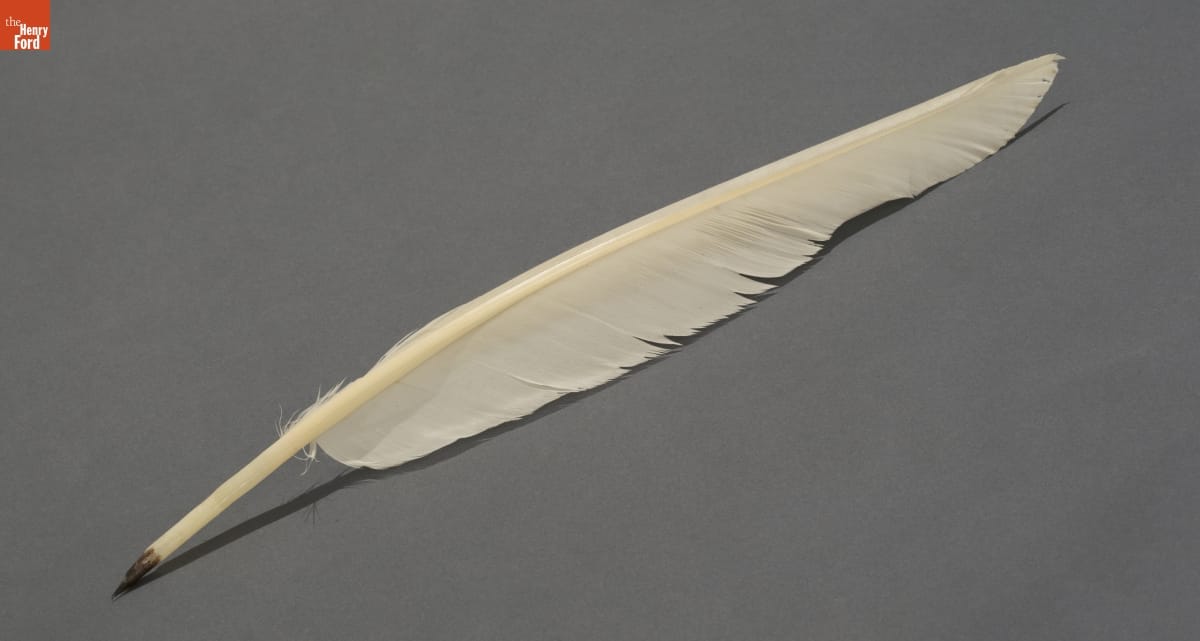
- Quill Pen, 1850-1950 - In the nineteenth century, schoolchildren's access to pens and paper was limited, especially on the frontier. Quill pens such as this one could be made with only a knife and a feather (generally from a goose). To write, the pointed tip of the quill was dipped into ink. Quill pens had to be sharpened regularly.
- 1850-1950
- Collections - Artifact
Quill Pen, 1850-1950
In the nineteenth century, schoolchildren's access to pens and paper was limited, especially on the frontier. Quill pens such as this one could be made with only a knife and a feather (generally from a goose). To write, the pointed tip of the quill was dipped into ink. Quill pens had to be sharpened regularly.
- Stylus -
- Collections - Artifact
Stylus
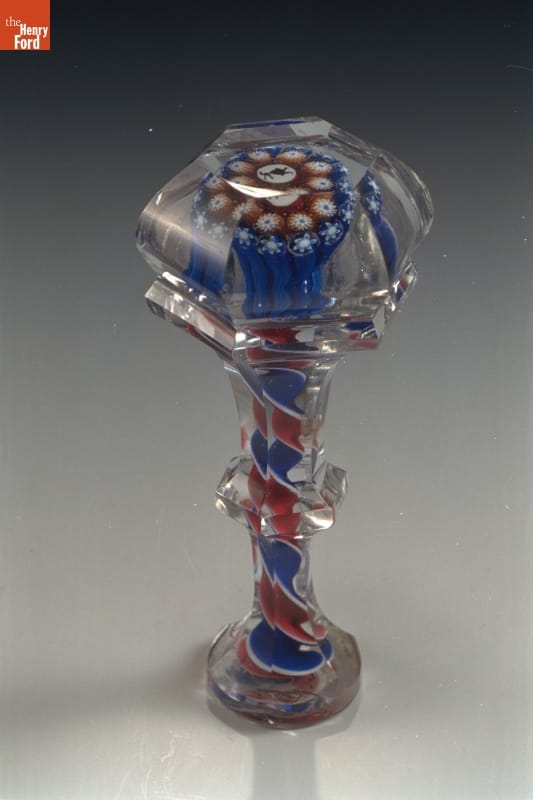
- Paperweight, circa 1840 -
- circa 1840
- Collections - Artifact
Paperweight, circa 1840
- Inkwell, 1790-1830 - America glass factories produced a variety of inexpensive glass products for the early-nineteenth-century consumer. Glass manufacturers turned out bottles, flasks, tableware and other household items such as this inkwell. This small decorative item adorned writing tables or desks and held ink used to sign documents, tally ledger columns or pen letters to family and friends.
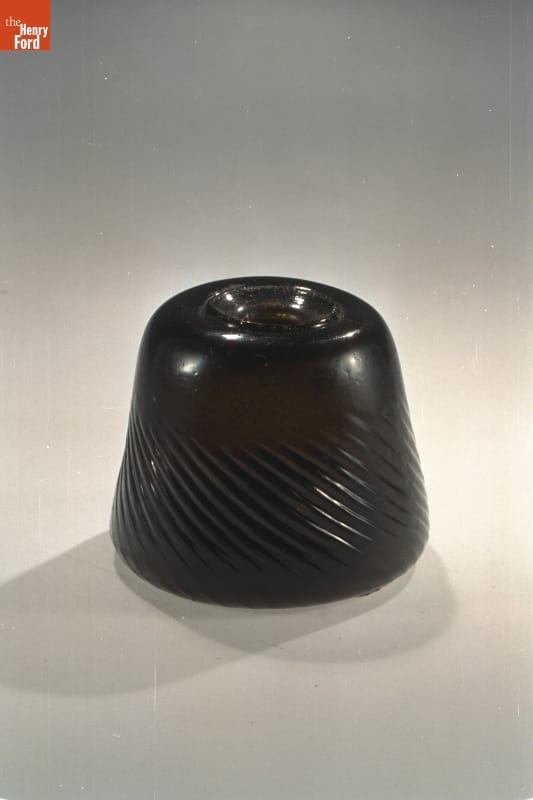
- 1790-1830
- Collections - Artifact
Inkwell, 1790-1830
America glass factories produced a variety of inexpensive glass products for the early-nineteenth-century consumer. Glass manufacturers turned out bottles, flasks, tableware and other household items such as this inkwell. This small decorative item adorned writing tables or desks and held ink used to sign documents, tally ledger columns or pen letters to family and friends.
- Slate Pencils, circa 1875 - In the nineteenth century, schoolchildren used slates to practice handwriting and arithmetic without wasting precious paper. Slate pencils were made of soapstone or softer pieces of slate rock, sometimes wrapped in paper like this one. Many students remember the sound of the slate pencil -- like nails on a chalkboard. In the late nineteenth/early twentieth century, chalk was used instead.
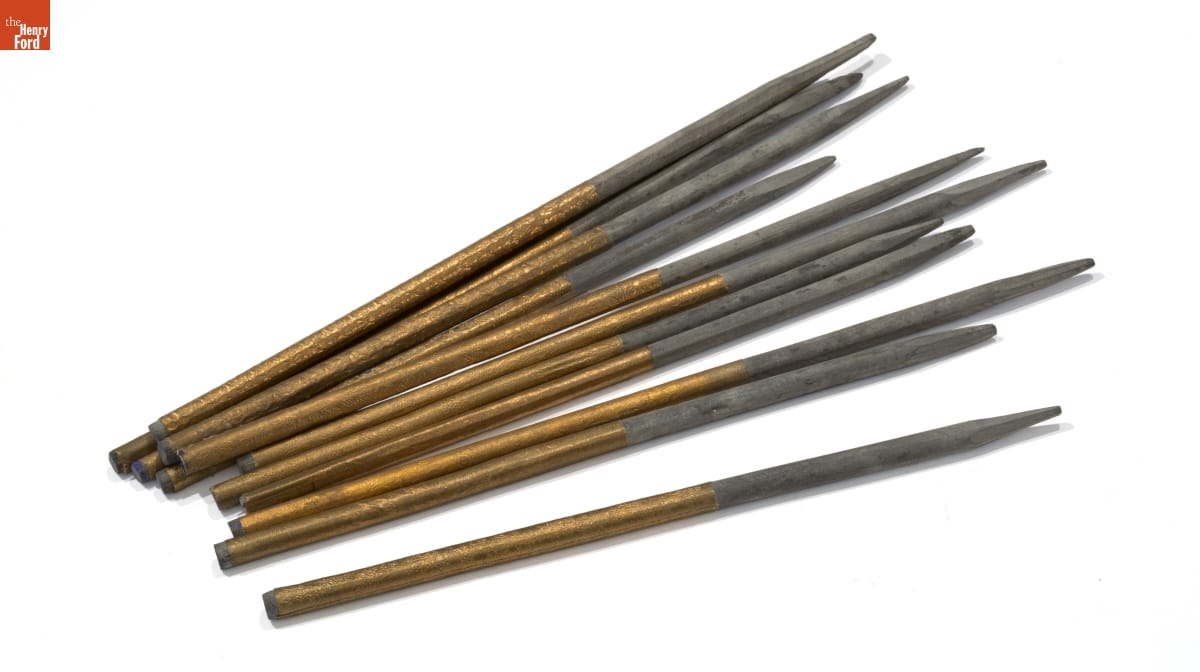
- circa 1875
- Collections - Artifact
Slate Pencils, circa 1875
In the nineteenth century, schoolchildren used slates to practice handwriting and arithmetic without wasting precious paper. Slate pencils were made of soapstone or softer pieces of slate rock, sometimes wrapped in paper like this one. Many students remember the sound of the slate pencil -- like nails on a chalkboard. In the late nineteenth/early twentieth century, chalk was used instead.